How to Identify a Bluegill
If you've ever cast a line into an Arkansas lake or pond, chances are you've pulled out a sunfish, and probably wondered exactly what kind it was. With so many similar-looking panfish swimming in our waters, it's incredibly easy to get them confused. This guide is here to help you confidently identify that classic catch, the bluegill, so you know exactly what's on your hook.
The Bluegill Basics: What Makes Them Stand Out?
Bluegill are arguably the most iconic panfish in Arkansas, and for good reason! They're abundant, feisty for their size, and a pure joy to catch, especially for kids. But before you can appreciate their spirited fight, you've got to know you've actually caught one. While they might look similar to other sunfish species at first glance, bluegill possess several distinct characteristics that, once you know them, make identification a breeze. It’s all about looking at the right details – from their colors and patterns to their specific body shape and mouth structure.
Distinguishing Features: Colors and Patterns
The first thing most anglers notice about a bluegill is its vibrant, yet often subtle, coloration. Typically, bluegill boast an olive-green back that fades into a yellowish or orange belly, sometimes with a reddish tint, especially during spawning season when males really show off. You’ll often see faint, dark vertical bars running down their sides, usually numbering between five and nine. These bars can be more pronounced or almost invisible depending on the fish's mood, water clarity, and even its specific habitat. A bluegill caught from murky water might be much duller than one from crystal clear shallows.
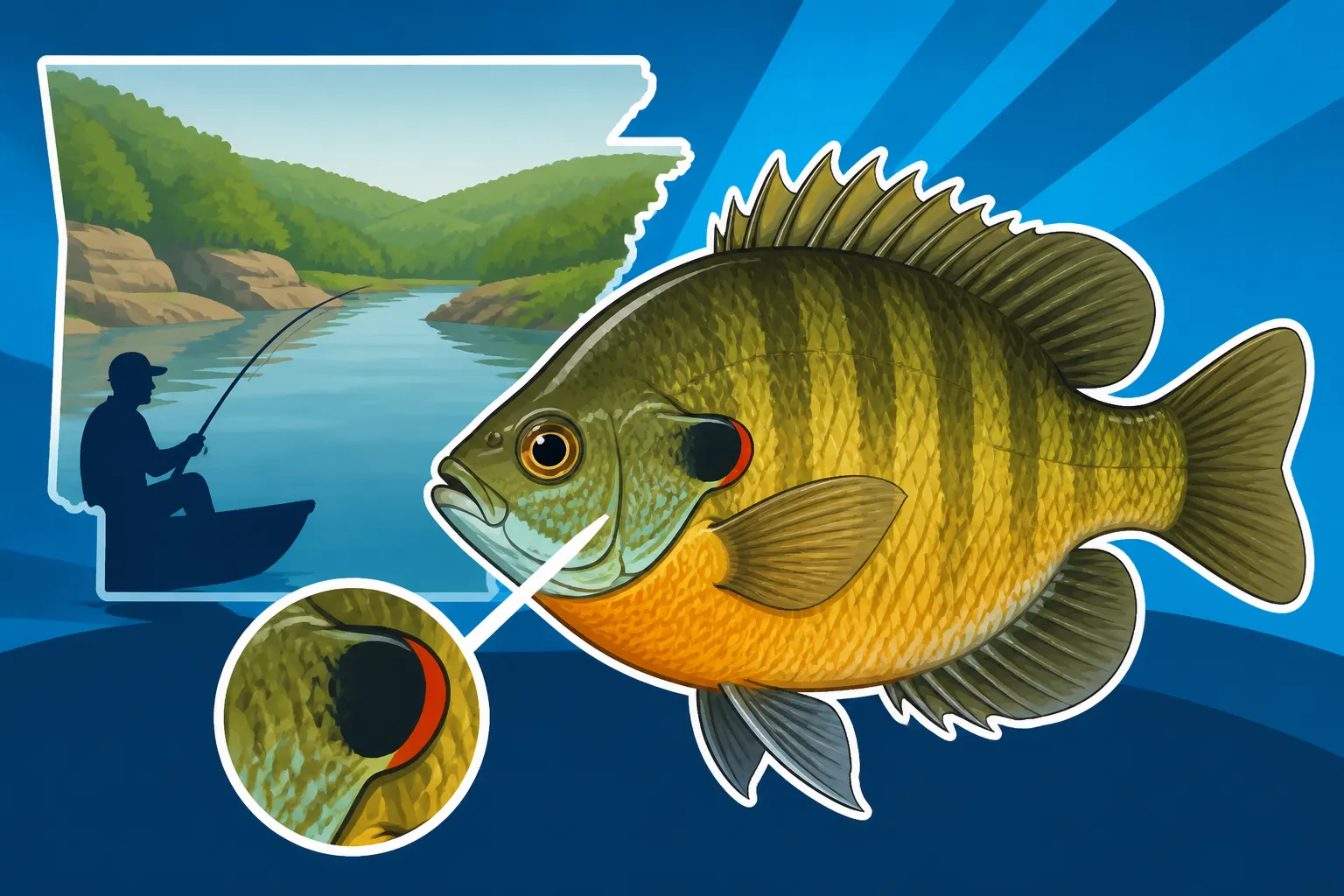
However, the most definitive color-related identification mark is the distinct, dark spot on the posterior (back) part of their dorsal fin, the fin that runs along their back. This spot is usually quite prominent and is a key indicator. Look closely at the gill cover (operculum) as well; true to their name, bluegill often have a bluish or purplish sheen on the lower part of this flap, sometimes extending onto the chin and throat area. This iridescent blue can be quite striking, especially when the light hits it just right, truly giving them that "bluegill" appearance.
Another key feature related to their coloring is the solid black "ear flap" or opercular tab. This is a noticeable, small, rounded black flap extending from the back of the gill plate. Unlike some other sunfish, this flap on a bluegill is typically uniform in color and lacks any kind of brightly colored margin, like red or orange. If you see a distinct red or orange margin, you're likely looking at a different species, which we’ll discuss shortly. So, remember: olive-green to yellow body, faint vertical bars, a prominent dark spot on the dorsal fin, and that solid black ear flap are your primary visual cues.
Physical Characteristics: Size, Shape, and Mouth
Beyond color, bluegill have a very specific body architecture. They are typically deep-bodied and compressed laterally, meaning they are tall from back to belly but relatively thin side-to-side, almost like a dinner plate. This gives them that classic panfish profile, perfect for fitting into a frying pan! While they can grow to respectable sizes in Arkansas, especially in well-managed ponds and lakes, a common bluegill caught by anglers will typically range from 6 to 10 inches in length. Trophy bluegill, however, can push past 12 inches and weigh over a pound, putting up an incredible fight for their size.
Pay close attention to their mouth. Bluegill have a relatively small mouth that typically doesn't extend past the front of their eye. This is a crucial detail when differentiating them from more predatory sunfish like the green sunfish, which have much larger mouths capable of engulfing bigger prey. If you can fit your thumb easily into its mouth, it's likely not a bluegill. This smaller mouth means they prefer smaller baits, which is why worms and tiny jigs are so effective for them. For tips on what they like to eat, you might check out Best Bait for Bluegill Fishing.
Finally, let's talk about fins. Bluegill possess a long, pointed pectoral fin (the fin located just behind the gill cover, on the side of the fish). This fin is typically longer than the pelvic fin (the pair of fins on the belly, just in front of the anal fin) and extends well past the eye if you were to fold it forward. This elongated pectoral fin is another subtle but consistent identifier. All these physical traits combine to create the distinctive bluegill we know and love, a species that thrives across Arkansas in various habitats, from big reservoirs to small farm ponds. If you're wondering where you can find these prolific panfish, we have a detailed guide on Where to Catch Bluegill in Arkansas.
Common Look-Alikes: Bluegill vs. Other Sunfish
One of the biggest challenges in identifying bluegill is that they share their watery homes with several other sunfish species that look remarkably similar. It's like trying to tell cousins apart in a big family reunion photo! Hybridization also occurs, where different sunfish species breed, creating offspring with mixed characteristics that can make identification even trickier. However, by focusing on a few key differences, you can often accurately distinguish a true bluegill from its sunfish relatives.
Bluegill vs. Green Sunfish
The green sunfish is perhaps the most common bluegill look-alike, and it often shares the same habitats. At first glance, both can have similar body shapes and color variations, leading to confusion. However, there are a few tell-tale signs to differentiate them. The most obvious difference lies in their mouths: the green sunfish has a much larger, bass-like mouth that extends back to or even beyond the middle of its eye. This larger mouth is a clear indicator of its more predatory nature compared to the smaller-mouthed, insect-and-invertebrate-eating bluegill.
Another key difference is the opercular flap, or "ear flap." While both have a dark spot, the green sunfish often has a pale, sometimes yellowish-orange, margin around its black opercular tab, whereas the bluegill's tab is typically solid black without this colorful border. The green sunfish also tends to have a more robust, cylindrical body shape compared to the bluegill's thinner, more disc-like profile. You might also notice iridescent blue spots or streaks on the head and cheeks of a green sunfish, which are generally absent on a bluegill. Their overall coloration can vary, but green sunfish often appear a duller olive-green, sometimes with subtle blue or emerald flecks, and usually lack the distinct vertical bars often seen on bluegill.
Finally, consider the dorsal and anal fins. Green sunfish often have more rigid, spiny rays in these fins, and the soft-rayed portion of the dorsal fin is not as distinctively dark-spotted as the bluegill's. If you catch what you think is a bluegill but it has a surprisingly large mouth and a more stout body, you've probably encountered a green sunfish. These little fish can be aggressive biters and are a lot of fun to catch, but they do have their own specific characteristics that set them apart.
Bluegill vs. Redear Sunfish (Shellcracker)
Redear sunfish, affectionately known as "shellcrackers" due to their penchant for crushing snails and mussels, are another popular panfish found in many Arkansas waters. They are often larger and thicker-bodied than bluegill, with a somewhat more pointed head. The most obvious distinguishing feature of the redear sunfish is the bright red or orange margin around its opercular flap, or "ear tab." This fiery trim is a dead giveaway and is almost always present, especially in mature fish. It's where they get the "redear" part of their name! This is a stark contrast to the bluegill's solid black opercular tab.
Redear sunfish also tend to have a different coloration. While they can still be olive-green to yellowish, they generally lack the prominent vertical bars seen on many bluegill. Instead, their sides are often speckled with dark spots, and their overall appearance might be a bit more muted, with less of the iridescent blue on the gill plates. Their mouths are similar in size to bluegill, but their preferred diet of mollusks means their pharyngeal teeth (located in their throat) are much more developed and effective for crushing shells. If you're pulling in a good-sized panfish with that unmistakable red fringe on its gill flap, you've definitely got yourself a shellcracker.
These fish are often sought after by anglers due to their larger average size and delicious white meat. For those interested in catching these bigger panfish, learning the difference between them and bluegill is crucial. Many anglers specifically target redear, as they can be less aggressive biters than bluegill and prefer different types of bait, often responding well to small pieces of worms or even small jigs fished slowly near the bottom. Knowing whether you have a bluegill or a redear in your livewell can also influence your plans for dinner, as both are excellent table fare! We even have an article about Is Bluegill Good to Eat?.
Bluegill vs. Longear Sunfish
Longear sunfish are stunningly beautiful panfish, often boasting an array of brilliant colors, especially during the spawning season. They are smaller than bluegill on average, but what they lack in size, they make up for in vibrant display. The most distinctive feature of the longear sunfish is its incredibly long opercular flap, which can extend far beyond the actual gill plate, sometimes nearly reaching the dorsal fin. This flap is typically black but often fringed with red or orange, much like the redear, but the sheer length is the key identifier.
Their bodies are usually more elongated and less disc-shaped than bluegill, and they are adorned with wavy, iridescent blue or emerald lines on their head and gill covers, often accompanied by red, orange, or yellow spots on their sides. These colors can be truly spectacular, making them a favorite for identification guides. While bluegill have a bluish sheen, it's usually not as pronounced or as widely spread as the vibrant patterns on a longear. The mouth of a longear sunfish is also relatively small, similar to a bluegill, which can sometimes lead to confusion if you don't look at the opercular flap.
Longear sunfish prefer clear, rocky streams and rivers, though they can be found in some lakes. They are generally less abundant in typical bluegill habitat (weedy ponds) compared to green sunfish or redear sunfish. If you catch a small, incredibly colorful sunfish with an exceptionally long "ear," you've likely found a longear. They may not grow as large as bluegill, but they are a visual treat for any angler who appreciates the beauty of freshwater fish. For a broader look at some fantastic panfish for beginners, take a look at our guide on Panfish Species Good for Kids and Beginners.
Practical Identification Tips for Anglers on the Water
Even with all the knowledge in the world, identifying fish on the fly, especially when they're flopping around in your hand, can be tough. But don't worry, there are some practical, on-the-water strategies you can use to confirm your bluegill catch without needing a scientific textbook. Being prepared with a few tools and knowing what to look for quickly can make all the difference.
The "Thumb Test" and Other Quick Checks
When you've got a fish in hand, the quickest way to rule out a green sunfish and confirm a bluegill is the "thumb test" for mouth size. Gently open the fish's mouth and see if you can easily fit your thumb inside. If it's a tight squeeze, or your thumb barely goes in, you're likely holding a bluegill. If your thumb slides in easily, extending past the front of the eye, it’s probably a green sunfish. This simple test is surprisingly effective and can be done safely and quickly.
Next, focus on that opercular flap (the "ear"). Run your finger along the edge of the black flap. If it's consistently solid black all the way around, that strongly points to a bluegill. If you feel or see any red, orange, or a pale white/yellow margin, start considering redear or green sunfish. Also, take a moment to look at the pectoral fin – that long, pointed fin behind the gill. If it appears notably long, extending well past the front of the eye when folded forward, that's another characteristic mark of a bluegill. These tactile and quick visual checks are your best friends for rapid identification.
It's always a good idea to have a small, flexible measuring tape or a fish ruler with you, which you can easily find on sites like Amazon. While size itself isn't a definitive identifier, bluegill generally fall within a predictable range, and if you catch a much smaller or exceptionally larger sunfish, it might prompt you to look even closer for other distinguishing features. Remember, the goal is not just to guess, but to confidently know what you've caught, which adds to the enjoyment and understanding of your fishing experience.
Observing Behavior and Habitat
Sometimes, where and how you catch a fish can give you clues about its identity before you even get it in hand. Bluegill are notorious for schooling together, especially around structure like submerged timber, weed beds, docks, or brush piles. If you're pulling out bluegill after bluegill from the same spot, it's a good bet they're all bluegill, or at least a very similar panfish that schools in the same way. Green sunfish, while present in similar areas, tend to be a bit more solitary or found in smaller groups.
Bluegill also have a distinct feeding pattern. They're keen nibblers, often giving lighter taps on the line before fully committing to a bite. This is due to their smaller mouths and their preference for smaller prey items like insects, insect larvae, and small crustaceans. If you're getting aggressive, quick strikes from a sunfish, especially if using a larger bait, it could hint at a green sunfish. Conversely, if you're fishing a clear, shallow area with lots of aquatic vegetation, that's prime bluegill territory, whereas redear sunfish often prefer deeper, cleaner bottoms where mussels and snails reside.
Understanding the typical habitat and behavior of different species can act as a pre-identification tool. For example, if you're How to Teach a Kid to Fish for Bluegill in a local park pond, you're almost guaranteed to encounter bluegill, as they are often stocked and thrive in such environments. Conversely, if you're targeting fish in a rocky Ozark stream, you might encounter more smallmouth bass or longear sunfish than true bluegill. These environmental cues can help narrow down the possibilities before you even lay eyes on the fish.
Gear for Better Identification
While you don't need a whole lab setup, a few pieces of gear can significantly enhance your on-the-water identification abilities. First and foremost, a good pair of polarized sunglasses is a game-changer. They cut through the glare on the water's surface, allowing you to often see the fish clearly as you're reeling it in. This gives you precious extra seconds to observe colors, patterns, and fin shapes before the fish is even in your hand. You can find excellent quality polarized sunglasses on Amazon that are specifically designed for anglers.
Another incredibly useful tool is a small, waterproof field guide to Arkansas fish species. There are many compact guides available, often laminated for durability, that fit right into a tackle box or vest pocket. When you're unsure, a quick flip through the pages can provide side-by-side comparisons of different sunfish, highlighting their key differences. Some anglers even use fishing apps on their smartphones that can help with identification, though nothing beats a physical guide and a keen eye. Having a small ruler or a measuring board can also assist, as relative size can sometimes provide clues, though it's never the sole indicator.
Lastly, and perhaps most importantly, is a keen sense of observation and patience. Don't rush the process. Take a moment to gently hold the fish, observe its features, and compare them to what you know about bluegill. If you're fishing with family, turn it into a fun learning exercise, as described in Bluegill Fishing Tips for Kids in Arkansas. Encourage everyone to look for the distinct dark spot on the dorsal fin, the size of the mouth, and the color of the opercular flap. The more you practice, the faster and more accurate your bluegill identification will become, making every catch a more informed and enjoyable experience on the beautiful waters of Arkansas. Don't forget, if you're teaching a beginner, a simple How to Rig a Worm Under a Bobber for Bluegill is often all you need!
| Feature | Bluegill | Green Sunfish | Redear Sunfish (Shellcracker) | Longear Sunfish |
|---|---|---|---|---|
| Body Shape | Deep-bodied, compressed (plate-like) | More robust, stockier, less compressed | Deep-bodied, slightly elongated | Elongated, less compressed |
| Mouth Size | Small, not extending past front of eye | Large, extending to or past middle of eye | Small, similar to bluegill | Small, similar to bluegill |
| Opercular Flap (Ear) | Solid black, no colored margin | Black with pale/orange margin (often) | Black with distinct red/orange margin | Very long, black with red/orange margin |
| Dorsal Fin Spot | Prominent dark spot on posterior soft dorsal | Less distinct or absent | Generally absent | Generally absent |
| Side Patterns | 5-9 faint dark vertical bars (common) | Often mottled, sometimes blue spots | Often speckled, less distinct bars | Wavy blue lines, bright spots |
| Pectoral Fin | Long, pointed, extends past eye when folded | Shorter, more rounded | Shorter, more rounded | Shorter, more rounded |
| Typical Habitat | Weedy areas, structure in lakes/ponds | Similar to bluegill, tolerates murkier water | Deeper bottoms, shell beds, lakes | Clear, rocky streams/rivers, some lakes |
Disclaimer
This article is for general informational purposes only and does not constitute professional advice. Laws, prices and regulations vary by location and change over time. Consult a qualified professional for guidance on your specific situation.