Is Bluegill Good to Eat?
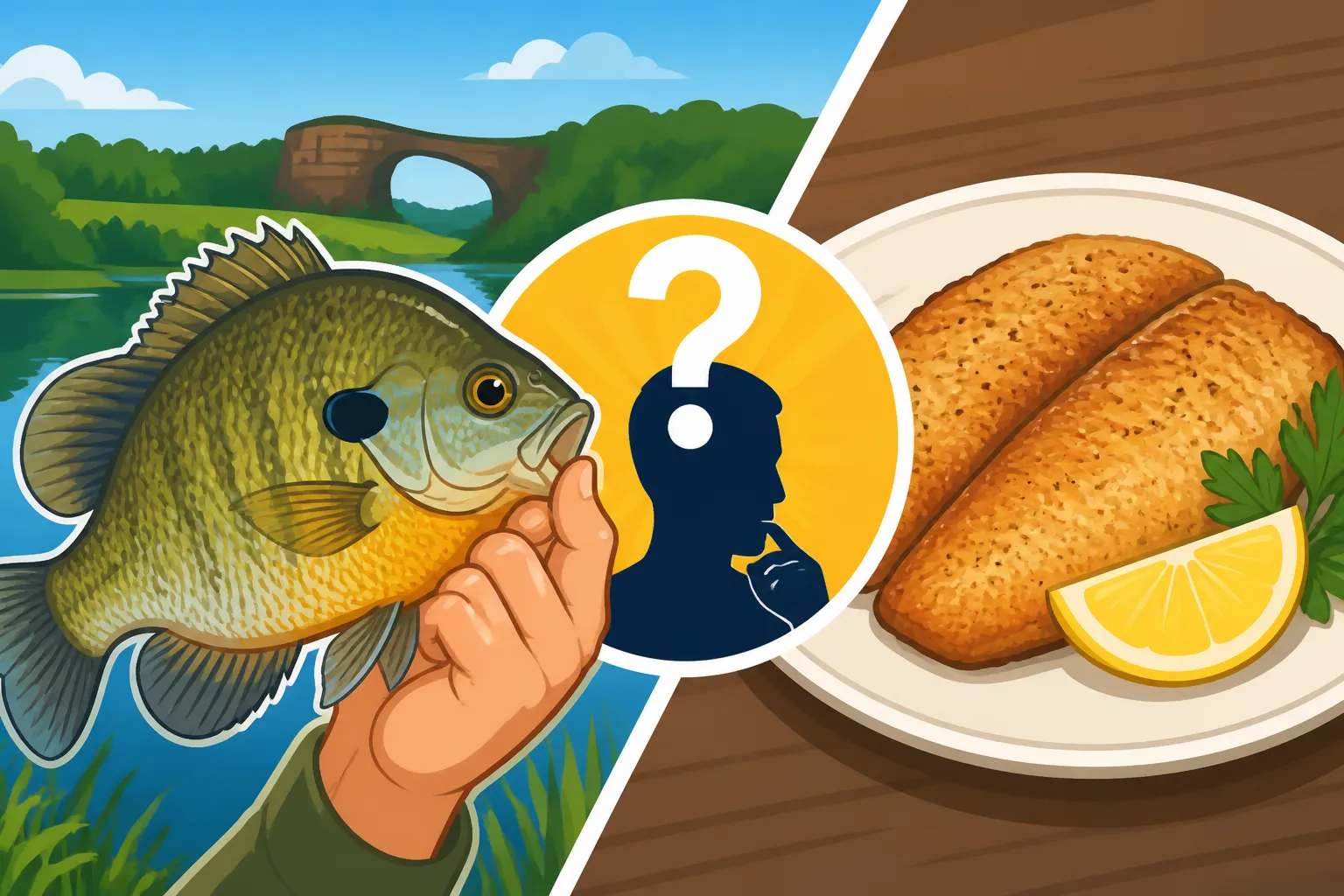
Oh, the humble bluegill! If you're anything like me, you've spent countless hours with a cane pole or a light spinning rod, pulling these feisty little sunfish out of ponds, lakes, and rivers all across Arkansas. They're often the first fish a child catches, sparking a lifelong love affair with angling. But a common question I hear from folks, especially beginners or those wondering if their bountiful catch is worth the effort, is simply: "Is bluegill actually good to eat?" Let me tell you, friend, the answer is a resounding YES! This guide is going to walk you through why bluegill is not just edible, but a truly delicious and underrated table fare, especially when you're fishing in the Natural State.
The Underrated Delight: Why Bluegill Deserves a Spot on Your Plate
When people ask if bluegill is good to eat, I often smile because they're missing out on one of the finest-tasting freshwater fish we have. Forget any preconceived notions about "panfish" being less desirable. Bluegill, when properly handled, offers a culinary experience that stands toe-to-toe with many more lauded species.
A Taste That's Clean, Sweet, and Mild
One of the biggest compliments you can give a fish is that it doesn't taste "fishy," and bluegill consistently delivers on that front. The meat is incredibly mild, with a subtle sweetness that many find delightful. It's not overpowering, making it an excellent choice even for those who are usually hesitant about eating fish. It's truly a blank canvas that readily takes on the flavors of your seasoning and cooking method, rather than fighting against them. Unlike some species that might have an earthy or strong flavor depending on their diet and habitat, bluegill tends to maintain its delicate profile, especially when caught from clean, cool waters found in many of our Arkansas lakes and streams.
Firm, Flaky, and Bone-Free (Mostly!)
The texture of cooked bluegill is another major selling point. It boasts firm, white, flaky flesh that separates easily. It's never mushy or greasy. While they are a smaller fish, and some folks might be intimidated by the bones if cooking them whole, a little practice with filleting can yield beautiful, boneless pieces of meat perfect for any dish. Even when cooked whole, the bones are generally large enough to be picked out easily, making them manageable for kids and adults alike. Plus, the satisfaction of cleaning your own catch and preparing it fresh is an experience every angler should enjoy. If you're interested in learning more about these little fighters, check out our guide on How to Identify a Bluegill.
Getting Your Catch Ready: Cleaning and Filleting for Optimal Flavor
The secret to truly delicious bluegill isn't just in the cooking; it starts the moment you pull them from the water. Proper handling and cleaning are paramount to preserving that delicate flavor and firm texture. Neglect this step, and even the best bluegill can become less appealing.
The Importance of Quick and Clean Processing
As soon as a bluegill comes out of the water, its quality for eating begins to degrade. The key is to get it on ice immediately and process it as quickly as possible. This chills the meat, slows bacterial growth, and keeps the flesh firm and tasty. I always recommend bringing a cooler full of ice on any fishing trip where you plan to keep your catch. Once you're off the water, clean them without delay. There's nothing quite like the taste of fish that was swimming just hours before it hits your pan.
A Guide to Filleting Bluegill
Filleting smaller fish like bluegill can seem daunting at first, but with a sharp fillet knife and a bit of practice, you'll be zipping through them in no time. For tools, a good, flexible fillet knife is essential. You can find excellent options on Amazon, alongside cutting boards specifically designed for fish.
Here’s a simplified breakdown:
- Start Behind the Head: Lay the fish on its side. Make a diagonal cut behind the pectoral fin and down to the backbone, but don't cut through it.
- Along the Backbone: Turn your knife flat and run it along the backbone, from the head cut towards the tail. You'll feel the blade glide over the rib cage.
- Remove the Fillet: Once you've separated the top fillet from the backbone, you can either cut through the skin at the tail to remove it or use a method to skin the fillet off the tail.
- Repeat on the Other Side: Flip the fish over and repeat the process for the second fillet.
For smaller bluegill, many folks opt to "pan-dress" them, which means scaling, gutting, and clipping the fins, then frying them whole. This works well for fish under, say, 7-8 inches. For larger bluegill, especially those pushing towards a pound or more, filleting is the way to go to get those beautiful, boneless pieces of meat. If you're curious about finding bigger panfish, our article Bluegill Size and Growth in Farm Ponds has some great insights.
Sizzling Satisfaction: Best Ways to Cook Your Arkansas Bluegill
Now for the fun part: cooking! There are countless ways to prepare bluegill, but some methods truly highlight its delicate flavor and flaky texture. These are the recipes that have been passed down through generations of Arkansas anglers.
The Classic: Pan-Fried Perfection
When someone talks about eating bluegill, chances are they're envisioning a plate piled high with golden-brown, pan-fried fillets. This is the quintessential preparation, and for good reason. It’s simple, quick, and absolutely delicious.
Here's a basic pan-frying approach:
- Dredge: Pat your fillets dry. Then, dredge them in a mixture of cornmeal and flour (about 2:1 ratio) seasoned with salt, pepper, garlic powder, and a touch of cayenne for a little kick. Some folks like to dip them in an egg wash or milk first for a thicker coating.
- Heat the Oil: Heat about a half-inch of cooking oil (vegetable, peanut, or canola work great) in a heavy skillet to around 350-375°F. You want it hot enough to create a crispy crust without soaking the fish in grease.
- Fry to Golden: Carefully place the fillets in the hot oil, making sure not to overcrowd the pan. Fry for 2-4 minutes per side, depending on thickness, until golden brown and cooked through. The fish should flake easily with a fork.
- Drain and Serve: Remove the cooked bluegill and place it on a wire rack or paper towels to drain any excess oil. Serve immediately!
This method pairs wonderfully with classic Southern sides like hushpuppies, coleslaw, and french fries. You can find cast iron skillets perfect for this on Amazon if you don't already have one.
Other Delicious Cooking Methods
While pan-frying is king, don't limit yourself! Bluegill can also shine in other preparations:
- Grilling: For a healthier option, brush fillets with olive oil, season, and grill them in a fish basket or on a piece of foil over medium-high heat. The smoky flavor adds another dimension.
- Baking: Arrange seasoned fillets in a baking dish with a little butter or lemon juice. Bake at 375°F for 10-15 minutes, or until flaky.
- Deep Frying: For a truly indulgent treat, a deep fryer can achieve an incredibly crispy crust. Just be sure to maintain proper oil temperature.
| Cooking Method | Flavor Profile | Texture | Best For | My Go-To Side Pairings |
|---|---|---|---|---|
| Pan-Frying | Crispy crust, moist, sweet meat | Flaky, tender | Classic fish fries, quick weeknight meals | Hushpuppies, coleslaw, fries |
| Grilling | Smoky, fresh, slightly charred | Firm, juicy | Outdoor gatherings, lighter meals | Grilled veggies, potato salad |
| Baking | Mild, delicate, subtle seasonings | Very tender, moist | Healthier options, hands-off cooking | Steamed rice, green beans, lemon wedges |
| Deep Frying | Rich, extra crispy, flavorful | Extremely crispy exterior | Comfort food, larger gatherings, indulgent treat | Tartar sauce, onion rings, cornbread |
For those just starting their culinary journey with fish, Is Crappie Good to Eat? is another great read, as crappie shares many similar preparation methods with bluegill.
Targeting the Best Bluegill for Your Table
To enjoy the best-tasting bluegill, you first need to catch them! Thankfully, bluegill are abundant across Arkansas, making them a fantastic target for anglers of all ages and skill levels. They're often found in nearly every body of water, from small farm ponds to large Corps of Engineers reservoirs.
Where and When to Find Them
Bluegill are prolific and can be found almost everywhere there's freshwater in Arkansas. They love to hang out around submerged structure like fallen trees, weed beds, docks, and rock piles. These spots provide cover from predators and ambush points for their prey. You'll find them in:
- Lakes and Ponds: From Lake Ouachita to countless smaller impoundments, bluegill thrive.
- Slow-Moving Rivers and Creeks: Look for quieter backwater areas and eddies.
- State Park Lakes: Many Arkansas State Parks offer fantastic bluegill fishing from piers and banks, perfect for family outings. Arkansas State Parks with the Best Fishing Access is a great resource here.
While you can catch bluegill year-round, spring and early summer are particularly productive. This is when they move into shallower waters to spawn, making them easier to locate and catch. Mornings and evenings typically offer the best action, but on cloudy days, they'll bite throughout the day. If you're bringing kids along, consider our Kid-Friendly Fishing Techniques guide!
Size Matters for the Frying Pan
When it comes to eating bluegill, anglers often have different preferences for size.
- Smaller Bluegill (4-7 inches): These are excellent for pan-dressing and frying whole. The bones are easily managed, and the whole fish offers a great presentation.
- Larger Bluegill (8+ inches): These are perfect for filleting, yielding more substantial, boneless pieces of meat. Arkansas bluegill can grow to impressive sizes, sometimes exceeding a pound, making for truly fantastic fillets.
No matter the size, always remember to respect daily limits and regulations. It’s always a good idea to check the current Arkansas Fishing Regulations Guide before you head out. Whether you're targeting bluegill specifically for a meal or just enjoying a leisurely day on the water, you can rest assured that your catch will make for a delightful dinner. If you're wondering about other delicious panfish in the state, our Panfish Species Good for Kids and Beginners offers a broader look.
Gear for the Best Bluegill Catch
You don't need fancy gear to catch bluegill, which is another reason they're so popular. A simple setup is often all it takes:
- Rod and Reel: A light spinning rod and reel combo with 4-6 pound test line is ideal. Cane poles are also incredibly effective and a nostalgic choice.
- Hooks: Small hooks (size 8-12) are perfect for bluegill mouths.
- Bait: Live bait like crickets, worms, or small minnows are irresistible to bluegill. Artificial lures like tiny jigs, spinners, or even small flies also work wonderfully. For specific tips, check out Best Bait for Bluegill Fishing.
- Bobbers: A small bobber helps detect bites and keeps your bait at the right depth.
You can pick up all of these essentials from local tackle shops or online at Amazon, ensuring you're ready for your next bluegill adventure.
So, the next time you're out fishing in Arkansas and those bluegill are biting, don't just think of them as fun to catch. Think of them as a delicious, wholesome meal waiting to happen. Enjoy the process, from the tug on your line to the sizzle in the pan!
Disclaimer
This article is for general informational purposes only and does not constitute professional advice. Laws, prices and regulations vary by location and change over time. Consult a qualified professional for guidance on your specific situation.