How Corps of Engineers Dams Created Arkansas’s Best Fishing Lakes
When you think about fishing in Arkansas, chances are your mind immediately goes to our incredible, sprawling lakes. These aren't just puddles; we're talking about massive bodies of water, teeming with everything from trophy bass to powerful striped bass. But have you ever stopped to consider how these lakes came to be? It's a question many anglers ponder, especially when they're staring out at the vastness of Beaver Lake or the serene beauty of Lake Ouachita. The truth is, many of the premier fishing destinations we cherish today wouldn't exist without the monumental work of the U.S. Army Corps of Engineers and their dam projects across the state. This guide will dive deep into how these engineering feats transformed Arkansas's landscape, forever altering our fishing experiences for the better.
The Original Landscape: Rivers Before the Dams
Before the concrete giants rose from the earth, Arkansas was a state defined by its rivers. Winding, wild, and often unpredictable, these waterways shaped the land and the lives of those who lived along them. It's easy to romanticize the "good old days" of river fishing, but it was a vastly different challenge than what most of us experience today.
The Untamed Flow of Arkansas Rivers
Imagine the White River, the Ouachita, or the Arkansas River decades ago, running mostly unchecked through valleys and plains. These rivers were truly untamed, subject to the whims of Mother Nature. During heavy rains, they would swell dramatically, flooding vast areas, reshaping shorelines, and carrying enormous amounts of sediment downstream. Then, in drier periods, sections could become quite shallow, making navigation difficult and concentrating fish in smaller pools. This natural ebb and flow created a dynamic, ever-changing environment, but it also posed significant challenges for human settlement and sustained agriculture. It also meant that consistent fishing, especially for larger game fish, was often a game of chance dictated by current water levels and flow.
Historically, navigating these rivers was an adventure in itself. Without modern dams to regulate flow, you never quite knew what you'd encounter around the next bend. This meant a completely different approach to fishing; anglers relied heavily on local knowledge of transient sandbars, deep holes carved by currents, and seasonal runs of fish triggered by natural water conditions. There were no predictable lake channels or submerged timber lines like we find now; it was a more raw, elemental experience that demanded constant adaptation.
Native Fish and Their Riverine Homes
In these original river systems, a diverse array of native fish thrived, adapted to the constantly changing conditions. You'd find species like channel catfish, flathead catfish, and blue catfish dominating the deeper, slower sections, while various species of suckers, minnows, and sunfish occupied shallower, vegetated areas. Smallmouth bass were common in the clearer, rocky streams of the Ozarks, and spotted bass, also known as Kentucky bass, were plentiful in many of the larger rivers. However, some of the widely celebrated species we target today, particularly the largemouth bass and various crappie species in the numbers we see them, weren't as dominant or widespread in the same way they are in our modern reservoirs.
The fish populations were intrinsically linked to the river's health and natural cycles. Spawning migrations, feeding patterns, and survival rates were all dictated by the river's pulse – its floods, droughts, and seasonal temperature shifts. Fishing for these native species often meant understanding these natural rhythms, finding the pockets of calm water during high flows, or pinpointing the deeper pools where fish retreated during low water. It was a fishing experience that required an intimate connection to the river's temperament, far removed from the more contained environments of today's lakes.
Early Angling Experiences: A Different Kind of Challenge
For early anglers in Arkansas, fishing was less about leisure and often more about subsistence. While there was certainly recreational angling, the act of putting food on the table played a larger role. Without the massive lakes we enjoy today, fishing involved navigating rivers, smaller streams, and natural oxbow lakes formed by the river's meanderings. The challenges were immense: inconsistent access, unpredictable water levels, and the lack of readily available infrastructure like boat ramps or well-maintained shorelines.
Anglers primarily used simpler gear – cane poles, basic handlines, and live bait like worms, minnows, or cut bait. Catching a "mess of fish" might mean hours of patient waiting, and the size and species of fish caught could vary wildly from day to day. It was a test of endurance and knowledge of the immediate environment. The concept of targeting specific trophy species with specialized lures and electronics, as many of us do now, was largely non-existent. The rivers themselves were the wild card, always presenting a new puzzle to solve, and anglers had to be resilient and resourceful to find success.
The Birth of the Big Lakes: How Dams Changed Everything
The mid-20th century brought a dramatic transformation to Arkansas's landscape. A series of ambitious dam construction projects, primarily spearheaded by the U.S. Army Corps of Engineers, reshaped river valleys into the vast reservoirs we now know as our best fishing lakes. These projects were born out of necessity, but their impact on recreation and the state's fishing culture was monumental and arguably unforeseen in its full scope.
The Vision Behind the Flood Control Projects
The primary motivation behind these massive dam projects was not initially fishing, but rather the pressing need for flood control. Arkansas, with its network of major rivers like the White, Arkansas, and Ouachita, experienced devastating floods regularly. These floods ravaged farmlands, destroyed homes, and disrupted commerce, causing immense economic and human suffering. The Corps of Engineers was tasked with harnessing these powerful rivers to protect communities and agricultural lands downstream. Beyond flood control, many of these projects were also designed to generate hydroelectric power, providing a reliable and clean source of electricity for a rapidly developing region.
This vision aimed to tame the wild rivers, creating predictable waterways that could support navigation, provide municipal water supplies, and facilitate irrigation. The concept of creating large, stable bodies of water also presented opportunities for public recreation, which eventually blossomed into the thriving fishing and boating industries we see today. The planners likely understood the potential for recreation, but the sheer scale of the fishing opportunities that would emerge might have even surprised them.
Engineering Marvels: Constructing the Dams
Building these colossal dams was an undertaking of incredible scale and complexity, requiring years of planning, massive resources, and the labor of thousands of workers. Think about the sheer volume of concrete, steel, and earth moved to create structures like Beaver Dam, Bull Shoals Dam, or the Greers Ferry Dam. These weren't just simple barriers; they were intricate systems designed to manage water flow, generate power, and withstand immense pressures. Rivers were rerouted, valleys were cleared, and entire communities sometimes had to be relocated to make way for the rising waters.
The construction process often involved massive earthmoving equipment, extensive blasting, and the pouring of concrete on a scale that few modern projects can match. Workers toiled in challenging conditions, transforming natural landscapes into monumental infrastructure. The completion of each dam was a landmark event, signifying a new era for the surrounding region. It's a testament to human ingenuity and perseverance, forever altering the physical geography of Arkansas in pursuit of flood mitigation and economic development.
The Gradual Inundation: Creating Vast Reservoirs
Once a dam was completed, the process of filling the reservoir began. This wasn't an overnight event but a gradual inundation that could take months or even years, depending on rainfall and river flow. As the water slowly rose, it submerged vast tracts of land: forests, fields, roads, and even old homesteads. This underwater landscape, complete with standing timber, old foundations, and creek channels, would become the intricate structure and habitat that makes these lakes so incredibly productive for fish.
The rising water created new ecosystems. The slow, controlled flooding allowed aquatic vegetation to establish in newly inundated areas, providing critical cover and food sources for fish. As the water stabilized, these once-riverine environments transformed into vast lake habitats. The original river channels became deep main lake runs, old creek beds turned into productive coves, and submerged forests provided endless cover for game fish. This gradual change set the stage for the explosion of diverse fish populations that would eventually make these Corps of Engineers lakes legendary fishing destinations.
Hydroelectric Power and Recreation: More Than Just Flood Control
While flood control was the primary driver for the Corps of Engineers dams in Arkansas, their benefits quickly expanded. These projects became crucial sources of hydroelectric power and, perhaps most notably for anglers, transformed the state into a recreational hotspot, offering unparalleled opportunities for fishing, boating, and watersports.
Generating Power for the Region
Beyond flood control, many of Arkansas's major dams were designed with hydroelectric power generation in mind. The sheer force of the water held back by these massive concrete structures could be harnessed to spin turbines, producing clean, renewable energy for homes and industries across the state. This power generation capacity was, and still is, a critical component of Arkansas's energy infrastructure. It provided reliable electricity to growing communities, stimulating economic development and improving the quality of life for countless residents.
The operation of these power-generating dams also has a direct, if sometimes complex, impact on fishing. The scheduled releases of water for power generation can create strong currents and fluctuations in water levels, particularly in the tailwaters below the dams. Anglers fishing these areas, like the renowned trout fisheries below Bull Shoals Dam or Norfork Dam, quickly learn to monitor generation schedules to predict the best times for fishing. This interplay between power generation and angling opportunity is a unique characteristic of fishing in these Corps lakes and their associated river sections.
The Boom in Water-Based Recreation
With the creation of these massive, stable lakes, Arkansas experienced an explosion in water-based recreation. Suddenly, communities that had once been prone to destructive floods now had vast, beautiful bodies of water perfect for boating, swimming, and, of course, fishing. Marinas sprang up, campgrounds dotted the shorelines, and towns often reinvented themselves as tourist destinations. The convenience of large, accessible lakes, many managed by the Corps of Engineers with public access points, campgrounds, and boat ramps, made outdoor recreation far more accessible to the average family.
This boom directly contributed to Arkansas's reputation as "The Natural State," drawing visitors from across the country. Families could pack up their RVs, launch their boats, and spend a week or a weekend enjoying the expansive waters. Local economies thrived around these lakes, supporting bait shops, guide services, tackle stores like those you'd find supplies for on Amazon, and restaurants. The lakes became economic engines, providing jobs and injecting tourism dollars into rural areas, all stemming from those initial flood control projects.
Tailwaters: A Unique Fishing Opportunity
One of the most remarkable and ecologically significant outcomes of the dam projects is the creation of tailwater fisheries. Below many of these hydroelectric dams, the water released from the deeper parts of the reservoir is consistently cold and oxygen-rich, even during the heat of summer. This creates ideal conditions for cold-water species, particularly trout, which were not historically native to many of these river sections. The White River, below Bull Shoals and Norfork Dams, is the most famous example, transformed into one of the premier trout fisheries in the world.
These tailwaters offer a completely different angling experience than the lakes above them. Trout anglers, whether fly-fishing or spin-fishing, flock to these rivers to chase rainbow trout, brown trout, cutthroat, and brook trout. The constant, cold flow means these fish thrive year-round. Understanding the dam's generation schedule, which dictates water levels and current, is crucial for success. These unique environments are a direct byproduct of the Corps' engineering, proving that sometimes, human intervention can create incredible new natural assets. For more on this, check out Trout Fishing Below Bull Shoals Dam on the White River.
Ecological Shifts: New Habitats, New Fish Species
The creation of the Corps of Engineers lakes wasn't just about controlling water; it fundamentally changed the ecological landscape of Arkansas. Riverine habitats gave way to vast reservoirs, leading to significant shifts in fish populations. While some native species adapted, the new lake environments allowed for the introduction and proliferation of new game fish, ultimately creating the diverse and abundant fisheries we celebrate today.
From River Beds to Lake Bottoms: Habitat Transformation
When the valleys flooded to form these lakes, the original river beds, creek channels, and floodplains were submerged. This created incredibly complex and rich underwater habitats. Standing timber, fallen trees, rock piles, old foundations, and even entire forests became critical structure for fish. These submerged features offered countless hiding spots, ambush points for predators, and areas for baitfish to congregate. The slow decomposition of organic matter from the flooded land also enriched the water, fueling the base of the food chain.
This transformation from a flowing river to a still-water lake meant a dramatic change for the aquatic ecosystem. Fish that preferred strong currents or specific riverbed substrates had to adapt or decline. Conversely, species that thrived in large, stable, structured lake environments found ideal conditions to flourish. The varied depths, from shallow coves to deep main lake basins, provided diverse thermal layers and oxygen levels, allowing a wider range of species to inhabit the same body of water, albeit at different times of the year or depths.
Introducing New Game Fish for Anglers
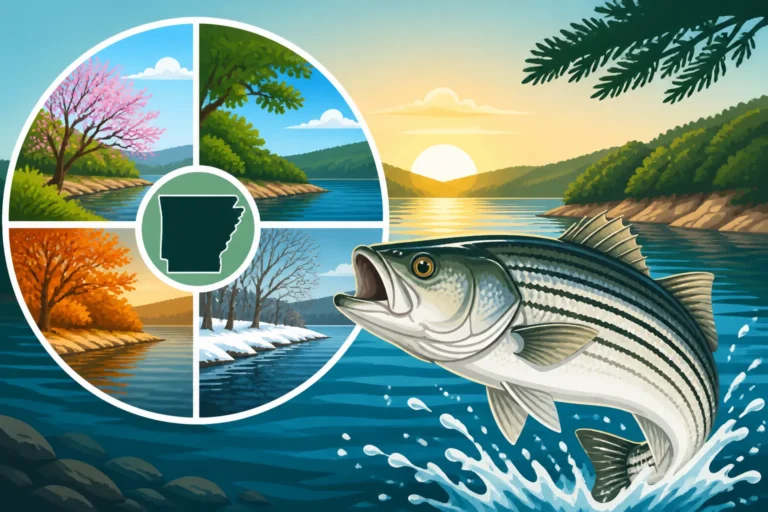
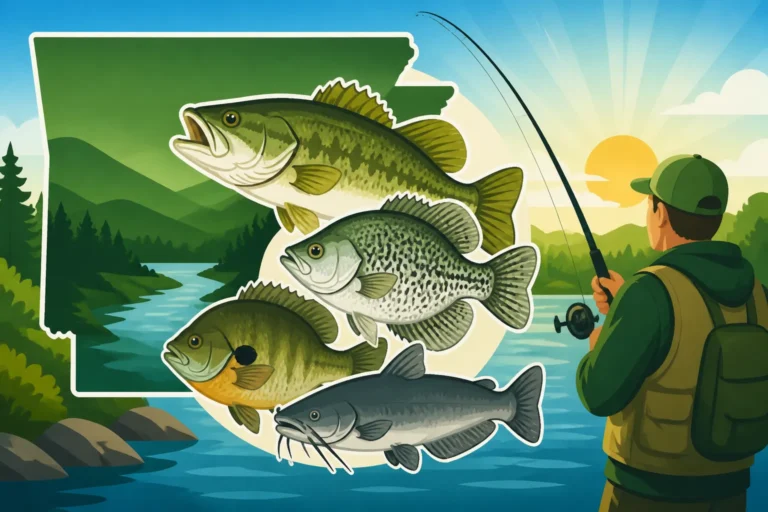
With these new, vast lake habitats, wildlife agencies saw an opportunity to introduce species that would thrive in the new environment and provide exceptional angling opportunities. Largemouth bass, which prefer the still, structured waters of lakes, were extensively stocked and quickly became the dominant predator in many reservoirs. Similarly, black crappie and white crappie, which love to hide in submerged timber and brush piles, exploded in numbers. Other popular introductions included various sunfish species and, in some cases, even species like striped bass, which were introduced into Norfork Lake and Lake Hamilton, growing to enormous sizes thanks to the expansive, deep waters and abundant forage.
These introductions were strategic, aimed at creating world-class fisheries. The success of these stocking programs, combined with the ideal new habitats, led to incredibly productive lakes. Anglers suddenly had access to robust populations of hard-fighting game fish, leading to a golden age of fishing in Arkansas. These stocked species, particularly largemouth bass, are now synonymous with Arkansas fishing, drawing anglers from all over for their trophy potential. You can learn more about these fish in Bass Fishing in Arkansas: Largemouth, Smallmouth, and Kentucky Bass Explained and Crappie Fishing in Arkansas: Black and White Crappie Basics.
Managing the Balance: Native vs. Introduced Species
While the introduction of new game fish brought incredible angling opportunities, it also presented challenges in maintaining ecological balance. Fisheries managers, primarily the Arkansas Game and Fish Commission (AGFC), had to carefully monitor how introduced species interacted with existing native populations. In some cases, native species adapted well to the new lake environments, while others, particularly those requiring specific riverine conditions, saw their populations reduced in the main lake bodies but often thrived in the tailwaters.
Ongoing management involves balancing these different populations, ensuring that no single species overwhelms the ecosystem. This can include regulating harvest limits, implementing special regulations for certain areas, and conducting further stocking of native or sport fish as needed. The goal is to maximize recreational fishing while preserving the overall health and diversity of the aquatic environment. It's a continuous, dynamic process that requires scientific monitoring and thoughtful decision-making to keep our lakes vibrant and healthy for all species, both old and new.
Managing the Resources: Sustaining the Fisheries
The creation of these vast lakes was just the beginning. To ensure these waters remain productive and enjoyable for generations of anglers, ongoing management and conservation efforts are absolutely critical. This is where organizations like the Arkansas Game and Fish Commission step in, working tirelessly to maintain the health of these unique ecosystems.
The Role of the Arkansas Game and Fish Commission
The Arkansas Game and Fish Commission (AGFC) plays an indispensable role in managing the state's fishing resources, especially in the large Corps of Engineers lakes. Their responsibilities are extensive, ranging from setting and enforcing Arkansas Fishing Regulations Guide and daily limits to conducting scientific research on fish populations and habitat. The AGFC employs fisheries biologists, technicians, and game wardens who work year-round to monitor fish health, identify potential problems, and implement solutions. Without their dedicated efforts, these productive fisheries could quickly decline due to overfishing, habitat degradation, or invasive species.
Think of them as the stewards of our aquatic playgrounds. They analyze creel surveys, conduct electrofishing studies, and use sonar to understand what's happening beneath the surface. This data is crucial for making informed decisions about how to best manage the lakes for both ecological health and recreational opportunity. Whether it's protecting spawning areas, addressing water quality concerns, or educating anglers, the AGFC is at the forefront of keeping Arkansas's fishing vibrant.
Stocking Programs and Habitat Enhancement
One of the most visible ways the AGFC supports our fisheries is through strategic stocking programs. While many of our popular game fish, like largemouth bass, are self-sustaining in these lakes, supplemental stocking can be used to boost populations, introduce new genetic diversity, or establish certain species in specific areas, such as the regular stocking of trout in the tailwaters below the dams. These programs ensure that there's always a healthy supply of fish for anglers to pursue.
Beyond stocking, habitat enhancement is another key area of focus. This involves projects like sinking artificial brush piles, creating spawning beds, or protecting existing submerged timber from degradation. These efforts provide crucial cover for baitfish, ambush points for predators, and safe havens for young fish. For instance, you might find specific marked brush piles created by the AGFC that act as magnets for crappie or bass. Anglers often appreciate these efforts, as they make finding fish a bit easier and contribute to the overall health of the ecosystem. Many of these habitat structures are also monitored using modern fish finders, and you can even find maps of some of these structures to download or purchase, perhaps from an online retailer like Amazon.
Regulations and Conservation Efforts
Effective regulations are the backbone of sustainable fishing. The AGFC constantly reviews and updates rules regarding fish size limits, daily creel limits, and specific bait or gear restrictions to ensure that fish populations remain healthy. These regulations are designed to protect spawning fish, allow younger fish to grow to maturity, and prevent overfishing of particular species. For example, specific length limits on bass or crappie help ensure that enough fish are left to reproduce, safeguarding future generations.
Beyond regulations, broader conservation efforts are also vital. This includes educating anglers about responsible fishing practices, promoting catch-and-release where appropriate, and advocating for clean water policies. Many anglers embrace the ethos of conservation, understanding that their actions today impact the fishing of tomorrow. Participating in clean-up days around the lakes, reporting poaching, and simply following the rules are all ways that individual anglers contribute to the long-term health of these precious resources. It's a collective responsibility to preserve the incredible fishing heritage that the Corps of Engineers dams helped create. Make sure you understand the Arkansas Fishing License Penalties and Requirements to avoid issues.
Here's a quick look at some key aspects of Corps lakes and their management:
| Feature | Pre-Dam River Characteristics | Post-Dam Lake Characteristics | Management Focus (AGFC) |
|---|---|---|---|
| Water Flow | Highly variable, prone to flooding/drought | Regulated, consistent levels for recreation/power | Water level management, ecosystem health |
| Primary Fish Habitat | River channels, natural scour holes, sandbars | Submerged timber, creek channels, rock structures | Habitat enhancement, structure placement |
| Dominant Game Fish | Catfish, smallmouth bass, suckers, sunfish (native) | Largemouth bass, crappie, striped bass, trout (stocked) | Population monitoring, stocking, regulations |
| Recreational Use | Limited, primarily local fishing/transport | Boating, swimming, diverse fishing (major tourism) | Public access, safety, angler education |
| Economic Impact | Localized, agricultural | Tourism, marinas, guide services, tackle sales | Sustainable harvest, economic benefits |
Angler's Paradise: Exploring Arkansas's Best Corps Lakes
The lasting legacy of the Corps of Engineers dams is the incredible network of fishing lakes they created, each with its unique character and abundant fishing opportunities. From the clear waters of the Ouachitas to the deep chasms of the Ozarks, these lakes truly make Arkansas an angler's paradise. If you're looking for Best Fishing Spots in Arkansas, many of them are Corps lakes.
Lake Ouachita: A Gem for Bass and Crappie
Nestled in the Ouachita Mountains, Lake Ouachita: Arkansas's Largest Lake for Bass and Crappie Fishing is often hailed as one of the cleanest lakes in America, and for good reason. Its crystal-clear waters, deep channels, and abundant submerged timber make it a premier destination for both largemouth and spotted bass. Anglers target bass around points, humps, and the countless timber stands, using everything from jigs and crankbaits to topwater lures. The lake also boasts a fantastic crappie population, with anglers finding success by jigging minnows or small plastics around brush piles and standing trees, especially during the spring spawn.
Beyond bass and crappie, Lake Ouachita is also home to healthy populations of catfish, bream, and even some striped bass. Its expansive size and numerous coves mean there's always a new spot to explore, offering diverse fishing experiences for anglers of all skill levels. The Corps of Engineers maintains numerous campgrounds and recreation areas around the lake, making it a perfect destination for a multi-day fishing adventure. The serene beauty of the surrounding national forest only adds to its allure, making it a true jewel in Arkansas's fishing crown.
Norfork and Bull Shoals: Striper and Trout Havens
Moving north into the Ozarks, Norfork Lake and Bull Shoals Lake stand out as giants, renowned not only for their sheer size but also for their exceptional striped bass and trout fishing. Norfork Lake: One of Arkansas's Best Striped Bass Fisheries is legendary for its trophy stripers, with anglers routinely pulling out fish weighing 20, 30, or even 40 pounds or more. The deep, cold waters of Norfork are ideal for stripers, which chase schools of shad across the open water. Trolling, live bait fishing, and sometimes even topwater action can produce incredible results for these hard-fighting fish.
Bull Shoals Lake, another massive Corps reservoir, offers similar opportunities for striped bass, along with a fantastic black bass fishery for largemouth, smallmouth, and spotted bass. The lake's clear water and rocky structure are perfect for targeting these species. But perhaps even more famous than the lakes themselves are the tailwaters below their dams. The White River below Bull Shoals Dam and the Norfork River below Norfork Dam are world-class trout fisheries, thanks to the cold, oxygenated water released from the depths of the lakes. Anglers flock here year-round for rainbow, brown, cutthroat, and brook trout, often using fly-fishing techniques or light spinning gear. For more on the magnificent trout in these waters, check out Arkansas Trout Permit Rules.
DeGray Lake and Greers Ferry: Diverse Fishing Opportunities
South of Little Rock, DeGray Lake offers a unique experience as Arkansas's first-ever "pollution-free" lake, known for its remarkably clean water and picturesque scenery. Managed by the Corps of Engineers, DeGray is a fantastic multi-species lake, popular for its largemouth bass, crappie, catfish, and hybrid stripers. The lake's deep, clear waters make for challenging but rewarding bass fishing, often requiring finesse techniques or fishing deep structure. Its numerous islands and submerged humps create excellent fishing spots.
Further east, Greers Ferry Lake is another Corps gem, celebrated for its diverse fishing and recreational opportunities. It's an excellent lake for bass, including largemouth, smallmouth, and spotted bass, with a strong reputation for producing trophy-sized fish. Crappie fishing is also popular, particularly around the abundant timber and brush piles. Like its northern counterparts, Greers Ferry also has a cold-water tailwater, the Little Red River, which is an outstanding trout fishery. These lakes truly exemplify the incredible variety and quality of fishing that the Corps of Engineers dams have bestowed upon Arkansas, making fishing accessible and exciting for everyone. You can find information on fishing throughout the year in Arkansas Fishing Seasons Guide.
Disclaimer
This article is for general informational purposes only and does not constitute professional advice. Laws, prices and regulations vary by location and change over time. Consult a qualified professional for guidance on your specific situation.