Channel Catfish Fishing Tips for Beginners
Trying to get into fishing for channel catfish can feel a bit overwhelming, especially when you're just starting out and hearing all sorts of advice about different rigs, baits, and spots. It’s easy to feel like you need a whole arsenal of specialized gear just to catch a few fish. But honestly, it doesn't have to be complicated! This guide is here to cut through the noise, offering straightforward, actionable tips to help any beginner successfully land channel catfish in Arkansas's diverse waters, proving that a great day on the water is totally within reach.
Understanding Channel Catfish in Arkansas
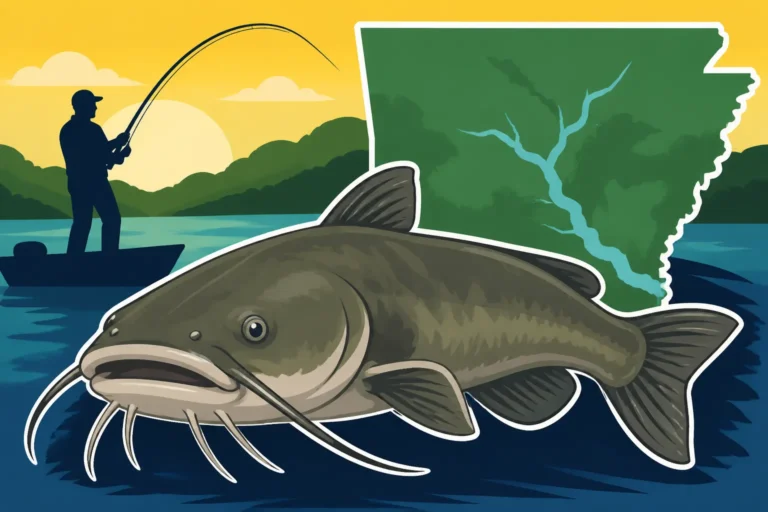
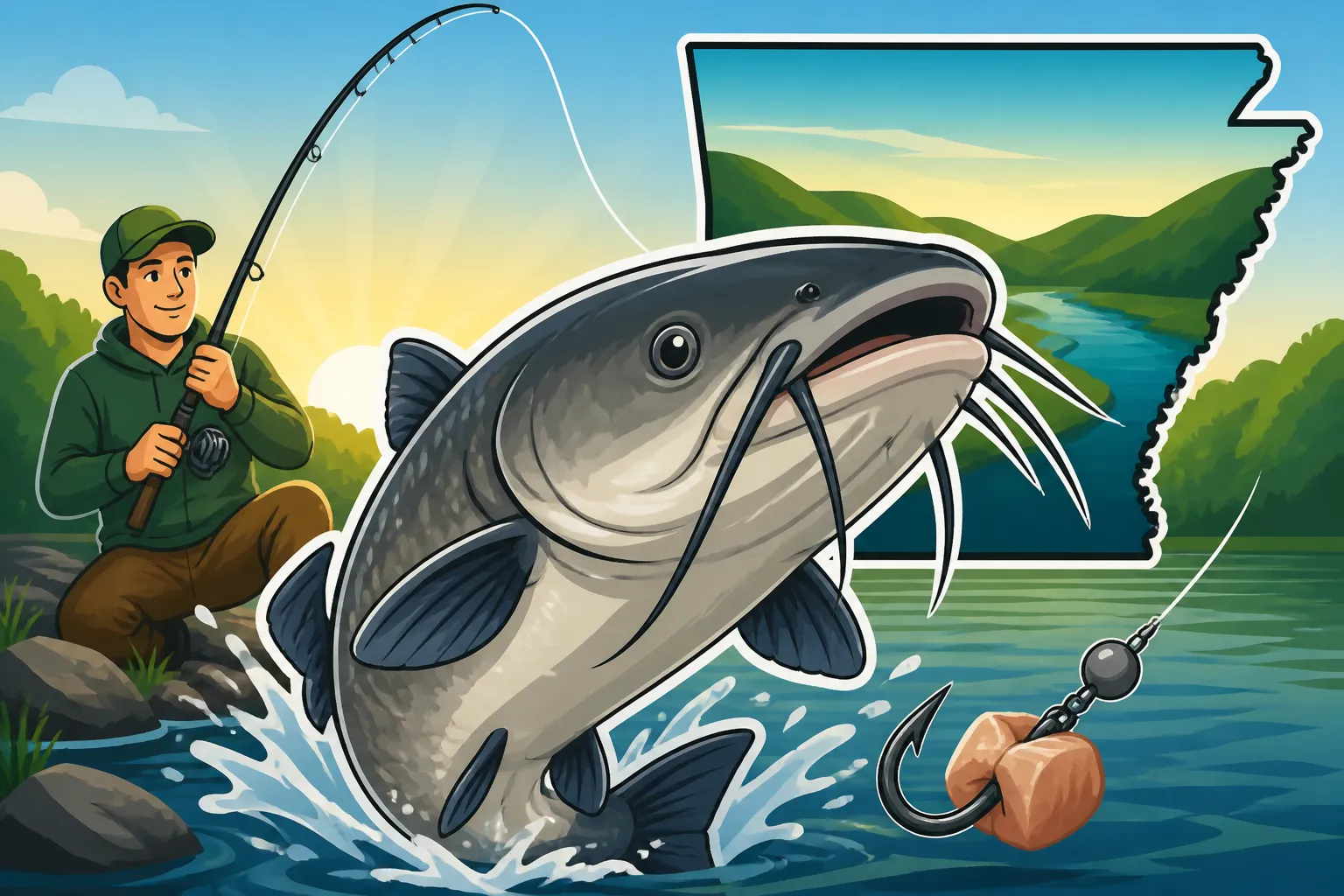
Channel catfish are one of the most popular and widespread game fish across Arkansas, and for good reason! They're abundant, relatively easy to catch once you understand their habits, and they put up a respectable fight. Plus, they're absolutely delicious on the dinner plate. Before you even think about casting a line, getting a basic understanding of where these fish like to hang out and what makes them bite can dramatically improve your success.
Habitat and Preferred Waters
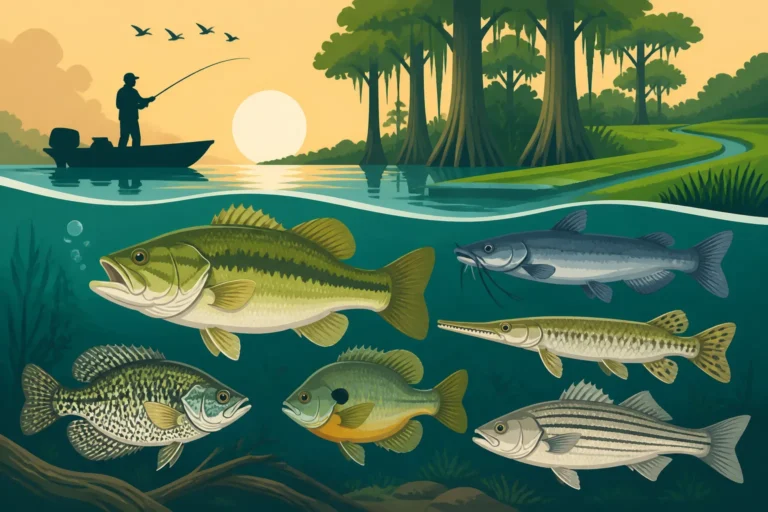
Channel catfish are incredibly adaptable, which is why you'll find them in almost every type of freshwater body in Arkansas. They thrive in warmer waters, preferring lakes, large rivers, and even smaller streams with moderate currents. Unlike some fish that stick to very specific environments, channel cats are quite happy to roam.
In lakes and reservoirs, you'll often find them congregating in deeper holes, along channels, or near submerged structures like old river beds, log jams, and brush piles. They love areas where there's a good current bringing food to them, or places that offer cover from the sun and predators. Think about fishing near the mouths of creeks, coves with some inflow, or even around submerged points. On big bodies of water like Lake Ouachita or Greers Ferry Lake, they'll stick to those deeper areas during the heat of the day, moving shallower as dusk approaches.
When it comes to rivers and streams, channel catfish will hug the edges of strong currents, settling into eddies, deep scour holes downstream of obstacles, or behind fallen trees and rock formations that break the flow. They're often found near muddy or sandy bottoms where they can easily root around for food. The Arkansas River, for instance, is absolutely teeming with channel catfish, especially in the slower-moving backwaters and deep bends. Knowing their preferred hangouts means you're not just casting randomly; you're placing your bait right in their dining room. For a deeper dive, check out Channel Catfish in Arkansas Lakes and Rivers.
What Makes a Channel Catfish Tick Behavior and Diet
Channel catfish are primarily scavengers and opportunistic predators. This means they're not too picky about what they eat, which is fantastic news for beginners! Their diet consists of pretty much anything they can find: insects, crawfish, small fish, aquatic plants, and even decaying organic matter. This broad diet is why a wide variety of baits work so well for them.
They have an excellent sense of smell and taste, which they use to locate food in murky water or low-light conditions. Those long whiskers, or "barbels," aren't just for show; they're packed with chemoreceptors that help them detect food from a distance. This keen sensory ability is why strong-smelling baits, often called "stink baits" or "cut baits," are so effective.
Channel cats are most active during low-light periods, typically from late evening through the night and into early morning. While you can certainly catch them during the day, especially in deeper, shadier spots or on overcast days, their feeding intensity usually picks up significantly once the sun starts to dip below the horizon. This makes night fishing an incredibly popular and often productive method for targeting them. They'll cruise along the bottom, sniffing out potential meals, which means presenting your bait directly on the bottom is usually your best bet.
Essential Gear for Beginner Catfish Anglers
One of the beautiful things about channel catfish fishing is that you don't need a boatload of expensive, specialized gear to get started. Many beginners already have some of the basic equipment necessary, and what you do need is generally affordable and widely available. Let's break down the essentials that will get you out on the water without breaking the bank.
Rods, Reels, and Line: Your Basic Setup
For channel catfish, you want a setup that's robust enough to handle a good fight but still sensitive enough to detect subtle bites. You don't need the fanciest equipment; reliable, medium to medium-heavy tackle is perfect.
- Rods: Look for a medium to medium-heavy action spinning or baitcasting rod, typically between 6.5 and 8 feet in length. A rod with a bit of backbone will help you cast heavier baits and sinkers, and more importantly, it will give you the leverage needed to pull a decent-sized catfish away from snags. A common choice might be a 7-foot medium-heavy spinning rod. Brands like Ugly Stik offer excellent durability and performance at a very beginner-friendly price point, and you can often find great combos on Amazon.
- Reels: Pair your rod with a sturdy spinning reel (size 3000-5000) or a baitcasting reel designed for heavier lines. Spinning reels are generally easier for beginners to master, especially when it comes to casting. Ensure your reel has a smooth drag system, which is crucial for fighting larger fish without breaking your line.
- Line: Monofilament line is an excellent choice for beginners targeting channel catfish. It's affordable, has good abrasion resistance (important around structure), and offers a bit of stretch, which can be forgiving when a cat makes a sudden run. A good starting point is 10 to 20-pound test monofilament. If you're fishing in particularly snaggy areas or targeting larger cats, you might bump it up to 25-pound test. While braided line offers more sensitivity and strength for its diameter, it can be a bit more challenging for newcomers to handle and tie knots with, so stick with mono to start.
Hooks, Weights, and Other Terminal Tackle
Your terminal tackle – the bits at the end of your line – are just as important as your rod and reel. These are the components that actually present your bait to the fish.
- Hooks: For channel catfish, circle hooks are your best friend. They are incredibly effective at hooking fish in the corner of the mouth, which is not only better for the fish if you plan to release them, but also dramatically reduces the chance of gut hooking. This means fewer lost fish and easier hook removal. A size 2/0 to 4/0 circle hook is a great all-around size for average channel catfish. Octopus hooks are another good option, especially if you prefer a more traditional J-hook style, but still aim for the same size range.
- Weights (Sinkers): Since channel catfish are often found on the bottom, you'll need sinkers to get your bait down there. Egg sinkers are a popular choice because they slide freely on the line, allowing the fish to pick up the bait without feeling the weight immediately, which can make them drop it. Sizes from 1/2 ounce to 2 ounces are common, depending on the current and how far you need to cast. Pyramid sinkers are also useful in strong currents as they dig into the bottom and hold your bait in place.
- Swivels: Barrel swivels or three-way swivels are essential. A barrel swivel helps prevent line twist, especially if you're using rotating baits or fishing in current. A three-way swivel is key for certain rigs, like a Santee Cooper rig, allowing your leader to extend out from the main line without tangling.
- Leader Material: While not strictly necessary for every rig, using a fluorocarbon or monofilament leader can be beneficial. It adds a bit of stealth if you're fishing clear water and provides an extra layer of abrasion resistance. A leader of the same or slightly lower pound test than your main line, about 12-18 inches long, is usually sufficient.
- Pliers/Forceps: Always carry a pair of needle-nose pliers or fishing forceps for easy hook removal. This protects both your fingers and the fish. You can find these readily at any sporting goods store or online through retailers like Amazon.
- Towel/Rag: Catfish are slimy! A dedicated fishing towel makes handling them much easier and keeps your hands clean.
The Best Baits and How to Rig Them
Now we're getting to the fun part: what to put on your hook! Channel catfish are famously un-fussy eaters, which means you have a wide array of bait options. The key is to find what works best in your specific fishing spot on a given day. Getting your bait in front of them effectively is just as important as the bait itself.
Top Baits That Channel Catfish Love
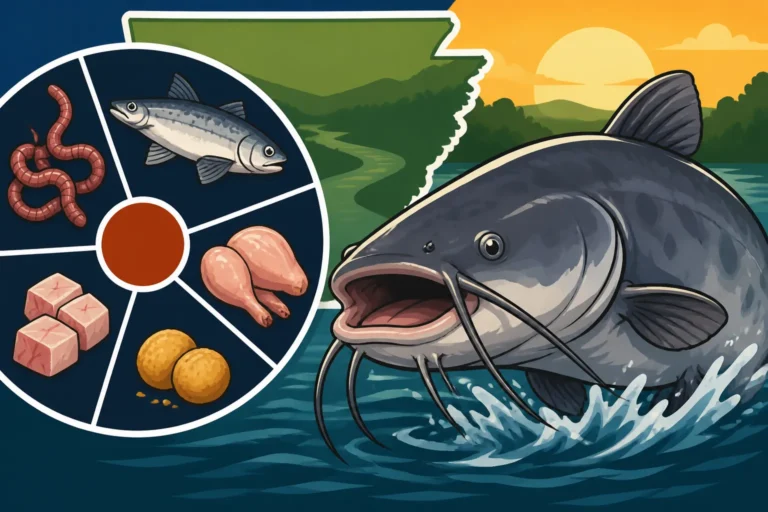
When it comes to channel catfish, "smelly" is often the name of the game. Their incredible sense of smell means baits with a strong odor are often irresistible.
- Cut Bait: This is a classic for a reason. Cut bait involves taking pieces of oily fish like shad, herring, or even smaller sunfish (check local regulations on using game fish as bait) and cutting them into chunks or strips. The natural oils and blood seep into the water, creating an irresistible scent trail that catfish follow. Fresh cut bait is usually best, but frozen can work too. This is often the go-to for many experienced anglers targeting larger cats.
- Chicken Livers: Another all-time favorite, chicken livers are incredibly potent and readily available at any grocery store. Their soft texture means they tend to fall off the hook easily, but their effectiveness makes them worth the hassle. Many anglers use a small piece of nylon stocking or thread to secure the liver to the hook.
- Prepared "Stink" Baits: These are commercially produced baits specifically designed to attract catfish with their strong, often cheese-like or fishy odors. They come in various forms: dip baits, punch baits, and pre-formed dough baits. Brands like Catfish Charlie, Berkley PowerBait, and Sonny's Super Sticky Baits are popular choices. Dip baits require a special "worm" or sponge on the hook to hold the bait, while punch baits are usually pressed onto a treble hook with a stick. They're super convenient and effective, especially for beginners.
- Worms: Good old nightcrawlers and other earthworms are universal fish attractors, and channel catfish are no exception. They're easy to find, inexpensive, and simple to rig. Thread a few on your hook to create a tempting, wriggling meal.
- Shrimp: Raw shrimp, either whole or cut into pieces, can be surprisingly effective for channel catfish. They have a strong natural odor that catfish can't resist. Many anglers swear by using slightly spoiled or "marinated" shrimp for an even stronger scent.
- Hot Dogs/Cheese: Believe it or not, these pantry staples can be great for catfish! Cut hot dogs into coin-sized pieces and let them soak in garlic juice or a commercial scent for added appeal. Cubes of strong-smelling cheese can also do the trick. These are excellent, cheap, and easy baits for casual fishing trips. For a more comprehensive look at options, explore Best Bait for Bottom Fishing Catfish.
Simple Rigs for Success
Getting your chosen bait to the catfish requires a proper rig. For beginners, simplicity is key. You want something that's easy to tie, effective, and minimizes snags.
-
Carolina Rig (Sliding Sinker Rig): This is perhaps the most popular and versatile rig for channel catfish, especially when fishing on the bottom.
- How to Tie It: Thread an egg sinker onto your main line. Below the sinker, tie on a bead (this protects your knot from the sinker), then tie on a barrel swivel. To the other end of the swivel, tie your leader (12-18 inches of mono or fluorocarbon), and finally, tie your circle hook to the end of the leader.
- Why It Works: The sliding sinker allows the catfish to pick up the bait and swim off without immediately feeling the weight of the sinker. This reduces the chance of them dropping the bait before you can set the hook (or rather, before the circle hook does its job). The leader keeps your bait away from the main line, making it appear more natural.
-
Santee Cooper Rig: This is a variation of the Carolina rig that is particularly effective for keeping your bait slightly off the bottom, which can be beneficial in soft mud or weedy areas, or to present bait more visibly.
- How to Tie It: Start with a Carolina rig setup (egg sinker, bead, barrel swivel). To the leader coming off the swivel, tie a small foam float or corkie about 2-4 inches above your hook.
- Why It Works: The small float lifts your bait just off the bottom, preventing it from getting buried in muck or weeds, and makes it more visible to cruising catfish. This can be especially good if the bottom is a bit junky.
-
Basic Bottom Rig (with a Pyramid Sinker): For strong currents, a pyramid sinker helps hold your bait in place.
- How to Tie It: Tie a three-way swivel to your main line. To one eye of the swivel, tie a short leader (6-10 inches) with your pyramid sinker. To the other eye, tie a longer leader (12-24 inches) with your hook.
- Why It Works: The pyramid sinker digs into the bottom, preventing your bait from drifting too much in current. The three-way swivel ensures your leaders don't tangle as easily. This is a great choice when fishing in flowing rivers or tailwaters where you need your bait to stay put.
Remember, practice tying these knots at home before you get to the water. Simple knots like the Improved Clinch Knot for hooks and swivels, and the Palomar Knot for braided line (if you eventually switch), are essential.
Techniques for Catching Channel Catfish
Having the right gear and bait is half the battle; knowing how and where to present it is the other. Whether you're casting from the bank or fishing from a boat, there are specific strategies that will boost your chances of success. And critically, understanding when to fish can make all the difference.
Bank Fishing Strategies
Bank fishing is an accessible and incredibly popular way to catch channel catfish, especially for beginners. You don't need a boat, just a good spot and the right approach.
- Scout Your Location: Look for areas with access to deeper water, current breaks, or submerged cover. Creek mouths, bridge pilings, bends in the river, or deep cuts along the shoreline are prime targets. If you can see fallen trees or brush piles near the bank, those are fantastic spots to try. Even a simple public fishing pier can be a goldmine. On many Arkansas lakes, certain state parks offer excellent bank access and even fishing docks that extend into prime catfish habitat.
- Fan Casting: Instead of casting to the same spot repeatedly, try "fan casting." Make several casts in a fan-like pattern, covering different depths and angles from your bank position. This helps you locate where the fish are holding without having to move. Start with a cast directly in front of you, then one to your left, one to your right, and a few in between.
- Multiple Rods (Where Permitted): If local regulations allow (always check!), using multiple rods can significantly increase your chances. Set one rod with a Carolina rig in a deeper channel, another with a Santee Cooper rig closer to a weed bed, and a third with a cut bait near a log pile. This strategy lets you experiment with different baits and presentations simultaneously.
- Patience is Key: Catfish aren't always aggressive biters. Sometimes they'll just mouth the bait gently before taking it. Don't be too quick to reel in if you feel a tap. Give them a moment to commit, especially with circle hooks which are designed to set themselves.
- Keep Your Bait Fresh: If you're not getting bites after 20-30 minutes, reel in, check your bait, and re-cast. Sometimes bait gets washed off, picked apart by smaller fish, or simply loses its potency.
Boat Fishing Basics
Fishing from a boat opens up more possibilities, allowing you to reach areas inaccessible from the bank and explore larger sections of a lake or river.
- Anchoring on Structure: Use your boat's fishfinder (if you have one) to locate submerged river channels, humps, ledges, or significant brush piles. Anchor upcurrent or upstream from these spots and cast your baits into the structure. The current will carry the scent right to the catfish.
- Drifting: On large lakes or wide river sections, drifting can be an extremely effective way to cover a lot of water. Use a controlled drift, letting the wind or current move your boat slowly while your baits drag along the bottom. You can use a drift sock or sea anchor to slow your drift if needed. This is a great way to locate active fish when you're not sure exactly where they're holding.
- Vertical Jigging/Punch Baiting: If you've located a dense school of catfish on your fishfinder, you can hover over them and vertically drop your baits. This can be very effective, especially with punch baits on a heavier sinker.
- Safety First: Always prioritize safety on the water. Wear life vests, know the weather forecast, and be aware of other boaters. For more detailed techniques, consider reading Catfish Bottom Fishing Techniques.
Best Times to Go Fishing
Knowing when to go can be as crucial as where to go for channel catfish.
- Low Light Periods: As mentioned, channel catfish are most active during low-light conditions. This means dawn, dusk, and throughout the night are often the most productive times. If you're planning a trip, try to schedule your prime fishing hours around these times. Best Time of Day to Catch Catfish has more insights.
- Overcast Days: On cloudy or overcast days, catfish may remain active longer into the daytime hours, as the diminished sunlight mimics their preferred low-light environment.
- Warm Water Seasons: Channel catfish thrive in warmer water. Spring, summer, and early fall are generally the best seasons for targeting them. Their metabolism is higher, and they're feeding more aggressively. As water temperatures drop in late fall and winter, they become less active and harder to catch, though not impossible.
- After a Rain: A gentle rain can sometimes improve catfish action. It washes food into the water and can stir up turbidity, which catfish appreciate. However, heavy rains that cause sudden rises in water levels and muddy conditions can make fishing challenging as fish scatter and currents become too strong.
Here's a quick comparison of popular channel catfish baits for beginners:
| Bait Type | Pros | Cons | Ideal Rig | Availability |
|---|---|---|---|---|
| Cut Bait | Strong natural scent, attracts large fish | Can be messy, requires preparation | Carolina Rig, Three-Way Swivel | Bait shops, some grocery stores, or caught yourself |
| Chicken Livers | Very strong scent, highly attractive | Messy, falls off hook easily | Carolina Rig (secured with thread/net) | Most grocery stores |
| Prepared "Stink" Baits | Extremely effective, convenient | Can be very messy, specific application methods | Dip Worms/Sponge, Treble Hook for punch bait | Sporting goods stores, Amazon |
| Nightcrawlers/Worms | Universal appeal, easy to use, clean | Smaller fish can steal them | Carolina Rig, under a bobber | Bait shops, garden stores, or dug yourself |
| Raw Shrimp | Strong natural scent, readily available | Can be expensive, smaller fish may pick | Carolina Rig | Most grocery stores |
| Hot Dogs/Cheese | Very cheap, easy to obtain, beginner-friendly | Less scent than cut bait, not always as effective | Carolina Rig, fished close to bottom | Most grocery stores |
Regardless of your chosen bait and rig, the key is to be present, be patient, and enjoy the experience. Channel catfish are a fantastic species for beginners to target, offering plenty of action and a real sense of accomplishment when you land one of these whiskered beauties. Remember to always check the local Arkansas Fishing Regulations Guide for specific limits and rules before you head out, and have fun!
Disclaimer
This article is for general informational purposes only and does not constitute professional advice. Laws, prices and regulations vary by location and change over time. Consult a qualified professional for guidance on your specific situation.