Best Fishing Spots in Arkansas
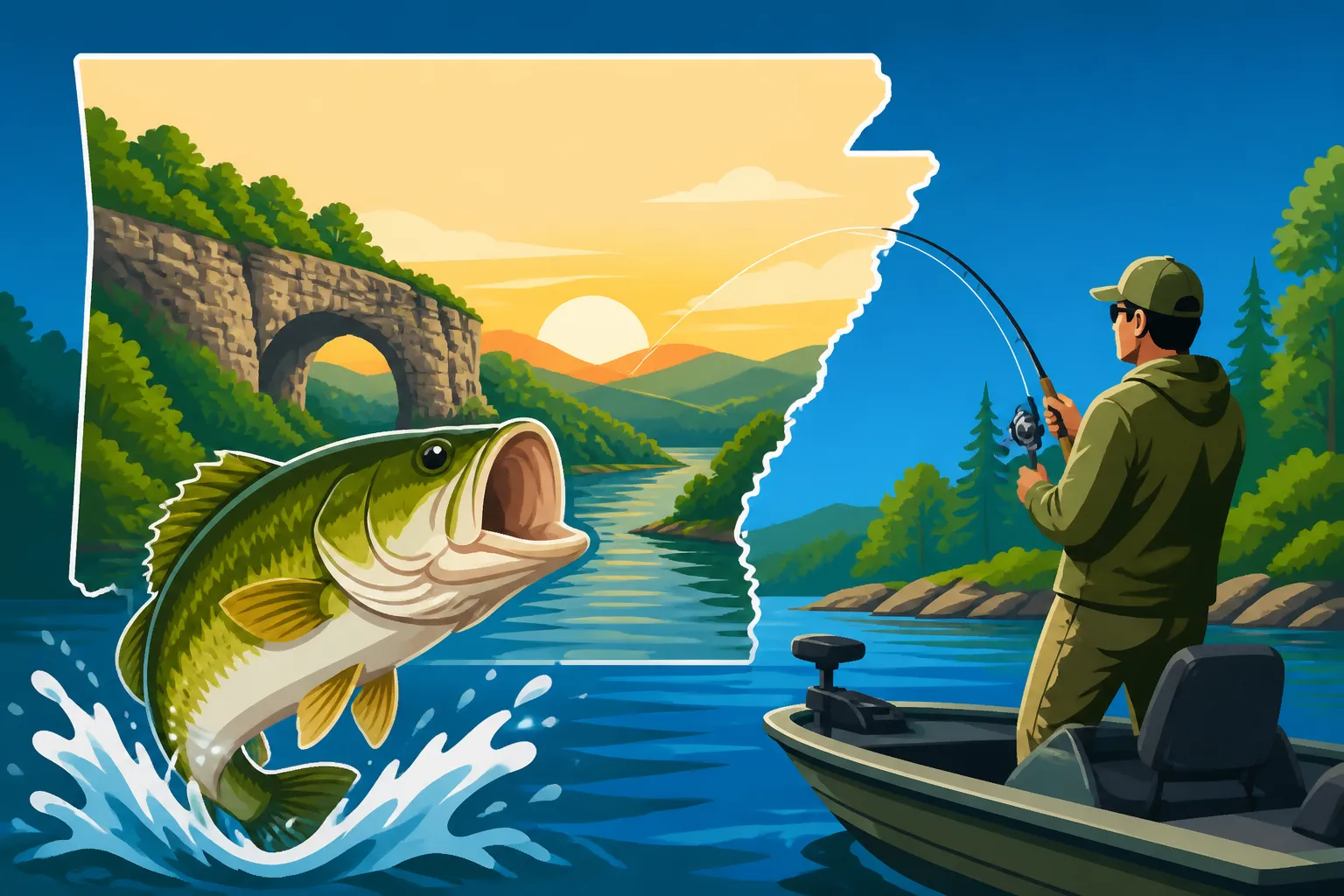
Oh, the age-old question for any angler dreaming of casting a line in Arkansas: where do you even start? This state is a genuine paradise for fishing, but with so many incredible lakes, rivers, and streams, it's easy to feel overwhelmed trying to pinpoint that perfect spot. Whether you're chasing trophy bass, delicate trout, or a cooler full of crappie, knowing the local secrets can make all the difference between a frustrating day and an unforgettable angling adventure. This guide is going to cut through the noise, revealing the absolute best fishing spots in Arkansas, helping you plan your next trip with confidence and excitement.
Arkansas's Diverse Fishing Landscape
Arkansas truly earns its nickname, "The Natural State," especially when you consider its incredible variety of fishing environments. From the crystal-clear, cold-water rivers of the Ozarks to the vast, timber-filled impoundments of the Delta, there's a unique ecosystem for every type of angler and every species of fish. It’s not just about what’s biting, but where it's biting, and understanding this diverse landscape is your first step to success.
Understanding Arkansas's Water Types
When you think about fishing in Arkansas, you're looking at a spectrum of water bodies, each with its own characteristics and charm. We've got massive man-made reservoirs, carved out of valleys and teeming with game fish. Then there are the ancient, spring-fed rivers, home to world-class trout and elusive smallmouth bass. And let's not forget the smaller, often overlooked oxbow lakes and bayous in the flatter eastern parts of the state, which offer fantastic opportunities for panfish and catfish. The geology plays a huge role here – the rocky, mountainous regions of the Ozarks and Ouachitas contrast sharply with the alluvial plains of the Mississippi Delta, creating vastly different fishing experiences. Knowing these distinctions helps you match your gear and expectations to the environment.
The sheer variety means that a fishing trip to Arkansas can be tailored to almost any preference. Want to troll for massive stripers? There's a lake for that. Prefer to wade a small stream with a fly rod for wild brown trout? Absolutely possible. Or maybe you just want to take the kids to a calm lake for some bluegill action? Arkansas has countless options. This is why it's so important to narrow down your focus; otherwise, you might spend more time driving than fishing. It also means that even if one area isn't producing, another, entirely different type of water might be just a short drive away, offering a completely different challenge and reward.
Why Location Matters for Target Species
Every fish species has its preferred habitat, and in Arkansas, these habitats are widely distributed. For instance, the deep, clear, and cold waters of the White River system are ideal for trout, while the warmer, timber-rich waters of lakes like Lake Conway are perfect for largemouth bass and crappie. Trying to catch a giant blue catfish in a swift-flowing trout stream would be, well, a fruitless endeavor. This might sound obvious, but many anglers get frustrated by casting in the wrong waters for their target species.
Understanding the specific needs of your target fish – water temperature, structure preference, food sources – will guide you directly to the best spots. Are you dreaming of a record-breaking smallmouth bass? You'll want to head to the rocky, moving waters of an Ozark stream. If a cooler full of crappie is your goal, then brush piles and submerged timber in a lake are your prime targets. Knowing where specific species thrive saves you time, effort, and ensures a much more rewarding fishing experience. Plus, it allows you to truly immerse yourself in the specific challenge each fish presents, honing your skills for that particular environment.
Top Lakes for Bass Fishing
When it comes to bass fishing, Arkansas is truly in a league of its own. Largemouth, smallmouth, and even spotted (Kentucky) bass thrive in many of the state's sprawling reservoirs, offering incredible opportunities for anglers. These aren't just good lakes; they're legendary, drawing fishermen from all over the country looking for that trophy catch.
Lake Ouachita: A Gem for Largemouth and Striped Bass
Lake Ouachita, nestled in the Ouachita Mountains near Hot Springs, is often touted as one of the cleanest lakes in America, and its fishing is just as pristine. This massive body of water, with its clear depths and abundant timber, is a prime destination for largemouth bass. Anglers consistently report good numbers and impressive sizes, especially during the spring and fall. The lake's deep coves, submerged cedar trees, and rocky points all provide excellent habitat for bass. You can spend days exploring its numerous arms and bays, finding new honey holes around every bend. For more detailed insights, check out our guide on Lake Ouachita: Arkansas's Largest Lake for Bass and Crappie Fishing.
Beyond largemouth, Lake Ouachita is also a fantastic spot for striped bass. These hard-fighting fish grow to impressive sizes here, often patrolling the open waters and schooling up. Live bait, like shad, is a popular choice for stripers, but they'll also hit a variety of artificial lures. The lake's structure, including deep channels and underwater humps, provides excellent ambush points for these predatory fish. Early mornings and late evenings are often the most productive times for striper action, particularly when they're chasing baitfish near the surface. The sheer size and beauty of Lake Ouachita make it a must-visit for any serious bass or striper angler in Arkansas.
Bull Shoals Lake: Smallmouth Bass Heaven
Up in the Ozarks, straddling the Arkansas-Missouri border, lies Bull Shoals Lake, a true paradise for smallmouth bass enthusiasts. Known for its incredibly clear water, deep rock structures, and numerous coves, this lake provides the perfect environment for smallmouth to thrive. Unlike the largemouth that prefer heavy cover, smallmouth bass here love rocky bluffs, gravel points, and submerged timber on deeper ledges. Anglers often find success targeting them with finesse techniques, jigs, and small crankbaits that mimic their natural prey like crawfish. If you're looking for a challenging fight and a beautiful environment, Bull Shoals Lake should be at the top of your list.
Bull Shoals Lake also offers excellent opportunities for largemouth and spotted bass, making it a truly diverse fishery. The largemouth tend to hold closer to shallow cover in coves, while spotted bass often mix with smallmouth in deeper, rocky areas. The sheer size of the lake, with its over 1,000 miles of shoreline, means there's always a new spot to explore. Whether you're casting from a boat, exploring by kayak, or targeting areas from the bank, the opportunities are endless. Our Bull Shoals Lake Fishing Guide for Bass and Crappie dives deeper into the specific strategies that work best on this magnificent body of water.
Greers Ferry Lake: Trophy Bass Potential
Greers Ferry Lake, located in north-central Arkansas, is renowned for its potential to produce trophy-sized bass. This U.S. Army Corps of Engineers lake is famous for its clear, deep water and rocky shoreline, providing an ideal habitat for both largemouth and spotted bass. Anglers consistently pull out impressive fish, and the lake is a favorite for many bass tournaments. The key here is often understanding the thermocline and how bass relate to both deep and shallow structure throughout the seasons. During the warmer months, bass will often suspend over deep water or relate to offshore humps and points, requiring different techniques than when they move shallow for the spawn.
Beyond its trophy potential, Greers Ferry Lake offers a picturesque setting for fishing, surrounded by rolling hills and lush forests. The lake's many coves and tributaries provide a labyrinth of fishing opportunities, from targeting flooded timber to working rocky ledges. Spotted bass are particularly abundant and can offer fast-paced action, often hitting a variety of baits. For a more comprehensive look at what makes this lake so special for bass, be sure to read our Greers Ferry Lake Bass Fishing Guide, Arkansas. It's a fantastic resource for planning your next big bass adventure.
Premier Spots for Crappie and Panfish
If you're looking for consistent action and delicious table fare, crappie and panfish fishing in Arkansas is hard to beat. These species are abundant throughout the state and provide fantastic opportunities for anglers of all skill levels, from beginners to seasoned pros. The beauty of crappie and panfish is their willingness to bite, especially during peak seasons, making them a great choice for family outings or simply enjoying a relaxing day on the water.
Lake Conway: Crappie Paradise Near Little Rock
Lake Conway, located just south of Little Rock, is legendary for its crappie fishing. It's not the clearest lake, but its stained, fertile waters and an abundance of submerged timber, brush piles, and stumps create a perfect environment for both black and white crappie to thrive. Anglers flock to Conway, especially in the spring during the spawn, when crappie move into shallower water and can be caught jigging around structure or using minnows under a bobber. The sheer volume of fish here is what sets it apart, offering opportunities for limits on a good day.
While crappie is the main draw, Lake Conway also boasts excellent populations of bluegill and other sunfish. These smaller panfish provide non-stop action, making it an ideal spot for kids and beginner anglers. A simple setup with a small hook, a piece of worm, and a bobber is often all you need for a fun day catching bream. The lake's accessibility, with numerous boat ramps and bank fishing spots, also adds to its appeal. For those seeking a classic Arkansas crappie experience, Lake Conway delivers in spades. It truly is one of the Best Crappie Lakes in Arkansas.
Lake Nimrod: Hidden Gem for Panfish
Further west, in the Ouachita Mountains, Lake Nimrod offers a more serene and less crowded experience, yet still provides excellent panfish opportunities. This smaller lake, managed by the U.S. Army Corps of Engineers, is known for its quiet coves, standing timber, and abundant natural structure that appeals to crappie, bluegill, and redear sunfish. It's the kind of place where you can escape the hustle and bustle and truly enjoy nature while pulling in a steady stream of fish. The crappie here are often found relating to the submerged timber and brush piles, making vertical jigging or slow-trolling with minnows effective.
For bluegill and redear, the shallower areas around lily pads, docks, and shoreline vegetation are prime targets. Crickets, worms, and small poppers on a fly rod can lead to incredible action. The relatively calm waters and picturesque setting make Lake Nimrod a wonderful destination for a family fishing trip or a peaceful day solo. It's a reminder that sometimes the best fishing spots aren't the biggest or most famous, but the ones that offer a harmonious blend of good fishing and natural beauty.
The White River System: Arkansas's Trout Fishing Paradise
When you talk about trout fishing in Arkansas, one name dominates the conversation: the White River. This legendary river, particularly its tailwater sections below the massive dams, has garnered international acclaim as a premier trout fishery. It's a cold, clear, and immensely fertile river that consistently produces large numbers of healthy rainbow, brown, cutthroat, and brook trout, making it a true bucket-list destination for many anglers.
The Norfork Tailwater: Wild Brown Trout Mecca
The Norfork Tailwater, stretching from the base of Norfork Dam down to the confluence with the White River, is a short but incredibly productive stretch of water, often considered a wild brown trout mecca. The cold, oxygen-rich waters released from the dam create an ideal environment for trout, and the abundant insect life provides a rich food source. Anglers here can expect to tangle with robust brown trout, some reaching truly trophy sizes, alongside plenty of hard-fighting rainbows. Fly fishing is incredibly popular here, with nymphs, streamers, and dry flies all proving effective depending on the conditions and hatch.
Wade fishing is common when generation from the dam is low, allowing anglers to explore the riffles and runs directly. When the water is up, drift boats become the preferred method, allowing guides to navigate the currents and position anglers over prime holding water. It's a unique and challenging fishery that rewards skill and patience, and the feeling of hooking into a powerful brown trout in these pristine waters is simply unmatched. To learn more about specific regulations and fishing opportunities, delve into our guide on Trout Limits on the Norfork Tailwater in Arkansas.
Bull Shoals Tailwater: World-Class Trout Fishing
Below the colossal Bull Shoals Dam, the White River transforms into an even longer stretch of world-class trout water, arguably the most famous trout fishery in Arkansas. This tailwater offers incredible opportunities for all four species of trout: rainbow, brown, cutthroat, and brook. Its sheer length and diversity of water – from long, slow pools to swift runs and rocky shoals – mean there's always a new section to explore and a new challenge to tackle. Rainbow trout are abundant and provide consistent action, while the elusive brown trout are often the target of trophy hunters.
Fishing here can be done by drift boat, wading, or from the bank at various access points. Local guides, many of whom have spent decades on these waters, are invaluable resources for navigating the river and understanding the intricate patterns of the trout. The White River offers something for every trout angler, whether you're a seasoned fly fisherman or a beginner trying spin-fishing with an inline spinner or PowerBait. This is definitely one of the Best Trout Fishing Spots in Arkansas. When planning your trip, consider booking through services like FishingBooker, which can connect you with experienced local guides who know these waters intimately.
Spring River: Scenic and Diverse Trout Waters
The Spring River, located in northeast Arkansas, offers a distinctly different, yet equally rewarding, trout fishing experience compared to the larger tailwaters. Fed by Mammoth Spring, one of the largest springs in the Ozarks, the Spring River maintains a cold, consistent temperature year-round, making it an excellent natural trout habitat. While it's stocked with rainbow trout, you'll also find a healthy population of wild brown trout, particularly in the upper sections. The river's character changes as you move downstream, offering a mix of swift rapids, calm pools, and picturesque scenery.
This river is popular for both wade fishing and floating in canoes or kayaks. The upper reaches are perfect for fly fishing with small nymphs and dry flies, mimicking the abundant aquatic insects. Spin anglers also find success with small spinners and jigs. The Spring River is especially beloved for its natural beauty and the opportunity to catch trout in a more wild, less controlled environment. It's an ideal spot for anglers looking for a slightly more adventurous trout fishing experience, combining angling with the thrill of navigating clear, moving water.
Catfish Hotspots Across the State
For many, fishing isn't just about the fight; it's about the delicious meal afterward. And when it comes to eating, catfish are a top contender, providing abundant, meaty fillets. Arkansas is blessed with an incredible array of catfish species – channel, blue, and flathead – and numerous spots where you can target them effectively. Whether you prefer juglining, trotlining, or simply bottom fishing with a rod and reel, the Natural State has a catfish spot for you.
Arkansas River: Blue and Flathead Catfish Giants
The mighty Arkansas River, winding its way through the heart of the state, is an absolute powerhouse for catfish, particularly trophy-sized blue and flathead catfish. The river's deep channels, numerous sandbars, and rocky points provide ideal habitat for these impressive fish. Anglers often target blue catfish in the main channel or around dam tailwaters, using large cut bait like shad or carp. These fish can grow to enormous sizes, with the state record blue catfish weighing a staggering 116 pounds!
Flathead catfish, on the other hand, prefer live bait, such as sunfish or small carp, and often relate more closely to logjams, brush piles, and other heavy cover. The Arkansas River's commercial navigation locks and dams create turbulent waters and structure that concentrate baitfish, making them prime spots for big cats. Night fishing is a popular and often highly effective method for targeting these nocturnal predators. If you're serious about landing a monster catfish, the Arkansas River should be your primary destination. It consistently ranks among the Best Catfish Spots in Arkansas.
Lake Chicot: Channel Catfish Abundance
Lake Chicot, Arkansas's largest natural lake and an oxbow of the Mississippi River, is a fantastic spot for numbers of channel catfish. This long, narrow lake in the southeastern part of the state is known for its fertile waters and abundant food sources, leading to a thriving population of channel cats. While you might not find the record-breaking giants of the Arkansas River here, you'll likely encounter plenty of good eating-sized fish. Bank fishing is very popular along its shores, with folks setting out multiple rods rigged with stink bait, chicken livers, or worms.
The lake's numerous coves, submerged timber, and brush piles offer excellent cover for channel catfish. Fishing near these structures, especially in slightly deeper pockets, often yields the best results. It's a more relaxed fishing experience, perfect for a sunny afternoon with the family, waiting for those tell-tale tugs on the line. The consistent action and the promise of a delicious catfish fry make Lake Chicot a beloved spot for local anglers.
Chasing Striped Bass: The Big Game Angler's Dream
For anglers seeking a true test of strength and endurance, chasing striped bass in Arkansas is an exhilarating experience. These powerful, ocean-going fish (now landlocked in several large reservoirs) are known for their incredible runs and stubborn fights. They grow to impressive sizes, often exceeding 40 pounds, making them one of the most sought-after trophy fish in the state.
Norfork Lake: Arkansas's Striped Bass Capital
Norfork Lake, located in north-central Arkansas, proudly holds the title of Arkansas's striped bass capital. This deep, clear, and cold-water lake provides the perfect habitat for these magnificent fish to grow to colossal sizes. Anglers regularly catch stripers in the 20 to 40-pound range, and the lake has produced several state records. The key to Norfork's success as a striper fishery lies in its massive schools of threadfin and gizzard shad, which provide an endless food source for these voracious predators.
The primary method for catching trophy stripers on Norfork Lake is live bait fishing, often using large shad either freeline or weighted at specific depths. Trolling large crankbaits and umbrella rigs also proves highly effective, especially when stripers are suspended in open water. Guide services specializing in striped bass are abundant on Norfork, and they possess the specialized equipment and knowledge to track down these migratory fish. A trip to Norfork Lake is a serious undertaking for serious anglers, promising thrilling battles and the potential for a truly memorable catch. For more in-depth information, check out Norfork Lake: One of Arkansas's Best Striped Bass Fisheries. When considering a guide, using a platform like FishingBooker can streamline the process of finding a reputable Norfork striper guide.
Lake Hamilton: Hot Springs Stripers
While Norfork Lake gets most of the striper fame, Lake Hamilton in Hot Springs offers excellent striped bass fishing, especially for those looking for a more accessible option near a major city. Lake Hamilton is a popular recreational lake, but its deep channels and abundant baitfish populations sustain a healthy population of stripers. These fish are often found schooling in open water, chasing shad, or relating to deeper structure.
Live bait is again a top choice, but anglers also have success with topwater lures during low-light conditions when stripers are actively feeding on the surface. Trolling also works well, particularly in the deeper sections of the lake. The convenience of Lake Hamilton, with its ample accommodations and attractions in Hot Springs, makes it a fantastic choice for combining a family vacation with serious striper fishing. While the average size might be slightly smaller than Norfork, the action can be just as exhilarating, offering plenty of opportunities to land strong, hard-fighting stripers.
Rivers and Streams for Unique Experiences
Beyond the big lakes and tailwaters, Arkansas boasts a network of smaller rivers and streams that offer unique and often more intimate fishing experiences. These waters, particularly in the Ozark and Ouachita regions, are home to species like smallmouth bass, various panfish, and even some lesser-known native species. These spots often require a different approach, emphasizing wade fishing, kayaking, or floating in smaller crafts.
Ozark Mountain Streams: Smallmouth Bass and Scenic Beauty
The countless rivers and creeks winding through the Ozark Mountains are a haven for smallmouth bass. Rivers like the Buffalo National River, Crooked Creek, and the Eleven Point River offer pristine, clear waters, rocky bottoms, and abundant insect life that smallmouth crave. These aren't about catching giants, but rather about consistent action from feisty, hard-fighting fish in incredibly beautiful settings. Wade fishing with light tackle, casting small spinners, jigs, or fly fishing with poppers and crawfish imitations are highly effective methods.
Floating these rivers in a canoe or kayak allows anglers to access miles of unspoiled water, discovering hidden pools and riffles. The experience is as much about the natural beauty – towering bluffs, ancient trees, and abundant wildlife – as it is about the fishing. It’s a chance to truly disconnect and immerse yourself in the wilderness. Smallmouth bass fishing in these streams provides an entirely different kind of challenge and reward compared to lake fishing, emphasizing stealth, presentation, and reading the water effectively.
The Little Missouri River: Trout and Shoal Bass
The Little Missouri River, especially below Lake Greeson, is a fascinating fishery that offers both cold-water trout and warm-water species like smallmouth and shoal bass. When the water is released from the bottom of Lake Greeson, the river becomes a cold-water trout fishery, stocked with rainbows and holding some wild browns. Fly fishing and light spin fishing are popular during these release periods.
Further downstream, as the water warms, the river transforms into an excellent smallmouth and shoal bass fishery. Shoal bass, a relative of the smallmouth, are known for their preference for rocky shoals and swift currents, providing a thrilling fight on light tackle. The diverse nature of the Little Missouri, shifting between trout and bass waters, makes it a unique destination for anglers looking for varied challenges. It’s a great example of Arkansas's diverse aquatic ecosystems, offering multiple angling experiences within a single river system.
Planning Your Arkansas Fishing Adventure
So you've got your target species and a few dream spots in mind. Now comes the nitty-gritty: planning the actual trip. There are a few crucial elements to consider, from licenses to choosing the right gear, and even deciding if a professional guide is right for you. A little preparation goes a long way in ensuring your Arkansas fishing adventure is smooth, successful, and stress-free.
Essential Licensing and Regulations
First things first: you absolutely need an Arkansas Fishing License Rules and Costs. This isn't optional, and game wardens in Arkansas are serious about enforcement. Whether you're a resident or non-resident, annual or a short-term visitor, there's a license that fits your needs. You can easily purchase them online through the Arkansas Game and Fish Commission website, or at many sporting goods stores and bait shops throughout the state. Don't forget that if you plan to fish for trout in the designated trout waters (like the White River or Norfork Tailwater), you'll also need a valid Trout Permit in addition to your regular fishing license.
Beyond licenses, it's vital to familiarize yourself with the current Arkansas Fishing Regulations Guide. These regulations cover everything from daily creel limits to minimum size requirements for specific species and special regulations for certain bodies of water. For example, some lakes might have slot limits for bass, or specific tailwaters might have catch-and-release only sections for certain trout. Ignoring these rules can lead to hefty fines, so take the time to read up. Ignorance is no excuse, and respecting the regulations helps protect Arkansas's incredible fisheries for everyone.
Gear and Equipment Considerations
The gear you bring will largely depend on your target species and chosen location. For bass fishing on large lakes, you might need a medium-heavy spinning or casting rod with 10-20 lb test line, suitable for throwing a variety of lures like crankbaits, jigs, and soft plastics. For finesse smallmouth fishing on a clear Ozark stream, a lighter action rod with 6-8 lb test might be more appropriate. Trout fishing on the White River often calls for a 5 or 6-weight fly rod, or a light spinning rod with 4-6 lb test for drifting PowerBait or small lures.
Here's a quick overview of typical gear needs:
| Species/Location | Rod Type | Line Weight (Lbs) | Common Baits/Lures | Key Accessory |
|---|---|---|---|---|
| Largemouth Bass | Medium-Heavy Baitcast/Spin | 10-20 | Crankbaits, Jigs, Worms, Spinnerbaits | Tackle Box, Pliers |
| Smallmouth Bass | Medium-Light Spin | 6-10 | Small Jigs, Tubes, Grubs, Spinners | Wading Boots (streams) |
| Trout (White River) | 5-6wt Fly Rod / Light Spin | 4-6 | Nymphs, Streamers, PowerBait, Spinners | Net, Waders, Forceps |
| Crappie | Light Spin/Jigging | 4-8 | Minnows, Small Jigs, Spider Rigs | Livewell, Cooler |
| Catfish | Heavy Duty Spin/Cast | 20-50 | Cut Bait, Stink Bait, Live Perch | Rod Holders, Cooler |
| Striped Bass | Heavy Duty Baitcast | 20-50+ | Live Shad, Large Plugs, Umbrella Rigs | Heavy Rod Holders, Gaff |
Don't forget essentials like a good pair of polarized sunglasses, sunscreen, a wide-brimmed hat, comfortable clothing layers, rain gear, and plenty of water. A reliable cooler is a must if you plan to keep your catch. Also, a net or a set of lip grippers can be invaluable for safely landing and handling fish.
The Value of a Professional Fishing Guide
While it's absolutely possible to explore Arkansas's waters on your own, especially if you have your own boat and experience, a professional fishing guide can dramatically increase your chances of success and enrich your overall experience. Guides possess invaluable local knowledge: they know exactly where the fish are holding, what baits they're hitting, and how to navigate the specific challenges of each water body. This is particularly true for complex fisheries like the White River's trout waters or the vastness of Norfork Lake for stripers.
A good guide not only puts you on fish but also teaches you techniques, helps you understand the ecosystem, and provides all the necessary equipment, saving you the hassle of bringing your own. They're especially beneficial for first-time visitors to an area or for those targeting challenging species. Services like FishingBooker can help you find reputable, licensed guides across Arkansas who specialize in different species and locations. They offer a great way to compare options and book a guided trip that suits your budget and goals. Ultimately, investing in a guide is investing in a higher probability of an unforgettable and productive fishing trip. To understand more about the process, check out our article on How to Book a Fishing Guide in Arkansas.
Disclaimer
Please remember that fishing conditions, regulations, and fish populations can change. Always check the latest Arkansas Game and Fish Commission regulations before heading out. Fishing involves inherent risks; please exercise caution and ensure your safety on the water.