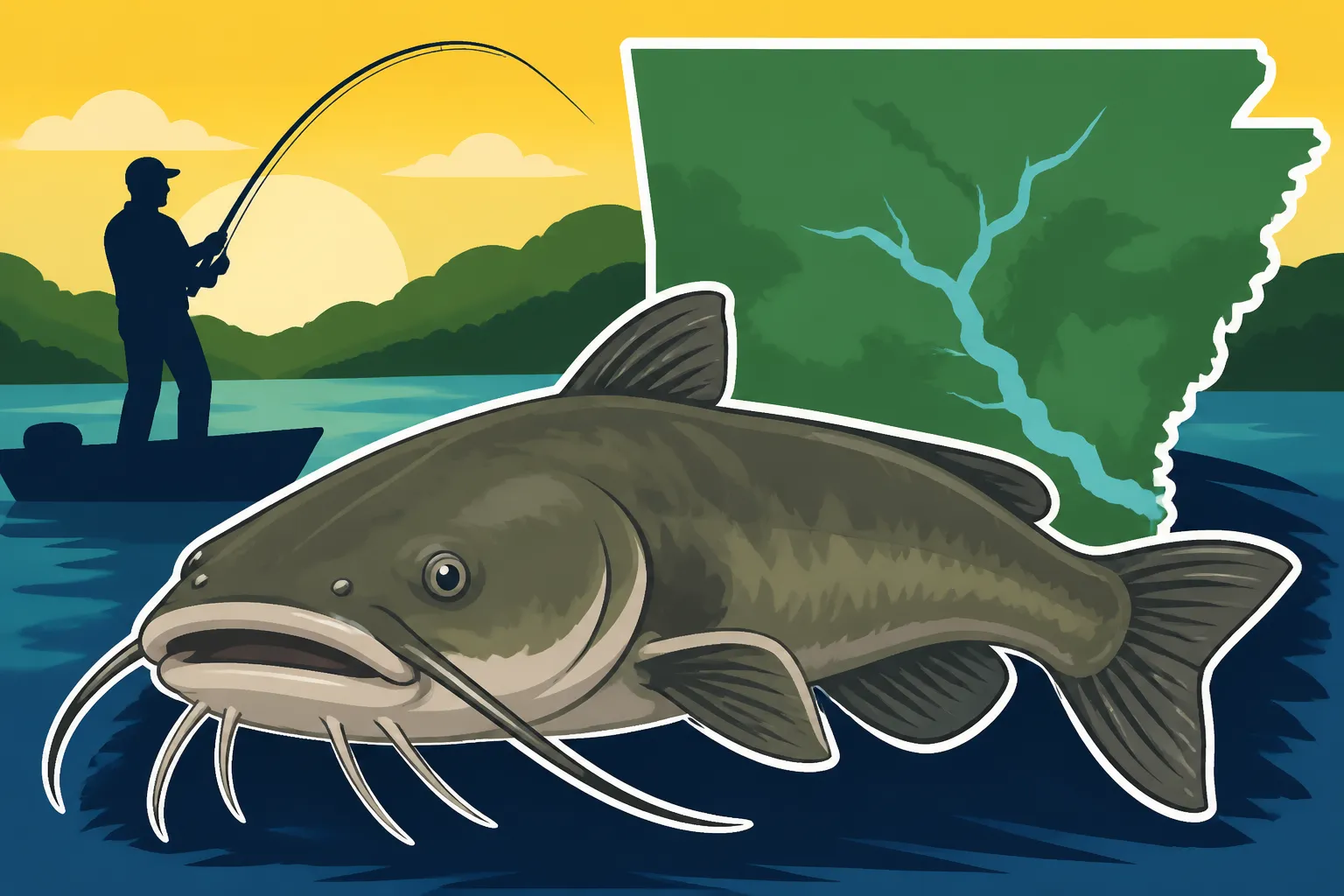
How Big Do Flathead Catfish Get in Arkansas?
There's a special kind of thrill that comes with the dream of reeling in a truly massive fish, a leviathan from the depths. For many anglers in Arkansas, that dream often revolves around the flathead catfish, a powerful, solitary predator known for its impressive size and even more impressive fight. But how big do these freshwater giants really get in the Natural State? This guide dives deep into the world of Arkansas flatheads, revealing the potential for truly enormous catches and what it takes to find them.
The Lure of the Monster Flathead: Understanding Arkansas's Giants
Flathead catfish (Pylodictis olivaris) hold a mythical status among anglers, and for good reason. They are the apex predators of many river systems, growing to sizes that can genuinely shock even seasoned fishermen. In Arkansas, where rivers and reservoirs provide ideal habitat, the potential for encountering a true monster flathead is very real, even if it's a challenge that tests patience and skill.
The Legend and Reality of Flathead Catfish Size
When you hear stories of flatheads, they often conjure images of fish bigger than a grown man. While a bit of angler's exaggeration might be at play sometimes, the reality is that flatheads in Arkansas do grow to astounding proportions. They're often characterized by their broad, flattened heads, speckled brown to yellow bodies, and powerful, muscular frames built for wrestling. Unlike their scavenging cousins, the channel and blue catfish, flatheads are strictly predatory, preferring live bait, which contributes to their robust growth. They are one of the key species covered in our Arkansas Fish Species: A Complete Guide to What's Swimming in Your Waters.
The state record for a flathead catfish in Arkansas is a testament to their incredible growth potential. While the exact number might fluctuate over time as new records are set, historically, Arkansas has produced flatheads well over the triple-digit mark in weight. These aren't just big fish; they're truly exceptional, often representing decades of growth in prime conditions. It's not everyday you pull in a fish like that, but knowing it's possible fuels the passion of countless anglers.
Why Arkansas is a Prime Spot for Big Flatheads
Arkansas's diverse aquatic ecosystems create a perfect environment for flathead catfish to thrive and grow to immense sizes. We're talking about a combination of factors that make our waters a flathead paradise:
- Vast River Systems: The Arkansas River, White River, Ouachita River, and countless tributaries offer hundreds of miles of prime flathead habitat. These rivers often feature deep holes, complex underwater structure, and strong currents that flatheads love.
- Abundant Forage: Flatheads are opportunistic predators, and Arkansas's waters are teeming with their preferred live prey. Shad, bluegill, sunfish, and small rough fish provide a constant, rich food source, allowing flatheads to pack on pounds rapidly over their long lifespan.
- Ideal Structure: Flatheads are ambush predators, and they seek out heavy cover. Think log jams, submerged trees, rock piles, bridge pilings, and deep ledges. Arkansas's rivers and reservoirs are full of these kinds of features, offering countless hiding spots for these solitary giants.
It's this combination of expansive, nutrient-rich waters and ample cover that truly sets Arkansas apart as a destination for serious flathead enthusiasts. They share these rich waters with other large catfish species, as explored in our guide to Catfish Species Found in Arkansas.
Factors Influencing Flathead Catfish Size and Growth
Catching a truly massive flathead isn't just about luck; it's about understanding the biology and environmental factors that contribute to their growth. These fish are living, breathing indicators of a healthy ecosystem, and their size reflects a lifetime of optimal conditions.
Age, Environment, and Genetics: The Big Three
When you look at a truly trophy-sized flathead, you're looking at a fish that has beaten the odds for a very long time.
- Age is paramount. Flathead catfish are incredibly long-lived, with some individuals reaching ages of 20 years or more in ideal conditions. This extended lifespan is what allows them to achieve their massive weights. A flathead in the 60-pound range might be 15-20 years old, while a 100-pounder has likely seen many more seasons pass. The older they get, the bigger they can become, provided they have access to enough food and avoid predators (including anglers).
- Environmental conditions play a huge role. Excellent water quality, stable temperatures, and minimal pollution ensure a healthy fish that can grow without stress. Furthermore, a consistent and abundant food supply is absolutely critical. A flathead in a nutrient-poor, overfished water body will never reach the same proportions as one in a healthy, robust river system.
- Genetics also contribute, though it's harder for anglers to influence this directly. Just like people, some fish simply have the genetic predisposition to grow larger and faster than others. These "super-growers" are often the ones that end up setting new state records.
The Role of Food Supply and Diet in Growth
Flathead catfish are unique among common catfish species because they are almost exclusively piscivorous, meaning they eat other fish. While smaller flatheads might nibble on insects or crayfish, as they grow, their diet shifts dramatically towards live prey.
- Live Bait Preference: Their strong preference for live bait is key to their robust growth. They aren't scavengers in the same way blue or channel catfish are; they are active hunters. This means they are consuming fresh, nutrient-rich protein with every meal.
- Abundant Forage Fish: Rivers and reservoirs rich in gizzard shad, threadfin shad, bluegill, sunfish, carp, and suckers provide an all-you-can-eat buffet for flatheads. A healthy forage base means the flatheads don't have to expend excessive energy hunting, allowing them to convert more calories into growth.
- Dietary Changes with Size: A 10-pound flathead might primarily target bluegill and small shad. However, a 50-pound flathead isn't just eating more bluegill; it's eating larger bluegill, larger shad, and even small carp or other game fish. Their mouths are surprisingly large, allowing them to engulf substantial prey. This increasing size of prey helps fuel their continued exponential growth. This contrasts with the diet of Blue Catfish Fishing in Arkansas, which tend to be more opportunistic.
Water Bodies That Produce Giant Flatheads
While flatheads are found throughout Arkansas, some water bodies are particularly renowned for producing trophy-sized specimens. These areas often have the perfect blend of deep water, cover, and forage.
- The Arkansas River: This mighty river, with its locks and dams, countless log jams, and deep scour holes, is a flathead factory. The strong currents and vastness provide ideal habitat, and the river is rich in diverse fish species for them to prey upon. Many state record contenders have come from these waters.
- The White River: While famous for its trout, the lower sections of the White River and its major tributaries also hold enormous flatheads, particularly in the deep, slow-moving pools and around submerged timber.
- Ouachita River: Similar to the Arkansas River, the Ouachita offers plenty of deep bends, cut banks, and woody debris where flatheads love to lurk.
- Large Reservoirs: Lakes like Lake Ouachita, Lake Dardanelle, and Millwood Lake also harbor significant flathead populations. While they might be harder to find in such vast expanses, the immense amount of cover and food in these impoundments means they can grow undisturbed for years. You might find some of these discussed further in Best Catfish Spots in Arkansas.
Understanding where these big fish live is the first step. They are often solitary and territorial, establishing a home in a specific piece of cover and venturing out to feed.
Targeting Trophy Flathead Catfish in Arkansas
Pursuing a trophy flathead is not for the faint of heart. It requires specialized gear, specific techniques, and a hefty dose of patience. But the reward of landing one of these freshwater leviathans is an experience you won't soon forget.
Equipment for Monster Catfish
You can't bring a knife to a gunfight, and you certainly can't bring light tackle to a flathead hunt. These fish are incredibly powerful, and they will test every piece of your gear.
- Rods: Look for heavy to extra-heavy action casting rods, typically 7 to 10 feet long. These need enough backbone to pull a large fish out of heavy cover and absorb punishing runs. You'll find a good selection of specialized catfish rods on platforms like Amazon, often with descriptions highlighting their power ratings.
- Reels: A sturdy baitcasting reel with a large line capacity and a powerful drag system is essential. Many anglers prefer conventional reels for flathead fishing due to their cranking power and durability. Make sure it can hold at least 200 yards of heavy line.
- Line: This is where you don't skimp. Monofilament lines in the 30-50 pound test range are common, but many serious flathead anglers opt for braided line of 60-100 pound test for its incredible strength, abrasion resistance, and lack of stretch. The lack of stretch helps you feel subtle bites in deep water and provides immediate hook sets.
- Hooks: Circle hooks are the go-to for flathead fishing, typically in sizes ranging from 7/0 to 12/0. They are designed to hook fish in the corner of the mouth, making for easier release and reducing gut-hooking.
- Weights: Heavy sinkers (3-8 ounces or more) are often needed to hold your bait in strong currents or get it down to deep channels. Egg sinkers, no-roll sinkers, and flat disc weights are popular choices.
- Leaders: Many anglers use heavy monofilament or fluorocarbon leaders (80-150 pound test) to provide extra abrasion resistance against logs, rocks, and the flathead's sandpaper-like mouth. Consider looking for bulk leader material on Amazon to save money.
Best Baits and Techniques
Flatheads are picky eaters compared to their catfish cousins, almost exclusively preferring live bait. You can read more about various approaches in Catfish Bottom Fishing Techniques.
- Live Bait is King:
- Bluegill/Sunfish: These are arguably the top choice. They're hardy, lively, and a natural food source for flatheads. Using a baitfish from the same waters you're fishing is always a good strategy.
- Shad: Gizzard shad and threadfin shad are excellent, especially in lakes and rivers where they are abundant. Keep them alive in a well-aerated bait tank.
- Perch/Suckers: Other smaller rough fish that are legal to use as bait in Arkansas can also be highly effective. Always check local regulations on baitfish species and size limits.
- Rigging Your Bait:
- Carolina Rig: A popular setup using a heavy sliding sinker above a swivel, with a leader (18-36 inches) tied to a large circle hook. This allows the fish to pick up the bait without feeling the weight.
- Three-Way Swivel Rig: Useful in current, this rig has one line to a heavy weight, one to a leader with your bait, and one to your main line.
- Free-Lining: In areas with less current or when targeting flatheads near the surface (rare, but happens), you can free-line a live bait with no weight or just a small split shot.
- Popular Techniques:
- Bank Fishing Heavy Cover: Find deep holes, undercut banks, or log jams from shore. Cast your live bait as close to the cover as possible and let it sit.
- Boat Fishing Deep Holes/Structure: Use your electronics to find submerged trees, rock piles, or channel edges in deeper water. Anchor upcurrent and let your bait drift into the target zone.
- Trotlines and Jug Lines: For those looking to increase their odds or cover more water, trotlines and jug lines are effective methods, particularly when deployed in known flathead haunts. These are specialized techniques with their own regulations, so make sure you're familiar with Trotline Fishing Basics and Jug Fishing Basics for Catfish before trying them.
- Night Fishing: Flatheads are primarily nocturnal hunters. The period from late evening through the early hours of the morning is often the most productive time to target them, especially during warmer months.
Patience and Persistence: The Angler's Mindset
Chasing trophy flatheads is not like catching panfish. It's a game of patience, strategy, and often, long stretches of waiting.
- Dedication is Key: You might spend an entire night with only one bite, but that one bite could be the fish of a lifetime. The dedicated flathead angler understands this and embraces the quiet anticipation.
- Scouting Locations: Success often comes down to knowing where the big fish hide. Spend time on the water even when you're not fishing, looking for prime habitat like log jams, deep bends, and current breaks. Your fish finder can be your best friend in identifying submerged structure.
- Understanding Seasonal Patterns: Flatheads become more active as water temperatures rise in spring and summer. They'll feed heavily in preparation for winter. Understanding these seasonal shifts helps you plan your trips for maximum success. This is quite different from chasing Channel Catfish in Arkansas Lakes and Rivers.
Arkansas Flathead Records and Management
The pursuit of a state record flathead is a dream for many, but it's also important to understand how these fisheries are managed to ensure future generations can experience the thrill of targeting these magnificent fish.
The Current State Record: A Benchmark for Anglers
Arkansas has a proud history of producing colossal flathead catfish. The current state record is held by a truly gargantuan specimen caught from the Arkansas River. This record-setting fish, along with many others that have approached its size, underscores the incredible potential of Arkansas's waters. These records are not just numbers; they are benchmarks that inspire anglers to push their limits and explore new waters, constantly looking for that next giant.
Such an accomplishment isn't just a testament to the angler's skill, but also to the health and vitality of the river system that produced it. Each record-breaking flathead is a story of a fish that has grown undisturbed for decades, a true survivor.
| Catfish Species | Average Adult Size (Arkansas) | Potential Trophy Size (Arkansas) | Distinctive Feature | Primary Diet |
|---|---|---|---|---|
| Flathead Catfish | 10-40 lbs | 50-100+ lbs | Broad, flat head; speckled; prognathous jaw | Live fish |
| Blue Catfish | 10-50 lbs | 75-100+ lbs | Forked tail; silvery-blue; humped back | Opportunistic (fish, crawfish, mussels) |
| Channel Catfish | 2-10 lbs | 15-25 lbs | Spots (especially on juveniles); deeply forked tail | Omnivorous (insects, small fish, plants) |
This table shows just how much bigger flatheads and blues can get compared to channel cats, highlighting the flathead's reputation as a true giant. You can tell them apart with this guide: How to Tell Channel, Blue, and Flathead Catfish Apart.
Conservation and Sustainable Fishing Practices
While the allure of a trophy flathead is strong, responsible angling practices are vital to ensure the longevity of these incredible fisheries.
- Release of Large Breeding Fish: The largest flatheads are often the most prolific breeders, having survived long enough to pass on their strong genetics. Many trophy anglers practice catch and release with these giants, understanding their importance to the population. While it's tempting to keep a monster catch, considering its role in the ecosystem is crucial.
- Understanding Regulations: The Arkansas Game and Fish Commission (AGFC) sets daily limits and sometimes size restrictions to manage fish populations. Always check the current fishing guide for the specific water body you're fishing before heading out. Regulations can change, so staying informed is key. These rules help prevent overfishing and protect the species. You might want to review Arkansas Fishing Regulations Guide for detailed information.
- Minimizing Stress on Released Fish: If you do plan to release a large flathead, be prepared. Use appropriate landing gear, minimize the time the fish is out of water, and handle it carefully to avoid injury. A healthy release ensures that trophy flatheads can continue to grow and contribute to the fishery. For tools that assist with safe handling, check out resources on Amazon for large fishing nets, lip grippers, and fish handling gloves.
By respecting these magnificent creatures and the waters they call home, we can all contribute to the continued legacy of Arkansas as a premier destination for trophy flathead catfish. The quest for that truly massive flathead isn't just about the catch; it's about the adventure, the challenge, and the deep respect for one of nature's most impressive freshwater predators.
Disclaimer
This article is for general informational purposes only and does not constitute professional advice. Laws, prices and regulations vary by location and change over time. Consult a qualified professional for guidance on your specific situation.