Fish Species Found in Timber-Filled Lakes at White River Refuge
If you've ever gazed out over the still, cypress-laden waters of the White River National Wildlife Refuge, with those ancient trees rising majestically from the surface, you've probably wondered: what fish call these timber-filled lakes home? It’s a common question, and honestly, it can be intimidating trying to figure out what's swimming beneath all that submerged wood. Anglers often struggle with how to approach these unique environments, which are vastly different from open reservoirs or swift-moving rivers. This guide is here to shed light on the incredible diversity of fish species thriving in these special waters and give you a realistic peek into what to expect when you cast a line there.
Understanding the Unique Ecosystem of Timber-Filled Lakes in the White River Refuge
The White River National Wildlife Refuge isn't just any body of water; it's a dynamic, ever-changing ecosystem shaped by the White River itself. Many of its lakes are oxbows or sloughs, old river channels that have been cut off, often filling with sediment and supporting dense stands of cypress and other water-tolerant trees. These timber-filled environments present a unique challenge and opportunity for fish and anglers alike.
Why Timber is a Fish Magnet
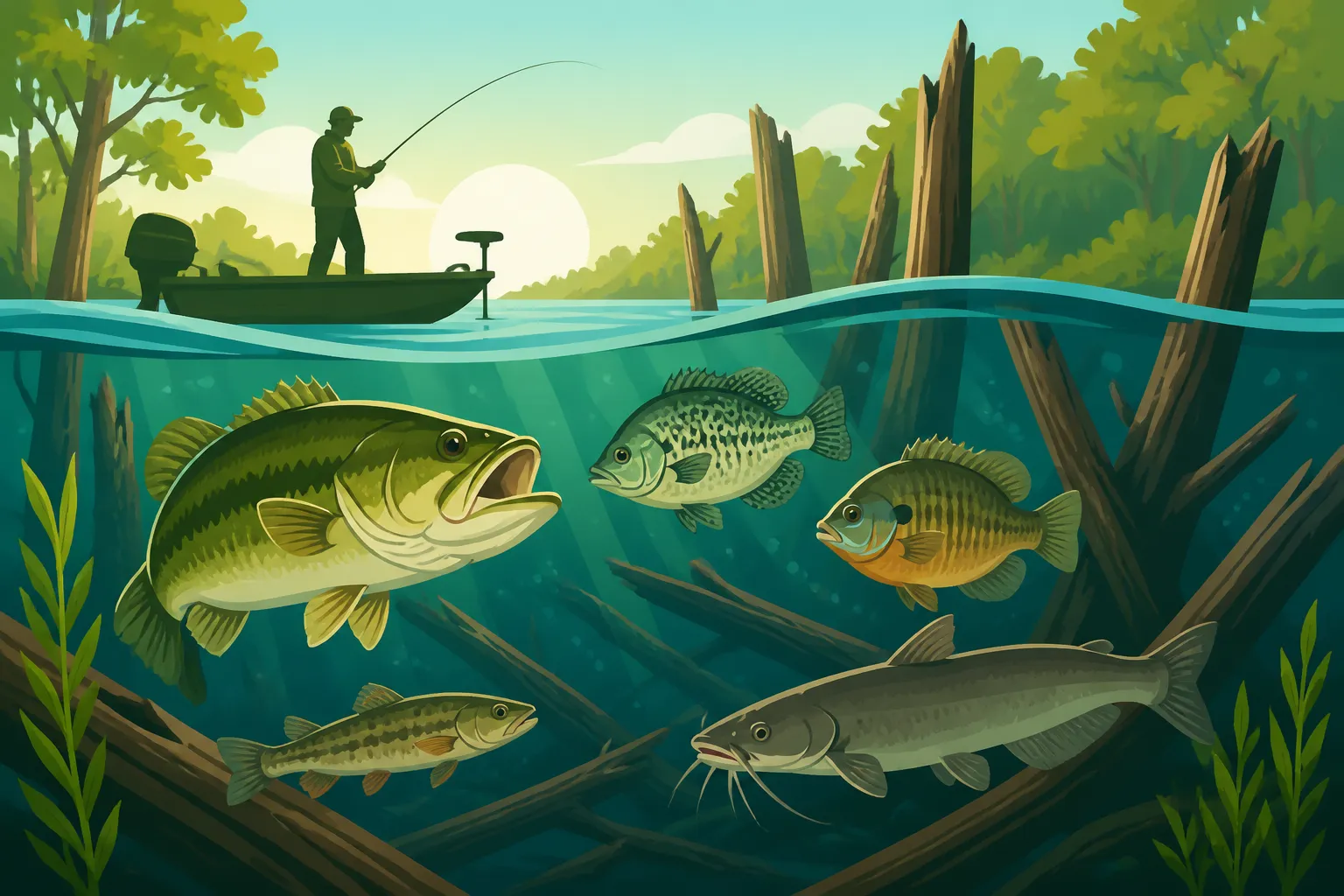
Think of all that submerged timber—fallen logs, stumps, root systems, and even entire standing trees—as a massive underwater apartment complex for fish. This structure offers a multitude of benefits that attract and hold various species. For starters, it provides crucial cover from predators. Smaller fish can dart into the nooks and crannies to escape larger, hungry mouths. Secondly, the timber creates shade, which is vital in the hot Arkansas summers, offering cooler water pockets where fish can comfortably ambush prey. Thirdly, timber provides excellent ambush points for predatory fish like bass and crappie. They can lurk in the shadows, waiting for an unsuspecting baitfish to swim by. Lastly, the decomposition of organic matter from the timber supports a rich food chain, from microscopic organisms to insects and crustaceans, all of which are on the menu for various fish species. It’s truly a living, breathing habitat that makes these waters incredibly productive.
Water Dynamics and Their Impact on Fish Species
The water levels and flow within the White River Refuge's timber lakes can fluctuate significantly, especially with seasonal changes and river stages. During high water events, some of these lakes might reconnect with the main river channel, allowing for an influx of new fish. As water recedes, fish can become concentrated in smaller areas, which can be a boon for anglers who know where to look. The water itself often carries a tea-stained hue from the tannins released by the timber, which means low light penetration. This can make fish less wary and often means they're more active throughout the day, not just at dawn and dusk. Understanding these dynamics is key to predicting where fish will be and what they'll be biting. The refuge's management practices, aimed at preserving this vital habitat, also play a role in maintaining healthy fish populations.
The Main Players: Popular Game Fish in These Waters
When you're out on a timber-filled lake in the White River Refuge, there are a few star species you'll almost certainly encounter. These are the fish that thrive in this environment and offer fantastic angling opportunities.
Crappie: The Kings of the Timber
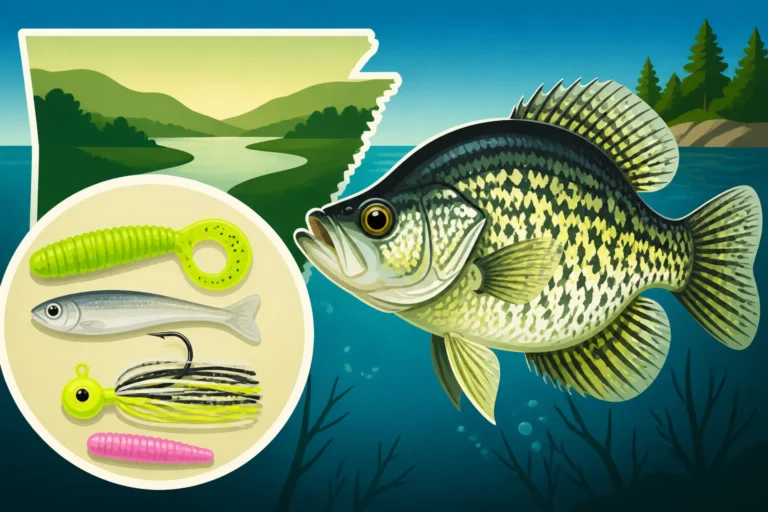
If there's one fish synonymous with timber, it's the crappie—both black crappie and white crappie. These panfish absolutely adore submerged structure. They use the timber for cover, for spawning, and for ambushing the tiny minnows and insects they feed on. You'll often find them schooling tightly around submerged brush piles, sunken logs, and standing cypress trees. It's not uncommon to pull a half-dozen crappie from a single productive tree. Crappie Fishing at Arkansas's White River National Wildlife Refuge is practically a rite of passage for many local anglers.
- Black Crappie vs. White Crappie: While both are present, black crappie tend to prefer clearer water and more dense vegetation, while white crappie are often more tolerant of murky conditions, which makes them very common in these tea-stained timber lakes. You can often tell them apart by their markings and dorsal fin spines. Black crappie have irregular blotchy patterns and typically 7 or 8 dorsal spines, while white crappie have more defined vertical bars and usually 5 or 6 dorsal spines. No matter the species, they're a blast to catch and make for excellent table fare.
- Fishing Strategies in the Timber: The challenge with crappie in timber is getting your bait to them without getting snagged. Vertical jigging with small jigs (1/16 to 1/8 ounce) tipped with a minnow or soft plastic is incredibly effective. A slip bobber can also be your best friend, allowing you to present your bait at a precise depth without getting hung up. Many anglers use specialized "spider rigging" setups with multiple rods extending out from the boat to cover a wider area around a timber clump. You might even find crappie-specific lures and tackle kits easily available on Amazon that are designed for navigating structure. Remember, patience and a good depth finder are invaluable here.
Bass: Largemouth Lurking in the Shadows
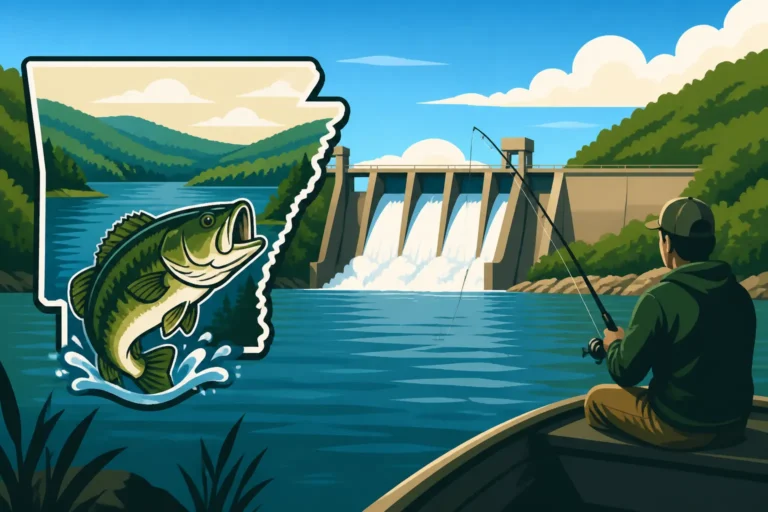
Largemouth bass are another top predator that absolutely thrives in the timber-filled lakes of the White River Refuge. These fish are masters of ambush, and the dense cover provides them with endless opportunities to hide and strike. They use the shade and structure to their advantage, often positioned just outside a log or a submerged brush pile, waiting for baitfish, frogs, or even small snakes to swim by. Largemouth Bass Fishing on Arkansas's White River and its associated backwaters can be incredibly rewarding.
- Finding the Largemouth: Look for largemouth bass around the edges of thick timber, especially where there might be a slight current or a depth change. Areas where submerged timber meets open water can be transition zones where bass actively feed. Also, pay attention to any small pockets or openings within dense timber; these can be prime ambush points. In the hotter months, bass will often bury themselves deep within the shadiest, thickest cover available.
- Effective Techniques: Heavy cover requires heavy-duty tackle. Flipping and pitching jigs, Texas-rigged worms, and creature baits are excellent choices for penetrating the timber. You'll want strong line (braided is often preferred) and a stout rod to muscle bass out of the snags. Topwater frogs and weedless soft plastics can also be incredibly exciting when fished over matted vegetation or across submerged logs. Don't be afraid to make a little commotion with your presentation; sometimes that's what it takes to draw a strike from a bass hiding deep in the wood.
Catfish: The Bottom Dwellers of the Deep Wood
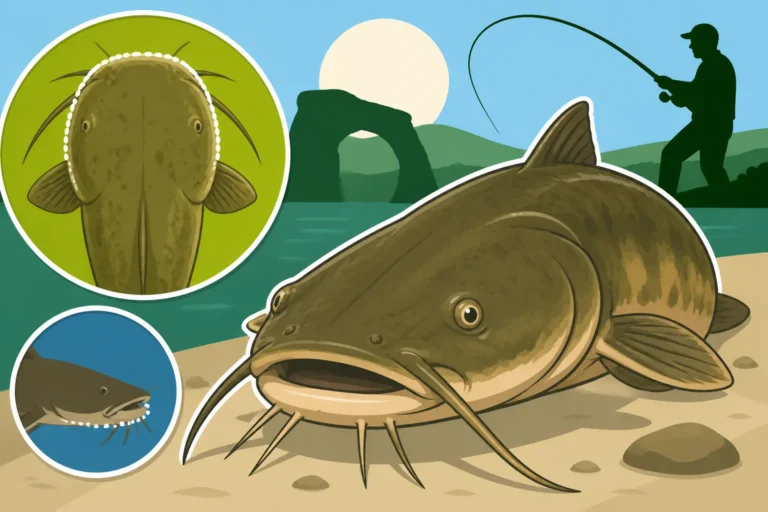
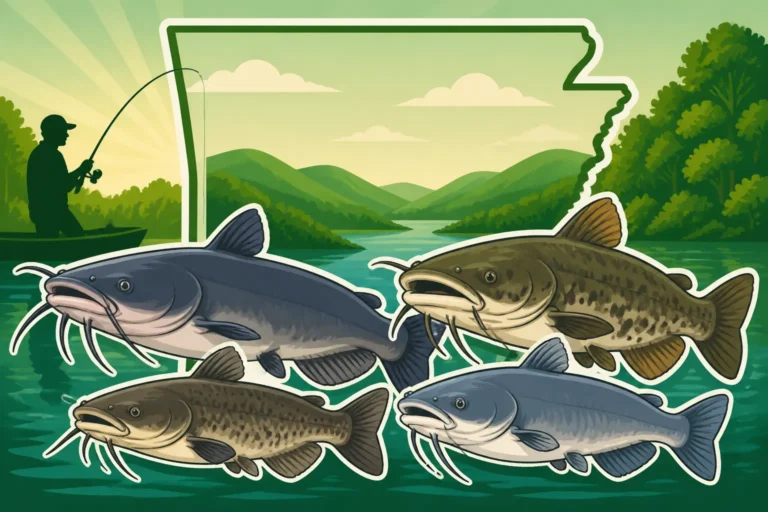
Catfish, particularly channel catfish and blue catfish, are also abundant in the timber-filled lakes of the White River Refuge. These powerful fish are less dependent on light and often patrol the deeper, darker sections of these lakes, feeding on a variety of prey. The timber provides them with excellent sanctuary and prime areas to scavenge for food. Channel Catfish in Arkansas Lakes and Rivers are a popular target for many anglers.
- Catfish Havens: Catfish often congregate in deeper holes or depressions within the lakes, especially those that have submerged log jams or undercut banks. They're also drawn to areas with a slight current, which can bring food directly to them. During cooler months, they might move into shallower timbered areas.
- Baits and Rigs: Bottom fishing is the name of the game for catfish. Stink baits, cut bait (like shad or sunfish), chicken livers, and nightcrawlers are all highly effective. A simple Carolina rig or a three-way swivel rig works well to keep your bait on the bottom. Heavy line is a must, as these fish can grow quite large and will put up a strong fight, especially when trying to dive back into the timber. Jug fishing and trotlining are also popular methods for catfish in these refuge waters, though always check specific refuge regulations regarding these techniques. You can find robust catfish rigs and bait options at many local tackle shops or browse a wide selection on Amazon.
Beyond the Big Three: Other Notable Species to Discover
While crappie, bass, and catfish often steal the spotlight, the timber-filled lakes of the White River Refuge are home to a much wider array of fish species. Part of the joy of exploring these waters is the surprise of what you might pull in next.
Sunfish and Bream: Little Fighters, Big Fun
The various species of sunfish, often collectively referred to as bream, are incredibly prolific in these timbered environments. Bluegill, redear sunfish (shellcrackers), and green sunfish all thrive here, providing constant action, especially for younger anglers or those looking for a relaxing day of catching. These smaller fish are vital to the ecosystem, serving as a primary food source for larger predatory species.
- Where to Find Them: Bream will be virtually everywhere in the timber, from shallow pockets with submerged grass to slightly deeper water around stumps and logs. They're particularly active in sunnier spots where insect activity is high.
- Simple, Effective Tactics: A small hook (size 8-12), a tiny piece of worm, crickets, or a mealworm under a bobber is all you need. Ultralight spinning gear makes even a small bluegill feel like a trophy. Fly fishing with small poppers or wet flies can also be incredibly productive and a lot of fun. These fish are generally not picky, and they provide constant entertainment, making them perfect for Kid-Friendly Fishing Techniques.
Gar and Bowfin: Ancient Predators
These "rough fish" might not be on everyone's target list, but they are an integral part of the White River Refuge's ecosystem and a fascinating catch. Longnose gar, spotted gar, and even alligator gar can be found, along with the prehistoric-looking bowfin. These fish are incredibly tough fighters and a testament to the wildness of these waters.
- Habitat and Behavior: Gar are often seen slowly cruising near the surface, especially in calmer, warmer areas of the lakes. They are ambush predators with elongated jaws full of needle-sharp teeth. Bowfin prefer dense vegetation and muddy bottoms, where they can hide and pounce on unsuspecting prey.
- Catching These Giants: While often caught incidentally by anglers targeting other species, some specifically seek out gar and bowfin. Strong leaders are a must due to their teeth. Cut bait, live bait, or even specialized rope lures (for gar, to tangle their teeth) can work. They offer a unique angling experience and a glimpse into ancient fish lineages. Just be mindful when handling them; those teeth are no joke!
Other Notable Species
Depending on the specific lake and its connection to the White River, you might also encounter species like white bass, drum, or even buffalo. The refuge is a rich tapestry of aquatic life, and every cast has the potential to surprise you.
Essential Tips for Fishing Timber-Filled Lakes in the Refuge
Fishing these unique timber-filled lakes requires a bit of a different approach compared to wide-open reservoirs. Here are some pointers to help you navigate and succeed.
Gear Up for the Challenge
Don't go into timber fishing with your lightest line and flimsiest rod. You're going to get snagged, it's a fact of life in these waters. Prepare for it.
- Line Choice: Braided line is often preferred for its strength and abrasion resistance, especially when fishing for bass or catfish in thick cover. For crappie, a good quality monofilament or fluorocarbon in the 6-10 lb range usually suffices, but keep spare spools.
- Hooks: Use weedless hooks for soft plastics to minimize snags when bass fishing. For crappie and bream, small, sharp hooks are key. Consider using jig heads with wire weed guards for crappie in extra dense cover.
- Rod & Reel: A medium-heavy to heavy action rod with a strong baitcasting reel is ideal for bass and catfish. For crappie, a sensitive medium-light spinning rod allows you to feel those subtle bites.
- Essentials: Always carry a good pair of line clippers, extra hooks, sinkers, and plenty of spare lures. A net is useful for landing bigger fish, and a strong pair of pliers for hook removal is essential. Many anglers also find a sturdy set of boat paddles or a push pole invaluable for maneuvering through dense timber. A waterproof map of the refuge or a GPS with detailed mapping can also be a lifesaver to avoid getting lost among the maze of trees. For quick access to these essentials, checking online retailers like Amazon can be a convenient way to stock up before your trip.
| Fish Species | Preferred Habitat in Timber | Common Baits/Lures | Key Fishing Tip |
|---|---|---|---|
| Crappie | Submerged brush, standing cypress, logs | Minnows, small jigs, tiny crankbaits | Vertical jigging; use a slip bobber for depth control. |
| Largemouth Bass | Edges of thick timber, shaded pockets, log jams | Jigs, Texas-rigged worms, topwater frogs, crankbaits | Flipping/pitching into cover; use heavy line to pull them out. |
| Catfish | Deeper holes, log jams, undercut banks | Cut bait, stink baits, chicken livers, nightcrawlers | Bottom fishing with a Carolina rig; use strong hooks. |
| Bream/Sunfish | Shallow, sunnier timber, submerged grass | Worms, crickets, mealworms, small poppers | Simple bobber rig; ultralight tackle for maximum fun. |
| Gar/Bowfin | Surface near timber, dense vegetation, muddy bottoms | Live bait, cut bait, rope lures (gar) | Use a wire leader for gar; heavy tackle for both. |
Navigating the Waters Safely and Responsibly
Fishing in the White River Refuge's timber-filled lakes means you need to be extra cautious.
- Boat Safety: If you're using a boat, be very aware of submerged obstacles. Watch for stumps, logs, and shallow spots. A trolling motor is almost a necessity for maneuvering slowly and quietly through the timber. Always have proper safety gear, including life jackets, a first-aid kit, and a whistle.
- Respect the Refuge: Remember, this is a national wildlife refuge. Observe all rules and regulations regarding boating, fishing, and access. Be mindful of wildlife and leave no trace. Pack out everything you pack in, and perhaps even a little extra.
- Fishing Regulations: Always check the latest Arkansas Fishing Regulations Guide and any specific rules for the White River National Wildlife Refuge. Limits on fish size and daily creel limits apply, and these can sometimes differ from statewide regulations. For instance, understanding Statewide Creel Limits Versus Possession Limits in Arkansas is crucial. You might also want to consult specific guides like Crappie Size and Daily Limit in Arkansas or Largemouth Bass Daily Limit in Arkansas to ensure you're compliant. Knowing the rules helps preserve these incredible fisheries for everyone.
When to Go: Timing Your Trip for Success
The timber-filled lakes can be productive year-round, but certain seasons offer distinct advantages.
- Spring: As water temperatures rise, fish move into shallower timbered areas for spawning. This can be an excellent time for crappie and bass, which are often more aggressive.
- Summer: Fish will seek deeper, shadier cover within the timber to escape the heat. Early mornings and late evenings can be most productive, or target those deep timber holes for catfish.
- Fall: As temperatures cool, fish become more active, feeding heavily in preparation for winter. This is often a fantastic time for all species, as they move around more freely.
- Winter: Fishing can still be good, especially on warmer days. Fish will typically hold tight to the densest, deepest cover they can find.
No matter the season, a day spent navigating the ancient, timber-filled lakes of the White River National Wildlife Refuge is an experience unlike any other. It’s a place where the wild heart of Arkansas beats strong, and where the fish truly thrive.
Disclaimer
This article is for general informational purposes only and does not constitute professional advice. Laws, prices and regulations vary by location and change over time. Consult a qualified professional for guidance on your specific situation.