Bluegill and Panfish Guide for Arkansas Anglers
If you've ever felt intimidated by fishing, wondering where to even begin or what kind of fish are best for a relaxed day on the water, you're not alone. Many anglers, new and experienced alike, find themselves seeking a simpler, more rewarding fishing experience. This comprehensive guide is designed to demystify the world of bluegill and other panfish in Arkansas, providing you with everything you need to know to enjoy successful and memorable outings.
Understanding What "Panfish" Really Means in Arkansas
When we talk about "panfish" in Arkansas, we're really talking about a wonderful collection of smaller, feisty fish that are absolutely perfect for a day of fishing, whether you're by yourself or with the whole family. The name "panfish" comes from their size – they're typically small enough to fit easily in a frying pan, making them excellent table fare. But beyond their culinary appeal, they're incredibly abundant, eager biters, and a joy to catch on light tackle. They're the gateway fish for many, sparking a lifelong love for the sport.
Bluegill: The Star of the Show
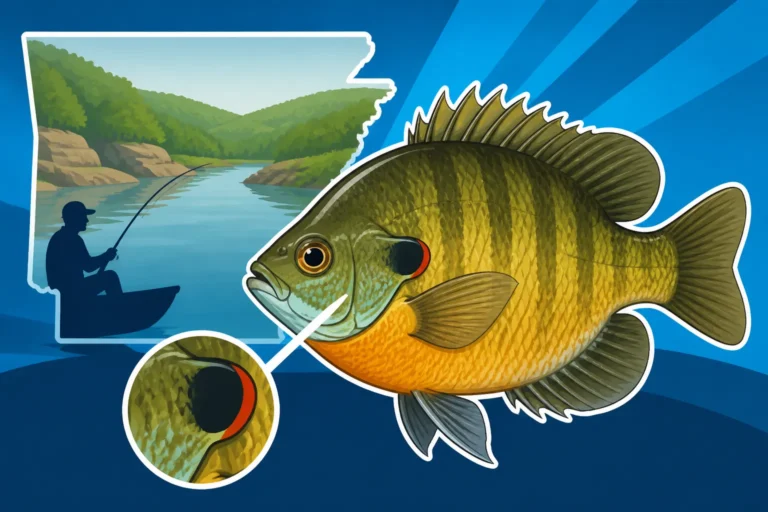
Without a doubt, bluegill are the undisputed champions of the Arkansas panfish world. These little dynamo's are probably the most recognizable and widely distributed sunfish in our state, and for good reason! They're characterized by their deep, slab-sided bodies, small mouths, and that distinctive dark "gill flap" (operculum) that gives them their name, often with a dark spot at the base of the dorsal fin. Their coloring can vary quite a bit, from olive green to yellowish, with iridescent blues and oranges on their belly, especially during spawning season.
What makes bluegill such a beloved target? Well, they're not picky eaters, which means they're usually quite willing to bite. They're also found in nearly every body of fresh water across Arkansas, from tiny farm ponds to massive reservoirs. For anyone just starting out, or for parents looking to introduce their kids to fishing, bluegill offer consistent action and instant gratification. They pull hard for their size, providing a surprisingly spirited fight on light tackle, which is incredibly exciting for new anglers. Learning How to Identify a Bluegill is often the first step in a long angling journey.
Other Common Arkansas Panfish Species
While bluegill might be the headline act, Arkansas waters are home to a delightful ensemble of other panfish that are equally fun to catch and just as delicious. These often get lumped together under the general term "bream" by many local anglers, which can sometimes be a bit confusing if you're trying to distinguish between them. Understanding these different species can help you fine-tune your approach and appreciate the diversity of our aquatic ecosystems.
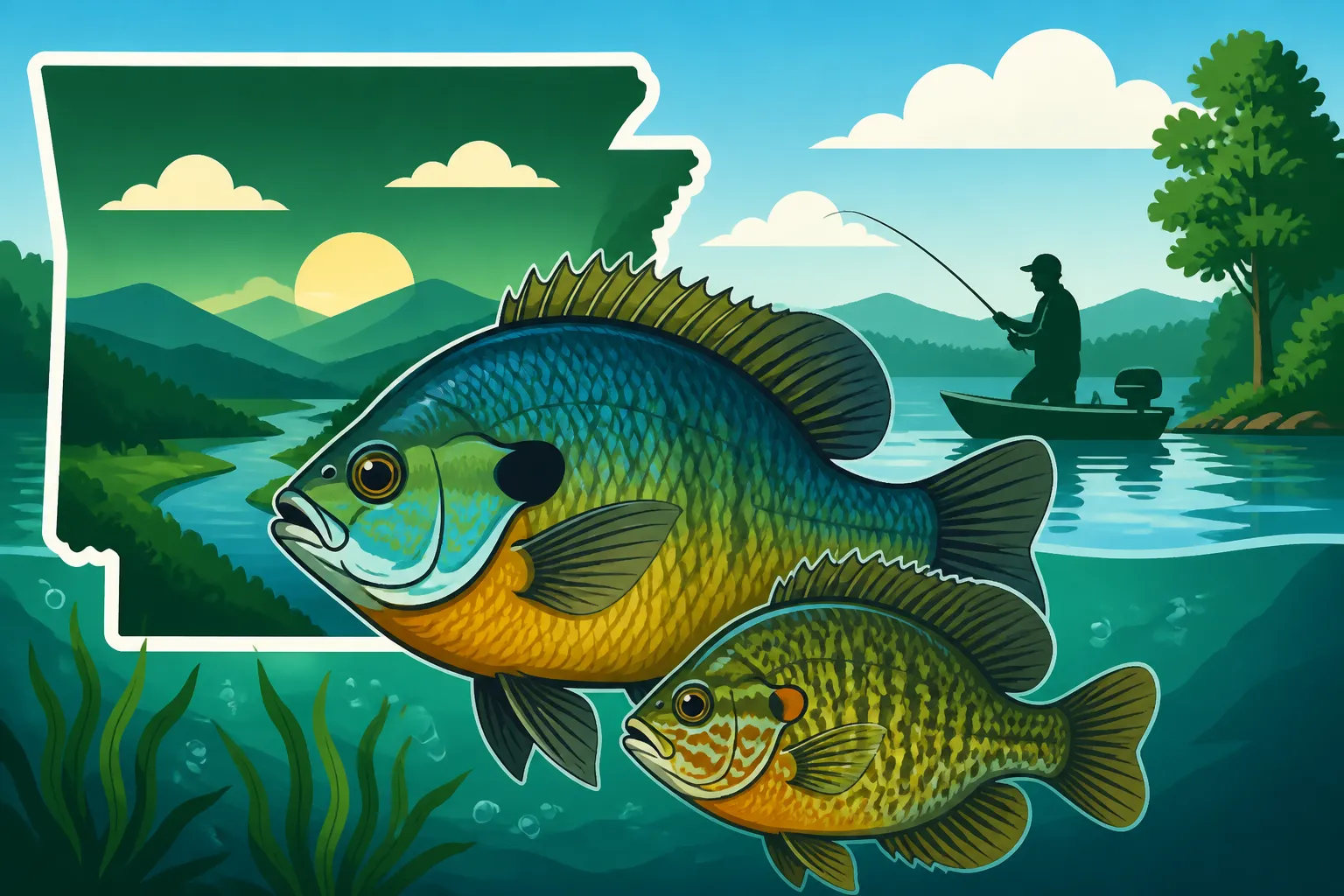
One of the most popular is the redear sunfish, often called a "shellcracker" because of its diet of snails and mussels. They're similar to bluegill but have a distinct red or orange margin on their gill flap and tend to grow a bit larger. Then there are green sunfish, which have a larger mouth than bluegill and often sport iridescent blue-green markings on their cheeks. Longear sunfish, with their dramatically elongated gill flaps, are also common, though usually smaller. And of course, we can't forget the crappie – both black and white varieties – which, while larger and often targeted specifically, are definitely considered prime panfish. Exploring Crappie Fishing in Arkansas: Black and White Crappie Basics will give you even more insight into these popular species. Knowing these species helps you appreciate the variety found in a single fishing spot.
Why Panfish are Perfect for Arkansas Anglers
There's a special place in the heart of many Arkansas anglers for panfish, and it's not just nostalgia for childhood fishing trips. These fish truly offer an unparalleled entry point into the sport, providing immediate rewards and fostering a deep appreciation for the outdoors. Whether you're a seasoned pro looking for a relaxing day or a parent hoping to ignite a passion in your child, panfish deliver on multiple fronts. They embody everything that's good about fishing: accessibility, excitement, and a tasty reward.
Accessibility and Abundance
One of the biggest advantages of panfish in Arkansas is their sheer abundance and widespread distribution. You don't need a fancy boat, expensive electronics, or a secret fishing spot known only to a select few. Bluegill and other sunfish thrive in a vast array of habitats, from small community ponds and creeks to the expansive coves of our major reservoirs like Lake Ouachita or Greers Ferry Lake. This means that almost anywhere you are in Arkansas, you're likely within a short drive of a place where you can catch panfish.
This accessibility makes panfishing incredibly low-barrier. A simple rod, a bobber, a hook, and some bait are often all you need. You can fish from the bank, from a dock, or even a small canoe or kayak. This ease of access encourages more people to get out and enjoy nature, without the need for significant financial investment or specialized equipment. It's truly fishing for everyone, everywhere. For tips on where to start your adventure, check out Best Panfish Spots for Beginners on Local Lakes.
Teaching Kids to Fish
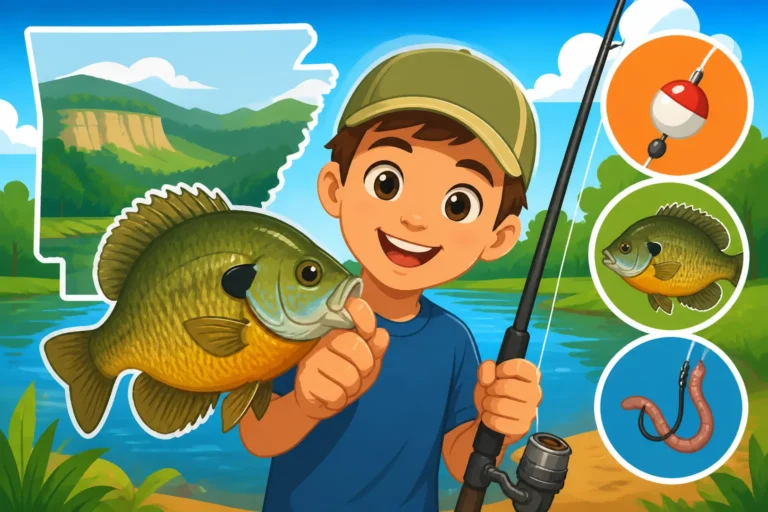
If there's one perfect fish for introducing children to the joys of angling, it's the panfish, especially the bluegill. Their willingness to bite means kids aren't left waiting endlessly, often losing interest. That tug on the line, even from a small bluegill, is pure magic to a child, creating an unforgettable moment of excitement and accomplishment. The constant action keeps them engaged, teaching them patience in short, digestible bursts.
Beyond the immediate thrill, panfishing teaches fundamental fishing skills: how to cast (even if it's just a short flip), how to bait a hook, how to identify a bite, and how to gently reel in a fish. It's a hands-on lesson in respect for nature, learning about fish habitats and responsible handling. These are life lessons disguised as fun. Many organizations and state parks even offer specific programs focused on teaching kids to fish, recognizing the value of panfish in fostering new anglers. You can learn more with specific advice from Bluegill Fishing Tips for Kids in Arkansas, or general considerations in Do Kids Need a Fishing License in Arkansas?.
Delicious Table Fare
Let's be honest, while the fight is fun, a big part of fishing for many is the delicious meal that follows. And when it comes to eating, panfish are absolutely top-tier. Their firm, white, flaky meat has a mild flavor that appeals to almost everyone, even those who claim not to like "fishy" fish. They're incredibly versatile in the kitchen, lending themselves well to frying, baking, broiling, or even grilling.
A plate of freshly caught and fried bluegill fillets, perhaps with a side of hushpuppies and coleslaw, is a quintessential Southern culinary experience. While they might be small, the effort of cleaning a few dozen panfish is well worth it for the feast they provide. Many anglers prefer to catch and keep a mess of bluegill and sunfish over larger, less numerous species precisely because of their fantastic flavor and ease of preparation. If you're wondering if these little fighters are worth the effort, the answer to Is Bluegill Good to Eat? is a resounding yes!
Where to Find Bluegill and Panfish in Arkansas
Arkansas is blessed with an incredible diversity of waterways, and thankfully, panfish make their home in nearly all of them. Knowing where to look and what to look for in terms of habitat can dramatically increase your chances of success. It's not just about finding water; it's about understanding the fish's preferences and behaviors.
Lakes, Ponds, and Slow-Moving Rivers
You'll find bluegill and other sunfish thriving across Arkansas's aquatic landscape. Farm ponds are often teeming with them, providing easy bank access and plenty of cover. Community lakes, state park lakes, and even slow-moving stretches of larger rivers are prime panfish territory. Think about smaller bodies of water that might not get as much pressure from bass or trout anglers, as these are often panfish havens.
Large reservoirs also hold huge populations of panfish. Look for quiet coves, backwaters, and protected areas where the current is minimal. These spots offer sanctuary from predators and harsh conditions, along with abundant food sources. The key is often finding areas with good vegetative growth or submerged structures. For a deeper dive into specific locations, you might want to read Where to Catch Bluegill in Arkansas.
Habitat and Cover Preferences
Panfish are masters of ambush, and they love structure and cover. Think of it from their perspective: they're relatively small, so they need places to hide from bigger predators like bass and catfish, and also places to ambush their own food, such as insects, small crustaceans, and even tiny baitfish. So, when you're scouting a spot, look for anything that breaks up the open water.
Common panfish hideouts include:
- Submerged vegetation: Weed beds, lily pads, cattails, and hydrilla are prime spots. These areas not only provide cover but also attract the insects and small organisms that panfish feed on.
- Woody debris: Fallen trees, submerged logs, brush piles, and old stump fields are magnets for panfish. These offer vertical cover and shade, which fish love.
- Docks and piers: The shaded areas directly under docks, along with any associated pilings or brush anglers have sunk, are excellent spots. These areas offer both cover and a cool retreat from the midday sun.
- Rocks and riprap: Rocky banks, especially where they drop into deeper water, can hold panfish, particularly green sunfish.
- Changes in depth: Look for areas where a shallow flat quickly drops off into deeper water. Panfish will often stage on the edge of these drop-offs, moving into the shallows to feed.
Understanding these preferences is like having a secret map to where the fish are hiding.
Seasonal Movements
Like most fish, panfish respond to the changing seasons and water temperatures, altering their behavior and location. Knowing these general patterns can help you locate them throughout the year.
- Spring: This is prime time! As water temperatures rise into the 60s Fahrenheit, panfish move into shallow, protected areas to spawn. They'll be very active, aggressive, and relatively easy to catch as they guard their nests. Look for them in less than 5 feet of water, especially around vegetation or woody cover.
- Summer: Once the spawn is over and water temperatures get hot, panfish often retreat to deeper, cooler water during the day. They'll still relate to cover but might be found at depths of 8-15 feet. Early mornings, late evenings, and even night fishing can be productive as they move shallower to feed.
- Fall: As water temperatures cool, panfish become active again, feeding heavily to build up reserves for winter. They can often be found in transitional areas, moving between shallow flats and deeper channels. Look for them concentrated around structure.
- Winter: Panfish activity slows considerably in cold water. They'll typically school up tightly in deeper areas, often suspending over channel breaks or around deep brush piles. Fishing vertically with small baits can be effective, though the bites will be subtle.
Keep an eye on water temperature and the calendar, and you'll be one step closer to consistent panfish action year-round.
Essential Gear for Panfishing in Arkansas
One of the beautiful things about panfishing is that you don't need to break the bank to get started. In fact, some of the most effective gear is quite simple and affordable. This makes it an ideal sport for beginners or for those looking to outfit a whole family for a fun day on the water. While there are always fancier options, sticking to the basics will still yield plenty of success.
Rods, Reels, and Line
For panfish, lighter tackle is key to maximizing the fun and feeling every little tug.
- Rods: A light to ultralight action spinning rod, typically 5 to 6.5 feet long, is perfect. This light action allows you to cast those tiny baits and lures, and it makes even a modest bluegill feel like a heavyweight contender. You'll feel every head shake and run! For kids, a shorter, more flexible rod around 4-5 feet is easier to handle and less likely to break. You can find excellent beginner rod and reel combos on Amazon that are specifically designed for this type of fishing.
- Reels: Pair your light rod with a small spinning reel (typically a 500 or 1000 size). These reels are lightweight, easy to operate, and balance well with ultralight rods.
- Line: Opt for light monofilament fishing line, usually 4-6 pound test. This lighter line is less visible to the fish and allows for longer casts with small baits. Fluorocarbon line in similar pound test can also be used, especially as a leader, due to its low visibility under water. While you're browsing for your tackle, a quick search on Amazon will show you a huge variety of options to get started.
This setup will give you the sensitivity to detect delicate bites and the sporting challenge of battling panfish without overpowering them.
Hooks, Bobbers, and Weights
These are the fundamental terminal tackle components for most panfishing techniques. Simplicity is the name of the game here.
- Hooks: Small, sharp hooks are crucial. Size 6 or 8 Aberdeen-style hooks are a classic choice for live bait, as their thin wire is less likely to kill your bait and they have a good gap for securing a worm or cricket. For very small baits or extremely light bites, you might go down to a size 10 or 12. Some anglers prefer small jig heads (1/32 to 1/16 ounce) with a small, sharp hook for soft plastics or tipped with bait.
- Bobbers (Floats): The iconic fishing accessory! A small, sensitive bobber is ideal. Slip bobbers are fantastic because you can adjust the depth of your bait by simply sliding a bobber stop up or down the line, allowing you to present your bait precisely where the fish are holding. Clip-on bobbers are simpler for beginners but offer less depth control. A good bobber helps you detect bites and keeps your bait off the bottom, preventing snags.
- Weights (Sinkers): Small split shot weights are all you typically need. A few placed above your hook will help your bait sink to the desired depth and keep your line taut in light current. You want just enough weight to get your bait down, but not so much that it kills the natural presentation of your bait.
These simple items, often sold in convenient tackle kits, are readily available at any local sporting goods store or easily ordered through retailers like Amazon.
Bait and Lures
Panfish aren't particularly fussy, which means you have a wide array of choices when it comes to what you put on your hook. This flexibility allows you to experiment and find what works best on a given day.
- Live Bait: This is often the most effective and easiest option, especially for beginners and kids.
- Worms: Red wigglers, nightcrawlers (pinched in half for smaller hooks), or pieces of earthworms are universally loved by panfish. They're cheap, easy to get, and highly effective.
- Crickets/Grasshoppers: These are panfish favorites, especially during warmer months. The chirping of crickets can even attract fish when dangled near the surface.
- Minnows: Small minnows are excellent for larger panfish like crappie or bigger green sunfish.
- Mealworms/Waxworms: These small grubs are fantastic for bluegill, especially when rigged on tiny hooks or jig heads. You can find great options at bait shops and sometimes even pet stores.
- Artificial Lures: For anglers who prefer lures, tiny offerings can be incredibly productive.
- Small Jigs: Tiny feather jigs, hair jigs, or micro-jigs tipped with a small plastic grub (like a Gulp! Minnow or a soft plastic panfish tube) are deadly. Experiment with colors; chartreuse, white, and black are often winners.
- Spinnerbaits: Ultralight in-line spinners (like a Rooster Tail or Panther Martin) can attract aggressive panfish, especially around vegetation.
- Flies: For fly anglers, small poppers, sponge bugs, ants, or nymphs can be incredibly effective, particularly when fish are feeding on the surface or in shallow water. For more specific bait recommendations, check out Best Bait for Bluegill Fishing.
Having a variety of baits and lures on hand lets you adapt to what the fish are biting on that day.
Effective Techniques for Catching Bluegill and Panfish
You don't need complex rigs or secret techniques to catch panfish. In fact, the beauty of panfishing lies in its simplicity. Mastering a few basic presentations will put plenty of fish in your bucket, or at least keep your rod bent and a smile on your face. It's all about presenting a tempting morsel right where the fish are hiding.
Bobber Fishing: The Classic Approach
If you ask anyone how they first learned to fish, chances are "bobber fishing" will be high on the list. It’s incredibly effective, easy to learn, and provides that undeniable visual thrill when the bobber disappears under the water.
The setup is straightforward:
- Attach your bobber: For beginners, a clip-on bobber is simplest. For more versatility, a slip bobber allows you to fish at different depths.
- Add a small weight: A single small split shot crimped on your line about 6-12 inches above your hook will help your bait sink.
- Tie on your hook: A size 6 or 8 Aberdeen hook is usually perfect.
- Bait your hook: Thread a piece of worm, a cricket, or a mealworm onto the hook, making sure the barb is exposed.
Cast your bait near cover – lily pads, submerged logs, dock pilings – and watch the bobber. When it twitches, dances, or plunges, set the hook with a gentle upward sweep of your rod. This technique is fantastic for covering shallow to medium depths and is incredibly engaging for all ages. For a more detailed guide on how to rig your line, check out How to Rig a Worm Under a Bobber for Bluegill.
Bottom Fishing for Deeper Panfish
While bobber fishing dominates the shallows, sometimes panfish, especially larger ones or those in colder water, will hold closer to the bottom in deeper areas. This is where bottom fishing comes into play. It's still simple, but effective for targeting fish that aren't looking up.
For bottom fishing, you typically remove the bobber. Instead, you'll use a slightly heavier split shot or a small egg sinker above your hook. The weight is allowed to rest on the bottom, with a short leader (6-12 inches) extending to your bait. This presents your bait directly on or just off the bottom where panfish might be foraging.
Cast your rig to the desired spot, let it sink, and keep a semi-slack line, watching your rod tip for bites. Panfish bites on the bottom can be subtle – a slight twitch, a gentle tap, or the rod tip slowly bending down. This method is particularly useful when targeting fish around deep structure like brush piles or along channel edges in larger lakes during summer or winter months. It's a more patient approach but can often yield larger, less pressured panfish.
Simple Jigging and Fly Fishing Basics
As you become more comfortable, you might want to try techniques that offer a bit more interaction and challenge. Jigging and basic fly fishing can be incredibly rewarding for panfish.
- Jigging: This technique involves using small jigs (1/32 to 1/16 ounce) with tiny soft plastic bodies. You simply cast the jig out and retrieve it with a series of short lifts and drops, or subtle twitches of your rod tip. This imparts a lifelike, darting action that can trigger aggressive strikes. Jigging is excellent when fish are suspended at a certain depth or actively feeding. Experiment with different colors and retrieve speeds until you find what the fish prefer. Sometimes a slow, steady retrieve works best, other times a more erratic action is the ticket.
- Fly Fishing: For those who enjoy the elegance of fly fishing, panfish are an ideal target. A 3 or 4 weight fly rod with a floating line is perfect. You can cast small poppers or sponge bugs to the surface, mimicking terrestrial insects, and watch the explosive strikes. Alternatively, small nymphs or wet flies fished under a strike indicator can fool fish feeding subsurface. Fly fishing for panfish offers a unique challenge and a very visual fishing experience, especially when you see a bluegill slurp your fly off the surface. It's a fantastic way to sharpen your casting skills and enjoy a more intimate connection with the fish.
No matter which technique you choose, remember that panfish are often found in schools. If you catch one, there are likely many more nearby!
Understanding Arkansas Panfish Regulations
Fishing in Arkansas is a privilege, and it comes with the responsibility of understanding and adhering to the regulations set forth by the Arkansas Game and Fish Commission (AGFC). While panfish regulations are generally more lenient than those for species like bass or trout, it's still crucial to be aware of the rules to ensure sustainable fishing and avoid any penalties. These regulations are designed to protect fish populations and ensure healthy fisheries for generations to come.
General Statewide Rules
For most panfish species across the majority of Arkansas waters, the regulations are fairly consistent and generous, reflecting their abundance. Typically, there isn't a statewide length limit for bluegill or other common sunfish (like redear, green, and longear sunfish). This means you can keep bluegill of any size you catch.
When it comes to daily limits, the AGFC usually applies a generous aggregate daily limit for "bream" or "sunfish." This means you can keep a combined total of these species per day. It's common to see limits that allow for a significant number of panfish, often 50 or more, though this can vary. This large limit reflects their fast reproduction rates and their role as a primary food source for larger game fish. Always consult the current AGFC fishing guide, available online or at bait shops, for the most up-to-date statewide rules.
Species-Specific Limits and Exceptions
While the general rules for bluegill and other sunfish are quite broad, it's important to remember that certain panfish, or certain specific bodies of water, might have unique regulations. The most notable example of this is crappie. As a very popular panfish that grows larger, crappie often have their own specific length and daily limits. For instance, many lakes might have a 9-inch minimum length for crappie and a daily limit of 20 fish.
Furthermore, some lakes or impoundments, particularly those managed intensively, might have specific exceptions even for bluegill or other sunfish if local biologists determine it's necessary for the health of that particular fishery. These exceptions are typically posted at boat ramps and access points, and are always detailed in the AGFC fishing guide. For example, a lake might have a slot limit for certain bass species that anglers must be aware of, even if they're primarily targeting panfish. It’s always a good idea to quickly review the specific rules for the body of water you plan to fish before you cast your first line.
Licenses and Permits
Before you even think about regulations, the absolute first step for any angler in Arkansas (with very few exceptions) is to obtain a valid fishing license. This is not just a formality; it's how the AGFC funds its conservation efforts, fish stocking programs, and enforcement.
- Resident vs. Nonresident: License costs and options differ for Arkansas residents and those visiting from out of state. Residents generally have more affordable annual and multi-year options, while nonresidents can choose from annual or shorter-term (e.g., 3-day) licenses, which are great for weekend trips. You'll definitely want to look into Arkansas Fishing License Rules and Costs before heading out.
- Age Requirements: In Arkansas, children typically do not need a fishing license until a certain age. However, it's vital to know that specific age cutoff, as rules can change. This is another reason why panfishing is so great for families, as younger children can often fish without needing their own license. For the current age requirements, refer to At what age do kids need their own license in Arkansas?.
- Special Permits: While a general fishing license covers most panfishing, if you happen to be fishing in waters designated for trout (like the White River tailwaters), and you intend to keep any trout, you will need to purchase an additional trout permit. Even if you're targeting panfish in these areas, it's good to be aware of the trout permit requirement.
Purchasing your license is usually very easy, either online through the AGFC website, over the phone, or in person at most sporting goods stores and bait shops across the state. Always carry proof of your license while fishing to avoid potential penalties. If you're wondering about general penalties, Arkansas Fishing License Penalties and Requirements covers what can happen if you don't follow the rules.
Conservation and Responsible Angling
As anglers, we have a profound responsibility to protect the resources we cherish. Panfishing, with its high catch rates, presents a unique opportunity to practice strong conservation habits and ensure that these abundant fish populations remain healthy for future generations. It's about more than just catching fish; it's about being a steward of our natural environment.
Catch and Release Practices
While panfish are excellent for the table, there will be times when you catch more than you need or encounter fish that are too small, injured, or simply not desirable for keeping. Practicing responsible catch and release is vital.
Here are some tips for handling fish you intend to release:
- Minimize handling: Try to keep the fish in the water as much as possible. If you must handle it, do so gently with wet hands to protect its slime coat, which is crucial for disease resistance.
- Use appropriate gear: Small, barbless hooks or hooks with barbs crimped down make removal much easier and reduce damage to the fish's mouth.
- Quick release: Remove the hook as quickly and gently as possible. Pliers or a de-hooking tool can be invaluable.
- Revive if necessary: If a fish seems sluggish or disoriented, hold it gently in the water, facing into a mild current, until it regains its strength and can swim away on its own. Avoid tossing it back carelessly.
By thoughtfully releasing fish, especially those you don't intend to eat or those that are smaller, you help maintain a healthy population balance and ensure plenty of fish for everyone.
Minimizing Environmental Impact
Beyond the fish themselves, responsible angling extends to the entire aquatic environment. Our actions on the water can have a significant impact, so it's important to be mindful of our footprint.
- Leave no trace: Pack out everything you pack in. This includes old fishing line, bait containers, food wrappers, and anything else you bring. Monofilament line, in particular, can be incredibly damaging to wildlife if left behind.
- Respect private property: If fishing near private land, be mindful of boundaries and always ask permission before accessing.
- Protect habitats: Avoid damaging shoreline vegetation, disturbing bird nesting areas, or otherwise altering the natural environment. Stick to designated access points and trails when possible.
- Dispose of bait properly: Never release unused live bait into a different body of water. This can introduce invasive species or diseases that can devastate native fish populations. Dispose of bait on land or in the trash.
- Be mindful of lead tackle: Consider using lead-free weights and jigs, as lead can be toxic to wildlife if ingested. Many alternatives, such as bismuth or tungsten, are now readily available.
By adopting these practices, we ensure that our beautiful Arkansas waterways remain pristine and productive for all to enjoy.
Educating Future Anglers
Perhaps one of the most important aspects of conservation is passing on knowledge and fostering a sense of responsibility in the next generation. Panfishing, as we've discussed, is often the first step in a child's angling journey, making it the perfect opportunity to instill these values early on.
When you take a child fishing, talk to them about why we only keep what we need, why we release smaller fish, and why it's important to pick up trash. Explain how a healthy environment supports healthy fish. Teach them how to properly handle a fish, whether it's for the frying pan or for release. These lessons learned at a young age, especially when tied to the exciting experience of catching a fish, are far more impactful than any lecture. By sharing your passion and your commitment to conservation, you're not just creating a new angler; you're cultivating a future steward of our natural resources. This is how we ensure fishing traditions endure and that the fish keep biting for generations to come. Panfish Species Good for Kids and Beginners is a great resource to help start this journey.
Advanced Tips for Bigger Panfish
While any panfish is a blast to catch, there's a special thrill that comes with hooking into a truly large bluegill or an exceptionally chunky redear sunfish. These "dinner plate" panfish are often older, wiser, and require a bit more finesse and understanding to consistently catch. If you're ready to graduate from catching numbers to targeting bigger individual specimens, these tips will help you elevate your panfishing game.
Targeting Larger Bluegill and Sunfish
Big panfish didn't get big by being careless. They're often more wary, pickier, and tend to hold in slightly different areas than their smaller brethren.
- Go deeper: While smaller panfish school in the shallows, the real trophies often hang out in slightly deeper water, especially outside of the spawn. Look for them along the edges of weed lines, around deeper brush piles, or along channel breaks.
- Bait size matters: Don't be afraid to use slightly larger baits. While small bluegill will nibble on anything, a bigger worm, a larger cricket, or even a small minnow (if targeting a crappie or bigger green sunfish) can deter the smaller fish and entice a trophy to bite. Remember Best Bait for Bluegill Fishing if you need a refresher.
- Patience and stealth: Large panfish are easily spooked. Approach quietly, make long casts, and minimize commotion. If you're fishing from a boat, use your trolling motor sparingly or anchor upwind.
- Focus on structure: As mentioned, bigger fish relate to bigger, denser structure. Look for old timber, extensive weed beds, or rock piles that offer substantial cover and ambush points.
- Time of day: Often, the biggest panfish will feed more aggressively during low-light conditions – dawn, dusk, or on heavily overcast days – when they feel safer venturing out from cover.
By adjusting your approach to target these specific characteristics, you'll increase your odds of landing a true lunker panfish.
Winter Panfishing Strategies
Don't hang up your panfish gear just because the weather turns cold! Winter can be an incredibly productive time for panfish, as they often school up tightly, making them easier to locate once you find them. The bites might be subtler, but the rewards can be great.
- Go deep: As water temperatures drop, panfish typically move to deeper, more stable water. Look for them in the deepest parts of lakes or ponds, often in basins, river channels, or around deep-water humps and ledges. Depths of 15-30 feet are not uncommon.
- Small baits, subtle presentations: Fish are much more lethargic in cold water, so they're not going to chase down a fast-moving bait. Downsize your baits to tiny jigs (1/32 or 1/64 ounce), often tipped with a single waxworm, a piece of a Berkley Gulp! Maggot, or just a small plastic grub.
- Vertical jigging: This is the most effective winter technique. Position your boat or yourself directly over a school of fish (often found with a fish finder) and gently lower your jig. Barely twitch the rod tip, just enough to make the bait dance subtly. The bite might feel like a slight weight, a tap, or simply your line going slack.
- Target brush piles: Submerged brush piles in deeper water are panfish magnets in winter. These provide excellent cover and often hold baitfish, attracting hungry panfish.
- Patience: Bites can be extremely light and infrequent, but once you find a school, you can often catch several fish from the same spot. A Best Rod Setup for Crappie Jigging can provide relevant insights into winter panfishing, even if crappie are usually the primary target.
Don't let the cold deter you; winter panfishing offers a unique challenge and can be surprisingly rewarding.
Reading the Water for Panfish Hotspots
Learning to "read the water" is a skill that takes time, but it's invaluable for any angler, especially for targeting panfish. It's about looking at the environment and predicting where fish are likely to be based on factors like current, cover, shade, and food sources.
- Current breaks: In rivers or areas with some flow, panfish will often hold just out of the main current, behind rocks, logs, or in eddies. These "current breaks" allow them to rest while waiting for food to drift by.
- Shade lines: Especially on bright, sunny days, look for areas of shade cast by trees, docks, or even bridges. Fish, including panfish, seek shade to escape the harsh sun and often use it as a low-light ambush point.
- Food sources: Observe what's around the water. Are there bugs buzzing near the surface? Are there small baitfish skipping? These are indicators of a food source, and panfish will be nearby. For example, bluegill will often concentrate under mulberry trees when berries are dropping into the water.
- Water clarity: In clear water, fish tend to be warier and often hold deeper or tighter to cover. In stained or slightly murky water, they might be more active in shallower, more open areas.
- Temperature variations: Subtle changes in water temperature can attract fish. Look for warmer pockets in colder months, or cooler spots (like spring seeps) in warmer months. A fish finder with a temperature gauge can be very useful here.
By paying attention to these subtle cues, you'll develop an instinct for where the fish are hiding, turning your panfishing trips into much more consistent successes. Understanding Bluegill Size and Growth in Farm Ponds can also help you predict the quality of fish in specific water bodies you're observing.
Panfish Species in Arkansas
To help you distinguish between the different panfish you might encounter in Arkansas, here’s a quick overview of some of the most common and popular species. While "panfish" is a general term, understanding the nuances of each species can sometimes help in targeting them more effectively.
| Species | Typical Size (Arkansas) | Preferred Habitat | Best Bait/Lure | Identifying Characteristics |
|---|---|---|---|---|
| Bluegill | 6-10 inches | Shallow, vegetated areas; around docks/cover | Worms, crickets, small jigs, tiny poppers | Deep, slab-sided body; small mouth; black spot on gill flap; vertical bars (sometimes faint). |
| Redear Sunfish | 8-12 inches | Deeper water than bluegill; near bottom; shell beds | Worms, small jigs, crickets | Similar to bluegill but often larger; red/orange margin on gill flap; no vertical bars. |
| Green Sunfish | 5-8 inches | Rocky areas, creek banks, less clear water | Worms, small jigs, crickets, small spinners | Larger mouth than bluegill; often iridescent blue/green spots on cheek; often a yellow/orange margin on fins. |
| Longear Sunfish | 4-7 inches | Clear, rocky streams and lakes | Worms, small jigs, flies | Very long, black gill flap with a red/orange margin; bright blue and orange coloration; relatively small size. |
| Black Crappie | 9-14 inches | Clearer water; vegetated areas, brush piles | Minnows, small jigs (spider/tube) | Irregular black spots over a silver/grey body; 7-8 dorsal spines. |
| White Crappie | 9-14 inches | More turbid water; brush piles, standing timber | Minnows, small jigs (spider/tube) | Vertical black bars on a silver body; 5-6 dorsal spines. |
This table provides a quick reference to the diverse and delightful world of panfish that await you in Arkansas. Each species offers a unique angling experience, but all share the common trait of being incredibly fun to catch!
Disclaimer
This article is for general informational purposes only and does not constitute professional advice. Laws, prices and regulations vary by location and change over time. Consult a qualified professional for guidance on your specific situation.