Fish Species Common at Bull Shoals Lake
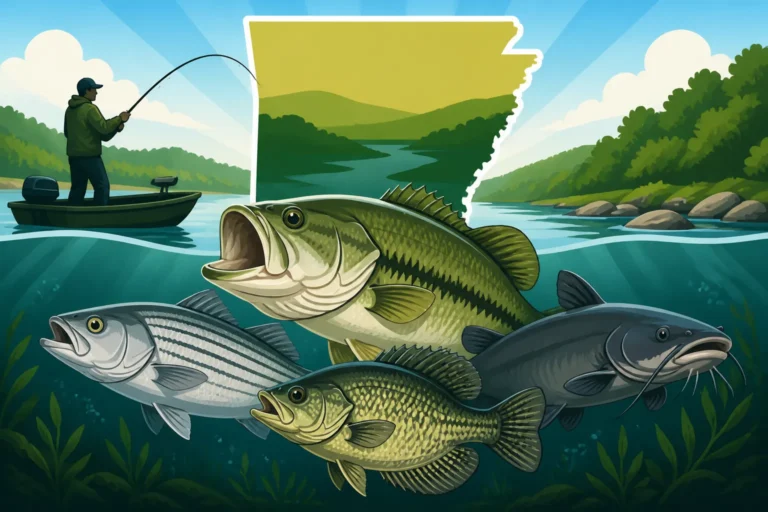
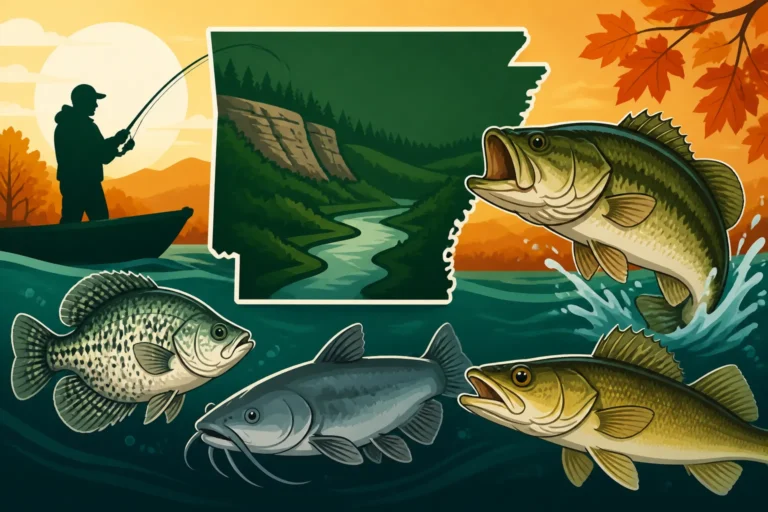
Stepping onto the shores of Bull Shoals Lake, it's easy to feel overwhelmed by its sheer size and immense potential. Many anglers, whether they're seasoned veterans or just starting out, often wonder, "What fish are actually swimming in these crystal-clear waters, and how do I even begin to target them?" This guide is here to unravel that mystery, providing a comprehensive look at the common fish species you'll encounter at Bull Shoals Lake and offering practical advice on how to find and catch them.
The Mighty Largemouth Bass: Bull Shoals' Star Attraction
When people talk about bass fishing in Arkansas, particularly in our big reservoirs, the largemouth bass often steals the show. Bull Shoals Lake is no exception; it’s renowned for its healthy population of these powerful, green-backed fighters. Catching a trophy largemouth here is a rite of passage for many anglers, but knowing where to start is key. You might also want to check out Best Bass Fishing Spots on Bull Shoals Lake for more specific locations.
Where to Find Them in Bull Shoals
Largemouth bass in Bull Shoals are creatures of habit, often relating closely to structure and cover. Think about the lake's diverse underwater landscape: you’ve got steep bluff walls, gently sloping gravel points, deep creek channels, and areas with submerged timber. During the warmer months, especially, you’ll find them seeking shade and ambush points. They love hiding in sunken brush piles or along the edges of standing timber, patiently waiting for an unsuspecting baitfish to swim by.
As the seasons change, so do their patterns. In spring, they'll move into shallower coves and flats to spawn, often found around boat docks and protected areas. In summer, they might retreat to deeper main lake points or humps, especially during the heat of the day, only moving shallower during low light conditions. The key is to pay attention to water temperature and clarity, as these factors dictate their movements more than anything else.
Essential Lures and Techniques
To tempt these apex predators, you’ll need a varied tackle box. Soft plastics, like Texas-rigged worms or creature baits, are incredibly effective when fished slowly around cover. They mimic crawfish or small baitfish, and a subtle presentation can often trigger a strike from a wary bass. Crankbaits, particularly those that dive to various depths, are fantastic for covering water and finding active fish along points and drop-offs. If you're looking for a good selection, many anglers find a robust offering of crankbaits on Amazon.
Topwater lures – think poppers, buzzbaits, and walking baits – offer some of the most exciting bites, especially during dawn and dusk. There’s nothing quite like seeing a big largemouth explode on a surface lure. Spinnerbaits and chatterbaits are also excellent choices, particularly when bass are chasing baitfish in slightly stained water or around brush. Experimenting with different presentations is crucial; sometimes a fast retrieve works, other times a slow, deliberate one is what it takes. Don't forget that mastering your boat's position can make all the difference, as detailed in How to Position a Boat for Bass Fishing.
Elusive Smallmouth Bass: The Ozark Fighter
While largemouth bass are plentiful, Bull Shoals also harbors a fantastic population of smallmouth bass, especially in its clearer, rockier sections. These bronze beauties are known for their incredible fighting spirit and often prefer different habitats than their largemouth cousins. They're a true challenge and a real prize for any angler. If you're serious about targeting them, learning Where to Catch Smallmouth Bass on Bull Shoals Lake is a great next step.
Bull Shoals' Rocky Haunts
Smallmouth bass are quintessential residents of clean, oxygen-rich water with plenty of rock. In Bull Shoals, this means you'll often find them congregating around rocky points, bluff walls, gravelly secondary points, and deep, clear main lake areas. Unlike largemouth, which love timber and heavy vegetation, smallmouths are more at home ambushing prey from behind a boulder or patrolling the edges of a steep rock pile. The clearer the water, often the more prevalent the smallmouth.
They are incredibly sensitive to changes in water temperature and current. During colder months, they might hold deep on ledges and humps, while in the spring and fall, they’ll move shallower to feed. Bull Shoals’ vast stretches of rocky shoreline provide perfect habitat for crawfish, their favorite meal, making these areas prime hunting grounds for smallmouths. Understanding these patterns is key to consistently hooking into these feisty fish.
Tactics for Tricky Smallmouths
Catching smallmouth bass often requires a more finesse approach. Tube jigs, drop shot rigs, and Ned rigs are absolute staples when targeting smallmouths. These baits, fished on lighter line and tackle, allow for a subtle presentation that often coaxes strikes from these cautious fish. You’re trying to imitate those crawfish or small minnows that scurry among the rocks. Jerkbaits are also incredibly effective, particularly when fish are suspended or actively chasing bait in open water.
Another excellent tactic is to use small crankbaits that dive to match the depth of the rock piles or ledges you’re fishing. Often, a bait that deflects off a piece of structure can trigger a reaction strike. Always be prepared for a powerful fight; smallmouths are acrobatic and will leap and pull with surprising force. Their reputation as hard fighters is well-earned, making every catch a memorable experience. Finding quality finesse lures is easy, and Amazon offers a wide selection that can be invaluable for your smallmouth arsenal.
Crappie: The Delicious Panfish Delight
If you’re looking for a fantastic eating fish and a fun angling experience, crappie fishing at Bull Shoals Lake is hard to beat. Both black and white crappie call these waters home, and when you find a school, the action can be fast and furious. They are a favorite among families and those looking to fill a cooler. For more insight into these popular panfish, delve into Crappie Fishing Spots on Bull Shoals Lake, Arkansas.
Locating Crappie in Bull Shoals
Crappie are schooling fish, and their location is heavily influenced by cover and forage. They absolutely love structure, especially submerged brush piles, standing timber, and the shady undersides of boat docks. In Bull Shoals, this often means targeting areas along old creek channels that have fallen trees or intentionally placed crappie beds. They will hold tightly to these features, seeking protection and ambush points for baitfish like shad.
Seasonally, their movements are quite predictable. In the spring, they’ll move into shallower bays and coves to spawn, often found in water just a few feet deep around woody cover. As summer progresses, they retreat to deeper, cooler water, often suspending over brush piles or along channel edges at depths of 15-30 feet or more. During fall, they might spread out a bit but will still relate to structure, feeding heavily before winter sets in. Learning to use your electronics to locate these submerged honey holes is a game-changer for crappie anglers. For general crappie insights, also read Best Bait for Arkansas Crappie.
Simple Yet Effective Crappie Rigs
Crappie fishing can be as simple or as technical as you want to make it. For many, a small jig (1/16 to 1/8 ounce) tipped with a soft plastic grub or a live minnow is all you need. Vertical jigging over brush piles is a highly effective technique. You drop your bait straight down into the cover, gently lifting and dropping to entice a bite. Another popular method is "spider rigging," where multiple rods are deployed from the boat, each with a different bait or depth, allowing you to cover a wider area and pinpoint where the crappie are holding.
Another technique involves using slip bobbers when crappie are suspended at a specific depth, especially around dock pilings or open timber. This allows your bait to be presented precisely where the fish are without spooking them. Light line (4-6 lb test) is essential for a natural presentation and to feel those subtle crappie bites. Investing in a good selection of crappie jigs and minnow buckets from Amazon can prepare you for any situation on the lake.
Catfish: The Bottom Dwellers
Bull Shoals Lake isn't just for bass and crappie; it's also a fantastic destination for catfish enthusiasts. You'll find a healthy population of channel catfish, blue catfish, and even some hefty flatheads roaming the depths. These powerful bottom dwellers provide exciting fights and are excellent table fare, making them a popular target for many anglers.
Bull Shoals' Catfish Hotspots
Catfish in Bull Shoals have distinct preferences depending on their species, but generally, they love deeper water, submerged river channels, and areas with significant structure or current. Channel catfish are often found in a variety of habitats, including shallow flats adjacent to deep water, coves, and river bends. They're scavengers and will patrol a wider range.
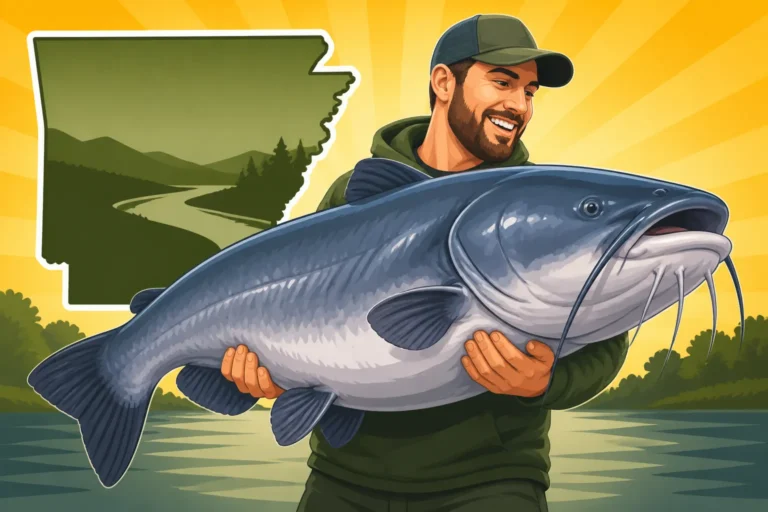
Blue catfish, on the other hand, typically prefer the main lake basin and the old river channel, often congregating in deeper holes or along ledges. They are powerful schooling fish and can grow to impressive sizes. Flathead catfish are more solitary and prefer to hide in heavy cover like log jams, rock crevices, or dense submerged timber along the old river and creek channels. They are ambush predators and will lurk in these spots, waiting for live prey. Understanding these differences will guide you to the right spots.
Baits and Setups for Catfish
Catfishing is all about the scent trail and using the right bait to entice a bite. For channel catfish, traditional baits like chicken livers, cut shad, nightcrawlers, and stink baits are incredibly effective. A simple bottom rig with a weight, swivel, and a hook is usually all you need. For larger blue catfish, fresh cut bait (shad, perch, carp) is generally preferred. They are aggressive predators, and a larger chunk of bloody bait can attract the monsters.
Flathead catfish are unique because they almost exclusively prefer live bait. Small sunfish, shad, or even smaller live bass (where legal) are excellent choices. A heavy-duty rod and reel, spooled with strong braided line, is a must when targeting these powerful fish. You'll need tackle that can stand up to their immense pulling power. When rigging up, make sure your hooks are sharp and strong. You can find robust catfish rigs and strong line on Amazon to ensure you're ready for whatever Bull Shoals throws your way.
Walleye and Striped Bass: The Bonus Catches
While not as common as bass or crappie, Bull Shoals Lake also offers the exciting possibility of catching walleye and even trophy striped bass. These species present a unique challenge and can be an incredible bonus for anglers targeting other fish, or a dedicated pursuit for those who love a good hunt.
Targeting Walleye
Walleye are often described as elusive, but they're highly prized for their delicious, flaky white meat. In Bull Shoals, they typically prefer deeper, cooler water, especially during the day. You’ll find them relating to main lake points, submerged humps, and rocky ledges, particularly areas with sharp drop-offs. They are very light-sensitive, so low-light conditions like dawn, dusk, or even night fishing can be prime times to target them.
Trolling with deep-diving crankbaits is a popular and effective method for covering water and finding walleye. Jigging with a spoon or a bucktail jig over structure can also be very productive, especially when you mark fish on your electronics. They have a subtle bite, often feeling like a slight "thump" or added weight, so a sensitive rod is beneficial. Catching a Bull Shoals walleye is a testament to patience and skill, and a truly rewarding experience.
The Thrill of Striped Bass
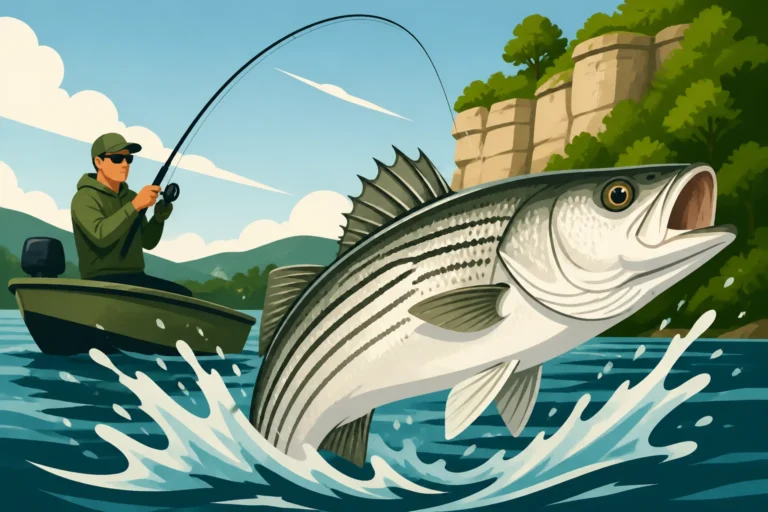
Bull Shoals Lake is home to some incredible striped bass, though they often get overshadowed by the well-known striper fisheries on lakes like Norfork or Hamilton. Don't let that fool you; Bull Shoals can produce some absolute giants. These powerful, open-water predators are constantly on the move, chasing schools of shad throughout the main lake basin. The thrill of hooking into a Bull Shoals striper is something every angler should experience.
Live bait, particularly large gizzard shad, is often the most effective way to target trophy stripers. This usually involves slow-trolling or drifting these baits over deep water, especially around main lake points, humps, and the old river channel. Trolling with large artificial lures, like deep-diving crankbaits or bucktail jigs, can also draw strikes. When a striper hits, be ready for a long, powerful run that will test your drag and your endurance. You’ll need heavy-duty tackle, strong line, and a lot of grit to land one of these freshwater leviathans. For more on the species in general, check out Striped Bass Fishing at Arkansas's Bull Shoals Lake.
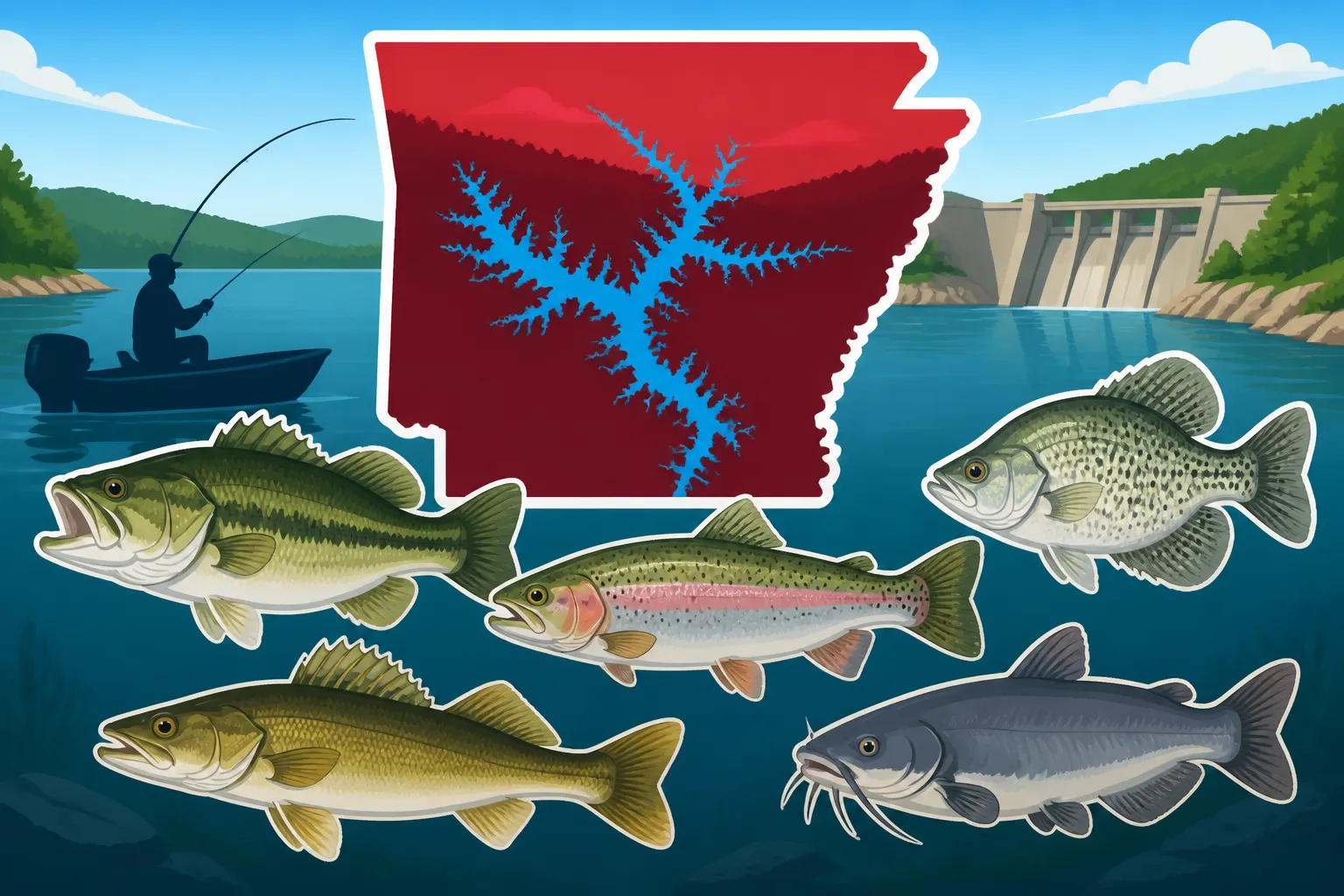
Species at a Glance: Bull Shoals Lake
To help you get a quick overview, here's a table summarizing the common species, their typical locations, and the best baits to use at Bull Shoals Lake:
| Species | Primary Habitat in Bull Shoals | Best Baits/Lures | General Habits |
|---|---|---|---|
| Largemouth Bass | Submerged timber, brush piles, docks, coves, points | Soft plastics, crankbaits, spinnerbaits, topwaters | Ambush predator, relates to cover, often solitary |
| Smallmouth Bass | Rocky points, bluff walls, gravel beds, clear water | Tube jigs, jerkbaits, Ned rigs, small crankbaits | Loves rocky structure, aggressive fighters |
| Crappie | Brush piles, standing timber, deep docks, creek channels | Small jigs, live minnows, soft plastic grubs | Schooling fish, suspend near cover |
| Channel Catfish | Flats, coves, river bends, varied structure | Cut bait, chicken liver, worms, stink baits | Scavenger, widespread, good numbers |
| Blue Catfish | Main lake basin, old river channel, deep holes | Fresh cut bait (shad, perch), large chunks | Powerful schooling fish, grow very large |
| Flathead Catfish | Log jams, rock crevices, heavy submerged timber | Live bait (sunfish, shad) | Solitary ambush predator, prefers live food |
| Walleye | Deep main lake points, humps, rocky ledges | Deep-diving crankbaits, spoons, jigs | Light-sensitive, often deep, excellent eating |
| Striped Bass | Open water, main lake basin, chasing shad schools | Live bait (shad), large trolling lures | Fast-swimming open-water predator, powerful fights |
Bull Shoals Lake truly is an angler's paradise, offering a diverse array of fish species to target. Whether you're after the aggressive strike of a largemouth, the acrobatic fight of a smallmouth, a cooler full of crappie, or the sheer power of a catfish or striper, there's something here for everyone. Take your time to explore, learn the patterns, and most importantly, enjoy the incredible beauty and fishing opportunities this magnificent lake has to offer. Don't forget, understanding Bull Shoals Lake Fishing Guide for Bass and Crappie can further enhance your fishing adventures.
Disclaimer
This article is for general informational purposes only and does not constitute professional advice. Laws, prices and regulations vary by location and change over time. Consult a qualified professional for guidance on your specific situation.