Is Smallmouth Bass Better Eating Than Largemouth?
It's a question that sparks lively debate around campfires and fish cleaning stations across Arkansas: when it comes to putting dinner on the table, is smallmouth bass truly better eating than its more widespread cousin, the largemouth? Many anglers swear by the smallmouth's superior taste, while others find little difference. This guide will dive deep into the factors that influence the flavor and texture of both species, helping you decide which bass wins the culinary contest in your own kitchen. We'll explore everything from their diets and habitats to optimal cooking methods, so you can confidently prepare your next catch.
Understanding the Bass Family in Arkansas and Their Dining Qualities
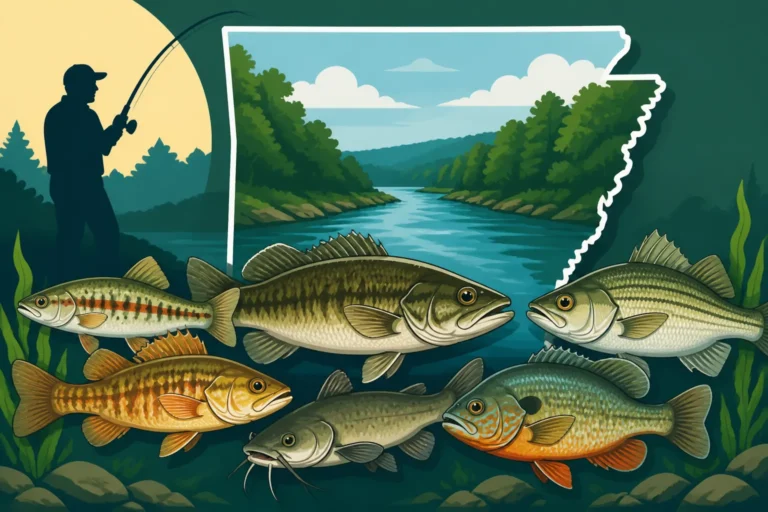
Arkansas is truly a bass angler's paradise, offering incredible opportunities to pursue largemouth, smallmouth, and even Kentucky (spotted) bass. But beyond the thrill of the fight, what are these fish actually like to eat? The answer often boils down to a combination of their inherent biology and the environment they call home.
The Distinctive Largemouth Bass
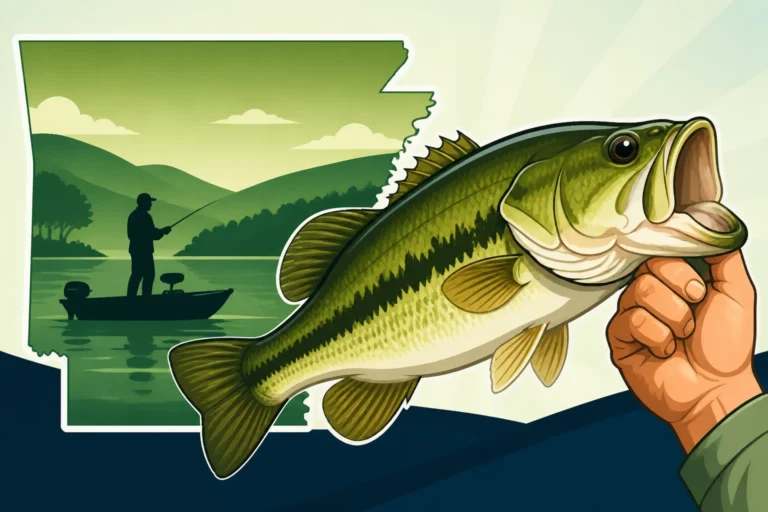
The largemouth bass ( Micropterus salmoides) is arguably the most iconic freshwater game fish in North America, and certainly a powerhouse in Arkansas. You'll find these green giants thriving in warmer, shallower waters, often hugging structure like submerged timber, lily pads, and weed beds. Think of our sprawling reservoirs like Lake Ouachita, Beaver Lake, or Lake Conway, where the largemouth reigns supreme. Their diet is incredibly varied, consisting of everything from smaller fish like shad and bluegill, to crawfish, frogs, and even ducklings or small rodents that happen to fall into the water.
When you catch a largemouth, especially from a warmer, murkier lake, you might notice its flesh can be a bit softer and, occasionally, have a slight "muddy" taste. This isn't always the case, but it's a common complaint that influences many anglers' preference. However, a largemouth caught from a clear, cold-water lake can be absolutely delicious. Generally, the flesh is white, flaky, and has a milder flavor than some other fish, making it quite versatile for cooking. Don't let a bad experience with a poorly handled or warm-water largemouth turn you off entirely; they can be excellent table fare if you know what to look for and how to prepare them. For more on what to expect when you're targeting these fish, check out Largemouth Bass Size Limits on Arkansas Lakes and How to Identify a Largemouth Bass.
The Feisty Smallmouth Bass
Smallmouth bass ( Micropterus dolomieu) are a different breed altogether. These energetic fighters prefer cooler, clearer, and often rockier waters with good current. In Arkansas, you'll primarily find smallmouths in our beautiful Ozark streams and rivers, like the Little Red River or parts of the White River system, as well as some of our deeper, clearer lakes such as Bull Shoals Lake or Norfork Lake. Their diet tends to be more focused on crawfish, insects, and smaller baitfish that thrive in those cooler environments.
Many anglers consider smallmouth bass to be superior table fare to largemouth, and often for good reason. Their flesh is typically firmer, whiter, and has a cleaner, slightly sweeter taste. This is largely attributed to their diet and the colder, cleaner water they inhabit. Because they live in environments with less silt and organic matter, they are less prone to developing that "muddy" taste sometimes associated with largemouth. When you hook into a smallmouth, you're not just getting a fantastic fight; you're often getting a truly premium piece of fish for your dinner plate. If you're looking to target these fish, you might find some great tips in Smallmouth Bass Fishing in Arkansas's Ozark Rivers or Where to Find Smallmouth Bass in Arkansas.
How Habitat Shapes Flavor
The old adage "you are what you eat" certainly applies to fish, but "you are where you eat" is just as, if not more, important when it comes to flavor. Fish, like any animal, absorb flavors and compounds from their environment.
Here’s a breakdown of how habitat plays a crucial role:
- Water Temperature: Colder water generally translates to firmer, cleaner-tasting fish. Fish in colder water have slower metabolisms, which can lead to less fat content and a denser muscle structure. This is a big reason why smallmouth, often caught in cooler streams and deep lakes, tend to have firmer flesh.
- Water Clarity and Composition: Clearer water with a rocky or gravel bottom often means fewer dissolved organic compounds that can impart off-flavors. Mucky or stagnant water, on the other hand, can lead to a "muddy" or "weedy" taste in fish, particularly in largemouth that spend more time in such environments. The presence of certain algae can also impact flavor significantly.
- Diet: A diverse and clean diet contributes to better-tasting fish. Smallmouth, with their penchant for crawfish and insects, often have a more distinct, sweet flavor. Largemouth, while also eating crawfish, might consume a broader range of prey, some of which could subtly affect their taste. This is why Best Bait for Smallmouth Bass in Rocky Streams might lead to a different flavor profile than what you'd get using Best Lures for Largemouth Bass Fishing.
Understanding these environmental factors is key to appreciating why one bass might taste different from another, even within the same species. It's not just about the name "largemouth" or "smallmouth" on the tag; it's about the unique environment each individual fish comes from.
Flavor Profile and Flesh Texture: A Direct Comparison
When we talk about which bass is "better eating," we're really talking about two main things: the flavor profile and the texture of the cooked flesh. These are the sensory experiences that truly define our enjoyment of a meal. Let's break down the common perceptions.
Largemouth: Milder, Flakier, and Sometimes Muddy?
As mentioned, largemouth bass generally offer a milder, white, and flaky flesh. When cooked properly, especially pan-fried or baked, it separates easily with a fork, much like cod or other white fish. The flavor is often described as subtle, not overpowering, which can be a huge plus for those who prefer a less "fishy" taste. This mildness makes largemouth a fantastic canvas for various seasonings and sauces. You can really get creative with how you prepare it.
However, the "muddy" taste is the elephant in the room for largemouth. This off-flavor isn't always present, but it's common enough to give some anglers pause. It's caused by compounds called geosmin and methylisoborneol (MIB), produced by certain blue-green algae and bacteria found in stagnant or warm, nutrient-rich waters. If a largemouth has been living in such conditions, these compounds can accumulate in its fatty tissues and muscle, resulting in that earthy, sometimes unpleasant taste.
But here's the thing: it's not a universal condemnation. A largemouth caught from a deep, clear section of a large reservoir in cooler months often has excellent, clean-tasting flesh. The best way to mitigate any potential off-flavors is proper handling immediately after the catch, which we'll cover later. For many Arkansans, the largemouth is a prized catch for both sport and sustenance, and its culinary merits should not be dismissed out of hand. For a general overview of the species available, take a look at Arkansas Fish Species: A Complete Guide to What's Swimming in Your Waters.
Smallmouth: Firmer, Cleaner, and a Little Sweeter?
Smallmouth bass typically boast a firmer, whiter, and often more finely flaked flesh than largemouth. Many describe its flavor as cleaner, sweeter, and more delicate, with less of that earthy undertone sometimes found in its larger cousin. This is why it often gets the nod in taste tests. The texture holds up exceptionally well to various cooking methods, offering a satisfying bite without being tough.
The cleaner flavor of smallmouth is largely due to their preferred habitat: cool, clear, flowing water or deep, rocky lake environments. These areas tend to have fewer of the algae and bacteria that produce off-flavors. Their diet, rich in crustaceans and insects, also contributes to a more appealing taste profile. Think of it this way: a smallmouth living in a pristine Ozark stream is essentially eating a gourmet diet compared to a largemouth in a stagnant pond.
For those who truly appreciate the subtle nuances of freshwater fish, the smallmouth often delivers a more consistently pleasant dining experience. It's less prone to surprises in flavor and texture, making it a reliable choice for a delicious meal.
Factors Influencing Taste Beyond Species
While species and habitat are huge factors, several other elements can significantly impact how good your bass tastes:
| Factor | Impact on Taste (Generally) |
|---|---|
| Water Quality | Clean, cool, oxygenated water = cleaner, firmer taste. Warm, stagnant, murky water = softer, potentially muddy taste. |
| Diet | Varied, natural diet (crawfish, baitfish, insects) = better flavor. Fish that rely on highly processed foods might differ. |
| Size | Smaller to medium-sized fish (1-3 lbs) often taste best. Very large, older fish can have coarser flesh and stronger flavors. |
| Handling | Immediate bleeding and icing = dramatically improved taste and texture. Poor handling = soft, "fishy" flavor, faster spoilage. |
| Season | Fish caught in cooler months (fall, winter, early spring) tend to be firmer and cleaner-tasting due to colder water. |
| Cooking Method | Proper cooking (not overcooked) preserves moisture and flavor. Different methods suit different textures. |
It's clear that while smallmouth often has an advantage, a well-cared-for largemouth from good water can easily outshine a poorly handled smallmouth. It's a testament to the fact that how you treat your catch from the moment it leaves the water plays a massive role in its culinary destiny.
Preparing Your Catch: Cooking Tips for Both Bass Species
Once you've decided to keep a bass for the table, the journey from water to plate is just as important as where the fish came from. Proper preparation can elevate even an average-tasting fish to a delicious meal, and improper handling can ruin the best of catches.
Best Cooking Methods for Largemouth
Given its generally milder flavor and flakier texture, largemouth bass is incredibly versatile. Its subtle taste means it pairs well with a variety of seasonings and cooking techniques.
- Frying: Pan-frying or deep-frying is a classic for a reason. A light breading or cornmeal crust works wonders, creating a crispy exterior that contrasts nicely with the flaky interior. Just be careful not to overcook, as largemouth can dry out quickly.
- Baking/Roasting: If you prefer a healthier option, baking or roasting is excellent. Try baking fillets with lemon, herbs (dill, parsley, thyme are great), and a touch of butter or olive oil. You can even wrap them in foil with some vegetables for a simple, flavorful meal.
- Grilling: Largemouth can be grilled, especially if you leave the skin on for protection or use a fish basket. The smoky char from the grill adds another layer of flavor that complements its mildness. Marinating for 30 minutes beforehand can help keep it moist.
- Blackening: For those who like a bit of spice, blackening is fantastic. Use a cast-iron skillet and a good blackening seasoning, cooking quickly over high heat until a crust forms.
If you are concerned about any "muddy" taste, some folks recommend soaking the fillets in milk or a saltwater brine for an hour or two before cooking. This can help draw out some of those unwanted flavors. Remember to aim for an internal temperature of around 145°F (63°C) for perfectly cooked, moist fish. You can find more information about regulations surrounding what you can keep in Largemouth Bass Daily Limit in Arkansas.
Optimal Preparation for Smallmouth
Smallmouth bass, with its firmer flesh and cleaner, sweeter flavor, truly shines with methods that highlight its natural attributes. You don't need to mask its taste; you want to enhance it.
- Pan-Frying: Like largemouth, pan-frying is excellent. A simple dredge in seasoned flour or a light breading is often all you need. The firmer flesh holds up beautifully and develops a lovely golden crust.
- Sautéing: Sautéing smallmouth fillets quickly in butter with garlic and fresh herbs is another fantastic option. The delicate sweetness of the fish really comes through.
- Grilling: Smallmouth fillets are arguably better for grilling than largemouth due to their firmer texture. They are less likely to fall apart on the grates. A simple marinade of olive oil, lemon juice, salt, and pepper is often sufficient to let the fish's natural flavor take center stage.
- Baking/Broiling: Baking or broiling is also a great choice, particularly if you want to keep things light. A quick broil can give the fish a nice crust while keeping the interior moist and tender.
Because smallmouth rarely has that "muddy" taste, extensive soaking is usually unnecessary. Focus on simple preparations that let the fish speak for itself. Smallmouth cooks a bit more uniformly and can be slightly more forgiving than largemouth when it comes to cooking time, but still avoid overcooking to prevent dryness. Keep an eye on the Smallmouth Bass Rules on Arkansas's Moving Waters Statewide to ensure you're compliant with local regulations.
General Tips for Maximizing Bass Flavor
No matter which bass species you're preparing, these general tips will help you get the most out of your catch:
- Bleed Your Fish Immediately: This is perhaps the single most important step for better-tasting fish. As soon as you catch a bass you intend to keep, cut one of its gill arches to let it bleed out. This removes blood from the flesh, which can impart a strong, "fishy" flavor and can also help with that "muddy" taste.
- Ice Down Promptly: Get your fish on ice as quickly as possible. This stops bacterial growth, preserves freshness, and firms up the flesh, ensuring a clean taste and good texture. A cooler filled with ice is non-negotiable for table-bound fish.
- Fillet Cleanly: Use a sharp knife to remove the fillets, making sure to cut away any dark red "bloodline" meat, which can have a strong flavor. Remove the skin unless you're cooking it crispy.
- Pat Dry Before Cooking: Excess moisture can prevent a good sear or crust. Always pat your fillets thoroughly dry with paper towels before seasoning and cooking.
- Don't Overcook: This is the most common mistake. Fish cooks quickly! As soon as the flesh turns opaque and flakes easily with a fork, it's done. Overcooked fish becomes dry, tough, and loses flavor. A reliable meat thermometer can be your best friend here, aiming for 145°F (63°C) internal temperature.
- Simple Seasoning: Especially with smallmouth, less is often more. Salt, pepper, a squeeze of lemon, and some fresh herbs are often all you need to highlight the fish's natural flavor.
- Consider Your Gear: Having the right tools, from a sharp fillet knife to a reliable cooler, can make all the difference in the quality of your catch. Many anglers find great options for these essentials on Amazon, ensuring their gear is up to the task.
Ethical Considerations and Personal Preference
Beyond the culinary debate, there's also the angler's personal philosophy and the broader implications of keeping fish for consumption. For many, fishing isn't just about food; it's about sport, conservation, and connection with nature.
Catch-and-Release for Trophy Bass
In Arkansas, both largemouth and smallmouth bass can grow to impressive sizes, offering incredible trophy fishing opportunities. Many anglers choose to practice catch-and-release for larger fish, especially those that represent the genetic potential for future generations.
- Largemouth: Trophy largemouth, particularly those over 5-6 pounds, are often older fish. Their flesh can sometimes be coarser, and they might have accumulated more of those environmental compounds that can lead to off-flavors. From a culinary perspective, smaller largemouth (1-3 pounds) are generally preferred. Releasing that giant lunker means it can continue to spawn and provide sport for others.
- Smallmouth: While smallmouth don't typically reach the sheer mass of largemouth, a trophy smallmouth is a rare and revered catch. Again, smaller smallmouth (1-2 pounds) often offer the best eating quality. Releasing bigger smallmouth helps protect these populations, especially in our sensitive river systems.
Conservation is a big part of being a responsible angler. Taking only what you need and releasing the rest, especially larger breeding stock, helps ensure healthy fisheries for years to come. Remember to check local regulations like Arkansas Fish Size and Daily Limits before you decide to keep any fish.
The Role of Personal Palate
Ultimately, taste is subjective. What one person considers bland, another might find delicately flavored. What one person finds "fishy," another might find perfectly normal. There are anglers who swear by largemouth, claiming it's every bit as good as smallmouth, especially when caught from clean water and handled correctly. Others will only keep smallmouth.
It's important to experiment and trust your own taste buds. Try both species, prepared in various ways, and from different bodies of water if possible. Keep notes on what you like and don't like. Your personal preference will be the final judge. Don't let someone else's opinion completely dictate your dining choices.
Making the Most of Your Arkansas Bass
Whether you lean towards the largemouth or the smallmouth, Arkansas offers phenomenal fishing for both. The real key to enjoying your catch, regardless of species, lies in respectful harvesting, immediate and proper handling, and thoughtful preparation.
Think of it as a holistic process:
- Ethical Angling: Adhere to limits, respect the fish, and practice good sportsmanship.
- Immediate Care: Bleed and ice your fish immediately. This step truly cannot be overstated. Consider carrying a quality fillet knife, readily available on platforms like Amazon, for quick field dressing.
- Clean Filleting: Take the time to properly fillet, removing any red meat or skin if desired.
- Appropriate Cooking: Match the cooking method to the fish's characteristics, avoiding overcooking.
By following these principles, you'll be able to enjoy delicious meals from the waters of Arkansas, whether you're bringing home a bucket of largemouth from a quiet lake or a stringer of smallmouth from a rushing river. So go ahead, cast your line, and prepare for a tasty adventure!
Disclaimer
This article is for general informational purposes only and does not constitute professional advice. Laws, prices and regulations vary by location and change over time. Consult a qualified professional for guidance on your specific situation.