Trout Fishing on Arkansas’s White River
There's a special kind of excitement that bubbles up when you think about trout fishing, especially in a place as renowned as Arkansas. Many anglers, myself included, have faced the frustration of hitting a new river without a solid plan, wasting precious fishing time trying to figure out the local secrets. This guide is designed to cut through that guesswork, offering a comprehensive look at what makes the White River a true trout fishing paradise and how you can make the most of your adventure, from gear to techniques and everything in between.
Why Arkansas's White River is a Trout Angler's Dream
The White River isn't just another pretty waterway; it's a cold, hard, trout-producing machine, meticulously engineered by nature and human intervention to create an unparalleled fishing experience. For many, it's the pinnacle of trout fishing in the South, drawing enthusiasts from across the country. But what exactly gives this river its legendary status? It boils down to a perfect storm of environmental conditions, abundant food sources, and a long-standing reputation for producing truly impressive fish.
The Dam Effect: Cold Water and Consistent Flow
The secret sauce to the White River's success as a trout fishery lies primarily in the operations of the Bull Shoals Dam. This massive structure, perched high in the Ozarks, fundamentally transforms the river below it. The water released from the dam's depths is consistently cold, even during the scorching heat of an Arkansas summer. We're talking about temperatures that hover in the low to mid-50s Fahrenheit year-round, which is absolutely critical for trout survival and growth. Unlike many natural trout streams that warm significantly in summer, making trout lethargic or even stressing them to the point of mortality, the White River offers a constant, refreshing habitat.
This cold water is also incredibly oxygen-rich, another non-negotiable requirement for healthy trout. The consistent flow, regulated by the dam's releases, provides a stable environment, preventing drastic temperature swings or oxygen depletion. Anglers learn to pay close attention to the generation schedules from the dam, as these releases dictate water levels and current speeds, directly impacting where and how trout feed. High water periods can spread fish out and make wading difficult, while low water concentrates them in deeper channels, offering different angling challenges and opportunities. Understanding these dynamics is key to success on the White River. You can learn more about specific regulations in our guide to Bull Shoals Tailwater Trout Rules in Arkansas.
A River of Abundance: Rich Food Sources
Beyond the ideal water conditions, the White River is a veritable buffet for trout. Its ecosystem is teeming with an incredible diversity of aquatic insects, crustaceans, and baitfish, providing a continuous and rich food supply that allows trout to grow at an astonishing rate. Scuds, those tiny, shrimp-like critters, are a foundational food source, present in enormous numbers and a staple in the trout's diet. Caddisflies, mayflies, and stoneflies also have prolific hatches throughout the year, offering fly anglers thrilling opportunities to "match the hatch."
But it's not just about insects. The river also supports healthy populations of various minnows and smaller fish, which become crucial forage for the larger, predatory brown trout. Imagine standing in a section of the river, watching the water come alive with a flurry of caddisflies on a warm evening, and seeing trout rising eagerly to meet them. Or consider the deeper pools where a hefty brown trout might be ambushing a school of sculpins. This abundance means trout don't have to work hard for their meals, translating into healthier, faster-growing, and often larger fish, ready to put up a spirited fight. It's truly a vibrant ecosystem, constantly producing fuel for those famous Arkansas trout.
National Recognition and Trophy Potential
It's no exaggeration to say that the White River holds a special place in the hearts of serious trout anglers across the nation. Its reputation for producing massive brown trout, in particular, precedes it. This isn't just a local secret; outdoor magazines, fishing shows, and online forums consistently highlight the White River as a bucket-list destination. Many anglers dream of landing a "White River hog," a term affectionately used for the trophy-sized brown trout that lurk in its depths.
This national recognition translates into a vibrant fishing culture, with numerous guides, outfitters, and lodging options catering specifically to trout anglers. The consistent conditions and abundant food mean that the potential for a personal best, especially for brown trout, is always on the table. While rainbow trout are more numerous and provide consistent action, it's often the quest for that elusive, double-digit brown that keeps anglers coming back, year after year. The chance to hook into a true monster, a fish that challenges your tackle and your skill, is a powerful draw. Indeed, the river has a history of producing record-breaking fish, a testament to its incredible trophy potential. We have more details about those giants in our article Trophy Brown Trout Records on the White River.
The Magnificent Trout Species of the White River
While the White River is famous for "trout," it's important to understand that there isn't just one type swimming in its cool waters. Each species has its own characteristics, preferred habitats, and even unique challenges for the angler. Knowing what you're targeting can greatly improve your success and appreciation for this diverse fishery.
Rainbow Trout: The River's Most Common Residents
If you're fishing the White River, especially in the upper stretches, you're almost guaranteed to encounter rainbow trout. These beautiful fish, known for their iridescent stripe running down their side, are the most heavily stocked species in the river. The Arkansas Game and Fish Commission (AGFC) maintains robust stocking programs, often releasing thousands of fingerlings and catchable-sized rainbows throughout the year. This ensures a healthy and accessible population for anglers of all skill levels.
Rainbows are generally more active feeders than their brown trout counterparts, often willing to chase a spinner, slurp a dry fly, or pick up a well-presented nymph. They are spirited fighters, famous for their acrobatic jumps and strong runs once hooked, providing thrilling action. While trophy-sized rainbows are less common than trophy browns, many anglers regularly catch rainbows in the 12- to 20-inch range, with larger specimens certainly possible. They thrive in the well-oxygenated, colder sections of the river, often congregating in riffles and runs where food is readily delivered by the current. Anglers looking for consistent action and a good fight will find plenty of it with the White River's prolific rainbow trout population. For a deeper dive into this abundant species, check out Rainbow Trout Fishing on Arkansas's White River.
Brown Trout: The Elusive Giants
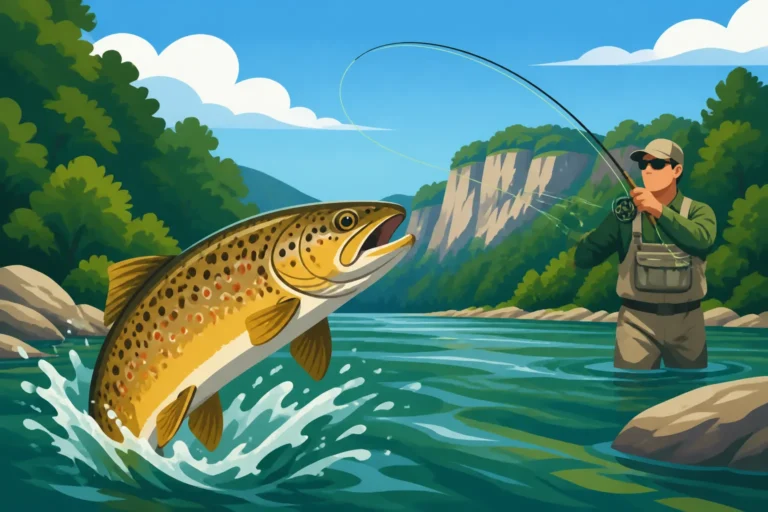
Ah, the brown trout. For many, this is the ultimate prize on the White River. Browns are known for their beautiful, camouflaged coloration—golden flanks speckled with red and black spots, often encircled by a pale halo. But more than their beauty, it's their elusive nature and potential for immense size that captivates anglers. Unlike rainbows, brown trout in the White River naturally reproduce to a significant degree, especially in the upper reaches, adding to the allure of catching a truly wild, native-born fish.
These fish are apex predators, becoming increasingly piscivorous (fish-eating) as they grow larger. This means that while smaller browns might take nymphs or smaller lures, the true giants are often caught on large streamers, crankbaits, or even live bait imitating minnows or sculpins. They are notoriously wary and cunning, often preferring to hide in deep, dark pools, under cut banks, or near submerged structure, ambushing their prey. Landing a trophy brown trout on the White River is a monumental achievement, often requiring patience, skill, and a bit of luck. They don't typically jump like rainbows but instead make powerful, dogged runs, often trying to break you off in structure. The pursuit of these elusive giants is a driving force for many who visit the White River.
Brooks and Cutthroats: Rarer Gems
While rainbow and brown trout dominate the White River's conversation, two other species, brook trout and cutthroat trout, can occasionally be found, though in much smaller numbers. These are truly special catches for any angler due to their rarity. Brook trout, with their distinctive worm-like markings (vermiculations) on their backs and vibrant red and blue spots, are technically a char, not a true trout. They prefer very cold, pristine water and are often found in the colder, smaller tributaries rather than the main stem of the White River itself. Any brook trout caught on the White River is usually a stray or part of very limited, experimental stockings.
Cutthroat trout, identifiable by the distinctive red or orange slash marks under their jaw, are also quite rare in the White River system. Like brook trout, they are sometimes stocked in very limited quantities or can migrate from other parts of the watershed. They are beautiful fish with unique characteristics, and encountering one is a rare and memorable event. Most anglers on the White River will focus on rainbows and browns, but knowing that these rarer gems might also be present adds an extra layer of excitement and possibility to every cast. Differentiating between the more common species is a useful skill, and our article How to Tell Rainbow Trout from Brown Trout can help you with identification.
Essential Gear for Your White River Trout Adventure
Embarking on a White River trout fishing trip requires more than just a rod and reel. The right gear can make the difference between a frustrating day and a memorable one. From the right tackle to essential safety items, being prepared is key to success on these waters.
Rods, Reels, and Line: Matching Your Method
The choice of rod, reel, and line will largely depend on your preferred fishing method. For fly fishing, which is incredibly popular on the White River, a 5- or 6-weight fly rod, typically 9 to 10 feet long, is a versatile choice. This setup offers enough backbone to cast larger streamers and handle bigger brown trout, while still being sensitive enough for delicate nymph presentations. Pair it with a matching fly reel loaded with weight-forward floating line for most applications, though some anglers opt for sinking tip lines when fishing deeper water with streamers. You can find great entry-level fly rod combos on Amazon, perfect for getting started without breaking the bank.
If spin fishing is more your style, a light to medium-light spinning rod, around 6 to 7 feet in length, is ideal. This length provides good casting distance and accuracy while maintaining sensitivity for detecting subtle bites. Match it with a small, lightweight spinning reel spooled with 4- to 8-pound test monofilament or fluorocarbon line. Fluorocarbon is especially popular for its low visibility in clear water and its abrasion resistance against the river's rocky bottom. Whether you're casting small spoons, inline spinners, or drifting natural bait, this setup will provide the versatility you need.
Lures, Flies, and Bait: What the Trout Are Eating
The White River's trout have a diverse diet, and successful anglers carry a variety of options. For fly anglers, a comprehensive fly box will include:
- Nymphs: Hare's Ears, Pheasant Tails, Prince Nymphs, Sow Bugs, and especially San Juan Worms and various scud patterns in sizes #12-20. Nymphing is incredibly effective here, mimicking the abundant subsurface insects.
- Dry Flies: Caddis (Elk Hair Caddis), Mayflies (Parachute Adams), and Hoppers/Stimulators for warmer months.
- Streamers: Woolly Buggers (black, olive, white), Clouser Minnows, and other baitfish imitations in various sizes. These are excellent for targeting larger, predatory brown trout.
For spin anglers, a selection of small lures is crucial:
- Inline Spinners: Rooster Tails, Mepps Aglias, and Panther Martins in sizes #0-2, in colors like silver, gold, and brass, often with a white or yellow skirt.
- Spoons: Little Cleos, Kastmasters, and other small casting spoons are very effective.
- Jerkbaits/Minnow Imitations: Small Rapalas or similar lures can entice aggressive fish.
- Jigs: Small marabou jigs or tube jigs, especially in white, olive, or black, can be deadly when drifted under a float.
Natural bait can also be highly effective. PowerBait in various colors (especially chartreuse, rainbow, and orange) and live red worms or nightcrawlers are staples for rainbow trout. Sometimes, local bait shops will even offer cured corn, which can be surprisingly potent for stocked rainbows. Whether you need specific fly patterns or a new tackle box, online retailers like Amazon offer a vast selection to get you ready. You can find more specific bait recommendations in Best Bait for Rainbow Trout Below Bull Shoals Dam and Best Lures for Brown Trout Fishing.
Waders, Boats, and Safety Gear
Given the consistently cold water temperatures of the White River, good waders are non-negotiable. Chest waders, preferably made of breathable material like Gore-Tex, will keep you dry and warm, allowing you to comfortably wade the colder sections of the river. Layering appropriate clothing underneath is also essential. For footwear, felt-soled wading boots provide excellent traction on slippery, rocky bottoms, though rubber-soled boots with studs are also popular.
While many sections offer wade fishing opportunities, a significant portion of the White River is best fished from a boat. Drift boats, jet boats, or kayaks are popular choices, allowing anglers to cover more water and access otherwise unreachable spots. If you're bringing your own boat, ensure it's appropriate for river conditions and you understand the various public access points and boat ramps.
Finally, safety should always be a top priority.
- Personal Flotation Devices (PFDs): Absolutely essential, especially when boating or wading in higher flows.
- Wading Staff: Invaluable for maintaining balance and testing depth in unfamiliar water.
- First-Aid Kit: For minor cuts, scrapes, or other emergencies.
- Whistle: For signaling in case of an emergency.
- Sunscreen and Hat: Even on cloudy days, UV exposure is real.
- Appropriate Clothing: Layers are crucial to adapt to changing temperatures throughout the day.
- Drinking Water and Snacks: Stay hydrated and energized.
Having your essential safety items, from polarized sunglasses to waterproof dry bags, readily available on Amazon can save you time and ensure you're well-prepared for any situation on the water.
Timing Your Trip: Seasons and Conditions on the White River
The White River offers year-round trout fishing, but each season presents unique opportunities and challenges. Understanding these patterns can greatly enhance your chances of success and help you decide the best time for your personal angling adventure.
Spring Fishing: Hatches and High Water
Spring on the White River, typically from March through May, is a time of renewal and increased activity. As water temperatures begin to slowly climb (though still cold due to dam releases), insect hatches become more prolific. This is often when you'll see strong emergences of caddisflies and various mayflies, providing excellent dry fly fishing opportunities, particularly on overcast days or in the early mornings and late afternoons. The trout become more active, feeding eagerly after the slower winter months.
However, spring also brings the potential for higher water flows. As spring rains increase and upstream reservoirs manage their levels, the Bull Shoals Dam often has more frequent and higher generation schedules. This means the river can swell, making wading more challenging or even impossible in certain areas. Anglers during this time often rely on drift boats or guided trips to navigate the larger flows. While high water can sometimes make fishing tougher by spreading fish out, it also offers advantages, such as flushing more food into the system and allowing fish to move into areas normally inaccessible. Staying updated on the dam generation schedule is paramount during the spring. For more on general seasonal patterns, see Spring Fishing Patterns on Arkansas Reservoirs.
Summer Strategies: Deep Runs and Early Mornings
Summer, from June through August, might seem like an unlikely time for trout fishing, especially in the South. But thanks to the dam, the White River remains a cold-water haven. While air temperatures soar, the water maintains its consistent chilly flow, keeping the trout comfortable. However, the warmer air can make daytime wading less pleasant, and the trout often become a bit more lethargic during the brightest parts of the day.
During summer, trout tend to move into deeper, more oxygenated runs, riffles, and shaded areas. Early mornings and late evenings often provide the most productive fishing, as the air temperatures are cooler, and insect activity might pick up. Nymphing in deep pockets or using streamers that mimic baitfish are often effective strategies. The key to summer success is focusing on the coldest, most oxygenated water and adapting your fishing times. Imagine arriving at the river before dawn, the air still cool, mist rising gently off the water, and knowing that the trout are likely active and feeding in those shadowy depths. It's a truly peaceful and productive time for those willing to brave the early wake-up call.
Fall and Winter: Trophy Time and Consistent Flows
Fall (September to November) on the White River is often considered prime time, especially for trophy brown trout. As the days shorten and water temperatures naturally begin to cool, brown trout become increasingly aggressive, preparing for their spawning runs. This is when many of the largest brown trout are caught, as they are actively feeding and less wary. Streamer fishing with large patterns that imitate baitfish can be incredibly productive during this period. The fall foliage along the riverbanks also adds a breathtaking scenic backdrop to your fishing experience.
Winter (December to February) brings fewer crowds and some of the most consistent fishing, provided you're prepared for the cold weather. Dam generation schedules tend to be more predictable and often lower, creating excellent wading conditions in many areas. Trout, while perhaps less active in their feeding, are concentrated in predictable deep pools and runs. Nymphing with small patterns and using PowerBait for rainbows can be very effective. A sunny winter day with no wind can be surprisingly comfortable, offering serene fishing and the chance to land some truly impressive fish without the hustle and bustle of peak season. For insights into cooler weather fishing, check out Winter Trout Fishing on the Norfork Tailwater in Arkansas. And if you're wondering about the overall best time to target specific species, our guide Best Time of Year for Rainbow Trout Fishing in Arkansas has you covered.
Exploring the White River: Popular Sections and Access
The White River is a long and diverse waterway, offering different experiences depending on where you choose to wet a line. From the intensely managed upper tailwater to the more expansive lower stretches, knowing the characteristics of each section and how to access them is crucial for planning your trip.
Bull Shoals Dam to Norfork Access: The Trophy Zone
The stretch of the White River immediately below Bull Shoals Dam, particularly the first 10-15 miles, is arguably the most famous and heavily fished section. This area is often referred to as the "Trophy Zone" due to its consistent production of large brown trout. The water here is consistently cold and highly oxygenated, creating an ideal habitat for trout to grow to impressive sizes. Access points like the State Park below the dam, Cotter, and various private accesses offer opportunities for both wade and boat fishing.
Due to its popularity and the potential for large fish, this section can experience significant fishing pressure, especially during peak seasons. Anglers often fish from drift boats, meticulously working the various runs, riffles, and pools. Wade fishing is possible during periods of low water generation, but anglers must always be vigilant of rising water levels. Many local guides operate exclusively in this area, leveraging their deep understanding of the river's contours and the trout's habits. For specific spots in this acclaimed area, refer to Trout Fishing Spots Just Below Bull Shoals Dam.
Norfork Tailwater and Beyond: Diverse Opportunities
Just a short distance downstream from the Bull Shoals section, the Norfork River joins the White River, adding its own cold, trout-filled waters. The Norfork Tailwater itself, below Norfork Dam, is a significant trout fishery in its own right, known for excellent rainbow and brown trout fishing. Once the Norfork merges with the White, the river continues its journey, gradually becoming wider and somewhat warmer further downstream, though still holding good populations of trout.
These lower stretches offer a more diverse angling experience. While perhaps not as intensely managed for trophy browns as the immediate tailwater, they provide excellent fishing for both rainbow and brown trout, often with less pressure. There are numerous public access points and boat ramps along the river, allowing anglers to float different sections. These areas often feature a mix of deeper pools, long runs, and expansive gravel bars, providing varied habitat. Anglers might encounter different insect hatches or baitfish populations in these sections compared to the immediate tailwater. Be sure to understand the unique rules for these sections by reviewing Norfork Tailwater Trout Limit Rules in Arkansas.
Public Access Points and Boat Ramps
Arkansas has made a commendable effort to ensure ample public access to the White River. You'll find numerous launch points, state parks, and public access areas scattered along its course, allowing anglers to get on the water relatively easily. Popular spots include:
- Bull Shoals-White River State Park: Located directly below Bull Shoals Dam, offering excellent facilities, camping, and immediate access to the upper trophy water.
- Cotter: Often called the "Trout Capital of the South," Cotter provides several public access points and boat ramps, with numerous guide services and lodging options.
- Big Spring Park (Cotter): A well-known wading spot with relatively easy access to the river's edge, popular during low water.
- Norfork Tailwater Access: Specific points below Norfork Dam allow access to the Norfork River itself before it meets the White.
- Gaston's White River Resort: A well-known private resort offering boat ramps, lodging, and guides, but also public access nearby.
Before heading out, it's always wise to consult a detailed map of the river, especially if you're exploring new sections. Many anglers find a detailed White River fishing map invaluable, which you can often pick up on Amazon before your trip, helping you identify public access, wadeable areas, and potential fishing hot spots. Pulling into a familiar access point before dawn, the smell of fresh river air filling your lungs, is a quintessential White River experience. Always be mindful of private property when accessing the river, and utilize designated public areas.
Effective Techniques for White River Trout
To consistently catch trout on the White River, it's not enough to simply show up with a rod. You need to understand the nuances of various fishing techniques, adapting your approach to the conditions, the fish's mood, and their preferred forage. Whether you're a seasoned fly fisherman or prefer the simplicity of spin casting, there's an effective method for you.
Fly Fishing: Matching the Hatch and Nymphing
Fly fishing is an art form on the White River, and it's also incredibly effective. The most common and often productive technique is nymphing. This involves using weighted fly patterns that imitate the aquatic insects (nymphs, scuds, worms) living on the river bottom. Anglers typically cast upstream or quarter-upstream, allowing the nymphs to drift naturally with the current, ticking along the bottom. Strike indicators (small floats) are used to detect subtle bites. This technique is deadly year-round because trout spend the vast majority of their time feeding on subsurface insects. To truly master this technique, exploring resources like How to Nymph Fish for Trout can be a game-changer.
When conditions are right, matching the hatch with dry flies can be exhilarating. This occurs when adult insects (like caddisflies or mayflies) emerge from the water and fly off, or fall back onto the surface, making themselves available to rising trout. Observing what insects are present and using a fly pattern that closely imitates them can lead to incredible topwater action. Finally, streamer fishing is a technique that appeals to the predatory nature of larger brown trout. Using larger, baitfish-imitating flies and stripping them aggressively through deeper pools or along structure can trigger violent strikes from trophy fish. Fly fishing on the White River offers a continuous learning curve and immense satisfaction when you crack the code. For those just starting, our Fly Fishing Techniques for Beginners guide offers a solid foundation.
Spin Fishing: Lure and Bait Presentation
Spin fishing on the White River is a highly effective and often simpler alternative to fly fishing, and it consistently produces excellent results for both rainbow and brown trout. The key is using small, subtle presentations that mimic the trout's natural food.
- Casting Small Lures: Inline spinners (like Rooster Tails or Mepps) and small casting spoons (such as Little Cleos or Kastmasters) are perennial favorites. Cast them upstream or quarter-upstream and retrieve them just fast enough to get the blade spinning or the spoon wobbling, allowing the current to aid in the presentation. Focus on seams, current breaks, and the edges of deeper runs where trout lie in wait.
- Drift Fishing with Bait: This is a classic and very productive method, especially for rainbow trout. Using a light leader and a small amount of weight (split shot), drift natural baits like PowerBait (often rolled into a small ball) or live red worms near the bottom. A small bobber or float can help suspend your bait at the right depth and indicate bites. This is a particularly effective technique in slower-moving sections or deep pools.
- Jigging: Small marabou or plastic tube jigs, often 1/16 to 1/8 ounce, can be deadly when fished under a small float or simply bounced along the bottom. Colors like white, olive, brown, or black are often productive. The key is to keep the jig moving naturally with the current, mimicking an injured baitfish or a drifting insect.
No matter the technique, stealth and subtle presentation are paramount in the White River's clear waters. Spin fishing can be incredibly rewarding, especially if you focus on finesse and accurate casting. To refine your approach, consider reviewing Spin Fishing Techniques for Trout.
Reading the Water: Where Trout Hide
Successful trout fishing on the White River, regardless of your chosen technique, hinges on your ability to "read the water" – identifying prime holding spots where trout are likely to be feeding or resting. Trout are creatures of comfort and efficiency; they want to expend minimal energy while having easy access to food.
- Riffles and Runs: These faster-moving, shallower sections are often prime feeding grounds. The broken surface provides cover, and the current brings a steady supply of oxygen and food. Trout will hold in the slightly slower water just out of the main current, darting into the flow to grab a meal.
- Pools and Deep Runs: Deeper sections, especially those with darker water, often hold larger, more wary trout. These areas provide security from predators and offer consistent water temperatures. Look for structure within these pools, like submerged logs, large rocks, or ledges, which provide additional cover.
- Eddies and Current Seams: These are the transition zones where fast water meets slow water. Trout love to sit in the slower water of an eddy or along a current seam, allowing the faster current to deliver food directly to them without having to fight the flow.
- Cut Banks and Overhanging Vegetation: Undercut banks provide excellent overhead cover and hiding spots, especially for brown trout. Overhanging tree branches or bushes offer shade and often drop terrestrial insects onto the water, attracting trout.
- Rocks and Boulders: Any significant structure that breaks the current or creates a pocket of slower water can be a trout magnet. Trout will use these as ambush points or resting areas.
Learning to identify these features and understanding how trout utilize them will dramatically increase your success. Imagine spotting a subtle rise in a slick pocket behind a large boulder, or picturing a massive brown trout tucked away under a dark, undercut bank. With practice, reading the water becomes second nature, allowing you to approach each section of the river with a confident strategy.
Regulations, Conservation, and Responsible Angling
Fishing the White River is a privilege, and it comes with the responsibility of understanding and adhering to regulations, as well as practicing sound conservation principles. This ensures that this magnificent fishery remains healthy and productive for generations to come.
Understanding Arkansas Trout Regulations
The Arkansas Game and Fish Commission (AGFC) manages the White River's trout fishery with specific rules designed to protect and enhance its populations. These regulations can vary by specific stretches of the river, so it's absolutely crucial to obtain and review the latest AGFC fishing regulations guide before you cast your line.
Key regulations often include:
- Fishing License and Trout Permit: All anglers of a certain age (check current AGFC guidelines for specific age requirements, but generally 16 and older) must possess a valid Arkansas fishing license. Additionally, a special trout permit is required to keep or possess trout in certain designated trout waters, which includes much of the White River. You can find detailed information on Arkansas Fishing License Rules and Costs and Arkansas Trout Permit Rules.
- Daily Limits and Possession Limits: There are specific numbers of trout you are allowed to harvest per day (daily limit) and to have in your possession (possession limit). These limits can differ for rainbow versus brown trout, and sometimes even by specific sections of the river.
- Size Restrictions (Slot Limits): For certain species, particularly brown trout in the trophy areas, there may be minimum or maximum length limits, or even slot limits (e.g., you can keep fish under a certain size and over another, but must release fish within a specific "slot" to protect breeding stock).
Always double-check the current regulations, as they can change annually. Ignoring them can lead to significant penalties. For a general overview of the AGFC's regulations, our Arkansas Fish Size and Daily Limits guide is a great starting point, but always verify the latest official document.
Catch and Release Practices
While harvesting trout is permitted within legal limits, practicing proper catch and release, especially for brown trout and larger rainbows, is vital for the long-term health of the White River fishery. This is particularly true in the "Trophy Zone" where big browns are a key draw. Every large brown trout released has the potential to spawn and contribute to the next generation of trophy fish.
To maximize a fish's survival rate when practicing catch and release:
- Minimize Fight Time: Bring the fish in as quickly as possible without over-stressing it.
- Handle with Care: Keep the fish in the water as much as possible. If you must remove it for a quick photo, do so gently with wet hands, supporting its belly. Avoid squeezing or touching its gills.
- Use Barbless Hooks: Crimp down the barbs on your hooks or use barbless hooks. This makes hook removal much easier and causes less damage to the fish.
- Proper Hook Removal: Use forceps or pliers to remove the hook quickly. If the fish is deeply hooked, cut the line as close to the hook as possible.
- Revive Carefully: Hold the fish gently in the current, facing upstream, until it regains its strength and can swim away on its own. Don't simply toss it back.
Gently releasing a beautiful brown trout back into the current, knowing it will continue to thrive and contribute to the river's legacy, is one of the most rewarding aspects of angling.
Protecting the River: Leave No Trace
Beyond regulations, responsible angling means adopting a "Leave No Trace" ethic. The White River is a pristine natural resource, and it's up to every angler to help keep it that way.
- Pack It In, Pack It Out: Whatever you bring to the river, make sure you take it all home with you – and perhaps a little extra trash you find. This includes fishing line, bait containers, snack wrappers, and drink bottles.
- Respect Private Property: Much of the land along the White River is privately owned. Always be aware of property lines and only access the river through designated public areas or with explicit permission from landowners.
- Minimize Disturbance: Avoid disturbing wildlife, nesting birds, or sensitive vegetation. Stay on established trails and access points.
- Boater Etiquette: If you're fishing from a boat, be considerate of other anglers, especially waders. Give them ample space and avoid unnecessary noise or disturbance.
- Clean Your Gear: Before moving between different waterways, clean your boots, waders, and boat to prevent the spread of invasive species.
By practicing these principles, we ensure that the White River remains a healthy, beautiful, and productive fishery for generations of anglers to enjoy. It's a shared responsibility that enhances the experience for everyone.
The Advantage of a White River Fishing Guide
While the White River is accessible to all, navigating its complexities and maximizing your chances of success, especially for elusive trophy trout, often comes down to local knowledge. This is where a professional White River fishing guide truly shines.
Why Hire a Local Expert?
For many anglers, particularly those visiting for the first time or targeting a specific species, hiring a local fishing guide is an invaluable investment. These professionals spend hundreds, if not thousands, of hours on the White River each year, accumulating an unparalleled depth of knowledge. They know:
- Current Conditions: Water levels, clarity, temperature, and dam generation schedules can change rapidly. A guide knows how these factors impact trout behavior right now.
- Hot Spots: They know where the fish are holding based on the time of year, water conditions, and recent success. They can put you on fish much faster than you could on your own.
- Effective Techniques: Guides are experts in presenting the right flies, lures, or bait for the given conditions and species. They can teach you nuances of casting, retrieving, and reading the water that might take years to learn independently.
- Gear Selection: They'll have the right rods, reels, lines, and tackle for the day, often eliminating the need for you to buy specialized equipment.
- Safety: They are experienced boat operators and understand the river's hazards, ensuring a safe and enjoyable trip.
- Conservation: Reputable guides are stewards of the river, practicing and promoting ethical angling and catch-and-release practices.
Ultimately, a guide eliminates the guesswork, maximizes your fishing time, and significantly increases your chances of a successful and memorable outing. For a general guide on how to approach booking a trip, see Arkansas Fishing Guides and Charters: The Complete Booking Guide.
What to Expect from a Guided Trip
A guided White River fishing trip is typically a full-service experience designed to provide a productive and enjoyable day on the water. While specifics can vary, most trips include:
- Boat and Equipment: Most guides operate out of custom drift boats or jet boats, providing a comfortable and stable platform for fishing. They will supply high-quality rods, reels, and all necessary tackle, flies, or bait.
- Expert Instruction: Guides are excellent teachers, willing to help beginners with casting, knot tying, and technique, or offer advanced tips to experienced anglers.
- Local Knowledge and Navigation: Your guide will navigate the river, position the boat in prime fishing spots, and explain why certain areas are productive.
- Lunch and Refreshments: Many full-day trips include a delicious shore lunch (often cooked riverside) and cold drinks, adding to the overall experience. Half-day trips typically provide drinks and snacks.
- Fish Cleaning: If you choose to keep your legal limit of fish, most guides will clean and bag your catch at the end of the day.
Trips are generally offered as half-day (4-5 hours) or full-day (7-8 hours) options. Half-day trips are great for beginners, families, or those on a tighter schedule, while full-day trips allow for more extensive exploration and greater fishing time. Our articles Half-Day White River Trout Trips in Arkansas and Full-Day vs Half-Day White River Trout Trips: Which to Book in Arkansas provide a deeper comparison to help you choose.
Finding the Right Guide for Your Needs
With numerous qualified guides operating on the White River, choosing the right one can feel a bit daunting. Here are some tips for finding a guide that fits your preferences and goals:
- Identify Your Goals: Are you chasing a trophy brown trout, looking for consistent rainbow action, or hoping to learn fly fishing techniques? Some guides specialize more in one area than another.
- Ask for Recommendations: Word-of-mouth is powerful. Ask friends who have fished the White River, or check online fishing forums and local tackle shops for reputable guides.
- Check Online Reviews: Websites and social media platforms often feature client reviews. You can also consult online reviews on platforms like Amazon to see which guides come highly recommended, particularly if they are associated with local outfitters listed there.
- Contact Several Guides: Don't hesitate to call or email a few guides. Ask about their experience, their typical trip offerings, what's included, and their availability. Pay attention to how responsive and personable they are.
- Clarify Pricing and Policies: Understand the cost, deposit requirements, and cancellation policies upfront. Confirm if a fishing license and trout permit are included, or if you need to purchase them separately.
- Consider Group Size: Most guides accommodate 1-3 anglers in their boat. If you have a larger group, you might need to book multiple guides.
Finding a guide who matches your fishing style and personality can make all the difference, transforming a good fishing trip into an unforgettable adventure. For more detailed advice, read our guide on How to Choose a Fishing Guide in Arkansas.
Disclaimer
This article is for general informational purposes only and does not constitute professional advice. Laws, prices and regulations vary by location and change over time. Consult a qualified professional for guidance on your specific situation.