Trout Fishing Spots Just Below Bull Shoals Dam
There's nothing quite like the rush of planning a fishing trip to Arkansas, especially when you've heard whispers of the legendary trout waters just below Bull Shoals Dam. But let's be honest, getting started can feel overwhelming. You pore over maps, read forum posts, and wonder if you'll actually find those secret spots or just end up casting into empty water. It's frustrating when you just want to know where to go to maximize your chances of hooking into some beautiful trout. This guide is here to cut through the noise, offering a comprehensive look at the prime trout fishing spots directly downstream from Bull Shoals Dam, helping you understand the water, the fish, and how to make your next trip a success.
Navigating the White River Tailwater Environment
The White River below Bull Shoals Dam isn't just any river; it's a cold-water tailwater fishery, a unique ecosystem created by the dam itself. This stretch of river is world-renowned, and for good reason. The cold, oxygen-rich water released from the bottom of the dam provides the ideal habitat for several species of trout, making it a dream destination for anglers. However, this unique environment also comes with its own set of challenges and nuances that you absolutely need to understand before you even think about wetting a line.
The Dynamics of Water Generation and Flow
One of the biggest factors influencing trout fishing on the White River tailwater is the water generation schedule at Bull Shoals Dam. The U.S. Army Corps of Engineers controls how much water is released from the dam, which directly impacts the river's flow and depth. When generators are running, the river can rise dramatically, making wade fishing impossible and creating strong currents that can make boat control tricky. Conversely, during periods of low or no generation, the river can become quite shallow, revealing extensive shoals and making wade fishing more accessible in certain areas.
It's crucial to check the generation schedule before your trip, and even daily while you're there. Websites like the Southwestern Power Administration or the Corps of Engineers often post hourly schedules. Missing this step is a common mistake that can completely derail a day of fishing. Imagine driving hours, rigging up, only to find the water is too high to safely wade where you planned, or too low for your boat to navigate comfortably. It's a real bummer, and easily avoidable with a quick check. Knowing the flow will dictate whether you're planning a float trip or a wade trip, and even what techniques will be most effective.
Ecosystem's Influence on Trout Behavior
The cold, clear waters of the White River are a stark contrast to many of Arkansas's warmer lakes and rivers. This stable, chilly environment (usually hovering between 45-60°F) allows trout to thrive, but it also influences their behavior. Unlike bass or crappie that might seek warmer water, trout in the tailwater are adapted to these cooler temperatures year-round. They'll often hold in current breaks, behind submerged structure, or in deep pools where oxygen levels are highest and food sources are plentiful.
The constant flow also brings a steady supply of insect larvae, baitfish, and other forage, meaning trout here are generally well-fed and grow to impressive sizes. This consistent food source makes them less dependent on seasonal migrations for feeding, though they will still follow certain patterns for spawning. Understanding this consistent, cold-water dynamic is key to predicting where trout will hold and how they'll react to your presentations. It's a completely different ballgame than fishing a warm-water lake, and embracing these unique conditions is part of the charm and challenge of the White River.
Prime Fishing Access Points Below Bull Shoals Dam
The White River stretches for miles below Bull Shoals Dam, offering diverse fishing opportunities. However, some spots are undeniably better, or at least more popular, due to their accessibility, current, and known fish populations. Focusing on the areas just below the dam is often a smart move, as the water is coldest and most oxygenated here, attracting and holding larger trout.
The Bull Shoals State Park and Dam Site Access
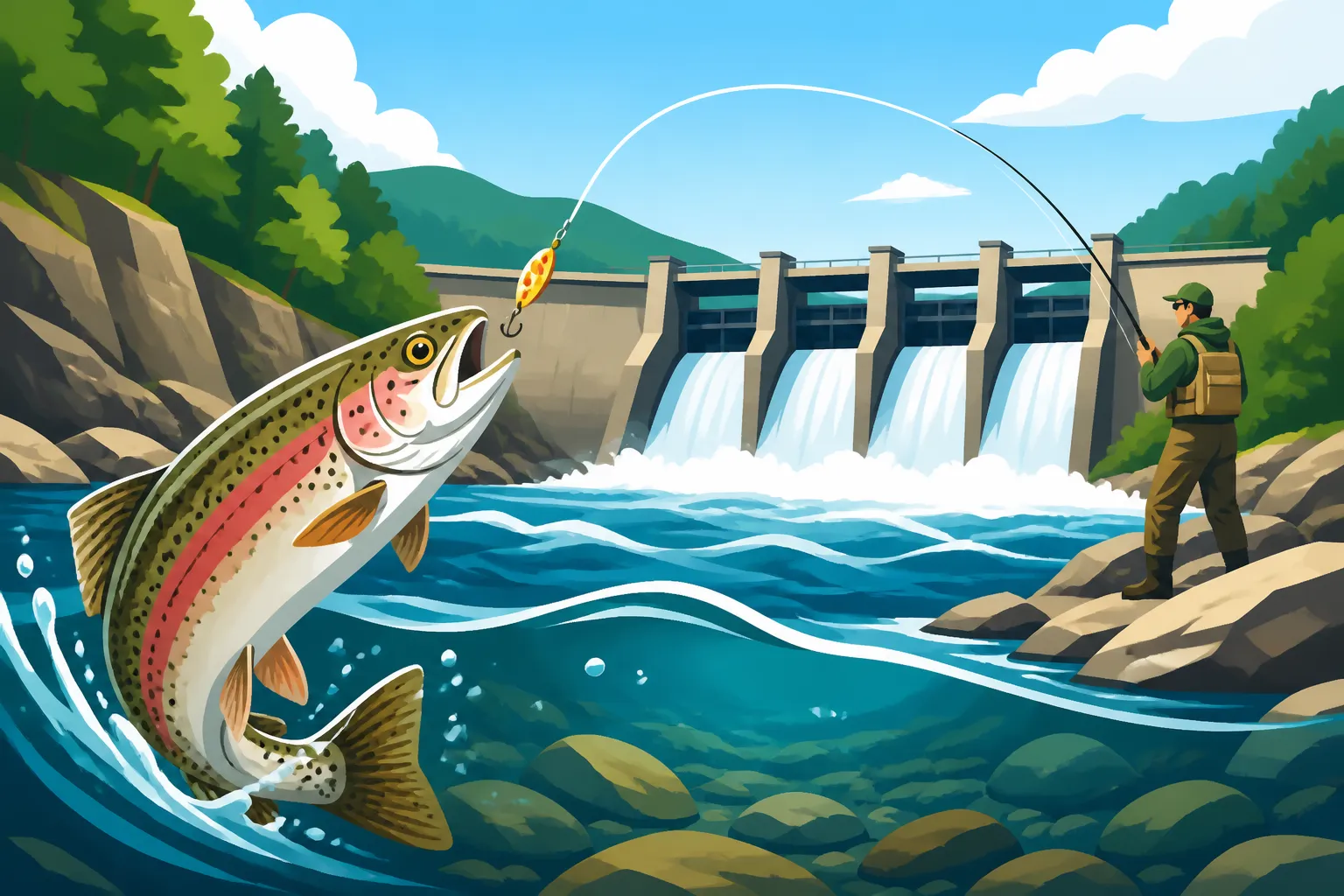
Right at the base of the dam, within Bull Shoals State Park, you'll find excellent public access for both bank fishing and boat launching. This area is heavily stocked with rainbow trout, and it's also where many trophy brown trout are caught. The immediate tailrace area can be incredibly productive, especially during periods of lower water generation. Anglers often line the banks here, casting various baits and lures.
For those with boats, the public boat ramp at the park provides easy access to the upper stretches of the tailwater. You can motor upstream almost to the dam's outflow, but be mindful of restricted areas near the dam itself. This section is known for strong currents when water is being generated, so experienced boat handlers are essential. Fly anglers often target the shallower riffles and eddies along the banks, while spin fishermen might drift PowerBait, corn, or small spinners through deeper runs. It’s also a common starting point for many guided float trips. If you're looking to book a guided trip, many local guides, which you can find on platforms like FishingBooker, will often start their excursions from this very location, heading downstream to target the most productive waters.
Gaston's Resort and the Bull Shoals White River State Park Marina
A bit further downstream, but still considered part of the prime upper river, are the areas around Gaston's Resort and the Bull Shoals White River State Park Marina. Gaston's is a legendary name on the White River, offering lodging, dining, and excellent guide services. The resort has private boat ramps and a significant stretch of riverfront access, making it a convenient base for a multi-day trip. Their section of the river is meticulously maintained and known for its fantastic fishing.
The White River State Park Marina, also nearby, provides another excellent public boat launch and often has rental boats available. These areas are fantastic for drifting jigs, minnows, or small crankbaits in deeper holes or along current seams. The consistent cold water here holds a robust population of trout, and it's not uncommon to find yourself battling large rainbows or even a challenging brown trout. When you're considering a trip, remember that understanding the nuances of the water here, whether it’s the current near the dam or the deeper channels further down, is key to success. For specific limits and regulations in this area, you'll want to review the latest Bull Shoals Tailwater Trout Rules in Arkansas.
Public Access Table for the Upper White River Tailwater
To help visualize your options, here's a quick breakdown of common access points and what they offer:
| Access Point | Type of Access | Primary Fishing Method | Key Features | Best For |
|---|---|---|---|---|
| Bull Shoals State Park | Bank & Boat Ramp | Spin, Fly, Bait | Closest to dam, strong currents, frequent stocking | High volume of rainbow trout, easy access |
| Gaston's Resort (Private) | Boat Ramp, Bank | Float, Spin, Fly | Guide services, lodging, private access | Multi-day trips, guided experiences |
| State Park Marina | Boat Ramp, Rentals | Float, Spin | Rental boats available, easy launch | Boat anglers, those needing equipment rental |
| Rim Shoals (Downstream) | Wade & Boat Access | Fly, Spin | Popular wade spot during low generation | Fly fishing, wade fishing |
Note: While Rim Shoals is further downstream, it's a critical mention for fly anglers specifically seeking wade fishing opportunities when dam generation is low.
Species to Target and Effective Techniques
The White River tailwater below Bull Shoals Dam is a diverse trout fishery, primarily known for its thriving populations of rainbow and brown trout. Each species has its own characteristics, preferred habitats, and even temperaments, which means your approach often needs to be tailored.
Battling Rainbow Trout: The Mainstay
Rainbow trout are the bread and butter of the White River. They are regularly stocked by the Arkansas Game and Fish Commission, ensuring a healthy and abundant population. Rainbows are generally eager biters and can be caught using a wide variety of methods, making them an excellent target for anglers of all skill levels, from beginners to seasoned pros.
For spin fishermen, popular baits include PowerBait (especially in bright colors like chartreuse or glitter orange), corn, and salmon eggs, often fished on a slip sinker rig near the bottom. Small inline spinners (like Rooster Tails or Mepps) in sizes #0-2, or tiny spoons (such as Johnson Silver Minnows or Kastmasters), are also incredibly effective, particularly when retrieved through riffles and current breaks. Lightweight rods (ultra-light to light action) paired with 4-6 lb test line are ideal for these spirited fighters. You might even find success drifting small jigs under a float, mimicking natural forage. Many anglers also find success with small plastic worms or grubs on a jig head, slowly bounced along the bottom. If you're wondering Best Bait for Rainbow Trout Below Bull Shoals Dam, you'll find that versatility is key.
Fly anglers targeting rainbows will find success with a range of patterns. Nymphs, such as Prince Nymphs, Pheasant Tails, Hare's Ears, and Zebra Midges, are exceptionally productive, often fished under an indicator with split shot to get them down to the fish. When trout are rising, dry flies like Elk Hair Caddis or Parachute Adams can work, especially during insect hatches. Streamers like Woolly Buggers in olive, black, or white, stripped through deeper water or along current seams, can also entice aggressive strikes from larger rainbows.
Pursuing Elusive Brown Trout: The Trophy Fish
While rainbow trout are abundant, many anglers come to the White River with one goal in mind: a trophy brown trout. Brown trout are less numerous than rainbows and are significantly more wary, making them a challenging and highly rewarding catch. These fish are known for their predatory nature and their tendency to hold in deeper, more complex structures.
Spin fishermen targeting browns often opt for larger lures. Stickbaits and crankbaits that mimic baitfish, like Rapalas (Jerkbaits or Shad Raps) or Smithwick Rattlin' Rogues, in natural patterns (rainbow trout, shad, or brown trout imitations) can be deadly. These are often trolled from a boat or cast and retrieved with a twitch-and-pause action. Spoons, especially heavier ones that can get down deep, also work well. Focus on areas with submerged logs, rock piles, or steep drop-offs – places where a big brown can ambush its prey. Live bait, particularly sculpins or shiners, can also be highly effective when fished on the bottom.
Fly anglers pursuing brown trout often rely on streamers. Large patterns like Sex Dungeons, articulated streamers, or even larger Woolly Buggers are cast and stripped aggressively, imitating baitfish. Sometimes, dead-drifting a large nymph or even a small sculpin pattern along the bottom can surprise a big brown. The key with brown trout is patience and persistence. You might make dozens of casts without a bite, but when that strike comes, it's often from a fish of a lifetime. Many experienced anglers come here specifically for the chance at a Trophy Brown Trout Records on the White River. You might consider hiring a local guide, readily available through platforms like FishingBooker, who specializes in these trophy fish, as their knowledge of subtle river changes and productive holding spots can be invaluable.
Combining Fly Fishing and Spin Fishing Strategies
Many anglers bring both fly and spin gear to the White River, allowing them to adapt to changing conditions and fish behavior. During periods of low generation, when wading is possible, fly fishing might be preferred for its delicate presentation in clear, shallow water. However, when the generators kick on and the water rises, the increased current can make spin fishing with heavier lures or drifting bait from a boat more practical and productive.
A common strategy involves starting the day with spin gear, covering water efficiently with crankbaits or spinners, especially if you’re fishing from a boat. As the day progresses, or if you find a specific spot that looks perfect for a more subtle approach, you might switch to a fly rod, especially if there’s a hatch occurring or if you’re targeting fish in calmer eddies. Knowing Trout Fly Fishing Basics for Tailwaters can really elevate your game on these diverse waters. The most successful anglers on the White River are often those who are flexible and willing to adjust their techniques based on the conditions presented to them.
Planning Your Successful White River Trip
A successful trout fishing trip below Bull Shoals Dam involves more than just showing up with your gear. It requires careful planning, a keen awareness of the river's dynamic nature, and a willingness to adapt. This preparation will not only increase your chances of catching fish but also ensure your safety and enjoyment.
Monitoring Water Levels and Generation Schedules
As mentioned earlier, the most critical piece of information for any White River angler is the water generation schedule. This cannot be stressed enough. Always check the U.S. Army Corps of Engineers (USACE) Southwestern Power Administration (SWPA) website or app before you head out, and continue to check it throughout your trip. The schedule can change, sometimes without much notice, and what was a calm wadeable river can quickly become a roaring torrent.
Pay attention to both the number of generators running and the duration of the generation. Even one generator can significantly impact wade fishing, making areas unsafe. Two or more generators often necessitate boat fishing. If you're primarily a wade angler, plan your trips for periods of low or no generation. If you're using a boat, be prepared for strong currents and swift changes in water levels, especially when launching and retrieving. Understanding Bull Shoals Arkansas Tailwater Daily Trout Limit and how those apply to high-flow vs. low-flow conditions is also important for compliance.
Essential Gear and Local Expertise
Beyond your rods, reels, and tackle, there are a few other gear essentials for fishing the White River. Waders are a must for bank and wade anglers, even if you don't plan on going deep, as they protect against the cold water. Studded boots or cleated wading shoes offer crucial grip on slippery rocks. A sturdy net with a rubberized mesh is highly recommended for landing fish safely and minimizing harm, especially if you plan on catch and release. Don't forget polarized sunglasses to spot fish and submerged structures, and a good pair of pliers for hook removal.
For those venturing out on their own boat, ensure you have all safety equipment, including life jackets, and a reliable motor. The White River can be notoriously unforgiving, with hidden rocks and strong currents. If you're unfamiliar with the river, considering a guided trip, especially your first time, is an excellent investment. Local guides, many of whom are listed on FishingBooker, spend hundreds of days a year on these waters. They know the subtle nuances of the river, where fish hold during different flows, and what techniques are most effective at any given moment. They can provide valuable insights, ensure your safety, and significantly increase your chances of a memorable catch, like a trophy brown trout. They often provide all necessary gear and even a delicious shore lunch.
Best Times to Fish for Trout
While trout can be caught year-round on the White River, certain seasons offer distinct advantages. Spring (March-May) sees increased insect activity and consistent stocking, making it a fantastic time for both fly and spin anglers. The weather is generally pleasant, and the fish are active. Fall (September-November) is arguably the most popular season, especially for trophy brown trout. As the water cools and browns begin their spawning rituals, they become more aggressive and visible. This is often when the largest browns are caught.
Summer (June-August) can still be productive, particularly in the early mornings and late evenings when water temperatures are at their coolest. High generation days can be excellent for boat fishing, as the increased flow brings food and oxygen. Winter (December-February), while cold, offers a unique opportunity for dedicated anglers. Fewer crowds and active fish can lead to some incredible days, especially on sunny, milder days when midges are hatching. Ultimately, the "best" time depends on your target species and preferred fishing method, but with careful planning, the White River offers year-round opportunities to experience some of the best Arkansas Fishing available.
Disclaimer
Please remember that fishing regulations, costs, and availability of services can change. Always consult the official Arkansas Game and Fish Commission (AGFC) website for the most current regulations, licensing requirements, and any advisories before planning your trip. Additionally, check the U.S. Army Corps of Engineers (USACE) for real-time water generation schedules to ensure a safe and successful outing. This guide provides general information and should not be taken as legal or definitive advice.