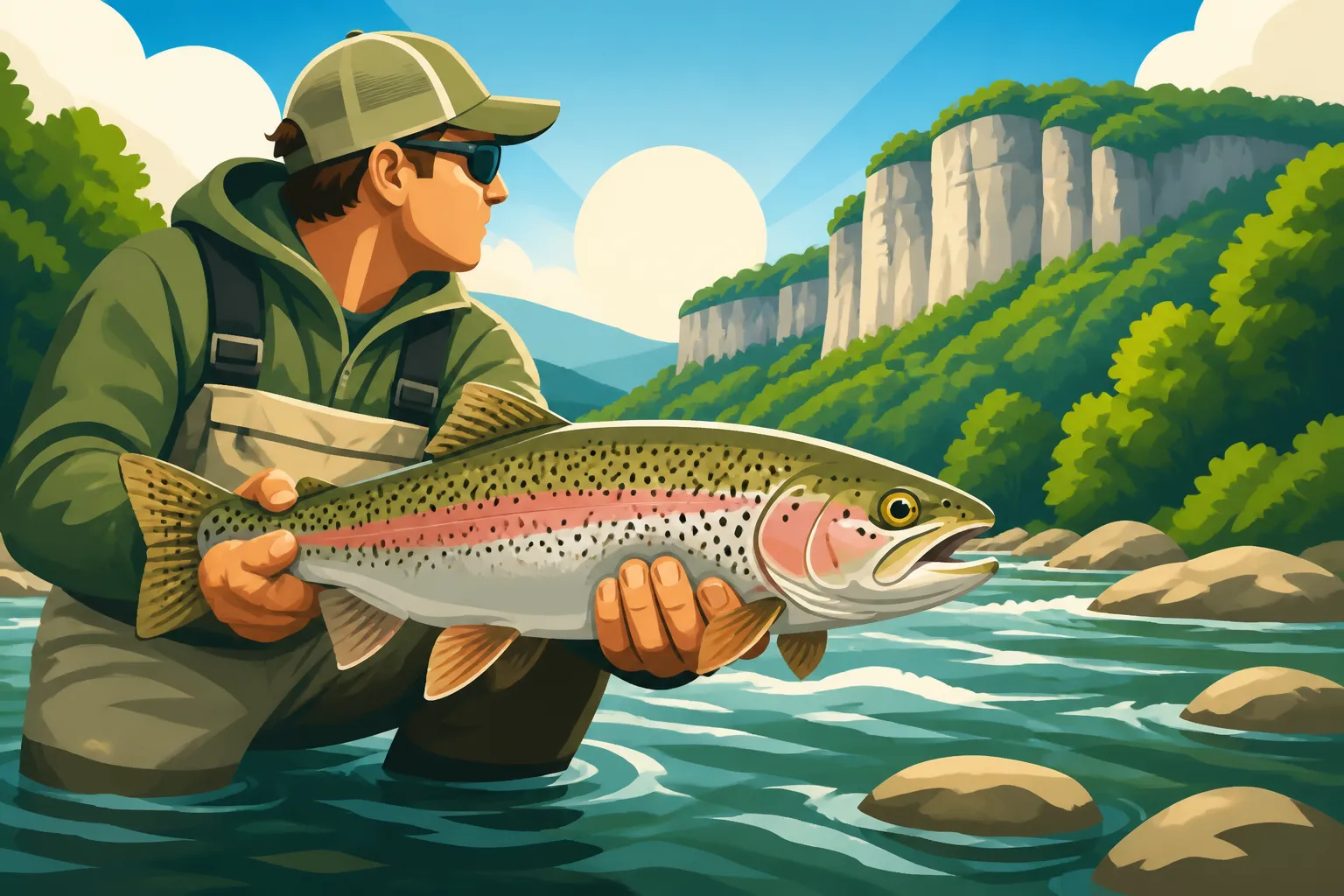
Half-Day White River Trout Trips in Arkansas
Many anglers dream of fishing the legendary White River in Arkansas, known worldwide for its incredible trout fishing. But let's be real: not everyone has a full day, or even multiple days, to dedicate to a fishing trip. Maybe you're on a family vacation with other plans, or perhaps you're just looking for a quick escape from daily life. This guide is for those of you who want to experience the magic of the White River without committing to an all-day affair, focusing specifically on how a half-day guided trout trip can be the perfect solution.
Why a Half-Day Trip is the Perfect White River Experience for Many
You might be wondering if a half-day trip is truly enough to get a worthwhile experience on a river as grand as the White. The answer, for many, is a resounding yes! It’s all about fitting a fantastic fishing adventure into a timeframe that works for your schedule and your preferences.
Balancing Time Constraints with Quality Fishing
Life moves fast, and often, our passion for fishing has to fit into those smaller pockets of free time. A half-day trip, typically around four hours on the water, hits that sweet spot. It's long enough to get out to prime spots, enjoy the stunning scenery, and have ample opportunity to hook into some beautiful trout. Yet, it's short enough that you can still have lunch with the family, hit another attraction, or simply avoid the exhaustion that can sometimes come with a full day on the water, especially if you're not used to it. Think about it: you get to experience the river's renowned fishery, cast a line, and make some memories, all without having to block out an entire day. It’s perfect for squeezing in a fishing fix during a busy weekend getaway or when you're just passing through the region.
Ideal for Beginners and Families
If you're new to trout fishing, or even fishing in general, a half-day trip is incredibly forgiving. A full day can sometimes feel overwhelming with new techniques, gear, and being on a boat for an extended period. A shorter trip allows beginners to learn the ropes without feeling exhausted or frustrated. Guides are fantastic at teaching the basics of casting, retrieving, and identifying bites. For families with younger children, this shorter format is truly a blessing. Kids often have shorter attention spans, and four hours is usually the sweet spot before boredom or fatigue sets in. It keeps the experience fun and positive, making them more likely to want to go fishing again! Plus, many guides are seasoned pros at working with kids, making it an educational and exciting outing for the whole family. You'll find that many outfitters, perhaps even those listed on platforms like FishingBooker, specifically tailor half-day trips for a more family-friendly pace.
Focused Fishing Opportunities
While a full-day trip allows for more exploration and different water conditions, a half-day trip can be surprisingly productive because it often means focusing on the most reliable and productive stretches of the river. Your guide, with their intimate knowledge of the White River, will likely take you directly to spots that have been producing fish recently, maximizing your chances of success in a shorter timeframe. This isn't about rushing; it's about efficiency and capitalizing on proven locations. You might spend more time actually casting and less time traveling, which can be a huge benefit when your time is limited. It's a concentrated dose of what makes White River trout fishing so special, giving you a taste of the action and leaving you refreshed rather than worn out.
What to Expect During Your Half-Day White River Trout Adventure
Stepping onto a guide's boat on the White River for a half-day trip is an experience in itself. From the moment you push off, you're immersing yourself in a beautiful, dynamic environment, all with the expert guidance of a local angler.
Typical Duration and Itinerary
A half-day trip typically runs for about four hours, though some guides might offer slightly shorter three-hour trips, especially for quick outings below dams like Beaver Dam. The exact start time can vary depending on the season and what the guide believes will be the most productive fishing window. Often, trips start early in the morning to capitalize on cooler temperatures and active fish, or in the afternoon, going into the evening bite. Your guide will usually meet you at an agreed-upon boat ramp or access point along the river. After a quick introduction and rundown of the plan, you'll embark. The guide will navigate to a few key spots, often using a drift boat or a flat-bottom jon boat specifically designed for river conditions. They'll spend time at each spot, moving downstream, and allowing you to cast. Expect a focused fishing experience, moving from one promising riffle, run, or eddy to another, rather than covering vast distances. This concentrated approach ensures you're fishing where the fish are most likely to be.
Gear, Boats, and Professional Guidance
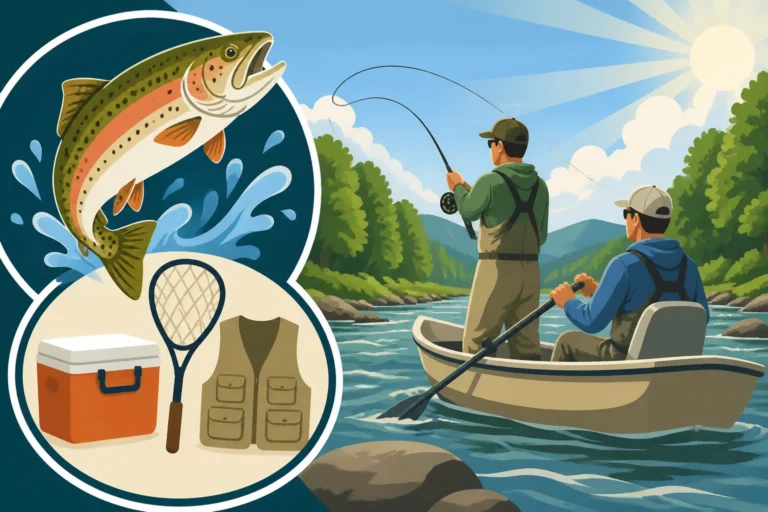
One of the biggest perks of a guided trip, whether half or full-day, is that most of the heavy lifting regarding gear is taken care of. Your guide will provide high-quality rods, reels, and all the necessary tackle, including a wide array of flies or lures specifically chosen for the current river conditions and what the trout are biting on. This means you don't need to invest in expensive equipment or worry about what bait to buy. Their boats are typically well-maintained, comfortable, and stable, designed for safe navigation and optimal fishing positions on the river. More importantly, you're getting the invaluable expertise of a professional. These guides spend countless days on the White River; they know its quirks, its currents, and where the trout hide in different water levels and seasons. They'll teach you proper casting techniques, how to read the water, and what to do when you feel that exciting tug on your line. It's an educational experience as much as it is a fishing trip. You'll learn a ton, even on a shorter trip. To get a detailed understanding, you might check out resources like What an Arkansas Guided White River Trip Includes.
Common Fishing Techniques Employed
On the White River, trout are typically targeted using either fly fishing or spin fishing methods, and your guide will be proficient in both. For fly fishing, techniques like nymphing (fishing subsurface flies), streamer fishing (imitating baitfish), and sometimes dry fly fishing (when bugs are hatching on the surface) are common. Your guide will help you understand the nuances of presentation and mend your line effectively. If you're spin fishing, which is often more accessible for beginners and kids, you'll likely use light spinning gear with small jigs, spoons, or artificial worms. The guide will demonstrate casting accuracy, retrieval speeds, and how to detect subtle bites. They’ll adapt their approach based on the fish activity, water conditions, and your skill level, ensuring you have the best possible chance to hook into some beautiful rainbow or brown trout. Don't hesitate to communicate your preferred method or if you're keen to learn something new; guides are there to facilitate your experience. For a deeper dive into the choices, refer to Choosing a Fly-Fishing or Spin-Fishing Guide for Your Arkansas Trip.
Navigating Guide Selection and Booking Your Half-Day Trip
Finding the right guide is paramount to a successful and enjoyable half-day trip on the White River. You want someone knowledgeable, patient, and who genuinely loves sharing their passion for fishing.
Finding Reputable Guides on the White River
The White River is home to many excellent fishing guides, most of whom operate out of towns like Cotter, Bull Shoals, and Calico Rock. Word-of-mouth recommendations are golden, so if you know anyone who has fished the area, ask them about their experiences. Local tackle shops and fly shops are also fantastic resources, as they often have close relationships with the guides who frequent their establishments. Websites and social media are another great way to find guides, but make sure to look for those with a strong online presence and plenty of positive reviews. Look for guides who specialize in the White River specifically, as their local knowledge will be unmatched. Platforms like FishingBooker can be an excellent starting point, allowing you to browse various guides, compare their offerings, and read testimonials from previous clients. They often list half-day options directly, making your search much easier.
Essential Questions to Ask Before Booking
Before you commit to a guide, a brief phone call or email exchange can clarify a lot and ensure you're on the same page. Here are some key questions to consider:
- What's included in the half-day rate? (e.g., tackle, flies/lures, drinks, snacks – some guides provide these, others expect you to bring your own.)
- What is the typical trip length for a "half-day"? (Confirm it's around four hours, or whatever you prefer.)
- What's your cancellation policy? (Important for unexpected weather or changes in your plans.)
- How many anglers can you accommodate? (Ensure they can handle your group size, especially if you're a family.)
- What species do you typically target on a half-day trip? (While it's primarily trout, it's good to confirm expectations.)
- Do you cater to beginners or families with children? (If applicable, this ensures a patient and suitable guide.)
- What kind of boat do you use? (For comfort and accessibility considerations.)
- Do I need an Arkansas fishing license and trout permit beforehand? (Almost always yes, but it’s good to confirm.)
Asking these questions helps prevent any surprises and ensures your trip meets your expectations. It's always better to be clear upfront. For more general guidance, check out How to Book a Fishing Guide in Arkansas.
Using Online Platforms for Easy Booking
In today's digital age, booking a fishing guide has become incredibly convenient thanks to online platforms. Websites like FishingBooker act as a central hub where you can search for guides by location, species, and trip duration, including half-day options for the White River. These platforms often provide detailed profiles for each guide, showcasing their experience, photos of their catches, and most importantly, client reviews. This transparency allows you to make an informed decision based on the experiences of others. You can often see real-time availability and book directly through the platform, simplifying the process and securing your date instantly. It’s a streamlined way to compare multiple guides side-by-side, which can be particularly useful when you're looking for something specific, like a kid-friendly guide or one known for their fly-fishing expertise. Just remember, while these platforms are convenient, a quick personal call with your chosen guide after booking is always a good idea to confirm details and build rapport.
Understanding the Costs and Inclusions of a Half-Day Trip
Budgeting for a fishing trip, even a shorter one, is always a consideration. It's not just about the guide's fee; there are other elements to factor in to ensure you're fully prepared.
Breakdown of Typical Half-Day Trip Expenses
The cost of a half-day guided White River trout trip can vary based on the guide's experience, the number of anglers, and what's included. Generally, you can expect the base price for a half-day trip for one or two anglers to be significantly less than a full-day trip. If you have a third angler, there's usually an additional fee. These rates cover the guide's time, expertise, boat, and often some basic tackle. However, remember that the total cost will also include your Arkansas fishing license and a trout permit, which are mandatory. These are separate purchases you'll need to make before your trip. Factor in fuel costs if you're driving to the launch point, and don't forget money for snacks, drinks, and most importantly, a gratuity for your hard-working guide. For a point of comparison, consider exploring information like White River 8-Hour Guided Trout Trip Cost in Arkansas to see how much you save with a half-day option.
What's Generally Included (and What's Not)
Most reputable White River guides include the following in their half-day trip price:
- Guide's expertise and boat: This is the core offering, providing navigation, local knowledge, and a safe fishing platform.
- Rods, reels, and basic tackle: Quality gear suited for the White River's trout, including flies, lures, and terminal tackle.
- Basic safety equipment: Life vests, first-aid kit, and other necessary safety gear.
What's typically not included, and where you need to budget separately:
- Arkansas Fishing License & Trout Permit: You must purchase these beforehand. These are usually available online through the Arkansas Game and Fish Commission website or at local sporting goods stores. Information on Arkansas Fishing License Rules and Costs and Arkansas Trout Permit Rules can help you plan.
- Food and drinks: While some guides might offer water, it's always wise to bring your own snacks and beverages to stay energized.
- Rain gear, sunscreen, bug spray: Personal comfort items are usually your responsibility.
- Waders/Boots: If you plan on wading, you'll need to bring your own or arrange rentals beforehand, which not all guides offer.
- Gratuity for the guide: This is customary and highly appreciated, covered in more detail below.
- Fish cleaning/packaging: While some guides might do a quick cleaning, don't assume they will process your entire catch. Discuss this upfront if it's important to you.
The Etiquette of Tipping Your Arkansas Fishing Guide
Tipping your fishing guide is standard practice and a significant part of their income. These professionals work incredibly hard, often starting before dawn and cleaning up long after you've left, all while ensuring you have a great and safe experience on the water. A good rule of thumb is to tip around 15-20% of the total trip cost. So, if your half-day trip costs $400, a tip of $60-$80 would be appropriate for a good job. If your guide went above and beyond—perhaps they were exceptionally patient with your kids, put you on fish when conditions were tough, or just made the day incredibly fun—consider tipping a bit more. Always tip in cash directly to the guide at the end of the trip. It's a tangible way to show your appreciation for their hard work, knowledge, and dedication. To learn more about this important custom, refer to Tipping Your Fishing Guide in Arkansas.
Preparing for a Successful Half-Day on the Water
A little preparation goes a long way in ensuring your half-day White River trout trip is comfortable, safe, and enjoyable. Thinking ahead about what to wear and what to bring will make a big difference.
Essential Items to Bring for Comfort and Success
Even though your guide provides much of the gear, there are several personal items that you absolutely should bring to make your half-day trip more comfortable and productive:
- Layered Clothing: The weather in Arkansas, especially along the river, can change quickly. Dress in layers, including a waterproof outer shell, even if the forecast looks clear. Early mornings can be chilly, even in summer, and you'll appreciate being able to shed or add layers as the day progresses.
- Sun Protection: Sunglasses (polarized are best for seeing into the water), a wide-brimmed hat, and plenty of sunscreen are non-negotiable. The sun's reflection off the water can be intense.
- Rain Gear: Always pack a lightweight rain jacket and pants, just in case. You don't want a pop-up shower to cut your precious fishing time short.
- Drinks and Snacks: While some guides provide water, it's always a good idea to bring your preferred beverages and some easy-to-eat snacks. A half-day can still make you hungry!
- Camera: You'll want to capture those beautiful White River views and, of course, your prized catches. Make sure it's waterproof or in a waterproof bag.
- Medications: Any personal medications you might need should be easily accessible.
- Small Dry Bag: A small, waterproof bag is incredibly useful for keeping your phone, wallet, and keys safe and dry.
For a more comprehensive checklist, you might find What to Bring on a Guided Arkansas Fishing Trip helpful.
Navigating Arkansas Fishing License and Trout Permit Requirements
This is absolutely critical: you must have a valid Arkansas fishing license and a separate trout permit before you step onto the boat. Your guide cannot provide these for you, and game wardens frequently patrol the White River. Fishing without the proper licenses will result in fines and can ruin your trip.
- Arkansas Fishing License: This is your basic permission to fish in the state.
- Arkansas Trout Permit: This is an additional permit required specifically for keeping or attempting to catch trout in designated trout waters, which the White River certainly is.
Both can typically be purchased online through the Arkansas Game and Fish Commission (AGFC) website, or in person at most sporting goods stores and many bait shops across the state. It's easiest to buy them online a few days before your trip to avoid any last-minute rush. Make sure you have the physical copy or a digital copy on your phone readily available to show if requested. Even if you're planning on catch-and-release, the trout permit is still required. Ensure all anglers in your group, including adults and older children, have the correct documentation. Remember, kids under a certain age (check current AGFC regulations, as this can change) may not need a license, but it's always best to verify.
Best Times of Year for Half-Day White River Trips
The White River is a year-round trout fishery, meaning you can have a successful half-day trip any time of year. However, different seasons offer unique advantages:
- Spring (March-May): Often considered prime time. Water temperatures are rising, insects are hatching, and trout are very active. The scenery is also beautiful as everything greens up. This is a very popular time, so book well in advance.
- Summer (June-August): While mornings can be very productive, especially before the heat sets in, afternoon trips can also be good, particularly during generation periods. The key is to go early or late in the day. It's a great time for families, but bring plenty of water and sun protection.
- Fall (September-November): Another fantastic season. The weather is often cooler and more comfortable, the fall foliage is spectacular, and trout are actively feeding, preparing for winter. Brown trout, in particular, become more aggressive as their spawn approaches.
- Winter (December-February): Don't dismiss winter! While it can be cold, the fishing can be exceptional, especially for larger trout. There's less pressure on the river, offering a more peaceful experience. Just make sure to bundle up in warm, waterproof layers.
Ultimately, the "best" time depends on your priorities – whether it's comfort, crowds, or targeting a specific type of trout. Your guide will know what to expect and where to go regardless of the season. To explore this topic further, consult Best Time to Fish the White River in Arkansas for Trout.
Targeting Trout Species on a Shorter Excursion
Even with a half-day trip, the White River offers excellent opportunities to catch different species of trout. Your guide will help you understand what's biting and how to best target them efficiently.
Focusing on Rainbow Trout Action
Rainbow trout are the most prevalent species in the White River, often stocked by the Arkansas Game and Fish Commission, ensuring a robust population. They are generally eager biters and put up a spirited fight, making them an excellent target for a half-day trip, especially for beginners and kids. On a shorter trip, your guide will likely prioritize putting you on spots where rainbow trout are abundant and actively feeding. This often involves drifting nymphs or small jigs in current seams, targeting pockets of calmer water behind structure, or casting small spinners. Because they are so common, your chances of hooking into multiple rainbows on a half-day outing are quite high, providing consistent action and a rewarding experience. They are also known for their beautiful coloration and make for fantastic photo opportunities. For more details, see Rainbow Trout Fishing Below Bull Shoals Dam.
Opportunities for Brown Trout on Half-Day Trips
While rainbow trout might be the most common, the White River is also famous for its trophy brown trout. These elusive fish are revered for their size, their cunning, and the challenge they present to anglers. While a full day might offer more time to specifically hunt for these giants, a half-day trip can still provide opportunities, especially if you communicate your desire to your guide. Often, brown trout are found in similar habitats to rainbows, but they tend to prefer deeper, slower pools, undercut banks, and around large structure where they can ambush prey. Your guide might employ different techniques, such as larger streamers or baitfish imitations, to entice these larger predators. Success often comes down to timing, presentation, and a bit of luck, but even hooking one solid brown trout on a half-day trip can be the highlight of your year. Don't go into a half-day expecting multiple trophy browns, but know that the possibility is always there, especially with an experienced guide. You can learn more about these magnificent fish by reading Brown Trout on the White River.
Fly Fishing vs. Spin Fishing for Half-Day Success
The choice between fly fishing and spin fishing on a half-day trip often comes down to your personal experience and goals. Both methods can be highly effective:
- Spin Fishing: For many, especially beginners, families, or those wanting a more relaxed approach, spin fishing is the way to go. It's generally easier to learn, and the gear is simpler to manage. Small jigs, artificial worms, and spoons can be incredibly effective, and your guide will have a selection of proven lures. This method often allows for quicker casts and retrieves, maximizing your time on the water, and ensuring more opportunities for bites.
- Fly Fishing: If you're keen to learn or already enjoy fly fishing, a half-day trip is a fantastic way to hone your skills under expert tutelage. While it has a steeper learning curve, the art of fly casting and presenting a natural imitation to a trout is incredibly rewarding. Your guide can focus on teaching you essential casts, mends, and how to read the water specific to fly fishing. Even on a shorter trip, you can make significant progress in your technique, especially with the focused instruction of a pro.
Discuss your preference with your guide beforehand. A good guide will tailor the experience to your interest, ensuring you have the most enjoyable and productive half-day possible, regardless of your chosen technique.
Table: Half-Day vs. Full-Day White River Trout Trips
To help you decide which trip length is right for you, here's a quick comparison:
| Feature | Half-Day Trip (Approx. 4 hours) | Full-Day Trip (Approx. 8 hours) |
|---|---|---|
| Duration | Shorter, focused experience. | Longer, more comprehensive experience. |
| Cost | Generally lower base price. | Higher base price. |
| Ideal For | Beginners, families with young kids, limited time, quick fixes. | Experienced anglers, trophy hunters, exploring more water, relaxed pace. |
| Energy Level | Less physically demanding, less mental fatigue. | More physically demanding, can be tiring. |
| Target Species | Primarily rainbow trout, good chance at browns. | More opportunities for trophy brown trout, wider range of species. |
| Exploration | Focus on prime, proven spots. | Covers more river mileage, diverse spots, different water types. |
| Inclusions | Usually gear, guide, safety. | Usually includes lunch/snacks, more amenities, more gear options. |
| Learning Curve | Excellent for learning basics without overwhelm. | Deeper dive into advanced techniques, more repetition. |
| Flexibility | Easier to fit into a busy schedule or combined with other activities. | Requires dedicating a full day to the excursion. |
Ultimately, both options provide an incredible experience on the White River. It just depends on what you're looking for!
Disclaimer
This article is for general informational purposes only and does not constitute professional advice. Laws, prices and regulations vary by location and change over time. Consult a qualified professional for guidance on your specific situation.