How to Fish a Texas Rig for Bass
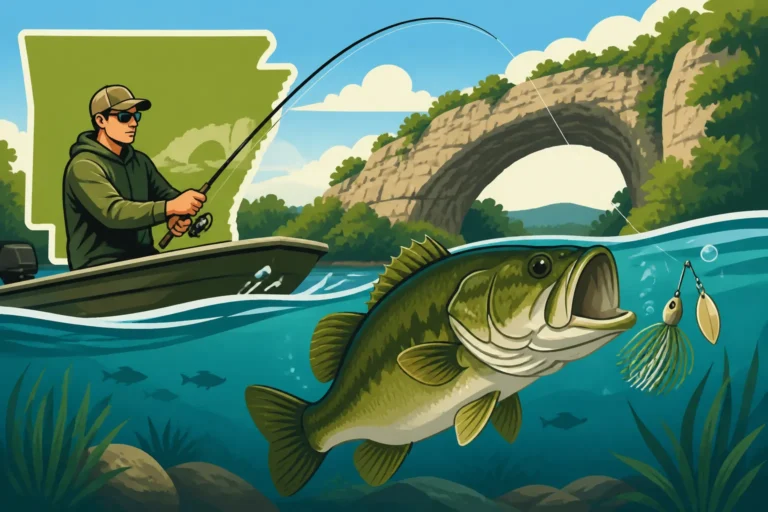
If you've ever stood on the bank of an Arkansas lake, staring at a patch of thick lily pads or submerged timber, feeling totally stumped on how to get your lure into that fishy-looking cover without instantly snagging, you're not alone. It's a common frustration for many anglers, especially when those big bass seem to be hiding in the densest spots. This guide is here to demystify one of the most effective and popular bass fishing techniques around: how to properly rig and effectively fish a Texas Rig for bass in Arkansas's diverse waters, turning those frustrating snags into exciting hooksets.
Understanding the Arkansas Bass and Why the Texas Rig Shines
Arkansas is a true angler's paradise, boasting a fantastic array of lakes and rivers, each with its own unique challenges and rewards. From the clear, rocky waters of the Ozarks to the murky, timber-laden reservoirs of the Delta, understanding the local bass and their habitats is key to success. The Texas Rig is often the answer to unlocking these varied environments.
What Makes Arkansas Bass Unique for Rigging?
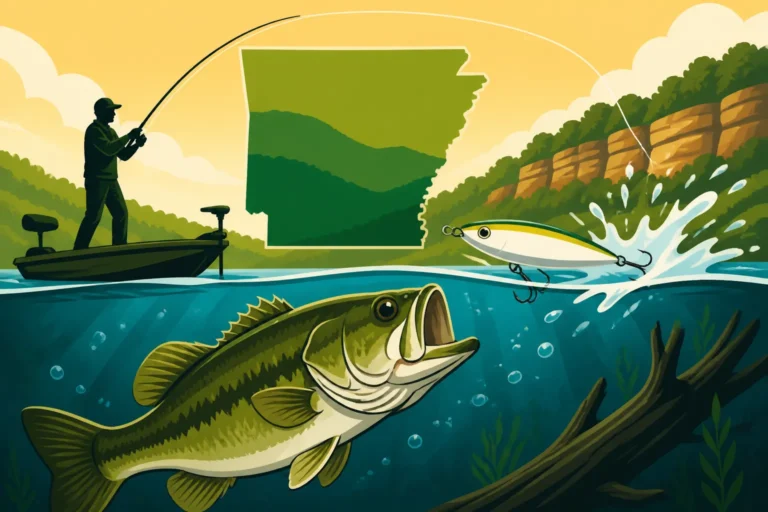
Our beautiful state is home to a robust population of bass, primarily largemouth, smallmouth, and Kentucky (spotted) bass. While the Texas Rig is a phenomenal choice for targeting all three, it truly shines when you're after those big, cover-loving largemouths. Arkansas's aquatic landscapes are incredibly varied, ranging from the deep, clear impoundments like Beaver Lake and Bull Shoals Lake with their rocky points and bluffs, to the shallow, timber-choked havens of Lake Conway and Lake Ouachita. Then you have the slow-moving, often turbid waters of the Arkansas River, which present their own set of challenges.
Each of these environments dictates how bass relate to cover, and subsequently, how you need to present your lure. A Texas Rig is your chameleon, adapting to these different scenarios with simple adjustments. Bass in Arkansas are often drawn to structure, whether it's fallen trees, brush piles, submerged stumps, dock pilings, or dense grass beds. These are their ambush points, their safe zones, and their feeding grounds. Being able to present a bait naturally in these areas without constantly getting hung up is paramount, and that's where the Texas Rig truly excels. You might be interested in learning about Largemouth Bass Fishing on Arkansas's White River or perhaps exploring Best Bass Lakes in Arkansas to find more spots to try this rig.
Why the Texas Rig is a Go-To for Arkansas Anglers
The sheer versatility and weedless nature of the Texas Rig make it an absolute staple in any Arkansas bass angler's tackle box. Imagine pitching a perfectly presented soft plastic right into the heart of a submerged cedar tree on Lake Ouachita or dragging it through the matted hydrilla of a backwater slough on the Arkansas River – all without snagging. That's the power of this rig.
Its design allows the hook point to be embedded within the soft plastic bait itself, making it virtually impervious to snags from brush, weeds, and rocks. This weedless presentation is not just convenient; it's often the only way to effectively fish the densest cover where the biggest bass prefer to hide. Beyond its snag-proof qualities, the Texas Rig offers incredible versatility in how it's fished. You can slowly drag it along the bottom, hop it over structure, or even punch it through thick vegetation. It's a fantastic choice for both beginners just getting their feet wet and seasoned pros looking to coax a bite from a stubborn fish.
Essential Components for Your Arkansas Texas Rig
Building a successful Texas Rig starts with understanding its individual components and selecting the right ones for the conditions you're facing. It's not just about slapping a worm on a hook; it's about matching the bait, hook, weight, and line to create an irresistible, snag-free presentation that fools those wary Arkansas bass.
The Right Worm: Soft Plastics for Arkansas Bass
The heart of any Texas Rig is the soft plastic bait. The variety available today is staggering, but for Arkansas bass, a few types consistently prove their worth. Straight worms, often called "stick worms" or "Senkos," offer a subtle, enticing fall that bass find hard to resist, especially in clear water or when they're finicky. Creature baits, designed to imitate crawfish or other aquatic critters, are fantastic for bumping along the bottom, mimicking a fleeing meal. Crawfish are a natural prey for bass across Arkansas, making these baits incredibly effective. Curly-tailed worms and ribbon-tailed worms provide more action as they're retrieved, excellent for attracting attention in murky water or when bass are more aggressive.
When it comes to colors, natural hues are often best. Green pumpkin, junebug, and black-and-blue are perennial favorites that work in almost any water condition in Arkansas. Green pumpkin imitates various forage, while junebug (a dark purple with green flakes) is killer in both clear and stained water. Black-and-blue is a fantastic choice for low-light conditions or extremely muddy water. Don't be afraid to experiment! You can find an incredible variety of soft plastic worms, in every color and shape imaginable, on Amazon. Choosing the right plastic can be as important as the presentation itself, linking back to ideas like Best Bait for Largemouth Bass on the White River and Best Bait for Bass by Season.
Hooks, Weights, and Line: Building a Solid Foundation
Once you've picked your plastic, it's time to select the hardware that brings the Texas Rig to life.
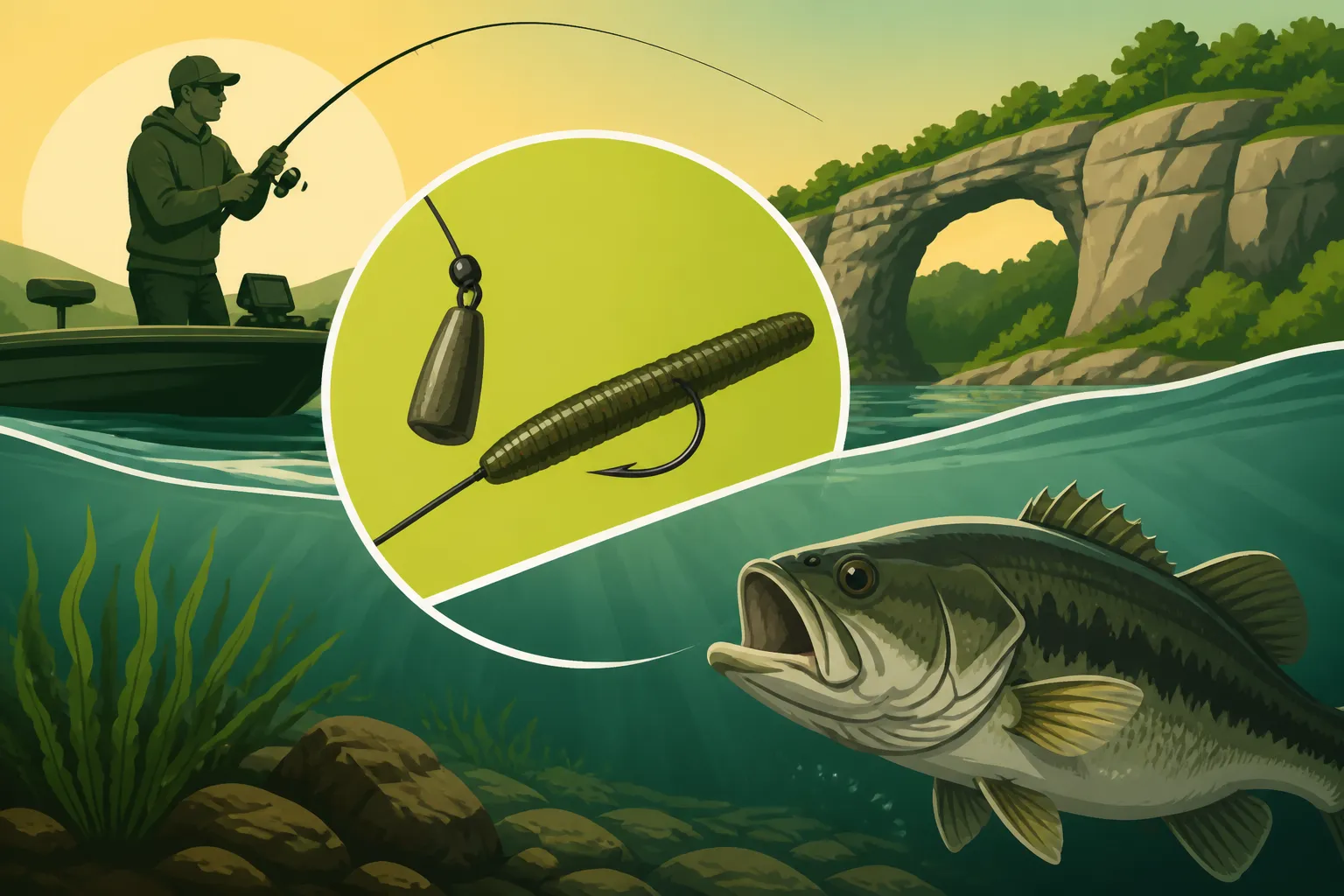
- Hooks: For Texas Rigging, you'll almost exclusively use offset worm hooks, with the most common being an Extra Wide Gap (EWG) hook or a traditional round bend offset. EWG hooks are excellent for bulkier plastics like creature baits or thicker worms, providing plenty of gap for the hook point to penetrate a bass's jaw. Round bend hooks work well for thinner worms. The size of your hook should match the size of your soft plastic – generally, a 3/0 to 5/0 hook covers most popular bass worm sizes.
- Weights: The standard for a Texas Rig is a bullet weight (also known as a slip sinker). Its streamlined shape allows it to slip through cover easily. These weights typically range from 1/8 ounce for finesse presentations in shallow water to 1 ounce or more for punching through heavy mats of vegetation. Lead weights are common, but many anglers prefer tungsten weights (also readily available on Amazon) because they are much denser than lead, allowing for a smaller profile for the same weight, and they transmit bottom contact and bites with incredible sensitivity.
- Line: The type of fishing line you use is crucial. Fluorocarbon line is often the top choice for Texas Rigs due to its low visibility underwater, excellent abrasion resistance (vital when fishing heavy cover), and fantastic sensitivity, which helps you detect subtle bites. For extremely heavy cover or when fishing with heavier gear, some anglers opt for braided line for its extreme strength and zero stretch, often tied to a fluorocarbon leader. Monofilament can work for lighter applications but lacks the sensitivity and abrasion resistance of fluoro. A good general fishing setup applies, as discussed in topics like Best Rod Setup for Crappie Jigging where line choices are also critical.
Here’s a quick overview of these components:
| Component | Purpose | Key Considerations |
|---|---|---|
| Soft Plastic | Entices bass, mimics prey | Size, shape (worm, creature, craw), color, action – match to forage and water conditions |
| Offset Hook | Secures plastic, weedless presentation | Size matches plastic, EWG for bulkier baits, round bend for thinner worms; ensures secure, weedless rigging |
| Bullet Weight | Aids casting, retrieves, contact with bottom | Material (lead/tungsten), weight (1/8 oz to 1 oz+), unpegged/pegged – dictates fall rate and ability to penetrate cover |
| Fishing Line | Connects angler to rig, sensitivity | Fluorocarbon for sensitivity/abrasion resistance/low visibility, Mono for certain applications, Braid for heavy cover/strength |
Step-by-Step: How to Rig a Texas Rig for Arkansas Waters
Once you have all your components, assembling the Texas Rig is straightforward. Getting it right is essential for maximizing its weedless qualities and ensuring a solid hookset when a bass bites. Don't rush this process; a well-rigged plastic will perform better and last longer.
Threading the Worm: The Critical First Steps
This is where the magic of the weedless presentation happens. Follow these steps carefully to ensure your soft plastic is rigged straight and snag-proof:
- Insert the Hook Point: Take your chosen soft plastic worm or creature bait. Insert the very tip of your offset worm hook directly into the nose (the very end) of the plastic bait. Push it in about a quarter to half an inch, depending on the size of your bait and hook.
- Push Through and Slide Up: Gently push the hook point out of the side of the plastic. Once the point is out, slide the plastic up the shank of the hook until it's snug against the eye of the hook and the first bend. The plastic should sit straight on the hook eye.
- Orient the Hook: Now, rotate the hook 180 degrees so that the hook point is facing back towards the body of the plastic, ready to be re-inserted. This is crucial for maintaining the weedless profile.
- Measure and Re-Insert: Lay the hook shank flush against the body of the soft plastic. Visually determine where the hook point would naturally lie if it were re-inserted straight down into the plastic. This ensures the plastic will hang straight and flat.
- Achieve Weedless Perfection: Push the hook point back into the body of the plastic at the point you just determined. Make sure the point comes out the other side, but then gently pull it back in just enough so that the very tip of the hook is barely embedded or completely hidden within the plastic. The goal is for the plastic to hang perfectly straight on the hook, with no exposed metal. This makes it truly weedless and less likely to spin unnaturally in the water. This meticulous attention to detail is what allows you to confidently cast into the thickest cover found in Arkansas's timber-filled lakes.
Adding the Weight and Tie-On
With your soft plastic perfectly rigged, the final steps involve adding your weight and securely tying your line to the hook.
- Thread the Bullet Weight: Take your chosen bullet weight (lead or tungsten) and thread your main fishing line through it, making sure the narrow, pointed end of the weight is facing towards your rod tip. The wider, blunt end should face the soft plastic. This allows the weight to slip freely along the line, giving the bait a more natural action on the fall.
- Optional Glass Bead: Many experienced anglers will add a small glass or plastic bead between the bullet weight and the knot that attaches to the hook. This bead serves a couple of purposes: it protects your knot from the weight constantly banging against it, and it creates an enticing "clacking" sound when the weight slides against it, mimicking crawfish or other critters foraging on the bottom. You can find various sizes of these beads on Amazon.
- Tie the Hook: Now, tie your hook onto the end of your fishing line. Use a strong, reliable knot that you trust. The Palomar knot and the improved clinch knot are excellent choices for their strength and ease of tying. Since you'll often be fighting bass out of heavy cover, a strong knot is non-negotiable. If you lose a fish, you want it to be due to an unexpected fight, not a failed knot!
Fishing the Texas Rig: Techniques for Arkansas Bass
Rigging is one thing, but fishing the Texas Rig effectively is an art form that comes with practice. The key is to understand how bass react to this presentation and how to work it through the diverse underwater landscapes of Arkansas.
Casting and Retrieval: Getting Your Rig in the Zone
Accuracy is paramount when fishing a Texas Rig. You're trying to put that bait precisely where the bass live – in dense cover.
- Targeting Cover: Look for submerged timber, brush piles, rock formations, creek channels, and the edges of weed beds. In Arkansas, these can be found in places like the numerous coves of Lake Ouachita or the brushy banks of Lake Conway. Pitching and flipping techniques, where you gently lob the bait short distances with precision, are often more effective than long, sweeping casts. This allows for a quieter entry into the water, preventing spooking nearby bass. You'll want to focus on How to Fish Deep Structure for Bass if you're targeting deeper holding fish, or Best Fishing Spots in Arkansas for general target areas.
- Soft Entry: Try to make your rig enter the water with as little splash as possible. A gentle "plop" rather than a loud "smack" will spook fewer fish, especially in clear water.
- Feel the Bite: This is critical. Many Texas Rig bites are not aggressive tugs. It might feel like a subtle "thump," a sudden heaviness, or even just your line going slack as a bass picks up the bait and swims towards you. Maintain a loose grip on your rod and keep a watchful eye on your line for any unnatural movement or twitch.
- Drag and Drop: Once your rig hits the water, let it sink on a semi-slack line. Watch the line for any pauses or twitches that indicate a bite on the fall. Once it reaches the bottom, simply drag it slowly with your rod tip, feeling for structure. Pause, then drag again. This methodical approach allows the worm to crawl over and through cover, mimicking a foraging crawfish or worm.
Working the Rig: Presentations That Catch Fish
The versatility of the Texas Rig allows for several different retrieve styles, each effective in different situations:
- Slow Drag: This is the most common and often most effective presentation. Cast your rig, let it sink, and then slowly drag it along the bottom using your rod tip (from 9 o'clock to 11 o'clock). Reel in the slack, then repeat. This method is fantastic for targeting bottom-dwelling bass that are less active or in colder water. You'll feel every rock, stick, and texture change on the bottom, which is crucial for identifying potential fish-holding structure.
- Hop and Pop: A more aggressive presentation. After your rig hits the bottom, give your rod tip a sharp, short upward twitch or "hop." This makes your plastic bait jump off the bottom, then fall back down. Bass often strike on the fall. This is great for triggering reaction strikes from more active fish or covering ground a bit quicker.
- Swim and Shake: This technique is useful in areas with sparser cover or when bass are suspended. Cast out, let the rig sink to your desired depth, then slowly retrieve it while occasionally shaking your rod tip. This gives the worm a subtle, swimming action that can entice bass that aren't glued to the bottom.
- Punching Mats: In some Arkansas lakes, especially during warmer months, you'll encounter dense mats of hydrilla or lily pads. To fish these, use a heavier bullet weight (3/4 oz to 1.5 oz) and peg your weight snug against the hook eye with a bobber stopper. This creates a compact, heavy package that can "punch" through the vegetation, dropping right into the dark, cool water where big bass hide. This technique is often used during Summer Bass Fishing Patterns when bass seek deep cover. For more basic techniques, consider Bass Fishing Techniques for Beginners.
The Hookset: Power and Precision
Getting a bite on a Texas Rig is only half the battle; the hookset is critical due to the hook point being buried in the plastic.
- The Reaction: When you feel that distinctive thump or notice your line moving off, don't set the hook immediately. Instead, drop your rod tip slightly towards the water, quickly reel down to take up any slack in your line until you feel the weight of the fish, then deliver a strong, sweeping hookset upwards and slightly to the side. The goal is to drive the hook point cleanly through the plastic and into the bass's tough, bony jaw.
- Why a Hard Hookset: Unlike open-hook presentations, the Texas Rig requires more force to ensure penetration. The hook has to first clear the plastic and then find purchase in the fish. A wimpy hookset often results in a missed fish or a poor hook placement that leads to the fish throwing the hook during the fight.
- Fighting the Fish: Once hooked, keep constant pressure on the fish. In heavy cover, try to steer the bass away from logs, brush, or submerged trees where it can wrap your line and break off. A strong rod and appropriate line, like fluorocarbon, will be your best friends here.
Advanced Tips and Troubleshooting for Arkansas Anglers
Even with the right gear and basic techniques, bass fishing with a Texas Rig requires constant adaptation. Arkansas's dynamic fishing conditions mean you'll need to make adjustments on the fly to stay successful.
Reading the Water and Adjusting Your Rig
The most successful anglers are those who can "read" the water and adjust their approach accordingly. The Texas Rig is highly adaptable.
- Water Clarity: In gin-clear Ozark lakes, opt for more natural colors (green pumpkin, watermelon seed) and smaller, more subtle baits. In stained or murky waters, like parts of the Arkansas River, brighter colors (chartreuse, blue fleck) or darker, more silhouetted baits (black-and-blue, junebug) can be more effective. The goal is for the bass to either see a natural presentation or get a clear visual of a potential meal in low visibility.
- Cover Density: This directly impacts your weight choice. For sparse cover or open areas, a lighter 1/8 to 1/4 ounce weight allows for a slower, more natural fall. When you're dealing with thick brush, submerged trees, or matted vegetation, you'll need to go heavier (1/2 ounce up to 1 ounce or more) to penetrate the cover. This is also when you'll definitely want to peg your weight to prevent it from separating from the plastic and getting snagged.
- Fish Mood: Bass aren't always aggressive. On tough days, a super slow, almost stagnant retrieve with long pauses might be necessary to coax a bite. When they're aggressive, a faster "hop and pop" or even a quicker retrieve that looks like a fleeing crawfish can trigger reaction strikes. Observing how the fish are reacting (or not reacting) to your bait is crucial.
- Time of Year: Bass patterns shift dramatically with the seasons in Arkansas. During Pre-Spawn Bass Fishing Patterns in early spring, bass might be staging in slightly deeper water near spawning flats, where a slow-dragged Texas Rig can be incredibly effective. In the heat of summer, they'll often retreat to deep cover or shade, requiring you to pitch and flip into dense vegetation or submerged structure. During the fall, they'll be actively feeding, making a more aggressive retrieve a good option. Your understanding of Best Time of Year to Fish in Arkansas and Weather and Water Temperature Fishing Tips will make all the difference.
Common Mistakes and How to Avoid Them
Even experienced anglers can fall into these traps. Being aware of them can save you a lot of frustration.
- Poor Hookset: This is probably the number one mistake. Forgetting to reel down, not setting hard enough, or setting into slack line all lead to missed fish. Always drop your rod tip, reel tight, and then deliver a powerful sweep. Practice your hookset at home by impaling an old soft plastic on a piece of cardboard or wood.
- Wrong Weight for the Conditions: Using too light a weight for heavy cover means you'll constantly get snagged or simply won't get your bait into the strike zone. Using too heavy a weight in open, sparse cover can make your bait fall too unnaturally fast, often spooking fish. Match your weight to the depth, cover density, and desired fall rate.
- Improper Rigging: A worm that isn't rigged perfectly straight will spin in the water, looking unnatural, and get fewer bites. A hook point that's too exposed will constantly snag. A hook that's buried too deep will be harder to penetrate the fish's mouth. Take your time during the rigging process. If your plastic gets torn up, re-rig it with a fresh one. Having a supply of sharp hooks and fresh plastics, easily ordered from Amazon, is always a good idea.
- Lack of Patience: The Texas Rig is often a slow, methodical presentation, especially when targeting finicky bass in heavy cover. Don't rush your retrieve. Take your time, feel the bottom, and let the bait sit in potential strike zones for a few extra seconds. Sometimes, that prolonged presence is all it takes to trigger a bite. And remember, knowing the Arkansas Fishing Regulations Guide is always part of good preparedness, much like checking your gear and avoiding issues like What Happens If Your Fishing License Expires Mid-Trip?.
The Texas Rig is a foundational technique for a reason – it works. By understanding its components, mastering the rigging process, and practicing its versatile presentations, you'll be well on your way to confidently tackling Arkansas's varied bass fisheries and landing more of those elusive, cover-hugging bass. Get out there, experiment, and enjoy the challenge!
Disclaimer
This article is for general informational purposes only and does not constitute professional advice. Laws, prices and regulations vary by location and change over time. Consult a qualified professional for guidance on your specific situation.