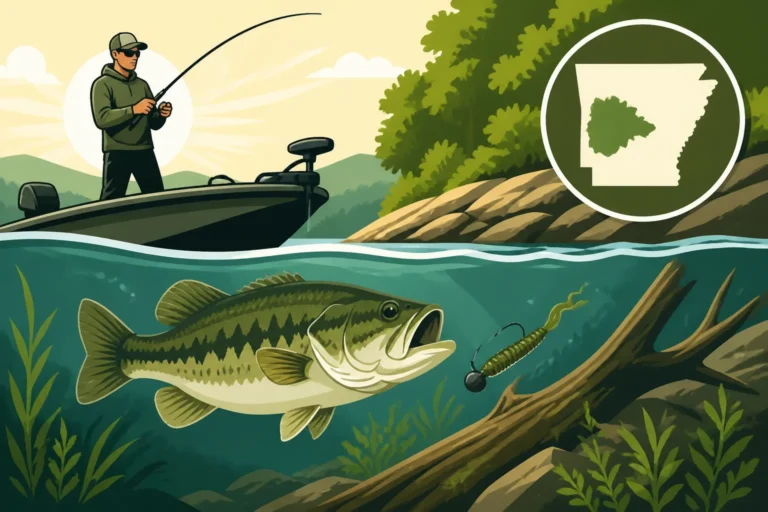
Best Time to Fish Lake Hamilton Arkansas for Bass
If you've ever stood on the shores of Lake Hamilton, gear in hand, wondering when exactly you should cast your line to land those elusive bass, you're not alone. It's a common frustration for anglers, both seasoned and new, trying to crack the code of a specific fishery. This comprehensive guide is here to demystify bass fishing on Lake Hamilton, helping you pinpoint the absolute best times to hit the water for a successful and memorable outing.
Understanding Lake Hamilton's Bass Fishery
Lake Hamilton, nestled right in Hot Springs, Arkansas, isn't just a picturesque body of water; it's a dynamic fishery with a healthy population of various bass species. To consistently catch them, you first need to understand what makes this lake tick and how its unique environment influences the bass.
Key Bass Species and Habitat in Lake Hamilton
Lake Hamilton is predominantly known for its largemouth bass, which are often the primary target for many anglers. These green giants thrive in the lake's diverse cover. However, you'll also find a good number of spotted bass, often called Kentucky bass, especially in the deeper, clearer sections and around rocky points. While less common, some smallmouth bass can occasionally be found in the cooler, rockier areas, though they're not typically the main draw. This rich diversity means you might hook into a different species on any given cast, adding an exciting element of surprise to your day. You can learn more about the variety of fish swimming in these waters by exploring our guide on Arkansas Fish Species: A Complete Guide to What's Swimming in Your Waters.
The habitat here is incredibly varied, offering bass plenty of places to hide, hunt, and spawn. Being an urban lake, Lake Hamilton is lined with an abundance of docks, boat houses, and seawalls, all of which provide crucial shade and ambush points. Beyond the man-made structures, you'll find natural cover like submerged brush piles, standing timber, rock formations, and even some scattered patches of aquatic vegetation, especially in the shallower coves. These different types of cover appeal to bass at various times of the year and under different conditions, so understanding where to look for each species at specific times is key to your success.
Seasonal Changes and Their Impact on Bass Behavior
Bass, like most freshwater fish, are highly influenced by the changing seasons, primarily due to fluctuations in water temperature and daylight hours. These changes dictate everything from their metabolism and feeding habits to their spawning patterns. During colder months, bass tend to be lethargic, conserving energy and often schooling up in deeper, more stable water. As the water warms in spring, their metabolism kicks into high gear, and they move shallower to feed aggressively and eventually reproduce.
Understanding these seasonal shifts is paramount. It’s not enough to just show up and cast; you need to anticipate where the bass will be and what they'll be doing. For instance, a lure that's irresistible in the spring spawn might get completely ignored in the dog days of summer. Paying attention to these natural rhythms, often by keeping an eye on water temperature and local fishing reports, will dramatically increase your chances of finding and catching bass throughout the year on Lake Hamilton.
Spring: The Prime Time for Bass on Lake Hamilton
If there's one season that stands out for bass fishing on Lake Hamilton, it's undoubtedly spring. This is when the entire lake comes alive, and bass become incredibly active, making them more accessible and eager to bite. The progression from pre-spawn to post-spawn offers a variety of exciting fishing opportunities.
Pre-Spawn Aggression and Shallow Water Action
As late winter gives way to early spring, typically from late February through March when water temperatures hover between 48°F and 55°F, bass start to shake off their winter dormancy. This is the pre-spawn period, characterized by bass moving from their deep winter haunts toward shallower staging areas. They're driven by an instinct to feed heavily, packing on energy reserves for the upcoming spawn. This aggressive feeding makes them particularly susceptible to a variety of lures.
During this time, you'll want to focus on areas that offer a transition from deep to shallow water, such as main lake points, channel swings, and secondary points inside major coves. Look for submerged humps, rock piles, or isolated brush. Bass will often stage just off these structures before committing to the very shallow spawning flats. Lipless crankbaits, jerkbaits, and medium-diving crankbaits in shad or crawfish patterns can be incredibly effective, triggering powerful reaction strikes from these hungry fish. For more detailed strategies on this period, check out our guide on Pre-Spawn Bass Fishing Patterns.
The Thrill of the Spawn
Mid-spring, usually from late March through April, is when the magic truly happens. As water temperatures consistently rise into the 55°F to 68°F range, bass move onto the shallow flats, protected coves, and sandy or gravelly banks to build their nests and spawn. This is arguably the most exciting time for many anglers, as bass become visible and highly territorial. It's an incredible experience to sight fish for a big largemouth guarding its bed.
When bass are on their beds, they are less focused on feeding and more on defending their territory. Soft plastics, particularly creature baits, tubes, or senkos in natural colors, pitched accurately to the bed, can provoke a strike. The key is to irritate the bass into biting, rather than relying on a hunger strike. You'll often have to be patient, making multiple casts to the same fish. Remember to practice ethical angling during the spawn; once you catch a bedding fish, release it quickly back to its bed so it can continue guarding its eggs. Our comprehensive Arkansas Bass Spawn Fishing Guide offers even more insights into this critical time.
Post-Spawn Recovery and Secondary Bites
As the spawn winds down in late April and May, with water temperatures typically rising from 68°F to 75°F, bass enter the post-spawn phase. This can be a tricky period, as female bass are exhausted and need time to recover. They often move to nearby deeper cover, like brush piles, submerged timber, or the shade of docks, to rest and recuperate. Males, however, might stay shallow a bit longer, guarding fry.
While the initial post-spawn can be slow, a secondary feeding frenzy often kicks in as bass regain their energy. They start to become more aggressive again, targeting baitfish that are also moving into shallower areas. This is a fantastic time for topwater lures like poppers, walking baits, and buzzbaits, especially during low light conditions in the early morning or late evening. Swimbaits, spinnerbaits, and Texas-rigged worms worked around structure can also produce excellent results. For strategies tailored to this period, our Post-Spawn Bass Fishing Patterns article is a valuable resource.
Summer: Deep Water and Early Morning Strategies
When the heat of summer settles over Lake Hamilton, usually from June through August, bass fishing requires a shift in strategy. The once-bustling shallow waters can become quiet as bass seek refuge from the intense sun and rising water temperatures.
Beating the Summer Heat
With surface water temperatures often soaring above 75°F, bass in Lake Hamilton will generally move deeper, seeking cooler, more stable water and the oxygen-rich thermocline. They'll gravitate towards offshore humps, ledges, deep points, and submerged timber. Fishing becomes more of a game of patience and precision, focusing on vertical presentations and slower retrieves. This doesn't mean the fishing stops, but you'll need to work harder to find them.
The best times to fish during summer are typically early morning, late evening, or even at night when the surface temperatures drop, and bass become more active. Deep-diving crankbaits are excellent for covering water and finding schools of fish on ledges. Drop-shot rigs, shaky heads, and Carolina rigs with finesse worms or creature baits are highly effective for targeting individual fish found on sonar. You might even want to explore Night Fishing Spots on Lake Hamilton for a completely different summer bass experience.
Targeting Structure and Docks
Lake Hamilton's extensive network of docks, marinas, and boat houses becomes particularly critical during the summer months. These man-made structures provide abundant shade and overhead cover, creating cooler microhabitats where bass can escape the scorching sun. Bass will often suspend directly under these docks or hold tight to the pilings, waiting to ambush unsuspecting prey.
Flipping and pitching jigs, Texas-rigged plastics (especially worms or creature baits), and even weightless wacky-rigged senkos into the darkest pockets under docks can be incredibly productive. Skipping baits under low-hanging docks requires some practice but can yield big results. Pay close attention to the docks closest to deeper water or those with adjacent brush piles, as these tend to hold the most consistent populations of bass. You’ll find some great spots around the marinas and bridges near downtown Hot Springs, which are detailed in our guide on Lake Hamilton Fishing Spots Near Downtown Hot Springs. Having a good pair of polarized sunglasses will help you peer into the shadows and identify prime ambush points.
Fall and Winter: Transition and Consistent Bites
Just because summer's heat has passed or winter's chill has set in, doesn't mean the bass fishing on Lake Hamilton grinds to a halt. These seasons offer unique opportunities for anglers willing to adapt their techniques.
Fall Turnover and Feeding Frenzy
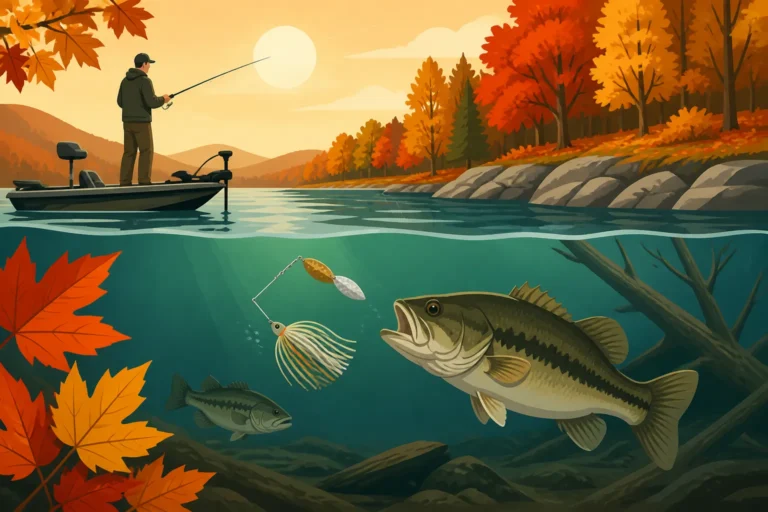
Autumn, spanning from September through November, is a period of transition and often one of the most consistent times for bass fishing on Lake Hamilton. As the water temperatures begin to cool, the lake undergoes a process called "turnover," where the cooler surface water mixes with the deeper, warmer water. This can temporarily scatter fish, but once the lake stabilizes, bass become incredibly active. They're driven by an urgent need to feed aggressively, gorging themselves on baitfish to build up fat reserves for the lean winter months.
During the fall, bass will often chase schools of shad in open water or along main lake points and humps. This is a fantastic time for reaction baits, like crankbaits, spinnerbaits, and chatterbaits, which allow you to cover a lot of water quickly and find active fish. Topwater lures can also still be effective, especially during warmer fall days. Don't overlook creek channels and their entrances, as baitfish move into these areas, and bass follow closely behind. Our Fall Fishing Patterns for Bass and Crappie article delves deeper into seasonal strategies.
Winter Deep-Water Holds
Winter on Lake Hamilton, typically December through February, means colder water temperatures, often dipping below 50°F. While fishing can slow down, it can also be incredibly rewarding for those who know where to look. Bass become more lethargic and tend to school up tightly on deep structure, often in the deepest parts of the lake. They seek out stable temperatures and can be found congregating on submerged roadbeds, bridge pilings, deep humps, and channel bends.
The key to winter bass fishing is a slow, methodical approach. Vertical presentations are often most effective. Jigging spoons, blade baits, and heavy football jigs fished slowly along the bottom can entice strikes from sluggish bass. Drop-shot rigs with small, subtle plastics are also excellent for tempting inactive fish. While the bites may be fewer and far between, the fish you do catch are often healthy, well-fed individuals. Always remember that a precise presentation and patience are your best friends during these colder months. For more insights on how fish behave when the water is cold, check out our guide to Winter Fishing Patterns on Arkansas Reservoirs.
Essential Gear and Local Tips for Lake Hamilton Bass
Having the right equipment and understanding local nuances can significantly elevate your bass fishing experience on Lake Hamilton, turning a good day into a great one.
Must-Have Lures and Baits
For bass fishing on Lake Hamilton, versatility in your tackle box is key. You'll want a selection of lures that can cover different depths and presentations depending on the season and conditions. For spring and fall, a variety of crankbaits, from shallow divers to deep runners, in shad and crawfish patterns, are indispensable. Some popular and effective brands include Strike King, Rapala, and Berkley. You can find a wide variety of these on Amazon, from budget-friendly options to high-end specialist baits, ensuring you're ready for any situation.
Soft plastics are another cornerstone of any bass angler's arsenal, especially for targeting bass around docks and in deeper water. Think Texas-rigged worms and creature baits for flipping and pitching, as well as wacky-rigged senkos for a more subtle presentation. Jigs, in both football and flipping styles, are also incredibly effective year-round, especially around rocky areas or dense cover. Don't forget topwater lures for those exciting early morning and late evening bites, and spinnerbaits or chatterbaits for covering water when bass are active. Having a reliable fishing rod and reel combo, easily sourced on Amazon, is crucial for casting these varied lures effectively.
Electronics and Navigation
Modern marine electronics have become almost essential for consistent bass fishing, particularly on a lake like Hamilton with its abundant structure and varying depths. A good quality depth finder with side imaging or down imaging can literally show you where the fish are holding, reveal hidden brush piles, and help you navigate subtle changes in bottom contour that attract bass. Brands like Humminbird, Garmin, and Lowrance offer excellent units that can drastically improve your efficiency on the water.
Understanding the lake's topography is also vital. Study a good contour map of Lake Hamilton (often available on your fish finder or through apps). Identifying main lake points, creek channels, humps, and submerged roadbeds will guide your fishing efforts. Knowing the location of various Best Fishing Spots on Lake Hamilton will save you valuable time, allowing you to focus on fishing rather than searching. Having GPS on your unit also helps you mark productive spots and return to them later.
Local Insights and Timing Your Trip
While this guide provides a solid framework, local knowledge is invaluable. Don't hesitate to strike up conversations at local tackle shops, such as Trader Bill's Outdoor Sports, which often have employees who are passionate anglers and can provide up-to-the-minute reports on what's biting and where. They can often tell you about specific patterns or techniques that have been working well recently.
Timing your trip can also be influenced by local events. Lake Hamilton is a popular spot for tournaments, especially bass tournaments, which can sometimes concentrate or disperse fish. Checking the local tournament schedule might give you an edge. Also, be mindful of boat traffic, especially on weekends during warmer months. Fishing during weekdays or at dawn/dusk can offer a calmer experience and often more productive fishing. If you're planning on launching your boat, knowing the Boat Ramps on Lake Hamilton Near Hot Springs will help you get on the water smoothly. While this guide focuses on bass, Lake Hamilton is also renowned for other species, so you might even encounter some fantastic Striper Fishing on Lake Hamilton in Hot Springs, Arkansas during your outing!
Seasonal Bass Fishing at Lake Hamilton
Here's a quick overview to help you plan your next bass fishing trip to Lake Hamilton:
| Season | Optimal Water Temp (°F) | Bass Behavior | Key Locations | Recommended Lures/Techniques |
|---|---|---|---|---|
| Spring | 48-75 | Pre-spawn aggression, spawning, post-spawn recovery | Main lake points, secondary coves, spawning flats, docks | Crankbaits, jerkbaits, soft plastics, jigs, topwater |
| Summer | 75+ | Deep water holds, seeking shade and oxygen | Deep humps, ledges, offshore brush, shaded docks | Deep crankbaits, drop-shot, shaky heads, jigs, night fishing |
| Fall | 55-75 | Active feeding, chasing baitfish | Main lake points, creek channels, humps, open water | Crankbaits, spinnerbaits, chatterbaits, topwater |
| Winter | Below 50 | Lethargic, schooling on deep structure | Deep humps, channel bends, bridge pilings, submerged timber | Jigging spoons, blade baits, heavy jigs, drop-shot |
Disclaimer
The information provided in this guide is for general informational purposes only. Fishing conditions, regulations, and fish behavior can change rapidly. Always consult the latest Arkansas Game and Fish Commission regulations before heading out. Safety should always be your top priority when on the water.