Best Time to Fish DeGray Lake Arkansas for Crappie
It’s a common frustration for anglers: you head out to a beautiful lake like DeGray, full of anticipation for a fantastic crappie bite, only to find the fish aren't cooperating. You might wonder if you picked the wrong spot, the wrong lure, or most likely, the wrong time. Understanding the nuances of crappie behavior throughout the year and even day-to-day on DeGray Lake is absolutely essential for consistent success. This guide will peel back the layers, revealing the secrets to knowing exactly when to target DeGray Lake crappie to maximize your chances of a successful outing.
Understanding Crappie Seasons on DeGray Lake
DeGray Lake, with its clear waters and abundant submerged structure, is a fantastic crappie fishery in Arkansas. But like any species, crappie behavior is heavily dictated by the seasons. What works in spring won't necessarily work in winter, and vice versa. Knowing these patterns is your first step to unlocking DeGray's crappie potential.
Spring Spawn: The Golden Window for Crappie
Ah, spring! This is arguably the most anticipated time for crappie anglers, and for good reason. As the water temperatures in DeGray Lake begin to climb into the upper 50s and low 60s Fahrenheit, crappie – both black and white – start to move from their deeper wintering grounds toward the shallows. This migration is driven by the urge to spawn, and it creates a "golden window" where these fish become highly accessible and aggressive.
During the pre-spawn phase, usually from late February into March, crappie will stage in slightly deeper water adjacent to their spawning flats. Think about areas with a channel bend, a submerged creek bed, or brush piles leading into shallow coves. They're bulking up, feeding heavily to prepare for the energy-intensive spawning process. This is when you can often find larger, heavier fish concentrated together.
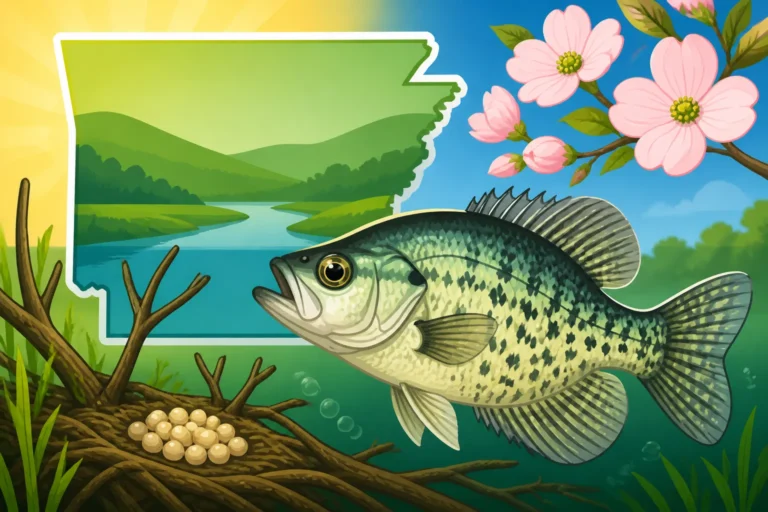
The actual spawn on DeGray typically kicks off when water temperatures consistently hit the mid-60s, usually from late March through April, sometimes stretching into early May depending on the weather. Crappie will move right into extremely shallow water, often less than 5 feet deep, seeking out woody cover like fallen trees, stumps, and even rocky banks to lay their eggs. This makes them relatively easy targets for anglers who know where to look. While the Arkansas Crappie Spring Spawn Pattern is fairly consistent across the state, DeGray's clear water might mean crappie stay slightly deeper or prefer denser cover than in murkier lakes.
After the spawn, as water temperatures continue to rise into the high 60s and 70s, crappie will gradually retreat from the extreme shallows. This post-spawn period can be a bit trickier, as fish disperse and might be recovering from spawning activities. However, they will still be actively feeding, often suspending near deeper cover adjacent to their spawning grounds, or moving out to main lake brush piles. Many anglers report that the early post-spawn can still be very productive, you just need to adjust your depth and presentation.
Summer Patterns: Deep Water Challenges
Summer on DeGray Lake brings warm surface temperatures, making the crappie head for cooler, deeper water. This is when the fishing can become a real challenge for those who aren't prepared to change their tactics. You'll rarely find crappie in the super-shallow cover you targeted in spring; instead, they'll be seeking refuge in the thermocline – the layer where water temperature changes rapidly – or near significant submerged structure in 15-30 feet or more of water.
Look for crappie to congregate around deep brush piles, submerged timber, old roadbeds, creek channels, and even bridge pilings. These deep structures provide both cover and access to cooler, more oxygenated water. A good fish finder is absolutely indispensable during the summer months; you'll be looking for baitfish schools and arcs representing crappie suspended around or within these deeper features.
Night fishing for crappie becomes a popular and highly effective strategy during the peak summer heat. Crappie are attracted to lights, which in turn draw in baitfish. Anglers often deploy submersible lights from their boats or docks, fishing jigs or minnows directly in the illuminated zone. This can provide fantastic action when the daytime bite is sluggish. Remember that knowing what Best Crappie Lakes in Arkansas are can sometimes give you hints on patterns that might translate to DeGray as well.
Techniques like deep jigging, where you vertically present a jig directly to fish spotted on your electronics, or slow trolling with multiple rods (often called spider rigging) using small crankbaits or jigs, are incredibly effective in summer. These methods allow you to cover deeper water and present baits right at the fish's level.
Fall Transition: Finding Aggressive Fish
As autumn approaches and DeGray Lake's water temperatures begin to cool, crappie sense the coming winter and initiate a feeding frenzy to store up energy. This makes the fall transition another fantastic time to target them, often yielding some of the largest crappie of the year. The patterns in fall can be a bit more scattered than spring, but the fish are often more aggressive.
Initially, as surface temps drop into the 70s and 60s, crappie may move shallower again, similar to their spring pre-spawn movements, following schools of baitfish. They'll frequent creek channels, points, and flats that have good cover. The key difference from spring is that they might not go as shallow, often preferring 8-15 feet of water, and they're less focused on specific spawning sites.
Locating baitfish is paramount in the fall. Crappie will be actively chasing shad and other forage, so finding those schools on your electronics is a major clue. Target areas where baitfish are congregating, such as main lake points, channel swings, and areas with submerged timber. If you see birds diving, that's often a good indication of baitfish near the surface, which could in turn attract crappie.
Covering water effectively with trolling setups, casting jigs, or even using a slip bobber over brush piles are all excellent fall tactics. Experiment with different depths and retrieve speeds until you find what triggers a bite. The crappie are usually quite willing to chase, so don't be afraid to try slightly faster presentations than you might in other seasons.
Winter Strategies: Slow and Steady Wins the Race
Winter crappie fishing on DeGray Lake can be incredibly rewarding, but it demands patience and precision. The fish are much more lethargic in the cold water, and they typically congregate in tight schools in deep water. You won't find them scattered; they'll be grouped up, often in very specific spots.
During the coldest months, usually December through February, crappie on DeGray will retreat to their deepest wintering holes. This means looking in 25-50 feet of water, often on the main lake basin, near significant drop-offs, deep creek channels, or around the deepest, most extensive brush piles. These spots offer stable water temperatures and protection from cold fronts.
Your electronics are your best friend during winter. Spend time idling and scanning to locate those tight schools of crappie. Once you find them, precise vertical presentations are key. Techniques like "tightlining" or "vertical jigging" using very small jigs (1/32 to 1/16 ounce) or tiny spoons are highly effective. Live minnows, fished on a small hook with minimal weight, are also deadly.
The retrieve needs to be incredibly slow, sometimes barely perceptible. Think of a subtle twitch or just holding the bait perfectly still at the fish's level. Ultralight tackle with light line (4-6 lb test) is crucial to detect those super-subtle winter bites. Even though crappie are slower, catching a limit of slabs from a deep school on a crisp winter day is one of fishing's most satisfying experiences.
Daily Timing and Environmental Factors for DeGray Crappie
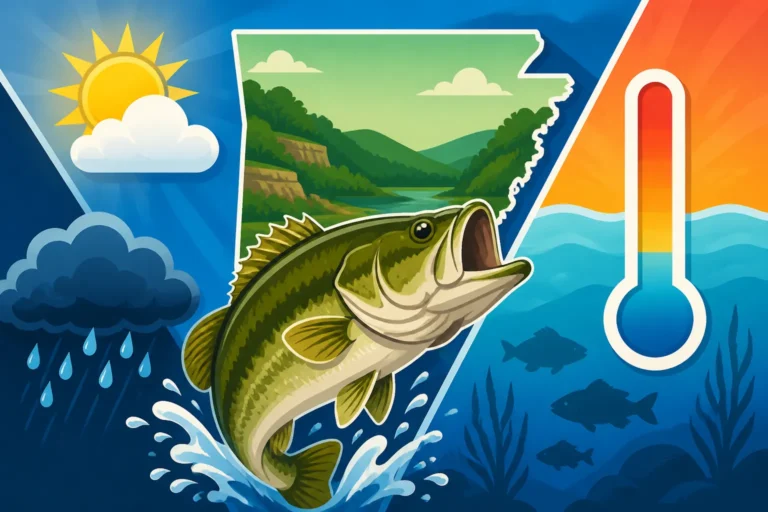
Beyond the seasonal shifts, the daily rhythm and environmental conditions play a massive role in when and how crappie bite on DeGray Lake. These smaller-scale factors can be the difference between a phenomenal day and a total bust, even if you're in the right season.
Best Times of Day to Target Crappie
While crappie can be caught throughout the day, certain times tend to be more productive, often aligning with feeding periods or periods of low light.
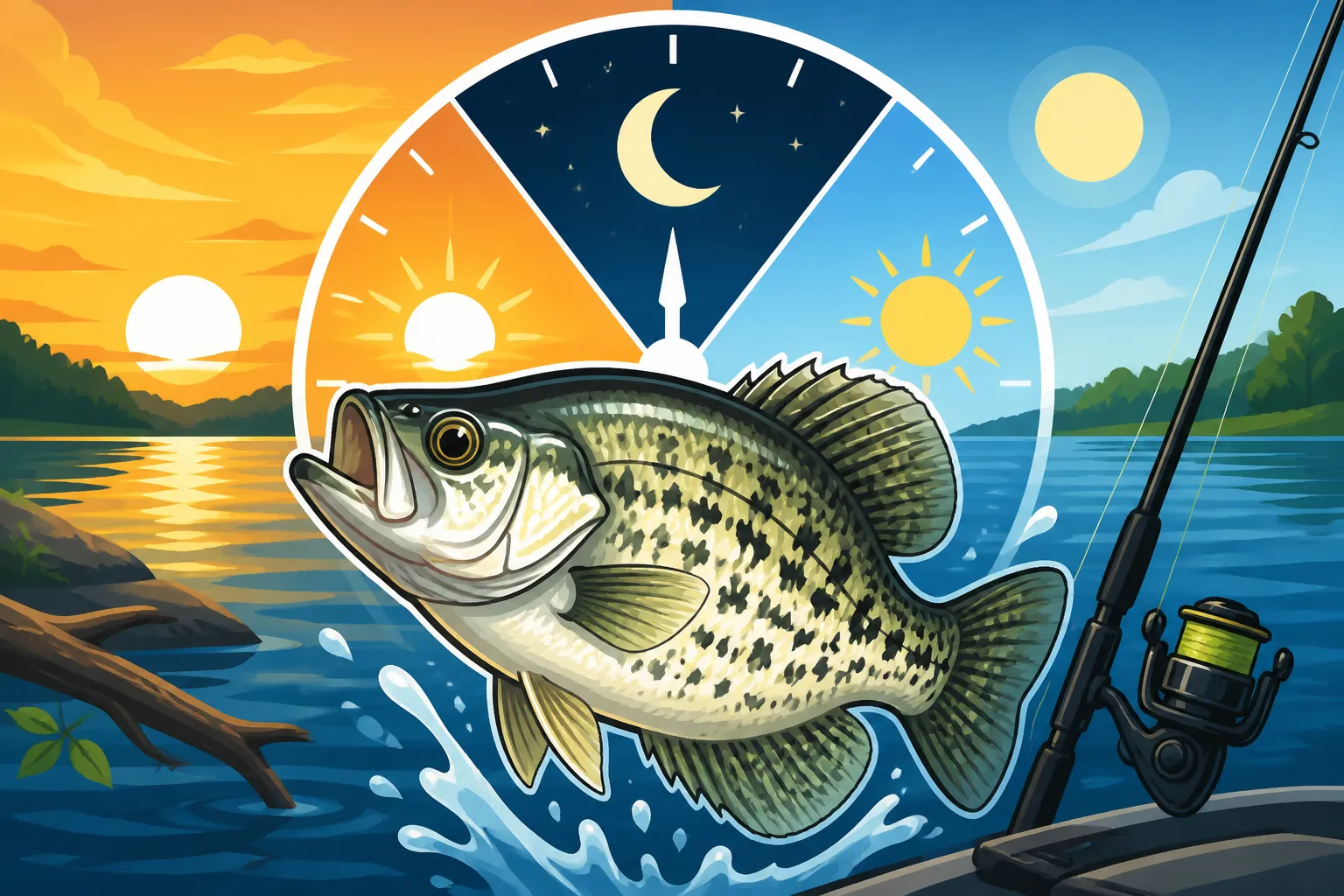
Dawn and Dusk: These are classic prime times for many fish species, and crappie are no exception. The low light conditions at sunrise and sunset often trigger crappie to move and feed more actively, especially in shallower waters during spring and fall. The reduced light also provides a bit of camouflage for them as they ambush baitfish. If you're targeting those transition zones, being on the water as the sun comes up or sets can give you a significant advantage. This is particularly true during warmer months when midday sun drives them deep.
Midday Patterns: Don't write off midday entirely, but your approach will likely need to change. In spring, a cloudy midday can extend the shallow bite. In summer and winter, crappie will usually be deep during midday, often suspending directly over or in dense cover. This is when vertical jigging directly to fish you see on your fish finder becomes most effective. The bite might be slower, but if you've found a concentrated school, you can still pick them off. During peak summer, the midday sun can push crappie to their deepest, darkest hideouts, making a good fish finder indispensable.
Cloud Cover: Overcast days often improve crappie fishing, especially in clearer lakes like DeGray. The diffused light makes crappie feel more secure venturing shallower or suspending higher in the water column. It can extend the morning and evening bites and make midday more productive than on a bright, sunny day. On the flip side, bright, high-sun days usually mean crappie retreat to the densest cover or the deepest parts of the lake.
The Influence of Weather and Water Conditions
Weather isn't just about comfort for anglers; it profoundly affects fish behavior. Understanding these influences is critical for predicting a good crappie bite on DeGray.
Fronts: Cold fronts are notorious for shutting down a crappie bite. The sudden drop in temperature and pressure can make fish lethargic and unwilling to bite for a day or two after the front passes. The "pre-front" bite, however, can be phenomenal. Crappie often feed aggressively just before a major weather change. If you see a cold front approaching, try to hit the water a day or two beforehand. After the front, focus on deeper water, slower presentations, and smaller baits.
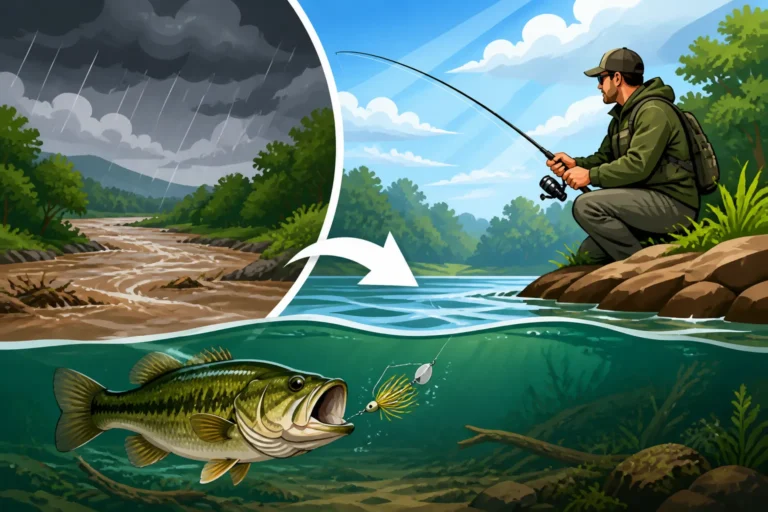
Rain: A gentle, steady rain can sometimes improve fishing conditions, especially in warmer months. The rain can break up the surface, reduce light penetration, and wash nutrients into the lake, stirring up baitfish. However, heavy, torrential rain can muddy up shallow coves and impact clarity, often pushing crappie to clearer, deeper water. DeGray Lake's generally clear nature means sudden murkiness can temporarily disorient fish or change their feeding habits.
Wind: A little wind can actually be your friend when crappie fishing. A light chop on the water surface helps to break up light penetration, making crappie feel more secure in shallower areas. It also helps camouflage your presence, making it harder for wary crappie to see your boat or movements. Furthermore, wind can push baitfish into certain areas, concentrating crappie. However, too much wind makes boat control difficult and can make detecting subtle crappie bites nearly impossible. It's a delicate balance.
Water Clarity: DeGray Lake is known for its relatively clear waters, which means crappie can be a bit more finicky than in turbid lakes. In clear water, line visibility becomes more important, and lighter lines (like 4-6 lb test) are often preferred. Lure colors might also need to be more natural. If the water gets stained due to heavy rains or runoff, brighter, more contrasting colors might become effective. Always carry a variety of jig colors and styles to adapt to changing clarity.
DeGray Lake Specific Considerations
Every lake has its quirks, and DeGray Lake is no different. Knowing these local specifics can give you an edge. For instance, the DeGray Lake Fishing Guide for Bass and Crappie offers great insights into the general fishery.
Hydroelectric Dam Releases: DeGray Lake is formed by a dam on the Caddo River, operated by the U.S. Army Corps of Engineers for flood control, power generation, and recreation. Water releases from the dam can create current, which might concentrate crappie in certain areas downstream or affect water levels upstream. Keeping an eye on the generation schedule (often available online or through local bait shops) can inform your fishing strategy, particularly if you're fishing near the dam or in areas affected by fluctuating water.
Submerged Timber and Brush Piles: DeGray Lake is absolutely loaded with submerged timber and strategically placed brush piles, both natural and man-made. These are crappie magnets throughout the year. Many anglers, including the Arkansas Game and Fish Commission, maintain these brush piles. Learning the locations of these fish attractors, either through a good map, a reliable fish finder, or local knowledge, is paramount for consistent crappie catches. These can be veritable crappie condos!
Forage Base: DeGray Lake's primary forage for crappie includes threadfin and gizzard shad, along with various minnows and insect larvae. Crappie will follow these baitfish, so understanding their movements is key. For example, during colder months, shad often school up in large balls in deeper water, and crappie will be right there with them. Observing surface activity for schooling baitfish can lead you to actively feeding crappie.
Essential Techniques and Gear for DeGray Crappie
Even if you know when and where the crappie are on DeGray Lake, you still need the right tools and techniques to catch them. Having a diverse arsenal allows you to adapt to the fish's mood and the specific conditions you encounter.
Top Crappie Fishing Techniques for DeGray
Crappie fishing isn't a one-size-fits-all endeavor. The most successful anglers on DeGray often employ a variety of techniques depending on the season, depth, and fish activity.
Jigging: This is arguably the most popular and versatile method for crappie.
- Single Pole Jigging: This technique is fantastic for targeting individual crappie or small schools you've pinpointed on your electronics, especially when they're holding tight to structure like brush piles. You simply drop a jig or a live minnow directly to the fish, using subtle twitches and pauses to entice a bite. This is excellent for winter and deep summer crappie.
- Spider Rigging: For covering more water and presenting multiple baits, spider rigging (also known as slow trolling with multiple rods) is incredibly effective, particularly in summer and fall. Anglers deploy several long rods from the front of the boat, presenting jigs or minnows at various depths and distances behind the boat. This method allows you to systematically search creek channels, ledges, and flats for active crappie.
Trolling: Beyond spider rigging, conventional trolling with small crankbaits or jigs can be very productive, especially when crappie are scattered or suspended over open water. This is a great way to locate active fish in fall and summer. Experiment with different speeds and lure depths until you find a pattern. You can find some excellent crappie trolling lures on Amazon that are perfect for DeGray's waters.
Live Bait: There's no denying the effectiveness of live minnows for crappie.
- Under a Bobber: In shallow water during the spawn or when crappie are suspended just below the surface, a simple slip bobber rig with a minnow can be deadly. It allows the minnow to swim naturally at a set depth. Learning How to Slip Bobber Fish for Crappie effectively can really boost your success.
- Tightlining: For deeper presentations without a bobber, tightlining a minnow (or a jig) involves using just enough weight to get your bait down to the desired depth, keeping your line relatively taut to feel bites. This is a common and effective method for deep crappie in winter and summer.
Importance of Electronics: On a lake like DeGray, particularly with its clear water and deep structure, modern fish finders are practically a necessity. Units with side imaging and down imaging allow you to scout large areas, identify brush piles, channel bends, and most importantly, mark schools of crappie and baitfish. Without good electronics, you're truly just guessing where the fish are hiding, especially when you need to How to Find Crappie in Deep Water.
Recommended Tackle and Baits
Having the right gear makes a huge difference in your crappie fishing success. Light tackle is generally preferred for these light-biting fish.
Rod and Reel Setups:
- Rods: Look for light to ultralight action spinning rods, typically 5 to 7 feet long. These rods offer the sensitivity needed to detect subtle crappie bites and the backbone to handle decent-sized slabs. Many anglers prefer longer rods (up to 12-16 feet) for spider rigging to spread out lines.
- Reels: Small, lightweight spinning reels (500 to 1000 series) are perfect, balancing well with ultralight rods and providing smooth drag when a good crappie makes a run.
Line Choices:
- Monofilament: A classic choice, 4 to 6 lb test monofilament offers good knot strength and stretch, which can be forgiving when fighting crappie with their soft mouths.
- Fluorocarbon: Less visible in clear water and more sensitive due to less stretch, 4 to 6 lb fluorocarbon is an excellent choice, especially for jigging.
- Braided Line: While very sensitive, braid's visibility can be a deterrent in clear DeGray water. Many anglers will use 6-10 lb braided main line with a 2-4 foot fluorocarbon leader (4-6 lb test) to combine sensitivity with stealth.
Jig Heads and Soft Plastics:
- Jig Heads: 1/32, 1/16, and 1/8 ounce jig heads are the most common sizes for crappie. Match the weight to the depth you're fishing and the current.
- Soft Plastics: These come in an endless array of shapes and colors. Popular options for crappie include small tube jigs, grub tails, paddle tails, and minnow imitations. Colors like chartreuse, pink, white, black/chartreuse, and various shad patterns are consistently effective on DeGray. Stock up on a variety, some available easily through Amazon, to see what the fish prefer on any given day. If you're wondering How to Rig a Jig for Crappie Fishing, there are many great resources to show you the ropes.
Minnows: Live minnows (usually golden shiners or fatheads) are a staple. Use small, sharp hooks (size 4 or 6 light wire hooks are perfect) to keep the minnow lively and ensure good hooksets. Always keep your minnows fresh in a good aerated bait bucket.
Lure Colors: In DeGray's clearer water, natural colors (like pearl white, shad, grey) often perform well, especially on sunny days. However, don't shy away from brighter colors (chartreuse, pink, orange) on cloudy days, in stained water, or during the spawn when crappie can be more aggressive.
DeGray Lake Crappie Fishing by Season
To give you a quick overview, here's a handy table summarizing the best times and general strategies for crappie fishing on DeGray Lake.
| Season | Typical Water Temp Range | Best Time of Day | Primary Location | Recommended Techniques | Key Bait/Lure Colors |
|---|---|---|---|---|---|
| Spring | 58-68°F | Dawn/Dusk, Overcast Midday | Shallow Coves, Woody Cover, Points (2-10 ft) | Single Pole Jigging, Slip Bobber with Minnows/Jigs | Chartreuse, Pink, White, Shad |
| Summer | 75-85°F | Night, Early Morning/Late Evening | Deep Brush Piles, Ledges, Creek Channels (15-35+ ft) | Vertical Jigging, Deep Trolling (Spider Rigging), Night Fishing with Lights | Natural Shad, Pearl, Black/Chartreuse |
| Fall | 60-70°F | All Day (esp. Overcast) | Main Lake Points, Channel Swings, Baitfish Concentrations (8-20 ft) | Trolling (Crankbaits/Jigs), Casting Jigs, Live Minnows | Shad, White, Chartreuse, Orange |
| Winter | 45-55°F | Midday (Stable Weather) | Deep Basins, Major Creek Channels, Deep Brush Piles (25-50+ ft) | Vertical Jigging (slow), Tightlining Minnows, Small Spoons | White, Black, Natural Minnow, Blue/Silver |
Remember that these are general guidelines, and crappie fishing often requires daily adjustments. Pay close attention to water temperature, recent weather, and what your fish finder is telling you. A little patience and willingness to adapt your strategy will go a long way towards a successful crappie trip on DeGray Lake. And always check the current Crappie Size and Daily Limit in Arkansas regulations before heading out; currently, Crappie Must Be 9 Inches or Longer to Keep in Arkansas statewide, with a daily limit of 20 fish in most waters, including DeGray Lake.
Disclaimer
Fishing conditions and regulations can change. Always consult the latest Arkansas Game and Fish Commission guidebooks and local advisories before heading out on the water. This information is for educational purposes and general guidance only.