Best Season to Catch Big Striped Bass at Norfork Lake Arkansas
Trying to land that monster striped bass at Norfork Lake can feel like a lifelong quest, especially when you're not sure when to even start looking for them. It's frustrating to put in hours on the water only to find the smaller ones or come up empty-handed, or worse, not find any at all. This guide is all about honing in on the absolute best seasons to target those massive, tackle-busting stripers that Norfork is famous for, and giving you the insights to make your next trip a truly memorable success.
The Prime Window for Norfork Lake's Trophy Stripers
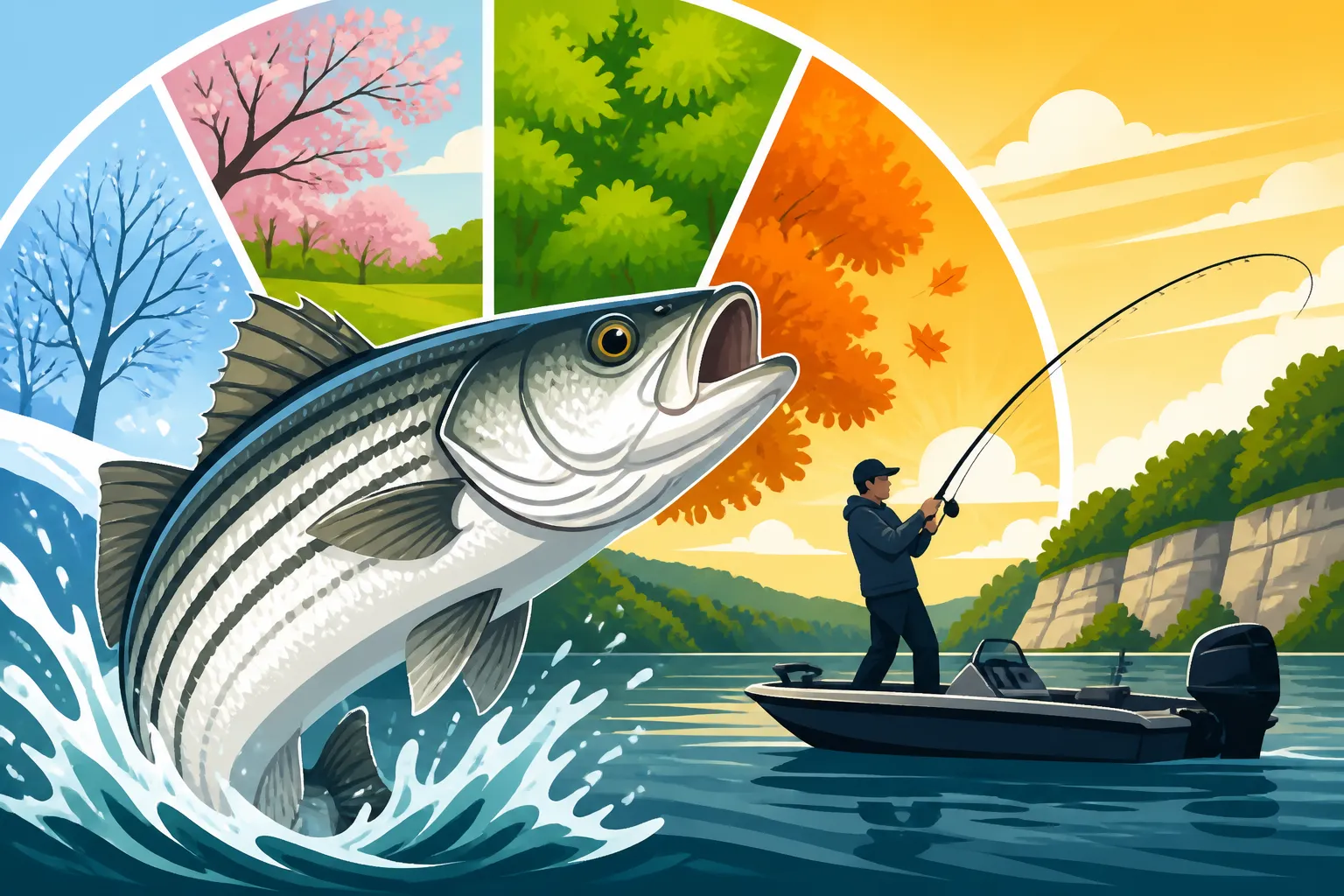
For any angler dreaming of landing a truly colossal striped bass in Norfork Lake, the secret really lies in timing: late fall, winter, and early spring are undeniably your best bets. While stripers are present year-round, these cooler seasons bring about a specific set of conditions that favor the pursuit of trophy-sized fish. It's not just about the water temperature; it’s a whole ecosystem shift that dictates when and where these powerful fish will be most active and accessible to anglers.
During the scorching heat of Arkansas summers, the big stripers in Norfork Lake tend to retreat to the deepest, coolest pockets of water, often suspending in the thermocline where oxygen levels are sufficient. This makes them incredibly challenging to locate and entice, often requiring very specific deep-water Summer Striper Fishing at Norfork Lake Arkansas techniques. They might still bite, but catching the true giants becomes a game of extreme patience and precision. However, as autumn progresses and the water begins to cool, everything changes, setting the stage for some incredible fishing.
Why Cooler Water is Key for Giants
As the surface water cools down in the fall, typically starting around October and deepening into November, Norfork Lake begins to undergo a process known as turnover. This mixing of the water column distributes oxygen and temperature more evenly throughout the lake. For big striped bass, this means they no longer need to restrict themselves to specific deep, cool havens. They can range more freely throughout the water column, often moving into shallower areas to feed more aggressively.
This increased comfort zone and expanded feeding territory are critical for targeting trophy stripers. With more consistent water temperatures, their metabolism remains high, and they become far more active hunters. They'll follow large schools of baitfish, often shad or herring, into coves and across flats, making them more predictable and easier to intercept with a variety of fishing methods. It’s during these periods that you stand your best chance at connecting with a truly giant fish, rather than just the average-sized ones.
Seasonal Breakdown for Big Striper Opportunities
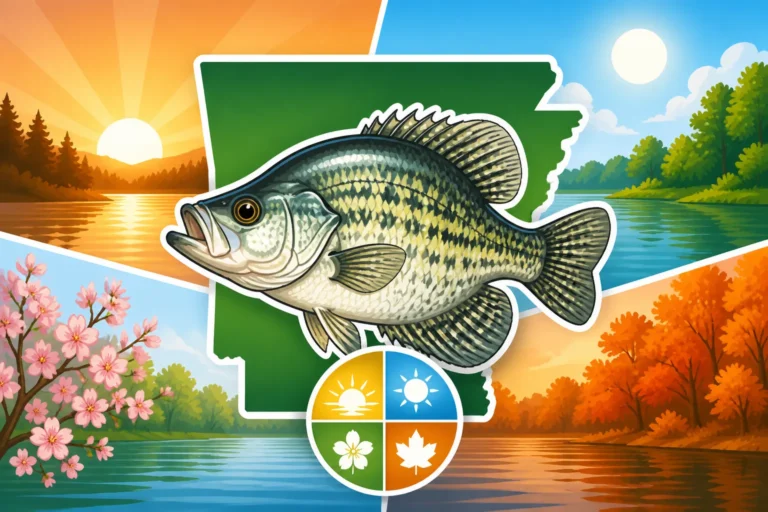
Let's break down the best times to find these hefty stripers:
Late Fall (October – December): This is when Norfork Lake truly comes alive for big stripers. As the water cools, those huge schools of baitfish, primarily gizzard and threadfin shad, become highly active and move into shallower water, especially in the backs of major creeks and coves. The stripers follow, often pushing bait to the surface, creating explosive topwater action or making them accessible to shallow-water trolling. You’ll find them shallower and more aggressive, often in water temperatures ranging from the low 60s down into the 50s. This period is often considered the Best Month to Catch Striped Bass at Norfork Lake Arkansas by many seasoned guides.
Winter (January – February): Don't let the cold deter you – winter can be absolutely phenomenal for big stripers on Norfork. While the surface activity might decrease, the fish are still feeding heavily, especially on warmer, sunny days. They'll often school tightly, primarily found in deeper water, but still very catchable if you know where to look. They'll typically be found in the main lake basin, suspending over deep channels or around prominent points, following the large bait balls that also seek refuge in the deeper, more stable water. Patience and good electronics are paramount here.
Early Spring (March – April): As the water starts to warm up, but before it gets truly hot, stripers begin another push into shallower areas to feed before potentially staging for spawning runs in rivers further upstream. This transition period can offer some fantastic opportunities, particularly when baitfish start to move up in the water column again. Look for stripers around points, submerged islands, and creek mouths, often still suspending but perhaps a bit higher in the water column as the temperatures climb into the 50s and low 60s. This is a dynamic time, where fish behavior can change rapidly with fluctuating weather.
Decoding Striped Bass Movements and Feeding Patterns on Norfork
To consistently catch big striped bass in Norfork Lake, you need to think like a striper. These are migratory, schooling predators, and their entire existence revolves around finding and consuming baitfish. Their movements and feeding patterns are intimately tied to water temperature, light penetration, and the location of their primary food source. Understanding these dynamics is far more valuable than simply casting a line and hoping for the best.
Norfork Lake is an exceptional fishery for these reasons, often hailed as Norfork Lake: One of Arkansas's Best Striped Bass Fisheries. Its clear, deep waters provide ample habitat for both baitfish and the trophy stripers that pursue them. Unlike many other species that become sluggish in cold water, stripers thrive in it, maintaining high activity levels as long as their prey is available. This makes the cooler months so productive for chasing the giants.
Forage and Feeding Habits of Big Stripers
The primary forage for striped bass in Norfork Lake consists of threadfin and gizzard shad, along with some alewife. Big stripers are highly opportunistic and will relentlessly pursue these baitfish. In the cooler months, these baitfish often form massive schools. Stripers will gang up on these schools, driving them to the surface in what's known as a "striper boil" or pushing them against natural structures like points or bluffs. This aggressive feeding behavior is what makes them such an exciting and challenging fish to catch.
When targeting trophy stripers, you're looking for fish that are consistently feeding on larger bait. This means they are often more spread out than the smaller schooling stripers, though they'll still be in the general vicinity of the baitfish. Pay close attention to your fish finder for large, elongated arches or dense clouds of bait. If you see big, solitary marks near these bait clouds, you're likely on the right track. Their diet in the fall and winter is focused on packing on calories, making them particularly vulnerable to well-presented live bait.
Depth and Location Changes Throughout the Year
Stripers in Norfork are constantly on the move, but their general patterns are predictable.
Fall: In late fall, as the lake cools, stripers will often be found in the upper reaches of the lake and in the backs of major creeks such as Big Creek, Pigeon Creek, and the Bennett's River arm. They follow the baitfish that are drawn to these areas as water temperatures equalize and oxygen levels are stable throughout the water column. You might find them anywhere from the surface down to 60 feet, depending on the day and the specific conditions.
Winter: During the coldest months, stripers tend to concentrate in the main lake basin and around the dam area. They often suspend at depths of 60 to 100 feet or even deeper, still following those dense schools of baitfish that seek thermal refuge in the stable deep water. You might find them over deep timber or along steep channel breaks. On exceptionally warm, sunny winter days, they might briefly push shallower, even making for some unexpected surface feeding.
Spring: As spring progresses, stripers gradually move up into the creek arms again. They’ll use major creek channels and points as highways, following baitfish that are themselves moving shallower to feed and eventually spawn. They may be found suspending over depths of 30-80 feet, but can also be found cruising shallower flats or around submerged points, especially in the early mornings or late evenings. This is often an excellent time for Trophy Striped Bass Fishing in Arkansas as the fish are very active.
| Season | Best Timeframe | Typical Depth Range (feet) | Key Behavior & Location | Primary Techniques |
|---|---|---|---|---|
| Late Fall | October – December | Surface – 60 | Following bait into creeks, surface boils possible, aggressive. | Live bait (shad), Trolling, Topwater. |
| Winter | January – February | 60 – 100+ | Main lake basin, suspending over deep channels, tight schools. | Live bait (downlining), Deep Trolling. |
| Early Spring | March – April | 30 – 80 | Moving into creek arms, staging around points, pre-spawn feed. | Live bait, Trolling, Artificials (jigs, spoons). |
| Summer | May – September | 80 – 150+ | Deepest, coolest parts of the lake, thermocline. | Deep downlining, Deep Water Striper Fishing Techniques. |
Mastering Techniques for Monster Stripers
Once you understand when and where to find these colossal Norfork Lake stripers, the next step is perfecting your techniques. For the really big fish, you often need to employ specific strategies that differ from everyday bass fishing. It's about presenting the right bait, at the right depth, with the right equipment, often in challenging conditions.
The fight of a big Norfork striper is legendary. They hit hard and pull like a freight train, so your gear needs to be up to the task. Don't skimp on quality; a broken line or snapped rod can mean losing the fish of a lifetime. Many anglers invest heavily in specialized rods and reels designed for this type of heavy-duty fishing, often purchasing from reputable brands found on platforms like Amazon.
Live Bait Strategies for Big Norfork Stripers
For monster striped bass in Norfork Lake, live bait is king. There's simply no substitute for a lively gizzard shad or herring to entice a true trophy. Catching your own bait, often with a large cast net, is a crucial part of the process, though some local bait shops might have them.
- Downlining: This is the most popular and effective method for targeting stripers suspending deep in the water column. You'll need heavy lead weights (often 2-4 ounces) to get your live bait down quickly to the desired depth. Use a stout rod, a good baitcasting reel, and at least 20-30 lb fluorocarbon or monofilament line, perhaps even braided main line with a fluorocarbon leader. Hook your shad lightly through the nose or back, allowing it to swim naturally. This is especially effective in winter and early spring when fish are deeper. Check out guides on Best Live Bait for Striped Bass for more in-depth information.
- Freelinning: When stripers are shallower or actively busting on the surface, freelinning a live bait can be incredibly exciting and effective. Simply cast a lively shad (often without any weight or just a small split shot) into the feeding frenzy or where you see signs of fish. Let it swim naturally. The key is to match the hatch and present your bait as subtly as possible to avoid spooking wary stripers. This technique shines in the late fall when stripers are actively chasing bait in the backs of creeks.
Trolling and Artificial Lures for Norfork's Giants
While live bait often produces the biggest fish, artificial lures and trolling are also highly effective, especially for covering large amounts of water and locating schools.
- Trolling: This is a fantastic way to cover water and find active fish. You'll need planer boards or downriggers to get your baits down to the desired depth and spread them out. Large, deep-diving crankbaits (like the Rapala Down Deep Husky Jerk or similar models you can find on Amazon), bucktail jigs, or even umbrella rigs are popular choices. Vary your speed until you find what the fish are responding to. Striped Bass Trolling Techniques are well-documented and provide a strong foundation for this method.
- Jigging Spoons and Large Jigs: When you locate schools of stripers on your fish finder, especially in deeper water during winter or early spring, vertical jigging can be deadly. Drop heavy jigging spoons (like a Hopkins Shorty or a large Kastmaster) or big bucktail jigs right into the school. Lift and drop with a sharp motion, imitating a dying baitfish. Sometimes a more subtle retrieve is required, so experiment with cadence.
- Topwater Lures: In the fall, when stripers are pushing bait to the surface, throwing large topwater lures like Heddon Super Spooks or big poppers can lead to explosive strikes. This is often visually spectacular and incredibly thrilling. The sound and commotion created by these lures can draw stripers from a surprising distance.
Essential Gear for Norfork Lake Striped Bass
Having the right gear isn't just a suggestion; it's a necessity when pursuing trophy striped bass. These fish are powerful, and poorly matched equipment will quickly lead to frustration and lost fish. Investing in quality tackle will pay dividends in successful hookups and memorable battles.
Think about the environment you'll be fishing in – vast, deep lake waters, often with unpredictable weather conditions. Your equipment needs to be robust, reliable, and capable of handling not only the fish but also the elements. Many anglers piece together their setups from trusted brands, often finding great deals on components like reels and specialized lines from online retailers like Amazon.
Rods, Reels, and Line for the Fight
For big stripers, you'll want to opt for heavy-duty setups:
- Rods: Look for medium-heavy to heavy power rods, typically 7 to 8 feet long. These provide the backbone needed to fight large fish and cast heavy baits. Fast action tips are generally preferred for sensitivity and quick hooksets, but a moderate-fast action can offer more parabolic bend for fighting powerful runs.
- Reels: High-capacity baitcasting reels are generally preferred for their power and line capacity. Look for models with strong drag systems and a gear ratio that allows you to retrieve line efficiently but also crank in large fish. Spinning reels can work for lighter applications or artificials, but for heavy live bait or trolling, baitcasters are superior.
- Line: Spool up with 20-30 lb monofilament or fluorocarbon as your main line, or even better, 50-65 lb braided line with a 20-40 lb fluorocarbon leader. Braid offers superior sensitivity and strength, while a fluorocarbon leader provides stealth and abrasion resistance in the clear Norfork waters.
Electronics and Navigation Systems
In a large reservoir like Norfork Lake, good electronics are non-negotiable for finding trophy stripers:
- Fish Finders/Sonar: A high-quality fish finder with down imaging and side imaging capabilities will be your best friend. This allows you to locate baitfish schools, individual stripers, and underwater structure where they might be holding. Learning to interpret what your sonar is telling you is a skill that will dramatically increase your success rate.
- GPS/Chartplotter: Norfork Lake has countless points, humps, and creek channels. A GPS unit or a chartplotter integrated with your fish finder allows you to mark productive spots, navigate safely, and return to specific areas with precision. This is particularly useful for tracking changes in fish patterns over multiple trips. A reliable GPS unit, many of which are available on Amazon, can prevent hours of aimless searching.
- Mapping: Detailed lake maps (both paper and digital) are invaluable for understanding the contours, depths, and submerged features of Norfork Lake. They can help you identify potential striper holding areas even before you launch your boat. Knowing the lay of the land, or rather, the lake bed, is a huge advantage.
Disclaimer
Fishing conditions and regulations in Arkansas can change. Always consult the latest regulations from the Arkansas Game and Fish Commission before heading out on the water. This guide is for informational purposes only and does not supersede official rules or guidelines.