Striper Fishing on Lake Hamilton in Hot Springs, Arkansas
For many anglers, the idea of chasing hard-fighting striped bass in the stunning scenery of Hot Springs, Arkansas, on Lake Hamilton is a dream come true. But let's be honest, figuring out where to start, what techniques to use, and how to consistently put stripers in the boat can feel overwhelming, especially on a large, diverse lake like Hamilton. This comprehensive guide is here to cut through the confusion, offering you the insider tips and detailed knowledge you need to successfully target and catch striped bass on Lake Hamilton, turning those dreams into a reality.
Understanding Lake Hamilton's Striper Fishery
Lake Hamilton isn't just a pretty face; it's a vibrant ecosystem that supports a fantastic striped bass population, but understanding its unique characteristics is key to unlocking its secrets. This isn't your average farm pond fishing, folks. This is a big, deep lake with a lot of moving parts.
The Lake Hamilton Environment
Nestled in the Ouachita Mountains, Lake Hamilton is a 7,200-acre impoundment of the Ouachita River, famous for its deep, clear waters and abundant forage. What makes it special for stripers is that it's a hydropower lake, meaning the water levels and current can fluctuate, which directly impacts fish behavior. You'll find a mix of natural river channel, submerged timber, rocky points, and boat docks, all providing diverse habitats. Unlike some other striper lakes that are purely recreational, Hamilton also has residential development, so you'll see plenty of boat traffic, especially in warmer months. This mix of natural and man-made structure, coupled with the consistent water flow from Carpenter Dam, creates an ideal environment for stripers to thrive and grow to impressive sizes.
Striped Bass Characteristics and Behavior
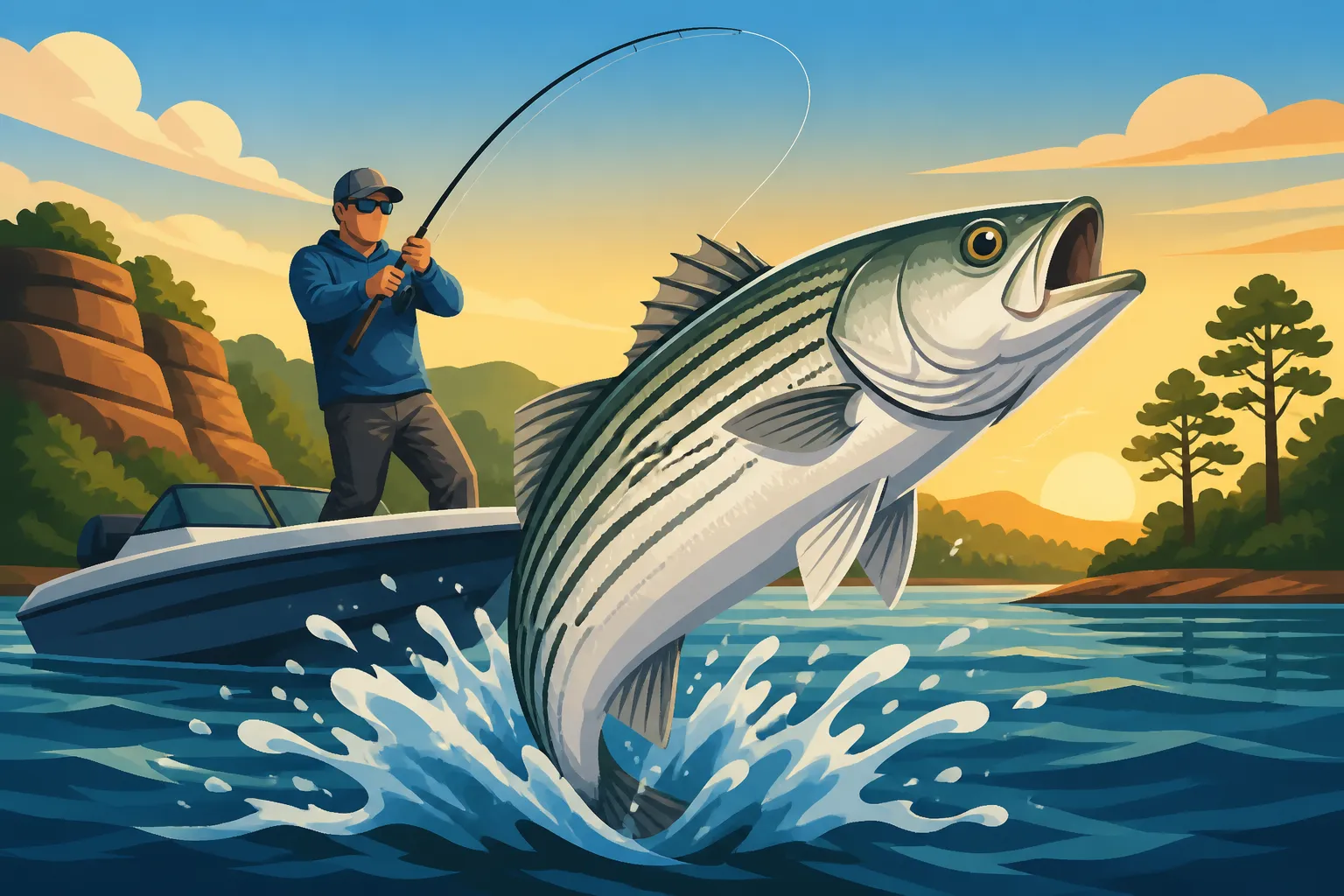
Striped bass, often called "stripers" or "rockfish," are truly magnificent game fish known for their incredible fighting power and schooling behavior. On Lake Hamilton, these fish are typically stocked by the Arkansas Game and Fish Commission, ensuring a healthy population. They are a schooling fish, meaning where you find one, you'll often find many. They're also migratory within the lake, constantly on the move, chasing baitfish. Their behavior is heavily influenced by water temperature, oxygen levels, and, crucially, the generation schedule of Carpenter Dam. During colder months, they might hold deeper and be less active, while in the warmer seasons, they'll often be found near the surface during low light or busting bait in open water. Understanding these basic behavioral patterns is your first step to consistent success.
Forage Base and Food Sources
A healthy striper fishery depends entirely on a robust food source, and Lake Hamilton delivers. The primary forage for striped bass here are gizzard shad and threadfin shad. These baitfish are abundant throughout the lake, often congregating in large schools, particularly in open water and around creek channels. Stripers will relentlessly pursue these schools, often herding them against points or into coves before ambushing them. Occasionally, you might also find stripers feeding on smaller sunfish or even juvenile bass, but shad are their bread and butter. Knowing where the baitfish are – which often requires good electronics – is paramount to locating the stripers themselves. If you can "read" your sonar for schools of shad, you're halfway to finding the stripers.
Best Times and Seasons for Striper Fishing
Timing is everything when it comes to consistently catching striped bass on Lake Hamilton. The lake offers year-round opportunities, but each season presents unique challenges and rewards. It's not just about showing up; it's about showing up when conditions are ripe.
Seasonal Patterns for Striped Bass
- Spring (March-May): This is often a fantastic time for striper fishing. As water temperatures rise, stripers become more active and move shallower, often following large schools of baitfish into creek arms and coves. They'll also be found around points and flats where bait is abundant. This is when you might see them busting on the surface more frequently, especially during early morning or late afternoon. It’s a great time for both live bait and artificial lures, as the fish are aggressive.
- Summer (June-August): As the heat sets in, stripers typically retreat to deeper, cooler, and more oxygenated waters. They'll often be found near the thermocline, especially in the main lake basin, around the river channel, or near the dam. Early mornings and late evenings can still offer some topwater action, but during the day, deep trolling or fishing with downriggers becomes the go-to strategy. Night fishing can also be incredibly productive during the summer, as stripers move shallower under the cover of darkness. Many experienced anglers will tell you that Night Fishing Spots on Lake Hamilton really shine in the dog days of summer.
- Fall (September-November): Fall brings a resurgence of activity. As water temperatures cool down, stripers once again move shallower and become highly active, aggressively feeding in preparation for winter. This is another prime time for topwater action, especially on cloudy days or during low light. Look for them chasing baitfish in open water, around main lake points, and tributary mouths. This season offers some of the most consistent and exciting striper fishing.
- Winter (December-February): Don't count out winter fishing! While surface activity might be minimal, stripers can still be caught consistently by targeting them in deeper sections of the lake. They'll often school tightly in large groups, suspending over the river channel or deep points. Trolling deep with umbrella rigs or jigging spoons can be very effective. It requires patience and good electronics, but winter can produce some of the largest fish.
Daily and Weather Considerations
Beyond the seasons, daily factors heavily influence striper activity. Low light conditions—dawn and dusk—are almost universally the best times. This is when stripers feel most comfortable moving into shallower water to feed. Overcast days can extend these prime feeding windows, as the reduced sunlight makes the fish less wary.
Wind can also be your friend or foe. A light chop on the water can break up the surface, making it harder for baitfish to detect predators and easier for stripers to ambush. Conversely, dead calm, sunny conditions can make fish much more skittish and prone to staying deep. Pay attention to the generation schedule at Carpenter Dam as well. Often, when water is being generated, the increased current can trigger feeding activity, making areas near the dam particularly productive. Always check the AGFC's website or local power company for generation schedules before you head out.
Trophy Striper Opportunities
Lake Hamilton is renowned for producing trophy-sized striped bass. While catching a legal striper (which varies depending on current regulations, so always check the latest Arkansas Fishing Regulations Guide) is always a thrill, many anglers come here specifically for the chance at a 20, 30, or even 40-pound behemoth. The best chances for these giants often come during the cooler months—late fall through early spring—when stripers are less dispersed and more concentrated in specific deep-water areas. During these times, larger live baits, such as full-sized gizzard shad, are often the preferred offering. Targeting these larger fish requires patience and a willingness to put in the time, but the reward of landing a true Lake Hamilton monster is unmatched. Many of the local guides specialize in finding these bigger fish, and consulting with one could significantly increase your odds.
Essential Techniques and Lures for Lake Hamilton Stripers
You've identified the best times; now let's talk about how to actually get those Lake Hamilton stripers to bite. There's no single magic bullet, but a combination of proven techniques will put you in the best position.
Live Bait Fishing Strategies
When it comes to consistent striper fishing, especially for larger fish, live bait is often king. Gizzard shad and threadfin shad are the preferred choice, caught either with a cast net or purchased from bait shops (be sure to check regulations on bait acquisition).
- Freeline/Float Fishing: This is a simple yet highly effective method. Hook a lively shad through the nose or back, and let it swim freely behind the boat or under a large bobber. This works exceptionally well when stripers are actively feeding on the surface or suspended in the water column. You'll often drift or slowly motor over points, humps, or open water where you've marked baitfish. The natural movement of a struggling baitfish is hard for a hungry striper to resist.
- Downlining: When stripers are holding deeper, particularly in summer, downlining is the way to go. This involves dropping a live shad straight down to the depth where fish are being marked on your sonar. Use an appropriate weight (1-3 oz, depending on depth and current) to get the bait down quickly. You'll often hold the boat directly over schools of fish, enticing them to strike. This technique is often used when fish are tightly schooled and lethargic.
- Balloon Fishing: For targeting stripers busting on the surface at a distance or when you want your bait to drift naturally with the wind, attaching a balloon to your line above your live bait can be very effective. It keeps your bait at a consistent depth near the surface and allows you to cover a wider area.
Trolling for Stripers
Trolling is perhaps the most popular and effective method for consistently locating and catching stripers on Lake Hamilton, especially when they're scattered or when you're trying to cover a lot of water. There are a few main approaches:
- Umbrella Rigs: These are incredibly popular for a reason. An umbrella rig mimics a school of baitfish, often consisting of a main lure with several "teaser" baits attached. You can troll these with lead core line or downriggers to reach specific depths. Many anglers swear by a specific brand or color combination, but general shad patterns are always a good starting point. This technique is often effective at depths ranging from 15 to 40 feet, depending on the season. For more general advice, consider looking into Striped Bass Trolling Techniques.
- Large Crankbaits: Deep-diving crankbaits that imitate shad can be deadly, particularly in spring and fall. Brands like Bomber, Rapala, or Berkley make models that dive to impressive depths. Troll these over points, humps, and along the river channel. Vary your speed until you find what triggers a strike.
- Spoons/Jigs: Heavy jigging spoons or bucktail jigs can be very effective when vertical jigging over schools of deep-suspended stripers, particularly in winter. Drop them down, let them hit bottom (or just above the fish), and then aggressively snap them upwards, letting them flutter back down.
Artificial Lures and Presentation
While live bait and trolling are dominant, don't underestimate the power of artificial lures, especially during active feeding periods.
- Topwater Lures: When stripers are busting on the surface, there's nothing more exciting than a topwater strike. Poppers, walk-the-dog baits, and chuggers in shad or chrome finishes can draw explosive strikes. Cast past the breaking fish and retrieve quickly through the school. This is often an early morning or late evening bite, but it's spectacular when it happens.
- Swimbaits and Flukes: Soft plastic swimbaits, like those from Keitech or Zoom, rigged on a weighted swimbait hook or jig head, can be incredibly versatile. They can be cast to breaking fish, retrieved over points, or even slow-rolled deeper. Flukes (like the Zoom Super Fluke) fished weightless or with a small weight can also imitate injured baitfish very effectively. These are great choices when fish are a bit more finicky but still chasing bait.
- Blade Baits: Lures like the Sebile Vibrato or Silver Buddy are excellent for vertical jigging over deep schools. Their vibrating action and flash can entice strikes from otherwise unresponsive fish. Just like jigging spoons, drop them to the desired depth and work them with short, sharp lifts and drops.
Remember, presentation is key. Whether you're using live bait or artificials, try to mimic the natural movement of a shad. Vary your retrieve speed, add pauses, and experiment with different colors until you find what the fish want on any given day.
Navigating Lake Hamilton: Access and Hotspots
Lake Hamilton is a sprawling body of water, and knowing where to launch and which areas tend to hold fish can save you a lot of precious fishing time. Hot Springs, Arkansas, offers excellent infrastructure for anglers.
Key Fishing Areas and Structure
Lake Hamilton is full of striper-holding structure. Here are some general areas and types of spots to focus on:
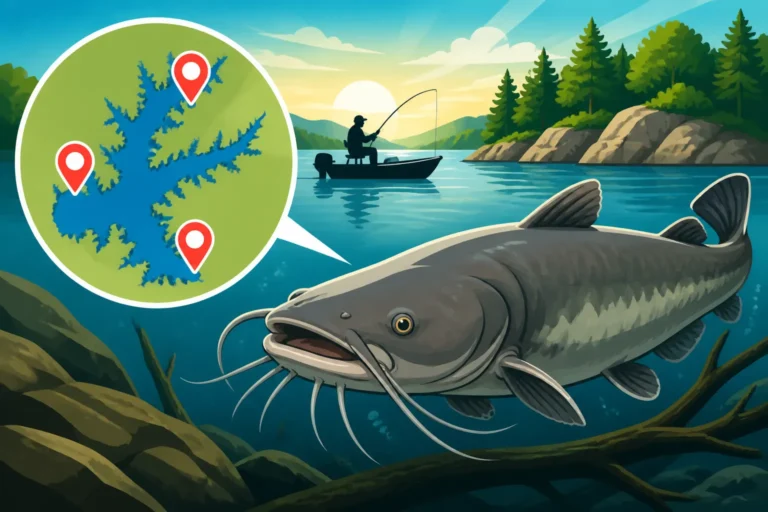
- Main Lake Channel: The old Ouachita River channel, which snakes through the lake, is a consistent holding area for stripers, especially in deeper water. Look for bends, humps, and submerged points along this channel.
- Carpenter Dam Area: The deep water near Carpenter Dam itself is a classic striper hotspot, particularly when water is being generated. Current seams and deep holes here can hold large schools. However, always exercise extreme caution near the dam due to strong currents.
- Primary Points and Humps: Any prominent point extending into the main lake or large submerged humps are magnets for baitfish and, consequently, stripers. These act as ambush points.
- Creek Mouths and Arms: Large creek arms like Spring Creek, Big Mazarn Creek, and Little Mazarn Creek can be very productive, especially in spring and fall when stripers follow baitfish further back into them. Look for transition areas where the creek channel meets the main lake.
- Bridges and Riprap: Bridges that cross the lake (like the Highway 270 bridge) and riprap shorelines can concentrate baitfish and provide current breaks for stripers. They also offer excellent Lake Hamilton Fishing Spots Near Downtown Hot Springs for shore anglers.
Boat Ramps and Public Access
Getting your boat on Lake Hamilton is generally easy, with numerous public and private ramps available.
- Arkansas Game and Fish Commission Ramps: AGFC maintains several well-kept ramps. One popular option is the access at the end of Lakeshore Drive, providing good access to the mid-lake area.
- Corps of Engineers Access: While Lake Hamilton is not a COE lake directly, nearby areas may offer some related access.
- Hot Springs Parks & Recreation: The city offers several access points, some with docks and parking. You'll find a useful list of Boat Ramps on Lake Hamilton Near Hot Springs which includes everything from concrete ramps to smaller access points suitable for kayaks or smaller boats.
- Resorts and Marinas: Many resorts and marinas around the lake offer ramps, though some may charge a fee. These can be convenient if you're staying at one of these establishments.
For shore anglers, public parks, bridge areas with safe access, and some resort properties may offer opportunities. Always respect private property and be mindful of local regulations regarding access.
Avoiding Crowds and Finding Solitude
Lake Hamilton can get busy, especially on weekends and holidays during peak season. If you're looking for a quieter experience, consider these tips:
- Fish Mid-Week: Weekdays are almost always less crowded than weekends.
- Go Early or Late: Hitting the water at dawn or fishing into the evening can help you avoid the heaviest recreational boat traffic.
- Explore Remote Coves: While stripers are often found in main lake areas, don't overlook some of the less accessible coves and pockets, especially if they have deep water nearby and good forage. These might require a bit more navigation but can yield excellent results without the constant disturbance of other boats.
- Winter Fishing: As mentioned, winter can be incredibly productive for stripers, and you'll often have the lake almost entirely to yourself. The cold might deter some, but the fishing can be stellar.
Planning Your Striper Trip: Guides and Resources
Whether you're a seasoned angler or planning your first striper adventure, having the right information and potentially the right help can make all the difference.
Hiring a Local Fishing Guide
For many, especially those new to Lake Hamilton or striper fishing in general, hiring a local guide is an invaluable investment. These professionals spend hundreds of days a year on the water and possess an intimate knowledge of the lake's patterns, hotspots, and the most effective techniques for the current conditions. They'll provide all the necessary gear, expertise, and often, a comfortable boat equipped with top-notch electronics. A guided trip isn't just about catching fish; it's an educational experience where you can learn techniques like Deep Water Striper Fishing Techniques firsthand. When looking for a guide, check out online platforms like FishingBooker, which lists many reputable Lake Hamilton striper guides. Be sure to ask about their experience, what's included in the trip, and their catch-and-release policy. You can also explore general advice on How to Book a Fishing Guide in Arkansas to help you make an informed decision.
Gear and Equipment Recommendations
Having the right tackle is crucial for landing hard-fighting stripers.
- Rods and Reels: For live bait and trolling, medium-heavy to heavy action rods (7-8 feet) paired with stout baitcasting or spinning reels capable of holding 200+ yards of line (e.g., a 4000-6000 series spinning reel or a medium-heavy conventional reel).
- Line: Spool up with 15-25 lb monofilament or fluorocarbon for leader material. For main line, 30-50 lb braided line is excellent for sensitivity and strength, especially when trolling or jigging deep.
- Terminal Tackle: A variety of weights (egg sinkers, bullet weights, bell sinkers from 1/2 oz to 3 oz), swivels (barrel or ball-bearing), and hooks (circle hooks are often preferred for live bait to ensure hookups in the corner of the mouth, sizes 4/0-7/0).
- Electronics: A good fish finder with down imaging and side imaging is almost essential for finding bait schools and suspended stripers, especially in deeper water. GPS is also crucial for marking waypoints and navigating.
- Livewell: If you're using live bait, a well-aerated livewell is non-negotiable to keep your shad fresh and lively.
Regulations and Licenses
Before you even cast a line, ensure you're compliant with all Arkansas fishing regulations. Every angler over the age of 16 needs a valid fishing license.
- Arkansas Fishing License: Residents and non-residents alike must purchase a license. You can easily obtain one online through the Arkansas Game and Fish Commission website, at most sporting goods stores like Walmart or Bass Pro Shops, or even from a local bait shop. Information on Arkansas Fishing License Rules and Costs is readily available and updated annually.
- Non-Resident Licenses: If you're visiting from out of state, there are specific Nonresident Fishing License Rules for Arkansas you'll need to follow, including different license types (annual vs. short-term).
- Striper Limits: Always check the current daily creel and length limits for striped bass on Lake Hamilton, as these can change. The Arkansas Game and Fish Commission updates its regulations annually, typically in the summer or fall, for the upcoming fishing year. It's your responsibility to know the rules to avoid penalties.
Remember, fishing is a privilege, and respecting the resource and the rules ensures that Lake Hamilton continues to offer fantastic striper fishing for years to come. Whether you're chasing the next state record or simply enjoying a peaceful day on the water, Lake Hamilton's stripers offer an exciting challenge for every angler. Booking a trip through FishingBooker or directly with a local guide can kickstart your adventure on this remarkable lake.
Disclaimer
Please be aware that fishing conditions, regulations, and fish behavior can change rapidly due to weather, water levels, and seasonal variations. Always consult the latest official regulations from the Arkansas Game and Fish Commission before your trip. This guide provides general information and recommendations, but local conditions may vary. Tight lines and happy fishing!