Which Fish Species Grow the Biggest in Arkansas Lakes?
It’s a common dream for any angler, isn't it? To feel that incredible tug on your line, the kind that makes your reel scream and your heart pound, knowing you’ve hooked into something truly monumental. Arkansas, with its vast network of shimmering lakes and flowing rivers, absolutely holds the potential for those kinds of unforgettable encounters. If you're wondering which fish species in the Natural State's lakes have the muscle to reach truly colossal proportions, you've come to the right place. This guide will dive deep into the behemoths lurking beneath the surface, revealing the species that can grow the biggest and where you might find them.
The Quest for Giants: Understanding Arkansas's Big Fish Potential
There’s something inherently captivating about a truly enormous fish. It’s not just about the weight or the length; it’s the sheer challenge, the story that comes with it, and the respect for a creature that has defied the odds to reach such an impressive size. Arkansas lakes are particularly fertile grounds for these giants, thanks to a combination of factors that create ideal environments for rapid growth and longevity.
What Makes a Lake a Trophy Fishery?
Not all lakes are created equal when it comes to producing trophy-sized fish. Several crucial elements contribute to a lake becoming a haven for monsters. First and foremost is a rich and abundant food source. Think about it: a fish can't grow huge if it's constantly struggling to find enough to eat. Lakes with healthy populations of baitfish like shad, sunfish, or even other smaller game fish provide the necessary protein for rapid growth. Without a robust forage base, even a genetically superior fish will struggle to pack on the pounds.
Secondly, habitat is key. Big fish need big places to live, places where they can find shelter from predators (though at a certain size, they are the predators!), ambush prey, and comfortably spend their lives without excessive stress. This means deep channels, extensive timber, rocky points, and submerged structures. Lakes like Norfork Lake and Lake Ouachita are prime examples, offering incredible diversity in their underwater landscapes, from sheer bluffs to vast timber stands. Couple this with responsible fisheries management by agencies like the Arkansas Game and Fish Commission, which often implements specific regulations, size limits, and stocking programs, and you have the perfect recipe for a trophy fishery.
The Thrill of the Fight: Why Size Matters to Anglers
For many anglers, the pursuit of a giant fish isn't just about the catch; it's about the experience. There's a raw, primal thrill in battling a fish that can truly test your gear and your grit. Imagine the scream of your drag as a 40-pound striped bass makes a powerful run, or the deep, thudding headshakes of a massive flathead catfish refusing to come up from the depths. These are moments that stay with you long after the fish is released or taken home.
Beyond the physical challenge, landing a truly big fish often represents the culmination of countless hours on the water, honing skills, learning patterns, and understanding the nuances of a particular fishery. It's a badge of honor, a story to share, and a testament to patience and perseverance. And let's be honest, who doesn't love a good brag? While not every big fish needs to end up on the wall, many anglers cherish a photo or even a replica of their personal best, perhaps ordering a custom net or rod holder from Amazon to handle their next trophy. It's a way to immortalize a moment of triumph against a formidable opponent.
Top Contenders: The Heaviest Hitters in Arkansas Lakes
When we talk about which fish species grow the biggest in Arkansas lakes, a few species immediately jump to mind. These are the true heavyweights, capable of reaching sizes that astound even seasoned anglers.
Striped Bass: The Freshwater Locomotive
Without a doubt, striped bass are among the most celebrated giants in Arkansas lakes. These powerful, ocean-going migrants have found a perfect home in our large reservoirs, growing to truly monstrous sizes. They are built for speed and power, often described as "freshwater locomotives" due to their incredible strength during a fight. Imagine trying to reel in a fish that can weigh over 50 pounds and still make blistering runs! The thrill of hooking into one of these beasts is unmatched.
Lakes like Norfork Lake and Lake Hamilton are legendary for their trophy striped bass populations. Norfork, in particular, has a reputation for producing stripers that can push the tape past the 40-pound mark, with some even breaking into the 60s. These fish thrive in the deep, cool waters of these impoundments, feeding heavily on gizzard and threadfin shad. Anglers often target them by trolling large baits or lures, or by drifting live bait in open water, sometimes using specialized downriggers bought from Amazon to present their offerings at the precise depth. The sheer size and fighting ability of these stripers make them a prime target for those seeking the biggest catch. You might want to check out Norfork Lake: One of Arkansas's Best Striped Bass Fisheries for more details. Also, Lake Hamilton, especially near Hot Springs, is known for its incredible striper action, often at night. Striper Fishing on Lake Hamilton in Hot Springs, Arkansas is a great resource if you're planning a trip there.
Catfish: Deep-Water Dynamos
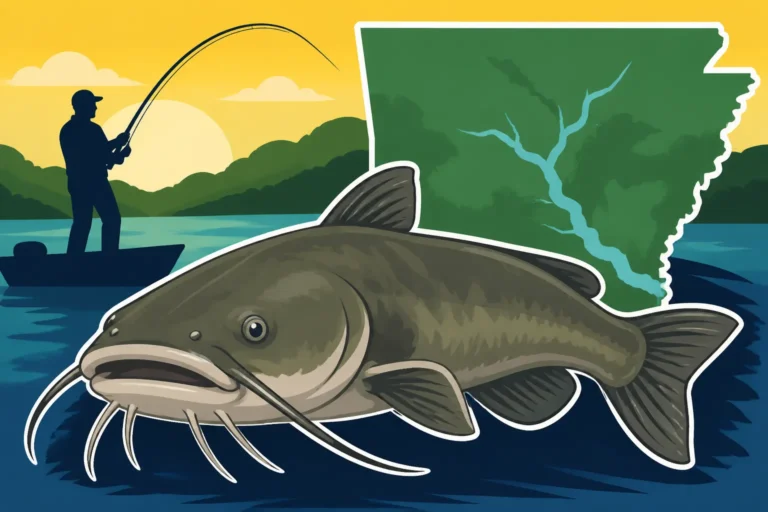
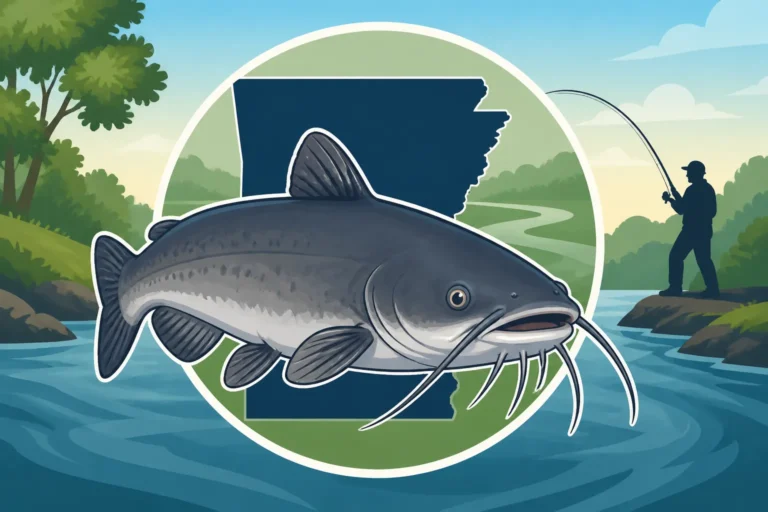
If you're looking for sheer poundage, you absolutely cannot overlook the various species of catfish that call Arkansas lakes home. The state is renowned for its big catfish, particularly the blue catfish and flathead catfish. These aren't just big; they are immense, often taking on a truly prehistoric appearance at their largest sizes. While they might not offer the same acrobatic fight as a striped bass, they make up for it with incredible, stubborn power and deep-water bulldogging tactics that can wear out even the strongest angler.
Blue catfish are often considered the largest species in terms of maximum weight, with specimens pushing well over 100 pounds recorded in Arkansas waters. They are primarily scavengers and opportunistic predators, thriving in the deep, expansive sections of large rivers and reservoirs. Flathead catfish, on the other hand, are ambush predators, preferring live bait and often lurking in heavy cover like submerged timber or rocky crevices. These can also reach incredible sizes, often exceeding 50 pounds, with some records far above that. Lakes like Lake Ouachita, especially in its deeper channels and stump fields, and the lower sections of the Arkansas River and its associated oxbow lakes, are prime hunting grounds for these leviathans. Anglers targeting these giants often use heavy-duty rods, stout reels, and strong lines, sometimes even opting for specialized catfish rigs you can find on Amazon, along with substantial cut bait or live sunfish. Understanding how to differentiate between them is key for specific regulations; How to Tell Channel, Blue, and Flathead Catfish Apart provides a good overview.
Largemouth Bass: The Classic Big Game
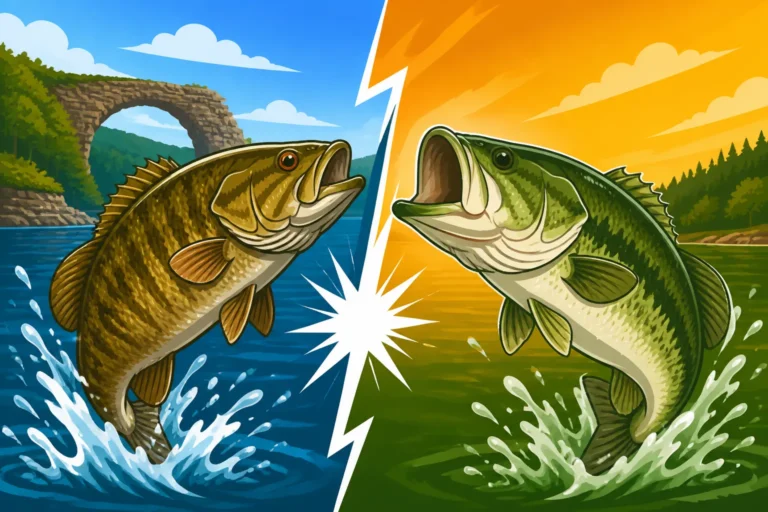
While perhaps not reaching the sheer weight of a giant striper or blue cat, the largemouth bass is undeniably the king of freshwater game fish for many anglers, and Arkansas produces some truly gargantuan bucketmouths. These fish are known for their explosive strikes, impressive leaps, and fierce fights, making them a perennial favorite. A trophy largemouth in Arkansas usually means a fish over 8 pounds, but many lakes consistently produce fish in the double-digits, with the state record pushing near 17 pounds.
Lakes like Lake Ouachita, Bull Shoals Lake, and Greers Ferry Lake are consistently mentioned when discussing trophy largemouth bass in Arkansas. These lakes offer expansive areas of diverse cover—ranging from submerged timber and hydrilla beds to rocky bluffs and creek channels—all perfect for a large predatory bass to grow fat. A healthy population of forage fish, like shad and bream, keeps these bass well-fed. The pursuit of a trophy largemouth often involves precise casting, understanding seasonal patterns like the Arkansas Bass Spawn Timing by Water Temperature, and using a variety of baits from oversized swimbaits to heavy jigs. Many dedicated bass anglers spend years chasing that one truly monumental largemouth, upgrading their tackle and perhaps even getting a new fish finder from Amazon in their relentless quest. For more on where to find them, check out Best Bass Lakes in Arkansas.
Beyond the Big Three: Other Notable Heavyweights
While striped bass, catfish, and largemouth bass steal much of the spotlight for their impressive size, Arkansas's waters host other species that can also reach significant proportions and offer incredible angling experiences.
Hybrid Striped Bass: A Powerhouse Crossbreed
Hybrid striped bass, often called "wipers," are a cross between a striped bass and a white bass. They were specifically developed for stocking in landlocked reservoirs because they exhibit incredible growth rates and aggressive feeding habits, combining the fighting prowess of a striper with the hardiness of a white bass. While they don't typically reach the extreme sizes of purebred stripers, a 10-15 pound hybrid is a common trophy, and much larger fish are certainly possible.
These fish are absolute powerhouses, offering an incredibly strong fight, often even more spirited pound-for-pound than their purebred counterparts. They school up and aggressively chase baitfish, providing exhilarating action when you find them. Lakes like Greers Ferry Lake and Lake Ouachita are well-known for their hybrid striped bass fisheries. Anglers often target them by trolling, casting spoons or swimbaits into schooling fish, or fishing with live shad. If you're looking for a challenging fight and a good meal, hybrids are a fantastic option, and many anglers equip their boats with extra rod holders from Amazon for multiple lines when these fish are schooling.
Trout: Tailwater Titans
While the discussion is primarily about "lakes," it's impossible to talk about large fish in Arkansas without mentioning the incredible trout fisheries, especially those in the cold tailwaters below our major dams, which essentially create lake-like environments for these cold-water species. The White River, flowing out of Bull Shoals Lake and Norfork Lake, is world-renowned for its trophy trout, particularly brown trout.
Brown trout are famous for their elusiveness and their potential for enormous size. While rainbow trout are more abundant, it's the brown trout that often reach truly monumental proportions in these rivers, sometimes exceeding 15-20 pounds, with the state record well over 30 pounds. These fish are highly predatory, feeding on smaller fish, insects, and crustaceans. Anglers on the White River often target them with fly fishing techniques, throwing large streamers, or using spinning gear with crankbaits and stickbaits that imitate their natural prey. The cool, oxygen-rich waters below the dams provide ideal conditions for these fish to grow large and powerful. It’s a specialized pursuit that requires dedication, but the reward of landing a massive brown trout from the White River is an experience of a lifetime. Brown Trout Fishing on Arkansas's White River can give you more insights into this specific fishery. You can also read more about specific regulations in Trout Limits on the Norfork Tailwater in Arkansas.
Chasing the Record: Factors Influencing Fish Growth
So, what exactly allows some fish to grow to such colossal sizes while others remain average? It's a complex interplay of several factors, all working in concert to create the perfect environment for a record-breaking catch. Understanding these can help you better target those potential giants.
Forage and Habitat Quality
We touched on this earlier, but it truly cannot be overstated: food and living space are paramount. A lake teeming with high-quality forage fish means that predatory species don't have to expend excessive energy to find their meals. This allows them to conserve energy and dedicate more resources to growth. Lakes with stable, diverse baitfish populations (like gizzard shad, threadfin shad, and various sunfish) are typically the ones producing bigger game fish. Think of it like a buffet for fish – the more options and quantity, the bigger the eaters get!
Beyond food, the complexity and health of the habitat play a huge role. Large, deep lakes with abundant cover (like standing timber, rock piles, ledges, and aquatic vegetation) offer safe zones for large fish to rest, ambush prey, and avoid stress. A healthy ecosystem, free from excessive pollution and with balanced water levels, creates a stable environment where fish can live long, productive lives, increasing their chances of reaching trophy dimensions. Protecting these habitats is crucial for maintaining Arkansas's reputation as a trophy fishery, and anglers can do their part by being mindful of their impact.
Age and Genetics
It's a simple truth: big fish are often old fish. It takes years, sometimes decades, for a fish to reach truly enormous proportions. Many of the record-breaking striped bass or catfish, for example, have lived for many years, surviving countless angling attempts and natural challenges. Their longevity is a testament to their resilience and the quality of their environment. This is why careful handling and catch-and-release practices, especially for these older, larger fish, are so important in sustaining trophy fisheries.
Genetics also play a role. Just like in any species, some individual fish are predisposed to grow larger and faster than others. These genetic "super-fish" combined with optimal environmental conditions are what lead to the truly exceptional catches. Fisheries management often involves stocking programs that consider the genetic makeup of the fish introduced, aiming to enhance the growth potential within a lake.
Angler Practices: Catch and Release Versus Harvest
Angler behavior significantly impacts the potential for trophy fish. While it's certainly legal and often encouraged to harvest fish within creel and size limits for consumption, the practice of catch and release, especially for larger, older specimens, is vital for maintaining a trophy fishery. A 10-pound bass that is released can go on to spawn many more times and potentially grow even larger, contributing to the gene pool and the trophy potential of the lake.
For species like striped bass and brown trout, where truly monumental sizes are desired, many anglers practice selective harvest, keeping smaller, healthier fish for the dinner table while carefully releasing the giants. This mindset ensures that these valuable, large breeding fish remain in the system. Of course, proper catch-and-release techniques are essential to minimize stress and ensure survival. Using appropriate gear, minimizing handling time, and supporting the fish properly during release are all critical steps. Many anglers even opt for specialized release tools, often found on Amazon, to ensure the fish's well-being. This responsible approach helps ensure that future generations of anglers can also experience the thrill of battling a true Arkansas giant.
Here's a quick overview of some of the top contenders for biggest fish in Arkansas lakes:
| Species | Typical Trophy Size (lbs) | Key Arkansas Lakes/Waters | Notable Characteristics |
|---|---|---|---|
| Blue Catfish | 50-100+ | Arkansas River, Lake Ouachita | Can exceed 100 lbs, powerful deep-water fighters |
| Flathead Catfish | 30-70+ | Arkansas River, Lake Ouachita | Predatory, often found in heavy cover, immense strength |
| Striped Bass | 20-50+ | Norfork Lake, Lake Hamilton, Beaver Lake | Incredible runs, powerful open-water predators |
| Largemouth Bass | 8-15+ | Lake Ouachita, Bull Shoals Lake, DeGray Lake | Explosive strikes, acrobatic fights, cover-oriented predator |
| Brown Trout | 10-30+ | White River (below Bull Shoals/Norfork) | Elusive, highly predatory, prefers cold tailwaters |
| Hybrid Striped Bass | 10-20+ | Greers Ferry Lake, Lake Ouachita | Fast-growing, aggressive, excellent table fare |
Arkansas truly offers anglers the chance to catch fish of a lifetime, with several species capable of reaching incredible sizes. Whether you're chasing the explosive fight of a trophy bass, the brute power of a giant catfish, or the screaming runs of a monster striper, the Natural State's lakes hold the potential for unforgettable angling adventures. Just remember to have the right gear – perhaps some heavy-duty line and lures from Amazon – and to practice good stewardship to keep these fisheries thriving for years to come.
Disclaimer
This article is for general informational purposes only and does not constitute professional advice. Laws, prices and regulations vary by location and change over time. Consult a qualified professional for guidance on your specific situation.