Night Fishing Spots on Greers Ferry Lake, Arkansas
There's nothing quite like the struggle of trying to enjoy a peaceful day of fishing on Greers Ferry Lake when the sun is relentlessly beating down, and boat traffic makes the water feel more like a highway than a tranquil escape. For many anglers, the daytime heat and crowds can turn a relaxing trip into a sweaty, frustrating ordeal. But what if I told you that some of the best fishing opportunities on Greers Ferry come alive when the sun goes down? This guide will unveil the magic of night fishing on this stunning Arkansas lake, showing you where to go and what you need to make your starry-night adventure a success.
Why Greers Ferry Lake is a Night Angler's Paradise
Greers Ferry Lake, with its clear waters and picturesque bluffs, is a gem in Central Arkansas. While it's a popular spot for daytime recreation, it transforms into a different kind of haven after dusk. Night fishing isn't just a novelty; it's a strategic move that can significantly improve your chances of a memorable catch, and it offers an experience that's completely different from battling the sun and crowds during the day.
Escaping the Sun and Summer Crowds
One of the most immediate and palpable benefits of night fishing on Greers Ferry is the sheer comfort. Those scorching Arkansas summer days can be brutal, not only for us but for the fish too. As the sun dips below the horizon, a refreshing coolness sweeps across the lake. The air temperature drops, and the water surface often calms down, especially if any daytime winds have subsided. This makes for a much more pleasant experience, allowing you to focus on your line and the subtle tugs of a biting fish rather than constantly wiping sweat from your brow.
Beyond the temperature, the lake itself changes dramatically. The endless parade of ski boats, jet skis, and recreational pontoons dwindles to a mere trickle. You'll find yourself sharing the water with far fewer people, creating a sense of solitude and peace that's hard to come by during peak daylight hours. This reduced boat traffic also means less water disturbance, which can make fish more comfortable moving into shallower areas or feeding aggressively without the constant threat of propellers overhead. It's a truly serene way to enjoy one of Arkansas's most beautiful lakes.
The Nocturnal Shift: Fish Behavior After Dark
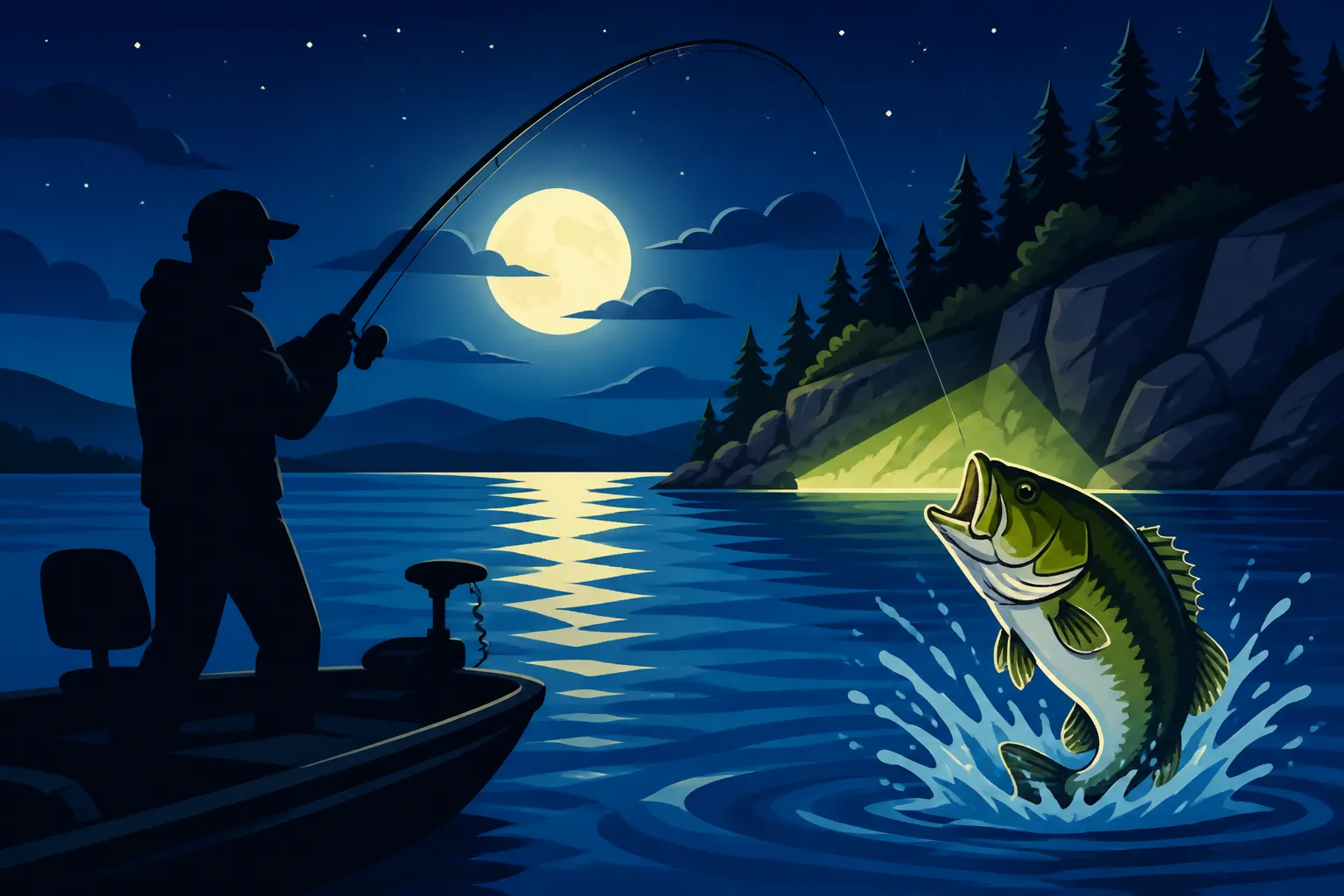
Just like us, many fish species seek refuge from the midday sun and activity. As darkness falls, their behavior undergoes a remarkable shift. Cooler water temperatures, especially in the shallower zones, become more inviting. The diminished light also gives many nocturnal predators a distinct advantage over their prey, which might rely more on sight in brighter conditions. This means that fish that were sluggish or hiding deep in cover during the day often become much more active and willing to feed at night.
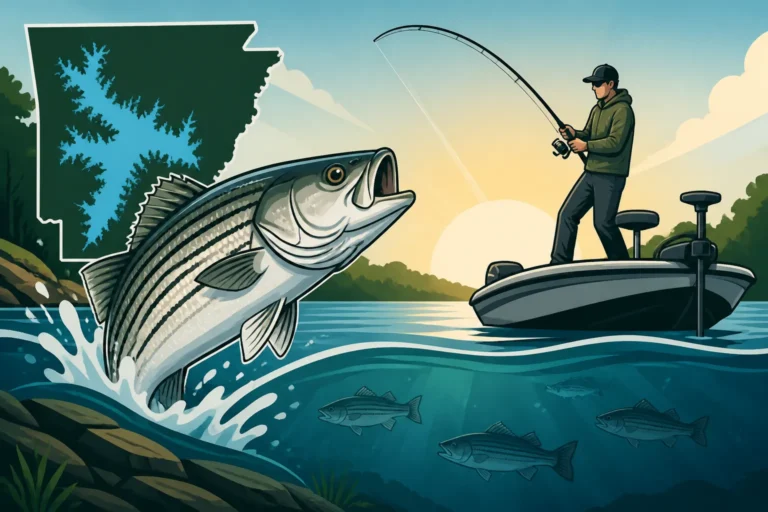
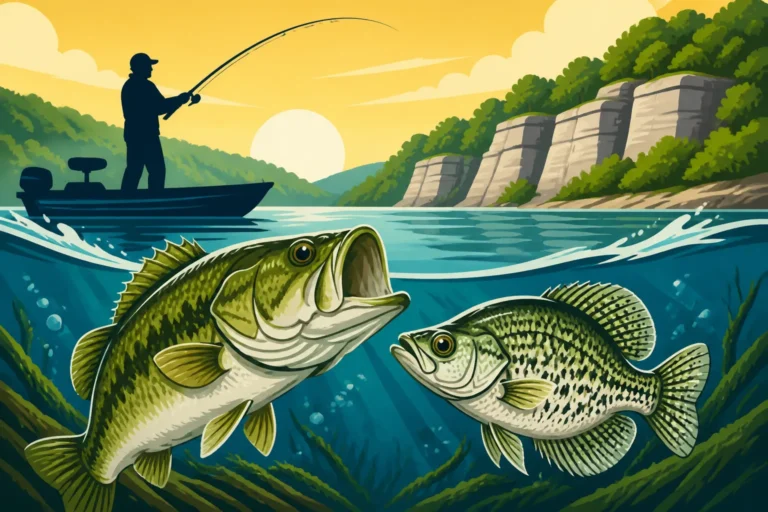
For instance, species like crappie and various catfish, which are already keen low-light feeders, really hit their stride after dark. Striped bass, too, are known to cruise shallower flats and humps at night, pushing baitfish to the surface. Even some largemouth bass will move out from heavy cover to patrol open areas for an easy meal. This change in behavior means that targeting certain species at night can be incredibly productive, often yielding larger fish or higher catch numbers than you might experience during the day. It’s about being there when the fish are most confident and on the hunt.
Uncovering Greers Ferry's Top Night Fishing Haunts
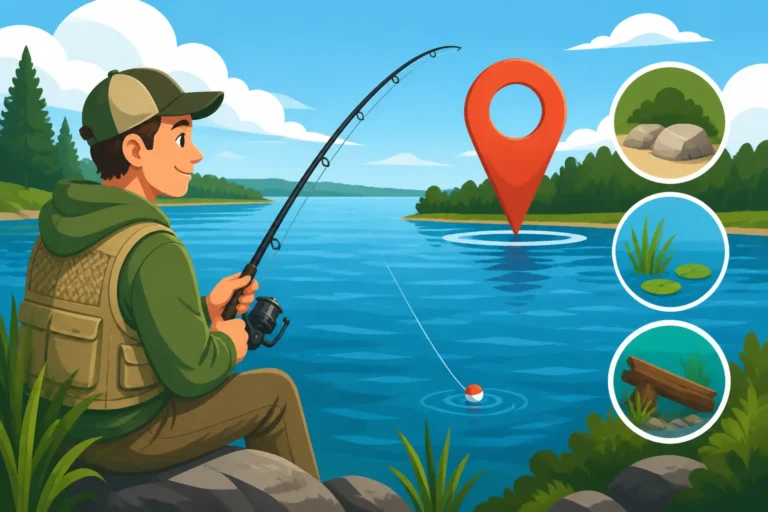
Greers Ferry Lake offers a diverse underwater landscape, from sprawling open waters to countless coves and submerged timber. Knowing where to focus your efforts after dark is key to success. The fish will often gravitate to specific types of structure or areas that offer a combination of cover, food, and comfort during the nighttime hours.
The Beacon of Docks and Marinas
One of the most reliable places to start your night fishing adventure on Greers Ferry Lake is around well-lit docks and marinas. Think about popular spots like Sugarloaf Marina or Lacey's Narrows – anywhere you see lights spilling onto the water. These artificial lights are absolute magnets for microscopic plankton, which in turn attract vast schools of baitfish like shad and minnows. And where the baitfish gather, the game fish inevitably follow.
Crappie, in particular, are notorious for suspending directly beneath these lights, feasting on the concentrated bait. You'll often find them just on the edge of the light penetration, darting in and out to ambush their meals. Bass and even some smaller catfish will also cruise these illuminated perimeters. When fishing these areas, try to position your boat just outside the main light cone, casting your baits into the light and slowly reeling them back into the darkness. Using a fishing light, either a submersible green light or a floating lantern, can further enhance this effect, creating your own little ecosystem for fish right next to your boat. You might even discover some great spots when browsing options for guides or trips on platforms like FishingBooker, as many guides know the best-lit honey holes.
Targeting Submerged Structures and Main Lake Humps
While docks are great for easy access, venturing out to known submerged structures and main lake humps can pay off big, especially for larger game fish. As the lake cools down and boat traffic disappears, fish that spent the day hunkering down in deeper, cooler water or heavy cover will often move up onto these structures to feed. These could be old creek channels, underwater points, rock piles, or isolated humps that top out at 15-30 feet of water.
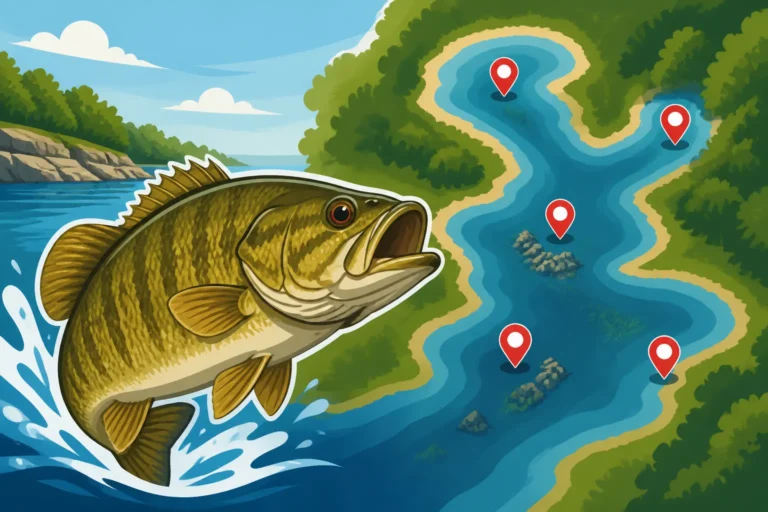
These areas act as highways and feeding grounds for various species. For example, Greers Ferry Lake Bass Fishing Guide, Arkansas often highlights these types of structures for daytime fishing, and they are just as, if not more, effective at night. Catfish will patrol the bottoms of these structures, while larger bass and even stripers might suspend over them, ambushing bait. Use your sonar to locate these submerged features during the day or early evening, marking them as waypoints for your night excursion. Then, approach them quietly and meticulously work your baits across the contours.
Open Water for Pelagic Predators
Don't shy away from the vast open waters of Greers Ferry, especially if you're chasing striped bass. These powerful fish are pelagic, meaning they roam the open water, often following schools of baitfish. At night, stripers can become incredibly aggressive, pushing baitfish to the surface or pinning them against structure. While Norfork Lake Striped Bass Season is often associated with trophy stripers, Greers Ferry holds its own impressive population that is very active after dark.
Look for areas where you've seen baitfish activity during the day, or where you notice schools on your sonar as darkness falls. Often, these areas will be near main lake points or deep creek channels. Many anglers use bright surface lights or specialized submersible green lights that attract plankton and baitfish to their boat, creating a feeding frenzy that stripers can't resist. Drifting live bait, like shad or large shiners, at varying depths can be incredibly effective. Keep an eye and ear out for surface boils or splashes – that's often a sign of stripers actively feeding on baitfish near the surface.
Essential Gear and Proven Techniques for Night Success
Night fishing requires a bit more preparation than your typical daytime outing. The lack of natural light means you'll need to bring your own illumination and adjust your senses. Having the right equipment and a tweaked approach will ensure both safety and a successful trip on Greers Ferry.
Illuminating Your Experience: Lights and Safety Equipment
First and foremost, safety cannot be overstated when you're out on the water after dark. You need proper lighting, not just for fishing, but for navigation and personal safety.
Here's a quick checklist:
- Navigation Lights: Ensure your boat's navigation lights are fully functional and visible. This is non-negotiable for avoiding collisions.
- Headlamps: Hands-free lighting is crucial. Invest in a good quality headlamp with both white and red light settings. Red light helps preserve your night vision and is less likely to spook fish.
- Fishing Lights: To attract fish, consider submersible green lights (like those from Hydro Glow or Green Blob) or floating LED lanterns. These create a concentrated light source that draws in bait and game fish.
- Flashlights: A powerful handheld flashlight is useful for spotting buoys, landmarks, or anything unexpected in the water.
- Life Jackets: Everyone on board should have a properly fitting life jacket, and it's wise to wear them, especially if you're moving around the boat or navigating unfamiliar waters.
- First-Aid Kit: Accidents can happen. A well-stocked first-aid kit is a must.
- Communication: Always have a fully charged cell phone (in a waterproof case) or a VHF radio for emergencies.
Remember to take it slow when navigating Greers Ferry at night. Familiarize yourself with the area during the day, noting any hazards or shallow spots. A good map or GPS unit on your boat is invaluable.
Baits and Lures That Get Noticed in the Dark
When fishing at night, visibility is naturally low, so you need baits and lures that stand out or appeal to a fish's other senses.
- Glow-in-the-Dark Lures: For crappie, jigs with glow-in-the-dark bodies or tails can be incredibly effective under fishing lights. Charge them with a flashlight periodically.
- Dark-Colored Lures: Surprisingly, black, blue, or purple lures can create a strong silhouette against the lighter sky or water surface, making them easier for fish to see. Think black spinnerbaits, dark plastic worms, or deep-diving crankbaits.
- Live Bait: This is often the gold standard for night fishing. Live shad, minnows, or shiners are irresistible to most predatory fish, and their natural scent and vibration are potent attractants. For catfish, nightcrawlers, cut bait (like shad or skipjack), or chicken livers are always top performers. Consider options for Best Bait for Night Fishing Catfish specifically.
- Scented Baits: Soft plastics infused with scent (like those from Berkley Gulp! or Yum!) can be highly effective, as fish rely heavily on their sense of smell and lateral line system in low light.
When working your baits, focus on slower presentations. Fish often react to slower-moving targets in the dark, giving them more time to locate and strike.
Adapting Your Fishing Strategy for the Night
Night fishing isn't just about showing up with lights; it's about refining your techniques for the nocturnal environment.
- Quiet Approach: Fish are often less wary at night, but loud noises or excessive vibrations can still spook them. Be mindful of dropping tackle, bumping the boat, or running your trolling motor too aggressively.
- Vertical Jigging and Dipping: For crappie under lights, vertical jigging small glow-in-the-dark jigs or live minnows directly below the boat is deadly. Slowly raise and lower your bait to entice strikes. For Crappie Jigging Basics for Beginners, these tips translate well to night fishing.
- Slip Bobbers: When targeting catfish or crappie, slip bobbers are fantastic for presenting live or cut bait at a precise depth, especially when you're fishing near cover or over deep structure. This technique allows for subtle bites to be easily detected.
- Slow Trolling: For stripers and larger bass in open water, slow trolling live bait or large deep-diving crankbaits can cover more ground and find actively feeding fish. Use your sonar to keep an eye on bait schools and target depths. Many guides on FishingBooker specialize in these advanced techniques, especially for deep-water striper fishing.
- Feel the Bite: In the dark, you might not see your line twitch. Focus on feeling the subtle taps or the sudden weightlessness that indicates a bite. Keep your line tight and your rod tip sensitive.
Species to Pursue Under the Greers Ferry Stars
Greers Ferry Lake is home to a robust population of game fish, and many of them become prime targets once the sun sets. Knowing which species are most active at night will help you tailor your approach and increase your chances of a successful outing.
Catfish: The Ultimate Night Hunter
If there's one species that absolutely thrives under the cloak of darkness, it's the humble (or not-so-humble) catfish. Greers Ferry is home to channel catfish, blue catfish, and flathead catfish, all of which are notoriously active night feeders. They use their keen sense of smell and barbels to locate food, making them perfectly adapted to low-light conditions.
You'll find channel and blue catfish cruising the bottom of creek channels, along ledges, and on main lake flats, especially where there's current or an abundance of baitfish. Flatheads tend to be more solitary and prefer to ambush prey from heavy cover, often found around submerged timber or rock piles. For targeting these bottom dwellers, Night Fishing Techniques for Catfish revolve around using strong, scented baits like cut bait (shad is excellent), chicken livers, nightcrawlers, or commercial stink baits. Fishing these baits directly on the bottom with a Carolina rig or a simple slip sinker rig is often the most effective method. Remember, the Best Time of Day to Catch Catfish is often after dusk and into the wee hours of the morning, so settle in for a long night of action.
Crappie: Masters of the Light and Shadow
Crappie are another phenomenal target for night fishing on Greers Ferry, particularly around those aforementioned lit docks and fishing lights. These panfish are sight feeders but become incredibly opportunistic under artificial lights, congregating in large schools to feed on the concentrated baitfish and insects that are drawn to the glow.
When targeting crappie at night, patience and precision are key. Use small jigs (1/32 to 1/8 ounce) in glow-in-the-dark, chartreuse, white, or black colors. Tip them with a small minnow for added attraction. Vertical jigging or slowly dipping your bait directly beneath your boat or along the edges of lighted structures is highly effective. Pay close attention to your sonar to locate the depth at which the crappie are suspended, then adjust your presentation accordingly. These fish can be a bit spooky, so a quiet approach and a subtle presentation will yield the best results. For tips on where exactly to go, check out Where to Catch Crappie on Greers Ferry Lake.
Striped Bass: A Nighttime Powerhouse
The powerful striped bass is another species that often provides thrilling action under the cover of night on Greers Ferry. While they can be caught during the day, stripers are known to be incredibly aggressive nocturnal hunters, especially during the warmer months when they move shallower to chase baitfish. Greers Ferry has a fantastic striped bass fishery, offering anglers the chance to hook into a true freshwater leviathan.
Focus your efforts on open water areas, main lake points, and the mouths of larger creeks, particularly where you've marked baitfish schools on your electronics. Stripers will often push bait to the surface, creating explosive feeding frenzies that are exhilarating to witness, even in the dark. Live bait, especially large shad or shiners, slow-trolled or free-lined, is a top choice for stripers. Large swimbaits, deep-diving crankbaits, or even topwater plugs (if they're actively surfacing) can also be effective. For more specific techniques, consider exploring resources on Deep Water Striper Fishing Techniques, as many of these principles apply to night fishing as well. Be ready for a powerful fight; these fish are known for their strength and stamina!
Here’s a quick overview of some top night fishing targets on Greers Ferry:
| Species | Prime Night Fishing Spots | Recommended Baits/Lures | Key Techniques |
|---|---|---|---|
| Catfish | Creek channels, ledges, main lake flats, submerged timber | Cut bait (shad, skipjack), chicken liver, nightcrawlers, scented dough baits | Bottom fishing with Carolina rig, slip sinker rig; using smell to attract. |
| Crappie | Under lit docks and marinas, brush piles, submerged trees | Glow jigs, chartreuse jigs, minnows, small tube baits | Vertical jigging, slow dipping, slip bobbers under lights. |
| Striped Bass | Open water, main lake points, mouths of large creeks, humps | Live shad, shiners, large swimbaits, deep-diving crankbaits | Slow trolling live bait, free-lining, casting to surface boils, using fishing lights. |
Before heading out, always make sure you have your Arkansas Fishing License Rules and Costs in order and are familiar with the current Arkansas Fishing Regulations Guide. A good fishing trip starts with being prepared and compliant.
Disclaimer
The information provided in this guide is for general informational purposes only. Fishing conditions, regulations, and fish behavior can change. Always consult the latest Arkansas Game and Fish Commission regulations before heading out and prioritize safety on the water.