Best Bass Fishing Spots on Beaver Lake Near Fayetteville
If you've ever stood on the shores of a massive body of water like Beaver Lake, rod in hand, feeling a mix of excitement and utter bewilderment, you're not alone. It's an incredible fishery, but finding those elusive bass honey holes, especially when you're starting from Fayetteville, can feel like searching for a needle in a haystack. This guide is here to cut through the confusion, pinpointing the best bass fishing spots on Beaver Lake near Fayetteville, so you can spend less time guessing and more time reeling in those lunkers.
The Allure of Beaver Lake for Bass Anglers
Beaver Lake, snuggled into the Ozark Mountains just a stone's throw from Fayetteville, is a true gem for bass anglers. It’s not just big; it's diverse. We're talking about everything from deep, clear bluffs that plunge into 100+ feet of water to shallow, timber-filled coves and winding creek channels. This variety means that no matter the season or the specific bass species you're targeting – largemouth, smallmouth, or spotted (Kentucky) bass – Beaver Lake likely has the perfect habitat for them. The sheer size, covering over 28,000 acres, can be intimidating, but that also means there's always a new corner to explore and a new challenge to conquer.
Understanding the Lake's Structure and Habitat
What makes Beaver Lake such a phenomenal bass fishery? It boils down to its incredibly varied structure. The lake was formed by damming the White River, and much of its original topography, including creek beds, timber, and rock formations, remains submerged, creating a complex underwater landscape. You'll find sharp drop-offs, sheer rock walls, deep points, flooded timber, and numerous feeder creeks. Each of these features attracts bass at different times of the year and under varying conditions, offering a year-round challenge. Learning to "read" this structure is key to consistently finding fish.
For instance, during the warmer months, bass might retreat to deeper ledges and main lake points, seeking cooler water and access to baitfish migrating from the open water. In contrast, during the spring spawn, those same fish will move into shallow, protected coves with some form of cover like brush or docks. Understanding these patterns, tied directly to the lake's structure, is your biggest asset. It’s a lot like solving a puzzle, and Beaver Lake offers a truly intricate one.
The Big Three: Largemouth, Smallmouth, and Spotted Bass
Beaver Lake is unique because it offers incredible fishing for all three major black bass species: largemouth, smallmouth, and spotted (Kentucky) bass. Each has its own preferred habitat and fighting style, adding to the lake's appeal.
- Largemouth Bass: These are your classic bucketmouths, often found in areas with plenty of cover like submerged timber, weed lines (though less prevalent in Beaver's clearer water), and brush piles. They love ambush points, so look for them around docks, fallen trees, and creek channel bends. Catching a lunker largemouth on Beaver Lake is a thrill that keeps many anglers coming back.
- Smallmouth Bass: Known for their bronze color and incredible fighting spirit, smallmouth prefer rocky areas, bluffs, and clear, cool water. They're often found on main lake points, submerged humps, and around rocky shorelines. If you’re looking for a serious battle on light tackle, targeting smallmouth on Beaver Lake will not disappoint. You can learn more about specific characteristics in our guide on How to Tell Largemouth, Smallmouth, and Kentucky Bass Apart.
- Spotted (Kentucky) Bass: These guys are often overlooked but are incredibly abundant and provide consistent action. They share habitat preferences with both largemouth and smallmouth, often found on points, humps, and around bridge pilings. While they don't typically grow as large as largemouth, they're aggressive biters and a blast to catch, making them perfect for anglers seeking steady action throughout the day.
Before heading out, remember to grab your Arkansas Fishing License Rules and Costs and familiarize yourself with the current Arkansas Fishing Regulations Guide to ensure a legal and enjoyable trip.
Top Bass Fishing Hotspots on Beaver Lake Near Fayetteville
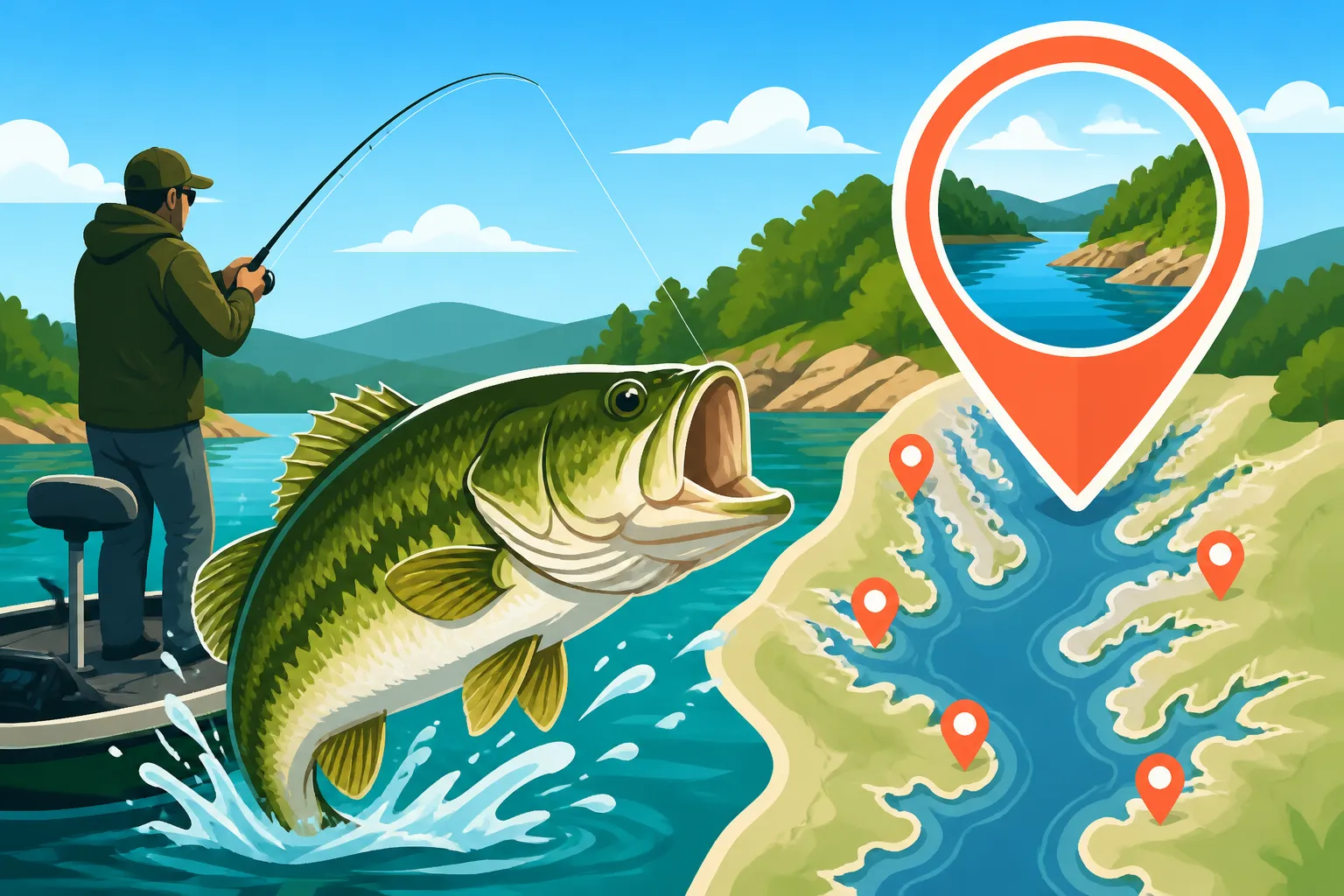
Okay, let's get down to brass tacks. While bass can be found throughout Beaver Lake, certain areas consistently produce better results, especially for anglers launching from the Fayetteville side. These spots offer a combination of ideal habitat, structure, and accessibility.
The Prairie Creek and Rocky Branch Areas
These two arms are incredibly popular, and for good reason. They are easily accessible from Fayetteville and offer a fantastic mix of structure.
- Prairie Creek: This area is a go-to for many local anglers. It features a mix of rocky banks, some standing timber, and several coves that offer protection from the wind. The creek channel here is well-defined and winds through the area, creating excellent depth changes that bass love. During the spring, the shallower coves warm up quickly, drawing in prespawn and spawning bass. Later in the year, the main channel and adjacent points become productive for deeper-holding fish. Look for brush piles near points and creek bends; these are often stocked by local conservation efforts and attract plenty of bass.
- Rocky Branch: Just a bit further down from Prairie Creek, Rocky Branch offers similar excellent fishing. It's known for its clear water, rocky bluffs, and some deep creek channel swings. This area is particularly good for smallmouth bass, which thrive on the rocky bottom and bluff walls. Anglers often find success by casting crankbaits or jigs along these bluffs, especially during low light conditions. Both Prairie Creek and Rocky Branch also have excellent public boat ramps, which you can find more details on in our guide to Boat Ramps on Beaver Lake for Easy Access.
The War Eagle Creek Arm
Moving further up-lake and east from Fayetteville, the War Eagle Creek arm is a slightly different beast. It tends to have a bit more stained water, especially after heavy rains, and more standing timber in its upper reaches. This makes it a prime largemouth bass haven.
- Timber and Cover: The back half of the War Eagle arm is characterized by extensive flooded timber. This provides incredible cover and ambush points for largemouth bass. Flipping and pitching jigs or Texas-rigged plastics into this timber is a highly effective, albeit challenging, technique. The more stained water here also means bass might be shallower and less skittish, offering different fishing opportunities compared to the main lake's clearer sections.
- Transition Zones: Pay close attention to the transition zones where the creek channel meets larger coves or pockets. These areas often concentrate baitfish and, consequently, bass. As the lake level fluctuates, the timber line moves, creating new edges and cover that bass will quickly inhabit. It’s a dynamic environment that rewards anglers who are willing to adapt and explore.
Points, Humps, and Deep Water Haunts
For those who love fishing offshore structure, Beaver Lake is a paradise. The main lake body, particularly the stretches heading south from the Highway 12 bridge towards the dam, is littered with submerged points and humps.
- Main Lake Points: These geological features extend out from the shore and drop off into deeper water. Bass, especially smallmouth and spotted bass, use these points as highways to move between deep and shallow water, as well as ambush spots for schooling baitfish. Look for points with a mix of rock and gravel, and always check both the shallow and deep sides. Jigging spoons, deep-diving crankbaits, and Carolina rigs are excellent choices for working these areas.
- Submerged Humps and Islands: Many hidden humps rise from the lake floor, often holding schools of bass that are impossible to find from the surface. These require good electronics to locate. Once you find one, it can be a goldmine. Use your fish finder to mark the top and edges, then systematically work around it. These spots are particularly productive during the summer when bass congregate in cooler, deeper water.
Upper Lake Timber and Backwater Coves
As you venture into the very upper reaches of Beaver Lake, closer to the inflow of the White River and its tributaries, the lake takes on a riverine characteristic. This area is generally shallower, often more stained, and heavily timbered.
- Flooded Forests: This upper section is a maze of standing dead trees, stumps, and laydowns. It’s an absolute largemouth paradise, especially during the prespawn and spawn. Fish here can be very shallow, often hiding deep within the cover. Techniques like pitching jigs, creature baits, or even Texas-rigged worms into the thickest cover are highly effective. Patience is key, as you'll often have to work through snags, but the reward of pulling a hawg out of the timber is unmatched.
- Secluded Backwater Coves: Tucked away off the main channel of the upper lake are numerous small coves and pockets. These can be incredible sanctuaries for bass, offering calm, shallow water for spawning and feeding. Often, these areas don't see as much pressure as the main lake. Exploring them, especially after a warm rain that brings new nutrients and slightly stained water, can lead to some unexpected catches.
| Beaver Lake Bass Hotspot | Primary Bass Species | Key Features | Best Techniques | Notes |
|---|---|---|---|---|
| Prairie Creek | Largemouth, Spotted | Rocky banks, defined creek channel, coves | Crankbaits, Jigs, Texas-Rigs | Great for spring spawning, brush piles, easily accessible from Fayetteville. |
| Rocky Branch | Smallmouth, Spotted | Clear water, rocky bluffs, deep channel | Crankbaits, Jigs, Drop-Shot | Excellent smallmouth fishery, deep water access. |
| War Eagle Creek Arm | Largemouth | Stained water, heavy flooded timber | Flipping/Pitching Jigs, Frogs | Best for heavy cover, often less pressured in upper reaches. |
| Main Lake Points | Smallmouth, Spotted | Submerged rocks, gravel, depth changes | Jigging Spoons, Carolina Rigs | Productive year-round, especially in summer. Requires good electronics. |
| Upper Lake Timber | Largemouth | Standing timber, laydowns, shallow water | Texas-Rigs, Soft Plastics, Jigs | Excellent for shallow water ambush predators, challenging fishing. |
Essential Techniques and Lures for Beaver Lake Bass
Beaver Lake's diverse habitat means that a wide range of techniques can be effective. However, some stand out as particularly productive given the lake's characteristics, especially its clear water in many areas and abundant rocky structure.
Adapting to Clear Water Conditions
One of the first things you'll notice about much of Beaver Lake, especially the main body, is how incredibly clear the water can be. This means bass have a better view of your line, your presentation, and even you!
- Lighter Line and Fluorocarbon: To combat this, many experienced anglers switch to lighter line, often 8-12 lb fluorocarbon as a main line or leader, which is nearly invisible underwater. Brands like Seaguar and Berkley offer excellent fluorocarbon options.
- Natural Colors and Subtle Presentations: Opt for more natural lure colors – greens, browns, and whites – that mimic the natural forage. Also, focus on subtle presentations. Instead of aggressive retrieves, try a slow, deliberate approach, letting the lure sink naturally or twitching it gently. Sometimes, the most natural-looking bait is the most effective.
- Longer Casts: Casting further from your target allows your lure to settle and appear more natural by the time it reaches the fish, giving them less time to spook from your boat or shadow.
Seasonal Strategies for Beaver Lake Bass
Bass behavior on Beaver Lake changes dramatically with the seasons. Understanding these shifts is paramount to success.
- Spring: This is prime time for big bass as they move shallow for the spawn. Look for them in protected coves and shallower pockets with brush or rock. Crankbaits, spinnerbaits, and jigs are great for prespawn fish, while soft plastics like Senkos and creature baits excel on spawning beds. You can dive deeper into this period in our guide on Spring Fishing Patterns on Arkansas Reservoirs.
- Summer: As water temperatures rise, bass often retreat to deeper, cooler water. Target main lake points, submerged humps, and deep creek channels. Deep-diving crankbaits, jigging spoons, drop-shot rigs, and Carolina rigs become highly effective. Early morning and late evening topwater bites can also be explosive around main lake points. For more summer tips, check out Summer Bass Fishing Patterns.
- Fall: The cooling water in autumn triggers a feeding frenzy as bass chase baitfish. This is a fantastic time for aggressive techniques. Square bill crankbaits, lipless crankbaits, spinnerbaits, and topwater lures can all be deadly, especially around shallow points and creek mouths where baitfish congregate. Don't forget to consult our Fall Fishing Patterns for Bass and Crappie for a comprehensive approach.
- Winter: While many anglers put their boats away, winter fishing on Beaver Lake can be surprisingly productive for those willing to brave the cold. Bass will often school up tightly in deep creek channels or on vertical bluff walls. Finesse techniques like drop-shotting, slow-rolling spoons, and jigging small swimbaits can be very effective. It's a game of patience, but the rewards can be some of the biggest bass of the year. For an overall look at yearly trends, check out the Best Time of Year for Bass Fishing in Arkansas.
Top Lures and Baits for Beaver Lake
Having the right tackle is crucial. Here are some consistent performers on Beaver Lake:
- Soft Plastics: A cornerstone for Beaver Lake. Texas-rigged worms, creature baits, and Senkos are incredibly versatile. Colors like green pumpkin, junebug, and watermelon are always solid choices. They are perfect for pitching into timber, working rocky ledges, or targeting bedding bass. If you're looking for detailed info on these, our guide on Best Lures for Largemouth Bass Fishing can provide more insights.
- Jigs: Whether a football jig for deep rock structure, a finesse jig for subtle bites, or a swim jig for covering water, jigs are a must-have. Pair them with a craw or creature trailer. Black and blue, green pumpkin, and brown are reliable colors.
- Crankbaits: From shallow-diving square bills to deep-diving behemoths, crankbaits are excellent for covering water and triggering reaction strikes. Choose colors that mimic shad or crawfish. For smallmouth, smaller, crawfish-patterned crankbaits worked along rocky banks are often irresistible. For smallmouth, you might also consider what we covered in Best Bait for Smallmouth Bass in Rocky Streams.
- Topwater Lures: Early morning and late evening, particularly in warmer months, can bring explosive topwater action. Poppers, walking baits (like a Heddon Zara Spook), and prop baits are all great for enticing bass from cover or off points.
- Spinnerbaits and Bladed Jigs: These shine in areas with stained water or around sparse cover, offering flash and vibration that bass can't resist. Experiment with blade combinations and skirt colors.
Navigating and Accessing Beaver Lake's Best Spots
Getting to these prime bass fishing spots on Beaver Lake means knowing your access points and considering how you’ll navigate the expansive waters.
Public Boat Ramps and Marinas
Given its popularity, Beaver Lake has numerous public access points, many of which are very convenient from Fayetteville.
- Prairie Creek Park: One of the most popular and well-maintained ramps, offering easy access to the Prairie Creek arm and main lake. It's close to Fayetteville and provides ample parking and facilities.
- Rocky Branch Park: Another excellent Army Corps of Engineers park with good ramps, putting you right into the smallmouth-rich waters of Rocky Branch.
- Starkey Marina: Offers public ramps and is a full-service marina, making it a great base of operations.
- Horseshoe Bend: Further south, this ramp provides access to deeper, clearer sections of the main lake, known for offshore structure.
Always check water levels, especially during periods of drought or heavy rain, as some ramps might be affected. For a detailed list and specific directions, our guide on Boat Ramps on Beaver Lake for Easy Access is an invaluable resource.
Utilizing Fishing Guides for Expert Knowledge
If you’re new to Beaver Lake or want to maximize your time on the water, consider booking a guided fishing trip. A local guide has invaluable knowledge about current fish patterns, productive spots, and the best techniques for the day. They can save you countless hours of trial and error, getting you straight to the action.
Platforms like FishingBooker make it incredibly easy to find and book experienced local guides for Beaver Lake. You can browse various captains, see their specialties (bass, crappie, etc.), read reviews from other anglers, and compare prices and trip durations. Many guides even provide all the necessary gear, so all you have to do is show up ready to fish. They can be particularly helpful for navigating complex areas like the upper lake timber or finding those elusive deep-water humps. Booking a Beaver Lake Guided Fishing Trips in Arkansas could turn a good trip into an unforgettable one.
Shore Fishing Options
While Beaver Lake is primarily a boat fishery due to its size and rugged shoreline, there are limited opportunities for bank anglers, especially around the public parks and recreation areas.
- Designated Fishing Piers: Some parks, like Prairie Creek, may have designated fishing piers or accessible shoreline areas that can be productive, particularly during the spring spawn when bass move shallow.
- Creek Mouths and Inflows: Look for areas where smaller creeks or drains flow into the lake. These can concentrate baitfish and bass, offering accessible casting opportunities from the bank.
- Marinas and Docks: Permission permitting, fishing around docks at marinas can be surprisingly effective, as these structures provide cover and shade that bass love. Always be respectful of private property and adhere to any posted rules.
Even with limited bank access, a keen eye for shoreline structure and timing your visits for peak feeding periods (like dawn or dusk, or after a good rain) can still yield some great catches from shore.
Disclaimer
Fishing conditions and regulations in Arkansas can change. Always check the latest information from the Arkansas Game & Fish Commission before heading out. This guide is for informational purposes only and does not constitute official legal advice.