Is Lake Hamilton Good for Striper Fishing?
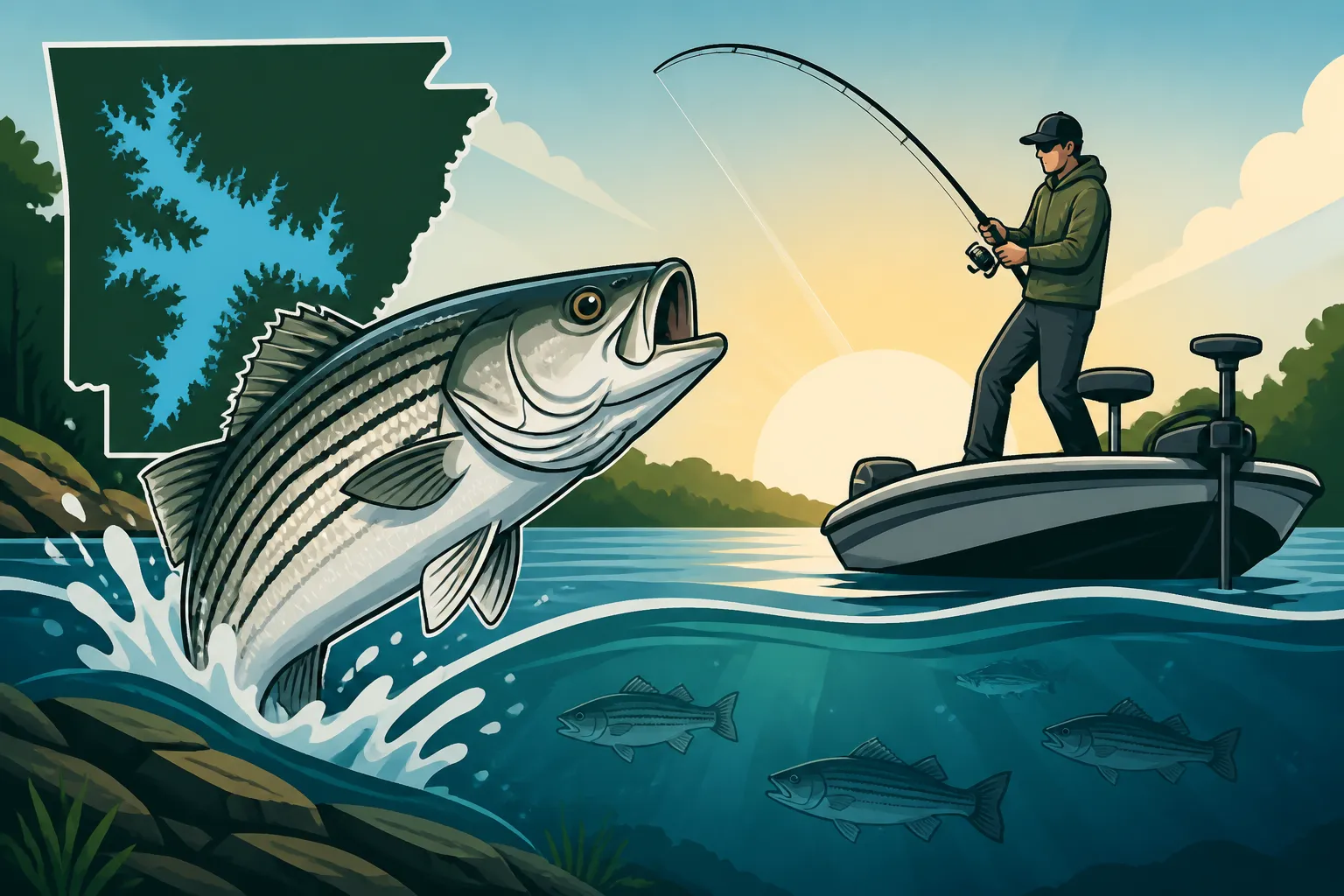
If you've ever dreamt of battling a powerful freshwater leviathan, you've probably heard whispers about striped bass. And if you're an angler in Arkansas, the big question often comes up: is Lake Hamilton really good for striper fishing? The short answer is a resounding yes! But it's not always as simple as dropping a line. This guide will dive deep into why Lake Hamilton is a premier destination for striped bass, the best techniques, prime times, and everything you need to know to land one of these impressive fish.
Understanding Lake Hamilton's Striper Potential
Lake Hamilton, nestled in the heart of Hot Springs, isn't just a picturesque spot for pleasure boats and lakeside homes; it's a legitimate powerhouse for striped bass. These hard-fighting fish thrive in the lake's unique environment, offering thrilling challenges and memorable catches to anglers willing to learn its secrets.
Why Lake Hamilton Stands Out for Stripers
Lake Hamilton truly stands out as an exceptional striper fishery for several compelling reasons. First and foremost, the lake boasts deep, clear water with an abundant forage base. Striped bass are voracious predators, and they require a healthy supply of baitfish to grow to trophy sizes. Lake Hamilton is teeming with threadfin and gizzard shad, which form the primary diet of its striped bass population. This consistent food source allows stripers to grow incredibly large, with many fish regularly exceeding 20 pounds, and true giants pushing past 40. The clear water conditions, especially in the deeper sections, also provide ideal habitat, allowing stripers to use their keen eyesight to hunt.
Moreover, the geography of Lake Hamilton itself plays a crucial role. It's a long, winding reservoir on the Ouachita River, covering over 7,200 acres with nearly 200 miles of shoreline. This expansive, intricate layout provides countless deep channels, submerged humps, points, and coves that act as perfect ambush points and congregating areas for stripers. The lake's hydropower generation also creates current, which can trigger feeding frenzies and concentrate baitfish, making it easier for stripers to hunt. The presence of significant structure, both natural and man-made like bridge pilings and deep docks, offers ideal cover and holding patterns for these pelagic predators throughout the year.
Striped Bass Behavior in Lake Hamilton
Understanding striped bass behavior in Lake Hamilton is absolutely key to consistent success. These fish are constantly on the move, driven by water temperature, oxygen levels, and, most importantly, the location of their food. Unlike many other species that hold tight to cover, stripers are often found suspended in the water column or chasing large schools of baitfish in open water. During the cooler months of spring and fall, you'll find them more scattered and closer to the surface, often chasing shad into shallower coves or along points. This is when they are most accessible to a wider range of techniques.
As the summer heat sets in, the stripers will generally retreat to the deeper, cooler, more oxygenated waters of the main lake. They tend to follow the thermocline—the layer where warm surface water meets cooler, deeper water—which also often holds dense schools of bait. This deep-water pattern requires specialized techniques like downrigging or powerful sonar to locate schools. In winter, while their metabolism slows, stripers will still actively feed, often found in large schools over deep channels, making them a prime target for those who can pinpoint them. Observing baitfish on your sonar, watching for birds diving, or even seeing surface boils are all critical clues to locating these powerful fish.
Essential Techniques for Lake Hamilton Stripers
Catching striped bass on Lake Hamilton often requires a combination of patience, specific gear, and refined techniques. You can't just throw a worm and bobber out here and expect consistent results for these powerful predators. Anglers really need to come prepared with the right approach.
Trolling for Trophy Stripers
Trolling is arguably one of the most effective methods for consistently catching trophy-sized striped bass on Lake Hamilton. It allows you to cover vast amounts of water, presenting your lures or baits to fish that might be scattered or suspended at various depths. The key here is to match your trolling speed and lure depth to the stripers' activity and location. During cooler months, many anglers find success trolling medium to large crankbaits, swimbaits, or umbrella rigs behind the boat at speeds typically ranging from 2.5 to 4 miles per hour. Brands like the Rapala Deep Diving Shad or Berkley Dredger are popular choices for diving deep and imitating shad.
When trolling, precise depth control is paramount. Many experienced striper anglers on Lake Hamilton utilize lead core line, planer boards, or even downriggers to ensure their baits are presented exactly where the fish are holding. For instance, if your sonar is showing schools of stripers suspended at 30 feet, you'll need a way to get your lure to that depth. Using a combination of different lure types and depths in your spread can help you identify what the fish are keying in on that particular day. Pay close attention to current seams, main lake points, and channel swings, as these are prime areas where stripers often ambush baitfish. Trolling near structure like submerged timber or the edges of river channels can also be incredibly productive.
Live Bait and Downrigging Strategies
For many serious striper anglers, live bait is the undisputed champion, especially when targeting larger, more finicky fish. Gizzard shad and threadfin shad, ideally caught fresh from the lake with a cast net, are the bait of choice. However, wild-caught bait can be challenging to acquire, so some anglers opt for commercially available baits like large shiners or even small bluegill, though shad are generally preferred by the stripers themselves. The effectiveness of live bait often lies in its natural movement and scent, which can entice even the most reluctant striper.
Downrigging is a sophisticated technique that pairs perfectly with live bait on Lake Hamilton, particularly during the warmer months when stripers retreat to deeper water. A downrigger uses a heavy ball (cannonball) to carry your fishing line and bait down to a precise, predetermined depth. Once at depth, the line is released from a clip on the cannonball, allowing the bait to swim freely, typically 20-50 feet behind the ball. This method allows you to present live shad right in the strike zone, whether it's 40, 60, or even 80 feet deep. Positioning multiple downriggers at varying depths and distances from the boat can help you pinpoint where the stripers are feeding. It's an art form that takes practice, but the rewards—often huge stripers—are well worth the effort. For those looking for local expertise, many fishing guides listed on platforms like FishingBooker specialize in these advanced techniques, offering invaluable insights for a successful trip.
Prime Times and Locations for Striper Action
Knowing when and where to cast your line can make all the difference when pursuing Lake Hamilton's formidable striped bass. These fish are creatures of habit, yet their patterns shift with the seasons.
Seasonal Breakdown for Striper Success
The seasons dictate much of the striper activity on Lake Hamilton.
- Spring: As water temperatures begin to rise, typically from March through May, stripers become incredibly active. They'll move into shallower areas, congregating along main lake points, coves, and creek channels, often chasing schools of shad. This is a fantastic time for both trolling crankbaits and casting large swimbaits or topwater plugs, especially during low light conditions in the early morning or late evening. The fish are often more accessible and willing to strike at this time of year. Don't be surprised to find them busting schools of bait on the surface.
- Summer: When the scorching Arkansas summer arrives, Lake Hamilton stripers retreat to the cooler, deeper oxygenated waters. This means focusing your efforts on the main lake body, over deep channels, and around significant underwater structure like humps and ledges. Downrigging with live shad becomes the dominant technique, targeting fish suspended at the thermocline, often 30-70 feet deep. Night fishing is also a very popular and productive strategy during the summer months, as stripers will move shallower under the cover of darkness to feed. For a unique experience, check out some of the specific Night Fishing Spots on Lake Hamilton.
- Fall: Autumn brings a revival of surface activity as water temperatures cool. From September through November, stripers often form massive schools and engage in aggressive feeding frenzies, preparing for winter. This is a prime time for chasing surface boils—where stripers are actively herding and attacking schools of shad on the surface. Casting swimbaits, spoons, or even large topwater plugs into these chaotic scenes can result in explosive strikes. Trolling remains effective, as does soaking live bait on freelines or under balloons.
- Winter: While often slower, winter fishing can yield some of the biggest stripers of the year. The fish are typically schooled up in deep water over major creek channels or the main river channel, often near baitfish. Vertical jigging with heavy spoons or blade baits, or slow trolling deep-diving crankbaits or live bait, are effective strategies. Patience is key, as bites might be less frequent, but when they hit, they're often giants.
Key Striper Hotspots on Lake Hamilton
Lake Hamilton has several tried-and-true locations that consistently produce striped bass. The main river channel that winds through the lake is always a prime area, offering deep water and current where stripers patrol. Look for sharp bends in the channel or areas where it narrows. The large open areas near the Carpenter Dam are also renowned striper haunts, especially for those pursuing trophy fish with downriggers. The deep water here provides excellent habitat year-round.
Another significant area is the complex of deep points and humps located near the Highway 70 bridge and extending towards Bluffton. These underwater structures act as magnets for baitfish, and consequently, for stripers. Anglers often troll these areas or use their electronics to pinpoint schools of fish before dropping live bait. The deep coves and feeder creeks, particularly those with significant depth changes, can be productive, especially during spring and fall when stripers push bait into these areas. For a more detailed look at the lake's specific features, guides specializing in Striper Fishing on Lake Hamilton in Hot Springs, Arkansas can pinpoint exact coordinates and tactics. Remember, stripers are often found near bait, so any area where you mark dense schools of shad on your sonar is worth investigating.
Planning Your Lake Hamilton Striper Trip
Embarking on a striper fishing adventure on Lake Hamilton requires more than just a rod and reel; it demands thoughtful preparation and the right tools for the job. You're chasing a powerful, often elusive fish, and being well-equipped significantly boosts your chances of success.
Gear and Preparation Checklist
When it comes to gear for Lake Hamilton stripers, think robust and reliable. You'll need medium-heavy to heavy action rods, preferably around 7 to 8 feet in length, capable of handling powerful runs and heavy lures or weights for downrigging. Pair these with conventional baitcasting reels or stout spinning reels spooled with at least 20-30 pound monofilament or 30-50 pound braided line. Braided line is often preferred for its sensitivity and lack of stretch, which is crucial for feeling subtle bites in deep water and setting hooks effectively. For leaders, fluorocarbon in the 20-40 pound range is a good choice due to its abrasion resistance and low visibility in clear water.
Beyond your core rod and reel setups, a few other items are non-negotiable. A reliable boat with a strong motor is essential for covering Lake Hamilton's vast waters and keeping up with fast-moving striper schools. A quality fish finder or sonar unit is absolutely critical for locating stripers, identifying bait schools, and understanding underwater topography. Look for units with good side-imaging and down-imaging capabilities. Don't forget an ample supply of lures, including a variety of deep-diving crankbaits, spoons, bucktail jigs, and large swimbaits, especially those that mimic shad. If you plan on live bait fishing, a good cast net for catching bait and a large, well-aerated livewell to keep them frisky are a must. Always carry safety gear, including life jackets for everyone on board, a first-aid kit, and communication devices. And of course, make sure you have your Arkansas Fishing License Rules and Costs sorted before you even leave the dock!
Considering a Guided Striper Trip
For many anglers, especially those new to Lake Hamilton or striper fishing in general, hiring a professional guide is an investment that pays dividends in knowledge and success. The learning curve for catching stripers can be steep, and a seasoned guide possesses years of experience, current knowledge of the lake's ever-changing patterns, and specialized equipment that most recreational anglers don't have. They know the current hotspots, the best baits, and the precise techniques that are working right now. This can save you countless hours of trial and error, frustration, and fuel costs.
A guided trip is particularly beneficial if you're targeting a trophy striped bass. Guides often have a network of contacts, extensive sonar data, and refined strategies specifically designed to find and catch the biggest fish. They'll provide all the necessary gear, bait, and often even clean your catch. It’s also an excellent way to learn advanced techniques like downrigging or how to read sonar more effectively. While a guided trip certainly costs more than a solo outing, the education and increased likelihood of catching fish make it a worthwhile consideration. If you're looking for a reputable guide, check out platforms like FishingBooker, where you can browse local guides specializing in Arkansas Striped Bass Fishing Techniques on Lake Hamilton, compare prices, read reviews, and book directly. It’s a fantastic way to ensure you're getting out with someone who truly knows the ropes.
Common Challenges and Solutions
Even on a fantastic fishery like Lake Hamilton, striped bass fishing isn't without its challenges. These powerful fish can be elusive, and the lake itself presents unique obstacles. Being aware of these common hurdles and having strategies to overcome them will lead to more enjoyable and successful trips.
Dealing with Finicky Stripers
One of the most frustrating aspects of striper fishing on any lake, including Lake Hamilton, is when the fish get "finicky." You might mark huge schools on your sonar, see baitfish everywhere, and still not get a bite. This usually means the stripers are either not actively feeding or they're highly selective about what they'll strike. It's a common scenario that can test an angler's patience, but it's not insurmountable. The key here is adaptability and a willingness to experiment.
When stripers are being particularly fussy, the first solution is often to change your presentation. If you're trolling, try varying your speed; sometimes a slight increase or decrease can trigger a strike. Experiment with different lure colors, sizes, and actions. What worked yesterday might not work today. If you're using live bait, ensure it's as lively as possible and try different hooking methods to give it a more natural presentation. Sometimes, simply scaling down your leader size or hook size can make a difference in clear water conditions. Another strategy is to change locations entirely. Finicky fish in one area might be actively feeding just a short boat ride away. Many experienced anglers will check out alternative spots mentioned in a guide to Where to Catch Striper on Lake Hamilton when their primary location isn't producing. Don't be afraid to switch from artificials to live bait or vice versa, and always keep an eye on water temperature and oxygen levels, as these factors heavily influence a striper's mood.
Navigating Lake Hamilton's Waters
Lake Hamilton is a popular destination, and with its popularity comes significant boat traffic, especially during peak seasons and weekends. Navigating these waters safely and effectively, particularly while fishing, presents its own set of challenges. Pleasure boats, jet skis, and other recreational watercraft can create choppy conditions, make it difficult to maintain a trolling speed, and even scatter fish. Beyond the traffic, Lake Hamilton also has its share of submerged structures, shallow spots, and unmarked hazards that can be dangerous if you're not paying attention.
The solution to navigating Lake Hamilton successfully starts with caution and preparation. Always operate your boat safely, especially when other vessels are present. Pay close attention to no-wake zones and maintain a safe distance from other boats. For fishing, try to schedule your trips during weekdays or early mornings/late evenings on weekends to avoid the heaviest traffic. Being out at dawn can offer not only prime fishing but also a much calmer lake. Invest in a good GPS unit with up-to-date mapping of the lake, which will show channel markers, depth contours, and potential hazards. While it doesn't fully negate the need for visual awareness, it's an invaluable tool. Learning Best Boat Ramps on Lake Hamilton Near Hot Springs can also help you choose launch points that minimize travel through congested areas. Familiarize yourself with local buoy markers and understand their meaning. By being proactive and respectful of other lake users, you can safely enjoy your striper fishing experience, even on a busy lake like Hamilton.
Comparative Striper Fishing Opportunities in Arkansas
While Lake Hamilton offers fantastic striper fishing, it's worth noting how it compares to other renowned striper fisheries in Arkansas. Each lake has its unique characteristics, challenges, and rewards.
| Feature | Lake Hamilton | Norfork Lake | Lake Ouachita |
|---|---|---|---|
| Typical Striper Size | Good, often 10-30 lbs, with trophies over 40 lbs | Excellent, known for 20-50+ lb trophies | Very good, 10-25 lbs commonly |
| Water Clarity | Moderate to clear | Very clear | Exceptionally clear |
| Primary Forage | Threadfin/Gizzard Shad | Blueback Herring, Threadfin Shad | Threadfin Shad |
| Key Techniques | Trolling, Downrigging, Live Bait | Trolling, Downrigging, Live Bait (Blueback) | Trolling, Live Bait, Spooning |
| Boat Traffic | High (especially weekends/summer) | Moderate | Moderate to High |
| Seasonality | Year-round, summer deep | Year-round, winter/spring strong surface | Year-round, strong summer deep |
| Guide Availability | Good | Excellent | Good |
As you can see, Lake Hamilton stands strong, but places like Norfork Lake are legendary for their truly massive Trophy Striped Bass Records at Lake Hamilton and elsewhere. Norfork, with its deep, cold, clear waters and abundant blueback herring, is often considered the state's premier trophy striper fishery, frequently producing fish over 50 pounds. However, Lake Hamilton still offers excellent opportunities for large fish and is more accessible to those in central Arkansas. Lake Ouachita also has a strong striper population, known for its beautiful, clear water, and offers a slightly different angling experience. The choice between these lakes often comes down to personal preference, proximity, and what kind of striper experience you're seeking. But for consistent action and the chance at a truly memorable catch, Lake Hamilton more than holds its own.
Disclaimer
The information provided in this guide is for general informational purposes only and is based on current understanding and common angling practices. Fishing conditions, regulations, and fish behavior can change rapidly. Always consult the latest regulations from the Arkansas Game and Fish Commission (AGFC) before your trip. Exercise caution, practice safe boating, and be aware of your surroundings on the water.