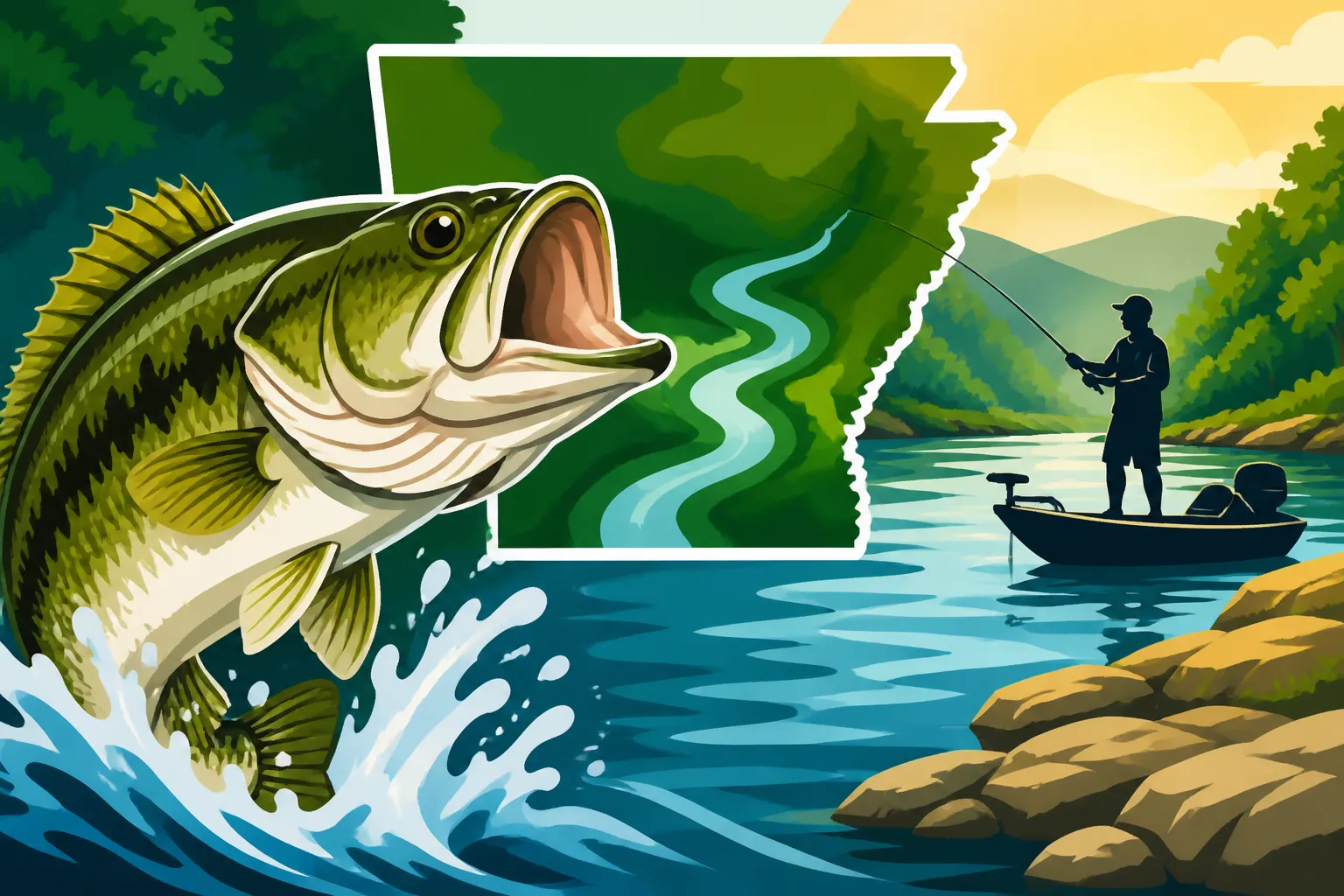
Best Bass Fishing Spots on the Lower White River
Navigating the vastness of the White River in Arkansas to pinpoint the best bass fishing spots can feel like trying to find a needle in a haystack, especially for those who haven't spent years exploring its unique channels and backwaters. This guide aims to demystify the Lower White River, providing you with actionable insights and specific locations to help you reel in impressive largemouth bass, ensuring your next fishing trip is both productive and enjoyable.
Understanding the Lower White River Bass Fishery
The White River is a true gem in Arkansas, but it's important to understand that not all parts of it fish the same way. The river undergoes a significant transformation as it flows from the Ozarks down into the Delta region, creating distinctly different fisheries.
Distinguishing the Upper and Lower White River
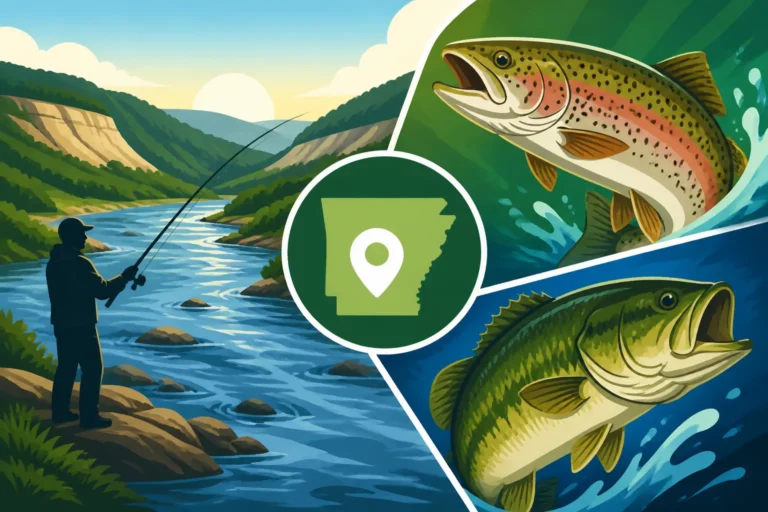
When most folks talk about "White River fishing," they're often thinking of the cold, clear, tailwater sections far upstream, particularly below the large dams like Bull Shoals, Norfork, and Beaver. These icy waters, released from the bottom of the reservoirs, are famous for their world-class trout fishing. Anglers from all over flock there to chase trophy rainbow and brown trout, often with fly rods. The scenery is stunning, the water crisp, and the fishing experience truly unique. If you're looking for trout, places like the Bull Shoals Tailwater Trout Rules in Arkansas are where you'd be headed.
However, as the White River continues its journey south, it changes dramatically. Below the last major dam, the river slowly warms up, widens, and begins to meander through the flatter, fertile landscape of the Arkansas Delta. This section, generally considered the Lower White River, is a completely different beast. Here, you'll find slower currents, more turbid waters, numerous oxbow lakes, and expansive backwaters. This environment is less about cold-water species and much more about warm-water fish, making it a prime destination for bass, crappie, and catfish. The transition from a fast-flowing, clear trout stream to a slower, often murky bass haven is a key distinction that successful anglers understand.
Key Bass Species in the Lower White
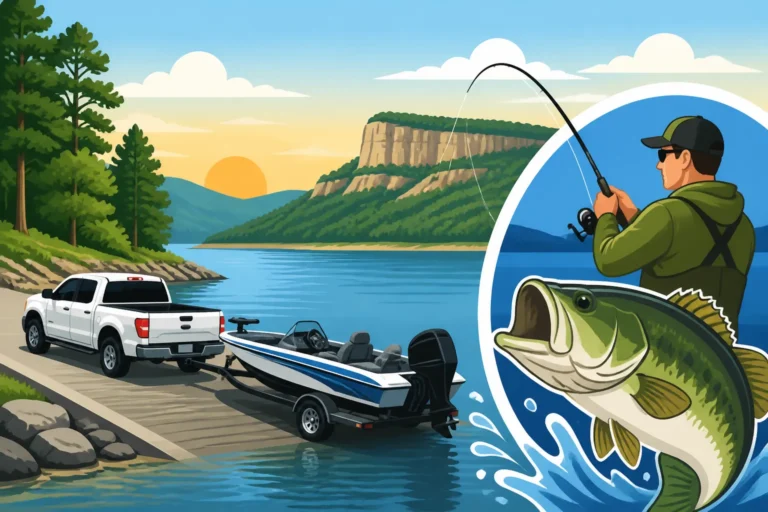
When you're targeting bass on the Lower White River, the absolute star of the show is the largemouth bass. These aggressive predators thrive in the river's warmer, often nutrient-rich waters, especially in the countless areas of submerged timber, lily pads, and creek mouths. You'll find them holding tight to cover, waiting to ambush unsuspecting baitfish. If you're hoping to land a lunker, these are your primary target.
While largemouth dominate, you might also encounter Kentucky bass, also known as spotted bass, particularly around any rockier structures or the mouths of clearer tributaries. Smallmouth bass, typically preferring clearer, faster-moving water and rocky bottoms, are much less common in the main stem of the Lower White, but they might be found further upstream in its tributaries closer to the Ozark foothills. For the purposes of finding the "best bass fishing spots" on the Lower White, our focus will squarely be on the abundant and often chunky largemouth bass that call this unique fishery home. Understanding the characteristics of each species and their preferred habitat will undoubtedly help you adjust your presentation and improve your catch rate.
Seasonal Considerations for Bass Fishing
Just like with any fishery, the time of year dramatically impacts where bass will be and how they'll behave on the Lower White River. Understanding these seasonal patterns is crucial for consistent success.
Spring, particularly from March through May, is often considered prime time. As water temperatures rise, largemouth bass move out of their deeper winter haunts and begin their pre-spawn activities, feeding heavily to prepare for spawning. They'll congregate on points, flats, and around shallow cover in protected coves and backwaters. The actual spawn typically occurs when water temperatures reach the mid-60s, and bass will be found on beds in shallow, hard-bottom areas, often protected by timber or vegetation. This is when anglers can target them visually, though caution is needed to avoid stressing spawning fish.
Summer brings warmer water, and the bass often seek refuge in deeper, cooler areas or tuck themselves into dense overhead cover to escape the heat and bright sun. Early mornings and late evenings become the most productive times, with topwater baits being incredibly exciting. During the day, look for bass in deeper river bends, current breaks, log jams, and shaded areas. They'll still feed aggressively, but you'll need to adjust your approach to target them in their summer hideouts.
Fall is another fantastic period, as bass become incredibly active, feeding up in preparation for winter. This is a time of transition where bass might be found schooling in open water, chasing baitfish, or moving back into shallower pockets to ambush prey. Lipless crankbaits, jerkbaits, and swimbaits can be highly effective as bass chase shad and other forage. Look for them in creek mouths, along channel edges, and where schools of baitfish are present.
Winter can be challenging but not impossible. The bass bite slows down considerably, and fish will typically retreat to deeper, more stable water. Target deep holes, slow current areas, and any structure that offers warmth or protection. Fishing slowly with jigs, spoons, or deep-diving crankbaits on warmer, sunny days can still yield some respectable catches, but patience is definitely a virtue during these colder months.
Prime Bass Fishing Zones on the Lower White River
The Lower White River, especially as it meanders through the Delta, is a maze of fantastic bass habitat. Knowing where to focus your efforts can make all the difference.
The White River National Wildlife Refuge Area
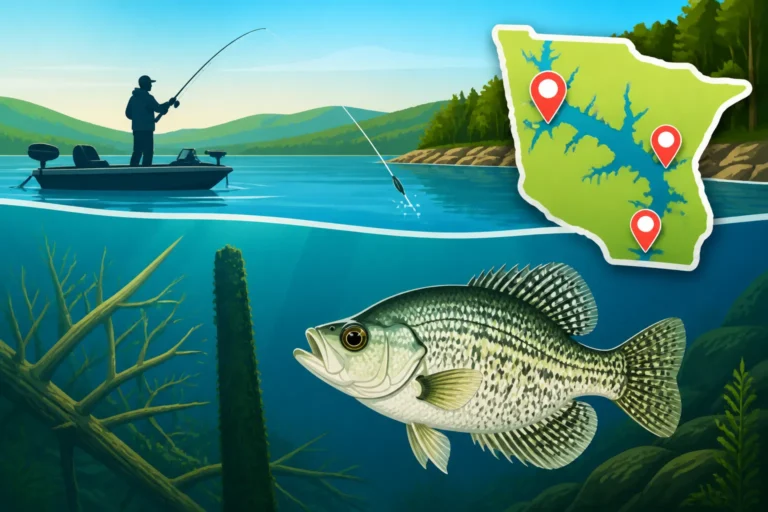
Perhaps one of the most renowned and productive bass fishing destinations on the Lower White River is within and around the White River National Wildlife Refuge. This vast expanse of protected wetlands, flooded timber, oxbow lakes, and bayous is an absolute haven for largemouth bass. Lakes like Peckerwood Lake, Moon Lake, and numerous other unnamed backwater sloughs are legendary for their fishing. These areas are characterized by dense cypress and tupelo timber, abundant aquatic vegetation, and a labyrinth of channels, making them perfect ambush points for bass.
The sheer scale of the refuge can be intimidating, but it offers incredible opportunities. Bass here are often found relating directly to the standing timber, fallen logs, and dense weed lines. Flipping and pitching jigs or soft plastics into these tight spots can be incredibly effective. Navigating these waters often requires a shallow-draft boat and a good understanding of the area, as many spots are less accessible to larger vessels. Given the complex nature of the refuge, many anglers, especially first-timers, find immense value in hiring a local guide. Services like FishingBooker can help you connect with experienced guides who specialize in navigating these unique waters and finding the hidden honey holes, ensuring you make the most of your trip within the White River National Wildlife Refuge in Arkansas.
Downstream of Augusta and Des Arc
Further downstream from towns like Augusta and Des Arc, the main river channel begins to show more pronounced bends, natural cutoffs, and extensive bank structure that hold quality bass. These stretches are less about the vast backwater complexes of the refuge and more about the main river's features.
Look for areas where the river current creates eddies and current breaks, often behind large log jams, rock piles, or pronounced points. Bass will stage in these calmer waters, waiting for baitfish to be swept past them in the main current. Submerged structure, such as old river barges or brush piles, can also be incredible magnets for bass in these areas. For bank anglers, access might be limited to public ramps, parks, or bridge crossings, but these spots often provide opportunities to cast to current breaks and shoreline cover. Boaters have the advantage of exploring river bends and sloughs that peel off from the main channel, often revealing hidden pockets of calm water packed with bass. The river here also features rip-rap banks under bridges and along erosion-prone areas, which are fantastic holding spots for both bass and baitfish.
Tributary Confluences and Creek Mouths
Wherever a smaller tributary or creek empties into the Lower White River, you've found a potential bass hotspot. These confluences act as natural funnels for baitfish, nutrients, and often provide varied habitat that bass adore.
The Cache River, though it runs largely parallel to the White, eventually empties into it, and its influence creates fertile fishing grounds. Other smaller bayous and creeks, often unnamed on maps but well-known by locals, offer similar opportunities. Bass will often stage at these mouths, particularly during periods of changing water levels or after rainfall, when forage is washed into the main river. The slightly different water clarity or temperature of the incoming creek can also attract bass. Fishing the transition zones where the creek water meets the main river flow can be incredibly productive. Spinnerbaits, crankbaits, and jigs are all excellent choices for probing these areas, as bass are often actively feeding. Understanding the seasonal movements of baitfish in these tributaries, such as shad moving up creeks to spawn in spring, can unlock incredible fishing days.
Essential Techniques and Tackle for Lower White River Bass
Successfully catching bass on the Lower White River often comes down to matching your techniques and tackle to the specific conditions and habitat you're facing. It's a diverse fishery, and versatility is key.
Lures and Baits for Different Conditions
The Lower White River calls for a wide array of lures and baits. In the spring, especially during the pre-spawn and spawn, moving baits like Spinnerbait for Bass Fishing and Chatterbaits are highly effective for covering water and triggering strikes in shallow areas with submerged timber or emerging vegetation. Plastic worms and lizards, rigged Texas-style, are fantastic for flipping and pitching into dense cover where bass might be bedding or holding tight.
As summer heats up, bass often move deeper or seek heavy shade. Deep-diving crankbaits can be excellent for targeting channel edges and deeper river bends. Jigs, especially those with rattles, are great for probing log jams and brush piles. And for those thrilling early morning or late evening bites, topwater lures like poppers and frogs over lily pads can be explosive. The Summer Bass Fishing Patterns often dictate a slower, more methodical approach.
Fall is a time of active feeding, and bass will chase anything resembling baitfish. Lipless crankbaits, jerkbaits, and swimbaits are phenomenal for covering expansive flats and creek mouths where bass might be schooling. A versatile lure choice year-round for the Lower White is a soft plastic, like a Senko or a creature bait, rigged weedless. How to Fish a Texas Rig for Bass is a fundamental technique here, allowing you to get your bait into heavy cover without snagging.
Boat vs. Bank Fishing Strategies
The Lower White River offers opportunities for both boat and bank anglers, though a boat certainly expands your access and versatility.
For boat anglers, the river opens up a world of possibilities. You can easily access the vast oxbows and backwaters of the White River National Wildlife Refuge, flip and pitch into dense flooded timber, and quickly move between different river sections. A shallow-draft boat or a john boat is often preferred for navigating the shallower, timber-choked areas. When fishing from a boat, you can position yourself precisely to cast into current breaks, along bluff walls, or into the heart of lily pad fields. Trolling motors with GPS Spot-Lock capabilities are invaluable for holding position in current or while working a specific piece of structure.
Bank fishing on the Lower White River, while more limited in scope, can still be very productive. Focus your efforts around public boat ramps, bridge crossings, and any accessible shorelines with noticeable cover or current breaks. Cast parallel to the bank, work lures around fallen trees, and target any visible structure. Public access points can be found in towns like Augusta, Des Arc, Clarendon, and St. Charles, often offering docks, piers, or open banks suitable for casting. While you won't reach the most remote backwaters, patience and careful observation can still lead to excellent catches from the bank.
Reading the River: Currents, Cover, and Structure
To consistently catch bass on the Lower White River, you need to become adept at "reading" the water. The river's current, even in its slower sections, plays a significant role in where bass position themselves. Look for current seams—lines where fast water meets slow water—and eddy lines, which are swirls of calmer water behind obstructions. These are prime ambush points where bass can conserve energy while waiting for prey to be swept by.
Cover is king in the Lower White River. This includes natural elements like laydowns (fallen trees), stumps, cypress knees, lily pads, and other aquatic vegetation. It also includes man-made structures like old docks, bridge pilings, and rip-rap. Bass will hold tight to any of these features, using them for protection from the sun, concealment from predators, and as ambush points for baitfish. Flipping and pitching baits accurately into these pockets of cover is often the most effective way to entice a strike.
Finally, understanding structure—changes in bottom contour—is vital. This includes old river channels, humps, ledges, and drop-offs. While not always visible from the surface, modern electronics like side-imaging and down-imaging sonar can reveal these hidden features, showing you where bass might be congregating in deeper water, especially during hot summer days or cold winter months. Combining knowledge of current, visible cover, and hidden structure will allow you to quickly identify high-percentage bass fishing spots.
Planning Your Lower White River Bass Trip
A successful trip to the Lower White River involves more than just knowing where to cast; it requires careful planning to ensure safety and compliance with regulations.
Navigating the River Safely
The Lower White River, particularly in the refuge areas, can be challenging to navigate. It's not uncommon to encounter submerged timber, shifting sandbars, and shallow areas that can easily catch an unsuspecting boater. Always operate your boat with caution, especially if you're unfamiliar with the area. Pay close attention to channel markers, if present, and consider using up-to-date GPS maps specific to the river, which often highlight hazards.
It's also crucial to monitor river levels and flow rates. The U.S. Army Corps of Engineers provides real-time data for various points along the White River, which can inform you about potential low-water hazards or high-water conditions that make navigation tricky or fishing difficult. Always ensure your boat is equipped with all necessary safety gear, including life jackets, navigation lights, a fire extinguisher, and a means of communication. Being prepared for emergencies is paramount on a large, sometimes remote, river system.
Licenses and Regulations
Before you even think about dropping a line in the Lower White River, make sure you have the proper fishing licenses. In Arkansas, this means holding a valid Arkansas Fishing License Rules and Costs. For residents, an annual fishing license costs around $10.50, and you'll need to renew it each year. Non-residents have different options, including annual licenses or shorter-term trip licenses, which are more expensive but cater to visitors. You can purchase these online, at most sporting goods stores, or through the Arkansas Game and Fish Commission (AGFC) app.
Beyond the general license, be aware of specific regulations. For example, the Largemouth Bass Daily Limit in Arkansas is typically 5 fish, with a minimum length of 13 inches, but these rules can vary by specific lake or river section. Within the White River National Wildlife Refuge, there might be additional rules regarding access, boat motors, or harvest limits, so always check the latest AGFC regulations guide for the most up-to-date information. Ignoring these rules can lead to significant penalties, so it's always better to be informed. For more details on compliance, you might want to read up on Arkansas Fishing License Penalties and Requirements.
Finding Local Expertise and Resources
While guides like this one provide a great starting point, nothing beats local knowledge. The anglers who fish the Lower White River regularly possess invaluable insights into current conditions, recent bite patterns, and specific spots that are producing.
Make it a point to visit local tackle shops in towns like DeWitt, Stuttgart, or Clarendon. The folks working there are often avid anglers themselves and are usually happy to share tips, recommend specific lures, and even point you to productive areas. They can also advise on any unusual river conditions or recent changes.
Another excellent resource, especially for those new to the area or looking to refine their skills, is hiring a professional fishing guide. A guide can provide not only the boat and tackle but also years of experience navigating the river's complexities and understanding bass behavior on the Lower White. They can quickly put you on fish and teach you techniques tailored to the local waters. Websites like FishingBooker can connect you with experienced guides in the Lower White River area, allowing you to filter by species and trip type, and read reviews from other anglers. Even if you're an experienced angler, a half-day trip with a guide can drastically shorten your learning curve and significantly increase your chances of success, especially in such a vast and dynamic fishery.
Lower White River Bass Fishing Quick Guide
Here's a quick summary table to help you plan your Lower White River bass fishing adventure:
| Season | Typical Conditions | Prime Locations | Recommended Lures/Techniques |
|---|---|---|---|
| Spring | Warming water, rising levels, pre-spawn & spawn | Shallow flats, protected backwaters, creek mouths, timber lines | Spinnerbaits, Chatterbaits, plastic worms/lizards (Texas-rigged), jigs |
| Summer | Warm water, stable levels, bass seek shade/depth | Deep river bends, log jams, dense overhead cover, channel edges | Deep-diving crankbaits, jigs, topwater (early/late), Carolina rigs |
| Fall | Cooling water, active feeding, baitfish schools | Creek mouths, main river points, schooling baitfish areas, flats | Lipless crankbaits, jerkbaits, swimbaits, moving baits |
| Winter | Cold water, slower bite | Deep holes, slow current areas, stable deep structure | Jigs, spoons, deep-diving crankbaits (slow presentations) |
Disclaimer:
Please be aware that fishing conditions and regulations can change rapidly. Always consult the latest regulations from the Arkansas Game and Fish Commission (AGFC) before heading out on your fishing trip. Stay safe on the water and always practice responsible angling.