Lake Conway Fishing Spots for Beginners, Arkansas
Stepping onto the shores of a new lake, especially one as expansive as Lake Conway, can feel a bit daunting for a beginner angler. You might be looking out at all that water, wondering where to even start, what bait to use, or if you’ll ever actually catch anything. It's a completely natural feeling, but I'm here to tell you that Lake Conway, with its rich fishing heritage and unique structure, is an absolute gem for those just starting out in the world of Arkansas fishing. This guide is crafted specifically for you, the beginner, to demystify Lake Conway and help you find those promising spots where you can make your first memorable catches without feeling overwhelmed.
Why Lake Conway is Your Go-To Spot for First Casts in Arkansas
Lake Conway isn't just another body of water in central Arkansas; it's a living legend, especially among local anglers. What makes it so special, particularly for those new to the sport? Well, it's a combination of its unique characteristics, its historical reputation, and the sheer abundance of fish species that call it home. This isn't one of those high-pressure, crystal-clear lakes where fish are wary of every shadow. Lake Conway offers a more forgiving environment, allowing beginners to experiment, learn, and most importantly, catch fish.
A Perfect Classroom for New Anglers
Imagine a fishing lake designed almost perfectly for learning. That's Lake Conway. One of its most distinctive features is its shallow, timber-filled nature. Unlike deep, open reservoirs that can be intimidating with their vastness and complex underwater structures, Lake Conway’s average depth hovers around 6 feet, with many areas even shallower. This means you don't need fancy electronics to locate fish, nor do you need to master complex deep-water techniques right off the bat. The abundant standing timber and submerged stumps create obvious habitat for fish, acting like natural fish attractors that are easy to spot and target.
For a beginner, this visible structure is invaluable. You can literally cast to a stump or a submerged log and know you’re putting your bait in a potential fish hideout. It teaches you about cover, ambush points, and how fish relate to their environment in a very tangible way. You're not just casting into open water hoping for the best; you're casting to a specific target, which instantly makes the fishing experience more engaging and educational. It’s like having training wheels for understanding fish behavior and habitat. Plus, its proximity to Little Rock and other central Arkansas communities makes it an accessible option for a quick fishing trip without a long drive.
Abundant Fish, Less Frustration
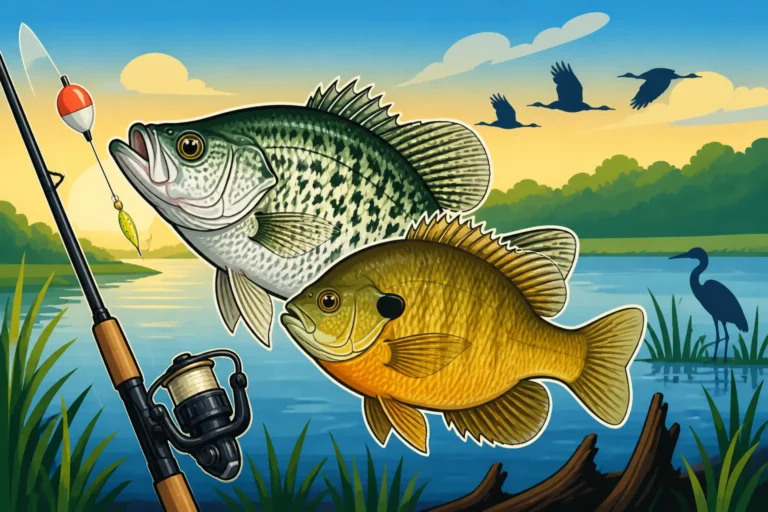
Let's be honest, the biggest hurdle for new anglers is often the fear of not catching anything. It's hard to stay motivated if you're constantly casting without a bite. Lake Conway largely eliminates this problem. It’s renowned for its thriving populations of largemouth bass and crappie, but also offers excellent opportunities for catfish, bream, and sunfish. This diverse fishery means there's almost always something willing to bite, which is crucial for building confidence.
Imagine the thrill of feeling that first tug on your line, setting the hook, and reeling in a feisty largemouth bass, or a pan-sized crappie. These experiences are what hook people on fishing for life, and Lake Conway delivers them regularly. The sheer numbers of fish, especially crappie and bass, mean that even if you're not employing the most advanced techniques, your chances of success are high. This abundance allows you to focus on the basics – casting accuracy, reeling technique, and feeling a bite – without the added pressure of a sparse fishery. It truly fosters a positive first-time fishing experience in Arkansas. While you're learning, don't forget to familiarize yourself with all the specific regulations; a good place to start is our comprehensive guide on Arkansas Fishing Regulations Guide.
Prime Fishing Spots on Lake Conway Tailored for Beginners
Lake Conway is vast, covering roughly 6,700 acres, and while its timber-filled waters might look uniform to the untrained eye, there are definitely areas that are more productive and beginner-friendly than others. Knowing where to focus your efforts can drastically improve your chances of success. You don't need a fancy bass boat with all the bells and whistles to fish these spots; many are accessible by small jon boats, kayaks, canoes, or even from the bank.
The Productive Causeway and Bridge Areas
One of the most obvious and often most productive areas for beginners on Lake Conway is around the causeway and bridges that cross the lake, particularly along Highway 89. This man-made structure provides excellent habitat and ambush points for a variety of fish species. The bridge pilings, rip-rap banks, and the slightly deeper channels created by the causeway are magnets for baitfish, which in turn attract predators like bass and crappie.
For new anglers, these areas are fantastic because they offer clear targets. You can cast parallel to the rip-rap, pitch a jig around bridge pilings, or simply cast out from the bank near these structures. The concrete and rock create current breaks and warm faster in the spring, drawing fish in. It's a great place to practice casting accuracy and learn how different baits react around structure. You'll often find other anglers here, too, which can be reassuring for a beginner – you can observe what others are doing or even strike up a friendly conversation to get some real-time tips. Many anglers have success here targeting crappie by using small jigs or minnows fished under a bobber. For those specifically chasing these speckled beauties, our guide on Where to Catch Crappie on Lake Conway offers even more detailed insights.
Navigating the Famous Submerged Timber
Lake Conway is famous, or perhaps infamous, for its incredible amount of standing and submerged timber. This dense aquatic forest, left over from when the lake was impounded, is the single most important habitat feature for fish here. While it can be intimidating to navigate for boaters, for anglers, it's a goldmine. The timber provides countless hiding spots for bass and crappie, offering shade, protection from predators, and ambush points for feeding.
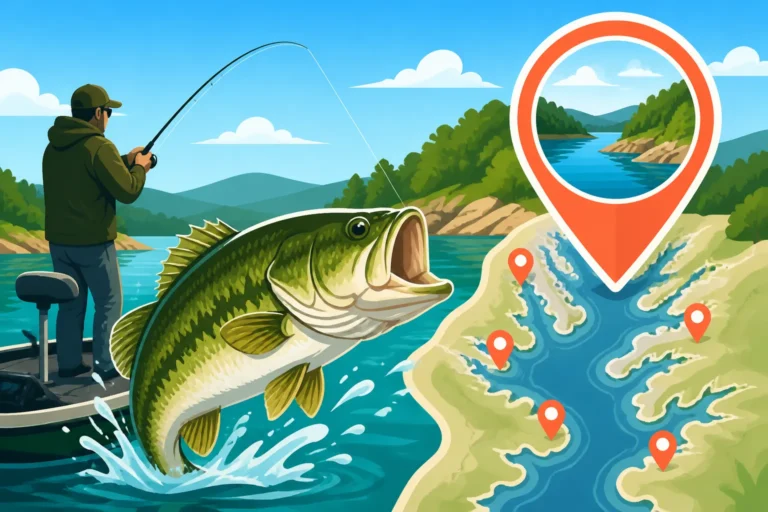
For beginners, the key isn't to venture into the densest, most difficult sections right away. Instead, look for areas where the timber thins out slightly, or where there are noticeable gaps or edges. Casting to the edges of these timber lines, or into small pockets within the trees, can be incredibly effective. A simple weedless rig, like a Texas-rigged plastic worm or a weedless jig, can be fished right into the cover without snagging too often. This teaches you about fishing "heavy cover," a fundamental skill in bass fishing. Don't be afraid to lose a few lures; it's part of the learning process when fishing timber. The reward of pulling a nice bass from the middle of a stump field is absolutely worth it. To enhance your chances for bass, you might want to check out the Best Bass Fishing Spots on Lake Conway, Arkansas.
Accessible Bank Fishing and Piers
Not every beginner has access to a boat, and that's perfectly fine on Lake Conway. The lake offers several public access points, fishing piers, and areas where bank fishing is not only possible but often quite productive. These spots are ideal for beginners because they eliminate the complexities of boat operation and navigation, allowing you to focus purely on the fishing itself.
Many of the public boat ramps, like those managed by the Arkansas Game and Fish Commission (AGFC) or the various parks around the lake, will have accessible bank fishing areas or even dedicated fishing piers. These piers often extend into areas with good depth or near submerged brush, making them prime spots. Lake Conway offers multiple parks like Woolly Hollow State Park or city parks around the lake that provide great shore access. Places like the areas near Beaverfork Lake (which feeds into Conway) or the various launch points on the main lake are worth exploring. From the bank, you can cast small spinnerbaits, worms under a bobber, or even throw topwater lures early in the morning. These spots are fantastic for catching panfish like bream and sunfish, which are aggressive biters and perfect for boosting a beginner's confidence. Remember, while you might not need a boat, you'll still need to ensure you have your Arkansas Fishing License Rules and Costs sorted, even for bank fishing.
| Fishing Spot Category | Target Species (Beginner-Friendly) | Recommended Beginner Bait/Lure | Notes for Beginners |
|---|---|---|---|
| Causeway/Bridge Areas | Crappie, Largemouth Bass, Catfish | Small jigs, minnows, nightcrawlers | Easy access, visible structure, often good current. |
| Submerged Timber Edges | Largemouth Bass, Crappie | Texas-rigged worms, weedless jigs | Focus on edges, expect snags but good fish. |
| Public Piers/Bank Access | Bream, Sunfish, Small Bass | Worms, crickets, small spinners | No boat needed, relaxed fishing, good for kids. |
Simplifying Your Gear and Techniques for Lake Conway
One of the biggest misconceptions for beginners is that you need a boatload of expensive gear to catch fish. On Lake Conway, nothing could be further from the truth! This lake is very forgiving, and a simple, versatile setup will serve you incredibly well. The goal is to make fishing enjoyable, not complicated. Forget about those intimidating tackle boxes overflowing with specialized lures for now. We’re going for effective and easy.
Essential Rod, Reel, and Line for Starters
For most beginner scenarios on Lake Conway, a medium-action spinning rod and reel combo is your best friend. This setup is incredibly versatile, relatively inexpensive, and easy to learn how to cast. A 6'6" to 7' medium-action rod paired with a 2500 or 3000 series spinning reel will handle everything from panfish to decent-sized bass and even catfish. This rod has enough backbone to handle a fighting fish but enough flex to make casting lighter baits easy.
When it comes to line, keep it simple. Monofilament fishing line in the 8- to 12-pound test range is perfect. It's affordable, easy to tie knots with, and has a bit of stretch, which can be forgiving if you're a bit heavy-handed on the hookset. Don’t go too light, as Lake Conway has a lot of timber, and you’ll want a line that can withstand some abrasion and help you pull your lure free if it gets snagged. Braided line, while popular, can be a bit more challenging for beginners due to its slickness and knot-tying requirements, so stick with mono for now. You can pick up a decent combo from brands like Ugly Stik or a beginner combo from Bass Pro Shops, and they’ll serve you well for years on Lake Conway.
Go-To Baits and Lures That Get Bites
This is where many beginners get lost. There are thousands of baits out there! But for Lake Conway, you really only need a handful of proven options. The key is to use baits that appeal to a wide variety of fish and are easy to present.
- Live Worms (Nightcrawlers or Redworms): These are absolute classics for a reason. Every fish in Lake Conway will eat a worm. Rig them on a simple hook under a bobber, or on a Carolina rig for bottom fishing, and you’re almost guaranteed a bite from panfish, catfish, or even a curious bass.
- Minnows: If you’re targeting crappie, minnows are king. Use a small hook and a bobber, fishing them around timber or bridge pilings. Crappie can be a blast to catch, and minnows are incredibly effective.
- Plastic Worms (Texas Rigged): For bass, a simple plastic worm on a Texas rig is hard to beat, especially in the timber. It’s weedless, so you can cast it into heavy cover without getting snagged constantly. Colors like Junebug, Green Pumpkin, or Watermelon Red are consistent producers. Our guide on Bass Fishing Techniques for Beginners goes into more detail on how to rig these effectively.
- Spinnerbaits: These are great search baits for bass. They create flash and vibration, attracting fish from a distance. A 1/4 or 3/8 ounce spinnerbait in white, chartreuse, or a combination, is easy to cast and retrieve, making it ideal for covering water.
Remember, the goal is to make it easy for yourself. Don't overthink it; these baits will consistently get you bites on Lake Conway. If you're looking to book a guided trip to learn more in person, a service like FishingBooker can connect you with local guides who specialize in these techniques.
Easy-to-Master Fishing Techniques
You don't need to be a pro to catch fish on Lake Conway. Mastering just a few basic techniques will put you in a great position for success.
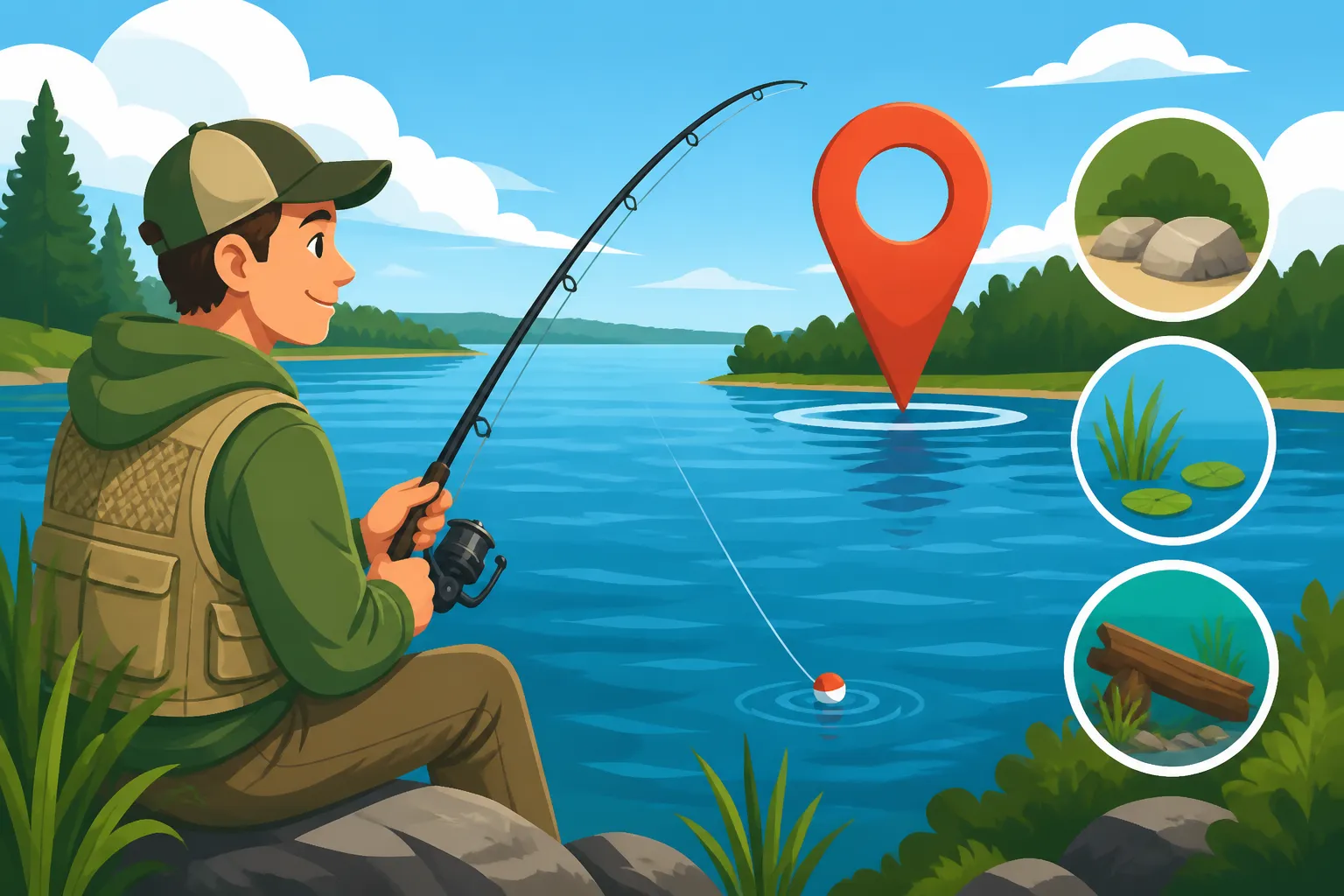
- Bobber Fishing: This is probably the simplest and most effective technique for panfish and smaller bass, especially from the bank or a pier. Attach a bobber a foot or two above a small hook, add a split shot weight a few inches above the hook, and bait with a worm or minnow. Cast it out and watch for the bobber to dip! It’s visual, exciting, and highly effective for kids and adults alike.
- Bottom Fishing: For catfish and larger panfish, fishing on the bottom is a winner. Use a simple slip-sinker rig: thread your line through an egg sinker, tie on a swivel, then a 12-18 inch leader, and finally a hook baited with a worm, cut bait, or even a small hot dog piece. Cast it out, let it sink, and keep your rod tip pointed at the water to detect bites. This is particularly effective in the deeper channels near the causeway or in open holes within the timber.
- Straight Retrieve (Spinnerbaits): When using a spinnerbait, simply cast it out and reel it back at a steady pace. Experiment with different retrieve speeds until you find what the fish prefer on a given day. The blades on the spinnerbait do all the work, flashing and vibrating to attract fish. It’s a fantastic way to cover water and find active bass.
- Slow Drag (Plastic Worms): For Texas-rigged plastic worms, cast to your target (like a stump or timber line), let it sink to the bottom, and then slowly drag it back by moving your rod tip from 9 o'clock to 11 o'clock, reeling in the slack as you drop your rod tip back to 9. This slow, deliberate movement mimics a crawling creature and is incredibly effective for bass hiding in cover. It teaches you to feel the bottom and subtle bites.
Making Your Lake Conway Trip Smooth and Successful
A great fishing trip isn't just about catching fish; it's about the entire experience. For beginners, understanding the practicalities, rules, and safety aspects is just as important as knowing where to cast your line. Lake Conway is a fantastic place to learn, but being prepared makes all the difference.
Understanding Arkansas Fishing Regulations
Before you even make your first cast, you absolutely need to understand the rules. In Arkansas, like everywhere else, there are regulations regarding licenses, catch limits, and fish sizes. For anyone 16 years or older, an Arkansas Fishing License is required. There are different types of licenses – annual, 3-day, resident, non-resident – so make sure you get the one that fits your situation. You can easily purchase them online through the AGFC website or from local sporting goods stores like Academy Sports + Outdoors or Walmart.
Lake Conway has general statewide limits for most species, but it’s always a good idea to double-check the current Arkansas Fishing Guidebook for any specific exceptions for the lake itself. For instance, while the statewide crappie limit is 20, some specific lakes can have different regulations. Knowing the daily limits and minimum length requirements helps you fish legally and responsibly. It’s about conservation and ensuring that future generations can also enjoy the fantastic fishing opportunities Lake Conway offers. Our guide on Arkansas Fish Size and Daily Limits is a perfect resource for this.
Boat Access and On-Water Etiquette for Newcomers
If you decide to venture out onto the water in a small boat, kayak, or canoe, Lake Conway has numerous public boat ramps. However, due to the timber, navigation can be tricky, especially if you're unfamiliar with the lake. Always proceed with caution, especially in shallower areas. It's easy to hit a submerged stump, which can damage your motor or even capsize a smaller vessel. Keep your speed down, especially if you're not in a marked boat lane.
When launching and retrieving your boat, be mindful of other anglers. Boat ramps can get busy, particularly on weekends. Prepare your boat (load gear, check safety equipment) away from the ramp so you can launch quickly. Once your boat is in the water, move it away from the ramp area so others can use it. The same courtesy applies when retrieving. Remember that safety is paramount. Always wear a life jacket, especially if you're a beginner or in a smaller craft. Tell someone where you're going and when you expect to return. Consider using a service like FishingBooker to find experienced local guides who can teach you the ropes of navigating Lake Conway safely while putting you on fish.
Planning Your Day for Maximum Enjoyment
A little planning goes a long way in making your Lake Conway fishing trip enjoyable. Consider the time of day and year. Spring and fall are generally the most comfortable and productive seasons for fishing in Arkansas. Early mornings and late evenings are often the best times to catch fish, as they are more active when the sun isn't directly overhead.
Pack smart:
- Sun Protection: Hat, sunglasses, sunscreen. The Arkansas sun can be intense.
- Hydration: Plenty of water, especially during warmer months.
- Snacks: Fishing can build up an appetite!
- Basic Tools: Pliers for hook removal, a small tackle box with your chosen baits, extra line, and maybe a small first-aid kit.
- Camera: To capture those first proud catches!
- Map/GPS: Even if you're bank fishing, knowing your surroundings is helpful. If you're on the water, a reliable GPS on your phone or a dedicated unit is a must, especially given the maze of timber.
Don't get discouraged if the fish aren't biting immediately. That's fishing! Enjoy the peaceful surroundings, the fresh air, and the process of learning. Every cast is a new opportunity, and Lake Conway is waiting to offer you a rewarding experience.
Disclaimer
The information provided in this guide is for general informational purposes only and is based on current understanding of fishing regulations and practices in Arkansas. Fishing conditions, regulations, and fish behavior can change. Always consult the latest official Arkansas Game and Fish Commission regulations before your trip to ensure compliance. Safety should always be your top priority on the water.