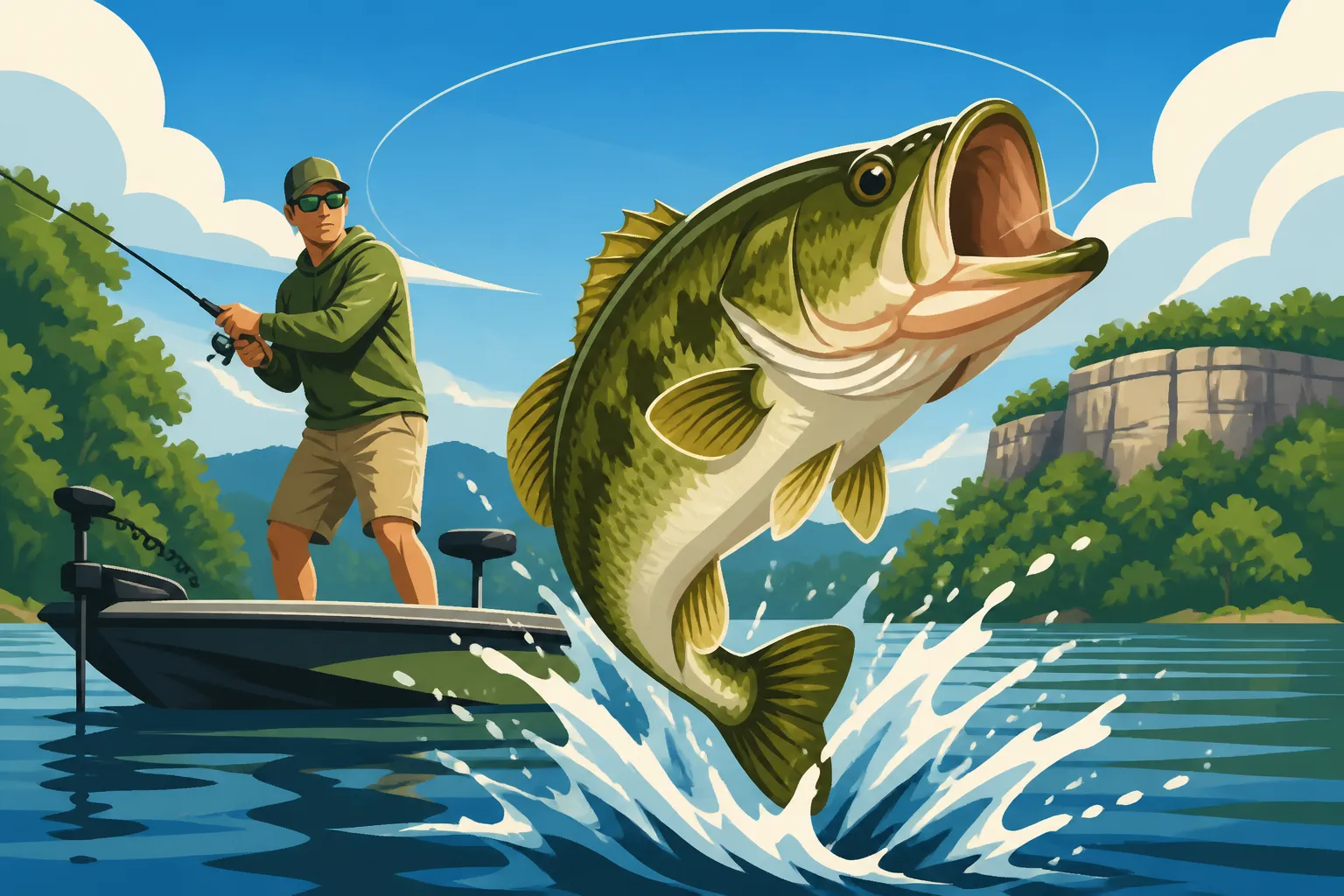
Lake Conway Bass Fishing Near Little Rock, Arkansas
Finding truly productive bass fishing near a major urban center like Little Rock can feel like searching for a needle in a haystack, especially when you crave consistent action without a long drive. Many anglers lament the time spent driving versus actual fishing. This comprehensive guide is here to unravel the secrets of Lake Conway, revealing why it’s not just a convenient option but a fantastic destination for bass fishing right on the doorstep of Arkansas's capital city.
Unveiling Lake Conway's Unique Character for Bass Anglers
Lake Conway, often hailed as the largest Game and Fish Commission lake wholly within Arkansas, is a fascinating and sometimes challenging fishery, especially for those pursuing bass. It’s not your typical deep, clear-water reservoir. Instead, Lake Conway is a sprawling, relatively shallow impoundment that was intentionally flooded to create a prime habitat for a variety of warm-water species, with largemouth bass at the top of the list. Its character is defined by extensive timber, submerged stumps, and shallow flats, offering a maze of cover that both entices and frustrates anglers in equal measure.
The History and Formation of Lake Conway
Before it was a fishing paradise, Lake Conway was primarily agricultural and timberland. Created in the early 1950s, the Arkansas Game and Fish Commission had a vision to construct a lake specifically designed for fishing recreation. They did something quite unique: rather than clear-cutting all the timber, much of it was left standing and flooded. This decision, while making navigation a bit tricky in places, created an unparalleled submerged forest that provides an incredible amount of structure and cover for fish, particularly bass. Think of it as a giant, flooded woodland, and you'll start to understand the appeal – and the challenges – of Lake Conway. This rich, organic environment contributes to a highly productive ecosystem, full of baitfish and crustaceans, which in turn fuels the growth of healthy bass populations.
Understanding Lake Conway's Structure and Habitat
When you're out on Lake Conway, you quickly realize it's a completely different beast from the deep, rock-laden reservoirs of the Ozarks. This lake averages a depth of only about 6 feet, with many areas much shallower. The key to its productivity for bass lies in its abundance of cypress trees, stumps, submerged brush, and vast grass beds. These elements create countless ambush points and protective zones for bass, making it a dream come true for anglers who love to target fish in heavy cover. The lake's irregular shoreline is also dotted with numerous coves, fingers, and backwater areas, each offering unique fishing opportunities. However, this dense cover also means you'll spend a fair bit of time retrieving snagged lures, so come prepared with plenty of tackle and a good sense of humor!
Prime Bass Species Thriving in Lake Conway
While Lake Conway is home to a diverse array of fish, largemouth bass reign supreme, making it a bucket-list destination for many a bass enthusiast. These powerful fish thrive in the lake's shallow, timber-rich environment, growing to impressive sizes. Understanding the specific characteristics of these bass and how they relate to Lake Conway's unique habitat is crucial for a successful trip.
Largemouth Bass: The Undisputed King of Conway
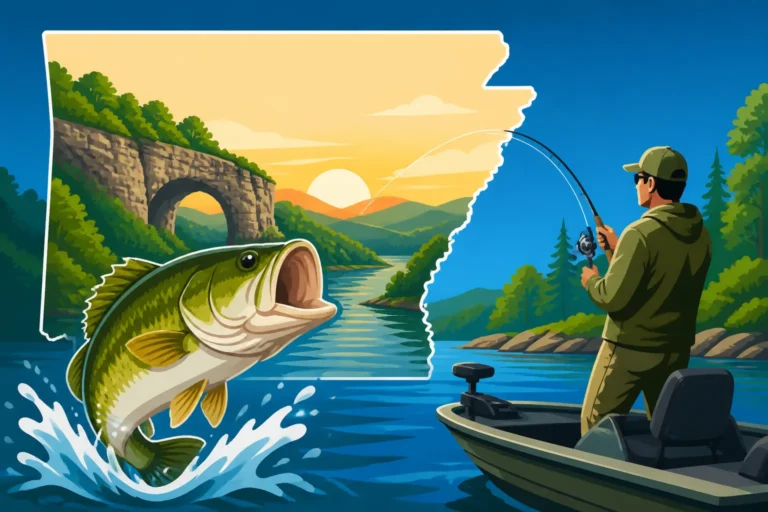
The largemouth bass is, without a doubt, the most sought-after game fish in Lake Conway. They absolutely flourish in the lake's warm, nutrient-rich waters and its labyrinthine submerged forest. Anglers consistently report catching good numbers of largemouth, with many fish falling into the 2-5 pound range. However, trophy-sized bass are definitely present, and a keen angler with the right approach can certainly hook into a lunker exceeding 8 pounds. The abundant cover, from dense hydrilla beds to cypress knees and stump fields, provides perfect habitat for these predatory fish to ambush prey. If you're looking to consistently put largemouth in the boat, Lake Conway offers some of the best opportunities in central Arkansas. Familiarizing yourself with the Largemouth Bass Daily Limit in Arkansas can help you plan your catch and keep strategy.
Other Bass Species and Their Presence
While largemouth dominate the scene, you might occasionally encounter other bass species in Lake Conway, though they are far less prevalent. Spotted bass, also known as Kentucky bass, are present but generally prefer clearer, deeper water with more rock structure, which isn't the primary characteristic of Lake Conway. They tend to be smaller than largemouth and are more common in rivers and certain reservoirs in the state. White bass, a popular schooling fish known for their aggressive bites, can also be found, particularly in the main lake areas and channel bends, especially during their spring spawning runs. However, if your primary goal is to target bass in Lake Conway, your focus should overwhelmingly be on the largemouth. They are the star attraction here, and their behavior is perfectly adapted to this unique ecosystem.
Top Bass Fishing Locations on Lake Conway
Navigating Lake Conway can be an adventure in itself, given its extensive timber and shallow nature. However, certain areas consistently produce excellent bass fishing, becoming reliable go-to spots for seasoned anglers. Knowing these hotspots can dramatically increase your chances of a successful day on the water.
The Fouche Bottoms and Cypress Groves
The Fouche Bottoms are legendary on Lake Conway. Located on the northern end of the lake, this area is characterized by vast, shallow flats absolutely choked with cypress trees, stumps, and dense aquatic vegetation. It's a classic shallow-water bass haven, especially during the Arkansas Bass Spawn Fishing Guide season. Bass use the dense cypress groves for spawning, feeding, and seeking shelter from predators and harsh sunlight. Flipping and pitching jigs, creature baits, or Texas-rigged worms into the thick cover around the cypress knees and laydowns can be incredibly effective. Don't be afraid to get into the thickest stuff you can find; that's often where the biggest bass are hiding. Spinnerbaits and buzzbaits can also shine when worked through the more open lanes within these bottoms, especially during low light conditions.
Palarm Creek and Other Major Inflows
Palarm Creek, on the lake's southern end, is another key area that draws and holds bass, particularly during periods of higher water flow or seasonal migrations. Creeks and other major inflows deliver cooler, oxygenated water and often bring with them an influx of baitfish, creating feeding frenzies for bass. These areas tend to have more defined creek channels, even if shallow, providing natural pathways for bass movement. Anglers targeting Palarm Creek might find success with crankbaits or chatterbaits covering water along the old creek bed, or by pitching plastics into the numerous brush piles and submerged logs that accumulate in these areas. Other notable feeder creeks include Gold Creek and Stone Dam Creek, all offering similar patterns of bass aggregation. These spots are particularly productive in early spring and late fall when bass are actively moving and feeding.
Hidden Brush Piles and Submerged Timber
Beyond the obvious cypress trees, Lake Conway is absolutely riddled with thousands of submerged brush piles, stump fields, and laydowns that often go unnoticed by the casual angler. These hidden gems are essentially underwater apartments for bass, offering protection, shade, and prime ambush points. Local knowledge or good electronics, like side-imaging sonar, can be invaluable for locating these less-obvious structures. Once found, these spots can produce bass year-round. Vertical jigging spoons, drop-shot rigs, or slow-rolling a spinnerbait over these submerged structures can be highly effective. During the colder months, when bass tend to hold tighter to cover, these deep-water brush piles become particularly important. Many of these structures were intentionally placed by local fishing clubs or the Game and Fish Commission over the years to enhance fish habitat, so they are truly prime targets.
Effective Techniques and Baits for Lake Conway Bass
Successfully fishing Lake Conway for bass requires adapting to its unique, heavily timbered environment. Generic approaches often lead to frustration. Instead, focusing on techniques and baits that excel in dense cover and shallow water will yield the best results.
Flipping and Pitching Heavy Cover
Given Lake Conway's abundance of cypress trees, stumps, and thick vegetation, flipping and pitching are not just viable options – they are often the most productive techniques. This involves using heavy line (20-65 lb braided line is common), stout rods, and compact baits to drop presentations into small openings within the dense cover. Jigs, creature baits like the Zoom Brush Hog, and Texas-rigged worms are classics for this application. The key is to be precise and to get your bait down into the strike zone quickly before it gets snagged. A heavy tungsten weight (½ oz or more) helps punch through vegetation. This technique is especially effective when bass are seeking shade or ambush points deep within the cover, which is most of the time on Lake Conway. For more ideas on what lures to try, check out our guide on the Best Bait and Lures for Arkansas Bass.
Topwater Action and Frogs
When the water temperatures rise, and especially during the early morning or late evening hours, Lake Conway can offer some truly explosive topwater action. The extensive shallow flats and grass beds are perfect arenas for topwater lures. Buzzbaits, walking baits like Heddon Super Spooks, and prop baits can draw violent strikes from aggressive bass. However, the true star of topwater fishing on Lake Conway, particularly in heavy matted vegetation, is the frog. Soft plastic hollow-body frogs can be worked right over dense lily pads, hydrilla, and duckweed without snagging. When a bass blows up on a frog in thick cover, it's one of the most exciting bites you can experience. The Spro Bronzeye Frog is a favorite among many Lake Conway anglers for its effectiveness and durability.
Spinnerbaits and Chatterbaits for Covering Water
While precise presentations in heavy cover are crucial, sometimes you need to cover water to find active bass. Spinnerbaits and chatterbaits excel in this role on Lake Conway, especially when fished around the edges of cover or through slightly more open timber. Spinnerbaits, with their flashing blades, imitate baitfish and can be highly effective when retrieved slowly, bumping off stumps and cypress knees. Chartreuse and white or chartreuse and blue are classic color combinations. Chatterbaits (bladed jigs) offer a unique vibrating action that triggers strikes from curious and aggressive bass alike. They are particularly good when bass are scattered or when you need a presentation that moves through sparse cover relatively weedlessly. Brands like Z-Man’s Chatterbait are very popular. Experiment with different blade colors and retrieve speeds to find what the fish are keying in on that day.
Seasonal Strategies for Lake Conway Bass Fishing
Lake Conway's bass fishing changes dramatically with the seasons, heavily influenced by water temperature, forage availability, and spawning cycles. Understanding these seasonal patterns is crucial for consistent success on this unique Arkansas lake.
Spring: Spawning and Pre-Spawn Frenzy
Spring on Lake Conway is perhaps the most anticipated time for bass anglers, as it brings the Spring Fishing Patterns on Arkansas Reservoirs into full swing. As water temperatures begin to rise into the high 50s and low 60s, bass move from their deeper winter haunts into shallower staging areas. This pre-spawn period is characterized by aggressive feeding as bass fatten up for the spawn. Lipless crankbaits, spinnerbaits, and even jerkbaits can be highly effective as bass cruise flats and creek channel bends.
Once temperatures reach the mid-60s, the bass move onto their beds, often found in the protected, shallow cypress groves of areas like the Fouche Bottoms or near secluded boat docks. During the spawn, sight fishing with soft plastics or jigs can be very productive. However, remember to practice responsible catch-and-release with bedding bass to protect future generations. Post-spawn, bass are often exhausted and scattered, but some will remain shallow, recuperating and feeding on bluegill.
Summer: Heat, Hydrilla, and Early Morning Bites
Summer fishing on Lake Conway can be challenging due to the heat and dense aquatic vegetation, particularly hydrilla, which can choke off vast sections of the lake. As water temperatures soar, bass often seek refuge in the thickest cover available or in slightly deeper (though still shallow for Conway) channels, particularly during midday. Your best bet for summer bass fishing is to target the early morning and late evening hours, or even consider night fishing.
During these cooler periods, topwater lures, especially frogs worked over matted vegetation, can be incredibly exciting. Flipping and pitching heavy jigs and creature baits into the heart of dense hydrilla or deep into cypress trees remains a staple technique throughout the summer. Pay close attention to areas with slight current or shade, as these can be key attractants. Focus on the extensive submerged timber and brush piles; bass will hold tight to these structures to escape the sun. Don't be afraid to fish slowly and thoroughly, methodically working through cover.
Fall: Transition and Feeding Windows
Fall on Lake Conway offers a welcome reprieve from the summer heat and can be a fantastic time for bass fishing. As water temperatures cool, bass become more active and begin to feed heavily in preparation for winter. This is often referred to as the "fall feeding frenzy." Bass will follow baitfish into shallower pockets and along creek channels. Look for schooling activity, especially around open water near channels.
Spinnerbaits, crankbaits, and topwater lures can all be highly effective during the fall transition. The fish are often more willing to chase a moving bait. As the season progresses and temperatures continue to drop, bass will start to congregate around deeper timber and brush piles, similar to their winter patterns. Pay attention to the weather; cold fronts can slow the bite significantly, but stable, cooler weather often means active fish. Our guide on Fall Fishing Patterns for Bass and Crappie offers more insights into this productive season.
Winter: Slow Presentation in Deep Cover
Winter fishing on Lake Conway can be tough, but rewarding for persistent anglers. With cold water temperatures, bass become sluggish and hold tight to heavy cover. They won't chase baits aggressively, so slow, deliberate presentations are key. Focus on the deepest available water, which often means the old creek channels or the deepest brush piles you can find.
Jigs, Texas-rigged worms, and vertical spoons are excellent choices. Work your baits excruciatingly slowly, allowing them to sit in the strike zone for extended periods. Sometimes, a subtle twitch is all it takes to entice a cold, inactive bass. Look for areas where sunlight can penetrate and warm the water slightly, as bass might gravitate to these warmer pockets. While the numbers of fish caught might be lower, the quality can often be surprisingly good, as larger bass tend to be more resilient and find these deep, stable winter hideouts.
Essential Gear and Tips for a Successful Lake Conway Trip
A successful bass fishing trip on Lake Conway isn't just about knowing where the fish are or what bait to use; it's also about being prepared with the right equipment and understanding the local nuances. This unique lake demands a specific approach, from your rod selection to navigating its timber-choked waters.
Rod and Reel Setup for Heavy Cover
Given the heavy cover prevalent throughout Lake Conway, your gear needs to be up to the task. Forget ultralight setups; you'll need stout rods with plenty of backbone to muscle bass out of thick vegetation and stumps.
| Technique | Rod Power | Rod Action | Reel Size | Line Type & Strength |
|---|---|---|---|---|
| Flipping/Pitching | Heavy to Extra-Heavy | Fast | Baitcasting (7.1:1 – 8.1:1) | Braided (50-65 lb) |
| Topwater (Frogs) | Heavy | Fast | Baitcasting (7.1:1 – 8.1:1) | Braided (40-65 lb) |
| Spinnerbaits/Chatterbaits | Medium-Heavy | Fast to Moderate | Baitcasting (6.3:1 – 7.1:1) | Fluorocarbon or Mono (15-20 lb) |
| Jigs/Soft Plastics (General) | Medium-Heavy | Fast | Baitcasting (6.3:1 – 7.1:1) | Fluorocarbon (12-17 lb) |
For flipping and pitching, a 7' to 7'6" heavy or extra-heavy power rod with a fast action is ideal. Pair this with a high-speed baitcasting reel (7.1:1 or higher gear ratio) spooled with 50-65 pound braided line. Braid cuts through vegetation and offers incredible strength for pulling fish out of snags. For general purposes, a 7' medium-heavy rod with a fast action and 15-20 pound fluorocarbon line is a versatile choice. Always bring extra line and plenty of spare lures, as snags are an unavoidable part of fishing Lake Conway.
Navigation and Boat Ramps
Navigating Lake Conway can be tricky due to the extensive timber. It's crucial to pay attention to marked boat lanes, especially if you're unfamiliar with the lake. Running outside these lanes, especially at high speeds, can lead to serious damage to your boat and prop. Always exercise caution and use a good GPS-enabled depth finder with detailed mapping. There are several boat ramps around the lake, including those at Lake Conway Recreation Area, Beaverfork Lake Dam, and several smaller public access points.
For those planning their trip, you can use platforms like FishingBooker to scout for local guides who are intimately familiar with Lake Conway's treacherous yet rewarding waters. A guide can navigate safely and put you on fish, making your trip much more enjoyable, especially if you're a first-timer or only have a few days. They often have specialized boats better equipped for the shallow water and heavy cover.
Arkansas Fishing License Requirements
Before you even think about casting a line, remember that all anglers over the age of 16 must possess a valid Arkansas fishing license. This applies to both residents and non-residents. You can easily purchase these online through the Arkansas Game and Fish Commission website, at many sporting goods stores, or even through the AGFC mobile app. Don't let a simple regulation ruin your trip; game wardens are active on Lake Conway. For more detailed information on regulations and costs, check out our guide on Arkansas Fishing License Rules and Costs. Always keep your license readily accessible, whether it's the physical copy or a digital version on your phone.
General Tips for Lake Conway Anglers
- Be Patient and Persistent: Lake Conway can be challenging, but it rewards patience. Don't get discouraged by snags; they're part of the game.
- Observe Your Surroundings: Look for subtle signs of fish activity – baitfish flickering, bass busting the surface, or even bird activity.
- Weather Matters: Pay attention to weather patterns. Stable weather often leads to better fishing than sudden cold fronts or rapid pressure changes.
- Electronics are Your Friend: While it's a shallow lake, a good depth finder with side imaging can help you locate submerged brush piles and isolated stumps that hold fish.
- Respect the Lake: Practice proper catch-and-release, especially for larger breeding bass, and always pack out what you pack in.
- Consider a Guide: Especially for your first trip, hiring a local guide through platforms like FishingBooker can provide an invaluable learning experience, helping you understand the lake's unique challenges and where to find the fish. They have years of experience navigating the timber and knowing seasonal patterns.
Disclaimer
The information provided in this guide is for general informational purposes only and is subject to change. Always consult the official Arkansas Game and Fish Commission regulations for the most current rules and requirements before fishing. Fishing conditions can vary, and past success does not guarantee future results.