Cossatot River Fishing Guide in Arkansas
The Cossatot River, often called "Arkansas's Little Grand Canyon," offers an exhilarating and sometimes intimidating fishing experience. Its rugged terrain and challenging rapids, especially within the Cossatot River State Park-Natural Area, can make planning a trip feel overwhelming, leaving many anglers wondering where to even begin. But don't let its wild reputation deter you; this guide will walk you through everything you need to know to successfully navigate and fish this unique Arkansas gem.
Understanding the Wild Cossatot River
The Cossatot River is not your typical laid-back fishing destination. It's a whitewater paradise that transforms into a premier smallmouth bass fishery when the conditions are right. This river demands respect, preparation, and a willingness to embrace its untamed character. It's a journey, not just a fishing trip.
The River's Unique Character and Challenges
Imagine a river carving its way through ancient rock formations, creating a series of dramatic drops and pools known as Cossatot Falls. This section is famous for its Class IV and V rapids, attracting serious whitewater paddlers. But below and above these extreme sections, the river offers incredible fishing opportunities, especially for those who enjoy wade fishing or skilled kayak angling in more moderate flows. The river is characterized by its clear, cool water, a rocky bottom, and numerous riffles, runs, and deep pools that provide perfect habitat for hardy game fish.
The challenges are real, from difficult access points that require a bit of a hike, to rapidly changing water levels that can turn a calm fishing spot into a raging torrent or a trickling stream overnight. You won't find many easy bank access spots here; this is largely a wilderness experience. For those seeking true solitude and a challenging catch, however, the Cossatot delivers in spades. It's a place where you truly earn your fish, making the reward all the more satisfying. Understanding the river's dynamic nature is the first step to a successful outing.
Water Levels and Their Impact on Fishing
On the Cossatot, water levels aren't just a suggestion—they're the single most critical factor determining whether you'll have a safe and productive fishing trip. Unlike larger, dam-controlled rivers, the Cossatot is entirely rain-fed. This means its levels can fluctuate dramatically and quickly. Too high, and the current becomes dangerous, making wading impossible and fishing unproductive due to murky water and powerful flows. Too low, and the rapids become impassable even for kayaks, leaving long stretches of shallow, exposed rock that are difficult to navigate and fish effectively.
Always check local river gauges before you head out. A good target range for fishing is typically when the water is running between 200 and 500 cubic feet per second (CFS) on the U.S. Geological Survey (USGS) gauge at Athens. Below 200 CFS, it can be quite low, requiring extensive portaging if you're floating. Above 500-600 CFS, the current can be too strong for comfortable wading or even safe paddling for less experienced anglers. If you're planning a trip and need to confirm current conditions, many local bait shops or guide services specializing in rivers like the Cossatot can offer up-to-the-minute advice. Always err on the side of caution; a missed fishing trip is better than a dangerous one.
Key Fish Species and What They Like
While the Cossatot River is renowned for its wild beauty and whitewater, it's the feisty smallmouth bass that truly makes it a bucket-list destination for many anglers. However, they're not the only fish you might encounter in these clear, cool waters.
Targeting Smallmouth Bass in the Rapids
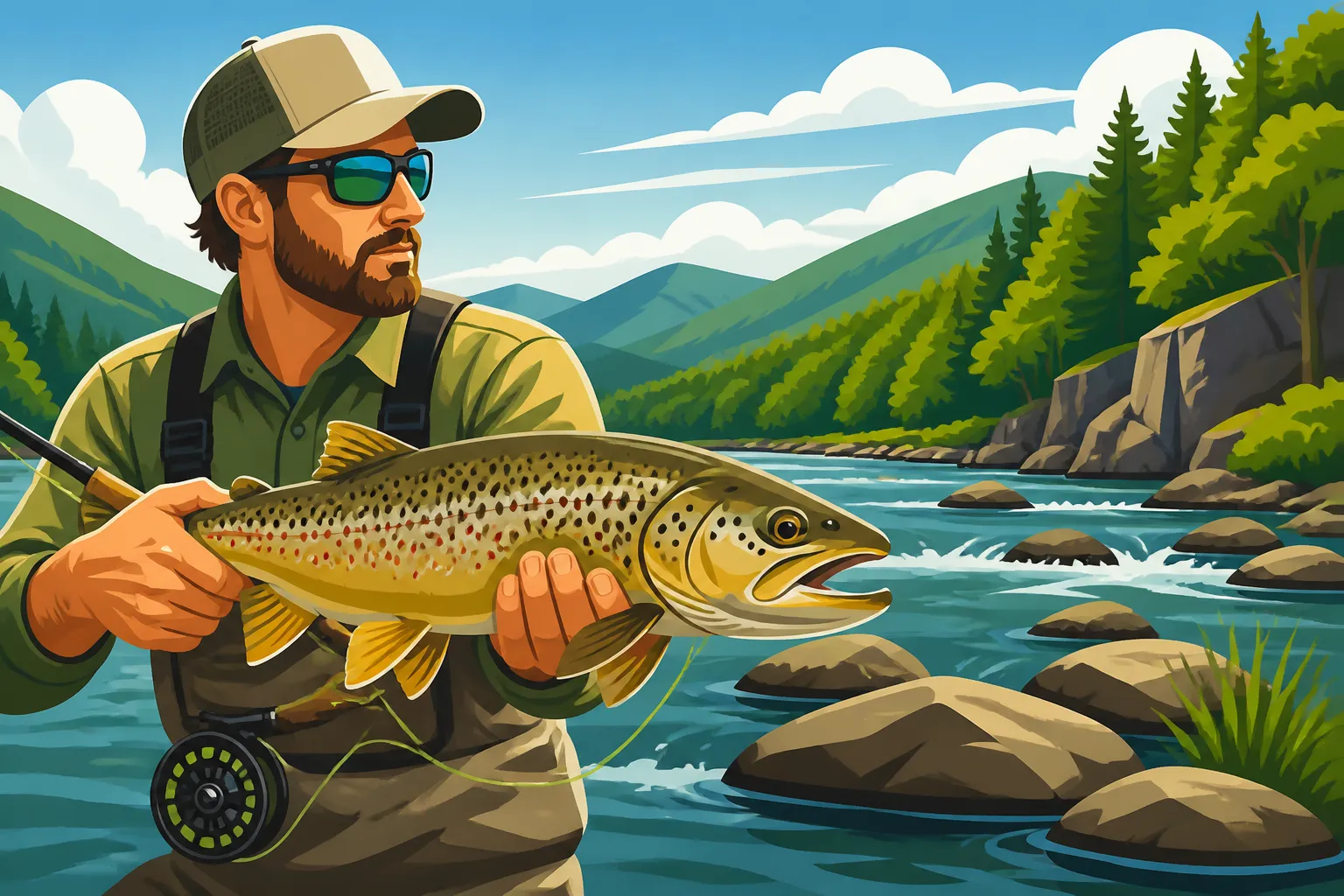
Smallmouth bass are the undisputed kings of the Cossatot. These aggressive, hard-fighting fish thrive in the river's rocky, oxygen-rich rapids and deep pools. Unlike their largemouth cousins, smallmouth prefer clear, flowing water and will often hold in current breaks behind boulders, at the heads of pools, or along steep rocky banks. They are ambush predators, perfectly adapted to dart out and strike prey as it drifts by in the current.
To catch these tenacious fighters, you'll want to mimic their natural forage, which includes crawfish, minnows, and various insects. Small crankbaits that dive to moderate depths (like a Rebel Wee-R or a Rapala Shad Rap), tube jigs, Ned rigs, and small spinnerbaits are all excellent choices. For topwater action, especially during low light conditions or when fish are aggressively feeding, a small popper or walking bait can be incredibly exciting. When you hook a smallmouth in the Cossatot, be prepared for a spirited fight that often includes acrobatic jumps and powerful runs back into the current. Remember to consult the statewide Smallmouth Bass Rules on Arkansas's Moving Waters Statewide to ensure you're compliant with all regulations before you cast a line.
Other Species You Might Encounter
While smallmouth bass steal the show, the Cossatot River supports a surprising diversity of other fish species that can add variety to your catch. In the deeper, slower pools, you might hook into spotted bass, often called Kentucky bass, which share many characteristics with smallmouth but prefer slightly slower currents. You could also find various sunfish species, like bluegill and green sunfish, particularly in calmer eddies and backwaters. These panfish, though smaller, offer fun action on light tackle, making them a great target for younger anglers or anyone looking for consistent bites.
Occasionally, you might even stumble upon a channel catfish in the deeper, muddier sections, though they are less common in the primary smallmouth habitat. When water levels are higher, some larger predatory fish from downstream might venture further up, but these occurrences are rare. The beauty of the Cossatot lies in its primary inhabitants – the smallmouth bass – but being open to other catches can make your trip even more memorable. Just be sure to always carry your Arkansas Fishing License Rules and Costs with you; you never know what you'll encounter!
Navigating Access Points and Terrain Challenges
Fishing the Cossatot River isn't just about bait and tackle; it's about preparation for a rugged outdoor adventure. Accessing prime fishing spots often means navigating challenging terrain, and understanding your options is key to a safe and successful trip.
Popular Access Points and Trail Information
The Cossatot River State Park-Natural Area is the primary gateway to the river, specifically within the "wilderness management area." The most well-known access point, and arguably the most challenging, is at Cossatot Falls. Here, you'll find a parking area, but reaching the river itself involves a steep, rocky descent. This area is spectacular for its scenery and whitewater, but fishing here often means careful wading in highly turbulent water or targeting the calmer pools just above or below the main falls.
Other access points typically involve hiking in from trails that parallel the river, such as the River Trail within the state park. These trails can be narrow, rocky, and slippery, especially after rain, and often require bushwhacking to reach the water's edge in certain sections. On the lower end, closer to where the Cossatot empties into Gillham Lake, access might be slightly easier, but the character of the river changes, becoming wider and slower. Always inform someone of your float plan, estimated return, and access points. For those venturing into the more remote sections, finding a local outfitter or guide on platforms like FishingBooker can provide invaluable insights into the best and safest entry and exit points.
Here's a quick overview of key access points:
| Access Point | Description | Best for | Challenges |
|---|---|---|---|
| Cossatot Falls | Iconic whitewater section. Steep, rocky descent from the parking area. Limited bank access, mostly for experienced waders/paddlers in adjacent pools. | Wade Fishing | Very difficult terrain, strong currents, high risk for inexperienced individuals. Requires extreme caution. |
| Sandbar (State Park) | Located upstream of the Falls. Offers easier access to the river's edge, often with a small "beach" area. Good starting point for shorter wade trips. | Wade Fishing | Can get crowded during peak season. Still requires careful wading. |
| FM 21 Bridge (AR Hwy 246) | This bridge crosses the river a few miles upstream from the main Falls area. Offers decent roadside access to the river above the most extreme whitewater. | Wade/Kayak | Parking can be limited; watch for private property. Current can still be swift. |
| Cossatot River WMA (South) | Further downstream, closer to Gillham Lake. Access points often require driving gravel roads. River widens, slows down. | Kayak/Canoe | More remote, less dramatic scenery, though still good fishing. Roads can be rough. |
Wading and Kayaking: What to Expect
The Cossatot River truly shines for wade fishing and smallmouth bass kayaking. However, each method comes with its own set of expectations and requirements.
For wade fishing, expect to spend a lot of time scrambling over slick rocks, navigating strong currents, and potentially crossing deeper sections. Neoprene or felt-soled wading boots with good ankle support are absolutely essential. A sturdy wading staff is not optional; it's a lifesaver for maintaining balance and probing depths. The clear water makes sight fishing possible in many areas, but also means you need to be stealthy. Focus on working upstream, casting into current breaks and shaded pockets. Be aware of your surroundings at all times; a sudden increase in water release or heavy upstream rain can quickly raise water levels, making exit challenging.
If you're opting for a kayak or canoe, choose a durable whitewater-grade boat, even if you plan to stay in the calmer sections. Scrapes, bumps, and even capsizes are possible given the rocky bottom and unpredictable currents. A skilled paddler can navigate many sections, but portaging around Cossatot Falls is a must. Plan your shuttle well in advance, and remember that many of the access points are not easily accessible by vehicle. The beauty of a float trip is covering more water and reaching untouched sections, but it requires solid paddling skills and a deep understanding of river navigation. Outfitters can be found on sites like FishingBooker who specialize in guided float trips on challenging rivers like the Cossatot, offering both expertise and shuttle services. Always check the current Arkansas Fishing Regulations Guide for any specific rules related to river access or boat use.
Seasonal Strategies for Cossatot River Success
The Cossatot River's character shifts dramatically with the seasons, influencing both water levels and fish behavior. Understanding these changes is crucial for planning your visit and maximizing your chances of a successful fishing trip.
Spring Fishing: High Water and Active Fish
Spring on the Cossatot River is a time of renewal and often, higher water. As winter snow melts and spring rains fall, the river swells, and temperatures begin to climb. This influx of fresh water, coupled with warming trends, invigorates the smallmouth bass, triggering increased feeding activity as they prepare for their spawn. Early spring can see very high, even dangerous, water levels, making fishing difficult or impossible. However, once the high waters recede and stabilize into a good flow, the fishing can be phenomenal.
During spring, smallmouth will often move into slightly shallower, current-protected areas to feed and eventually spawn. Look for them in eddies, behind large boulders, and along submerged rock ledges. Lipless crankbaits, small spinnerbaits, and tube jigs fished slowly near the bottom can be very effective. As the water warms further, towards late spring, topwater lures can produce explosive strikes, particularly during dawn and dusk. This is also a good time to target aggressive fish that are actively defending spawning beds, though catch-and-release is strongly encouraged during this vulnerable period to protect future populations. Remember to check local weather forecasts and river gauges diligently, as a sudden rainstorm can quickly make spring fishing treacherous.
Summer Fishing: Low Water and Technical Approaches
As summer progresses, the Cossatot River typically experiences lower, clearer water levels. While this can make navigation easier in some respects, it also presents a more technical fishing challenge. The fish become warier in the clear, shallow conditions, making stealth and precise presentations paramount. This is when the Cossatot truly demands your skill as an angler.
During summer, smallmouth bass will retreat to deeper pools, shaded areas, and oxygenated riffles to escape the heat and bright sunlight. Early morning and late evening become prime fishing times. Focus your efforts on deep runs, the tail ends of pools where current picks up, and under overhanging banks. Smaller, more subtle presentations are often key. Light line, small finesse jigs like Ned rigs, small grubs, and weightless worms can be incredibly effective. Fly fishing with small poppers, streamers, or nymph patterns can also be highly productive. While the fishing can be tougher, the solitude and beauty of the Cossatot in summer, with its sparkling clear water and lush green surroundings, make the effort worthwhile. Always wear sun protection, stay hydrated, and be mindful of exposed rocks and slick surfaces if you're wading.
Fall Fishing: Optimal Conditions and Trophy Potential
Many seasoned Cossatot anglers consider fall to be the absolute best time to fish the river. The oppressive summer heat gives way to cooler, more stable temperatures, and often, reliable water levels return. The leaves on the trees turn vibrant colors, adding to the picturesque scenery, and most importantly, the smallmouth bass go on a serious feeding frenzy. They're trying to pack on weight for the upcoming winter, making them incredibly aggressive and willing to strike a variety of lures.
Fall fishing can offer the perfect blend of good water levels (often allowing for easier wading and floating than summer, but not the torrents of spring) and highly active fish. Focus on the same types of structure as in spring and summer – current breaks, rocky ledges, and deep pools – but expect the fish to be more spread out and actively chasing prey. Crankbaits, spinnerbaits, and topwater lures can be highly effective throughout the day. Fall is also an excellent time to target larger, trophy-sized smallmouth that are aggressively feeding. You might find some of the Best Time of Day to Catch Bass is during the midday hours in fall, as the water temperatures are often ideal. The combination of beautiful weather, fewer crowds, and hungry fish makes autumn an unmissable season for Cossatot River smallmouth.
Essential Gear and Safety for This Unique River
Fishing the Cossatot River isn't like casting a line into a placid lake. Its wild and untamed nature means your gear needs to be robust, and your safety precautions need to be top-notch. Being well-equipped can make the difference between a frustrating outing and an unforgettable adventure.
Rod, Reel, and Line Recommendations
For smallmouth bass on the Cossatot, your gear choice will largely depend on your preferred fishing style, but versatility is key.
- Rods: A medium-light to medium power spinning rod, around 6'6" to 7' in length, is a versatile choice. It offers enough backbone to fight strong current-dwelling bass but maintains sensitivity for lighter presentations. If you prefer baitcasting, a similar power rod will serve you well. For fly anglers, a 5- or 6-weight rod is a good all-around option, capable of handling smallmouth and casting various fly patterns.
- Reels: A quality spinning reel in the 2000-3000 size range, or a baitcasting reel with a smooth drag system, is ideal. Smooth drag is crucial for battling fish that want to use the current to their advantage.
- Line: Spool your spinning or baitcasting reels with 6 to 10-pound test monofilament or fluorocarbon line. Fluorocarbon offers excellent sensitivity and abrasion resistance, which is a huge plus given the Cossatot's rocky bottom. If using braided line (say, 10-15 lb test), always tie on a fluorocarbon leader (6-8 lb test) for stealth in the clear water. For fly fishing, a weight-forward floating line is standard for most dry fly and streamer presentations.
Don't forget to bring a variety of lures suitable for smallmouth bass. This includes smaller crankbaits, tube jigs, Ned rigs, spinnerbaits, and topwater poppers or walk-the-dog style baits. For fly anglers, include crawfish patterns, baitfish streamers, and various nymphs. Having a selection of best lures for smallmouth bass in rocky streams will really pay off.
Wading Safety and Emergency Preparedness
Safety on the Cossatot cannot be overstated. This river is unforgiving, and conditions can change rapidly.
- Wading Gear: As mentioned, sturdy wading boots with felt or sticky rubber soles (or studs for extra grip) are non-negotiable. A wading belt should always be worn to prevent your waders from filling with water in case of a fall. A robust wading staff is a critical tool for stability and depth-checking, even for experienced waders.
- PFD: If you're wading in deeper or swifter sections, or if you're on a float trip, a properly fitted personal flotation device (PFD) is essential.
- First Aid: Always carry a waterproof first-aid kit. Minor cuts, scrapes, and twisted ankles are common in this rugged environment. Include pain relievers, bandages, antiseptic wipes, and any personal medications.
- Navigation and Communication: A waterproof map of the state park and river, along with a compass or a reliable GPS device/app, is highly recommended, especially if you're venturing into less-traveled areas. Cell service can be spotty or nonexistent in remote sections of the Cossatot. Consider carrying a satellite messenger device for emergencies.
- Hydration and Nutrition: Even on cooler days, physical exertion in the outdoors requires plenty of water. Carry ample water and high-energy snacks.
- Tell Someone: Always let someone know your float or hiking plan, including your intended access points, estimated time of return, and any deviations. This simple step can be life-saving if you run into trouble.
- Watch the Weather and Water: Pay close attention to weather forecasts, especially for upstream rainfall. Water levels can rise quickly and without warning. If the water starts to rise or becomes murky, it's time to get out. Fishing without a valid Arkansas Fishing License Requirements for Out-of-State Anglers or a resident license can lead to serious What's the penalty for fishing without a license in Arkansas? and isn't worth the risk. You can How to Buy an Arkansas Fishing License Online easily before your trip.
Fishing the Cossatot River is an incredible experience that challenges and rewards in equal measure. By understanding its unique character, planning for the unexpected, and prioritizing safety, you'll be well on your way to a memorable adventure in one of Arkansas's wildest and most beautiful places. For those looking to dive deeper into the world of fishing guides or specific techniques, platforms like FishingBooker can connect you with local experts who have mastered these challenging waters.
Disclaimer
Please remember that fishing conditions, regulations, and access points can change. Always check the latest Arkansas Game and Fish Commission regulations and local river conditions before heading out on any fishing trip. Safety should always be your top priority when exploring wild waters like the Cossatot River.