Is Flathead Catfish Good to Eat?
You've just landed a big, beautiful flathead catfish from an Arkansas river or lake, and as the fight subsides and you admire your catch, a common question pops into your head: is this going to be good eating? Many anglers have heard whispers or have preconceived notions about catfish flavor, but flatheads are a whole different ballgame. This guide will walk you through exactly why flathead catfish are a fantastic culinary choice and how to prepare them to truly shine on your dinner plate.
The Culinary Appeal of Flathead Catfish: A Deep Dive
When it comes to putting fish on the table, not all catfish are created equal, and flatheads often rise to the top of many anglers' preference lists. There's a certain prestige that comes with catching a large flathead, and thankfully, that experience extends to the dinner table as well. If you've ever been disappointed by a "muddy" tasting catfish, prepare to have your expectations reset.
Flavor Profile and Texture
One of the most defining characteristics of flathead catfish is their remarkably clean, mild flavor. Unlike some other catfish species that can sometimes carry an earthy or "muddy" taste, flatheads rarely suffer from this. Their flesh is typically firm, white, and flaky, making for a truly enjoyable eating experience. It's a versatile fish that takes well to a variety of seasonings and cooking methods without being easily overpowered.
The texture is firm enough to hold up to grilling or pan-frying, yet still flakes beautifully with a fork. Imagine a texture that's a pleasant midpoint between a firm white fish like cod and the more robust texture of some freshwater bass. This unique combination makes flathead a favorite for those who appreciate a quality fish fillet. The size of the fish can play a role here; smaller to medium flatheads (say, under 10-15 pounds) often have the most desirable texture and flavor, though larger ones are still excellent when properly cared for.
Why Flatheads Stand Out from Other Catfish Species
So, what makes the flathead catfish so different from its cousins, like the channel or blue catfish? It primarily comes down to their diet and habitat. Flatheads are opportunistic predators, meaning they primarily feed on live fish, crayfish, and other aquatic organisms. This predatory diet leads to a much cleaner, less "gamey" flavor profile compared to omnivorous bottom-feeders that might consume more detritus. You can really taste the difference when you compare them side by side.
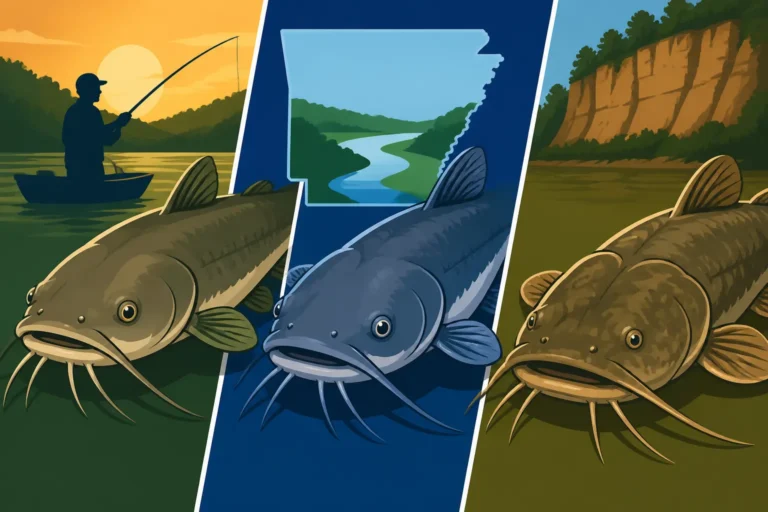
Furthermore, flatheads often inhabit clearer, moving waters or the deeper, cleaner sections of reservoirs, especially as they grow larger. This preference for cleaner environments also contributes to the quality of their meat. While you can find channel catfish and blue catfish in these same waters, the flathead's dietary habits give it a distinct advantage in the flavor department. Many seasoned anglers in Arkansas will tell you that if you're going to keep a catfish for dinner, a flathead is often the prime choice. If you want to learn more about identifying these differences, check out How to Tell Channel, Blue, and Flathead Catfish Apart.
Preparing Your Flathead Catch for the Table
Bringing a flathead from the water to your dinner plate requires a few key steps to ensure maximum freshness and flavor. Proper handling immediately after the catch is paramount. Even the best-tasting fish can be ruined by poor preparation.
Field Dressing and Cleaning Best Practices
The moment that flathead comes into the boat or onto the bank, the clock starts ticking. To maintain that pristine flavor, you need to get the fish on ice as quickly as possible. A cooler full of ice is your best friend. This rapid cooling halts enzymatic processes that can degrade the meat quality and prevents bacterial growth.
When it comes to cleaning, flatheads are known for their tough, scaleless skin. This isn't a problem, just a different approach from scaled fish. The most common method is skinning and filleting. You'll want a sharp, sturdy fillet knife, perhaps one you picked up from Amazon, and a good pair of pliers or a skinning tool.
Here's a basic rundown:
- Bleed the Fish: If you're serious about flavor, bleeding the fish immediately after the catch can make a noticeable difference. Make a quick cut behind the gills and place the fish in an ice bath to allow it to bleed out. This removes blood from the flesh, resulting in a cleaner, milder taste.
- Head Removal: Lay the fish on its side. Make a deep cut behind the pectoral fin and angle it up towards the spine. Repeat on the other side and sever the spine to remove the head.
- Skinning: Flatheads have incredibly tough skin. Many anglers prefer to nail or clamp the head (or where the head was) to a sturdy surface like a cleaning table. Then, using pliers or a skinning tool, grab the skin firmly and peel it back towards the tail. This can take some effort, but once you get a good grip, it usually comes off in large strips.
- Gutting: If you're filleting, you might gut the fish first or after the skin is off. Make a shallow cut along the belly from the vent to the head cavity and remove all internal organs. Rinse the cavity thoroughly.
Remember, cleanliness is key. Keep your work surfaces clean and rinse your fish often during the cleaning process. This attention to detail ensures the best possible outcome. For more general advice on fishing methods, consider looking into Catfish Fishing Techniques Guide.
Filleting and Portioning for Optimal Cooking
Once your flathead is skinned and gutted, it's time to transform it into beautiful, boneless fillets. This is where that sharp fillet knife really shines. Flatheads, especially larger ones, yield substantial fillets that are perfect for a variety of cooking methods.
Here’s how to approach filleting:
- Position the Fish: Lay the cleaned fish flat on its side on your cutting board.
- Initial Cut: Make a cut down the back of the fish, along the spine, from where the head was to the tail. Keep your knife blade tight against the backbone.
- Work Along the Ribs: Gently work your knife down, following the curve of the ribs. Apply slight pressure to keep the blade against the bone, separating the meat from the rib cage.
- Remove the Fillet: Once you've separated the fillet from the rib cage, you'll have a boneless piece of meat. Repeat on the other side.
- Pin Bone Removal (Optional): Flatheads have a row of small pin bones running down the center of each fillet. You can remove these by making a V-cut along either side of the bone line and lifting them out, or by using pliers to pull them. For most cooking methods, a quick trim to remove the thin belly flap and any dark meat will yield pure, white fillets.
For portioning, consider the size of your fillets. Larger flatheads can produce fillets thick enough to be cut into "steaks" or thick chunks, perfect for grilling. Smaller fillets might be left whole for pan-frying. Think about how you plan to cook the fish and cut accordingly. A general rule for good eating sizes is often between 3 to 10 pounds, though larger flatheads, up to 20 pounds, can still be excellent. Beyond that, while they're impressive catches, they tend to develop tougher meat. You can learn more about how big these impressive fish get in How Big Do Flathead Catfish Get in Arkansas?.
Here’s a quick comparison of flathead cleaning to other catfish:
| Feature | Flathead Catfish | Channel/Blue Catfish |
|---|---|---|
| Skin Toughness | Very tough, usually skinned with pliers/clamp | Moderately tough, can be skinned or scaled |
| Fillet Yield | High, thick, firm fillets | Good, but often thinner fillets |
| Bone Structure | Distinct pin bones, easy to cut around | Similar, but often smaller/softer |
| Bloodline | Minimal dark meat/bloodline when bled properly | Can have a more pronounced bloodline if not bled |
| Preferred Method | Skinning and filleting | Skinning, filleting, or cooking whole (smaller fish) |
Popular Cooking Methods for Flathead Catfish
Now for the fun part: cooking! Because of its firm, mild, white flesh, flathead catfish is incredibly versatile. You can prepare it in countless ways, but some methods truly highlight its best qualities.
Classic Fried Catfish
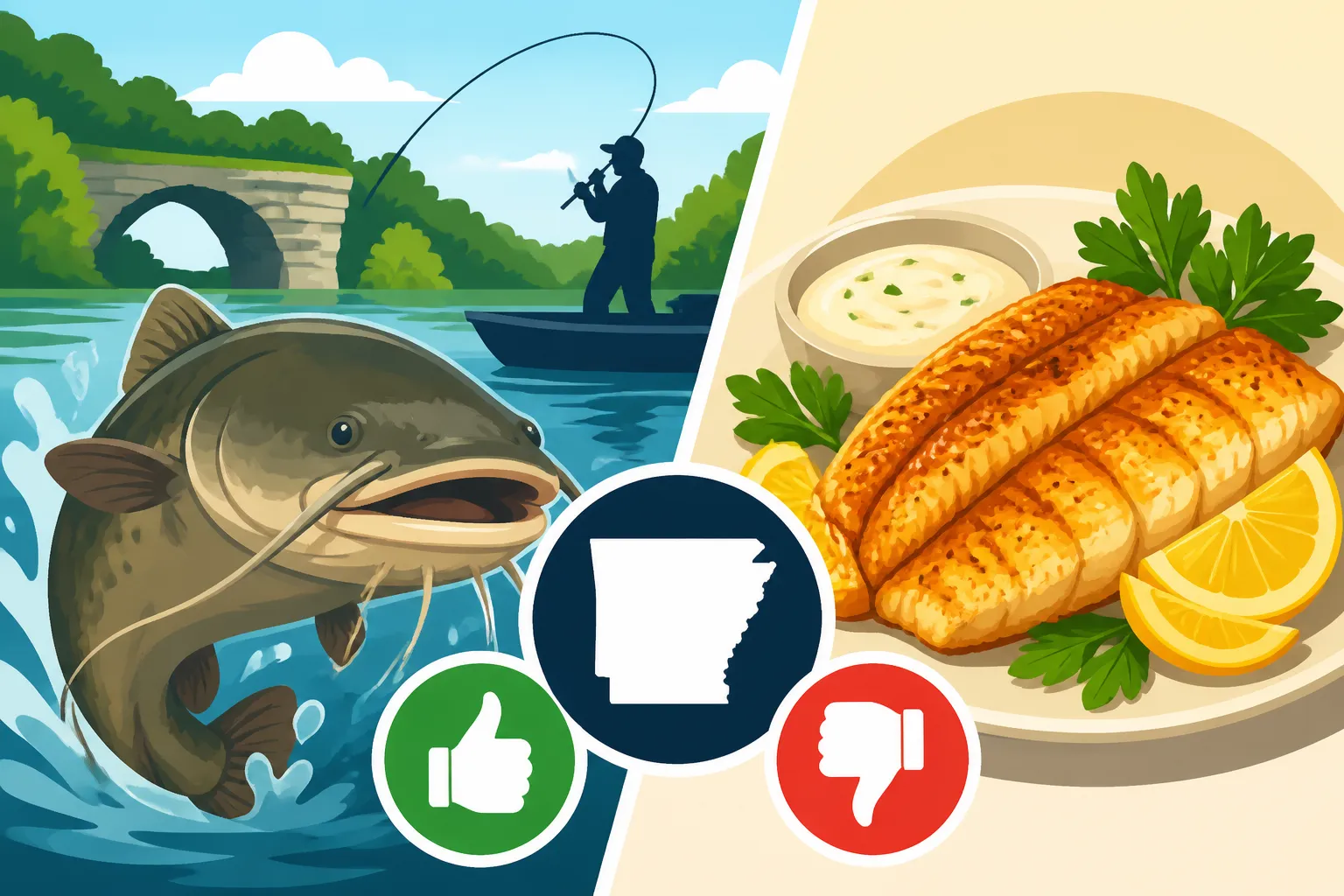
There’s a reason fried catfish is a Southern staple, and flathead catfish elevates this dish to new heights. The firm texture holds up beautifully to frying, resulting in a crispy exterior and a tender, flaky interior.
To achieve that perfect fry:
- Prepare the Fillets: Pat your flathead fillets dry with paper towels. This helps the coating adhere better.
- Seasoning and Breading: A simple cornmeal-based breading is traditional. You can use a pre-made fish fry mix (many available on Amazon, some specifically for catfish) or create your own with cornmeal, flour, salt, pepper, paprika, and a touch of cayenne for a kick. For an extra crispy crust, dredge the fillets in seasoned flour, then dip them in an egg wash (egg and milk), and finally coat them generously in your cornmeal mixture.
- Oil Temperature: Heat a neutral oil (like peanut, vegetable, or canola oil) in a heavy-bottomed skillet or deep fryer to around 350-375°F (175-190°C). Don't overcrowd the pan; fry in batches to maintain oil temperature.
- Frying: Carefully place the breaded fillets into the hot oil. Fry for 4-7 minutes, depending on thickness, flipping once, until golden brown and cooked through. The internal temperature should reach 145°F (63°C).
- Rest and Serve: Remove the fish with a slotted spoon or tongs and place on a wire rack over paper towels to drain excess oil. Serve immediately with lemon wedges, hushpuppies, coleslaw, and tartar sauce. This classic method is hard to beat!
Grilling and Baking for Healthier Options
If you're looking for lighter, healthier ways to enjoy your flathead, grilling and baking are excellent choices. The firm flesh prevents it from falling apart on the grill, and baking locks in moisture and flavor.
Grilling Flathead Catfish
Grilling imparts a wonderful smoky flavor and creates a beautiful char on the exterior.
- Marinade or Seasoning: Flathead takes well to marinades. A simple mixture of olive oil, lemon juice, garlic, dill, and a touch of salt and pepper works wonders. Marinate for 30 minutes to an hour. Alternatively, a dry rub with Cajun spices or your favorite fish seasoning is fantastic.
- Preheat Grill: Preheat your grill to a medium-high heat (around 400°F or 200°C). Clean the grates thoroughly and oil them well to prevent sticking.
- Grilling: Place the fillets directly on the hot grates. Grill for 4-6 minutes per side, depending on thickness, until the fish flakes easily with a fork and has nice grill marks. Avoid overcooking, as it can dry out.
Baking Flathead Catfish
Baking is a hands-off method that's great for busy weeknights.
- Preparation: Preheat your oven to 400°F (200°C). Lightly grease a baking dish or line it with parchment paper.
- Seasoning: Season your fillets with salt, pepper, and your choice of herbs (parsley, thyme, oregano) or a dry rub. You can also add a pat of butter, a drizzle of olive oil, or a slice of lemon on top of each fillet for extra moisture and flavor.
- Baking: Bake for 10-15 minutes, again depending on thickness, until the fish is opaque throughout and flakes easily. A common way to keep it moist is to bake it in foil packets with some vegetables and a splash of broth.
Other Creative Flathead Recipes
Don't limit yourself to just frying, grilling, or baking! Flathead catfish is versatile enough for a whole host of other delicious preparations.
- Fish Tacos: Cut fried or grilled flathead into strips, serve in warm tortillas with cabbage slaw, crema, and salsa. Absolutely delicious!
- Catfish Stew or Gumbo: The firm flesh holds up well in hearty stews or gumbos, absorbing the rich flavors of the broth and vegetables.
- Smoked Flathead: For those with a smoker, flathead fillets can be brined and then smoked low and slow for a unique, flavorful experience. The smoky flavor complements the mild fish perfectly.
- Pan-Seared with Brown Butter: A simple yet elegant preparation. Pan-sear the fillets in butter until golden, then finish with a squeeze of lemon juice and some fresh herbs.
Experimentation is key! You might find your new favorite recipe by trying something a little different. Many fish recipe books or cooking gadgets (often found on Amazon) can spark new ideas for preparing your catch.
Best Practices for Sustainable Flathead Catfish Enjoyment in Arkansas
As much as we love eating flathead catfish, it's crucial to practice responsible angling to ensure these incredible fish continue to thrive in Arkansas waters for future generations. Our actions today directly impact the fishing opportunities of tomorrow.
Respecting Size and Daily Limits
The Arkansas Game and Fish Commission (AGFC) sets specific regulations for catfish, including flatheads, to help manage fish populations. These regulations often include daily creel limits (how many fish you can keep in a day) and sometimes size limits (minimum or maximum lengths for fish you can harvest). It's vital to know and follow these rules. For instance, while generally the statewide daily limit for catfish is generous, certain water bodies might have specific exceptions. Always check the current regulations before you head out.
Catching fish within the legal limits not only keeps you on the right side of the law (and avoids potential Penalties for Fishing Without a License in Arkansas) but also contributes to the health and sustainability of the fishery. Taking too many fish, or fish outside of the legal size range, can negatively impact spawning populations and overall fish numbers. You can find comprehensive details about rules and limits in Arkansas Fishing Regulations Guide.
Ensuring Freshness from Water to Plate
As discussed earlier, proper handling of your catch from the moment it leaves the water is crucial for culinary quality. This includes bleeding the fish, getting it on ice immediately, and cleaning it as soon as possible after your trip. If you're on a multi-day trip, understanding What Counts as a Final Point of Storage for Fish in Arkansas becomes even more important to maintain quality and comply with regulations.
Beyond proper field care, how you store your fish once cleaned also matters. Fresh flathead fillets should be kept cold and consumed within a day or two, or properly frozen for longer storage. Vacuum sealing is an excellent way to preserve the quality of frozen fish, protecting it from freezer burn and extending its shelf life for several months. Always thaw frozen fish slowly in the refrigerator for the best texture and flavor. By following these steps, you'll ensure that every flathead you bring home is as delicious as possible, a true testament to the fantastic fishing Arkansas has to offer.
Disclaimer
This article is for general informational purposes only and does not constitute professional advice. Laws, prices and regulations vary by location and change over time. Consult a qualified professional for guidance on your specific situation.