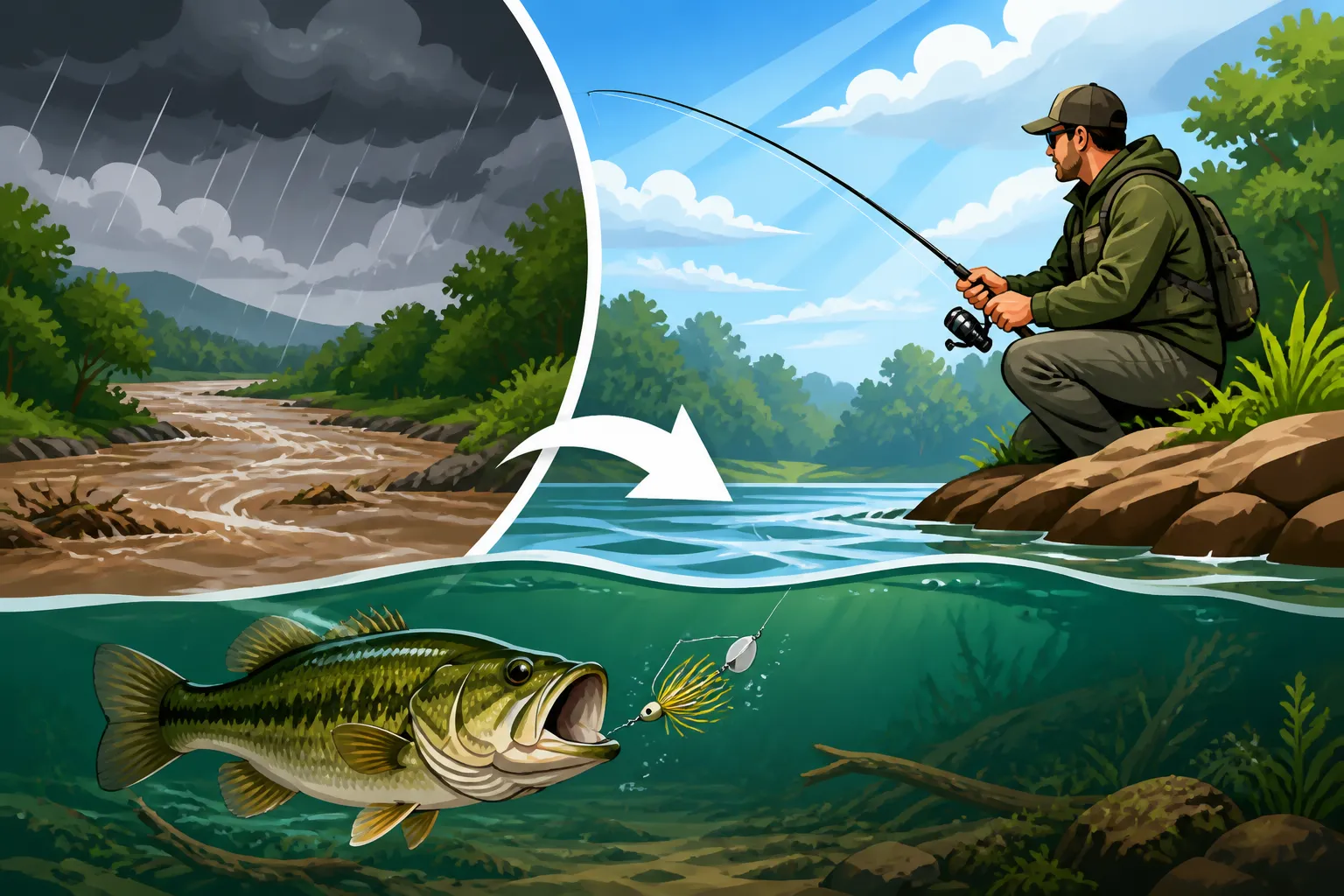
How to Fish After Heavy Rain
There's nothing quite like the excitement of a planned fishing trip, only for Mother Nature to throw a wrench in your plans with a deluge of heavy rain. You might find yourself staring out the window, wondering if your day on the water is completely ruined, or if there's still a chance to reel in some fish despite the murky, high water. This comprehensive guide is here to tell you that not only is fishing after heavy rain possible, but it can actually be incredibly productive if you know how to adapt your strategy, understand how fish react, and prioritize your safety.
The Immediate Aftermath: How Heavy Rain Transforms Fishing Conditions
Heavy rain isn't just a slight inconvenience; it fundamentally alters the aquatic environment, and that means fish behave differently. Understanding these changes is the first step to successfully navigating post-storm waters. It's a frustrating reality for many anglers, especially those who prefer clear, calm conditions, but these disruptions often create new opportunities.
Water Clarity and Turbidity
One of the most immediate and noticeable effects of heavy rain is a dramatic decrease in water clarity. All that runoff from land carries sediment, dirt, and organic matter into lakes and rivers, turning once-clear water into a murky, muddy mess. This turbidity is more than just an aesthetic issue; it significantly impacts how fish see, hunt, and respond to your baits.
When the water turns chocolate milk, visual predators like bass and trout struggle to see their prey, or your perfectly presented lure, from a distance. Their primary senses shift from sight to lateral line vibrations and smell. For you, the angler, this means rethinking your lure colors and presentation speed. Forget those subtle, natural patterns for a bit; it's time to embrace brighter, more contrasting colors and lures that displace a lot of water. It's tough to make that mental shift, especially when you're used to a certain routine, but flexibility is key.
Changes in Water Temperature and Flow
Heavy rain can bring with it cooler air temperatures, which in turn can drop surface water temperatures, especially in shallower areas. For warm-water species, a sudden drop can make them sluggish, while for cold-water species like trout, it might be a welcome change, particularly in the summer months.
Even more significant is the increased water flow. Rivers swell, currents strengthen, and lake levels rise. This surge of water can dislodge fish from their usual holding patterns, either by forcing them into calmer eddies and slack water or by making them follow new food sources washing into the system. It can be incredibly disorienting to arrive at a familiar spot only to find the entire landscape transformed by raging currents. However, these new current breaks and submerged structures can become prime ambush points for fish looking for an easy meal without expending too much energy fighting the flow. Understanding these dynamics is crucial when learning how to fish after heavy rain.
Debris and Habitat Disruption
Along with sediment, heavy rain and increased flow bring a significant amount of debris into the water. Logs, branches, leaves, trash, and all sorts of other detritus can be seen floating downstream or accumulating in eddies and coves. This debris, while a nuisance for boating and casting, can also create temporary new habitats and hiding spots for fish.
Fish will often seek shelter behind or under large pieces of debris to escape strong currents or to ambush prey that gets swept along. It can also stir up bottom sediment, uncovering worms, insects, and other food sources, effectively creating a "buffet" for opportunistic feeders. Navigating these conditions safely is paramount, but keeping an eye on these debris fields can often lead you to concentrations of fish. It feels counterintuitive to cast into what looks like a mess, but sometimes, that's exactly where the fish are hiding, taking advantage of the cover and the influx of food.
Adjusting Your Strategy: Techniques and Lures for Post-Rain Fishing
When the water is high and muddy after a downpour, you can't just throw the same old lures in the same old spots and expect success. You need to switch gears, almost like you're fishing a completely different body of water. This is where many anglers get frustrated, sticking to what they know instead of adapting.
Lure Selection for Murky Water
The name of the game in murky water is attracting attention. Visual appeal takes a backseat to vibration, sound, and scent.
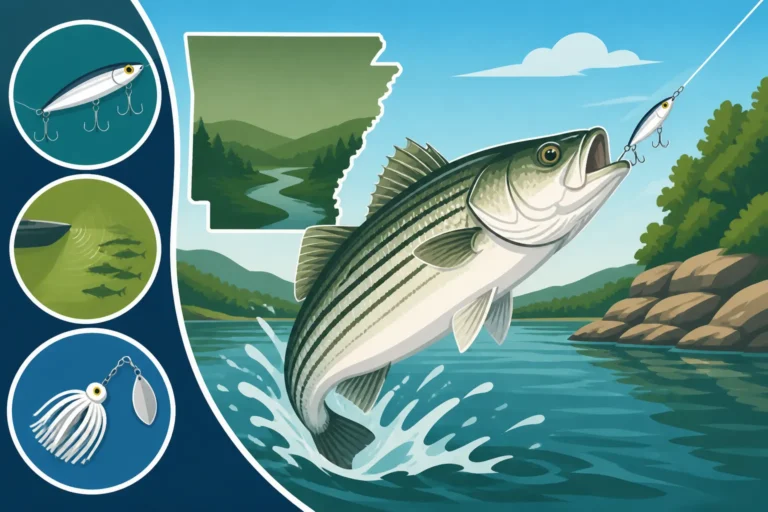
- Vibration and Sound: Consider lures that create a strong thump or rattle. Chatterbaits are fantastic in these conditions because their vibrating blade sends out a lot of commotion. Spinnerbaits, especially those with large Colorado blades, also push a lot of water and create a strong flash that can be detected even in low visibility. Lipless crankbaits with internal rattles are another excellent choice for covering water and calling fish in. You can find a huge variety of these on Amazon to suit any budget or specific fish you're targeting.
- Color Contrast: While visibility is low, certain colors stand out better. Fluorescent colors like chartreuse, bright orange, and hot pink can create a silhouette that fish can detect. Black and blue jigs also work incredibly well in dirty water, as they create a strong, dark profile that fish can see against even the murkiest backdrop. Don't be afraid to experiment with combinations like black and chartreuse.
- Size Matters: Sometimes, a larger profile lure can be more easily detected by fish relying on their lateral line. Don't shy away from throwing slightly bigger baits than you normally would, especially when targeting species like largemouth bass.
Presentation and Location Adjustments
Beyond just choosing the right lure, how and where you present it becomes critical.
- Slow it Down: Fish in dirty, high water are often less aggressive and might need a longer look at your bait. Slow down your retrieve significantly. This gives fish more time to locate your lure by vibration and smell. If you're using a jig or a soft plastic, let it sit on the bottom for a few extra seconds.
- Target Current Breaks and Edges: Fish will naturally seek refuge from strong currents. Look for eddies, submerged timber, rock piles, bridge pilings, or any structure that creates a "seam" where fast water meets slow water. These are prime ambush points where fish can conserve energy and pick off food being swept past. Similarly, look for areas where muddy water meets slightly clearer water, as fish will often congregate on that transition line. You might find similar patterns when fishing the Bull Shoals Tailwater Trout Rules in Arkansas, where trout also seek current breaks.
- Fish Shallower: Runoff often carries warm, oxygenated water and new food sources into shallower areas. Fish, particularly bass and crappie, might move closer to the banks, especially if there's submerged vegetation or cover. Don't overlook these often-neglected areas right after a rain event.
- Utilize Scent: In dirty water, scent can be your best friend. Add scent to your soft plastics or jigs. Many anglers swear by commercially available scent sprays or dips, which you can easily purchase from tackle shops or online retailers like Amazon. Even fresh garlic or anise oil can make a difference.
Bait Fishing After Rain
While artificial lures get a lot of attention, live bait can be incredibly effective after heavy rain. The natural scent and movement are often irresistible to fish in low visibility conditions.
- Worms and Nightcrawlers: Rain washes worms and other terrestrial insects into the water, making them a natural food source fish are already conditioned to seek out. Worms fished on a simple Carolina rig or under a slip bobber can be deadly for everything from catfish to bass.
- Minnows and Shiners: Live baitfish are always a good bet, especially for predatory species like bass and crappie. Their natural struggles and scent trail can be easily detected in murky water. Present them near cover or current breaks for best results. When considering Best Live Bait for Crappie Fishing, minnows are often at the top of the list, and that holds true after a rain.
- Cut Bait: For catfish, especially blue catfish and channel catfish, cut bait like shad, skipjack, or even pieces of hot dogs or chicken livers can be incredibly effective. The strong scent trail it emits in the water is a beacon for these bottom feeders. Learn more about Best Cut Bait for Catfish to maximize your success.
Safety First: Navigating Post-Rain Conditions
While the fishing opportunities after heavy rain can be excellent, safety should always be your number one priority. Ignoring the potential hazards can quickly turn a productive day into a dangerous one. As much as you want to get out there, it's never worth risking your well-being.
Checking Water Levels and Currents
Always, always check local conditions before heading out. Websites for the USGS, local river authorities, or even weather apps can provide real-time data on river levels, flow rates, and flood warnings.
- Rivers and Streams: High water in rivers means faster, more powerful currents. What might have been a gentle riffle before the rain could now be a dangerous torrent. Wading can become extremely hazardous, as strong currents can sweep you off your feet even in seemingly shallow areas. Boat navigation also becomes tricky, requiring constant vigilance for submerged obstacles and tricky currents.
- Lakes and Reservoirs: While currents aren't usually as severe in large lakes, rapidly rising water levels can still create dangerous conditions. Docks can become submerged, boat ramps can be slick, and previously exposed hazards can become hidden just below the surface. Always proceed with extreme caution. Keeping an eye on these changing conditions is part of understanding Arkansas Fishing Regulations Guide.
Navigating Debris and Hazards
As mentioned, heavy rain washes a lot of debris into the water. This presents both a fishing opportunity and a significant hazard.
- Boating Hazards: Floating logs, branches, and even larger objects can damage your boat's propeller, lower unit, or even hull. Reduce your speed significantly and keep a keen eye out for anything in the water, especially in areas with strong currents where debris tends to accumulate. Submerged hazards like trees or rocks that were visible before might now be completely hidden.
- Bank Fishing Hazards: If you're fishing from the bank, be aware that the ground near the water's edge can be extremely slick and unstable due to saturated soil. Steep banks can be prone to erosion and collapse. Watch your footing and avoid areas where the bank looks undercut or unstable. Also, be mindful of snakes or other wildlife that might be displaced by rising water and seeking higher ground.
Weather Monitoring and Preparedness
The weather can be unpredictable after a major rain event. Sometimes, a series of storms can roll through, or new systems can develop quickly.
- Constant Monitoring: Keep a close eye on weather forecasts throughout your trip. A portable weather radio, a reliable weather app on your phone, or even marine weather channels on your boat's radio can be invaluable. Don't hesitate to cut your trip short if new storms are approaching or conditions are deteriorating.
- Appropriate Gear: Even if the rain has stopped, conditions can be damp and cool. Dress in layers to adapt to changing temperatures. Waterproof rain gear is essential, not just for protection from ongoing drizzles, but also from splashback or spray if you're boating. A good quality rain suit, perhaps one you found on Amazon, will make your time on the water much more comfortable. Always pack extra dry clothes, a towel, and even a first-aid kit. Remember that even on sunny days, the ground can be saturated.
Species-Specific Considerations After Rain
Different fish species react to heavy rain and high, murky water in unique ways. What works for a catfish might not work for a bass, and trout might require an entirely different approach. Knowing these tendencies can help you fine-tune your approach for the specific fish you're targeting.
Bass Behavior After Rain
Largemouth and smallmouth bass are highly adaptable, but they do have predictable reactions to post-rain conditions. They generally dislike sudden, drastic changes in water clarity and temperature, but they are also opportunistic predators.
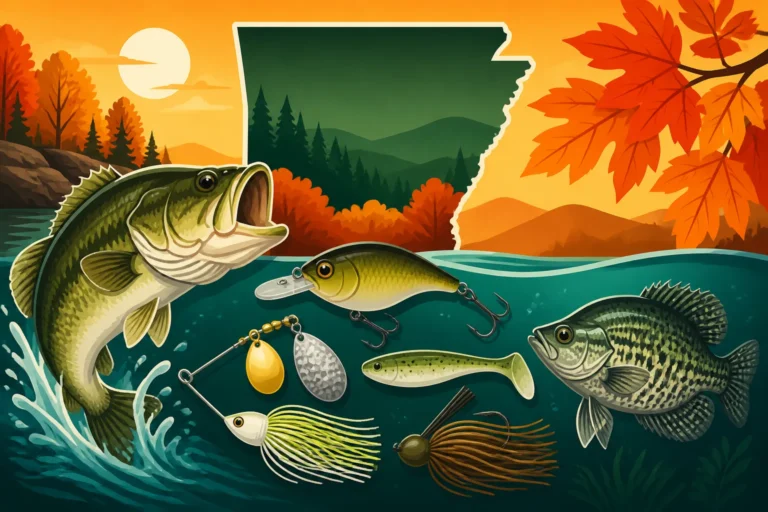
- Largemouth Bass: These fish will often move to shallower, muddier water where runoff brings in new food and cover. They tend to position themselves near structures, like submerged brush, docks, or fallen trees, that break the current and offer ambush points. Look for them in flooded creek channels, newly inundated areas of grass, or around points where muddy water meets clearer water. They'll respond well to noisy, vibrating lures like spinnerbaits, chatterbaits, and dark-colored jigs. A slow, deliberate retrieve is often more effective. This is similar to how you might approach Pre-Spawn Bass Fishing Patterns in changing conditions.
- Smallmouth Bass: In river systems, smallmouth will often move out of the main current into eddies, slack water pockets, or behind larger boulders. They still prefer some current, but not the raging torrent. In lakes, they might retreat to slightly deeper rock piles or points where the water isn't quite as turbid. Their keen eyesight can be hampered by dirty water, so focus on lures with strong vibration or natural baits. Check out Smallmouth Bass Rules on Arkansas's Moving Waters Statewide for specific regulations on these fish.
Catfish and Crappie Opportunities
These two species often thrive in the conditions that deter other anglers, making them prime targets after heavy rain.
- Catfish: Heavy rain often makes catfish very active. The influx of fresh, oxygenated water and new food sources washing into the system excites them. Catfish, with their excellent sense of smell and barbels, are perfectly equipped to navigate murky water. Look for them in creek channels, around the mouths of feeder creeks, or in deeper holes where the current is still strong but they can hold without too much effort. Using strong-smelling baits like cut bait, chicken livers, or stink baits is incredibly effective. This is a great time to be out if you're into Catfish Bottom Fishing Techniques. You might find active channels of Blue Catfish Fishing in Arkansas during these times.
- Crappie: While crappie can be a bit finicky, they often move into shallower flooded areas after rain, especially if there's submerged timber or brush. They're looking for baitfish that have been pushed into these areas or new insect larvae. Fishing jigs (especially dark or brightly colored ones) or small minnows around newly flooded cover can be very productive. A slow, vertical presentation is often best. Just be mindful of local limits, such as the Crappie Size and Daily Limit in Arkansas.
Trout in Tailwaters Post-Rain
Trout fishing in tailwaters (rivers below dams) can be a unique beast after heavy rain. The dam releases often regulate flow, but local runoff still plays a role.
- Increased Flow: If the dam increases releases due to heavy upstream rains, the river flow will increase significantly. This can dislodge trout from their usual feeding lanes, forcing them into slower pockets of water, behind large rocks, or into eddies. Your presentation will need to account for the faster current; heavier weights might be needed to get your flies or lures down to the fish.
- Turbidity: While main tailwater channels might remain relatively clear due to the controlled releases, tributary creeks entering the tailwater can bring in muddy water. Trout will often avoid extremely muddy water, but they might congregate on the edges where clearer water meets the muddy plume, feeding on disoriented baitfish or insects.
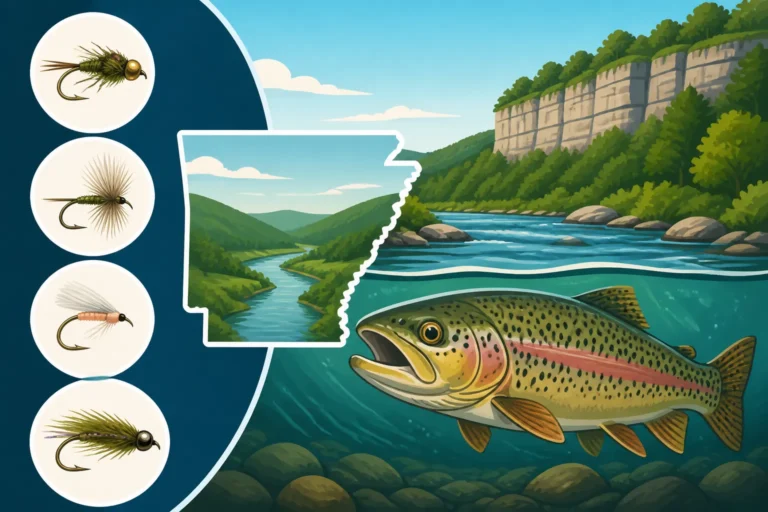
- Prime Baits/Lures: Worms are excellent in high water, as are brightly colored or contrasting artificial lures like spoons and spinners. Fly anglers might switch to larger, heavier nymph patterns that imitate washed-out insects or small baitfish, or even streamer patterns that create a strong profile and vibration. The Norfork Tailwater Trout Rules in Arkansas will still apply, so know your limits.
| Factor | Pre-Rain Conditions | Post-Heavy Rain Conditions | Strategy Shift |
|---|---|---|---|
| Water Clarity | Clear to lightly stained | Murky, muddy, low visibility | From visual to vibration/scent/sound |
| Water Flow/Level | Normal to low | High, strong currents, rising levels | Target current breaks, slack water, edges |
| Water Temp | Stable, depends on season | Can drop due to cooler runoff | Slow down retrieve, focus on active fish |
| Debris | Minimal | Abundant, floating and submerged | Use as cover, proceed with caution |
| Fish Behavior | Normal patterns, spread out | Displaced, seeking cover/food, opportunistic | Focus on pinch points, shallow areas, scent |
| Lure/Bait Choice | Diverse, matching hatch/forage | High vibration, strong scent, bright/dark contrast | Chatterbaits, spinnerbaits, jigs, live/cut bait |
Fishing after heavy rain presents its own unique challenges and rewards. By understanding how the environment changes, adapting your techniques and lure choices, prioritizing safety, and considering the specific behaviors of different fish species, you can turn what initially seemed like a ruined day into one of your most memorable and successful fishing adventures in Arkansas. Don't let a little mud stop you from hitting the water!
Disclaimer
This article is for general informational purposes only and does not constitute professional advice. Laws, prices and regulations vary by location and change over time. Consult a qualified professional for guidance on your specific situation.