Best Time to Float Fish the White River in Arkansas
Trying to figure out the absolute best time to hit the White River for a float fishing trip can feel like trying to solve a complex puzzle, especially with those unpredictable dam generation schedules. One day the water is roaring, the next it’s barely trickling, and trying to plan a perfect outing around that can be genuinely frustrating for even seasoned anglers. This comprehensive guide is here to untangle that complexity, helping you understand the White River's unique rhythms, seasonal opportunities, and daily considerations so you can confidently pick the prime time for your next unforgettable float fishing adventure.
Understanding the White River's Unique Flow and Seasons
The White River isn't your average free-flowing stream; it's a tailwater fishery, meaning its conditions are largely dictated by the Bull Shoals Dam upstream. This dynamic flow creates a unique environment that impacts everything from fish behavior to accessibility for float anglers. Getting a handle on how this system works is your first step to success.
How Dam Releases Impact Fishing Conditions
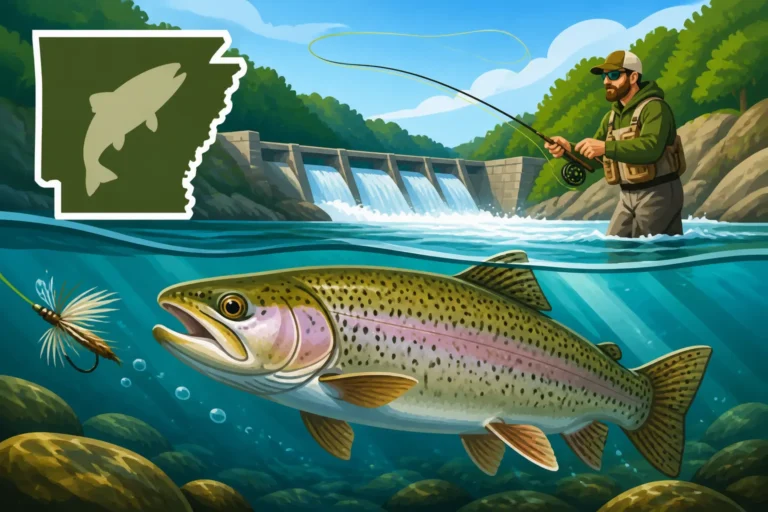
The U.S. Army Corps of Engineers manages the Bull Shoals Dam, and their decisions on releasing water are the single biggest factor influencing the White River. When the generators are running, massive amounts of cold water are pulled from the bottom of Bull Shoals Lake and released downstream. This causes the river to swell, increasing current speed and often dropping the water temperature. For anglers, this means certain stretches become fast, deep, and sometimes challenging to wade. Float fishing becomes the primary method during these high-water periods, allowing you to cover ground and present flies or lures to trout holding in specific currents or eddies.
Conversely, when the generators are off, the water levels drop significantly, and the current slows. This is often referred to as "low water" or "wading water." During these times, vast stretches of the river become accessible for wade fishing, and the fish might change their feeding patterns, often becoming more concentrated in deeper pools or along current seams. It’s crucial to check the generation schedule daily, sometimes even hourly, before heading out. You can usually find these schedules on the Southwestern Power Administration (SWPA) website or by calling local outfitters, who often have real-time updates. Ignoring the generation schedule is a rookie mistake that can lead to a frustrating, or even dangerous, day on the water. Understanding these fluctuations is key to navigating the Arkansas Fishing Regulations Guide.
Seasonal Changes and Water Temperatures
While the dam releases are the most immediate factor, the broader seasons also play a significant role, primarily influencing ambient air temperatures and, to a lesser extent, the river's overall temperature trends. Because the White River is a tailwater, the water itself stays consistently cold year-round, typically ranging from the low 40s to low 50s Fahrenheit, making it ideal trout habitat even in the height of summer. However, the air temperature and how fish react to general seasonal changes in light and insect activity are still important.
In spring, you'll find increasing insect hatches, which can trigger strong feeding responses from trout. Summer brings warmer air temperatures, meaning you'll need to adapt your fishing times to early mornings or late evenings when the sun isn't as intense. Fall offers some of the most comfortable fishing conditions with mild temperatures and vibrant foliage, often seeing aggressive feeding as fish prepare for winter. And while many anglers shy away, winter can be incredibly productive for larger, less pressured fish, provided you bundle up. Each season presents its own unique set of challenges and rewards, making the White River a year-round destination for dedicated anglers.
Prime Times for Float Fishing the White River
Choosing the "best" time for float fishing on the White River is really about what you're looking for in an experience. Are you chasing big browns, eager rainbows, solitude, or comfortable weather? Each season offers something special, and understanding these nuances will help you plan your ideal trip.
Spring's Vibrant Opportunities (March – May)
Ah, spring on the White River! It’s truly a special time. As the weather warms and the days get longer, the river comes alive, and so do the fish. You'll find increasing insect activity, particularly caddis and mayflies, which translates into more consistent feeding windows for the trout. This is when you might see those classic "hatch" events, with trout rising to the surface, making for some exciting dry fly fishing. Rainbow trout in particular are often actively spawning or feeding heavily after the spawn, making them very catchable.
The beauty of spring is that you get a blend of comfortable air temperatures and consistently cold water, ensuring the trout remain active. The scenery starts to green up, and while you'll see more anglers than in winter, it's not usually as crowded as peak summer. It’s a fantastic time for a full-day float trip where you can explore different stretches and switch between nymphing, streamer fishing, and dry fly presentations as the day progresses. For specific guidance, checking out a White River Fly Fishing Season Guide for Arkansas Anglers can give you an edge.
Fall's Golden Window (September – November)
If spring is vibrant, fall is nothing short of golden. The trees lining the White River explode in a riot of reds, oranges, and yellows, providing a breathtaking backdrop to your fishing adventure. But it's not just about the scenery; the fishing can be phenomenal. Air temperatures are typically mild and pleasant, often requiring just a light jacket in the mornings. This comfortable weather makes for extended, enjoyable hours on the water.
More importantly, fall is when the brown trout really start to get active. This is their pre-spawn and spawning period, and they become incredibly aggressive, often chasing larger streamers with a vengeance. Many anglers specifically target these trophy-sized brown trout in the fall. The lower river traffic compared to summer also means more solitude and less pressure on the fish. For those seeking a chance at a true monster brown trout and a serene, beautiful float, fall is arguably the best time. You might want to refer to our guide on Brown Trout on the White River for specific strategies.
Winter's Hidden Gems (December – February)
Don't let the cold scare you away from winter float fishing on the White River. While it requires a bit more preparation in terms of warm clothing and dealing with potentially icy boat ramps, it can be incredibly rewarding. The biggest advantage? Solitude. You'll often have vast stretches of the river almost entirely to yourself, which is a rare treat on such a popular fishery.
The trout, especially the larger ones, are still very active, though their feeding windows might be shorter. They tend to congregate in deeper, slower pools and runs, conserving energy. This means your presentations need to be precise and often slower. Nymphing with heavier flies and indicators is a go-to technique, as is slowly stripping larger streamers. While the weather can be chilly, those calm, sunny winter days on the river are pure magic. Plus, the chances of hooking into a truly massive brown or rainbow, especially one that hasn't seen much pressure, are significantly higher. It's a fantastic time to consider a Best Time to Catch Trophy Trout on the White River in Arkansas trip.
Summer's Challenging but Rewarding Days (June – August)
Summer on the White River can be a mixed bag. The air temperatures often soar, especially in July and August, which can make midday fishing uncomfortable for anglers. However, the consistent cold water from Bull Shoals Dam ensures the trout remain healthy and active. The key to summer success lies in adapting your schedule and tactics.
Early mornings and late evenings are prime times. The lower sun intensity and typically more predictable generation schedules during these hours make for excellent fishing. The trout will still feed actively, especially on a variety of insects, but also on baitfish. Float fishing during these cooler parts of the day allows you to cover extensive water and reach fish that might be holding in deeper, shaded areas. While daytime crowds can be heavier, many anglers pack up when the heat peaks, leaving the cooler hours for dedicated floaters. Be sure to check the Bull Shoals Tailwater Trout Rules in Arkansas as you plan your trip.
Daily Considerations for White River Float Trips
Beyond the general seasons, several daily factors demand your attention when planning a White River float. These micro-decisions can significantly influence your success and enjoyment on the water.
Optimizing for Water Generation Schedules
This cannot be stressed enough: the water generation schedule is your daily bible for float fishing the White River. The difference between "generators on" and "generators off" is like fishing two entirely different rivers.
- Generators On (High Water): When the dam is releasing water, the river swells, the current picks up, and depths increase. This is prime float fishing territory. Trout often move to the edges of the main current, into eddies, or behind submerged structure to avoid the full force of the flow while still being able to ambush passing food. Streamers and heavy nymph rigs are highly effective here. You'll cover a lot of water quickly, presenting your offerings to a continuous stream of new fish. This is the condition where using specific Float Fishing Techniques for Tailwaters becomes invaluable.
- Generators Off (Low Water): When the water is low, the river slows, and vast gravel bars and shallow sections become exposed. While wade fishing becomes possible, float fishing still has its place. During low water, trout often concentrate in deeper pools, runs, and undercuts. You'll need to be stealthier and more precise with your casts, as the fish can be more wary. Lighter nymph rigs, small dry flies, and even delicate streamer presentations can be effective. Some guides prefer to float during low water to hit specific, well-known holding spots that are harder to reach by wading.
Always check the SWPA website or call a local outfitter the evening before and again the morning of your trip. Don't assume the schedule will be the same day to day.
Best Times of Day for Different Species
Just like humans, fish have their preferred meal times, and these can vary based on the species and conditions.
- Rainbow Trout: These feisty fish are generally opportunistic feeders and often bite well throughout the day, especially during active insect hatches. They tend to be more prevalent in the faster, oxygenated water. In summer, they'll be most active during the cooler parts of the day (early morning, late evening).
- Brown Trout: Brown trout, especially the larger ones, are often more reclusive and predatory. They're notorious for feeding heavily during low light conditions – dawn, dusk, and even into the night, particularly on larger baitfish or sculpins. Overcast days can also bring them out during daylight hours. If you're targeting a trophy brown, focusing your float trip on the early morning or late afternoon can significantly increase your chances.
- Brook Trout: While less common than rainbows and browns, brook trout can sometimes be found in the White River. They tend to prefer colder, higher-oxygenated water and are generally active during daylight, especially when insect activity is high.
Weather's Role in a Successful Float
Beyond temperature, other weather factors play a big role.
- Cloud Cover: Overcast days are often fantastic for fishing. The diffused light makes fish feel more secure, and they are less likely to be spooked by shadows or anglers. This can lead to more consistent feeding throughout the day, particularly for brown trout.
- Rain: Light, steady rain can sometimes turn on a bite, especially if it's not accompanied by a significant cold front. The rain can wash insects and food into the river, and the disturbed surface can make fish feel more comfortable feeding. Heavy downpours, however, can muddy the water, make visibility poor, and create uncomfortable conditions.
- Cold Fronts: A sudden drop in temperature or the passage of a strong cold front often makes fishing tougher. Fish can become sluggish and less willing to chase. If a cold front is expected, try to plan your trip for before it arrives, when fish might be feeding aggressively in anticipation of the change. After the front, focus on deeper, slower water and subtle presentations.
Essential Gear and Preparations for White River Float Fishing
A successful float fishing trip on the White River isn't just about timing; it's also about being well-prepared with the right tools and knowledge. Having the proper gear can make the difference between a frustrating day and an unforgettable one.
Rods, Reels, and Line Choices
For float fishing the White River, versatility is key. You'll likely encounter a range of conditions and might want to switch between different techniques.
- Fly Fishing Setup:
- Rods: A 9-foot, 5-weight or 6-weight fly rod is a great all-around choice for the White River. It's versatile enough for nymphing, dry fly fishing, and even casting smaller streamers. If you're specifically targeting larger brown trout with big streamers, consider a 7-weight or 8-weight rod for better casting power and fish-fighting ability.
- Reels: A reliable reel with a smooth drag system is important, especially when a big brown trout decides to make a run. It doesn't need to be fancy, but it should hold sufficient backing (usually 100 yards of 20-pound dacron).
- Line: Weight-forward floating lines are standard for most fly fishing applications. If you're primarily streamer fishing in deeper water, a sink-tip line can be incredibly effective. Don't forget a selection of fluorocarbon leaders and tippet in various sizes (e.g., 3X, 4X, 5X) for stealth and strength. You can often find great deals on these essentials on Amazon. For specific advice, check out Best Rod Setup for Trout Fly Fishing.
- Spin Fishing Setup:
- Rods: A 6 to 7-foot light to medium-light action spinning rod is ideal. This length provides good casting distance and sensitivity.
- Reels: A quality spinning reel in the 1000-2500 size range, spooled with 4 to 8-pound test monofilament or fluorocarbon line, or a braided line with a fluorocarbon leader, works well.
- Lures: Small inline spinners (like Panther Martins or Mepps), tiny crankbaits, and soft plastics rigged on jig heads are highly effective. Our guide on Spin Fishing Techniques for Trout can provide more detailed lure suggestions.
Must-Have Flies, Lures, and Bait
Your tackle box should reflect the diverse conditions and insect life of the White River.
- Flies:
- Nymphs: Essential year-round. Patterns like Pheasant Tail, Hare's Ear, Prince Nymph, Zebra Midge, Copper John, and Walts Worms in sizes #12-20 are critical. Have a variety of sizes and beadhead options.
- Streamers: For aggressive fish, especially brown trout. Patterns like Woolly Buggers (black, olive, white), Clouser Minnows, and other baitfish imitations in various sizes.
- Dry Flies: Crucial during hatches. Elk Hair Caddis, Adams, Parachute Adams, BWO (Blue-Winged Olive) patterns, and various Mayfly imitations. Consult Best Fly Patterns for Tailwater Trout for seasonal specifics.
- Lures (for spin fishing):
- Spinners: Small inline spinners (1/8 to 1/4 oz) in silver, gold, and brass are consistently productive.
- Jigs: Small marabou jigs or tube jigs (1/16 to 1/8 oz) in white, black, or olive can imitate small baitfish or aquatic insects.
- Small Crankbaits: Floating or suspending crankbaits that dive a few feet can entice aggressive trout.
- Bait (where allowed):
- PowerBait (especially in bright colors like chartreuse or rainbow) and live or prepared worms can be effective, particularly for rainbow trout. Always check current regulations regarding bait use.
Safety and Comfort on the River
A float trip, while exciting, requires attention to safety and comfort. The White River, especially during high water, can be powerful.
- Personal Flotation Devices (PFDs): Always wear a properly fitted PFD. This is non-negotiable, even for strong swimmers. Accidents happen quickly on moving water.
- Layers of Clothing: Dress in layers, regardless of the season. Mornings can be chilly, even in summer, and you can shed layers as the day warms. Avoid cotton; opt for moisture-wicking synthetics or wool. A good waterproof outer shell is a must.
- Sun Protection: Sunscreen, a wide-brimmed hat, and polarized sunglasses are essential. The sun reflecting off the water can be intense.
- Hydration and Snacks: Bring plenty of water and some energy-boosting snacks. A full day of fishing can be tiring.
- First-Aid Kit: A basic first-aid kit for minor cuts, scrapes, and other emergencies is always a good idea.
- Communication: Cell service can be spotty in some remote areas, so consider carrying a satellite communication device for emergencies, especially if floating alone.
- Map/GPS: Know your put-in and take-out points, and have a map or GPS device with river features marked.
- Waders and Boots: Even if primarily floating, having waders and wading boots is a good idea for getting out of the boat to stretch or fish specific spots.
- Rain Gear: Weather can change quickly. Pack good quality rain gear that can handle a sudden downpour. For a more exhaustive list, our guide on What to Bring on a Guided Arkansas Fishing Trip offers excellent suggestions.
White River Float Fishing Season Summary
To help visualize the best times, here’s a quick overview:
| Season | Months | Key Target Species | Typical Conditions | Pros | Cons |
|---|---|---|---|---|---|
| Spring | March – May | Rainbow, Brown Trout | Mild air, consistent water | Active hatches, eager fish, beautiful scenery | Moderate crowds, can have variable weather |
| Summer | June – August | Rainbow, Brown Trout | Hot air, cold water | Early/late fishing can be excellent, good hatches | Midday heat, higher crowds |
| Fall | September – November | Brown Trout (trophy-size) | Mild air, comfortable water | Aggressive brown trout, stunning foliage, fewer crowds | Shorter days |
| Winter | December – February | Larger Brown, Rainbow Trout | Cold air, consistent water | Solitude, larger fish, less pressure | Requires heavy gear, potential for ice |
Disclaimer
Fishing conditions and regulations in Arkansas can change. Always check the latest regulations from the Arkansas Game and Fish Commission before heading out. This guide is for informational purposes only and does not constitute official advice.