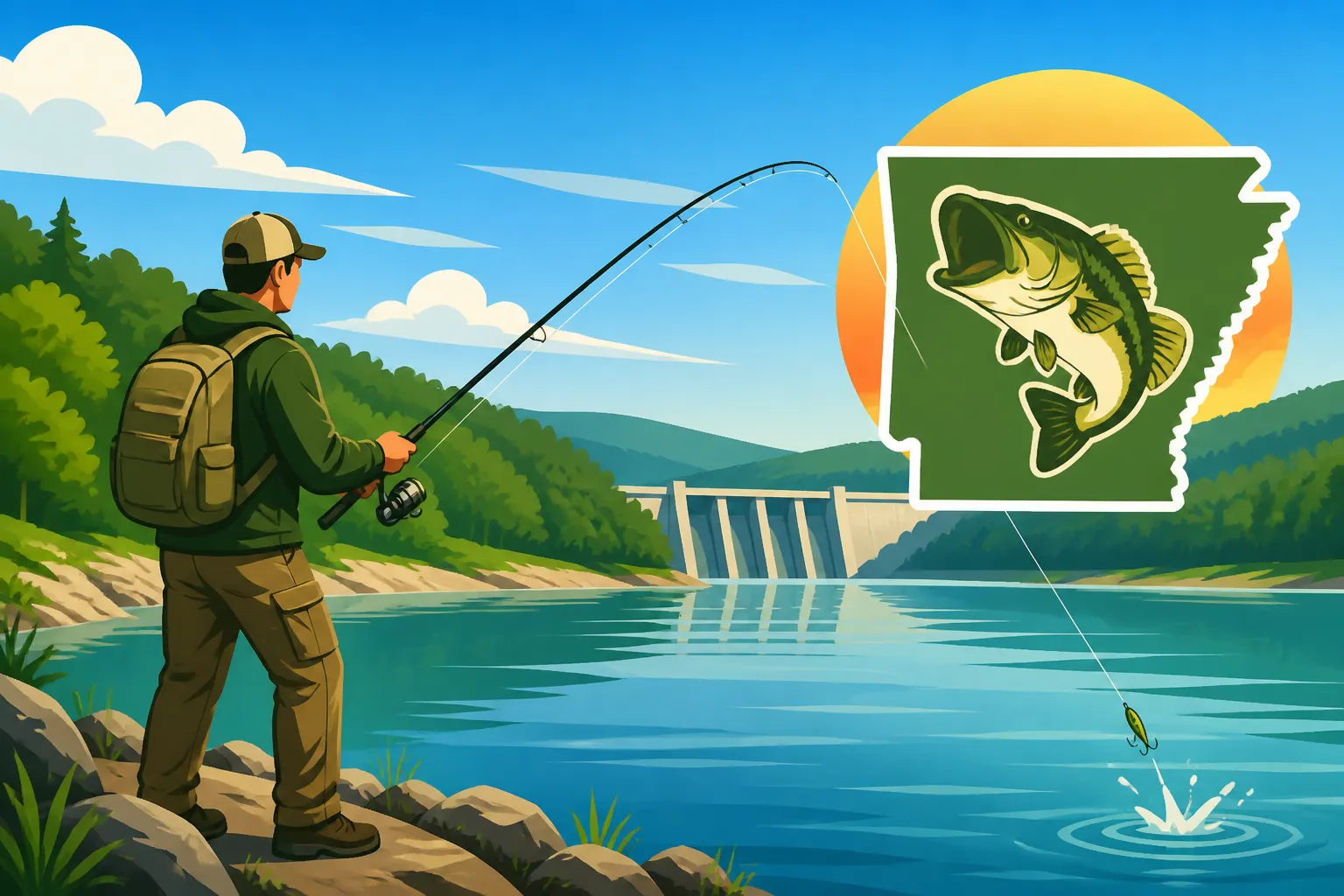
How to Fish From the Bank at a Reservoir
The thought of fishing in Arkansas often conjures images of sleek bass boats zipping across vast reservoirs, or drift boats gently floating down a trout-filled tailwater. But for many of us, getting out on the water in a boat simply isn't an option, or perhaps it's a choice to enjoy the simplicity of land-based angling. If you've ever felt limited by not owning a boat, wondering if you can still find success on a big Arkansas reservoir from the shore, you're not alone. This comprehensive guide is here to equip you with the knowledge and techniques to not just fish, but to thrive from the bank, turning those perceived limitations into incredible opportunities.
Understanding Your Bank Fishing Environment on Arkansas Reservoirs
Bank fishing on a reservoir presents a unique set of challenges and, frankly, some fantastic opportunities that boat anglers often overlook. Reservoirs are man-made lakes, often characterized by vast open water, deep channels, and a mix of submerged and visible structure. From the bank, your "reach" is limited, but your ability to focus on specific, high-percentage areas becomes paramount. It's about working smarter, not harder, and truly understanding the water directly in front of you.
Reading the Water Without a Boat
When you're standing on the bank, the whole reservoir stretches out before you, which can feel overwhelming. But just like reading a book, you learn to pick out key features. Instead of casting blindly into the expanse, look for anything that breaks the monotony of the shoreline. This could be a rocky point jutting out into the water, a submerged creek channel visible at lower water levels, or even just a subtle change in bank slope. These are crucial indicators of where fish might be holding.
Think about how fish relate to structure and cover. Bass, crappie, and catfish aren't just swimming aimlessly in open water; they're often seeking ambush points, shade, or areas with abundant baitfish. A rip-rap bank, for instance, provides excellent habitat for baitfish and crawfish, which in turn attracts game fish. Points offer current breaks and funnel baitfish. Look for areas where the bank drops off steeply; these often indicate deeper water access close to shore, which is vital in hot summers or cold winters when fish move to more stable temperatures. Even a single fallen tree or a patch of lily pads can be a fish magnet. These small details, easily overlooked, become your greatest assets when you're limited to casting from land.
The Importance of Scouting and Observation
One of the biggest frustrations for bank anglers is feeling like they're just guessing where the fish are. This is where scouting and keen observation become your superpowers. Before you even make your first cast, take a few minutes to simply watch the water. Are there birds diving for baitfish? That's a huge clue! Are you seeing baitfish flickering near the surface? Where are they moving? Sometimes, you'll even see a game fish breach the surface or create a wake as it chases prey. These visual cues are priceless, telling you where the activity is concentrated.
Beyond direct fish activity, observe the environment around you. What's the wind doing? Is it pushing baitfish into a particular cove or piling them up against a rocky bank? Is the water clarity different in one spot compared to another? Clear water might mean a more subtle approach, while murky water allows for more aggressive presentations. Don't be afraid to walk the bank, exploring different access points. Sometimes, simply moving 50 yards down the shore can put you on a completely different piece of structure or into a new school of fish. Patience and persistence in scouting are often more rewarding than simply casting from the first spot you find, allowing you to fine-tune your approach as you go.
Essential Gear for Successful Bank Fishing
When you're bank fishing, especially on the larger reservoirs of Arkansas, portability and versatility are your best friends. You don't have the luxury of a boat's storage capacity, so every piece of gear needs to earn its spot in your kit. The goal is to be prepared for various scenarios without being weighed down or overburdened.
Rods, Reels, and Line Choices
For bank fishing, a slightly longer rod often makes a big difference. While a 6-foot rod might be fine from a boat, a 7 to 7.5-foot medium-heavy spinning or casting rod will give you that extra leverage for longer casts, helping you reach those deeper ledges or submerged structures that are out of range for shorter rods. A medium-action rod offers a good balance, providing enough backbone to fight larger fish while still having enough tip flexibility for accurate casting and feeling subtle bites. Remember, you might not be able to chase a fish with a trolling motor, so a rod with good fighting power is important.
Pair your rod with a reliable spinning reel that has a smooth drag system. Spinning reels are generally easier for beginners and provide excellent casting distance, especially with lighter lures. For line, a good starting point is 10-15 pound monofilament or fluorocarbon, or even 20-30 pound braided line with a fluorocarbon leader. Braided line offers superior casting distance, sensitivity, and strength, which can be a huge advantage when you're trying to feel bites from afar or pull fish out of cover. If you’re looking to upgrade your setup, many anglers find a great selection of durable and sensitive rods and reels available on online retailers like Amazon, often with reviews that can help guide your choice for bank fishing.
The Must-Have Tackle for Reservoir Banks
Since you can't bring your entire tackle box, focus on versatile lures and baits that have a proven track record. Jigs, especially football jigs or finesse jigs, are excellent for imitating crawfish or baitfish and can be worked effectively along the bottom near structure. Soft plastic worms, creature baits, and swimbaits are incredibly versatile; they can be rigged weightless, Texas-rigged, or on a jig head, allowing you to present them at various depths and retrieve speeds. These are often great for bass but can also entice crappie and even catfish.
Crankbaits and spinnerbaits are fantastic for covering water quickly and finding active fish. Have a few different diving depths and colors to match water conditions and forage. Topwater lures, like poppers or walking baits, are thrilling to use during low-light conditions or when fish are feeding aggressively near the surface. Don't forget some basic live bait options either, like nightcrawlers or shiners, which can be irresistible to many species, particularly if the bite is tough. To keep your essential tackle organized and easily accessible while you're moving along the bank, a compact tackle backpack or a small shoulder bag is indispensable. You can find many practical and well-designed options for this type of gear on platforms like Amazon, making it easy to carry just what you need without extra bulk.
Proven Techniques for Bank Anglers
Effective bank fishing isn't just about showing up and casting; it's about being deliberate and strategic with every move. Since you're often working from a fixed position, optimizing your casting, presentation, and adaptability to conditions becomes paramount.
Maximizing Your Casting Range and Accuracy
The first step to successful bank fishing is mastering your cast. On a big Arkansas reservoir, reaching distant structure or deeper water can be the difference between catching fish and going home empty-handed. Practice different casting techniques: the traditional overhead cast for maximum distance, or a sidearm cast when you need to skip a lure under overhanging branches or docks. Pay close attention to your body mechanics; a smooth, controlled motion will always result in a more accurate and longer cast than pure brute force.
Accuracy is just as important as distance. Instead of just launching your lure into the open water, identify specific targets: that dark spot indicating submerged timber, the edge of a weed line, or a ripple suggesting a current seam. Aim for these spots, and then work your lure through them. Remember, fish don't usually sit in the middle of nowhere; they're relating to something. So, even if you can't reach the exact middle of the lake, focus on thoroughly covering the areas you can reach, working your lure from various angles to tempt any fish that might be hunkered down. Sometimes, just a slight adjustment in your position along the bank can open up a completely new casting lane to a previously unreachable spot.
Strategic Bait and Lure Presentation
Once your lure is in the water, how you present it is everything. From the bank, you have a unique advantage: you can work your lure from multiple angles into the same piece of structure without spooking the fish from above. If you're using a jig or soft plastic, try a slow, dragging retrieve along the bottom, mimicking a crawfish. Pause frequently, allowing the bait to settle, as many bites happen on the fall. For crankbaits, vary your retrieve speed; sometimes a steady retrieve is best, other times a stop-and-go pattern triggers strikes.
Consider the depth you're fishing. If the bank drops off quickly, you might be able to target deeper fish with diving crankbaits or heavy jigs. If it's a shallow, gradual slope, stick to shallower-running lures or topwater baits. When working baits near visible cover, like a fallen tree or a rock pile, make sure your lure "bumps" or "grinds" against the structure. This erratic action often provokes a reaction strike. And don't be afraid to experiment! If one retrieve isn't working, try another. Fish can be finicky, and finding the right presentation on any given day is a critical puzzle to solve. For more detailed insights into specific techniques, checking out guides on Bass Fishing Techniques by Season or Crappie Jigging Basics for Beginners can really round out your knowledge.
Adapting to Reservoir Conditions
Arkansas weather, and subsequently its reservoir conditions, can change on a dime, and successful bank anglers know how to adapt. Water temperature, clarity, and level all play a huge role in fish behavior. After a heavy rain, the water might be muddy, and fish might move closer to the bank to feed in newly inundated areas. This is a great time for noisy, high-vibration lures in bright colors. On clear, sunny days, fish might retreat to deeper, shadier areas, requiring a more subtle presentation with natural colors.
Wind can be your friend or foe. A gentle breeze creating a chop on the water can break up the surface, making fish feel more secure and less wary of your presence. It can also push baitfish, concentrating game fish in specific areas. However, strong winds can make casting difficult and reduce sensitivity. High water levels often open up new fishing opportunities, allowing fish to access flooded vegetation or shallow cover. Conversely, during low water periods, fish might be concentrated in deeper channels or around exposed structure. Staying informed about conditions and adjusting your approach accordingly is key to consistent success. For understanding yearly patterns, articles like Arkansas Fishing Seasons Guide and Best Time of Year to Fish in Arkansas are invaluable resources.
Safety and Comfort on the Shoreline
Fishing from the bank is often about simplifying your approach, but that doesn't mean neglecting your personal safety and comfort. In fact, because you're more exposed to the elements and potentially navigating uneven terrain, these aspects become even more critical.
Staying Safe and Prepared
When you're out there, exposed to the sun and elements, protection is paramount. Always wear a wide-brimmed hat, sunglasses, and apply plenty of sunscreen, even on cloudy days. Dehydration can creep up on you quickly, especially during Arkansas's warm months, so carry more water than you think you'll need. Proper footwear is also essential; wear sturdy, closed-toe shoes with good grip, as reservoir banks can be slippery, uneven, or have hidden obstacles. Avoid flip-flops or open-toed sandals.
Be aware of your surroundings. This includes observing the weather for sudden changes, watching for wildlife (snakes, ticks, and other critters are part of the natural environment), and being mindful of other anglers or hikers. If you're fishing alone, let someone know where you're going and when you expect to return. A small, basic first-aid kit with essentials like bandages, antiseptic wipes, and pain relievers is always a good idea. Knowing the Arkansas Fishing License Rules and Costs is also a crucial part of being a prepared and responsible angler.
Enhancing Your Bank Fishing Experience
While the essence of bank fishing is simplicity, a few items can significantly enhance your comfort and overall enjoyment. A lightweight, portable folding chair can make a world of difference during long waits for a bite or when you just want to sit back and enjoy the scenery. A small cooler filled with cold drinks and snacks will keep you refreshed and energized. Consider bringing a long-handled net; landing a big fish from a high bank can be incredibly challenging without one, potentially leading to lost fish or even dangerous situations. You can find excellent portable fishing chairs and compact coolers on Amazon that are perfect for bankside comfort and convenience.
Finally, and perhaps most importantly, embrace the "leave no trace" principle. Carry a small trash bag to pack out everything you bring in, including any discarded fishing line or bait containers. Our Arkansas reservoirs are beautiful, and it's up to all of us to keep them that way. Enjoy the tranquility, the sounds of nature, and the focused challenge of outsmarting fish from your humble spot on the bank. It's an experience that can be incredibly rewarding, proving that you don't need a fancy boat to find fantastic fishing.
Here's a quick comparison of popular lure types for bank fishing on Arkansas reservoirs:
| Lure Type | Best For | Typical Depth | Advantages | Considerations |
|---|---|---|---|---|
| Soft Plastics (Worms, Creature Baits) | Bass, Crappie, Catfish | All depths | Highly versatile, subtle presentation, weedless | Slower fishing, can be hard to feel subtle bites |
| Jigs (Football, Finesse) | Bass, Crappie | Mid to deep | Mimics crawfish/baitfish, good for structure | Can snag easily in heavy cover, requires feel |
| Crankbaits (Diving, Squarebill) | Bass, occasionally Crappie | Shallow to deep | Covers water quickly, erratic action | Limited depth control, can get hung up |
| Spinnerbaits | Bass, sometimes Crappie | Shallow to mid | Good for stained water, creates vibration | Less subtle, can be intimidating to beginners |
| Topwater Lures | Bass, occasionally Crappie | Surface | Exciting strikes, good for low light | Only effective when fish are active near surface |
| Live Bait (Worms, Shiners) | All species | All depths | Highly effective, natural presentation | Less active fishing, bait care, can be messy |
Remember, learning how to fish effectively from the bank opens up a world of opportunities on waters like Lake Ouachita: Arkansas's Largest Lake for Bass and Crappie Fishing or even when seeking Bass Fishing at DeGray Lake in West-Central Arkansas. With the right approach and a little patience, your next trophy could be just a cast away from shore. You can find further valuable information in posts like What's the Best Time of Day to Fish DeGray Lake? or by exploring more about The Top Arkansas Lakes for Bass, Crappie, and Catfish. Don't forget to check out Arkansas Fish Size and Daily Limits before you head out, and for specific species, delve into topics like Largemouth Bass Daily Limit in Arkansas or Crappie Size and Daily Limit in Arkansas.
Disclaimer
This article is for general informational purposes only and does not constitute professional advice. Laws, prices and regulations vary by location and change over time. Consult a qualified professional for guidance on your specific situation.