Best Lures for Fall Bass and Crappie Fishing
As the leaves begin to turn and that crisp air signals the end of summer, many anglers find themselves scratching their heads, wondering why their go-to summer spots and baits aren't producing. The truth is, fall fishing in Arkansas demands a shift in strategy, especially when it comes to the best lures for bass and crappie, as these fish transition from their warm-weather patterns to a pre-winter feeding frenzy. This comprehensive guide will arm you with the knowledge and specific lure choices you need to capitalize on the incredible opportunities autumn fishing offers in the Natural State.
Understanding Fall Fishing Dynamics in Arkansas
Fall is a season of transition, a time when the entire aquatic ecosystem in Arkansas's lakes and rivers undergoes a significant shift. For anglers, this means adapting to changing water temperatures, baitfish movements, and fish behavior. It's a fantastic time to be on the water, but only if you understand the underlying dynamics at play.
The Shifting Seasons and Water Temperatures
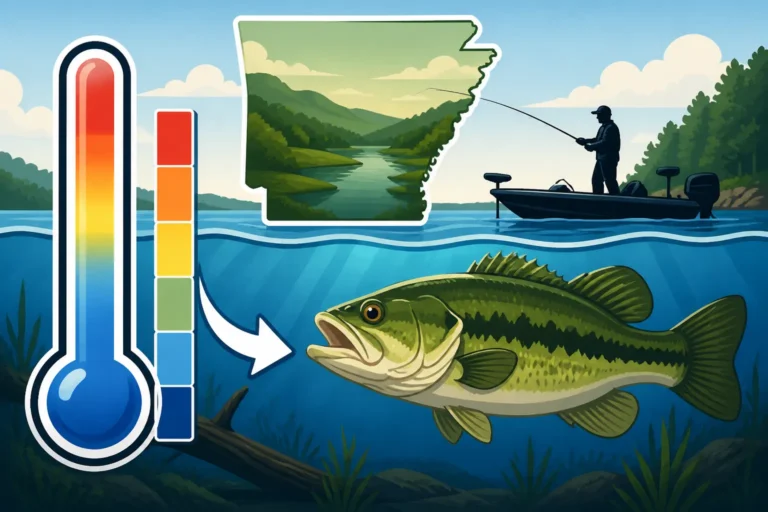
As September fades into October and November, air temperatures steadily drop, and consequently, so does the water temperature. This isn't a sudden plunge but a gradual cooling that triggers profound changes in fish metabolism and movement. In the northern Ozark lakes like Bull Shoals Lake and Norfork Lake, you might see these changes begin earlier than in the warmer, shallower lakes of the Delta region, such as Lake Chicot or Lake Conway. This cooling period is often referred to as the "fall turnover" in deeper lakes, where the surface water cools, becomes denser, and sinks, mixing with the deeper, warmer water. This can temporarily disperse fish as they seek comfortable oxygen levels and stable temperatures, but soon after, they settle into predictable patterns. Understanding the overall Arkansas Fishing Seasons Guide can provide a good baseline, but fall specifically requires a nuanced approach.
For bass and crappie, this means a renewed vigor. Their metabolisms, which may have slowed during the dog days of summer, ramp up again, signaling a need to feed heavily in preparation for the leaner winter months. They become more active, more aggressive, and often less wary than they were in the clear, hot summer waters.
Bass Behavior in Autumn
Bass, whether largemouth, smallmouth, or spotted (Kentucky) bass, go through a significant transformation in the fall. After the post-spawn lull and the deep-water retreat of summer, they start to move shallower, often following large schools of baitfish like threadfin and gizzard shad. These baitfish are also reacting to the cooling water, often congregating in creek arms, coves, and on main lake points where they can find warmer water or abundant plankton.
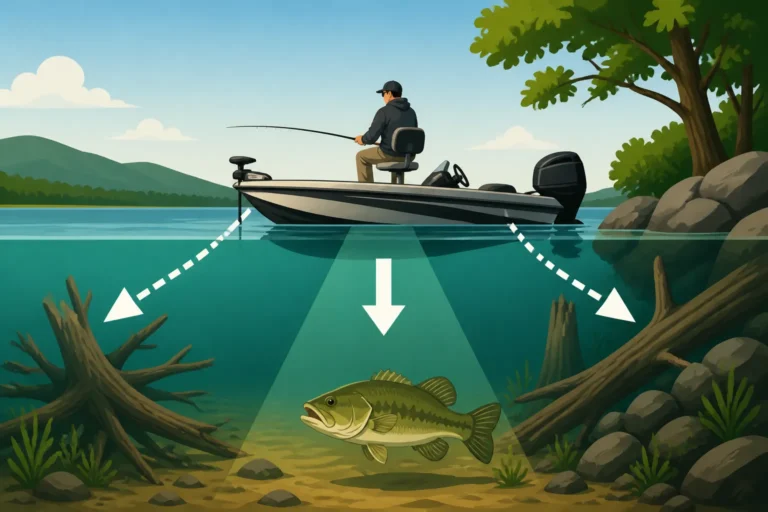
This "following the bait" behavior is key. Bass will often position themselves along migration routes, waiting to ambush unsuspecting schools. You'll find them around channels, humps, ledges, and rocky points. As autumn progresses and water temperatures continue to drop, bass will continue to feed aggressively, often in shallower water, until the coldest parts of winter set in. They become much more willing to chase a lure, making it a prime time for power fishing techniques. You might notice them relating to deeper cover in the middle of the day, but then moving onto shallower flats or points during low light periods to feast.
Crappie's Fall Feast
Crappie, both black and white, also become incredibly active in the fall, making it one of the absolute best times for crappie anglers in Arkansas. Just like bass, crappie are driven by a powerful urge to feed. They'll start schooling up, often in large numbers, and move towards creek channels, main lake points, and areas with submerged timber and brush piles. You can find excellent fall crappie fishing on lakes like DeGray Lake, Lake Ouachita, and Greers Ferry Lake, where these fish congregate on structure.
During the early fall, crappie might still be scattered, but as water temperatures dip into the 60s and 50s, they will really group together. This schooling behavior makes them easier to locate once you find a productive spot. They'll often suspend at specific depths, sometimes relating to cover and sometimes just holding in open water over baitfish. This can be an incredibly productive time for tight-lining or slow-trolling techniques, as the fish are actively chasing food. Many anglers consider this a second "spawn" in terms of activity, even though it's purely a feeding frenzy. For more insights on seasonal patterns, check out our guide on Fall Fishing Patterns on Arkansas Reservoirs.
Top Lures for Fall Bass Fishing in Arkansas
When those autumn temperatures arrive, Arkansas bass get hungry, and they're looking for substantial meals. The key is to present lures that imitate the abundant baitfish or crawfish that are also on the move. Don't be afraid to experiment with retrieve speeds and depths, as bass can be found from the shallowest flats to deeper ledges.
Crankbaits for Aggressive Bass
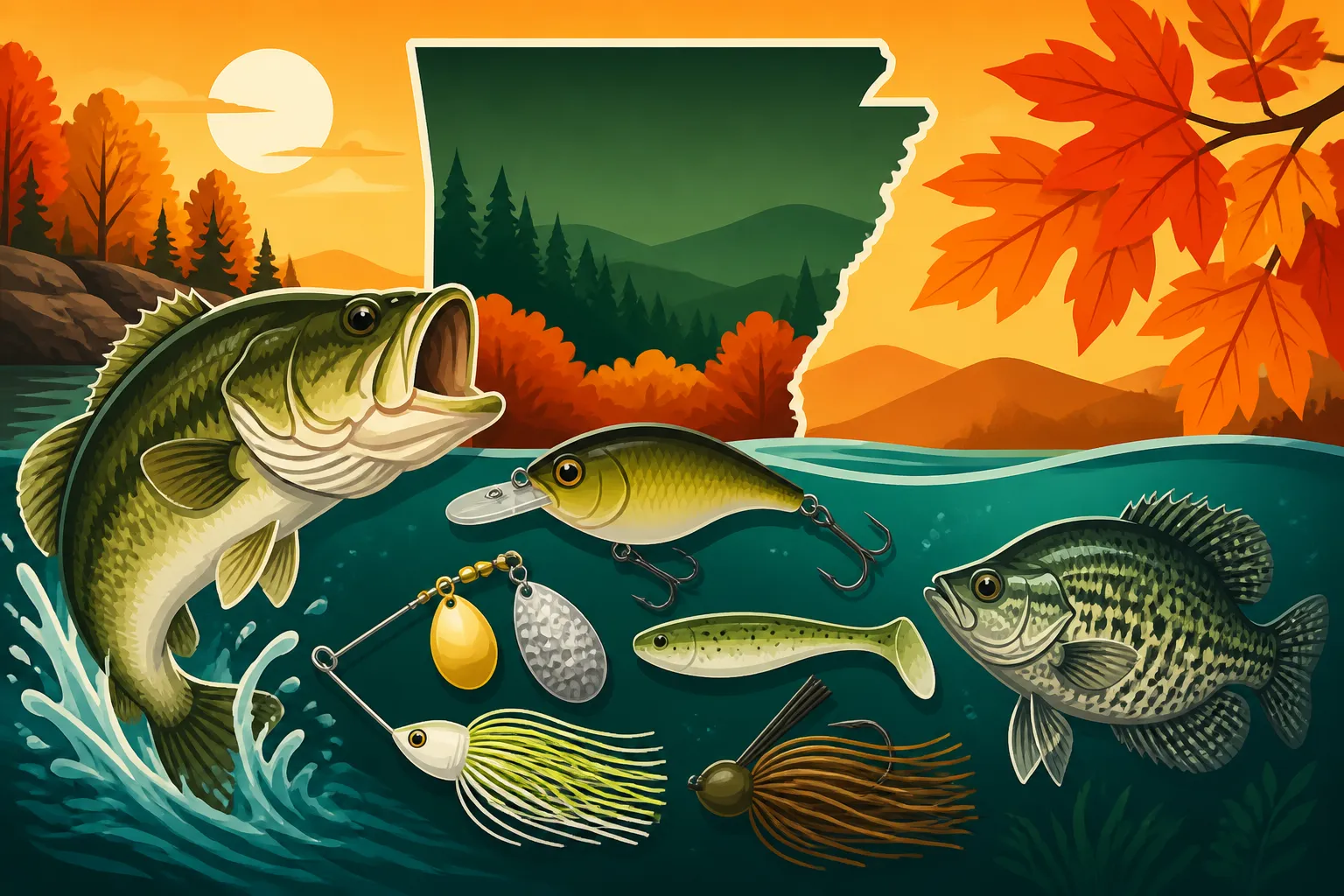
Crankbaits are absolutely essential for fall bass fishing, especially when bass are actively chasing baitfish. The beauty of a crankbait is its ability to cover water quickly and provoke aggressive reaction strikes.
-
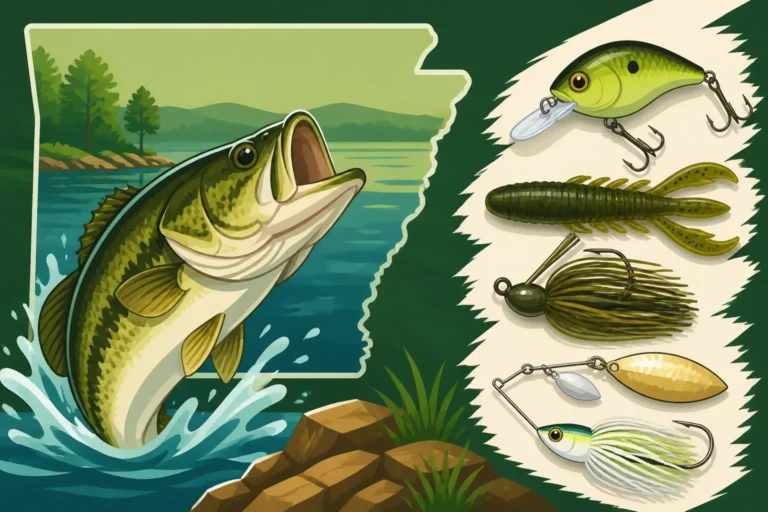
Deep-diving Crankbaits: When bass are holding on deeper ledges, humps, or channel swings, especially in lakes like Beaver Lake or Bull Shoals, a deep-diving crankbait is your best friend. Look for models that can reach depths of 10 to 20 feet or more. Colors that mimic shad (chrome/blue, ghost shad, white) or crawfish (red, orange, brown) are excellent choices. Cast these out, get them down to their maximum depth, and then vary your retrieve. Speed up, slow down, hit structure – anything to make the bait look erratic and fleeing. Many anglers find a lot of success using larger models of these baits as the fall progresses, as bass are looking for bigger meals. You can find a fantastic selection of these on Amazon, including popular models from Strike King and Rapala, allowing you to match the hatch for any Arkansas lake.
-
Medium-diving Crankbaits: For bass that are holding in the 5-10 foot range, perhaps along main lake points, channel banks, or submerged grass lines, medium-diving crankbaits are perfect. These are often easier to cast and retrieve than their deeper counterparts. Again, shad patterns are typically dynamite, but don't shy away from bright chartreuse or fire tiger if the water has some stain. A steady retrieve with occasional pauses can be deadly, particularly in areas where baitfish are congregating. These are also great for targeting bass during the Pre-Spawn Bass Fishing Patterns if you find a warmer pocket of water that mimics early spring conditions.
-
Flat-sided Crankbaits: As the water gets colder in late fall, flat-sided crankbaits come into their own. Their tighter wobble and more subtle action are often irresistible to cold-water bass that might be shying away from wide-wobbling baits. These are often fished slower, with a stop-and-go retrieve. Chartreuse/blueback or natural shad patterns are typically good starting points.
Spinnerbaits and Bladed Jigs for Reaction Bites
When bass are active and feeding, spinnerbaits and bladed jigs (often called ChatterBaits after the original brand name) can be incredibly effective at drawing fierce reaction strikes.
-
Spinnerbaits: These versatile lures shine in varying water clarities and around cover like submerged timber or brush piles, which are plentiful in many Arkansas reservoirs. In clear water, a tandem willow leaf blade configuration (often silver or gold) that mimics a fleeing baitfish is excellent. For stained water or overcast conditions, Colorado blades, which create more thump and vibration, in painted colors like chartreuse or orange, can be more effective. Experiment with retrieve speeds – sometimes a fast burn is best, other times a slow roll that just keeps the blades turning. A 1/2-ounce or 3/4-ounce model is a good all-around choice.
-
Bladed Jigs (ChatterBaits): These lures combine the vibration of a spinnerbait with the jig's profile, making them extremely effective in covering water and triggering strikes. They excel around shallow grass lines, docks, and rocky banks where bass are ambushing bait. Adding a soft plastic swimbait or grub trailer to your bladed jig enhances its profile and action. Again, shad colors (white, pearl, clear/silver flake) or crawfish patterns (green pumpkin, black/blue) are great. A stop-and-go retrieve, letting the bait fall and then reeling it back up, can often entice hesitant bass. Many anglers looking to stock up on new jig trailers find the convenience of online retailers like Amazon invaluable for their wide variety of brands and colors.
Jerkbaits and Topwater Baits for Ambush Predators
While topwater action might dwindle as fall progresses, jerkbaits become increasingly important, especially in clearer water scenarios.
-
Jerkbaits: As the water cools and bass become more suspended or slightly lethargic, a jerkbait can be absolutely deadly. Its erratic darting action and suspended pause perfectly imitate a wounded baitfish. Focus on main lake points, bluff walls, and creek channel swings. The key to jerkbait fishing is the cadence: jerk, jerk, pause… sometimes a long pause, sometimes a short one. Let the fish tell you what they want. Popular models like the Megabass Vision 110 or the Lucky Craft Pointer are favorites for a reason, but many brands offer excellent options. Natural shad colors are almost always a safe bet. These baits are particularly effective during the Post-Spawn Bass Fishing Patterns when bass are recovering and looking for an easy meal, a behavior often mirrored in the fall.
-
Topwater Baits: While the peak topwater bite is usually late spring and summer, don't write them off entirely in early to mid-fall, especially during overcast days or low-light conditions. Walking baits (like a Heddon Super Spook) or prop baits can still draw vicious strikes when bass are feeding on the surface or near it. Look for schooling activity near the surface. As the water cools into the 60s, the topwater bite will slow significantly, but those early fall mornings can still be explosive.
Essential Lures for Fall Crappie Fishing in Arkansas
Crappie become a prime target in fall, as they school up and feed aggressively. Knowing the right lures and presentations can lead to limits of these delicious panfish.
Jigs for Schooling Crappie
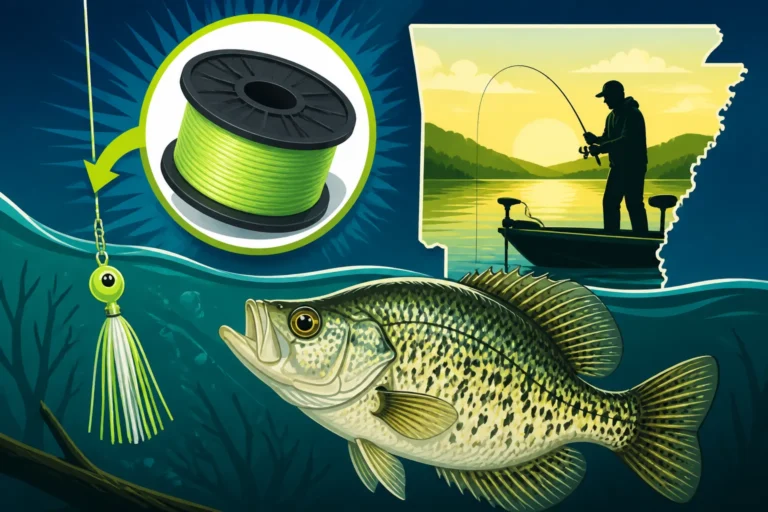
Jigs are the undisputed king of crappie fishing, and fall is no exception. The ability to present a small, subtle bait at a specific depth is crucial when crappie are schooling.
-
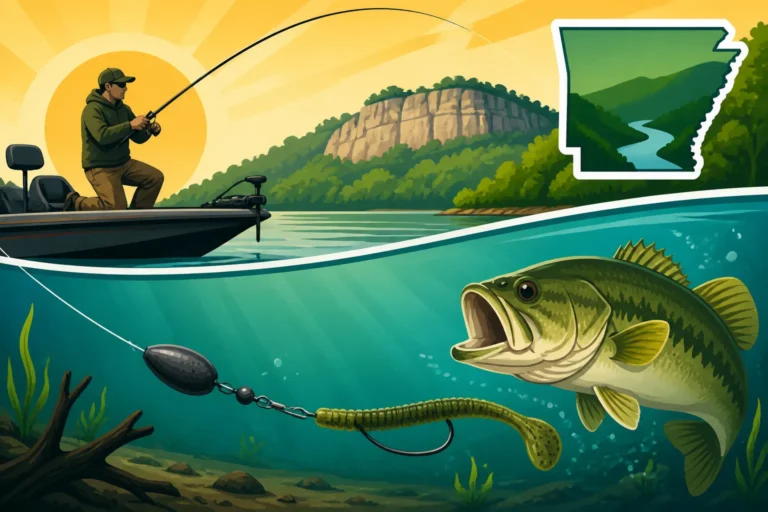
Tube Jigs and Grub Bodies: These soft plastic jigs are versatile and effective. For fall, focus on 1/16-ounce or 1/8-ounce jigheads, paired with 2-inch or 2.5-inch tube jigs or grub bodies. Classic colors like chartreuse, white, black/chartreuse, or pearl are always good. If the water is clear, more natural shad or minnow patterns can be effective. Fish these vertically over brush piles, submerged timber, or along creek channels where crappie are known to school. A slow, subtle jigging action is often all it takes. Many anglers even tip these with a small minnow for added attraction. For specific techniques, our guide on How to Rig a Jig for Crappie Fishing can be very helpful.
-
Hair Jigs: Often overlooked, hair jigs (such as those made by Arkie Jigs) provide a natural, undulating action that can be irresistible to crappie, especially in clearer or colder water. Their subtle fall can trigger strikes from finicky fish. Experiment with colors like white, black, or gray, mimicking small insects or baitfish. A slow, steady retrieve with occasional twitches is a great way to fish these.
Minnow Imitations and Small Crankbaits
Sometimes, crappie want something a bit more substantial or a bait that covers more water.
-
Live Minnows and Soft Plastic Minnows: It's hard to beat a live minnow when crappie are being picky. Rigged on a small hook under a bobber or on a jighead, live minnows are a fall crappie staple. If you prefer artificials, small soft plastic minnow imitators (like the Bobby Garland Scent Wiggl'R or similar swimbaits) rigged on a lightweight jighead are excellent. These can be cast and retrieved slowly, or trolled behind the boat. The natural profile and subtle tail kick are extremely enticing.
-
Tiny Crankbaits: Don't underestimate the power of small crankbaits for fall crappie, especially if you're covering open water or trolling. Look for baits in the 1.5- to 2-inch range that dive 3-8 feet. Shad patterns, chrome, or bright colors like fire tiger can be very effective. Troll these slowly along creek channels or main lake points where crappie are staging. Sometimes a subtle vibration and flash are exactly what triggers a strike. This is a great way to locate schools before switching to jigs for vertical presentations.
Spider Rigs and Trolling Setups
For serious crappie anglers, especially on larger reservoirs, spider rigging and slow trolling are highly effective fall tactics for targeting schooled fish.
-
Spider Rigs: This technique involves using multiple long rods (often 8-16 feet) extended from the front of the boat, presenting several baits at different depths simultaneously. This allows you to cover a wide area and pinpoint the depth where crappie are holding. Typically, 1/16-ounce or 1/8-ounce jigs (often tipped with a minnow) are used. Slowly push the boat forward, letting the baits work through potential crappie holding areas. This is a fantastic way to find and then stay on top of large schools of crappie.
-
Trolling Setups: Similar to spider rigging but often done from the back or sides of the boat, slow trolling allows you to systematically explore larger sections of a lake. You can troll jigs, small crankbaits, or even tandem rigs with jigs and minnows. Adjust your speed and lure depth until you start getting bites. Many anglers will focus on trolling along creek channels or around prominent points. The Best Time to Catch Crappie in Arkansas often coincides with these fall schooling patterns, making trolling a top strategy.
Fall Lure Color and Presentation Strategies
Beyond just selecting the right lure type, understanding color choices and how to present your bait can make all the difference in turning a slow day into a banner one. Fall often means clearer water, cooler temperatures, and fish that are both aggressive and, at times, finicky.
Matching the Hatch: Baitfish Patterns
The vast majority of fall fishing success for both bass and crappie hinges on imitating the abundant baitfish. Threadfin and gizzard shad are the primary forage in most Arkansas lakes and rivers, and they are typically schooling heavily in the fall.
-
Shad Imitations: Lures in colors like chrome, silver, white, pearl, clear with silver or blue flake, and ghost shad are paramount. This applies to crankbaits, spinnerbaits, bladed jigs, jerkbaits, and crappie jigs. If the water is slightly stained, a touch of chartreuse in a shad pattern can enhance visibility. Observe your local water; if you see shad jumping or schooling, that's your cue. In clear Ozark lakes, natural-looking shad patterns will often outperform brighter colors.
-
Crawfish Patterns: While shad are dominant, crawfish are still a significant food source for bass. As water temperatures drop, crawfish can become more active. Crankbaits, jigs, and even some soft plastics in red, orange, brown, or green pumpkin can be highly effective, especially when fished around rocky banks, riprap, or gravel points. These colors really shine when bass are bottom-oriented.
Water Clarity and Light Conditions
The prevailing conditions of the day should always influence your lure color selection. What works on a bright, sunny day might be ignored on a cloudy one, or vice-versa.
-
Clear Water: In clear waters, which are common in many of Arkansas's highland reservoirs like Beaver Lake or Lake Ouachita in the fall, natural and translucent colors are usually best. Think ghost shad, pearl, natural greens, and browns. Your presentation should also be more subtle, as fish can see your line and lure more easily. Fluorocarbon line is often preferred for its low visibility.
-
Stained or Murky Water: If the water has a bit of a stain, perhaps from recent rains or natural turbidity, brighter and more opaque colors tend to stand out. Chartreuse, bright orange, fire tiger, and black/blue are excellent choices. These colors offer a stronger silhouette and more contrast, making it easier for fish to locate your bait. Vibration-heavy lures like bladed jigs and spinnerbaits are also good in these conditions, as fish rely more on their lateral line to detect prey.
-
Sunny vs. Cloudy Days: On bright, sunny days, lures with a lot of flash, like chrome or silver blades on spinnerbaits, or reflective finishes on crankbaits, can be very effective. In contrast, on cloudy or overcast days, more muted or opaque colors often work better, as they don't produce harsh glare. Sometimes a black/blue jig can be amazing on a dreary day.
Retrieve Speeds and Pauses
The cooler water temperatures of fall, while invigorating for fish, also mean their metabolism is slowing compared to the summer heat. This impacts how they chase and commit to a lure.
-
Slower is Often Better (with exceptions): While fall bass can be aggressive, as the water cools, a slightly slower retrieve with more pauses can be incredibly effective. A crankbait retrieved erratically with stops, or a jerkbait with extended pauses, can perfectly mimic a struggling baitfish, making it an easy target. However, if you see fish actively busting bait on the surface, a fast, aggressive retrieve might be exactly what they want. It’s all about adapting to the fish's mood. For insights on bass behavior, consider our Bass Fishing Techniques by Season guide.
-
Erratic Movements: Whether it's a crankbait deflecting off a rock, a spinnerbait bumping a log, or a jerkbait darting wildly, erratic movements often trigger reaction strikes from opportunistic predators. Don't be afraid to experiment with your retrieve to find what the fish prefer on any given day. Remember, the fish are in a feeding mood, but they might still appreciate an easy target.
Fall Lure Selection Guide
Here's a quick reference table to help you choose the right lures for fall bass and crappie fishing in Arkansas:
| Fish Species | Lure Type | Best Conditions | Suggested Colors | Key Retrieve Tips |
|---|---|---|---|---|
| Bass | Deep Crankbaits | Deep ledges, humps, channel swings | Shad, Crawfish (red/orange), Chartreuse/Blue | Vary speed, hit structure, long pauses |
| Bass | Medium Crankbaits | Main lake points, channel banks, grass | Shad, Fire Tiger, Chartreuse | Steady retrieve, occasional pauses |
| Bass | Flat-sided Cranks | Colder water, clear conditions | Natural Shad, Green Pumpkin | Slower, stop-and-go with tight wobble |
| Bass | Spinnerbaits | Around cover, varying clarity | Shad (willowleaf), Chartreuse (Colorado) | Slow roll, fast burn, vary blades to match conditions |
| Bass | Bladed Jigs | Shallow grass, docks, ambush points | White, Green Pumpkin, Black/Blue (with trailer) | Stop-and-go, rip through grass |
| Bass | Jerkbaits | Clear water, suspended fish, bluff walls | Natural Shad, Clear/Blue, Bone | Erratic jerks, long pauses (up to 10 seconds) |
| Bass | Topwater (early) | Early fall, low light, schooling bait | Shad, Bone, Frog patterns | Walk-the-dog, pop, chug |
| Crappie | Tube Jigs | Over brush piles, timber, creek channels | Chartreuse, White, Black/Chartreuse, Pearl | Slow vertical jigging, subtle twitches, tip with minnow |
| Crappie | Hair Jigs | Clearer water, finicky fish | White, Black, Gray, Brown | Slow, steady retrieve with gentle lifts |
| Crappie | Soft Minnows | Open water, trolling, schooling crappie | Shad, Pearl, Chartreuse | Cast & retrieve slow, slow troll |
| Crappie | Tiny Crankbaits | Trolling, covering water, aggressive crappie | Shad, Chrome, Fire Tiger | Slow troll along channels or points |
Disclaimer
The information provided in this guide is for general informational purposes only and is based on typical fishing patterns and regulations in Arkansas. Fishing conditions, fish behavior, and specific regulations can change. Always consult the latest Arkansas Game and Fish Commission regulations before heading out on the water. Engage in safe boating and fishing practices, and be mindful of local conditions.