Best Cut Bait for Catfish
Trying to land those big, whiskered beauties in Arkansas can sometimes feel like a guessing game, especially when it comes to bait. You’ve probably tried everything from store-bought stink baits to hot dogs, only to find yourself wondering if there’s a secret weapon everyone else knows about. This comprehensive guide is here to cut through the confusion and show you exactly why and how cut bait can be your most effective ally in catching more catfish across Arkansas's diverse waters.
Understanding the Catfish's Superior Senses
When you're out on an Arkansas lake or river, battling the heat or the occasional cold front, it’s easy to get frustrated if the bites aren't coming. But here's the thing: catfish aren't like bass that chase down flashy lures with their eyesight. Their world is often murky, and they rely heavily on other senses. That’s why understanding how a catfish perceives its environment is the first step to choosing and presenting the perfect cut bait. It’s not just about what you put on the hook, but why it works.
Olfactory Sensitivity: The Catfish's Superpower
Forget about eyesight; a catfish’s nose is its greatest hunting tool. They possess an incredibly keen sense of smell, arguably one of the best in the entire freshwater ecosystem. Imagine if you could smell a single drop of perfume diluted in an Olympic-sized swimming pool – that's roughly the kind of sensitivity a catfish has. This extraordinary ability allows them to detect even the faintest scent trails from decaying organic matter, distressed baitfish, or, you guessed it, your expertly prepared cut bait. When you're fishing the muddy depths of the Arkansas River or a cloudy reservoir like Lake Conway, this sense of smell is what brings them to your line, often from a considerable distance. The fresher and more potent the scent, the more irresistible your offering becomes.
Bottom Feeders and Scavengers
Catfish are primarily bottom feeders and opportunistic scavengers, which means they’re often looking for an easy meal rather than actively hunting. They’re not usually chasing down fast-moving prey in the same way a spirited largemouth bass might. Instead, they patrol the bottom, using those sensitive barbels around their mouths to detect vibrations and tastes, and their powerful sense of smell to home in on food sources. This behavior makes cut bait exceptionally effective. A piece of cut fish sitting on the bottom, slowly leaching out its oils and blood, perfectly mimics an injured or dead food source that a catfish wouldn’t pass up. It appeals directly to their natural foraging instincts, signaling an effortless, high-protein meal. This is especially true in slack water or deeper channels where fish might be less active.
Seasonal Preferences and Water Conditions
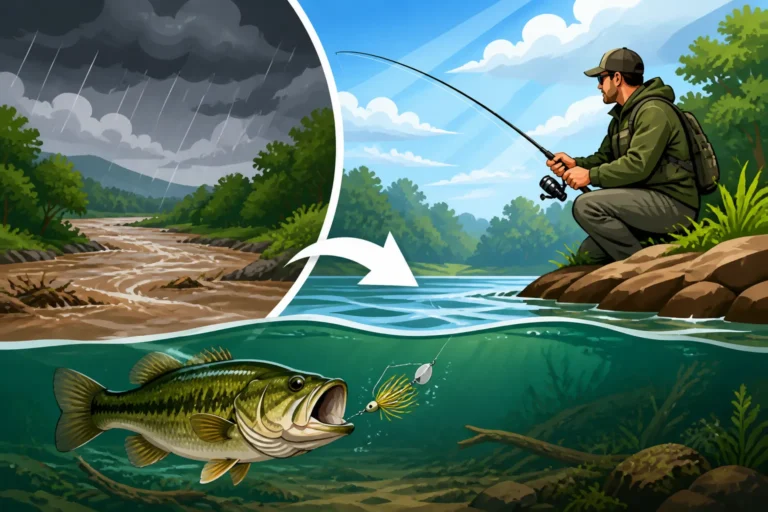
While cut bait is generally fantastic year-round, its effectiveness can vary slightly with the seasons and prevailing water conditions. In warmer summer months, when catfish metabolism is high, they are often more aggressive and will readily take strong-smelling baits. Conversely, in colder water, their metabolism slows down, and they might prefer a less overwhelming, but still potent, scent. High, muddy water after a good rain often means fantastic cut bait fishing, as the murky conditions further hinder their eyesight and amplify their reliance on smell. This is when those powerful scent trails from cut bait really shine, cutting through the silt and attracting fish that might otherwise struggle to find food. Knowing when and where to deploy your cut bait based on these factors can significantly boost your success rate on the water.
Top Fish Species for Crafting Catfish Cut Bait in Arkansas
When it comes to selecting the best ingredients for your cut bait, you want fish that are readily available in Arkansas waters and offer a strong, oily scent profile. The good news is, many common species that might be considered "rough fish" or bycatch for other anglers make incredible catfish bait. Don't be shy about using fish that aren't typically sought after for the dinner table – the catfish certainly won't complain!
Shad: The Undisputed King of Catfish Bait
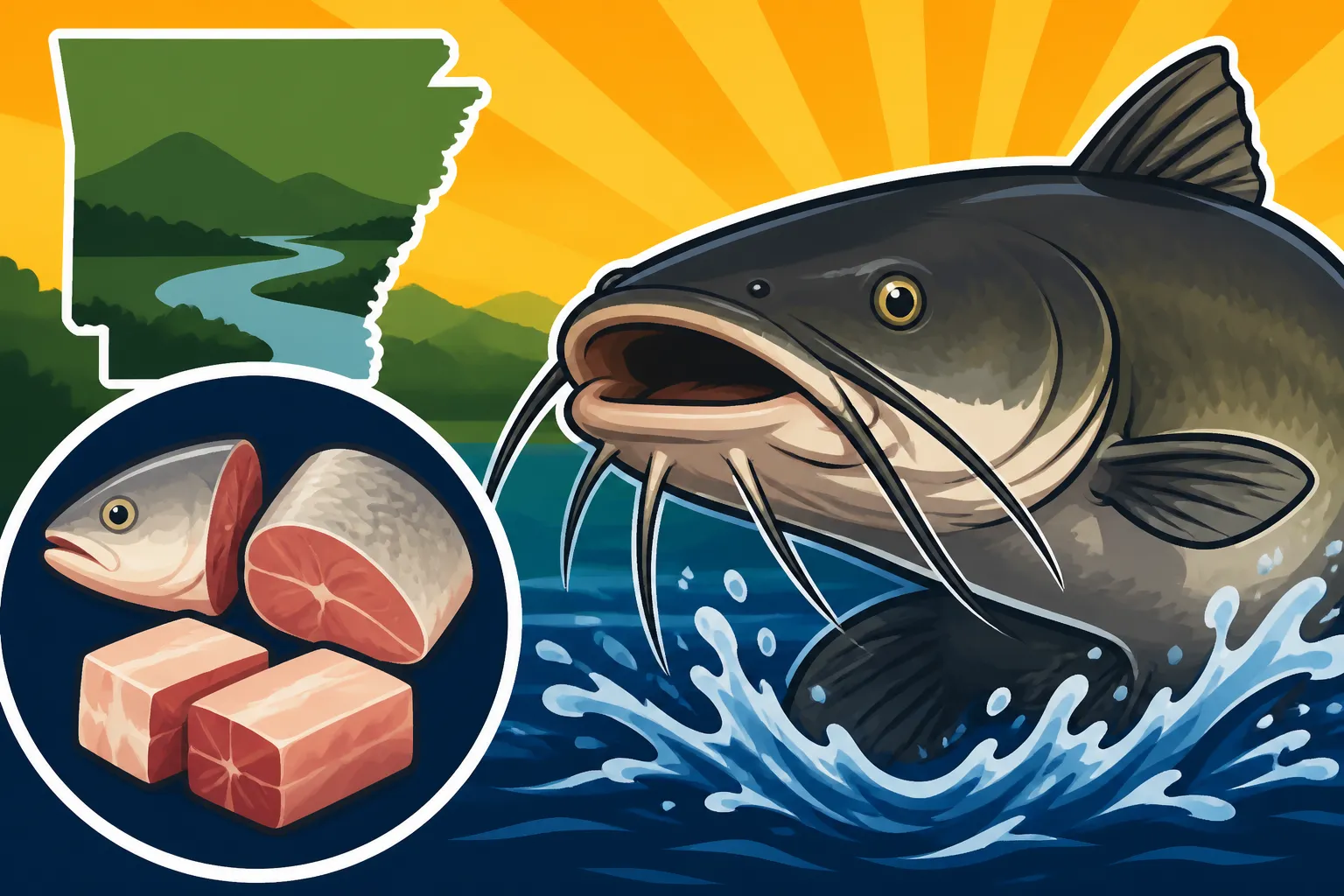
If there's one baitfish that consistently tops the list for Arkansas catfish anglers, it's shad. Both Threadfin Shad and Gizzard Shad are incredibly effective. These schooling baitfish are abundant in many of Arkansas’s major lakes and rivers, making them easy to acquire, often with a cast net. What makes shad so special? They are packed with natural oils and have a distinctly strong, almost fishy aroma that catfish absolutely cannot resist.
When cut into pieces, shad releases a powerful blood and oil slick that travels far and wide, creating an irresistible scent trail that draws catfish from considerable distances. Whether you're targeting channel catfish, blue catfish, or flatheads, shad is a proven winner. For larger blue catfish, an entire side of a gizzard shad can be devastating, while smaller pieces work wonders for channel cats. You can often find frozen shad available at local bait shops, or if you're feeling ambitious, net your own in lakes like Lake Ouachita or Norfork Lake. Just remember, fresh is always best, but frozen shad is a perfectly viable alternative, especially if you buy in bulk. Look for reputable brands on platforms like Amazon that offer vacuum-sealed frozen shad for optimal freshness.
Perch, Sunfish, and Other Panfish
While shad might be king, don't overlook the humble panfish. Species like bluegill, green sunfish, and even small crappie (if legal to use as bait and you have enough to spare after reaching your Crappie Size and Daily Limit in Arkansas) make excellent cut bait. These fish, often found in abundance in almost any Arkansas pond, lake, or slow-moving river section, are easy to catch with simple methods like a worm under a bobber.
Panfish offer a different, but equally enticing, scent profile compared to shad. They're meaty and durable, which means they stay on the hook well, even against the tugs of smaller fish. For bigger catfish, a whole side or a large chunk of a bluegill can be a prime offering. The thicker skin and flesh also make them more resilient, standing up to casts and currents better than some softer baits. Plus, if you're fishing a spot where you're already catching panfish, you have a ready supply of the freshest bait possible. Just be sure to check local regulations regarding the use of game fish as bait.
Rough Fish Like Carp and Buffalo
For those truly after trophy-sized catfish, especially the elusive flatheads and monster blue cats, rough fish like common carp, buffalo, and drum are exceptional choices. These fish are often considered a nuisance by some anglers, but to a big catfish, they represent a substantial, fatty meal. Carp, in particular, are very oily and tough, making them perfect for large chunks of cut bait that can withstand powerful casts and long soaks in strong currents.
The sheer size of these fish means you can get many substantial pieces of bait from a single catch, providing ample material for a full day or even a multi-day fishing trip. Their strong scales and firm flesh help the bait stay on the hook, which is crucial when you're waiting for a truly colossal fish to come along. You might need a heavier setup, perhaps a dedicated carp rod, to catch these initial baitfish, but the effort is well worth it when a big cat swallows your offering. These baits are particularly effective in larger, deeper rivers like the Arkansas River, where the biggest catfish lurk, or large reservoirs where these rough fish thrive.
Preparing and Using Cut Bait Effectively
Getting the right type of fish for cut bait is only half the battle. The real art lies in how you prepare it and present it. A poorly cut or rigged piece of bait, no matter how fresh, won't perform as well as bait that's been thoughtfully prepared to maximize its scent-dispersing capabilities and ensure a solid hookset. This is where attention to detail pays off big time on the water.
Cutting Techniques for Maximum Scent Trail
The way you cut your bait is paramount to its effectiveness. The goal is to expose as much flesh, blood, and internal organs as possible to create an irresistible scent plume in the water.
- Steaks or Chunks: For larger catfish (blue or flathead), especially if you're using a bigger baitfish like carp or a large shad, cutting perpendicular "steaks" about 1-2 inches thick is ideal. Leave the skin and scales on one side to help keep the bait on the hook. For smaller panfish, simply cutting the fish into 1-inch chunks will expose plenty of surface area.
- Fillets or Strips: If you're using a fish with delicate flesh or targeting channel cats, filleting the sides and then cutting the fillets into strips (1-inch wide, 3-5 inches long) works great. You can also leave a small piece of the rib cage attached to help the bait stay on.
- Head and Tail Sections: Don't waste the head or tail! The head, especially from an oily fish like shad, is full of scent and can be rigged for larger cats. The tail can be cut into smaller pieces.
- Butterfly Cut: For medium-sized baitfish, you can cut them from tail to head along one side, but not all the way through, essentially butterflying the fish open. This exposes a massive amount of surface area, creating a huge scent trail.
- Expose the Guts: Some anglers prefer to mash or lightly squeeze the internal organs of the baitfish before cutting to release even more scent. This can be especially effective for channel catfish.
Always use a sharp, sturdy knife, like a good fillet knife you might find on Amazon, to make clean cuts. This ensures maximum scent release and easier rigging. Remember, the more open wounds, the more odor will permeate the water, calling catfish to your spot.
Rigging Cut Bait for Different Situations
The best rigging method depends on your target species, the size of your bait, and the conditions you're fishing.
- Slip Sinker Rig: This is perhaps the most common and versatile setup for bottom fishing with cut bait. Thread your main line through a slip sinker (egg sinker or no-roll sinker work well), then tie on a swivel. To the other end of the swivel, attach a fluorocarbon or monofilament leader (12-24 inches) and finally your hook. This rig allows the fish to pick up the bait and run without feeling the weight of the sinker immediately, leading to a better hookset. For fishing in areas with current, a no-roll sinker is a lifesaver.
- Carolina Rig Variation: Similar to the slip sinker, but often with a slightly longer leader. It's excellent for presenting bait on the bottom in situations where you need to cast a good distance.
- Three-Way Swivel Rig (Santee Cooper Rig): Popular in lakes and rivers, this rig uses a three-way swivel. Tie your main line to one eye, a short leader with a sinker to the second, and a longer leader with your hook and cut bait to the third. This setup lifts your bait slightly off the bottom, preventing it from getting lost in weeds or muck and allowing it to drift more naturally in current. You can add a small foam float to the leader above your hook to further elevate the bait.
- Circle Hooks are Your Friend: No matter the rig, use appropriate-sized circle hooks. They are designed to hook fish in the corner of the mouth, significantly reducing gut hooking and making catch-and-release easier and safer for the fish. When a catfish bites, resist the urge to set the hook forcefully. Instead, simply reel down until your rod bends, and the circle hook will do the rest. This technique is especially vital when practicing selective harvest or releasing larger breeding fish.
Make sure your hook is exposed enough to get a solid bite, but not so exposed that it detracts from the natural presentation of the bait. For bigger chunks, it’s often best to run the hook through once or twice to secure it.
Storage and Freshness
The fresher your cut bait, the more effective it will be. Catfish, especially flatheads, prefer fresh, even live, bait. However, for blue and channel cats, fresh cut bait is paramount.
- On the Water: Keep your cut bait chilled in a cooler with ice, ideally in a separate container or ziplock bag to prevent cross-contamination and keep it from getting waterlogged. Exposure to direct sunlight or warm air will degrade the bait quickly, diminishing its scent and making it mushy. A dedicated bait cooler can make a huge difference in maintaining bait quality throughout a long day of fishing.
- Long-Term Storage: If you're preparing bait ahead of time, vacuum sealing and freezing is the best method. This minimizes freezer burn and preserves the natural oils and scents. You can find affordable vacuum sealers on Amazon that will pay for themselves by extending the life of your bait. Once thawed, use it promptly. Repeated freezing and thawing will reduce its effectiveness.
- Brining: Some anglers swear by brining their cut bait. A simple brine of salt and water can toughen the bait, making it more durable on the hook, and some believe it enhances the scent. A common recipe is one cup of non-iodized salt per gallon of water. Soak the bait for a few hours or overnight, then pat dry before use or freezing. This can be particularly useful if you're fishing in strong currents or targeting bait stealers.
Always handle cut bait hygienically to avoid contaminating your other gear or attracting unwanted pests. Gloves are a good idea, and a dedicated bait towel is a must-have.
Additional Tips for Catfish Angling with Cut Bait
Beyond the bait itself, there are several other elements that can significantly improve your catfish catch rates when using cut bait. It’s all about creating the most appealing scenario for these incredible bottom dwellers. From choosing the right size offering to knowing where and when to present your bait, these tips will help you maximize your success in Arkansas’s waters.
Matching Bait Size to Target Catfish
One of the most common mistakes anglers make is using bait that’s either too large or too small for the fish they’re trying to catch. Catfish are opportunistic, but they still have preferences and limitations.
- Channel Catfish: For your average 1-5 pound channel cat, a thumb-sized chunk of shad or a strip of panfish fillet is usually perfect. They have smaller mouths compared to their larger cousins, and a manageable piece of bait ensures they can get it fully in their mouth for a good hookset. Smaller chunks are often more appealing to them as they are frequent scavengers looking for smaller, easy meals.
- Blue Catfish: These fish can grow absolutely enormous in Arkansas, with some truly impressive specimens being pulled from the Arkansas River. For blue cats, especially trophy-sized ones, don't be afraid to go big. A 3-4 inch steak of carp, a whole half of a large gizzard shad, or even a smaller whole shad can be excellent. Blue cats are aggressive eaters and will readily engulf substantial meals. When fishing for these giants, checking the New Possession Limit Rule for Arkansas Anglers is always a good idea.
- Flathead Catfish: Flatheads are unique because while they will occasionally take cut bait, they strongly prefer live bait. However, if using cut bait for flatheads, it must be exceptionally fresh and large. A fresh, bloody chunk from a rough fish like a buffalo or carp, perhaps 4-6 inches long, presented right near a known flathead lair (like a log jam or deep hole), might entice one. They are ambush predators, so presentation near structure is key.
Remember, a bigger bait means fewer bites from smaller fish, increasing your chances of hooking that trophy. Conversely, smaller bait offers more action, which can be great for a family outing or for beginners learning the ropes.
Combining Cut Bait with Scent Enhancers
While cut bait itself is a scent powerhouse, sometimes a little extra boost can make all the difference, especially in challenging conditions or heavily pressured waters.
- Commercial Scent Attractants: Many companies produce specific catfish attractants that come in gels, sprays, or dips. Brands like Pro-Cure or Atlas Mike's offer scents derived from powerful fish oils (like shad or sardine) or more pungent flavors. Applying these directly to your cut bait can significantly amplify its drawing power. You can easily find these at most tackle shops or order them online through platforms like Amazon.
- Homemade "Stink Baits": For the adventurous angler, creating your own homemade concoctions can be fun and effective. Ingredients like chicken livers, garlic, cheese, and even fermented grains can be mixed with cut bait to create a truly potent aroma. The key is to let these mixtures "brew" for a while to develop their full stench. Just be warned, these can be incredibly messy and pungent, so handle them with care!
- Chumming: A light chumming strategy can also enhance your cut bait's effectiveness. Tossing small, dime-sized pieces of cut bait, corn, or soured grain upstream from your fishing spot can create a scent trail that draws fish in. Be careful not to over-chum, as you don't want to feed the fish; you just want to attract them to your area where your main hook bait is waiting. This is particularly useful in rivers where the current helps disperse the chum.
The goal with scent enhancers is not to mask the natural smell of the cut bait but to complement and amplify it, creating an even more irresistible offering for hungry catfish.
Best Time and Locations for Cut Bait Fishing
Knowing where and when to fish with cut bait can dramatically improve your results. Catfish are creatures of habit, and understanding their patterns is crucial.
- Time of Day: While catfish can be caught throughout the day, their activity peaks during low light conditions. Dawn, dusk, and especially night fishing are prime times for catfish. They are largely nocturnal predators, using their superior senses to hunt in the dark. If you're planning a trip around these times, make sure you're aware of the Best Time of Day to Catch Catfish.
- Prime Locations:
- Rivers: Look for deep holes, cut banks, log jams, and areas where current breaks form eddies. The White River, below its dams, or the Arkansas River itself, are prime locations. Catfish often hold in these current breaks, waiting for food to wash downstream.
- Lakes/Reservoirs: Focus on creek channels, submerged humps, points, and structural elements like standing timber or rock piles. The mouths of coves after a rain can be excellent, as runoff brings nutrients and baitfish into the main lake. Lakes like Lake Dardanelle, Lake Ouachita, or Lake Conway are fantastic spots to target different catfish species.
- Tailwaters: Below dams, the turbulent water often holds a concentration of baitfish and provides excellent oxygenation. This can be a hotspot for all types of catfish, especially blue and channel cats. However, be mindful of specific regulations for these areas, as some, like the Norfork Tailwater, are primarily known for trout.
Always pay attention to current and wind direction. The scent from your cut bait will travel with the current or drift, so position yourself strategically to allow that enticing aroma to spread into productive areas. A quality fish finder can help you locate these subtle underwater structures and schools of baitfish, guiding you to the most promising spots.
| Cut Bait Type | Primary Target Catfish | Scent Profile | Durability on Hook | Ease of Acquisition (Arkansas) | Preparation Complexity | Notes |
|---|---|---|---|---|---|---|
| Shad | Blue, Channel, (Flathead) | Oily, Strong, Fishy | Medium | High (cast net, bait shops) | Low-Medium | Top choice, draws fish from afar. Fresh best. |
| Bluegill/Sunfish | Channel, Flathead, Blue | Meaty, Moderate Fishy | High | High (catch in most waters) | Low | Durable, good all-around bait. Check regs. |
| Carp/Buffalo | Blue, Flathead | Oily, Robust, Earthy | High | Medium (often bycatch) | Medium (larger fish) | Excellent for trophy cats, very tough. |
| Drum | Blue, Channel | Mild Fishy | Medium | Medium (rivers) | Low | Can be effective, less oily than shad. |
Disclaimer
The information provided in this guide is for general informational purposes only. Fishing regulations, license requirements, and size/creel limits can change frequently. Always consult the latest official Arkansas Game and Fish Commission (AGFC) regulations before heading out on the water. This guide does not constitute legal advice or an endorsement of any specific product or brand mentioned.