Arkansas’s State-Record Blue Catfish Weighed 116 Pounds
There's nothing quite like the dream of battling a true monster, a fish so immense it earns a place in the record books. For many anglers in Arkansas, that dream revolves around the blue catfish, a powerful, whiskered leviathan that calls our waters home. It's a daunting challenge, filled with long hours, heavy gear, and the kind of patience that tests the soul. This guide is dedicated to that ultimate pursuit, exploring the legendary 116-pound state record, where these giants lurk, and what it truly takes to land a fish that could define your angling career.
The Legendary 116-Pound Blue Catfish: A Testament to Arkansas Waters
When we talk about giant blue catfish in Arkansas, one number echoes through every conversation: 116 pounds. This isn't just a big fish; it's a testament to the incredible aquatic resources we have here in the Natural State. Imagine the thrill, the sheer muscle-straining battle, of pulling a fish heavier than many grown adults from the water. This state record blue catfish represents the pinnacle of catfishing achievement in Arkansas, a benchmark that inspires countless anglers every year.
The story behind such a catch often involves a combination of skill, luck, and being in the right place at the right time. These record-breaking fish don't just jump into the boat; they are typically the culmination of years of growth in nutrient-rich environments, often in large river systems or expansive reservoirs where food is abundant and deep holes provide ample sanctuary. For any angler hoping to etch their name in the record books, understanding the environment that produces such behemoths is the first step.
Who Holds the Title and Where Was It Caught?
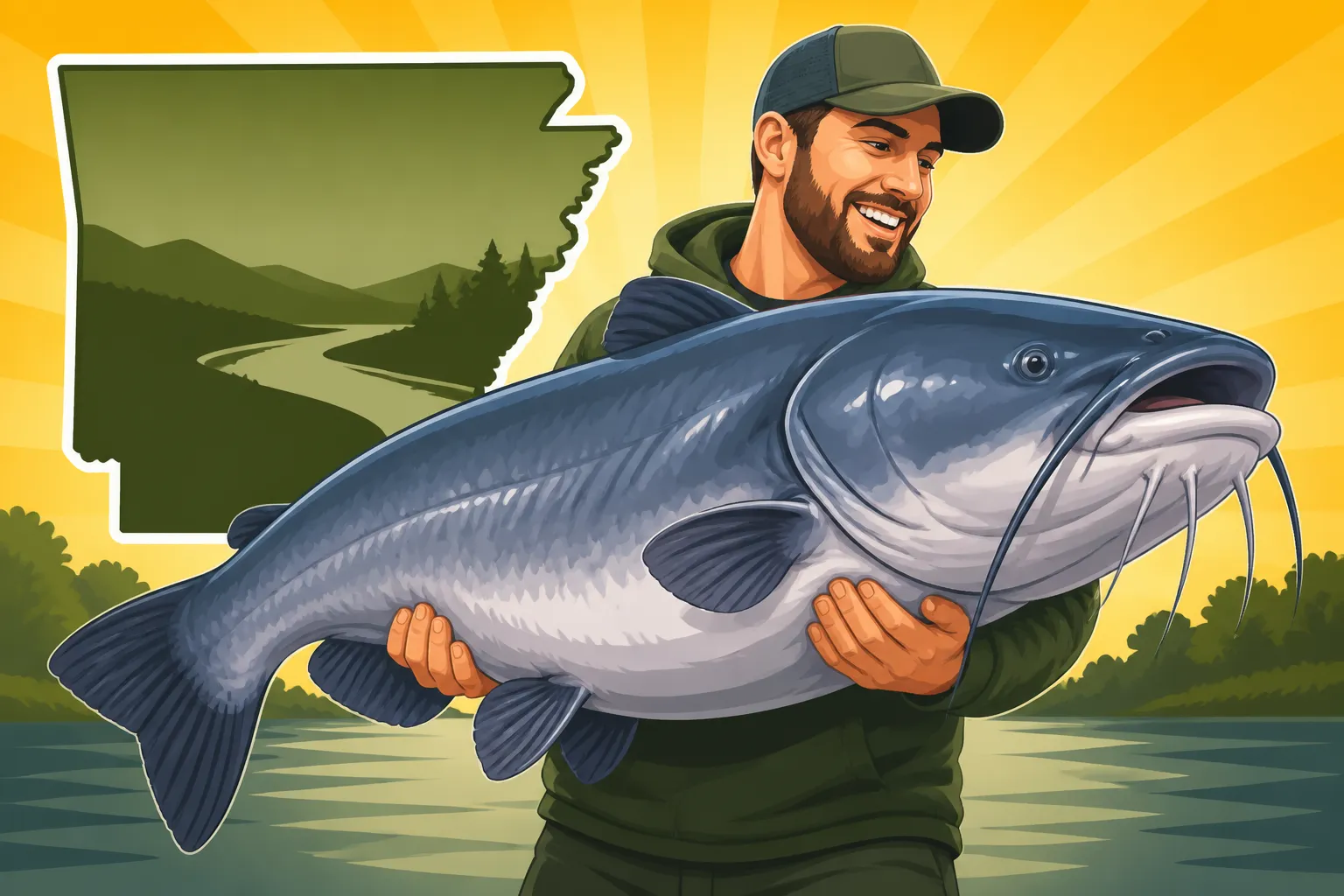
The current state record blue catfish in Arkansas, weighing a colossal 116 pounds, was caught by Charles Ashley Jr. back in 2001. The legendary catch occurred on the Arkansas River, a waterway renowned for its incredible catfish population and its ability to grow fish to truly astounding sizes. This isn't surprising when you consider the river's vastness, its strong current, and the incredible amount of forage available for these opportunistic predators.
The Arkansas River, flowing through the heart of our state, offers a diverse habitat perfect for blue catfish. From deep navigation channels to sprawling flats and countless log jams, there's no shortage of places for a blue cat to find shelter and ambush prey. Ashley's incredible catch solidified the Arkansas River's reputation as a prime destination for trophy catfishing, drawing anglers from all over who dream of encountering their own river monster. It serves as a constant reminder that truly world-class fishing opportunities exist right here in our backyard.
The Significance of a 116-Pound Catch
A 116-pound blue catfish is more than just a big number; it represents an apex predator that has survived and thrived for many years. Blue catfish are known for their longevity, often living for decades, and growing steadily throughout their lives. To reach this size, a fish has navigated countless challenges, from floods and droughts to avoiding predators and, of course, other anglers. The sheer biomass of such a creature is staggering, and the power it can exert on a fishing line is truly immense.
Catching a fish of this magnitude requires specialized gear, unwavering determination, and often a bit of local knowledge. It's not the kind of fish you accidentally hook on light tackle while chasing panfish. Anglers specifically target these giants, often spending hours or even days patiently waiting for a single bite. The fight itself is often described as a grueling tug-of-war, with the fish using its immense power and the current to its advantage. Landing such a creature is a moment of pure adrenaline and triumph, a memory that lasts a lifetime and inspires others to chase their own giants.
Hunting for Your Own Trophy Blue Catfish
So, you're inspired by the 116-pound legend and want to try your hand at catching a trophy blue catfish? That's the spirit! But let's be realistic: it's a journey, not a quick trip. Targeting blue catfish, especially the truly enormous ones, requires specific techniques, the right bait, and an understanding of their behavior. It's a game of patience and preparation, but the rewards are absolutely worth it.
These fish are powerful, and they live in challenging environments. You can't just toss out a worm and expect to reel in a record. You need to think like a blue cat, understand their feeding habits, and arm yourself with gear capable of handling such an immense fight. Many anglers dedicate years to learning the nuances of trophy catfishing, and every trip is a learning experience. You might even consider looking into Catfish Fishing Techniques Guide for a broader overview of how to approach this exciting fishery.
Essential Gear for Battling Giants
First things first: your tackle needs to be up to the task. Forget your ultralight spinning combos; we're talking heavy-duty here. A good trophy catfishing setup includes:
- Rods: You'll want a heavy or extra-heavy action rod, typically between 7 and 10 feet long. These rods need serious backbone to handle the weight and fight of a large blue cat, especially when they decide to run with the current. Look for rods designed specifically for catfish or saltwater applications.
- Reels: A sturdy baitcasting reel with a robust drag system and high line capacity is non-negotiable. Lever drag or star drag reels in sizes typically used for offshore fishing are popular choices. You need a reel that can withstand tremendous pressure and hold enough line (often hundreds of yards) for long runs.
- Line: Monofilament line in the 40-80 pound test range is common, but many trophy hunters now opt for braided line of 80-150 pound test. Braided line offers superior strength-to-diameter ratio, zero stretch for better bite detection, and excellent abrasion resistance. Just be sure to use a heavy monofilament or fluorocarbon leader to prevent break-offs on sharp structure. You can find excellent options for heavy-duty lines and reels on platforms like Amazon, ensuring you have the strength needed for a big fish.
- Hooks: Circle hooks are paramount for catfishing, both for fish welfare and effective hooksets. Sizes from 8/0 to 12/0 are typical for large blue cats. They're designed to hook the fish in the corner of the mouth, minimizing gut-hooking and making releases easier if you decide to let a trophy go.
- Sinkers: You'll need heavy sinkers to keep your bait on the bottom in strong currents. Pyramid, no-roll, or flat sinkers ranging from 3 to 10 ounces (or even heavier in extreme current) are often necessary.
Best Baits for Luring Big Blue Cats
Blue catfish are primarily scavengers and opportunistic predators, meaning they're not too picky, but they definitely have preferences for big, smelly offerings. When targeting trophy fish, don't skimp on your bait.
- Cut Bait: This is the undisputed champion for big blues. Fresh cut bait from oily fish like shad, skipjack herring, drum, or carp is incredibly effective. The oil and scent trail it releases are irresistible. Cut it into chunks or strips large enough to entice a trophy fish – often palm-sized or larger.
- Whole Dead Bait: Smaller whole fish, like skipjack or gizzard shad, can also be highly effective, especially when fished on trotlines or juglines. These larger offerings attract larger predators. For more on this, check out Jug Fishing Basics for Catfish or Trotline Fishing Basics.
- Live Bait: While cut bait is king, live bait like small panfish or gizzard shad can sometimes tempt a sluggish trophy. However, ensuring the bait is legal and healthy is crucial.
Remember, freshness is key. Stinky, rotten bait isn't always the best. Freshly cut, bloody bait often outperforms anything that's been sitting around for too long. For those new to the game, read up on Best Bait for Blue Catfish in Arkansas to get a clear picture of what works.
Where Arkansas's Giant Blue Cats Live
Arkansas is blessed with incredible waters, and several of them are prime territory for monster blue catfish. These fish thrive in large, deep river systems and expansive reservoirs, where they can find abundant food, strong currents, and plenty of structure to ambush prey or seek refuge. Knowing where to concentrate your efforts is just as important as knowing how to fish.
It's not just about throwing a line in; it's about understanding the specific characteristics of these waters and how they support such massive fish populations. Arkansas is truly a hidden gem for trophy catfishing, offering diverse environments that cater to these incredible predators.
The Arkansas River: Home of the Record
As mentioned, the Arkansas River is legendary. From Fort Smith down to the Delta, this massive river system is teeming with blue catfish, including the potential for future record-breakers. The river's navigation locks and dams create deep scour holes and current breaks that are ideal holding areas for big cats. The countless log jams, submerged timber, and deep channels provide perfect ambush points.
Fishing the Arkansas River effectively often involves anchoring upriver from a promising spot, like a deep bend, a submerged island, or a major log jam, and letting your cut bait waft down into the strike zone. Pay close attention to current seams and eddy lines, as these are often where baitfish concentrate and, consequently, where blue cats will be waiting. Many local anglers consider the pools below dams to be hotspots, especially during periods of generation, as current washes food items through.
Other Prime Locations for Trophy Blues
While the Arkansas River might hold the record, it's not the only place to find giant blue cats in the state. Other waters consistently produce impressive specimens:
- Mississippi River: As the western boundary of much of Arkansas, the Mississippi River is a blue cat factory. Its vastness, powerful currents, and endless supply of forage make it a top contender for giant fish. Anglers here often target deep holes, wing dams, and barge fleeting areas. The sheer scale of the Mississippi means there's always potential for an encounter with a true leviathan.
- White River: While famous for its trout in the upper stretches, the lower White River, particularly its confluence with the Arkansas River, holds a strong population of blue catfish. The nutrient-rich waters and diverse habitats provide excellent conditions for growth.
- Ouachita River: Further south, the Ouachita River also offers excellent blue catfishing, especially in its deeper pools and bends. The river's more moderate flow in some sections can make for slightly different fishing strategies, but the potential for big fish is still very real.
- Large Reservoirs: Lakes like Lake Dardanelle, though primarily known for bass, also hold significant populations of blue catfish, particularly in the deeper channels and main lake areas where the river current still influences them. These reservoir blues can grow quite large, feeding on abundant shad populations. For more information on great fishing locations, you might want to look at Best Lakes in Arkansas for Trophy Catfish or a general guide to Best Catfish Spots in Arkansas.
The Challenge of Catching a Record Setter
Let's be honest, setting a state record is an extraordinary feat. It's the kind of achievement that few anglers ever realize. But the beauty of fishing is that every time you cast a line, especially when targeting trophy fish, you have that small spark of hope. The challenge is immense, but so is the potential reward. It involves understanding the lifecycle of these fish, their preferred habitats, and the sheer commitment required.
It's not just about luck; it's about putting in the time, refining your techniques, and being ready when that once-in-a-lifetime bite happens. The journey itself, the pursuit of such a magnificent creature, is often as rewarding as the catch.
Understanding Blue Catfish Behavior
To catch a record blue catfish, you need to think like one. These fish are generally found in larger river systems and reservoirs, preferring deep, fast-moving water with plenty of structure. They are highly migratory within their home waters, following baitfish schools and seasonal changes.
- Deep Water: Blue cats love deep holes, scour areas below dams, and the main river channel. They'll often hold near ledges, drops, and submerged timber, using these features to break the current and ambush prey.
- Current: They are current-oriented fish, often positioned just out of the main flow, where food is swept to them, or actively cruising in the current looking for a meal. Understanding how current affects bait presentation is crucial.
- Seasonal Movements: While present year-round, their activity can peak during certain seasons. Spring and fall are often prime times as fish are actively feeding. During summer, they might retreat to deeper, cooler waters, becoming more active at night. Winter fishing can also be productive in deep holes if you can locate large schools.
For more detailed behavioral patterns, you might find articles like Blue Catfish Fishing in Arkansas insightful.
Patience, Persistence, and the Unpredictable Nature of Big Fish
Catching a 116-pound blue catfish isn't about rapid-fire casts. It's often about setting up in a prime location, deploying multiple rods with heavy bait, and patiently waiting. Hours can pass without a bite, sometimes days. This is where persistence truly comes into play. You might have to move spots, try different baits, or adjust your presentation until you find what works.
The unpredictable nature of big fish also adds to the challenge. A 116-pound fish might bite on a day when conditions seem "off," or ignore your bait when everything feels perfect. That's part of the mystique and excitement. When that rod finally bends, and the drag starts screaming, all the waiting and preparation instantly become worth it. You might even find yourself researching Trophy Blue Catfish Fishing in Arkansas for more specialized advice.
Responsible Angling for Trophy Fish
When pursuing these magnificent fish, responsible angling practices are vital. If your goal is to set a record or simply catch a trophy, consider catch-and-release, especially for the largest breeding-size females. These giants are crucial to maintaining a healthy fishery for future generations.
If you do decide to keep a fish, ensure you understand and adhere to all local regulations regarding length and creel limits. Handle the fish with care, especially during the landing and photography process. Use a large landing net or tail-grabber for control, and minimize its time out of the water. For more on general species, you can check out Channel Catfish in Arkansas Lakes and Rivers which often coexist with blue catfish, or delve into Blue Catfish vs Flathead Catfish: Which Grows Bigger? to understand size comparisons among different catfish species. You might even want to ensure your measuring and weighing tools are precise, with many reliable fish scales and measuring tapes available on Amazon.
| Characteristic | Blue Catfish (Adult) | Flathead Catfish (Adult) | Channel Catfish (Adult) |
|---|---|---|---|
| Max Size (Weight) | Very large, state record 116 lbs in Arkansas; can exceed 100+ lbs nationally | Large, state record over 80 lbs in Arkansas; can exceed 100+ lbs nationally | Moderate, state record around 40 lbs in Arkansas; rarely exceeds 50 lbs nationally |
| Coloration | Gray-blue on back, fading to white on belly; no spots as adults | Mottled brown/yellow/green, often with dark spots; cream/yellow belly | Gray/silver, often with distinct dark spots (especially smaller ones); white belly |
| Tail Fin | Deeply forked | Slightly notched or square | Deeply forked |
| Head Shape | Pronounced humped back behind head, slender body | Broad, flat head; lower jaw protrudes | Rounded head; upper jaw protrudes slightly |
| Diet | Omnivorous, but adults primarily piscivorous (fish-eaters) and scavengers | Strictly piscivorous (fish-eaters); prefers live bait | Omnivorous; eats insects, crustaceans, small fish, vegetation |
| Preferred Habitat | Large rivers, deep channels, main lake basins, strong current | Slower-moving rivers, deep holes with timber/structure, prefers natural lakes | Wide range of habitats: rivers, lakes, ponds; less current-dependent |
| State Record (AR) | 116 lbs (Arkansas River) | 80 lbs (Arkansas River) | 44 lbs (Lake Ouachita) |
This article is for general informational purposes only and does not constitute professional advice. Laws, prices and regulations vary by location and change over time. Consult a qualified professional for guidance on your specific situation.