What Fish Can You Catch Year-Round in Arkansas?
One of the most common frustrations for anglers, especially those just getting into the sport or visiting from out of state, is trying to figure out if there's always something to catch. Nobody wants to plan a trip, get all their gear ready, and then discover the fish they want are nowhere to be found. The great news for anyone wondering what fish can be caught year-round in Arkansas is that this amazing state truly offers incredible fishing opportunities in every single month of the year. This guide will dive deep into the species that are reliably biting no matter the season, ensuring you can plan your next outing with confidence.
The Year-Round Fishing Reality in Arkansas
When you think about fishing, you might picture warm summer days or the vibrant colors of fall. But here in Arkansas, fishing isn't just a seasonal pastime; it's a year-round passion, largely thanks to our diverse aquatic environments and a fantastic array of fish species that thrive in varying conditions. The beauty of Arkansas is that even when one species might be a bit slower to bite, another is usually picking up the slack, offering endless possibilities for anglers who are willing to adapt.
Understanding Arkansas's Mild Climate Advantage
Arkansas boasts a climate that's a bit of a sweet spot for freshwater fish. We experience all four seasons, but our winters are generally milder than states further north, and our summers, while hot, don't typically cause massive fish kills from extreme heat in our larger, deeper lakes and rivers. This allows many species to maintain activity levels throughout the year, albeit with some behavioral changes that seasoned anglers learn to anticipate. Our numerous reservoirs, many created by the Army Corps of Engineers, provide vast, stable habitats, and our cold-water tailwater fisheries ensure prime trout fishing even in the dog days of summer. This means fewer "dead zones" in the fishing calendar and more consistent opportunities for you to wet a line.
You'll find that even during the colder months, the fishing doesn't shut down. Instead, it transforms. Fish might move to deeper waters, school up more tightly, or prefer different baits, but they are still there, actively feeding. This consistent activity is why so many people flock to Arkansas for their fishing adventures, knowing they won't be disappointed by an empty calendar.
Species That Don't Mind the Chill or Heat
While some fish are notoriously finicky, others are true troopers, willing to bite almost any day of the year if you know where to find them and what they're looking for. These are the unsung heroes of year-round angling, providing reliable action when other species might be taking a break. Understanding these resilient species is key to unlocking a truly continuous fishing experience in Arkansas. It's all about knowing their habits and being prepared to adjust your approach based on water temperature and conditions. For instance, fish that are typically shallow in spring might move to deeper channels when the water gets cold or hot, but they're still feeding.
Our state's diverse waters, from vast lakes to cool river tailwaters, provide refuge and ample food sources for these adaptable species, ensuring they have what they need to thrive regardless of the thermometer. It's less about the fish not minding the temperature and more about them having evolved successful strategies to cope with seasonal changes, strategies that observant anglers can learn to exploit.
Top Game Fish You Can Target Any Month
When it comes to reliably catching fish throughout the entire year in Arkansas, a few species consistently rise to the top. These are the bread and butter for many local anglers, providing excitement and a full cooler whenever you decide to hit the water. While their patterns and preferred baits might shift with the seasons, their presence and willingness to bite remain a constant comfort.
Crappie: The Constant Favorite
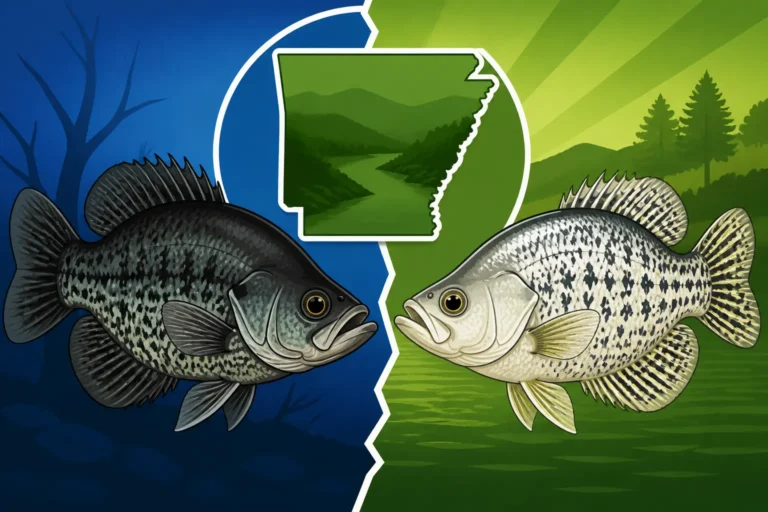
Crappie, both black and white, are arguably one of the most consistently popular fish to target in Arkansas year-round. Their schooling nature makes them incredibly fun to catch once you find them, and their delicious fillets are a reward well worth the effort. In the spring, they move into shallower waters for their spawn, becoming relatively easy targets for anglers using jigs or minnows under bobbers. As the water warms in summer, they often retreat to deeper brush piles, submerged timber, or channel edges, still schooling and ready to bite vertical presentations. Crappie Fishing Season Guide offers more in-depth information on seasonal patterns.
In the fall, crappie become quite active again as water temperatures cool, feeding heavily in preparation for winter, often found around deeper structure. Even in the dead of winter, when many other species slow down, crappie can be caught. They tend to school tightly in deep water near creek channels, timber, or artificial structures. Slowly jigging small plastics or minnows right in their faces can lead to surprisingly good catches, especially on sunny days when they might move up a bit in the water column. You might need a good sonar unit to locate these winter schools, but once you do, it can be non-stop action. Many anglers swear by Crappie Size and Daily Limit in Arkansas to ensure they're adhering to all the local rules.
Catfish: Always Hungry, Always There
If consistency is your goal, look no further than catfish. Channel, blue, and flathead catfish are voracious eaters that are active throughout the entire year in Arkansas. These powerful fish can be caught from the shallowest flats to the deepest holes, making them incredibly versatile targets. In warmer months, trotlines, jug lines, and traditional rod-and-reel fishing with stink baits, cut bait, or live bait are highly effective. They're often found cruising river channels, lake flats, and near points where current brings them food.
As temperatures drop, catfish don't disappear; they simply become a bit more sluggish and tend to congregate in deeper areas, often in slower currents or deep holes in lakes and rivers. Winter catfishing can be incredibly productive for trophy-sized blue catfish, especially in major river systems like the Arkansas River or larger reservoirs. Heavy tackle, fresh cut bait (like shad or skipjack), and patience are key. They might not bite as aggressively, but a sustained pull often means a big fish on the other end. Finding the right gear on a platform like Amazon for heavy catfish tackle can make all the difference for those colder months. Catfish Species Found in Arkansas gives a good overview of what to expect from these whiskered giants.
Bass: Adapting to the Seasons
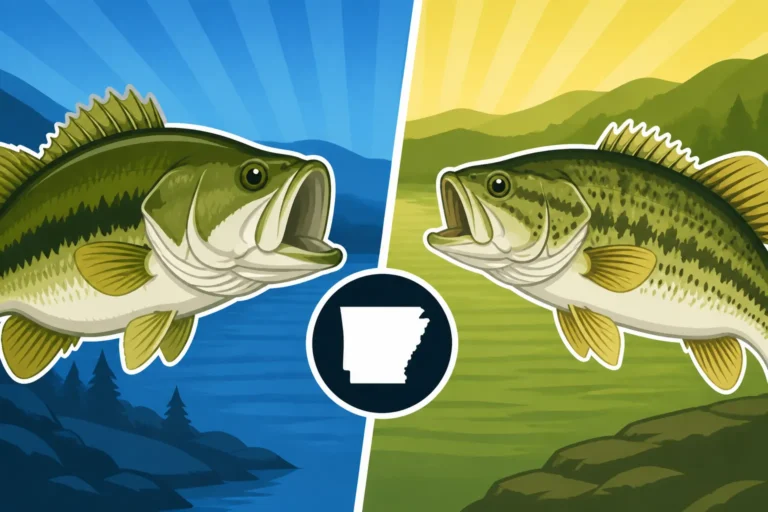
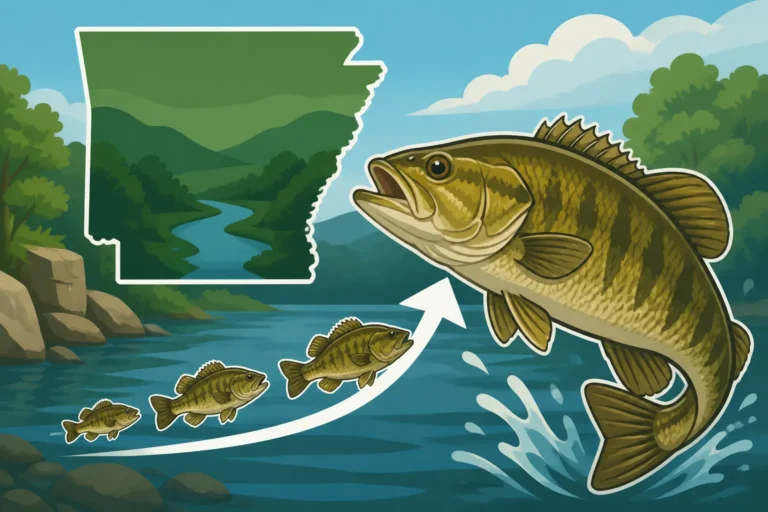
While bass fishing might have distinct peak seasons, largemouth, smallmouth, and spotted (Kentucky) bass can absolutely be caught year-round in Arkansas. It just requires a deeper understanding of their seasonal movements and feeding habits. Spring sees them in shallow waters for the spawn, hitting a wide array of lures. Summer pushes them deeper or into cover during the heat of the day, often requiring early morning, late evening, or even night fishing tactics. Fall is a fantastic time as they aggressively feed on baitfish preparing for winter.
Even in winter, bass fishing can be surprisingly good, especially on milder days. Largemouth bass will often relate to deep structure like points, humps, or channel swings, where a slow presentation of a jig, a football head, or a deep-diving crankbait can entice a bite. Smallmouth and spotted bass in their native clear, rocky streams and reservoirs will also hold in deeper pools or near current breaks. Patience and a willingness to fish slowly and thoroughly are crucial for winter bass. Anglers looking to explore different tactics might find helpful information in Bass Fishing Techniques by Season.
Here's a quick overview of year-round species:
| Fish Species | Prime Seasons | Year-Round Presence | Common Tactics & Locations |
|---|---|---|---|
| Crappie | Spring (spawn), Fall (feeding frenzy) | Yes | Deep brush piles, submerged timber, creek channels. Jigs, minnows. |
| Catfish | Summer (active), Spring/Fall (strong bite) | Yes | River channels, deep holes, flats. Cut bait, stink bait, live bait. |
| Largemouth Bass | Spring (spawn), Fall (aggressive feeding) | Yes | Varying depths/cover, deep structure in winter. Jigs, crankbaits. |
| Smallmouth Bass | Spring/Fall (active), Summer (evenings) | Yes | Rocky rivers, clear lakes, deep pools. Tubes, jigs, small crankbaits. |
| Spotted Bass | Spring/Fall (active) | Yes | Similar to largemouth, often deeper. Jigs, small swimbaits. |
| Trout | All Year (tailwaters), Spring/Fall (stockings) | Yes | Cold tailwaters, specific rivers. Flies, spinners, powerbait. |
| Bluegill/Bream | Spring/Summer (spawn, very active) | Yes | Shallow cover, docks, brush. Worms, crickets, small poppers. |
Trout: A Consistent Cold-Water Opportunity
Arkansas is famous for its incredible trout fisheries, especially in the cold-water tailwaters below our major dams. These unique environments create conditions where trout, a cold-water species, can thrive all year long, making them a premier destination for anglers seeking consistent action regardless of the season. Arkansas Trout Permit Rules is a good read if you plan on targeting these beauties.
Tailwater Fisheries: Where the Water Stays Cold
The reason trout fishing is so reliable year-round in Arkansas is due to the state's pristine tailwater fisheries. Rivers like the White River, Norfork River, and Little Missouri River are fed by the cold, oxygen-rich water released from the bottom of hydroelectric dams. This consistent cold flow keeps water temperatures stable and ideal for rainbow, brown, cutthroat, and brook trout, even in the hottest summer months. While the fish's activity might ebb and flow with generation schedules or minor temperature fluctuations, they are always present and always feeding.
This consistent cold water means you don't have to wait for a "trout season" to open or close; it's always open in these special designated waters. Whether you prefer fly fishing with delicate presentations or spinning gear with small inline spinners or PowerBait, these tailwaters offer world-class opportunities. The cooler months often bring out the biggest brown trout, while rainbow trout are typically abundant all year long, providing continuous action. Checking out Trout Fishing Below Bull Shoals Dam on the White River or Norfork Tailwater Trout Rules and Season can give you a better idea of what to expect.
Strategies for Winter Trout
Winter trout fishing in Arkansas's tailwaters can be absolutely phenomenal, often providing the chance at truly trophy-sized fish with less angling pressure. However, it does require some specific strategies. Trout tend to slow down in colder water, becoming less aggressive and often holding closer to the bottom or in slower currents to conserve energy. This means your presentation needs to be slow and deliberate.
Nymphing with small, weighted flies is a go-to for fly anglers, replicating the aquatic insects that are still active in the depths. For spin fishermen, drifting small pieces of PowerBait or a single kernel of corn on a light leader near the bottom is incredibly effective. Tiny inline spinners retrieved slowly or drifted with the current can also entice strikes. The key is to get your bait or lure down to where the fish are holding and keep it there for as long as possible. Don't be afraid to experiment with different depths and very subtle twitches. Dressing in layers and being prepared for cold, damp conditions is also essential for a comfortable and successful winter trout outing. You can find excellent base layers and waterproof outerwear on Amazon to stay warm.
Panfish: Small but Mighty, All Year Long
Often overlooked in the pursuit of larger game fish, panfish like bluegill and other bream species are fantastic year-round targets in Arkansas. They might not offer the same trophy potential as a striper or a brown trout, but their sheer abundance, willingness to bite, and suitability for anglers of all ages make them a constant joy to pursue.
Bluegill and Bream: The Family Fun Fish
Bluegill, redear sunfish (shellcrackers), and other various bream species are present in virtually every lake, pond, and slow-moving river in Arkansas. While their most aggressive bites typically occur during their prolific spawning periods in spring and early summer, they are absolutely catchable every single month. They provide consistent action and are perfect for introducing kids or novice anglers to the sport. Bluegill Fishing for Arkansas Beginners is a great resource if you're just starting out.
In the warmer months, you'll find them in relatively shallow water, around docks, lily pads, submerged brush, or other cover. A simple worm, cricket, or small beetle spin fished under a bobber is often all it takes. As the water cools, bluegill and bream will move deeper, often congregating in schools around structure like brush piles or channel edges, similar to crappie. While they might not be as eager to chase, a small piece of worm or a tiny jig presented slowly in their vicinity can still bring plenty of bites. They're resilient, plentiful, and always ready to put a bend in a light rod.
Seasonal Movements of Panfish
Understanding the seasonal movements of panfish is key to consistent success. In spring, as water temperatures rise, they move shallow to spawn, often creating visible "beds" or nests. This is a prime time for sight fishing and high catch rates. Throughout the summer, they'll seek refuge in the shade of docks, overhanging trees, or deeper brush, preferring cooler, shadier spots during the heat of the day. Early mornings and late evenings are often the best times.
Come fall, they'll become more active again, feeding heavily as they sense the approaching winter. They'll often school up and cruise shallow flats or move to the edges of deeper cover. In winter, much like crappie, they'll typically retreat to deeper, more stable water, often suspended around submerged timber or grouped tightly on the bottom of creek channels. A precise, slow presentation is necessary, but the reward of a cooler full of delicious panfish is well worth the effort. Knowing where to look for these smaller, but no less exciting, fish means you always have a reliable backup plan for a successful day on the water.
Disclaimer
This article is for general informational purposes only and does not constitute professional advice. Laws, prices and regulations vary by location and change over time. Consult a qualified professional for guidance on your specific situation.