Do Bass Bite Better Before a Storm?
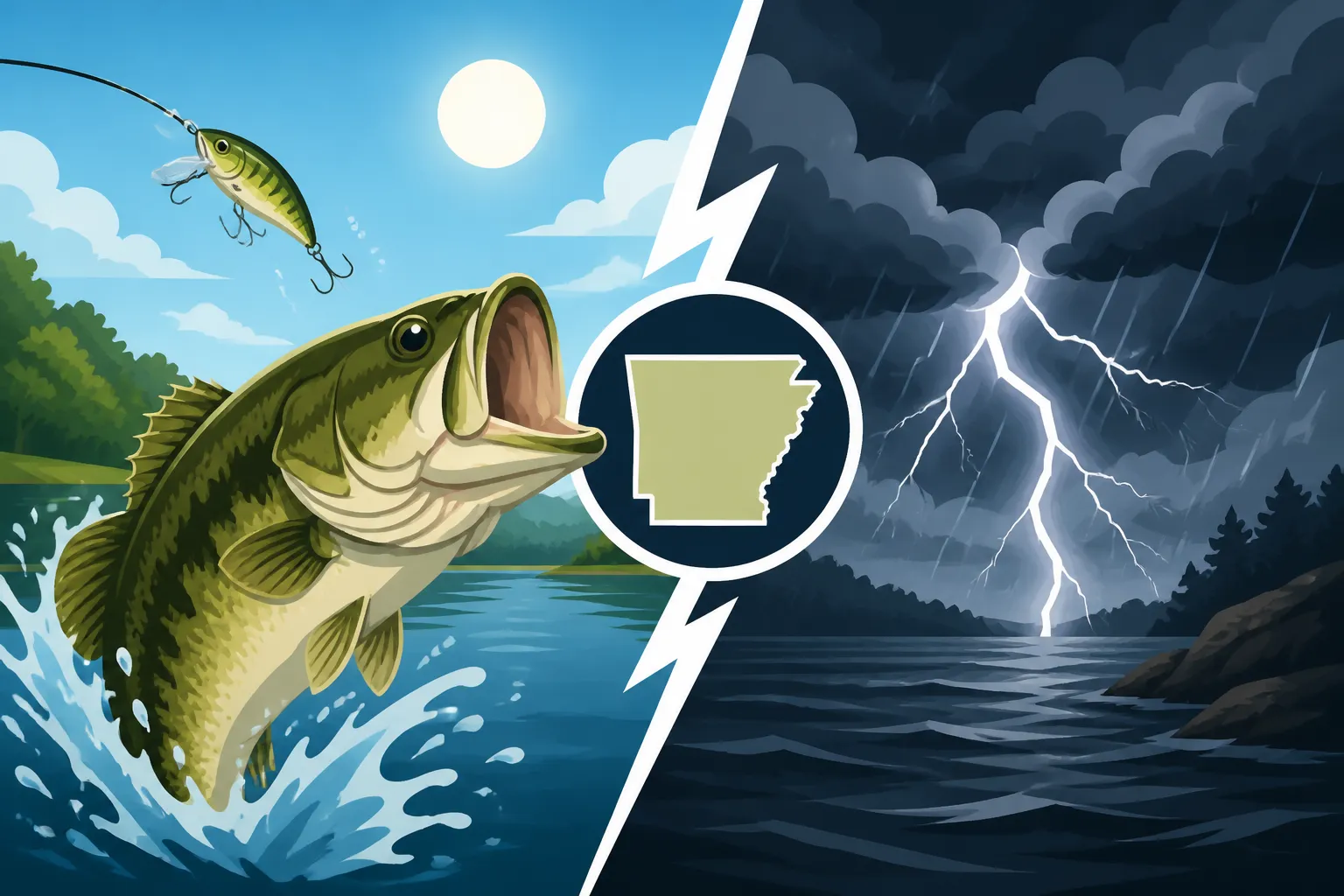
It's one of those age-old questions that every angler, from seasoned veterans to excited beginners, has pondered: Do bass really bite better before a storm? We’ve all heard the whispers, felt that electric charge in the air, and wondered if it's truly a prime window for landing a lunker. The truth is, there’s a lot more to it than just a hunch, and understanding the science and practical strategies can genuinely change your fishing game in Arkansas.
The Barometric Pressure Dance: Why Pre-Storm Conditions Matter for Bass
The idea that fish become more active before a storm isn't just an old wives' tale; there's a strong scientific basis for it, particularly when it comes to predatory fish like bass. It all boils down to changes in atmospheric pressure, a factor that profoundly influences their behavior and comfort.
The Science of Falling Pressure
Think about how you feel when a storm is brewing. Maybe you get a headache, or your joints ache. Fish experience something similar, though their reactions are far more primal and linked directly to their survival. Barometric pressure is the weight of the air pressing down on the Earth's surface, and it directly affects the pressure in the water column. As a storm approaches, barometric pressure typically begins to fall. This falling pressure isn't a sudden drop but a gradual descent that signals a significant change in the fish's environment.
For bass, this change in pressure can be a catalyst. Their swim bladders, which are gas-filled organs used for buoyancy, are sensitive to these changes. A rapid drop in external pressure can make them feel uncomfortable, creating an urge to equalize the pressure. More importantly, this drop often corresponds with a period of increased feeding activity as they sense the impending weather shift. They know that once the storm hits, feeding opportunities might become scarce or more difficult. This leads to what many anglers call the "pre-front bite"—a frenzied period where bass are actively looking for food before conditions get tough.
How Bass Respond to Changing Conditions
When the barometric pressure starts to fall, bass often move from deeper, more stable water into shallower areas. Why? Shallower water often has more oxygen and prey species, and the bass might be looking to take advantage of the last good feeding opportunity. They become more aggressive, less wary, and generally more inclined to strike at a well-presented lure. This behavioral shift is crucial for anglers to understand. It means that the techniques and locations that work best on a calm, sunny day might not be as effective when a storm is brewing. Instead, you need to adjust your approach to match the bass's heightened activity and changed positioning.
Furthermore, pre-storm conditions often bring other favorable elements for bass fishing, such as increased cloud cover and a slight chop on the water. The clouds diffuse direct sunlight, making bass less light-sensitive and more willing to venture out of heavy cover. The chop on the surface breaks up the water, reducing visibility for both angler and fish, which can make your lure presentations more natural and less intimidating. This combination of falling pressure, increased aggression, and favorable surface conditions creates a brief but often highly productive window for anglers. Learning to anticipate these Arkansas Fishing Seasons Guide can greatly improve your success.
Gear Up and Go: Strategic Fishing Before a Storm Hits
Alright, so the science says yes, there’s a real chance for an epic bite. But knowing why isn't enough; you need to know how to capitalize on it. Fishing before a storm requires a strategic approach to your bait, lures, and choice of fishing spots.
Lure and Bait Choices for Aggressive Bass
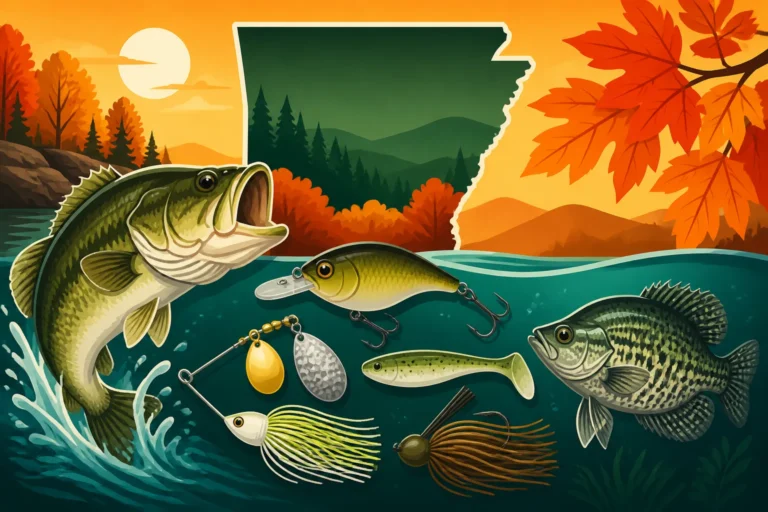
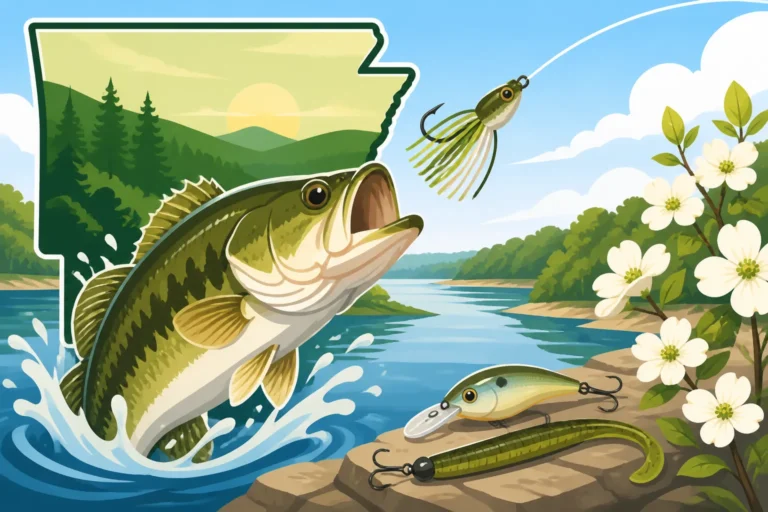
When bass are in that pre-storm feeding frenzy, they're often less picky and more willing to chase. This means you can often get away with more aggressive presentations and larger, flashier lures. Think about lures that displace a lot of water and create a commotion. Spinnerbaits, chatterbaits, and crankbaits that mimic fleeing baitfish are excellent choices. Their vibration and flash can trigger an impulse strike from an actively feeding bass. You might also find success with topwater lures like poppers or walking baits, especially if there's a good chop on the water to mask your retrieve. The bass are looking to fill their bellies, and a noisy, easy target is hard to resist.
For those who prefer live bait, shiners, shad, or even large nightcrawlers can be incredibly effective. The natural movement and scent can be irresistible to bass that are already in a heightened feeding state. Don't be afraid to use a slightly larger bait than usual; bigger meals appeal to hungry, aggressive fish. Checking out a comprehensive guide on Best Bait for Bass by Season can give you more specific ideas based on the time of year. Remember, the goal is to present something that looks like an easy, high-calorie meal before the storm makes hunting harder. You can find a huge variety of these lures and baits, and even quality fishing line, on platforms like Amazon.
Prime Fishing Locations in Changing Weather
As mentioned, bass tend to shift their locations as barometric pressure falls. They often move shallower, congregating around structure where they can ambush prey. This means targeting points, submerged humps, weed lines, and transition areas between deep and shallow water. If you're on a lake like Lake Ouachita or Bull Shoals Lake, look for areas where a creek channel meets a shallow flat. These are natural highways for baitfish moving into warmer, shallower water, and bass will be right there waiting.
Don't overlook visible cover either, like fallen trees, docks, or rocky outcroppings. Bass use these as ambush points. The cloud cover associated with pre-storm conditions also makes them bolder, allowing them to move out from the deepest parts of their cover. So, don't just cast at the very edge of a weed line; try casting into the thicker parts or directly at a submerged stump. Focusing on Best Bass Fishing Spots on Bull Shoals Lake or similar specific locations can help you zero in on productive areas. The window of opportunity can be short, so moving quickly and covering water efficiently is key. A good fish finder can be invaluable for identifying these structures, and you can find many models and accessories on Amazon.
Here's a quick look at how bass behavior generally aligns with weather patterns:
| Weather Stage | Barometric Pressure | Bass Activity Level | Recommended Lure Types | Key Locations to Target |
|---|---|---|---|---|
| Pre-Storm | Falling | High – Aggressive | Spinnerbaits, Crankbaits, Chatterbaits, Topwater | Shallow points, weed lines, creek mouths, visible cover |
| During Storm | Low/Unstable | Low – Seeking Shelter | None (safety first!) | Deep cover, under heavy vegetation, docks |
| Post-Storm | Rising | Moderate – Recovering | Jigs, Worms, Slower Crankbaits | Near structure, slightly deeper ledges, muddier areas |
| Stable/Clear Skies | High/Stable | Moderate – Normal | Varied; depend on season and depth | Deeper structure, main lake points, submerged humps |
Don't Get Caught Out: Prioritizing Safety on the Water
While the pre-storm bite can be exhilarating, it's absolutely critical to prioritize your safety. No fish is worth risking your life. Storms, especially in Arkansas, can develop and intensify rapidly, turning a pleasant outing into a dangerous situation in minutes.
Reading the Sky: Identifying Storm Signals
Learning to read the weather is an essential skill for any angler. Before you even head out, check the local forecast, but understand that conditions can change. Keep an eye on the sky for classic storm indicators: rapidly darkening clouds, especially those with an anvil shape (cumulonimbus clouds), a sudden drop in temperature, increased wind speed, and that heavy, humid feeling in the air. Distant thunder, even if barely audible, means lightning is within striking distance. Remember the "flash-to-bang" rule: count the seconds between a lightning flash and the thunder, then divide by five to estimate distance in miles. If it's 30 seconds or less, the storm is 6 miles away or closer, and you need to get off the water immediately.
It’s also wise to have a portable weather radio or a reliable weather app on your phone. Many dedicated fishing apps integrate real-time radar, which can be a lifesaver. You can find compact, battery-powered weather radios on Amazon that are perfect for a tackle box. These tools provide warnings that might not be visible from your immediate location, giving you crucial extra time to react. Being prepared for sudden shifts in weather is part of mastering Arkansas Fishing Regulations Guide and safe angling.
Essential Safety Gear and When to Head Home
Beyond checking the weather, having the right safety gear is non-negotiable. Always wear a PFD (personal flotation device) or have one readily accessible, especially if you're in a boat. A fully charged cell phone in a waterproof case, a first-aid kit, spare batteries, a whistle, and a bright light are also critical. If you're on a larger vessel, make sure your boat is equipped with all required safety equipment.
The most important safety rule, however, is knowing when to call it a day. If the sky looks threatening, if you hear thunder, or if the wind starts to pick up significantly, it’s time to pack it in. That "hot bite" isn't worth being caught in a sudden downpour, high winds, or worse, a lightning storm. Head for shore and seek substantial shelter. Even if the rain seems light, lightning can strike far from the center of a storm. A wise angler knows that tomorrow is another day to fish, and returning home safely is always the biggest catch. This preparedness is key, whether you're fly fishing the White River or exploring Best Lakes in Arkansas for Bass, Crappie, and Catfish.
The Aftermath: Fishing Opportunities Post-Storm
So, the storm has passed, the sun is trying to peek through, and you're wondering what happens now. Is the bite still on, or did the fish get spooked and shut down? Fishing after a storm is a different ballgame than fishing before it, but it can still be incredibly productive.
Understanding Post-Storm Bass Behavior
Immediately after a major storm, especially one with heavy rain, the water conditions can change dramatically. Water levels might rise, and turbidity (muddiness) often increases, particularly in tributary arms and shallow coves. The sudden influx of fresh, cooler water and runoff can affect water temperature and clarity, pushing baitfish—and consequently, bass—to different areas. Bass often become a bit disoriented or lethargic immediately following intense weather. They may retreat to deeper, more stable water or hug tight to heavy cover to escape the turbulence.
However, once the immediate shock wears off and conditions begin to stabilize, bass will often start feeding again. The rising barometric pressure after a storm can sometimes trigger another wave of activity, though typically not as frenzied as the pre-storm bite. Look for areas where runoff brings in new nutrients or washes in terrestrial prey like worms and insects. Creek mouths, culverts, and points where stained water meets clearer water can be hotspots. The key is to adapt your presentation to potentially lower visibility and a less aggressive fish. Consider using jigs, Texas-rigged worms, or slower-moving crankbaits in darker colors that provide a strong silhouette in murky water. For more on how fish react, check out Cold Front Fishing Techniques.
Targeting Structure and Recovery Zones
After a storm, bass often relocate to specific types of structure that offer protection and renewed feeding opportunities. Docks, laydowns, and brush piles that were already holding fish before the storm might continue to do so, providing cover from currents and a stable environment. Focus on fishing these structures thoroughly, perhaps with a slower, more deliberate retrieve. Bass might be tucked deep into cover, conserving energy, so a lure that can be worked slowly through dense areas is ideal.
Also, pay attention to current seams. If the storm caused increased water flow, bass will often position themselves just out of the main current, waiting for easy meals to be washed downstream. This is particularly true in rivers like the Arkansas River or tailwater fisheries. A guide like Bass Fishing Techniques by Season can help you pinpoint the best strategies for bass depending on various conditions. While the bite might not be as explosive as before the storm, the fish are still hungry, and a patient, well-adapted approach can lead to excellent post-storm catches. Don't forget a good pair of polarized sunglasses, available on Amazon, to help you spot submerged structure in the recovering waters.
Putting It All Together for Your Arkansas Fishing Trip
So, does that age-old question hold up? Absolutely! Bass often do bite better before a storm, driven by the subtle yet profound changes in barometric pressure. This pre-front activity is a golden opportunity for anglers willing to brave the changing weather, adapt their techniques, and most importantly, prioritize their safety.
Understanding the science behind fish behavior, choosing the right lures for aggressive bass, and knowing where to find them in shifting conditions are all part of the puzzle. From the clear waters of Beaver Lake to the rich fisheries of Lake Conway, Arkansas offers incredible bass fishing opportunities year-round. Whether you're targeting Largemouth Bass Daily Limit in Arkansas or hoping for a trophy smallmouth, being attuned to the weather can give you a significant edge.
Always remember that fishing is about more than just catching fish; it's about connecting with nature, understanding the intricate balance of the ecosystem, and enjoying the great outdoors. So, the next time you feel that unique energy in the air before a storm, grab your gear, be smart about safety, and get ready for what could be an unforgettable day on the water. Just make sure you know Arkansas Fishing License Requirements for Out-of-State Anglers if you're visiting! And for residents, always confirm you have your Resident Annual Fishing License Cost in Arkansas squared away.
Disclaimer
This article is for general informational purposes only and does not constitute professional advice. Laws, prices and regulations vary by location and change over time. Consult a qualified professional for guidance on your specific situation.