Crappie Fishing Guides on Arkansas’s DeGray Lake
Trying to figure out the best way to tackle crappie fishing on a massive and diverse body of water like DeGray Lake can feel pretty overwhelming, especially if you're not a local. Between finding the hotspots, understanding the crappie's seasonal movements, and picking the right baits, it's easy to get frustrated. This comprehensive guide will walk you through everything you need to know about hiring a crappie fishing guide on DeGray Lake to ensure you have a successful and enjoyable trip, taking the guesswork out of the equation.
Why Hire a Crappie Fishing Guide for DeGray Lake?
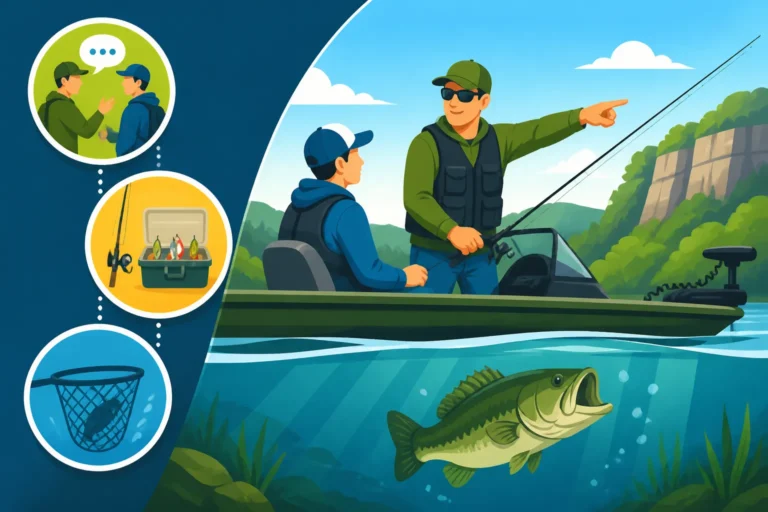
DeGray Lake, with its deep, clear waters and abundant timber, is a crappie angler's dream, but it's also a complex fishery. It's not like dropping a line in a farm pond; this lake demands a nuanced approach. Many folks come here expecting to just show up and start reeling them in, only to find themselves driving around endlessly or sitting on unproductive spots. That's where a seasoned crappie fishing guide truly shines. They're not just taking you for a boat ride; they're providing a shortcut to success, experience, and knowledge that would take you years to acquire on your own.
Navigating a New Lake
Imagine pulling up to a new lake you've never fished before. You see miles of shoreline, countless coves, and deep channels. Where do you even begin looking for crappie? It's a common dilemma. DeGray Lake spans thousands of acres, boasting a diverse underwater landscape with submerged timber, brush piles, rock formations, and ledges. Without intimate knowledge of these features, you could spend an entire day, or even several days, just trying to locate fish.
A local crappie guide has spent countless hours on DeGray Lake, meticulously mapping out productive areas and understanding how water levels, temperature, and current affect fish location. They know the subtle humps that hold slab crappie in the summer, the shallow timber where they spawn in the spring, and the deep channels where they congregate in winter. This expertise saves you invaluable time and fuel, putting you on fish faster and more consistently. They've already done the hard work of scouting, so you can focus on the fun part: fishing.
Unlocking Crappie Patterns and Hotspots
Crappie are creatures of habit, but their habits change with the seasons and even the time of day. What works in April might not work in August, and what's effective at dawn could be useless by midday. Understanding these patterns is key to consistent crappie catches on DeGray Lake. For example, during the Arkansas Crappie Spring Spawn Pattern, crappie move into shallow areas to lay their eggs, often around submerged brush or cypress trees. However, pinpointing which brush piles or trees are active can be tricky.
A good guide doesn't just know where the fish are; they know why they're there and what they're doing. They understand how factors like recent rainfall, water clarity, and even barometric pressure influence crappie behavior. They can read their electronics to identify schools of fish, differentiate between crappie and other species, and even tell you if those fish are active or finicky. This kind of real-time interpretation is invaluable, allowing them to adjust tactics on the fly and keep you on biting fish throughout your trip.
Learning Advanced Techniques
Crappie fishing isn't always as simple as a bobber and a minnow, especially when targeting larger, more elusive fish or when the bite gets tough. There's a wide array of techniques that can be incredibly effective, from slow trolling jigs to vertical jigging deep timber, spider rigging, or even shooting docks. For an angler new to DeGray Lake or crappie fishing in general, mastering these techniques can be a steep learning curve.
A guide can not only demonstrate these techniques but also provide personalized coaching. They'll teach you how to properly present a jig, feel subtle bites, and interpret what your electronics are telling you. This hands-on learning experience is far more effective than watching videos or reading articles. You'll leave the trip with new skills and confidence, making you a more effective angler on your future solo trips to DeGray Lake or any other crappie fishery. It's an investment in your own fishing education.
What to Expect from a DeGray Lake Crappie Guide Trip
So, you've decided to book a guide – excellent choice! But what does a typical day look like? It's natural to have questions, especially if this is your first time embarking on a guided fishing adventure. Understanding the common structure and offerings of these trips can help you set realistic expectations and ensure you're prepared for an enjoyable outing on DeGray Lake.
Typical Trip Inclusions
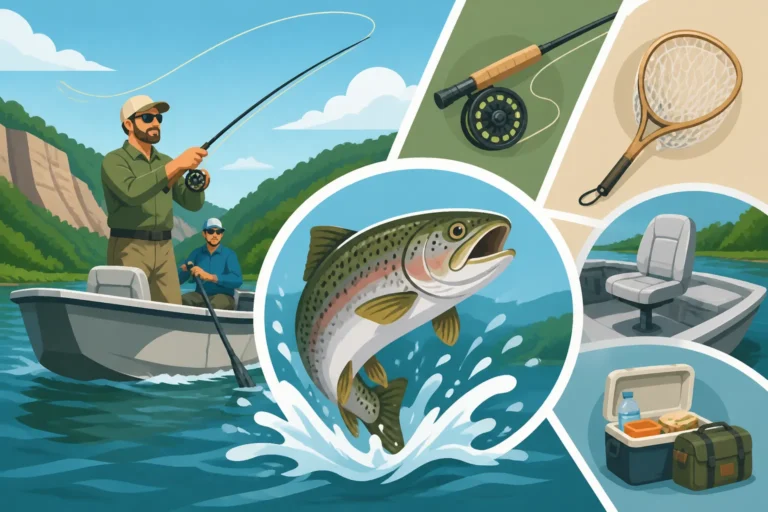
Most crappie fishing guides on DeGray Lake aim to make your experience as hassle-free as possible. This means they usually provide the essentials, so you don't have to worry about bringing your entire tackle box or an arsenal of rods. Generally, you can expect the guide to supply a fully equipped boat, including life vests, fishing rods, reels, and all the terminal tackle you'll need, like jigs, hooks, sinkers, and sometimes even live bait such as minnows or crickets. This is a huge benefit, as guides invest in high-quality, specialized gear perfectly suited for the local crappie.
Beyond the gear, a guide also brings their extensive knowledge of the lake and crappie behavior. They'll handle the boat navigation, fish finding, and often even help you bait hooks and remove fish. Some guides might even offer to clean and bag your catch at the end of the day, which is a fantastic perk after a successful trip. It's always wise to confirm these specifics when you book, as offerings can vary slightly from one guide service to another. Knowing what's included helps you pack smart and focus purely on the fishing.
Half-Day vs. Full-Day Options
When it comes to booking your DeGray Lake crappie trip, you'll typically have the choice between a half-day or a full-day excursion. Each option has its own advantages, and the best choice often depends on your budget, schedule, and how much fishing you want to squeeze in. A half-day trip usually lasts around four to five hours, making it a great option for families with young children, beginners, or those with other plans for the day. It's enough time to get a good feel for crappie fishing on DeGray and often results in a nice mess of fish for dinner.
Full-day trips, on the other hand, usually run for eight hours or more. These longer excursions offer more flexibility for the guide to cover different areas of the lake, adapt to changing conditions, and try various techniques. If you're serious about learning, targeting trophy crappie, or simply want more time on the water, a full-day trip is usually the better investment. It allows for a more comprehensive experience, more opportunities to catch fish, and deeper insights into the fishery. For those truly committed to a deep dive into DeGray Lake Crappie Fishing Guide, the full-day trip often provides the most value.
Gear and Bait Considerations
While your guide will supply the main fishing equipment, there are a few things to consider regarding your personal gear and bait preferences. Most guides have a preferred setup for crappie fishing on DeGray Lake, often using light to medium-light action spinning rods with sensitive tips, spooled with light monofilament or fluorocarbon line. They'll have a variety of jigs in different colors and sizes, as well as live minnows if that's their chosen bait. You might have a favorite lure or technique you want to try, and it's always good to communicate that with your guide beforehand.
If you have specific dietary needs, bring your own snacks and drinks, as these are rarely included. For clothing, always dress in layers, as mornings on DeGray Lake can be cool even in warmer months, and the sun can be intense later in the day. Don't forget sunscreen, a hat, and polarized sunglasses to cut glare and help you see into the water. Having a small cooler for your personal items and, later, your fillets, is also a smart move. Remember, a good guide will communicate what you should bring, so don't hesitate to ask when you book.
| Item | Half-Day Trip | Full-Day Trip | Notes |
|---|---|---|---|
| Duration | 4-5 hours | 8+ hours | Flexible start times |
| Boat & Fuel | Included | Included | Guide's vessel and expertise |
| Rods & Reels | Included | Included | Typically light action crappie setups |
| Tackle (Jigs, Hooks) | Included | Included | Variety of colors, sizes |
| Live Bait (Minnows) | Usually Included | Usually Included | Confirm when booking |
| Life Vests | Included | Included | Required by law |
| Fish Cleaning | Often Offered | Often Offered | Confirm if this is a priority |
| Food & Drink | Bring Your Own | Bring Your Own | Pack sufficient hydration and snacks |
| Fishing License | Required | Required | Purchase beforehand, not included |
| Sun Protection | Essential | Essential | Sunscreen, hat, sunglasses |
Finding the Right Crappie Guide for DeGray Lake
The success of your guided crappie fishing trip hinges largely on the guide you choose. It’s not just about finding someone with a boat; it’s about finding a knowledgeable, personable, and passionate professional who can put you on fish and enhance your overall experience. With so many options out there, it can be a bit like trying to pick out the perfect lure from a crowded tackle shop.
Researching Local Guides and Their Expertise
The first step in finding the right guide is to do your homework. Start by looking for guides who specialize in crappie fishing on DeGray Lake specifically. Many guides might fish multiple species or bodies of water, but someone who focuses on DeGray's crappie fishery will have the most up-to-date knowledge on seasonal patterns, current hotspots, and effective techniques. You want someone who lives and breathes crappie on this particular lake.
Look for guides with a strong online presence, whether it's through their own website, social media, or reputable booking platforms. Pay close attention to client testimonials and reviews. Do previous clients rave about their knowledge, patience, and ability to find fish? Are there consistent comments about successful crappie trips? Websites like FishingBooker are excellent resources for comparing guides, reading verified reviews, and getting a sense of a guide's particular strengths. It's like having a trusted friend recommend someone, but with a much larger pool of opinions.
Questions to Ask Before Booking
Once you've narrowed down a few potential guides, don't hesitate to reach out and ask questions. This initial conversation is crucial for assessing their personality, professionalism, and whether they're a good fit for your group. Here are some key questions to consider:
- What is your experience specifically crappie fishing on DeGray Lake? This helps confirm their expertise.
- What type of boat and equipment do you use? Ensure it’s suitable for crappie fishing and your comfort.
- What techniques do you typically employ for crappie on DeGray Lake? This can give you an idea of their approach.
- What's included in the trip price (bait, tackle, fish cleaning)? Clarify expectations.
- What do I need to bring (license, food, drinks, rain gear)? Get a clear packing list.
- What is your cancellation policy? Understand what happens if weather or other issues arise.
- Are you licensed and insured? This is non-negotiable for your safety and peace of mind.
A good guide will be happy to answer all your questions thoroughly and patiently. This pre-booking communication is vital, as it builds rapport and ensures everyone is on the same page for your upcoming adventure. Remember, you can find many DeGray Lake guides listed on platforms like FishingBooker, where these details are often clearly laid out, making comparisons easier.
Booking Platforms and Recommendations
In today's digital age, booking a fishing guide is often just a few clicks away. Online booking platforms have revolutionized the process, making it incredibly convenient to find and secure a guide. FishingBooker is a prime example, serving as a comprehensive directory for fishing charters and guides worldwide, including many reputable operators on DeGray Lake. These platforms offer several advantages:
- Visibility: You can browse numerous guides in one place, compare their profiles, photos, and trip offerings.
- Verified Reviews: Most platforms feature reviews from actual customers, providing honest insights into a guide's performance and customer service. This is invaluable for gauging reliability and success rates.
- Streamlined Booking: The booking process is usually straightforward, with secure payment options and instant confirmations.
- Customer Support: Many platforms offer customer support in case you encounter any issues before or during your trip.
While platforms like FishingBooker are fantastic resources, don't forget the power of local recommendations. Ask at bait shops, marinas, or even local restaurants around DeGray Lake. Sometimes the best guides are those with a strong word-of-mouth reputation within the local angling community. Combining online research with local insights will give you the best chance of finding a truly exceptional crappie guide.
Maximizing Your Guided Crappie Fishing Experience
Booking a guide is just the first step. To truly get the most out of your DeGray Lake crappie fishing trip, a little preparation and thoughtful interaction can go a long way. It's about being a proactive and engaged participant, not just a passenger, to ensure both you and your guide have a productive and enjoyable day on the water.
Preparing for Your Trip
Once your trip is booked, preparation is key to a smooth and successful outing. First and foremost, make sure you have your Arkansas Fishing License Rules and Costs in order. Every angler, regardless of age, needs a valid fishing license unless specifically exempt (like during the Arkansas Free Fishing Weekend Guide). You can usually purchase these online or at local sporting goods stores. Your guide will expect you to have it.
Beyond the license, think about comfort and safety. Check the weather forecast for the day of your trip and dress accordingly. Layers are always a good idea, as temperatures can change quickly on the water. Bring rain gear even if rain isn't in the forecast – better safe than soaked! Don't forget essentials like sunscreen, a hat, polarized sunglasses (they significantly reduce glare and help you see fish better), and any personal medications you might need. Pack enough water and snacks, especially for a full-day trip, as fishing can build up an appetite. Finally, ensure your phone or camera is fully charged to capture those memorable moments and trophy crappie.
Interacting with Your Guide
Your guide is your partner for the day, and open communication is vital. Don't be afraid to ask questions! If you're unsure about a technique, want to know why the guide chose a particular spot, or simply have questions about DeGray Lake and its fish, speak up. Most guides genuinely enjoy sharing their knowledge and passion. This interaction is how you'll learn the most from your trip.
Be honest about your fishing experience level. If you're a complete beginner, let your guide know so they can tailor their instruction and patience accordingly. If you have specific goals, like wanting to learn a new technique or targeting larger crappie, communicate that at the beginning of the trip. Remember to listen attentively to their instructions and follow their lead; they're the experts on this water. A positive, respectful attitude goes a long way in making the day enjoyable for everyone.
Understanding Local Regulations and Catch Limits
Fishing responsibly is paramount, and your guide will be well-versed in all the current regulations for DeGray Lake. However, it's always a good idea to have a basic understanding yourself. For crappie in Arkansas, there are generally specific size and daily limits that anglers must adhere to. For instance, Crappie must be 9 inches or longer to keep in Arkansas in most statewide waters, and the Statewide crappie daily limit is 20 fish in most Arkansas waters.
Your guide will help you measure fish and ensure you stay within the legal limits. They understand that conservation is crucial for the future of the fishery, and they practice ethical angling. If you're planning to keep your catch, ask your guide about their preferred method for handling and storing fish to keep them fresh throughout the day. Adhering to these rules not only keeps you compliant with the law but also contributes to the health and sustainability of DeGray Lake's fantastic crappie population.
DeGray Lake Crappie: A Primer for Anglers
Before you even step on the boat, having a basic understanding of the crappie species in DeGray Lake and their general behavior can significantly enhance your appreciation for the guided experience. Knowing what you're targeting and why certain techniques or locations are chosen can make the learning process even more engaging.
Target Species: Black and White Crappie
DeGray Lake is home to both black crappie and white crappie, though you'll often hear anglers simply refer to them collectively as "crappie" or "slabs." While they are close relatives and often found in similar habitats, there are subtle differences in their appearance and preferences. Black crappie typically have a darker, more mottled coloration, with seven or eight dorsal spines. They tend to prefer clearer water and more abundant vegetation or submerged timber.
White crappie, on the other hand, usually have more distinct vertical bars on their silvery sides and fewer dorsal spines, typically five or six. They are often more tolerant of turbid water and frequently found around brush piles, stumps, or along creek channels. Both species are highly sought after for their delicious white meat and the exciting fight they put up on light tackle. Your guide will be able to easily identify which species you're catching and will adjust strategies based on which one is biting best on any given day. If you're curious about distinguishing them, a guide can point out the key differences between Black Crappie vs White Crappie in Arkansas as you catch them.
Seasonal Crappie Behavior
Crappie behavior on DeGray Lake is heavily dictated by the seasons, primarily influenced by water temperature. Understanding these seasonal shifts is fundamental to finding them.
- Spring (Pre-Spawn & Spawn): This is often considered prime time. As water temperatures rise into the 50s and 60s, crappie move from deeper wintering holes into shallower areas to stage for spawning. They'll be found around submerged timber, brush, boat docks, and shallow points. The spawn itself happens when water temps hit the mid-60s. This is when they're most accessible in shallow water.
- Summer: Once the spawn is over and water temperatures warm significantly, crappie generally move deeper. They'll seek out cooler water and shade, often suspending over deep timber, along creek channels, or congregating around man-made brush piles at depths of 15-30 feet or more. Night fishing can also be highly productive during summer, as crappie move shallower to feed under the cover of darkness.
- Fall: As water temperatures begin to cool, crappie become more active and start feeding aggressively, preparing for winter. They'll often move back into shallower to mid-depth areas, sometimes relating to baitfish schools. This can be a fantastic time for consistent catches, as they feed heavily.
- Winter: In the coldest months, crappie typically retreat to deeper, stable water. They'll school up tightly in large groups, often suspending over deep timber, along creek channels, or in deep pockets, usually near the bottom. Slower, more precise presentations are often required to entice a bite. Your guide knows these transitions intimately, which is why a guided trip can be so successful regardless of the time of year. Knowing When Do Crappie Spawn in Arkansas is a key piece of information your guide will leverage.
Key Crappie Habitats on DeGray Lake
DeGray Lake offers a variety of habitats that crappie call home. Its clear waters mean submerged structures are often visible with good electronics. Some of the most productive areas include:
- Submerged Timber and Brush Piles: DeGray Lake is known for its extensive standing timber, especially in certain creek arms. Crappie absolutely love to hide and ambush baitfish in these underwater forests. Local guides often maintain their own secret brush piles, creating artificial habitats that attract large numbers of crappie.
- Creek Channels and Ledges: Old creek and river channels that wind through the lake provide natural highways and depth changes that crappie utilize year-round, especially in deeper water during colder months. Ledges and drop-offs where shallow water abruptly meets deeper water are also prime feeding and holding areas.
- Docks and Marinas: Many crappie will congregate under boat docks and around marina structures, particularly those with brush piles installed beneath them. These areas offer shade, cover, and often attract baitfish.
- Roadbeds and Bridges: Submerged roadbeds and bridge pilings offer hard structure and provide current breaks or depth changes that crappie will relate to. These can be overlooked but highly productive spots.
Your guide will have an intimate knowledge of these specific features across DeGray Lake, taking you directly to the most productive spots rather than having you randomly searching. This specialized knowledge of "honey holes" is a major reason why booking a guide for Where to Catch Crappie on DeGray Lake is so beneficial.
Cost and Value of a DeGray Lake Crappie Guide
When considering a guided fishing trip, one of the first questions that comes to mind for many anglers is, "How much does it cost?" While specific prices can vary, understanding the factors that influence pricing and the value you receive can help you make an informed decision and see that it's often an investment rather than just an expense.
Understanding Pricing Factors
The cost of a DeGray Lake crappie fishing guide trip is influenced by several factors. Generally, you'll find prices vary based on:
- Trip Duration: Half-day trips are naturally less expensive than full-day trips. An Half-Day White River Trout Trips in Arkansas often has a different price point than a full-day, and the same applies to crappie trips.
- Number of Anglers: Most guides price their trips for two anglers, with an additional fee for each extra person, up to their boat's capacity. Bringing a third or fourth angler will increase the total cost, but may reduce the per-person price.
- Seasonality: Peak fishing seasons, like the spring crappie spawn, might see slightly higher rates due to demand.
- Guide's Experience and Reputation: Highly sought-after guides with years of proven success and a strong reputation may command higher fees. Their expertise is a valuable commodity.
- Inclusions: Trips that include live bait, fish cleaning, or top-tier equipment might be priced higher to cover those costs.
Always get a clear quote from the guide or booking platform (like FishingBooker) that details what's included and any potential extra costs. Transparency upfront prevents any surprises later.
Is a Guide Worth the Investment?
This is a question many anglers wrestle with, especially those on a budget. Is a guided trip truly worth the money? For crappie fishing on a lake like DeGray, the answer is often a resounding yes, particularly for out-of-towners or those new to the fishery. Consider the alternative: you could spend days driving around, burning expensive fuel, buying tackle that might not work, and ultimately returning to the ramp with an empty livewell and a deflated spirit.
A guide drastically minimizes that risk. They provide:
- Time Savings: No wasted hours searching for fish; you're on productive spots quickly.
- Increased Success: A much higher probability of catching fish, often limits of quality crappie.
- Learning Opportunity: Invaluable instruction on techniques, crappie behavior, and reading the water. You'll become a better angler.
- High-Quality Equipment: Access to specialized gear perfectly suited for the conditions.
- Local Knowledge: Insights into the lake that are impossible to gain without years of experience.
When you factor in the cost of fuel, bait, tackle, and your precious time, a guided trip can quickly appear as a highly efficient and rewarding investment in your fishing enjoyment and education. It's often the "cheapest way to fish legally as a visitor to Arkansas" successfully.
Tipping Your Guide
Once your fantastic day of crappie fishing on DeGray Lake is complete, a common question arises: how much should you tip your guide? Tipping fishing guides is standard practice in the industry and is a way to show appreciation for their hard work, expertise, and dedication to ensuring you have a great trip. Guides rely on these gratuities as a significant portion of their income.
While there's no strict rule, a general guideline is to tip between 15% and 20% of the total trip cost. If your guide went above and beyond – maybe they stayed out a little longer, cleaned your fish meticulously, were incredibly patient, or taught you a ton – a tip closer to 20% or even a bit more is certainly warranted and appreciated. If the trip was just "okay," but the guide still worked hard, 10-15% is still a good gesture. Always tip in cash if possible. It’s a direct and immediate thank you for their efforts. For more detailed information, you can always refer to resources on Tipping Your Fishing Guide in Arkansas.
Disclaimer
This article is for general informational purposes only and does not constitute professional advice. Laws, prices and regulations vary by location and change over time. Consult a qualified professional for guidance on your specific situation.