Where to Catch Crappie on DeGray Lake
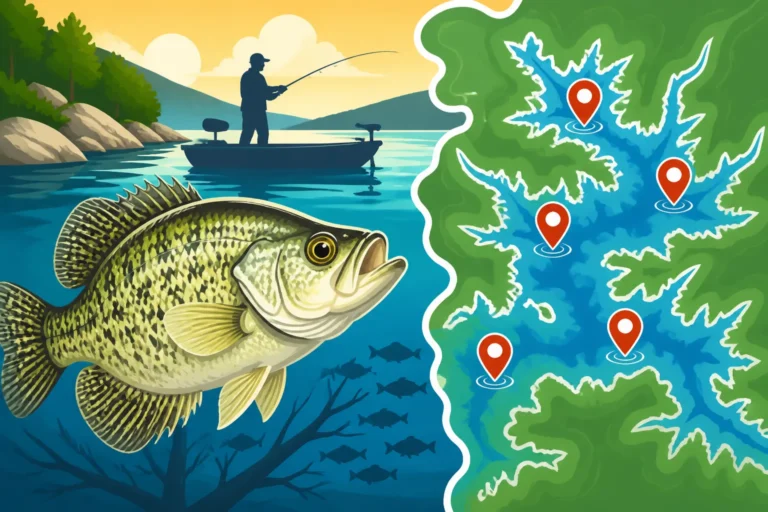
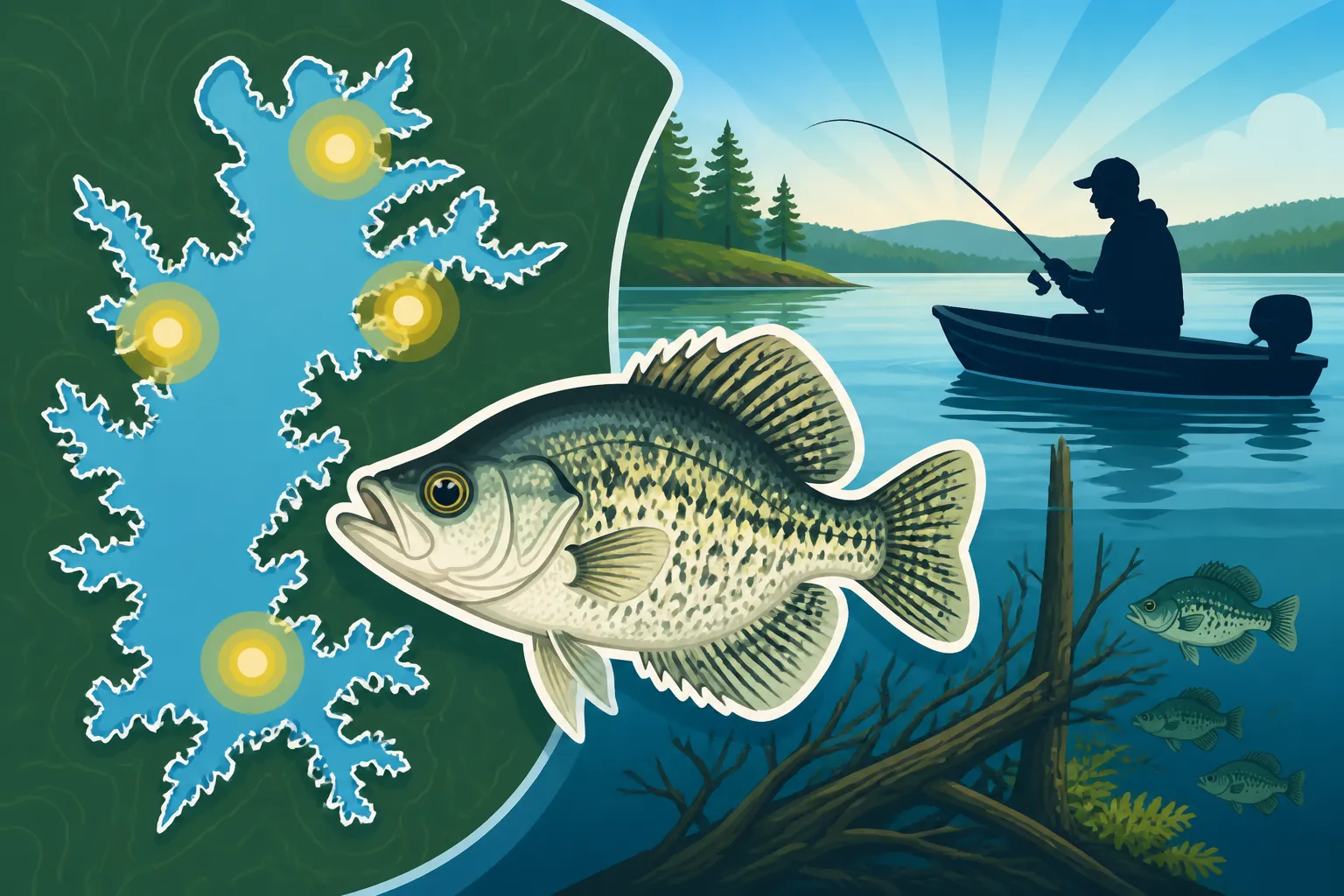
DeGray Lake is a fantastic fishery, but if you've ever found yourself staring at that vast expanse of water, wondering exactly where to drop your line for crappie, you're not alone. It can feel like finding a needle in a haystack, especially with so many hidden coves and submerged features. This comprehensive guide is designed to cut through that frustration, pinpointing the best spots and strategies to help you consistently land slab crappie on DeGray Lake, turning those head-scratching moments into triumphant catches.
Understanding DeGray Lake's Unique Crappie Habitat
DeGray Lake, located in west-central Arkansas near Arkadelphia, is a U.S. Army Corps of Engineers impoundment known for its clear, deep waters and abundant timber. This unique blend of characteristics creates a specific environment that crappie absolutely thrive in, but it also means you can't just fish it like any old muddy river system. The crappie here are often drawn to structure, and understanding the lake's composition is your first step to success.
The Lake's Structure and Its Impact on Crappie
DeGray Lake is known for its incredible clarity, a characteristic that often pushes crappie a bit deeper than you might find them in muddier waters. The lake bed itself is quite varied, featuring old creek channels, submerged timber, rock ledges, and plenty of standing trees that were left when the lake was flooded. This rich underwater topography provides countless hiding spots and ambush points for crappie. Unlike some other lakes where crappie might roam more freely, DeGray's crappie tend to be tightly associated with structure, seeking protection and forage among the submerged trees and brush. This means your sonar and mapping tools become invaluable for identifying those hidden groves where slabs hang out.
The depth also plays a significant role. While crappie will move shallower during the spawn, for much of the year, they'll hold at various depths along these structures, often suspending just above the branches. The clearer water allows sunlight to penetrate deeper, fostering plankton growth at different strata, which in turn attracts baitfish – and then, of course, crappie. Knowing the general depth range they prefer in different seasons is crucial, as they might be 15 feet down in winter and only 5 feet deep during the spring spawn.
Identifying Crappie Hotspots Year-Round
Crappie on DeGray Lake don't just stay put; their preferred locations shift with the seasons, often influenced by water temperature, forage availability, and spawning cycles. In the spring, typically from late March through May, crappie will move into shallower coves and creek arm flats to spawn. Look for areas with submerged brush or standing timber in 3-8 feet of water, especially those facing north or west which tend to warm up faster.
As summer heats up, crappie retreat to deeper, cooler waters, often suspending over brush piles, old creek channels, or the deeper edges of standing timber. They might be anywhere from 15 to 30 feet deep, sometimes even deeper. Fall sees them becoming more active again, often moving shallower to feed on baitfish that are also fattening up. During winter, they can be found congregated in large schools in deep creek channels or around major structure, sometimes as deep as 40 feet, though they'll often suspend higher in the water column. Always remember that a successful crappie angler is constantly adapting to these seasonal movements.
Key Forage and Water Conditions for DeGray Crappie
The crappie in DeGray Lake have a plentiful diet, primarily consisting of threadfin shad, minnows, and various insect larvae. Understanding their food source is key to understanding their movements. If you can locate schools of baitfish, you’re often just a stone's throw from crappie. Often, these baitfish will be hovering around the same submerged timber or channel ledges that attract crappie. Keep an eye on your fish finder for bait balls; crappie won't be far behind.
Water conditions like temperature and clarity are paramount. As mentioned, DeGray is known for its clear water. This means crappie can be more skittish and light-sensitive, often preferring dawn, dusk, or cloudy days, and retreating to deeper, shadier areas during bright midday sun. After a heavy rain, the influx of muddier water into certain creek arms can actually draw crappie to those slightly turbid areas, as it provides a bit more cover and can concentrate baitfish. Conversely, prolonged periods of extreme cold or heat will drive them deep to more stable temperatures. Paying attention to these subtle environmental cues can dramatically improve your success.
Prime Locations for Crappie on DeGray Lake
DeGray Lake offers a diverse range of crappie habitats, from shallow, timber-filled coves to deep, open-water structures. Knowing where to focus your efforts based on the time of year and prevailing conditions is absolutely crucial. These spots aren't secrets kept by a select few; they're patterns recognized by experienced anglers.
Fishing Submerged Timber and Brush Piles
The standing timber and intentionally placed brush piles are arguably the most productive crappie grounds on DeGray Lake for much of the year. When the Corps of Engineers flooded the area to create the lake, they left vast stands of trees, particularly in the upper arms and larger coves. These submerged forests create incredible cover, attracting baitfish and providing crappie with ideal ambush points. You'll often find crappie suspending among the branches, sometimes in dense schools.
To effectively fish these areas, a good sonar unit is your best friend. Use it to locate individual trees or thickets of timber, as well as any brush piles that have been placed by anglers or the Arkansas Game and Fish Commission. Once you find them, vertical jigging or slow-trolling with jigs or minnows is incredibly effective. The trick is to drop your bait directly into the structure without getting hung up. Many anglers utilize "spider rigging" – running multiple poles out the front of the boat to cover a wider area while slowly moving over these structures. Popular timbered areas include the upper reaches of the Caddo River arm and the various creek arms that feed into the main lake body. You might find some good spots near DeGray Lake's Boat Ramps and Campsites Guide in Arkansas too.
Targeting Crappie in Coves and Creek Channels
During the spring spawning season, and again in the fall as baitfish congregate, the shallower coves and creek channels become crappie magnets. These areas tend to warm up faster in spring, providing ideal conditions for crappie to move in and deposit their eggs. Look for protected coves with some stained water, especially those with visible submerged brush, stumps, or docks. The clearer water of DeGray means crappie will often spawn slightly deeper than in muddier lakes, typically in 3-8 feet.
The main creek channels, like those of the Caddo River and various other feeder creeks, act as highways for crappie migrating between shallow and deep water. Crappie will often stage on the channel edges before moving into the coves to spawn, or gather along them in deeper bends during colder months. Using your boat's mapping system to identify these old creek beds and then focusing on turns, humps, and intersections along the channel can be highly productive. These areas are excellent for long-lining jigs or slow-trolling minnows, allowing you to cover ground and find active fish. Many local anglers find great success in the large coves in the mid-lake region and up the Caddo River arm.
Deep Water Crappie Opportunities Near the Dam
While many anglers focus on timber and coves, don't overlook the deeper, more open water areas, especially closer to the dam. The deep main lake basin and areas around the dam often hold large schools of crappie, particularly during the hot summer and cold winter months when they seek stable temperatures. These crappie will suspend over deep points, humps, or the main river channel, often relating to baitfish schools that are also seeking comfortable conditions.
Fishing these deep-water crappie usually involves vertical presentations. Spider rigging with multiple poles and jigs or minnows fished at varying depths is a go-to technique. Anglers might also use heavier slab spoons or blade baits to reach these deeper fish quickly. The key is to precisely locate the crappie on your fish finder and then present your bait directly to their depth. Areas near the DeGray Lake spillway or the main lake points that drop off sharply into deep water can be very productive. While not always easy to pinpoint, when you find these schools, the fishing can be phenomenal, offering a different challenge than navigating the timbered shallows. You might consider checking out a guide through services like FishingBooker for these deeper, more nuanced techniques.
Essential Techniques and Baits for DeGray Lake Crappie
Knowing where to fish is only half the battle; knowing how to fish effectively for DeGray Lake crappie is what truly sets successful anglers apart. The lake's clear water and varied structure often demand precision and adaptability, meaning a diverse set of techniques and bait choices will serve you best.
Jigging and Live Bait Strategies
Jigging is perhaps the most versatile and effective method for crappie on DeGray Lake. Small jigs, typically 1/16 to 1/8 ounce, tipped with soft plastic bodies are the staple. Colors can vary widely, but chartreuse, white, black/chartreuse, and various shad imitations are consistently productive. The clear water can sometimes make crappie finicky, so experimenting with subtle color changes or even a clear flake jig can make a difference. When fishing submerged timber, vertical jigging is key. Drop your jig directly down to the depth where you're marking fish on your sonar, and then impart a subtle lift-and-drop motion. Sometimes a steady retrieve is best, other times a twitch-and-pause will trigger a bite.
Live bait, particularly small minnows (often called "crappie minnows"), remains incredibly effective, especially when crappie are less active or in cold water. Minnows can be fished under a bobber in shallower, timbered areas, or on a slip-sinker rig in deeper water. Many anglers combine jigs with live minnows, tipping their jig with a minnow for added scent and appeal. This "hybrid" approach often provides the best of both worlds, giving the fish a tempting visual and olfactory target. Remember that crappie will often hit a minnow differently than a jig, sometimes with a very subtle "tap" or just added weight on your line, so pay close attention. Services like FishingBooker can connect you with guides who are masters of these local techniques.
Seasonal Approaches for Consistent Catches
Your approach to crappie fishing on DeGray Lake absolutely needs to change with the seasons.
- Spring (Pre-spawn & Spawn): This is when crappie move shallow. Focus on coves, creek flats, and protected areas with brush or timber in 3-8 feet of water. Slow trolling small jigs or fishing minnows under a bobber are excellent choices. As the Arkansas Crappie Spring Spawn Pattern describes, fish will stage nearby before moving to beds.
- Summer: Crappie retreat to deeper, cooler water. Look for them suspending over deep brush piles, along creek channels, or on main lake points in 15-30+ feet. Vertical jigging or spider rigging with minnows or jigs is essential. They might bite better at dawn, dusk, or on cloudy days due to the clear water.
- Fall: As water temperatures drop, crappie become more active and start feeding aggressively again. They can be found moving shallower, often relating to baitfish schools in creek channels and larger coves, but also still holding to deeper timber. Trolling jigs or tight-lining minnows can be very productive as they roam to feed.
- Winter: Crappie often congregate in large schools in deep creek channels, main lake points, or around substantial submerged structure. They'll be deep, sometimes 30-50 feet, but might suspend higher. Vertical jigging with heavier jigs or small spoons, or slow-trolling minnows over these deep schools, are prime tactics. Patience is key, as bites can be subtle in cold water.
Equipment Recommendations for DeGray Lake
Having the right gear makes a difference, particularly when you're targeting crappie that can be shy in clear water or nestled in dense timber.
- Rods and Reels: Light to medium-light action spinning rods, typically 6 to 7 feet long, are ideal. These offer the sensitivity to feel subtle bites and the backbone to maneuver fish out of brush. Pair them with small spinning reels spooled with 4-8 pound test monofilament or fluorocarbon. Braided line can be used for increased sensitivity, but be mindful of its visibility in clear water; a fluorocarbon leader is recommended.
- Line: For general crappie fishing, 6-pound test monofilament is a great all-around choice. Its stretch can be forgiving, and its breaking strength is ample. Fluorocarbon, while more expensive, offers invisibility and excellent sensitivity, making it a good choice for leaders or even a main line in ultra-clear conditions.
- Jigs: A variety of 1/16 and 1/8 ounce jigs with various soft plastic bodies (tubes, grubs, tiny shad imitations) in different colors is a must-have. Keep a range of jig head colors too – black, chartreuse, pink, and plain lead.
- Live Bait Rigs: Small hooks (sizes 4-8), split shot, and small bobbers (slip bobbers are great for fishing at specific depths) are essential for minnow fishing. Remember, a lively minnow is often the best bait.
- Electronics: A quality fish finder with side imaging or down imaging is a game-changer on DeGray Lake. It will help you locate brush piles, standing timber, creek channels, and schools of crappie and baitfish with incredible precision. Don't underestimate the value of
Fishing Spots Near Hot Springs, Arkansasas DeGray Lake is very close.
Navigating DeGray Lake Safely and Effectively
DeGray Lake is a substantial body of water, and while it offers incredible fishing, it also demands respect and careful navigation. Being prepared and understanding the best ways to access and utilize local knowledge will ensure a safe and successful crappie outing.
Public Access Points and Boat Ramps
DeGray Lake offers numerous public access points, boat ramps, and marinas, making it relatively easy to launch your boat and get on the water. The lake is surrounded by DeGray Lake Resort State Park, which provides excellent facilities, including multiple ramps. Other popular launch points are found around Friendship, Point Cedar, and Arkadelphia. Before heading out, it's always a good idea to check local conditions and ramp accessibility, especially during low water periods.
Some of the key boat ramps include those at Iron Mountain, Lenox Marcus, and the ramps within DeGray Lake Resort State Park itself. These typically offer ample parking and good access to various parts of the lake. When choosing a ramp, consider which part of the lake you plan to fish first. If you're targeting the upper Caddo River arm, a ramp on that end of the lake will save you travel time. Conversely, if deep-water crappie near the dam are your quarry, a ramp closer to the dam will be more efficient. Keep in mind that some ramps may have usage fees, especially those within state park areas.
Utilizing Local Knowledge and Resources
While online guides like this one are a great starting point, nothing beats real-time, local knowledge. Talking to bait shop owners is one of the best ways to get current information on where crappie are biting, what baits are working, and what the water conditions are like. Places like Lakeside Grocery & Bait near the lake are often treasure troves of information.
Additionally, consider hiring a local fishing guide, especially if you're new to DeGray Lake or crappie fishing. Guides have spent countless hours on the water, know the lake's quirks, and can quickly put you on fish. They often have secret brush piles and specific spots that aren't on any public map. Services like FishingBooker can help you find experienced, local crappie guides for DeGray Lake. They can teach you the ropes, refine your techniques, and drastically shorten your learning curve. Even for experienced anglers, a guided trip can reveal new patterns and strategies. Don't forget to check Arkansas Fishing Regulations Guide before you head out, as regulations can change.
DeGray Lake Crappie Hot Spots and Techniques Table
To help you visualize and plan your crappie adventure on DeGray Lake, here's a quick reference table summarizing some of the key areas and effective techniques, keeping the seasonal changes in mind.
| Season | Primary Locations | Depths (Approx.) | Key Structures | Recommended Techniques & Baits |
|---|---|---|---|---|
| Spring | Shallow coves, creek flats, protected creek arms | 3-8 feet | Submerged brush, docks, standing timber | Slow-troll jigs/minnows, bobber fishing minnows, vertical jigging |
| Summer | Deep creek channels, main lake points, brush piles | 15-30+ feet | Sunken timber, brush piles, channel bends | Vertical jigging with minnows/jigs, spider rigging, slab spoons |
| Fall | Creek channels, larger coves, main lake points | 8-20 feet | Timber lines, channel edges, brush piles | Trolling jigs, tight-lining minnows, cast & retrieve jigs |
| Winter | Deep creek channels, main lake basin, large structure | 25-50+ feet | Deep timber, channel ledges, brush piles | Vertical jigging heavier jigs/spoons, slow-trolling minnows |
Remember, these are general guidelines, and crappie can be unpredictable. Always be willing to adapt and explore. For details on Crappie Size and Daily Limit in Arkansas, always consult the latest AGFC regulations. You might also want to explore The Top Arkansas Lakes for Bass, Crappie, and Catfish if you're looking for other crappie destinations.
Final Thoughts on DeGray Lake Crappie Fishing
DeGray Lake truly is a crappie angler's paradise, offering consistent action for those who understand its unique characteristics. From the vast stretches of submerged timber that hold fish year-round to the shallow coves that explode with activity during the spring spawn, there's always an opportunity to put some slab crappie in the cooler. The clear water, while beautiful, demands a nuanced approach, often favoring subtle presentations and attention to detail.
Whether you're carefully vertical jigging a single minnow into a dense brush pile or slow-trolling jigs along a deep creek channel, patience and persistence are your greatest assets. Don't be afraid to try new techniques or explore different areas of the lake. Take advantage of your electronics to mark fish and structure, and always keep an eye on water temperature and clarity. And if you ever feel overwhelmed, remember that local experts are just a phone call or a booking away via platforms like FishingBooker. So pack your gear, launch your boat, and get ready to experience some of the best crappie fishing Arkansas has to offer on beautiful DeGray Lake! You're sure to make some lasting memories and, hopefully, fill your livewell with some delicious crappie.
Disclaimer
Fishing conditions and regulations in Arkansas can change. This guide provides general information and recommendations. Always consult the latest Arkansas Game and Fish Commission regulations before heading out on the water. Always prioritize safety, wear a life jacket, and be aware of weather conditions.