How Fishing Guide Trips Work: A Beginner’s Guide
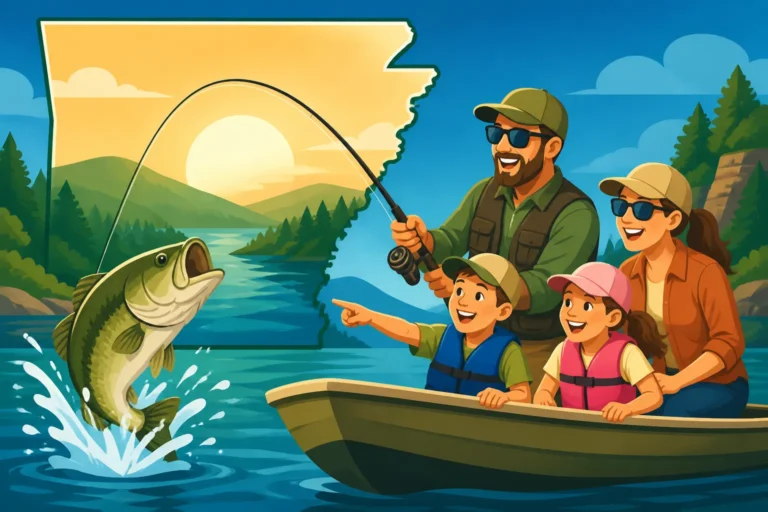
Many anglers dream of a fantastic day out on the water, reeling in fish, but the thought of planning it all—knowing where to go, what bait to use, and even what permits you need—can be downright overwhelming, especially if you're new to a particular fishery or to fishing in general. It's frustrating to spend hours driving, rigging, and then coming up empty-handed. This guide is here to demystify the entire process of booking and enjoying a fishing guide trip in Arkansas, helping you understand exactly how these adventures work from start to finish.
Why Consider a Guided Fishing Trip in Arkansas?
Many seasoned anglers and beginners alike find themselves staring at maps, wondering where the fish are, what they're biting on, and how to even get to those elusive spots. It’s frustrating to spend hours on the water only to come up empty-handed. That’s precisely where a guided fishing trip shines, turning potential frustration into a fantastic, productive experience.
Accessing Local Expertise and Hot Spots
Let's face it, Arkansas waters are vast and varied, from the big reservoirs like Bull Shoals and Norfork to the winding trout streams like the White River. You could spend years learning all the nuances of just one small section. A guide, however, lives and breathes these waters. They know the subtle changes in current, the hidden structure where bass lurk, or the specific hatches that bring trout to the surface. It's like having a cheat sheet to the fishery, giving you an immediate advantage. They've already done the hard work of scouting, so you can focus purely on the fishing. This local knowledge isn't just about catching fish; it's about understanding the ecosystem, the patterns, and the best times to be on the water.
Imagine trying to navigate the Norfork tailwater for the first time without any prior knowledge. You might miss the subtle eddies where brown trout hold or struggle to understand the release schedules from the dam. A local guide has this information embedded in their daily routine. They know when the bite is best, whether the fish are shallow or deep, and what specific flies or lures are producing results right now. This kind of on-the-ground, real-time intelligence is invaluable, especially if your time on the water is limited.
This deep local insight can transform a potentially disappointing day into a success. They know the seasonal movements of fish, how they react to different weather patterns, and the subtle signs that indicate a promising fishing spot. This isn't just theory for them; it's practical, constantly updated knowledge gained from countless hours spent on the water. It’s the difference between guessing and knowing, and it's a primary reason why many anglers, even experienced ones, opt for a guide when exploring new waters.
Learning New Techniques and Improving Your Skills
Beyond simply putting you on fish, a truly great fishing guide is also an excellent teacher. Maybe you've always wanted to try fly-fishing but felt intimidated by the casting technique, or perhaps you're looking to master jigging for crappie in deep timber. A guided trip provides a unique opportunity for one-on-one instruction tailored to your skill level. They can observe your technique, offer immediate feedback, and demonstrate effective methods right before your eyes. It’s hands-on learning that you just can't get from watching videos or reading articles.
Think about it: you're out there, trying to cast to a particular seam on the river, and your cast isn't quite reaching. Instead of guessing, your guide can immediately diagnose the issue – maybe it's your haul, or your timing, or even your grip. They can show you the correct motion, give you a few pointers, and voila! You're suddenly casting further and more accurately. This instant feedback loop is incredibly powerful for accelerating your learning curve.
Whether you're a complete novice or an experienced angler looking to refine specific skills, a guide can elevate your game significantly. They often have specialized gear and techniques for different species, offering you a chance to try something entirely new, like deep-water striper trolling or precise nymphing for picky trout. This direct mentorship can instill confidence and leave you with improved skills that you can apply on all your future fishing trips.
Enjoying a Stress-Free Day on the Water
Let's be honest, fishing can sometimes feel like a lot of work before you even wet a line. There's the boat to launch, the gear to pack, the navigation to worry about, and then the constant internal debate about where to go next. A guided trip removes all of that stress. You simply show up, hop in the boat, and let your guide handle the rest. They provide the boat, fuel, safety equipment, often the rods, reels, and tackle, and sometimes even drinks and snacks. All you have to do is focus on fishing and enjoying the beautiful Arkansas scenery.
This is particularly appealing for family trips or if you're traveling from out of state. You don't have to haul all your gear, worry about boat rentals, or navigate unfamiliar waters. The guide takes care of the logistics, making it a true vacation. For many, the peace of mind knowing that someone else is responsible for everything but the actual act of fishing makes the experience infinitely more enjoyable.
Imagine not having to worry about hooking up the trailer or running out of gas; instead, you're just enjoying the sunrise over Bull Shoals Lake, coffee in hand, waiting for that first bite. This stress-free environment is a huge draw for beginners and seasoned anglers looking for a relaxing day. It allows you to fully immerse yourself in the natural surroundings and the thrill of the catch without any of the usual burdens of planning and preparation.
Before the Trip: Booking and Preparation
Once you've decided a guided trip is for you, the next steps involve finding the right guide and getting everything squared away. This phase is crucial for ensuring your trip goes smoothly and meets your expectations.
Researching and Booking Your Guide
Finding a reputable fishing guide in Arkansas often starts with a bit of online detective work, word-of-mouth recommendations, or using platforms dedicated to booking outdoor adventures. Websites like FishingBooker are a fantastic resource, allowing you to browse various guides, compare their specialties, read reviews from other anglers, and check their availability. It’s like a one-stop shop for finding the perfect match for your fishing goals. You’ll want to look for guides who specialize in the species you want to target (e.g., trout, bass, crappie) and the specific waters you’re interested in (e.g., White River, Norfork Lake, Lake Ouachita).
When you're comparing options, pay close attention to what's included in the price. Some guides provide everything from rods and reels to bait and tackle, while others might expect you to bring certain items. It’s also wise to inquire about their experience level, their safety protocols, and their cancellation policy. You don't want any surprises closer to the trip date. Don't be shy about reaching out directly to a few guides to ask questions before you commit. This direct communication can give you a good feel for their personality and whether they'll be a good fit for your group. Many guides also operate through local fly shops or marinas, so checking those resources can also lead you to excellent recommendations.
Essential Pre-Trip Communication
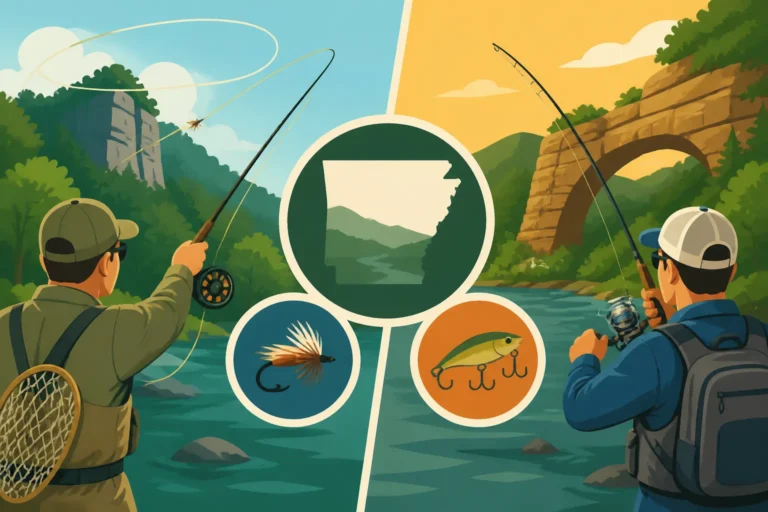
Once you've booked your guide, clear and consistent communication is key. Your guide will typically reach out a few days before your trip to confirm details, discuss weather conditions, and answer any last-minute questions. This is your opportunity to reiterate your goals for the trip – are you hoping for a trophy brown trout, or just want to catch a lot of smaller fish for dinner? Do you prefer fly-fishing or spin-fishing? Choosing a Fly-Fishing or Spin-Fishing Guide for Your Arkansas Trip can help you decide which style is best for your experience. Discussing these things beforehand ensures you and your guide are on the same page, preventing any misunderstandings and setting the stage for a successful day.
It's also important to confirm the meeting point and time, especially if you’re unfamiliar with the area. Ask about parking, any specific landmarks, or even directions if reception might be spotty in certain fishing areas. They might advise you on what type of clothing to wear based on the forecast and expected water conditions. If you have any dietary restrictions or need specific accommodations (e.g., accessibility needs), bring them up well in advance. Remember, a good guide wants you to have the best possible experience, so giving them all the relevant information helps them prepare optimally. Confirming these details in the days leading up to your trip can alleviate a lot of anxiety and allow you to relax into the anticipation of a great fishing day.
Getting Your Fishing License and Packing Smart
Perhaps the most critical piece of preparation is ensuring everyone in your group has the necessary Arkansas Fishing License Rules and Costs and any required permits, like a trout permit if you’re fishing trout waters. Guides are not permitted to provide these for you, and fishing without one can lead to hefty fines, ruining an otherwise perfect day. You can typically purchase these online through the Arkansas Game and Fish Commission website, at local sporting goods stores, or through authorized vendors well before your trip. It's usually a quick and easy process, but don't wait until the last minute! Ensure you understand Arkansas Fishing License Requirements for Guided Trips to avoid any issues.
For packing, think layers! Arkansas weather can be unpredictable, so dressing in layers allows you to adjust to changing temperatures. Sun protection is a must: a hat, sunglasses, and sunscreen will save you from a nasty burn. Bring any personal medications you might need, and consider a small bag for your phone, camera, and any other personal items. Your guide will likely provide water, but it's never a bad idea to bring extra snacks or drinks, especially for longer trips. If you prefer to use your own lucky rod or specific tackle, check with your guide beforehand to see if it makes sense to bring it along. Otherwise, trust your guide's equipment; it's likely perfectly suited for the task at hand. Check out What to Bring on a Guided Arkansas Fishing Trip for a more detailed packing list.
The Trip Day: From Meeting to Reeling in
The morning of your fishing trip is always exciting! With your licenses in hand and gear packed, it's time to meet your guide and embark on your adventure. This part of the day sets the tone for your entire experience.
Meeting Your Guide and Boarding the Boat
Your guide will specify a meeting location, which could be a boat ramp, a local marina, or even a designated spot at a fly shop, often near popular fishing destinations like the White River or Norfork Lake. Arrive a few minutes early to allow for any last-minute bathroom breaks or to grab a coffee. When you meet your guide, they'll likely introduce themselves, give you a quick rundown of the day’s plan, and get you settled into the boat. This is a great time to ask any final questions and get comfortable.
A professional guide will prioritize safety. They’ll usually point out life vests, first-aid kits, and other safety equipment. Listen carefully to their instructions regarding moving around the boat, casting space, and any specific safety rules for the day. Their boat will be well-maintained and equipped with everything needed for the day's fishing, from rods and reels to tackle boxes and coolers. Some boats are specialized for specific types of fishing – a shallow-draft jet boat for river trout might look very different from a large bass boat on a major reservoir. Don’t be afraid to ask about the boat or its features; it's all part of the experience.
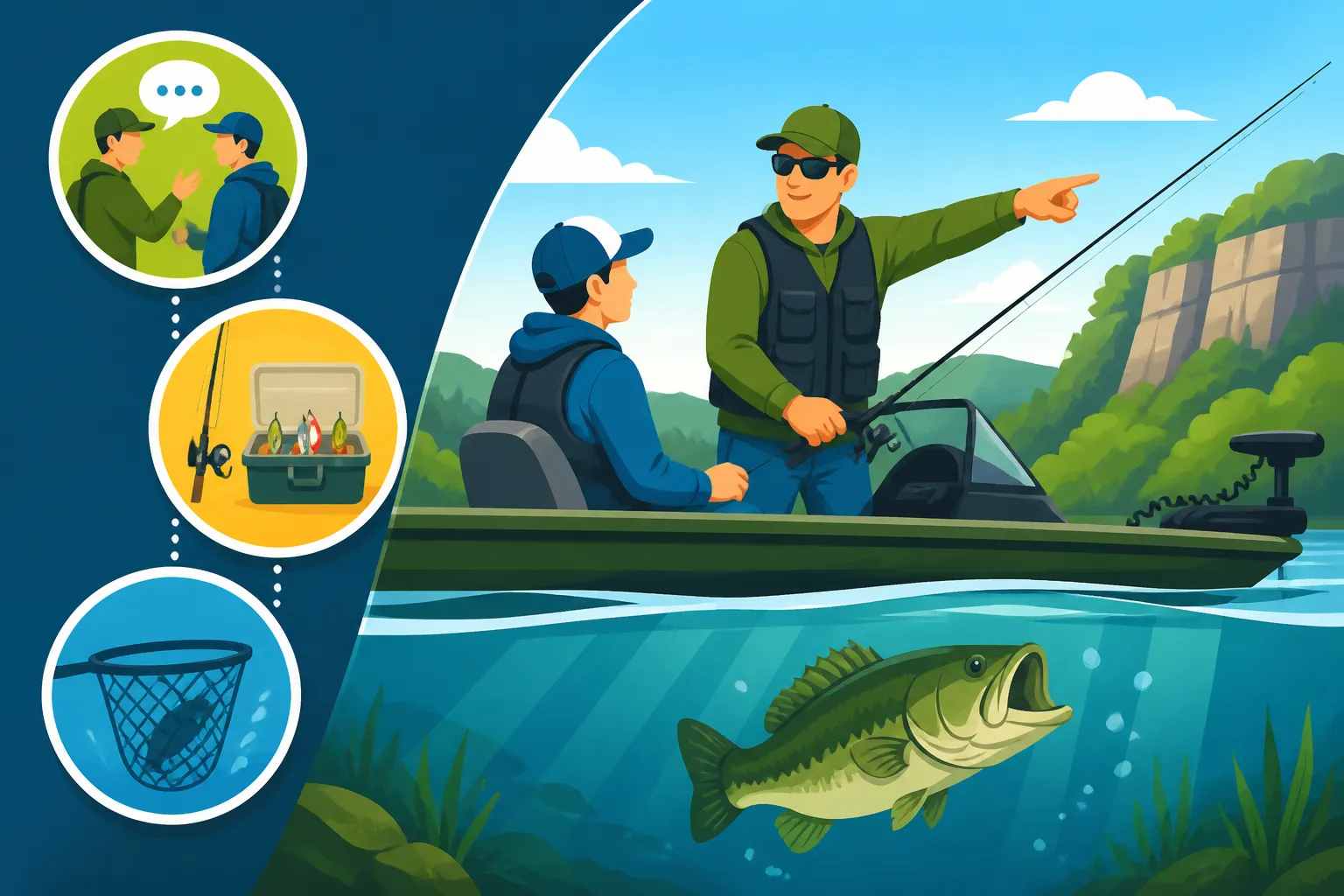
It’s common for guides to have a brief, friendly chat before departure, discussing the plan for the day, recent catches, and what to expect. This helps to build rapport and get everyone excited for the fishing ahead. Ensuring everyone feels comfortable and informed from the very start is a hallmark of a great guided experience.
On the Water: Fishing Strategy and Execution
Once you're on the water, the real fun begins! Your guide will take you to their carefully selected fishing spots. These aren't random locations; they are chosen based on current conditions, recent success, and where they know fish are likely to be holding. They'll explain the techniques you'll be using, whether it's casting a crankbait for bass, drifting an egg pattern for trout, or setting a slip bobber for crappie. They’ll also explain why they’ve chosen that particular spot and technique, giving you valuable insight into fish behavior and habitat.
This is your opportunity to learn and participate fully. Pay attention to how the guide demonstrates casting, retrieves, or bait presentation. Don’t hesitate to ask for clarification or more instruction if something isn’t clicking. A good guide will be patient and encouraging, helping you adjust your technique until you're confident. They'll actively monitor your lines, bait, and hooks, making adjustments as needed.
If one spot isn't producing, they'll move to another, constantly adapting their strategy to put you on fish. Remember, fishing isn't just about catching; it's about the entire experience of being out there, learning, and enjoying the process. Whether you're targeting bass on Bull Shoals Lake or booking Arkansas Striper Guide Trips on Norfork Lake, your guide will work hard to make it a memorable day. Their constant assessment and adaptation of tactics are a key part of what makes a guided trip so effective.
Catching Fish and Handling Your Catch
Hopefully, with your guide’s expertise and your enthusiastic participation, you’ll start catching fish! When you hook into one, listen to your guide's instructions on how to play the fish, retrieve it, and bring it to the boat. They’ll have a net ready and will assist in safely landing your catch. This is often the most exhilarating part of the trip, especially for beginners or children!
After the fish is landed, your guide will handle it according to your agreed-upon plan and local regulations. If you're practicing catch and release, they'll demonstrate how to quickly and safely unhook and release the fish to ensure its survival. If you plan to keep fish for dinner (within legal limits), they’ll properly measure, weigh, and store your catch. Many guides will even clean and bag your fish at the end of the trip, making it easy for you to take home. It's a fantastic perk that saves you the mess and effort. Make sure to clarify Do Arkansas Fishing Guides Clean Your Catch? beforehand so you know what to expect.
This entire process, from the initial strike to the release or storage, is part of the comprehensive service a good guide provides. They understand the excitement of a catch and handle it with care, whether it's destined for a photograph, release, or your dinner plate. You can trust that they will follow all ethical and legal guidelines for fish handling.
Costs, Inclusions, and the All-Important Tip
Understanding the financial aspect of a guided trip is just as important as knowing what to pack. It ensures there are no uncomfortable surprises at the end of your fantastic day.
Understanding Trip Costs and What's Included
The cost of an Arkansas fishing guide trip can vary significantly based on several factors: the duration of the trip (half-day vs. full-day), the number of anglers, the type of fishing (e.g., specialized fly-fishing for trophy trout often costs more than a general panfish trip), and the guide's experience and reputation. You can expect rates to be quoted per trip, sometimes with an additional charge for extra anglers beyond a base number. For a general idea of pricing, you can look up the Average Cost of a Fishing Guide in Arkansas online, keeping in mind specific trips may differ.
Generally, the fee covers the guide's time, expertise, boat, fuel, and often all the necessary fishing gear (rods, reels, tackle, bait, lures). Many guides also provide essentials like bottled water, soft drinks, and sometimes light snacks. Some premium packages might even include lunch on a full-day trip. It's crucial to confirm these specifics when booking. What's usually not included are your personal fishing license, specialized rain gear (though some guides might have loaners), and any food or drink beyond what's specified. Make sure to clarify all inclusions with your guide or when booking through a platform like FishingBooker. This transparency helps manage expectations and ensures you're prepared for any additional costs.
Deposits, Cancellations, and Rescheduling
Most Arkansas fishing guides require a deposit to secure your booking, especially for popular seasons or weekend dates. This deposit confirms your commitment and helps the guide manage their schedule. The amount can vary, but it's typically a percentage of the total trip cost. This deposit is usually non-refundable if you cancel last minute, but many guides are understanding about rescheduling if you give ample notice.
It's absolutely vital to understand the guide's cancellation policy before you put down a deposit. What happens if there's severe weather? Most reputable guides will offer to reschedule or provide a refund in cases of unsafe conditions, as your safety is paramount. However, if you simply change your mind a day or two before the trip, you'll likely forfeit your deposit. Life happens, of course, but clear communication with your guide as soon as issues arise is always the best policy. Some guides might have stricter policies during peak season. Always refer back to your booking confirmation or the guide's website for their specific terms. What Happens to Your Deposit If You Cancel a Fishing Trip in Arkansas is a question you should always know the answer to.
The Etiquette of Tipping Your Guide
Tipping your fishing guide is standard practice in the industry, much like tipping a waiter or a hair stylist. It's a way to show appreciation for their hard work, expertise, and the service they've provided throughout the day. A guide's income often relies heavily on tips, especially since they spend countless hours preparing, scouting, and maintaining their equipment outside of the actual trip time.
The general rule of thumb for tipping a fishing guide in Arkansas is 15-20% of the total trip cost. If your guide went above and beyond – maybe they stayed out a little longer, were exceptionally patient with your kids, or helped you land a true trophy fish – you might consider tipping a bit more. Conversely, if you feel the service wasn't up to par, a smaller tip (or no tip, in extreme cases) is acceptable, though it's always worth discussing any concerns with the guide directly and politely if you feel comfortable doing so. It’s best to bring cash for tipping, as it’s often easiest for the guide. Tipping Your Fishing Guide in Arkansas is an essential part of the experience, so plan for it in your budget.
Diverse Fishing Experiences: Types of Guided Trips
Arkansas offers an incredible variety of fishing environments, and guided trips are tailored to match these unique opportunities. Knowing the different types available can help you pick the perfect adventure.
Species-Specific Adventures
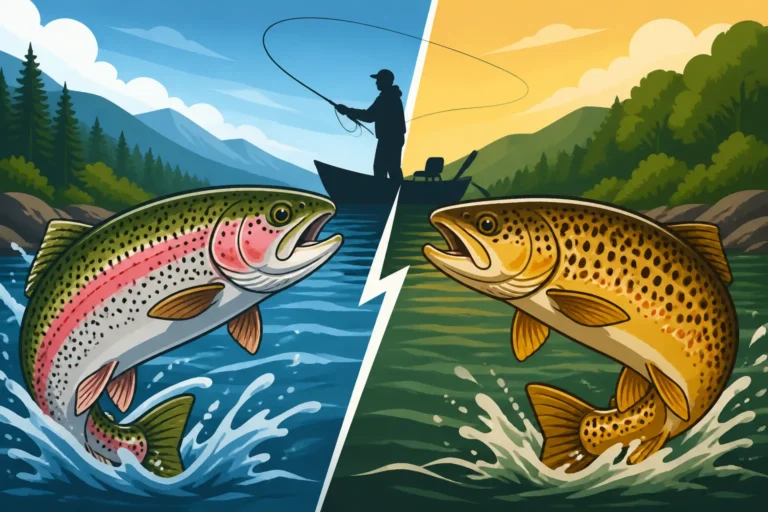
Many guides specialize in targeting particular fish species, and this is often the most common way to categorize trips. If you're dreaming of a massive rainbow or brown trout, you'll want a guide who focuses on White River Fishing Guides: Arkansas's Trout Fishing Capital or other renowned cold-water tailwaters. These guides will have specialized fly-fishing or spin-fishing gear, specific knowledge of trout behavior, and an understanding of the river's flows and hatches.
Similarly, if you're after the thrill of fighting a hard-hitting largemouth bass, you'd book a bass fishing guide on lakes like Lake Ouachita or Greers Ferry. They’ll know the best structures, seasonal patterns, and appropriate lures. Crappie guides, on the other hand, will often focus on deep brush piles or timber, using different electronics and techniques to locate schools of these popular panfish. And for the ultimate challenge, consider a striper guide on Norfork or Lake Hamilton, who are experts at locating and landing these powerful open-water predators. Each species requires a different approach, and guides dedicate themselves to mastering these specific techniques.
Location-Based Trips: Rivers vs. Lakes
The geography of Arkansas also dictates distinct types of guided trips. River trips, particularly on the famous White River system, often involve floating downstream in specialized drift boats or jet boats. The focus is usually on trout, and the experience offers stunning scenery along with fantastic fishing. These trips might cover several miles of river, accessing spots that are difficult or impossible to reach from the bank. White River Fishing Guides: Arkansas's Trout Fishing Capital are plentiful and highly skilled for this type of adventure.
Lake trips, on the other hand, are typically conducted from larger, motorized boats capable of covering vast stretches of water. Guides on reservoirs like Bull Shoals, Norfork, or Lake Ouachita will use advanced sonar and GPS to locate fish-holding structures, submerged timber, or open-water baitfish schools. These trips are ideal for targeting bass, crappie, catfish, and striped bass. The boat provides comfort, speed, and access to deep-water fishing opportunities that are inaccessible to shore anglers. Whether you're interested in Arkansas Striper Guide Trips on Norfork Lake or other major impoundments, the lake experience offers different challenges and rewards.
Trip Duration and Style
Guided trips come in various lengths, typically half-day (4-5 hours) or full-day (8+ hours). A half-day trip is excellent for beginners, families with younger children, or those on a tighter schedule. It provides a taste of the guided experience without becoming too tiring. Full-day trips allow more time to explore different fishing spots, adapt to changing conditions, and target multiple species or techniques. You might spend the morning chasing bass and the afternoon jigging for crappie, offering a more comprehensive experience.
Beyond duration, there are also different styles. Some guides specialize in fly-fishing, teaching intricate casting techniques and entomology. Others focus on spin-fishing or baitcasting, using conventional tackle. Some offer specific techniques like trolling for stripers, bottom fishing for catfish, or vertical jigging. You can even find "trophy trips" specifically designed to target the largest fish of a particular species, though these often come with higher expectations and can sometimes be more challenging. Consider your own interests and stamina when choosing between these options.
Choosing the Right Guide for Your Arkansas Adventure
With so many excellent guides in Arkansas, how do you find the one that’s perfect for your trip? It’s not just about who catches the most fish; it's about the entire experience.
Matching Your Expectations and Goals
Before you even start looking, sit down and think about what you really want from your guided trip. Are you a seasoned angler looking to target a specific trophy fish with specialized gear? Or are you a family with young kids hoping for a fun, relaxed day where everyone catches something, even if they're small? Your expectations should directly inform your guide choice. Some guides are phenomenal at teaching beginners and have endless patience for children, while others might cater more to experienced anglers seeking a technical challenge. Family Fishing Trips with Arkansas Guides often requires a guide with a specific temperament and approach.
Consider your preferred fishing style. Do you want to try fly-fishing, or are you more comfortable with a spinning rod? Do you prefer active casting all day, or are you happy to sit back and let the boat drift or troll? Being honest about your skill level and what you hope to achieve will help you narrow down your search considerably. Don't be afraid to communicate these desires clearly when you first contact a potential guide. A good guide will appreciate your honesty and tell you upfront if they can meet your needs.
What to Look for in a Reputable Guide
When browsing for guides, look beyond just their photos of big fish. A reputable guide will have certain hallmarks:
- Proper Licensing and Insurance: They should be licensed by the U.S. Coast Guard (if applicable to their waters) and have appropriate commercial insurance. Don't be afraid to ask.
- Experience and Specialization: Look for guides with years of experience on the specific waters you're targeting and who specialize in the fish you want to catch. A bass guide might be great on Lake Ouachita but not the best choice for a White River trout trip.
- Positive Reviews and Testimonials: Check online platforms like FishingBooker, Google reviews, or their social media. Look for consistent positive feedback about their personality, teaching ability, and professionalism, not just their fish-catching prowess.
- Professionalism and Communication: A good guide will respond promptly to inquiries, provide clear information, and maintain a professional demeanor.
- Safety First: They should openly discuss their safety procedures, have all required safety gear on board, and prioritize your well-being.
Ultimately, you're looking for someone who is not only skilled at fishing but also genuinely enjoys sharing their passion and helping others have a great time. How to Choose a Fishing Guide in Arkansas really comes down to finding a personality and expertise match.
Asking the Right Questions
Before committing to a booking, have a list of questions ready. Don't feel like you're being nosy; this is a significant investment, and you deserve to be informed.
- "What's your typical fishing style for [species] on [waterway]?"
- "How many people can you comfortably accommodate on your boat?"
- "What do you typically provide, and what should I bring?"
- "What is your inclement weather policy?"
- "How do you handle catch limits and keeping fish?"
- "Are there any additional costs I should be aware of, like bait or tackle?"
- "Do you offer instruction, or is it more about just putting me on fish?"
These questions will help you gauge their approach and confirm details that might not be explicitly stated online. Questions to Ask Before Hiring an Arkansas Fishing Guide can make all the difference in ensuring a smooth trip. Knowing these details upfront eliminates potential confusion and allows you to enjoy your day without any surprises.
Maximizing Your Guided Experience
A guided fishing trip is an investment, so it makes sense to get the most out of it. Beyond just catching fish, there are ways to enhance your learning and enjoyment.
Being an Active Participant and Listener
While your guide is there to do the heavy lifting, your active participation can significantly improve your trip. Listen intently to their advice and instructions. If they tell you to cast to a particular seam, or to twitch your jig in a specific way, try your best to follow their lead. They've spent years observing what works and what doesn't on their waters, and their recommendations are based on real-time conditions. Asking thoughtful questions not only shows your engagement but also allows you to deepen your understanding. "Why do the fish prefer this structure today?" or "What makes this particular lure effective here?" can lead to invaluable insights.
This isn't about being a nuisance; it's about being an eager student. The more you engage, the more your guide will be inclined to share their knowledge and tips. Remember, you're paying for their expertise, so soak it all in! Even subtle cues, like how they hold the rod or position the boat, can teach you a lot about effective fishing. Don’t just stand there; be part of the fishing process, and you’ll find the experience far more rewarding.
Embracing the Learning Opportunity
One of the greatest benefits of a guided trip, especially for beginners or those trying a new technique, is the opportunity for hands-on learning. Don't just focus on the outcome (catching a fish); focus on the process. Ask your guide to explain their knot-tying techniques, how they read their sonar, or how they interpret water conditions. These are skills that will serve you well on future fishing adventures, long after the guided trip is over.
If you're struggling with a particular cast or retrieve, politely ask for more instruction. A good guide will be thrilled to teach you and help you improve. They often have a wealth of knowledge about local entomology (for fly-fishing), fish biology, and conservation practices. Think of it as a personalized fishing clinic. The more you learn, the more confident you'll become as an angler, and the more capable you'll be of replicating success on your own. For a first-timer, this aspect is invaluable. See our First-Time Guided Fishing Trip Tips for Arkansas for more ideas on what to embrace.
Documenting Your Memories and Enjoying the Scenery
While the focus is on fishing, don't forget to take a moment to appreciate the stunning natural beauty that Arkansas offers. From the misty mornings on the White River to the expansive views on Bull Shoals Lake, the scenery is often as memorable as the fish you catch. Snap a few photos of the landscape, your fishing partners, and of course, your prized catches (respectfully, and ensuring quick release if applicable). Your guide will likely be happy to take a photo of you with your fish.
These photos become cherished memories, reminding you of the adventure. Just remember to be mindful of your guide and fellow anglers; don't let photography overshadow the actual fishing experience. A quick photo with a fish is usually fine, but spending too much time posing can stress the fish and take away from valuable fishing time. Enjoy the camaraderie, the peace of the outdoors, and the simple joy of being on the water. Capturing a few moments can help you relive the experience for years to come.
Common Misconceptions and Pro Tips for Anglers
Even with all the information, some common myths persist about guided trips, and there are always little nuggets of wisdom that can make your day even better.
Busting Myths: It's Not Just for Experts (or Trophy Hunters)
A common misconception is that guided fishing trips are only for experienced anglers looking to catch a state record, or for those with deep pockets. This couldn't be further from the truth! In reality, many guides absolutely love taking out beginners and families. For many first-timers, a guided trip is the safest, most effective, and most enjoyable way to learn the ropes and experience the thrill of catching fish. Guides are adept at tailoring the experience to your skill level and your goals, whether that's teaching a child to cast their first line or helping an intermediate angler refine their technique.
Another myth is that you're guaranteed to catch a trophy fish. While guides certainly put you in the best position for success, fishing is still fishing. There are no guarantees, and conditions can change. Focus on the overall experience, the learning, and the joy of being outdoors, rather than solely on the size or number of fish you catch. A good guide will manage these expectations from the start, ensuring you have a realistic understanding of what the day might bring. This mindset allows for a more relaxed and enjoyable trip, regardless of the ultimate catch count.
Pro Tips for a Smoother Trip
- Be Punctual: Always arrive on time, if not a few minutes early. Guides operate on tight schedules, and tardiness cuts into your valuable fishing time.
- Communicate Clearly: Don't hold back if you have questions or concerns. Whether it's about needing a bathroom break or wanting to try a different technique, open communication is key.
- Dress for the Weather (and Then Some): Arkansas weather can be finicky. Even if it looks sunny, bring a rain jacket and extra layers. It’s better to have it and not need it than to be cold and miserable.
- Stay Hydrated: Even on cooler days, you're out in the elements. Drink plenty of water. Your guide will likely provide some, but bring extra if you tend to get thirsty.
- Manage Expectations: Remember, it’s fishing, not catching. Enjoy the process, the scenery, and the company. The fish are a bonus!
- Ask About Conservation: Many guides are passionate about conservation. Ask them about local regulations, catch-and-release best practices, and how you can help protect the fishery.
- Give Feedback: At the end of the trip, offer constructive feedback. If you had an amazing time, tell your guide and consider leaving a review online. This helps future anglers and supports good guides.
- Follow Safety Instructions: Always listen to your guide's safety briefings and instructions. They are there to keep you safe on unfamiliar waters.
By following these tips, you'll not only have a more enjoyable trip but also build a positive rapport with your guide, potentially leading to future memorable fishing adventures in Arkansas. These small considerations go a long way in creating a positive experience for everyone involved.
Summary Table: Guided Trip Expectations
To help clarify some of the points we've covered, here's a quick summary of what to generally expect on a guided fishing trip in Arkansas.
| Aspect | Typically Included | Typically Not Included | Important Considerations |
|---|---|---|---|
| Boat & Equipment | Professional fishing boat, fuel, safety gear | Your personal "lucky" rod (ask first) | Safety briefing is paramount; listen closely. |
| Fishing Gear | Rods, reels, tackle, bait, lures | Highly specialized personal gear | Communicate if you have specific gear preferences. |
| Guide's Expertise | Local knowledge, fish-finding, technique instruction | Guarantee of catching specific fish/size | Ask questions, engage in learning, be open to advice. |
| Licenses & Permits | N/A | All required Arkansas Fishing License Rules and Costs | Purchase before the trip; fines are your responsibility. |
| Food & Drink | Bottled water, some soft drinks, sometimes light snacks | Full meals, specialized dietary items, alcohol | Bring extra snacks/drinks for longer trips. |
| Fish Handling | Catching, measuring, cleaning, bagging (if keeping) | Taxidermy services, complex processing | Confirm catch/release preference and cleaning services. |
| Safety | Life vests, first-aid, emergency communication | Personal floatation devices for infants | Report any medical conditions or mobility issues beforehand. |
| Tipping | N/A (though often expected) | N/A | Budget 15-20% of trip cost for your guide. |
| Weather/Cancellations | Reschedule/refund for unsafe conditions (guide's call) | Refund for last-minute client cancellations | Understand policy upfront; communicate early if issues arise. |
Disclaimer
This article is for general informational purposes only and does not constitute professional advice. Laws, prices and regulations vary by location and change over time. Consult a qualified professional for guidance on your specific situation.