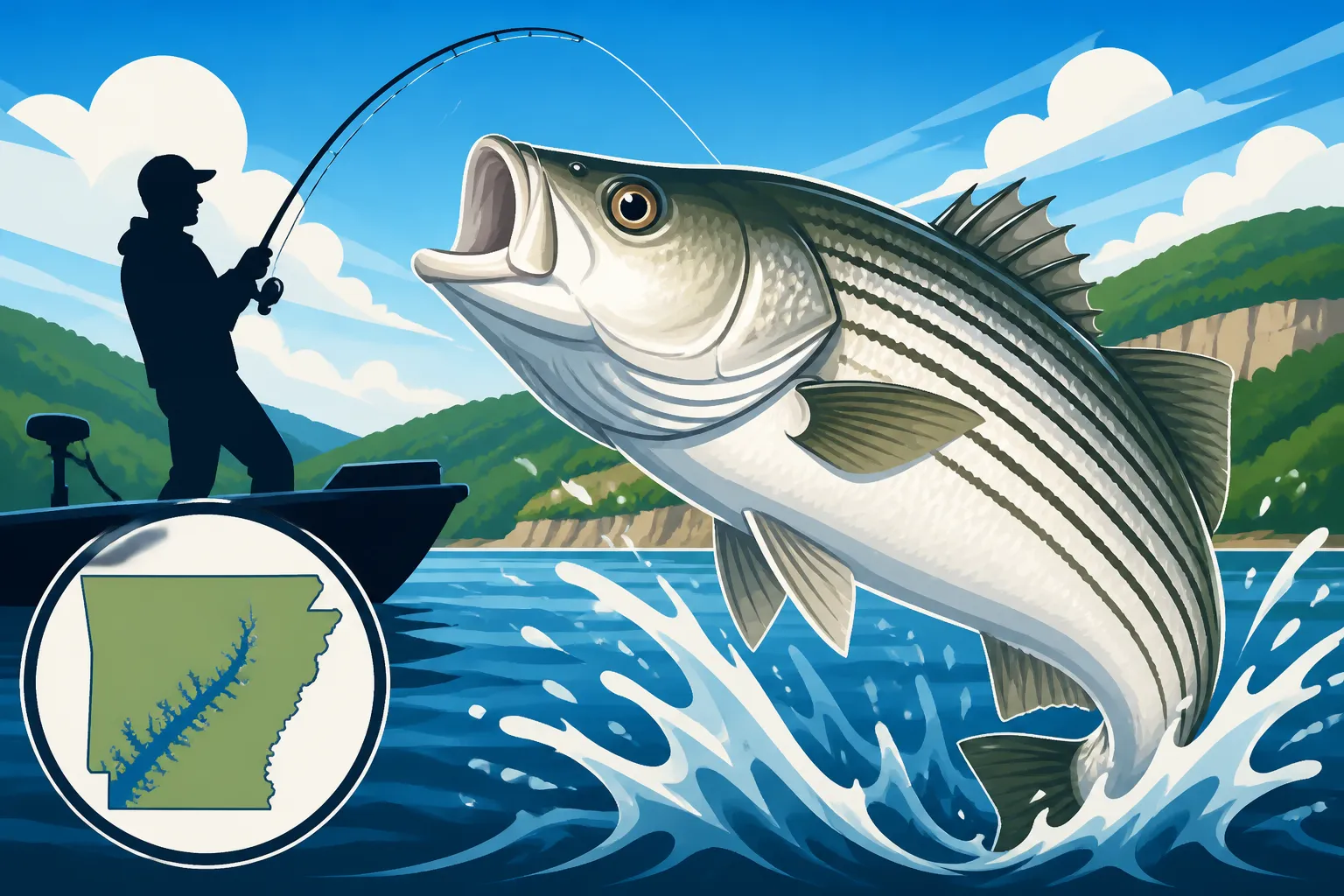
How Big Do Norfork Lake Stripers Get?
For many anglers, especially those dreaming of a true trophy, the question isn't just if Norfork Lake holds big striped bass, but how big they actually get. It's a question rooted in both excitement and a little bit of healthy skepticism, because the stories you hear sometimes sound too good to be true. This guide is here to cut through the tall tales and give you a realistic picture of the immense potential Norfork Lake offers for catching truly massive stripers, helping you understand what to expect when you drop a line into its famous waters.
The Legendary Status of Norfork Lake Stripers
Norfork Lake isn't just another body of water in Arkansas; it's a striped bass sanctuary, known far and wide as one of the premier destinations for these hard-fighting giants. The lake's deep, clear waters and abundant forage base—primarily gizzard and threadfin shad—create the perfect conditions for stripers to not only survive but to thrive and grow to gargantuan proportions. Anglers from all over the country flock to Norfork, drawn by the promise of battling a fish that could easily outweigh them.
It's a special kind of excitement, knowing that with every cast, you might hook into a fish that stretches the limits of your tackle and your endurance. The sheer power of a Norfork striper, especially one that has been growing for years in these rich waters, is something you have to experience to truly understand. This isn't just about catching a fish; it's about connecting with a powerful predator in its element, a test of will and skill that leaves you with an unforgettable memory, win or lose.
Why Norfork Lake is a Striper Paradise
The unique ecosystem of Norfork Lake is the primary reason why its striped bass fishery is so exceptional. This isn't a fluke; it's a combination of factors that nature and careful management have provided. First off, the sheer depth of the lake offers cool, oxygen-rich water even in the scorching Arkansas summers, which is crucial for stripers. They are cold-water fish at heart, and these deep thermal refuges allow them to remain active and feed throughout the year.
Secondly, the forage base is incredibly robust. Shad populations explode in Norfork, providing an endless buffet for growing stripers. When fish have a consistent and plentiful food source, they grow faster and bigger. Think of it like a kid in a candy store, but for fish, it's a never-ending buffet of protein-rich shad. This consistent nutrition fuels their rapid growth, allowing them to pack on pounds year after year, transforming them into the legendary beasts anglers pursue. This is why Norfork Lake: One of Arkansas's Best Striped Bass Fisheries is such a well-deserved title.
Historical Perspective on Norfork Striper Sizes
Historically, Norfork Lake has always produced impressive striped bass. In fact, it's home to some truly mind-boggling catches over the decades. While specific state records can change, Norfork has consistently been a contender for the largest stripers caught in Arkansas, and often ranks nationally. We're talking about fish that have pushed the scales past the 60-pound mark, occasionally even flirting with 70 pounds or more. These aren't just occasional outliers; they are a testament to the lake's sustained ability to produce fish of truly epic proportions.
These historical catches set the bar and fuel the dreams of every angler who visits. They prove that the potential is there, and that with the right techniques, a bit of luck, and a whole lot of persistence, you too could be holding a fish that becomes the stuff of local legend. Many guides operating on the lake have personal stories of clients landing these giants, and they'll tell you that the next record-breaker is always just one cast away.
What to Expect: Average vs. Trophy Norfork Stripers
When you talk about "how big" stripers get on Norfork, it's important to distinguish between what's considered an "average" catch and what constitutes a true "trophy." Both are exciting, but they represent different tiers of success and often require different approaches, especially if you're specifically targeting those monster fish.
For many, catching any striper is a thrill, but Norfork offers the unique opportunity to consistently encounter fish that would be considered trophies in other waters. The lake’s reputation for producing big fish is well-earned, and it's what keeps anglers coming back, year after year. Understanding these distinctions can help you set realistic goals for your own trip and appreciate the size of the fish you encounter.
The Typical Catch: Healthy and Hard-Fighting
An "average" striped bass on Norfork Lake is still a formidable fish. Most anglers targeting stripers on Norfork can expect to encounter fish in the 10-to-25-pound range on a regular basis. These are robust, hard-fighting fish that will absolutely put a bend in your rod and test your tackle. They provide incredible sport and are a fantastic experience for anyone, from seasoned anglers to those new to striper fishing. A 20-pound striper is a significant catch anywhere else, but on Norfork, it's often seen as a solid, everyday fish.
These fish are plentiful and actively feeding, making them a common target for both guided trips and independent anglers. They are typically found patrolling bait balls in deeper water, or occasionally pushing shad to the surface during a feeding frenzy. You can certainly have a fantastic day on the water catching several of these quality stripers, making for an action-packed outing that still feels like a huge accomplishment.
Pursuing the Giants: 40-Pounders and Beyond
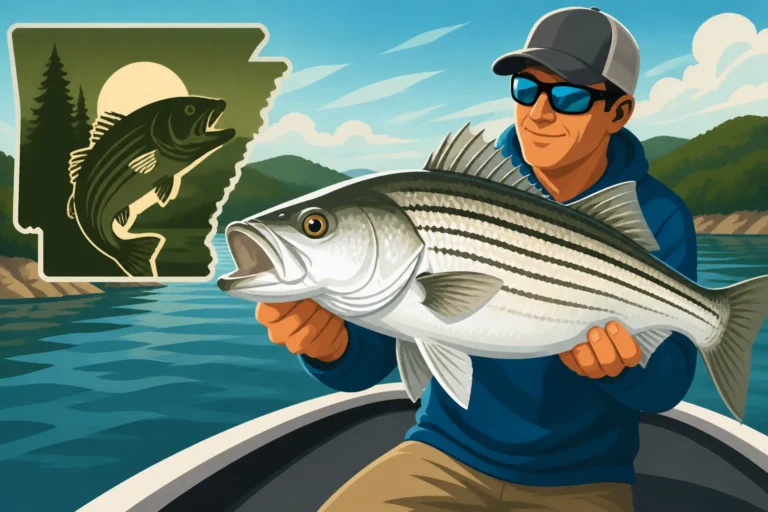
Now, if you're asking "How big do Norfork Lake stripers really get?", you're probably dreaming of those truly colossal fish that push the scales past the 40, 50, or even 60-pound mark. These are the trophy stripers, and Norfork Lake consistently produces them. While not an everyday occurrence for every angler, catching a striper over 40 pounds is a very real possibility, and fish exceeding 50 pounds are landed annually. Some of the most dedicated and knowledgeable anglers, often working with experienced guides, land these giants multiple times in a season.
Targeting these trophy fish often involves different strategies, heavier tackle, and a lot more patience. It means understanding the nuances of the lake, knowing where these leviathans prefer to cruise, and often using larger baits or specialized trolling techniques. If you're serious about a trophy, consider booking a trip with a guide through platforms like FishingBooker, as they specialize in putting clients on these specific caliber of fish.
Here's a quick comparison of average versus trophy potential:
| Category | Average Striper (Norfork) | Trophy Striper (Norfork) |
|---|---|---|
| Weight Range | 10 – 25 pounds | 40 – 60+ pounds |
| Length Range | 25 – 35 inches | 40 – 50+ inches |
| Likelihood | Common | Possible, but challenging |
| Fight | Strong, sustained runs | Brutal, arm-aching power |
| Tactics | Varied, live bait, trolling | Larger baits, deep trolling, specialized methods |
| Occurrence | Multiple per trip possible | One or two per season for dedicated anglers |
Factors That Influence Striper Size and Growth
It's not just luck that makes Norfork Lake's stripers grow so large; a confluence of environmental and biological factors plays a crucial role. Understanding these elements can help you appreciate the fishery and even improve your chances of encountering those bigger fish. The longer a striper can survive and feed efficiently, the larger it will grow.
These factors are what make Striped Bass Fishing in Arkansas such a unique pursuit, especially on a lake like Norfork. The science behind their growth is fascinating, and it directly translates to the impressive catches anglers see year after year.
Abundant Food Supply and Water Quality
As mentioned, the prodigious shad population in Norfork Lake is paramount. Both gizzard and threadfin shad provide a high-protein, calorie-rich diet that fuels rapid growth. Stripers are apex predators in the lake, and with such a vast food source, they don't have to expend excessive energy hunting. This efficiency allows them to convert more of their intake into body mass.
Beyond food, excellent water quality is vital. Norfork Lake is known for its clear, clean waters, which are well-oxygenated even at significant depths. This ensures that stripers can breathe easily and digest their food efficiently. Good water quality also reduces stress on the fish, contributing to their overall health and growth rate. A healthy environment means healthy, growing fish, and Norfork consistently delivers on this front.
Genetics and Age of the Fish
Like all species, genetics play a role in the potential size of individual striped bass. Some fish are simply predisposed to grow larger than others, even under identical conditions. The stocking programs by the Arkansas Game and Fish Commission often involve careful genetic management to ensure a robust and healthy fish population with good growth potential. This is a subtle but significant factor in the overall trophy potential of the lake.
Of course, age is perhaps the most straightforward factor: older fish are generally larger fish. Stripers in Norfork Lake have a relatively long lifespan, often reaching 10-15 years or more. Given the excellent food and environmental conditions, these long-lived fish have ample time to grow to exceptional sizes. Many of the 50+ pounders caught are old, seasoned veterans of the lake, having survived countless seasons and grown steadily over a decade or more. This long lifespan means that there's always a chance to encounter a truly ancient, massive striper.
Angler Pressure and Conservation Efforts
While Norfork Lake is a popular fishing destination, careful management by the Arkansas Game and Fish Commission helps balance angler pressure with conservation. Regulations regarding size and creel limits for striped bass are designed to protect the breeding stock and allow a significant number of fish to reach trophy sizes. These efforts are critical for maintaining the quality of the fishery and ensuring that future generations of anglers can also experience the thrill of catching a giant striper.
Responsible angling practices are also key. Catch-and-release, especially for the very largest trophy fish, helps sustain the population of big stripers. Many anglers, particularly those targeting a true trophy, will practice selective harvest, keeping a few smaller eating-sized fish and releasing the giants to spawn again and be caught another day. This commitment from both anglers and state agencies ensures that Norfork's reputation for big stripers endures. If you're interested in learning more about fishing for these incredible fish, a detailed guide like Arkansas Striper Guide Trips on Norfork Lake can offer invaluable insights into local practices and best times to visit.
Strategies for Targeting Norfork's Giant Stripers
Catching a truly massive striped bass on Norfork Lake isn't just about showing up; it requires strategy, the right gear, and often, the guidance of an experienced professional. These fish are powerful and intelligent, and a well-thought-out approach significantly increases your odds of success. Understanding the nuances of striper behavior and optimal fishing times is crucial for any angler hoping to land a trophy.
Whether you're planning a trip yourself or looking to hire an expert, knowing these strategies will help you prepare. Many anglers book through services like FishingBooker to connect with guides who specialize in these advanced techniques, ensuring they have the best possible chance at a memorable catch.
Best Time of Year and Day for Trophy Stripers
While you can catch stripers year-round on Norfork, certain seasons offer better opportunities for trophy-sized fish. Spring and fall are often considered prime times. In spring, as water temperatures begin to rise, stripers become very active and aggressive, feeding heavily after the colder months. They can often be found shallower, chasing baitfish. Fall brings cooler water temperatures, which also revives striper activity, leading to epic feeding frenzies as they bulk up for winter. This aligns with what you'd learn from Norfork Lake Striped Bass Season.
During the summer, the largest stripers typically retreat to the cooler, deeper parts of the lake. This makes them harder to find but often more predictable once located. Early mornings, late evenings, and even night fishing can be incredibly productive during warmer months, as the fish move shallower to feed under the cover of darkness. Don't underestimate the power of dawn and dusk, or the dark of night, for catching these giants. For more detailed seasonal advice, check out Best Time of Year for Striped Bass Fishing at Norfork Lake.
Essential Gear and Techniques
When targeting Norfork's big stripers, your gear needs to be up to the task. Forget light tackle; you'll want heavy-action rods, robust baitcasting or spinning reels capable of holding hundreds of yards of strong line (at least 20-30 lb monofilament or 50-80 lb braided line), and a reliable drag system. These fish will make long, powerful runs, and your equipment must withstand the strain.
Live bait is often the most effective for trophy stripers. Large gizzard shad, threadfin shad, or even trout are commonly used, presented on heavy circle hooks, either free-lined or suspended beneath a balloon or planer board. Trolling is another highly effective method, especially in deeper water. This involves pulling large diving crankbaits, swimbaits, or umbrella rigs at specific depths and speeds to cover more water and mimic baitfish schools. Experienced guides are masters of Deep Water Striper Fishing Techniques and Striped Bass Trolling Techniques, often using specialized sonar to locate baitfish and the stripers feeding on them.
The Value of a Professional Guide
For many, especially those looking for their personal best or a true trophy, hiring a professional fishing guide on Norfork Lake is an invaluable investment. These guides spend hundreds of days a year on the water, intimately understanding the lake's ever-changing patterns, the habits of the big stripers, and the most effective techniques for the current conditions. They have the specialized boats, electronics, and tackle to put you on fish, and their expertise dramatically increases your chances of success.
A good guide can save you countless hours of trial and error, taking you directly to proven spots and teaching you the nuances of presentation. They'll also ensure you're fishing legally and responsibly, helping you navigate any specific local regulations. Booking a guide can be easily done through platforms like FishingBooker, where you can read reviews and find captains specializing in trophy striper fishing on Norfork. This makes planning your dream trip straightforward and ensures you're putting yourself in the best position for that once-in-a-lifetime catch. When considering the overall Arkansas Fishing Charter Costs: What to Expect, the value a Norfork striper guide provides for targeting big fish is often well worth it.
Disclaimer
This article is for general informational purposes only and does not constitute professional advice. Laws, prices and regulations vary by location and change over time. Consult a qualified professional for guidance on your specific situation.