Combining a White River Trip with a Lake Fishing Trip
It's a common dilemma for anglers visiting Arkansas: you've heard tales of the legendary trout fishing on the White River, but you also dream of battling big bass or filling a cooler with crappie on one of the state's magnificent lakes. Trying to decide between these incredible experiences can feel like choosing your favorite child, and the idea of fitting both into one trip might seem overwhelming. This guide is here to untangle that knot, showing you how to seamlessly combine a thrilling White River trout expedition with a productive lake fishing adventure, making the most of your time in the Natural State.
Why Combine a White River and Lake Trip?
Arkansas offers such a diverse fishing landscape that it's truly a shame to experience only one facet of it. The state boasts world-class tailwater trout fisheries alongside expansive reservoirs brimming with various warmwater species. Combining these two distinct experiences allows you to appreciate the full spectrum of what Arkansas has to offer, giving you a comprehensive fishing vacation that satisfies multiple angling desires.
The Allure of the White River Trout Fishery
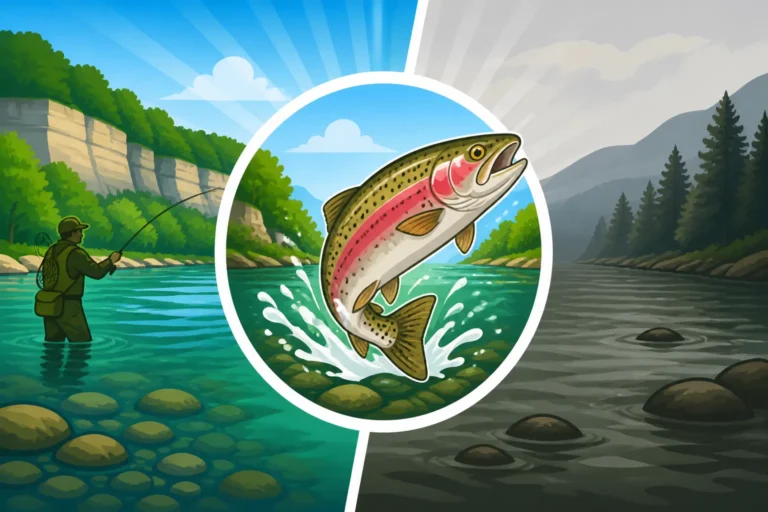
The White River, particularly its stretches below the major dams like Bull Shoals and Norfork, is nothing short of iconic for trout anglers. This isn't just a river; it's a cold, nutrient-rich ecosystem maintained by the consistent outflow from the bottom of deep reservoirs. This unique environment creates perfect conditions for robust populations of rainbow and brown trout, some reaching truly impressive sizes. When you fish the White River, you're often drifting through stunning scenery, navigating currents, and employing specific techniques—like fly fishing or delicate spin fishing—to entice these wary fish. It's a completely different rhythm compared to lake fishing, often quieter, more methodical, and deeply rewarding. Anglers come from all over for the chance to hook into a trophy brown trout, a challenge that pushes your skills and patience.
The Diversity of Arkansas's Lakes
Contrast that serene, specialized trout pursuit with the vibrant, diverse action found on Arkansas's many lakes. Places like Lake Ouachita, Norfork Lake, Bull Shoals Lake, or DeGray Lake offer entirely different challenges and rewards. Here, you're often targeting largemouth and smallmouth bass, abundant crappie, hard-fighting striped bass, or monster catfish. Lake fishing can involve everything from casting topwater lures at dawn for schooling bass, jigging vertically for crappie over submerged timber, or trolling deep-diving crankbaits for stripers. The scenery is often expansive, with large open waters, numerous coves, and diverse structures, making each day an exploration. The sheer variety of species and techniques means there's always something biting, appealing to different fishing styles and preferences. If you want to experience the thrill of a striper tugging at your line one day and the subtle take of a brown trout the next, combining these trips is the way to go. You can find more specific information on The Top Arkansas Lakes for Bass, Crappie, and Catfish.
Common Angler Concerns
Many anglers shy away from the idea of a dual-destination trip because they worry about the complexities. "How will I manage the travel time between places?" "Won't it be too expensive to book two different kinds of guides?" "What about all the different gear?" These are all valid questions. The thought of juggling reservations, different types of tackle, and navigating unfamiliar roads can indeed seem daunting. However, with a little upfront planning and the right resources, these concerns can be easily addressed. The reward of experiencing both worlds far outweighs the initial planning hurdles.
Planning Your Dual-Destination Arkansas Fishing Adventure
The key to a successful combined trip lies in thoughtful planning. You need to consider what you want to catch, when you want to go, and how you'll move between locations.
Choosing Your Lake Destination
Arkansas has a wealth of fantastic lakes, but some are more strategically located for combining with a White River trip. The White River flows through the northern part of the state, particularly the Ozarks region. This makes lakes in that same general vicinity, such as Bull Shoals Lake or Norfork Lake, excellent candidates. You could literally be fishing for trout below Bull Shoals Dam in the morning and targeting bass or crappie on Bull Shoals Lake itself in the afternoon.
- Bull Shoals Lake: Known for its clear waters and excellent bass fishing (largemouth, smallmouth, spotted), as well as crappie and walleye. It's directly adjacent to the famous White River trout waters.
- Norfork Lake: Another deep, clear Ozark reservoir, Norfork is legendary for its striped bass, but also offers great opportunities for bass and crappie. It's also very close to the White River tailwaters. Norfork Lake: One of Arkansas's Best Striped Bass Fisheries
- Greers Ferry Lake: A bit further south-east from the core White River stretch, but still within reasonable driving distance, Greers Ferry is another fantastic lake for bass and walleye, and it even has its own tailwater trout fishery on the Little Red River.
When choosing, consider your target species. Do you want to chase trophy stripers? Focus on Norfork. Are you after diverse bass species? Bull Shoals or Greers Ferry might be your pick. Proximity to the White River is also a major factor in minimizing travel time.
Optimal Timing for Both Experiences
Timing is crucial for a successful dual-destination trip. While trout fishing on the White River is often a year-round affair due to the cold tailwater conditions, prime times for lake species can vary significantly.
- Spring (March-May): This is often considered peak fishing for many lake species, especially bass and crappie during their spawn and post-spawn periods. The trout fishing on the White River is also excellent, with healthy flows and active fish. This can be an ideal window to catch both fisheries at their prime. You can delve into Arkansas Fishing Seasons Guide for more details.
- Summer (June-August): While lake fishing can be more challenging during the heat of summer (requiring early mornings, late evenings, or targeting deep structure), the White River continues to provide excellent trout opportunities with its consistent cold water. This might be a good time to focus on lake fishing during the cooler parts of the day, then switch to the river.
- Fall (September-November): Many lake species become very active again in the fall as water temperatures cool, feeding heavily before winter. Trout fishing remains strong on the White River. This is another fantastic time for a combined trip, offering comfortable weather and aggressive fish in both environments.
- Winter (December-February): Lake fishing can be slow for some species, but cold-water fish like stripers and some deep crappie can be very productive. The White River is still a trout paradise, often with fewer crowds. If you don't mind bundling up, winter offers unique opportunities.
Consider your personal preferences for weather and target species. A spring or fall trip often provides the best balance for both types of fishing.
Essential Gear Considerations
This is where planning truly pays off. You're essentially packing for two different fishing trips in one.
| Gear Category | White River (Trout) | Arkansas Lakes (Bass, Crappie, Stripers) |
|---|---|---|
| Rods & Reels | Light-action spinning rods (6-7 ft), 2-4 lb test; Fly rods (4-6 wt), matching reels. | Medium-heavy baitcasting/spinning rods (6.5-7.5 ft), 8-20 lb test. |
| Line | Monofilament or fluorocarbon (light test) | Fluorocarbon, monofilament, or braid (heavier test) |
| Lures/Baits | Small inline spinners, spoons, artificial worms, live worms, PowerBait; Flies (nymphs, streamers, dries). | Crankbaits, spinnerbaits, jigs, plastic worms, swimbaits, topwater lures; Live minnows, shad, worms. |
| Terminal Tackle | Small hooks (size 10-16), split shot, small swivels, strike indicators. | Jig heads, weights (bullet, drop shot), larger hooks (EWG, worm hooks), swivels. |
| Waders/Footwear | Waders (chest or waist-high), wading boots (if wade fishing). | Comfortable boat shoes, hiking boots for bank access. |
| Clothing | Layers for varying temperatures, rain gear. | Sun protection (hat, long sleeves), rain gear. |
| Other Essentials | Landing net (fine mesh), forceps/hemostats, measuring tape. | Landing net (larger), pliers, fish gripper, measuring board. |
You might find that some items, like rain gear, sun protection, and a basic first-aid kit, are universally useful. For specialized items, consider if you'll need them for both or if you can rent/borrow from a guide. Don't forget your fishing license and trout permit!
Finding the Right Guides and Charters
For a combined trip, especially if you're unfamiliar with the area, hiring guides is almost a necessity. They provide the local knowledge, specialized equipment, and can significantly cut down on your planning stress. Many guides specialize in either the White River or specific lakes, but some outfits might offer packages or can recommend trusted partners for the other part of your trip.
Platforms like FishingBooker can be incredibly useful here. You can filter by location and species, making it easy to find guides that specialize in trout fishing on the White River or bass/striper fishing on Norfork or Bull Shoals Lake. Don't hesitate to contact potential guides through FishingBooker and explain your full itinerary. They often have networks of fellow guides and can help coordinate or suggest ways to make your trip flow smoothly. Booking a quality guide, whether for a Half-Day White River Trout Trips in Arkansas or a lake bass excursion, ensures you're on the right track from the start.
Logistics of Seamlessly Moving Between Waters
Once you've decided on your destinations and timing, the practicalities of moving between them come into play. A little foresight here can save you a lot of headache on the ground.
Mapping Your Route and Travel Times
The good news is that many of Arkansas's prime fishing destinations are relatively close, especially in the northern Ozarks. For example, the towns of Cotter, Flippin, and Mountain Home are central to both the White River and Norfork/Bull Shoals Lakes.
- White River to Norfork/Bull Shoals: If you're staying in the Mountain Home area, you're minutes away from both the White River access points and the major boat ramps on Norfork and Bull Shoals Lakes. Driving between these spots is usually a matter of 15-45 minutes, depending on the specific access point.
- White River to Greers Ferry Lake: This would be a longer drive, likely 1.5-2 hours from the core White River areas. It's doable as part of a multi-day trip, but less convenient for daily back-and-forth.
Plan your itinerary to minimize travel time on your fishing days. Perhaps dedicate 2-3 days to the White River, then move your base of operations slightly to focus on a particular lake for another 2-3 days.
Accommodations: Strategic Stays
Choosing the right base camp can make a huge difference in your enjoyment. Look for lodging that offers easy access to both your chosen river and lake segments.
- River Towns: Towns like Cotter, Bull Shoals, and Lakeview (all near the White River) offer a range of lodges, cabins, and motels. Many of these are specifically geared towards anglers and might offer easy river access or even boat ramps. From here, a short drive gets you to the lakes.
- Lake Towns: Mountain Home is a larger hub with more amenities, offering good access to both Norfork and Bull Shoals Lakes, as well as the White River. You'll find a wider selection of hotels, restaurants, and sporting goods stores.
- State Parks: Several state parks, such as Bull Shoals-White River State Park, offer camping, cabins, and easy access to both the river and the lake. This can be a great option for families or those looking for a more immersive natural experience.
- VRBO/AirBnB: Don't forget vacation rentals. You can often find cabins or homes specifically targeting anglers, sometimes even with private docks or river access, allowing you to settle in for a few days without needing to relocate daily.
Licensing and Permits: Don't Get Caught Unaware
This is perhaps the most critical logistical point. You absolutely need the correct documentation.
- Arkansas Fishing License: Every angler aged 16 and older needs a valid Arkansas fishing license. This applies to both residents and nonresidents. You can purchase these online, at most sporting goods stores, or even some bait shops. Arkansas Fishing License Rules and Costs will guide you through this process.
- Arkansas Trout Permit: This is a separate permit required if you plan to retain trout or fish in certain designated trout waters, including the White River. Even if you're planning catch-and-release, it's often a good idea to have it, just in case regulations change or you decide to keep a meal. This is an additional purchase on top of your standard fishing license. Make sure to consult Arkansas Trout Permit Rules.
- Check Regulations: Beyond licenses, always check the specific regulations for the waters you plan to fish. Length limits, daily creel limits, and special regulations can vary dramatically from one lake to another, or even on different sections of the same river. For example, Norfork Tailwater Trout Rules in Arkansas will detail specific trout limits for that area. Ignorance of the law is not an excuse, and game wardens are diligent.
You can easily purchase both your license and trout permit online through the Arkansas Game and Fish Commission website. It's smart to do this before you even leave home. Many guides will remind you of this, but it's ultimately your responsibility.
Boat Rentals and Access Points
If you're not using a guide, you'll need to consider how you'll get on the water.
- Lake Boat Rentals: Marinas on major lakes like Bull Shoals and Norfork offer a variety of boat rentals, from small fishing boats to pontoon boats. This can be a convenient option if you don't want to trailer your own boat.
- White River Boat Rentals/Access: For the White River, you might find drift boat or john boat rentals, especially from trout-focused outfitters. Public boat ramps and access points are also available for those with their own boats. However, navigating the White River, especially when generation schedules change, can be tricky. A guide is highly recommended for safety and success if you're not experienced with tailwater rivers.
- Kayaks/Canoes: For smaller rivers or calm lake coves, kayaks or canoes offer a quieter, more intimate fishing experience. Just be mindful of safety, especially on larger, busy lakes or fast-flowing river sections.
Making the Most of Each Unique Fishing Experience
With the planning and logistics sorted, it's time to focus on the fishing itself. The beauty of a combined trip is experiencing these very different angling worlds.
White River Trout Techniques and Best Practices
Trout fishing on the White River is often a technical game, but incredibly rewarding.
- Fly Fishing: Many anglers come specifically for the fly fishing, using nymphs, streamers, and dry flies. Hatch charts can be helpful, but generally, local guides will know what's working. Fly Fishing the White River in Northwest Arkansas offers a deeper dive into this.
- Spin Fishing: Don't feel like you have to fly fish. Spin fishing with light tackle, small inline spinners (like Rooster Tails or Mepps), tiny crankbaits, or even PowerBait and live worms can be highly effective. The key is light line, small baits, and a stealthy approach.
- Drifting vs. Wading: Much of the White River is fished from drift boats or john boats, especially during periods of high generation. However, when the water is low, wading can be very productive in certain sections. A good guide will know the best approach for current conditions.
- Catch and Release: While you can keep trout (with a permit and within limits), many anglers practice catch-and-release, especially for the larger brown trout, to preserve the fishery. Handle fish gently with wet hands and use barbless hooks for easier release.
Lake Fishing Strategies and Species-Specific Tips
Lake fishing offers a wider array of approaches, depending on your target.
- Bass: Look for largemouth bass around submerged timber, docks, weed lines, and points. Topwater lures early and late, crankbaits, spinnerbaits, and soft plastics (Texas or Carolina rigged) are popular. Smallmouth bass often prefer rocky points, drop-offs, and deeper structure, biting on finesse baits, jigs, and small crankbaits. Bass Fishing Techniques for Beginners can help you get started.
- Crappie: Crappie love structure, so target brush piles, standing timber, bridge pilings, and submerged creek channels. Jigs (tipped with minnows or plastics) and live minnows fished under a bobber or vertically jigged are standard. Crappie Jigging Basics for Beginners provides essential knowledge.
- Striped Bass: Norfork Lake and Lake Hamilton are renowned for stripers. These powerful fish can be found trolling deep with large crankbaits, live bait (shad), or casting topwater lures during schooling activity. Early mornings and late evenings are often best. Arkansas Striped Bass Fishing Techniques explores this in detail.
- Catfish: Channel, blue, and flathead catfish are abundant. Look for them in deeper holes, around channel edges, and near woody debris. Stink baits, cut bait, chicken livers, and live bait are all effective, often fished on the bottom. Catfish Bottom Fishing Techniques will get you started.
Maximizing Your Time and Enjoyment
To truly get the most out of your combined trip, remember these pointers:
- Flexibility: While planning is good, be prepared to be flexible. Weather, water levels, and fish activity can change. Your guides, if you have them, will be your best source of real-time information.
- Balance: Don't try to cram too much into each day. You're on vacation! Allow time for relaxation, good food, and soaking in the natural beauty of Arkansas.
- Document Your Adventure: Take photos! The scenery and the fish will be memorable.
- Listen to Your Guides: Seriously, these folks are professionals. They know their waters inside and out. Pay attention to their advice on techniques, presentation, and fish behavior. They're there to help you succeed. When booking through a service like FishingBooker, you can often read reviews and find guides known for their teaching skills, which is a huge plus for new techniques.
- Pace Yourself: If you're doing a multi-day trip, alternate between physically demanding fishing (like extensive wading) and more relaxed options (like trolling from a boat) to avoid burnout.
By carefully planning your species targets, timing, gear, and logistics, and by leveraging experienced guides and resources like FishingBooker, you can turn the dream of a combined White River and lake fishing trip into an unforgettable reality.
Disclaimer
This article is for general informational purposes only and does not constitute professional advice. Laws, prices and regulations vary by location and change over time. Consult a qualified professional for guidance on your specific situation.