Best Arkansas Guide Trips for Fly-Fishing Beginners
Let's be honest, the thought of trying fly-fishing for the first time can feel incredibly intimidating. You see those seasoned anglers with their graceful casts and intricate fly patterns, and it's easy to think you'll never get there. But what if I told you that Arkansas, with its world-class trout streams, is actually one of the best places to learn, especially with the right guidance? This comprehensive guide is here to walk you through why an Arkansas fly-fishing guide trip is your secret weapon to mastering the basics and falling in love with the sport.
Why a Guided Fly-Fishing Trip is Perfect for Beginners in Arkansas
Stepping onto the bank of a cold, clear Arkansas river with a fly rod in hand can be overwhelming for a newcomer. There's so much to learn, from the technical casting motion to understanding what flies to use and where the fish might be hiding. That's where a guided trip truly shines, transforming what could be a frustrating day into an incredibly rewarding learning experience.
Learning the Ropes from the Pros
Imagine trying to teach yourself how to play a guitar just by watching videos. You might pick up a few chords, but you'll miss so many subtle nuances that a seasoned instructor could show you in minutes. Fly-fishing is very much the same. A dedicated guide isn't just there to put you on fish; they are your personal instructor, patient and knowledgeable, ready to demystify every aspect of the sport. They'll start with the absolute fundamentals, like how to properly hold the rod, the basic roll cast, and then gradually move to more advanced techniques like the overhead cast. This hands-on, real-time feedback is invaluable. You'll learn the rhythm of the cast, how to mend your line, and how to set the hook when a trout finally decides to strike. This direct instruction bypasses weeks or months of trial-and-error that most beginners face on their own.
Beyond the physical act of casting, a great guide will also teach you the crucial art of fly selection. They'll explain why a specific pattern works better in certain conditions, whether it's a tiny midge on a calm winter day or a larger streamer during a spring hatch. They'll show you how to tie on flies and how to keep your line free of tangles – a common frustration for beginners. It's like having a fishing mentor right there beside you, explaining the "why" behind every action, not just the "how." They can tell you about Trout Fly Fishing Basics for Tailwaters and get you started right.
Accessing Prime Waters and Understanding Local Nuances
One of the biggest hurdles for any angler, but especially a beginner, is simply finding where the fish are. Arkansas boasts incredible waters like the White River and the Little Missouri River, but these can be vast and complex. A local fly-fishing guide knows these waters like the back of their hand. They know the subtle seams where trout ambush insects, the deep pools where big browns hide, and the riffles where rainbow trout feed actively. They'll take you directly to productive spots, saving you countless hours of aimless wandering and casting into barren water. This means more opportunities to hook up with fish, which is a massive confidence booster when you're just starting out.
Furthermore, guides understand the ever-changing conditions of these rivers. Water levels, current speed, insect hatches, and even the time of day can drastically affect fishing success. A good guide will interpret these factors for you, helping you understand why they chose a particular spot or a specific fly. They’ll teach you how to "read the water," a skill that takes years to develop independently. This local expertise is crucial, especially on tailwater fisheries like those below Bull Shoals Dam, where generation schedules impact fish behavior daily. You can find excellent guides who specialize in these areas; for example, many operate out of Cotter, which is often called the "Trout Capital of Arkansas," and they know all about White River Fishing Guides: Arkansas's Trout Fishing Capital.
What to Look for in an Arkansas Fly-Fishing Guide for Beginners
So, you're convinced a guide trip is the way to go. Fantastic! But not all guides are created equal, especially when it comes to teaching novices. Picking the right guide can make or break your first fly-fishing experience. It's worth putting in a little effort upfront to ensure you find someone who aligns with your learning goals.
Experience with Novice Anglers
This is probably the most critical factor for a beginner. Some guides specialize in taking experienced anglers after trophy fish, and while they might be incredibly skilled, their teaching style might not be suited for someone who's never held a fly rod. You need a guide who possesses immense patience, a clear communication style, and genuinely enjoys teaching. When you're researching guides, don't hesitate to ask directly about their experience with beginners. How do they approach teaching casting? Do they have a step-by-step method? Do they provide all the necessary gear for someone without any of their own?
A good beginner-friendly guide understands that the goal isn't just to catch fish, but to equip you with the skills and confidence to eventually fish on your own. They'll celebrate your small victories – a perfectly executed cast, a fish landed, a knot tied correctly – and gently correct your mistakes without making you feel inadequate. Look for reviews that specifically mention a guide's patience and teaching ability. Websites like FishingBooker often allow you to filter guides by their specialization and read detailed feedback from previous clients, which can be super helpful in finding a true educator.
Inclusions and Gear Provided
One of the most significant advantages for a fly-fishing beginner going on a guided trip is not having to buy all the expensive gear upfront. Fly rods, reels, lines, waders, boots, vests, and a myriad of flies can quickly add up to a substantial investment. A quality guide trip, especially one geared towards beginners, should include most, if not all, of this essential equipment.
Before booking, clarify exactly what's included in the trip. Do they provide waders and boots in your size? Is the rod, reel, and appropriate tackle (leaders, tippet, flies) covered? What about safety equipment like life jackets on a drift boat? Some guides even include lunch, snacks, and non-alcoholic beverages, which can be a nice bonus, especially on a full-day excursion. Having all the gear supplied means you can experience fly-fishing without the financial commitment, allowing you to decide if it's a passion you want to pursue further before emptying your wallet. Plus, it simplifies your packing list – you just show up ready to learn! When you're looking at options on platforms like FishingBooker, pay close attention to the "What's Included" section of each guide's listing. It could even be useful to compare with details in articles like What's Included in an $800 White River Guide Trip to understand typical offerings.
Top Arkansas Destinations for Beginner Fly-Fishing Trips
Arkansas is blessed with incredible cold-water fisheries, primarily the tailwaters below its massive dams. These rivers offer consistent conditions and healthy trout populations, making them ideal classrooms for aspiring fly anglers. Knowing where to focus your attention can really help narrow down your guide search.
The White River Below Bull Shoals and Norfork Dams
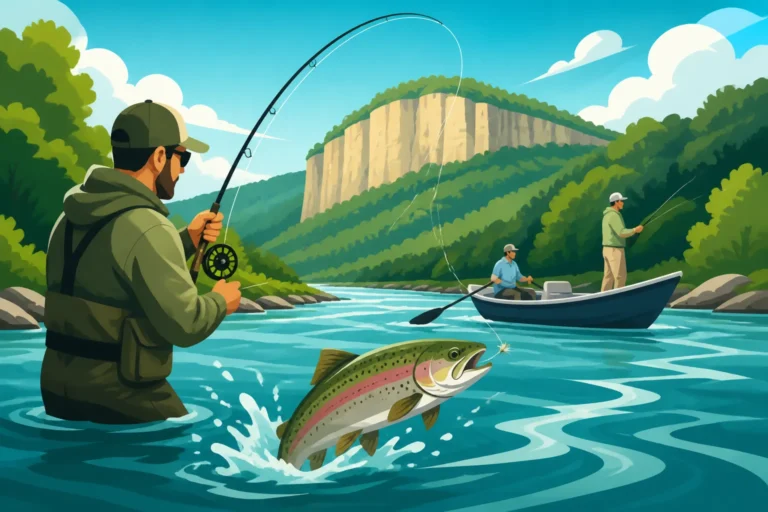
When people think of fly-fishing in Arkansas, they almost invariably think of the White River. Stretching for miles below the massive Bull Shoals and Norfork Dams, this river is a cold, clear trout factory, home to rainbow, brown, cutthroat, and brook trout. While it might sound intimidating given its reputation for trophy fish, the White River is actually fantastic for beginners, especially with a guide. The river's flow is relatively consistent (though dam generation schedules do matter!), and many sections are perfect for learning to cast from a drift boat. The sheer abundance of trout means you'll likely have plenty of opportunities to practice hooking and landing fish, which builds confidence rapidly.
A guided float trip on the White River allows you to cover a lot of water without the strenuous effort of wading. Your guide will expertly maneuver the boat, positioning you for optimal casts into productive seams and pools. They'll point out rising fish, explain the subtle currents, and help you understand the river's ecosystem. Many guides operate out of towns like Cotter, Mountain Home, and Lakeview, which are perfectly situated for accessing the best stretches. Learning to fly fish on the White River offers an iconic experience that few other places can match. You'll be amazed at how quickly you pick up the rhythm of the river. If you're considering a trip here, check out Arkansas Fly-Fishing Guides for the White River.
Other Beginner-Friendly Streams (Little Missouri, Caddo)
While the White River is undoubtedly the superstar, Arkansas has other gems that offer a different, often more intimate, fly-fishing experience that can also be excellent for beginners. The Little Missouri River, for instance, particularly in the Albert Pike Recreation Area, is regularly stocked with rainbow trout and offers beautiful, wadeable sections. These smaller waters can feel less overwhelming than a big river, allowing you to focus on casting and presentation in a more controlled environment. Guides who specialize in these smaller streams can provide a great introduction to wade fishing, teaching you how to safely navigate the river and approach fish without spooking them.
Similarly, other rivers like portions of the Caddo River can offer opportunities for warm-water fly-fishing for species like smallmouth bass, especially during warmer months. While not strictly a trout destination, learning to cast and present flies for aggressive smallmouth can be an incredibly fun and forgiving way to hone your skills. The fundamentals of casting and line management translate directly, and the fight of a smallmouth on a fly rod is exhilarating. Exploring these diverse options with a knowledgeable guide can broaden your fly-fishing horizons right from the start. You might want to look into Fishing Spots on the Caddo River in Arkansas for more details on this lesser-known gem.
Planning Your First Arkansas Fly-Fishing Guide Trip
Now that you've got a handle on why a guided trip is perfect for you and where you might go, let's talk about the practicalities of making it happen. A little preparation goes a long way in ensuring your first fly-fishing adventure is smooth and enjoyable.
Booking and Communication
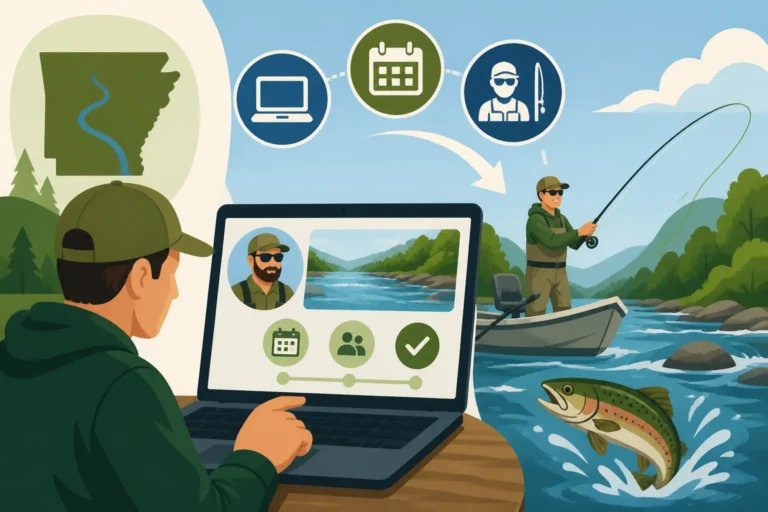
Booking your first fly-fishing guide trip isn't just about picking a date; it's about finding the right fit and clearly communicating your expectations. Start by researching guides well in advance, especially if you're planning for a popular season like spring or fall, or targeting a weekend trip. Many guides book up weeks or even months ahead of time. Use platforms like FishingBooker to browse different guides, read their bios, and check their availability. Once you've narrowed down your choices, don't hesitate to call or email them directly.
Here are some key questions to ask, especially as a beginner:
- "Do you have experience guiding absolute beginners?"
- "What gear do you provide, and what do I need to bring?"
- "How much one-on-one instruction can I expect?"
- "What's your cancellation policy?"
- "Do you handle the fishing license, or do I need to buy one beforehand?" (You will absolutely need one, but it's good to confirm if they assist.)
- "What species will we be targeting, and what's the likelihood of catching fish?"
Being upfront about your beginner status ensures the guide can tailor the trip to your needs. A good guide will appreciate your honesty and will be excited to introduce you to the sport. Communicating clearly upfront will prevent misunderstandings and ensure you have a fantastic learning experience. For a broader overview, check out How to Book a Fishing Guide in Arkansas.
What to Bring and What to Expect
Even though your guide will likely provide most of the fishing gear, there are still some essentials you'll want to pack to make your day comfortable and enjoyable. Think about layers of clothing, as temperatures can fluctuate throughout the day on the river. Quick-drying fabrics are always a good choice. Sun protection is crucial: a wide-brimmed hat, sunglasses (polarized ones are a bonus for seeing into the water!), and plenty of sunscreen. Don't forget snacks and water, even if your guide provides lunch; it's always good to have extra, especially if you get hungry while learning.
Here’s a quick checklist for your first guided fly-fishing trip:
| Item | Why It's Important |
|---|---|
| Fishing License | Absolutely essential; most guides won't provide it. |
| Layered Clothing | River temperatures change; be ready for anything. |
| Rain Gear | Weather can be unpredictable. |
| Hat & Sunglasses | Sun protection and eye safety from errant flies. |
| Sunscreen | Protect your skin from reflection off the water. |
| Water Bottle | Stay hydrated, even if the guide provides drinks. |
| Snacks | Keep your energy up during a full day of learning. |
| Camera/Phone | Capture those first fish and beautiful scenery! |
| Small Backpack | To carry your personal items comfortably. |
| Gratuity | Customary to tip your guide for excellent service. |
You should also expect a certain rhythm to the day. Your guide will meet you at an agreed-upon location, usually near a boat ramp or fishing access point. After a quick introduction and gear check, they'll give you a rundown of the plan for the day and some initial casting instructions. The day will be a mix of moving to different spots, receiving instruction, fishing, and taking breaks. Don't be afraid to ask questions, no matter how simple they seem. This is your day to learn, and a good guide is there to help you every step of the way. And yes, you absolutely need a fishing license – you can read up on Arkansas Fishing License Requirements for Guided Trips to make sure you're squared away before your trip.
Disclaimer
This article is for general informational purposes only and does not constitute professional advice. Laws, prices and regulations vary by location and change over time. Consult a qualified professional for guidance on your specific situation.