First Guided Fishing Trip in Arkansas: What Beginners Should Book
So, you've been thinking about getting into fishing in Arkansas, or maybe you've dabbled a bit and now you're ready to take the plunge into a guided experience. It's totally understandable if the idea feels a little daunting – there are so many lakes, rivers, species, and guides to choose from! This guide is here to cut through that confusion, helping you understand why a guided trip is actually the perfect entry point for a beginner and what you should look for when booking your very first Arkansas fishing adventure.
Why a Guided Trip is Perfect for Beginners in Arkansas
Let's be honest, staring at a vast lake or a rushing river with a brand-new rod in hand can feel a lot like being dropped into the deep end without a paddle. You might wonder where to even cast, what bait to use, or if you're even holding the rod right. That's precisely where a good fishing guide shines, especially for newcomers to the sport or to Arkansas's incredible waters. They're not just boat drivers; they're seasoned teachers, navigators, and local experts all rolled into one.
Overcoming the Initial Learning Curve
One of the biggest hurdles for anyone starting out in fishing is the sheer volume of information to absorb. What time of day is best? What kind of fish are even in this specific body of water? Which lure color is working today? A professional fishing guide effectively fast-tracks that learning process, giving you insights that would take years to acquire on your own. They already know the hot spots, the fish patterns, and the subtle nuances of the local ecosystem.
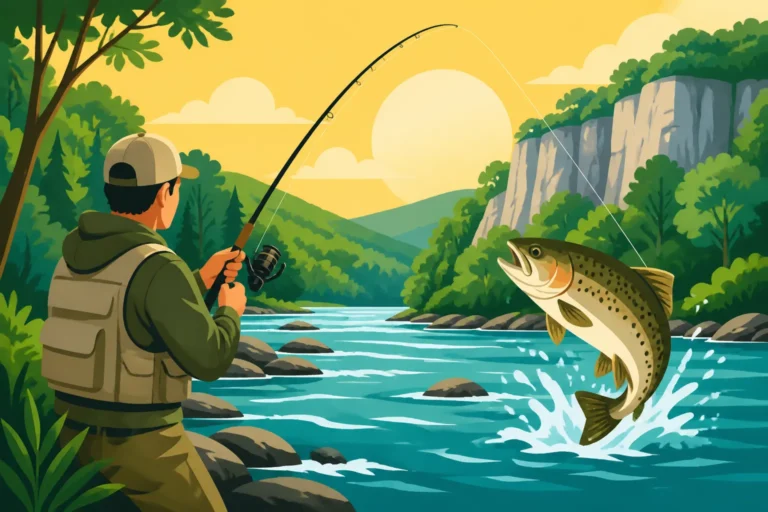
Imagine showing up to the White River for your first trout fishing experience. Without a guide, you might spend hours guessing where the fish are holding, what flies or lures to drift, and how deep to present your offering. With a guide, you step onto the boat, and they immediately begin explaining the water, the target species, and the current techniques. They'll hand you the right rod, already rigged with the perfect bait or lure, and patiently show you how to cast and retrieve. This hands-on, in-the-moment instruction is invaluable, allowing you to focus on the act of fishing and learning rather than troubleshooting every single step.
Beyond just catching fish, a guide teaches you the why behind their methods. They'll explain why they're fishing a certain bend in the river, how to "read" the water for structure, or what depth finder readings mean. This isn't just about one successful trip; it's about building foundational knowledge that you can apply to future fishing adventures. You'll gain confidence with every cast, and by the end of the day, you'll have a much clearer understanding of how to approach fishing on your own.
Safety and Stress-Free Experience
Any outdoor activity comes with its own set of safety considerations, and fishing is no exception. From navigating unfamiliar waters, understanding weather patterns, or even just safely handling a fish with sharp hooks, there's a lot to keep in mind. For a beginner, adding these concerns to the excitement of a new hobby can sometimes feel overwhelming. A guided trip eliminates much of this stress, allowing you to relax and truly enjoy the experience.
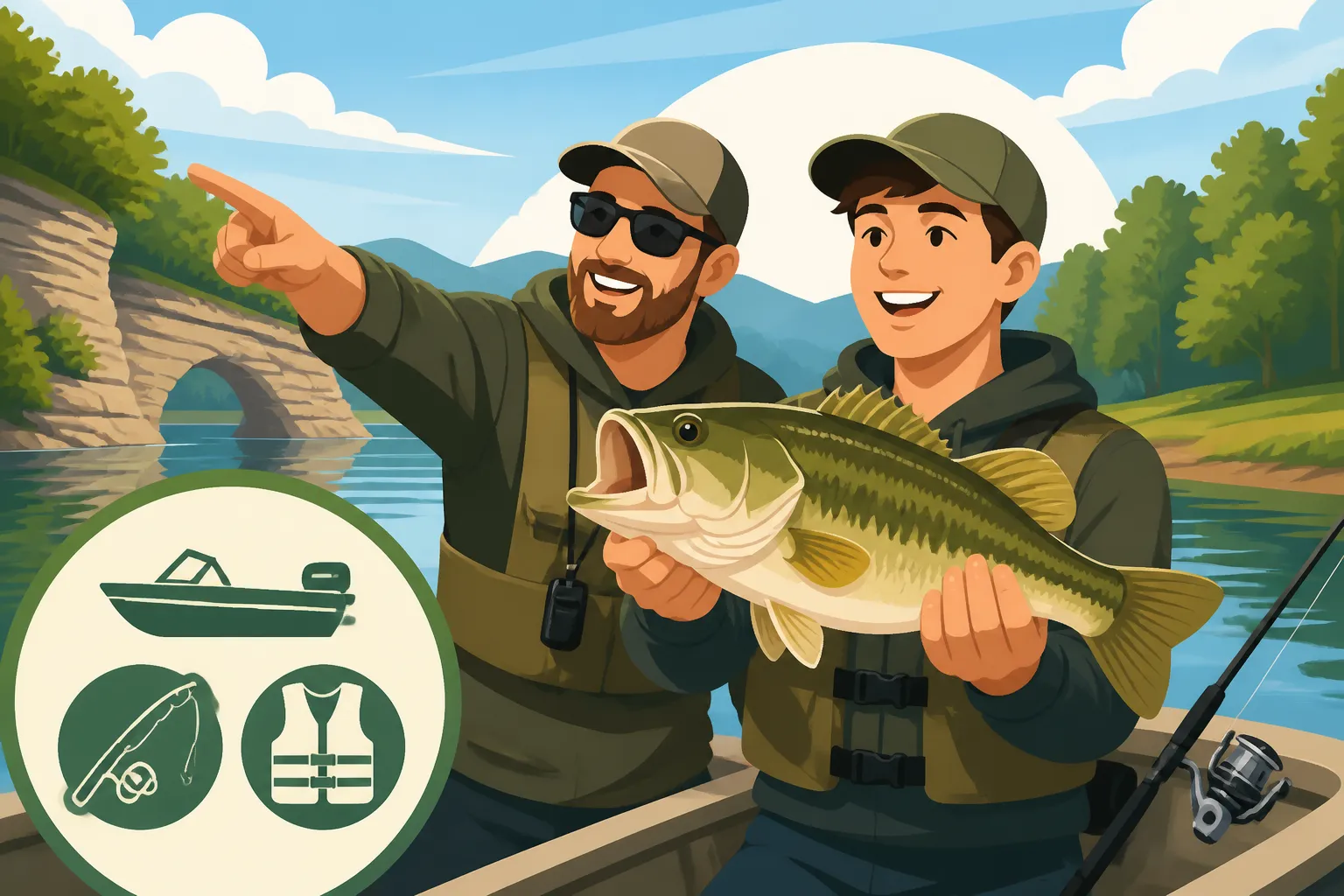
Your guide is a licensed professional, intimately familiar with the waters you're on, and equipped with all the necessary safety gear, from life vests to first-aid supplies. They'll handle the boat, navigate any tricky spots, and keep a close eye on changing weather conditions. This means you don't have to worry about running aground, getting lost, or encountering unexpected hazards. Plus, they're experts at safely unhooking fish and ensuring both you and the fish remain unharmed, which can be a big relief for those new to handling live catches.
Furthermore, guides often handle all the little logistical details that can trip up a beginner. They'll typically provide all the rods, reels, tackle, and bait you'll need. This means you don't have to invest in expensive gear before you even know if you love the sport, nor do you have to spend time researching the best equipment. They might even offer advice on Arkansas Fishing License Requirements for Guided Trips or help you obtain the necessary permits, making the entire experience as smooth and enjoyable as possible. It's essentially a concierge service for your fishing day, letting you focus purely on the thrill of the catch.
Choosing the Right Type of Trip for Your First Adventure
Arkansas boasts an incredible diversity of fishing opportunities, from the cold, clear trout streams of the Ozarks to the warm, expansive lakes teeming with bass and crappie. For your first guided trip, it's essential to pick an experience that matches your comfort level and interests, ensuring you have the most enjoyable and successful outing possible. Don't feel pressured to go after the biggest, most elusive fish right away; sometimes, an easier target provides a more rewarding learning experience.
Consider Your Target Species and Location
Thinking about what kind of fish you'd like to catch, or what kind of fishing environment appeals to you most, is a great starting point. Arkansas is famous for several key species, and each offers a slightly different experience.
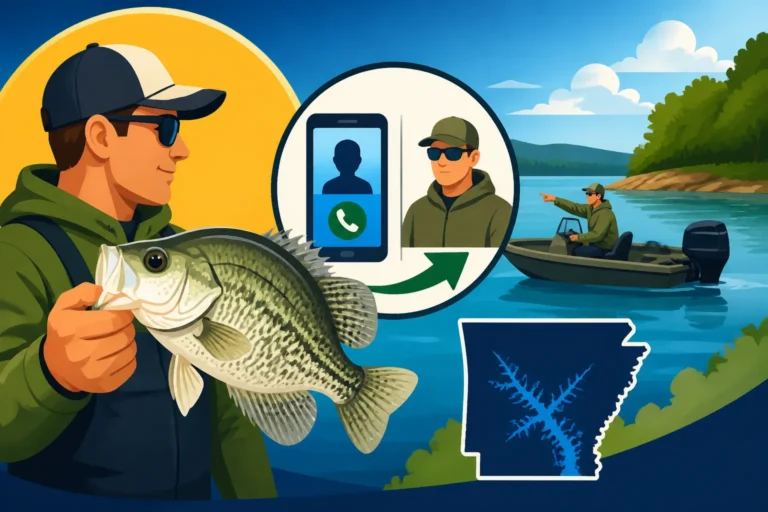
If you're drawn to the serene beauty of mountain streams and the challenge of catching a truly beautiful fish, then trout fishing on rivers like the White River might be perfect. Guides on these waters specialize in teaching techniques for rainbow and brown trout, whether it's fly-fishing or spin-fishing with light tackle. It's often a very hands-on experience, requiring attention to detail and patience. You can read more about it in Trout Fishing on Arkansas's White River. If you prefer the excitement of a hard-fighting game fish and the larger, open waters of a reservoir, then a bass or crappie trip on one of Arkansas's many fantastic lakes could be ideal. Lakes like Ouachita, DeGray, or Bull Shoals offer excellent opportunities for these species. Bass fishing, particularly for largemouth, can involve a lot of casting and cover different types of structure, while crappie fishing often focuses on finding schools and using jigs or minnows. For a deeper dive into bass, check out Bass Fishing in Arkansas: Largemouth, Smallmouth, and Kentucky Bass Explained, and for crappie, you might find Crappie Fishing in Arkansas: Black and White Crappie Basics helpful. Deciding on your preferred quarry will help narrow down the vast number of guides and locations available.
Half-Day vs. Full-Day Trips: What's Best for a Beginner?
This is a classic dilemma for anyone booking a fishing trip, and for beginners, the answer is often clearer than you might think. While the allure of a full day on the water is strong, a half-day trip often proves to be the superior choice for your very first guided adventure.
A half-day trip, typically running for four to five hours, provides ample time to learn the basics, catch some fish, and get a feel for the guided experience without overdoing it. Fishing, especially when you're actively learning and casting, can be physically demanding. Plus, a beginner might get tired of the constant focus or simply need a break. A half-day trip ends before fatigue sets in, leaving you refreshed and excited for your next outing, rather than completely worn out. It's a perfect sampler – enough time to build confidence and make some memories, but not so long that it becomes overwhelming. Guides on popular platforms like FishingBooker often clearly list both half-day and full-day options, making it easy to compare. For more detailed insights, take a look at Half-Day vs Full-Day White River Trout Trips: Which to Book in Arkansas.
On the other hand, a full-day trip, which usually lasts seven to eight hours, is fantastic for more experienced anglers or those who already know they love spending extended periods on the water. It allows the guide to cover more ground, target multiple species, or explore different techniques in greater depth. However, for a beginner, it can sometimes be too much. If the fish aren't biting in the middle of the day, or if the weather turns, a full-day trip can start to feel long and potentially dampen your enthusiasm. Starting with a half-day allows you to test the waters, literally and figuratively, and ensures your first guided experience is overwhelmingly positive.
Fly-Fishing or Spin-Fishing: Matching Your Interest
The world of fishing offers a multitude of techniques, and for a beginner, two of the most common approaches you'll encounter on guided trips are spin-fishing and fly-fishing. While both are incredibly rewarding, they cater to different skill levels and preferences.
For most absolute beginners, spin-fishing is generally the recommended starting point. This method uses a spinning rod and reel, which is intuitive to cast and manage, making it much easier to pick up quickly. You'll typically be using artificial lures, soft plastics, or live bait like minnows or worms. Spin-fishing is highly versatile and effective for a wide range of species across all types of Arkansas waters, from trout in tailwaters to bass in reservoirs. Guides can quickly teach you the mechanics of casting, retrieving, and feeling for bites, allowing you to focus on the thrill of the fight rather than mastering complex casting techniques. If your primary goal is to simply catch fish and have a fun, accessible experience, a spin-fishing trip is probably your best bet.
Fly-fishing, while often perceived as more artistic and challenging, is a fantastic pursuit for those who are genuinely curious and willing to dedicate a bit more time to learning the unique casting motions. It uses a specialized fly rod, reel, and line to present artificial "flies" that imitate insects or small baitfish. While some guides specialize in teaching beginner fly-fishing, it usually involves more instruction time upfront to get the casting down before you can effectively fish. If you've always dreamed of graceful casts and the delicate presentation of a fly, and you don't mind a slower pace focused on technique, then a dedicated fly-fishing guide can certainly introduce you to this beautiful discipline, particularly on Arkansas's renowned trout streams. Many guides offer both options, so be sure to discuss your interest level when booking. For a deeper dive into the differences, you can check out Fly-Fishing vs Spin-Fishing: Which Guide Trip to Book.
What to Expect and How to Prepare for Your First Guided Trip
So you've decided on the type of trip and perhaps even eyed a few guides. Now comes the exciting part: preparing for your first guided fishing adventure in Arkansas! One of the beautiful things about booking with a professional is how much they handle, but there are still a few things you can do to ensure you have the most enjoyable and successful day possible.
Gear, Bait, and Licenses: What the Guide Provides
One of the biggest advantages of a guided trip, especially for beginners, is that you typically don't need to bring much in terms of fishing equipment. Reputable guides almost always provide all the necessary rods, reels, tackle, and bait. This saves you the expense and hassle of buying gear that you might not know how to choose or use effectively. They'll have top-quality, well-maintained equipment that is perfectly suited for the species and conditions you'll be fishing, giving you the best chance of success.
Before you book, it's always a good idea to confirm exactly what the guide includes. Most guides will explicitly state this on their website or FishingBooker profile, but a quick call or email can clarify any doubts. Beyond the fishing gear itself, many guides also provide things like cooler space for your drinks and snacks, and some even offer water or light refreshments. Don't assume anything, though – ask! This ensures there are no surprises on the day of your trip.
Perhaps one of the most confusing aspects for new anglers is understanding fishing licenses and permits. Arkansas has specific regulations, and these can vary based on residency, age, and even the type of fish you're targeting (like a trout permit for certain waters). Many guides will not only advise you on what licenses you need but can also point you to where you can purchase them online or in person before your trip. Some might even assist with the purchasing process, though it's usually the angler's responsibility to have a valid license. It’s absolutely crucial to have your license in order before you hit the water, as game wardens do check, and penalties for fishing without one can be significant. To understand more about what's required, take a look at Do You Need an Arkansas Fishing License for a Guided Trip?.
Packing Essentials for a Comfortable Day
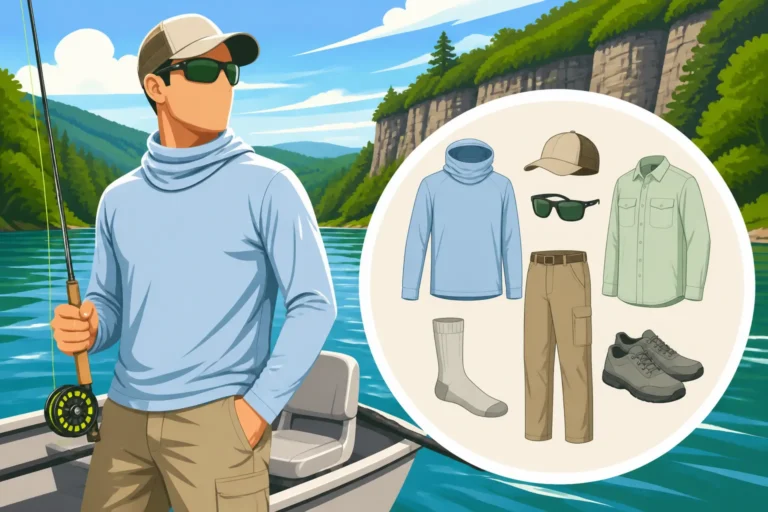
While your guide will handle the fishing gear, there are a few personal items you should definitely bring to ensure your comfort and enjoyment throughout the day. Weather in Arkansas can be unpredictable, especially in the mornings or evenings, and out on the water, conditions can feel amplified. Layering your clothing is always a smart move – start with a base layer, add a fleece or jacket, and have a waterproof outer shell ready, even if the forecast looks clear. You'll thank yourself if a sudden rain shower pops up or the temperature unexpectedly drops.
Beyond clothing, a wide-brimmed hat, sunglasses (polarized ones are a bonus for seeing fish!), and plenty of sunscreen are absolute must-haves. The sun's reflection off the water can be intense, leading to sunburn even on cloudy days. Bring any personal medications you might need, motion sickness remedies if you're prone to it, and a small backpack to keep your items organized. Snacks and drinks are also key; while some guides provide water, it’s always wise to bring your favorites to stay hydrated and energized. And, of course, don't forget your camera or phone to capture those memorable moments – just be sure it's protected from water! For a more comprehensive list, check out Packing List for a Full-Day White River Trout Trip.
Communication is Key: Before, During, and After
A successful guided trip often hinges on good communication between you and your guide. Before the trip, don't hesitate to reach out with any questions or to discuss your expectations. Are you hoping to catch a specific species, or are you more interested in learning techniques? Do you want to keep some fish for dinner, or is catch-and-release your preference? The more information you provide, the better your guide can tailor the experience to your desires. Similarly, if you have any physical limitations or special requests, sharing these upfront ensures the guide can make appropriate accommodations.
During the trip, continue to communicate. If you're not understanding a casting technique, or if you're feeling too hot or cold, speak up! Guides want you to have a great time, and they can only address concerns if they know about them. Ask questions about the fish, the water, and the local area – guides are a wealth of knowledge and often love sharing their expertise. This interaction not only enhances your learning but also makes the day more engaging. Finally, after a successful day, remember that tipping your guide is customary and greatly appreciated, especially for a job well done. It's a way to acknowledge their hard work, expertise, and dedication to giving you a memorable experience. You can find more detailed guidance on this in Tipping Your Fishing Guide in Arkansas.
Booking Your Beginner-Friendly Arkansas Fishing Guide
You're all set to embark on your first guided fishing trip in Arkansas! The last hurdle is actually booking the right guide who can provide that perfect beginner experience. With so many options out there, it can feel like finding a needle in a haystack, but a methodical approach will help you land the ideal match.
Finding Reputable Guides
The digital age has made finding and vetting fishing guides much easier than it used to be. Start by searching online for guides operating in your desired fishing location (e.g., "White River trout guides" or "Lake Ouachita bass guides"). Look for guides who specifically mention "beginner-friendly," "family trips," or "first-time anglers" in their descriptions, as these are often indications that they are patient and accustomed to teaching.
Review sites and online booking platforms are incredibly valuable resources. Platforms like FishingBooker gather numerous local guides, often with detailed profiles that include photos, available dates, pricing, and most importantly, reviews from past clients. Pay close attention to reviews that mention a guide's patience, teaching ability, and suitability for novices. Word-of-mouth recommendations are also golden, so if you know anyone who has had a great guided trip in Arkansas, ask for their guide's contact information. Don't be afraid to reach out to a few different guides to compare their offerings and personalities. Remember, you'll be spending several hours with this person, so finding someone you feel comfortable with is important. For a broader perspective on selecting a guide, check out How to Choose a Fishing Guide in Arkansas.
Questions to Ask Before You Book
Once you've identified a few potential guides, it's time to ask some specific questions to ensure their trip aligns with your beginner needs. This isn't about being demanding; it's about being informed and ensuring a great experience. Here's a table of essential questions to ask:
| Category | Questions to Ask Your Guide | Why It Matters for a Beginner |
|---|---|---|
| Experience & Focus | Do you specialize in teaching beginners? | Ensures patience and instructional approach. |
| What species will we target? | Confirms it matches your interest and skill level. | |
| What fishing methods do you typically use? (Spin-fishing, fly-fishing) | Confirms method is suitable for a novice. | |
| Inclusions | What exactly is included in the trip price? (Rods, reels, tackle, bait, drinks, snacks) | Avoids unexpected costs and ensures you're prepared. |
| Do you provide life vests for all passengers? | Essential for safety. | |
| Do I need a fishing license and trout permit? Can you help me obtain them? | Critical for legal fishing; guide can simplify the process. | |
| Logistics | What's the best time of day for our trip? | Guides know prime bite times for best success. |
| What's your cancellation policy, especially for weather? | Important in case of unforeseen circumstances. | |
| What should I bring with me? (Clothing, food, drinks, personal items) | Helps you pack appropriately for comfort. | |
| Post-Trip | Do you clean and fillet the fish we catch (if keeping)? | A nice bonus that saves you work. |
| Is catch-and-release an option/encouraged? | Aligns with your personal fishing philosophy. |
Platforms like FishingBooker often have many of these details listed in the guide's profile, making your initial research much easier. However, don't hesitate to follow up with a direct message or call for any specifics not covered.
Understanding Costs and Group Sizes
When it comes to pricing, guided fishing trips in Arkansas are typically priced per trip, not per person, up to a certain number of anglers (usually two or three). This means if you go with a friend, the cost per person will be lower. For example, a half-day trip for two anglers might be a set fee, and there might be an additional, smaller fee for a third person. This pricing structure makes it ideal for a couple, a parent and child, or a small group of friends to share the experience. You can find detailed breakdowns of these costs, including any extra fees, on most guide profiles or websites.
It's also worth noting that prices can vary significantly based on the guide's experience, the length of the trip (half-day versus full-day), the target species (specialized trips like trophy trout often cost more), and the time of year (peak seasons might be more expensive). Always clarify the total cost upfront, including any potential extras like fuel surcharges or fees for additional anglers beyond the base package. Don't be shy about asking for this breakdown; a professional guide will be transparent about their pricing. For a more detailed look at how group sizes impact pricing, especially for beginners, you can explore Group Size and Pricing for Arkansas Charter Trips. Booking a guided trip is an investment in an unforgettable experience and valuable learning, so ensuring you understand the costs involved will help you budget appropriately and avoid any surprises.
Disclaimer
This article is for general informational purposes only and does not constitute professional advice. Laws, prices and regulations vary by location and change over time. Consult a qualified professional for guidance on your specific situation.