Fly Fishing the White River in Northwest Arkansas
There's nothing quite like the feeling of the crisp morning air, the gentle roar of rushing water, and the anticipation of a tug on your line as you cast a perfectly presented fly. But for many aspiring fly anglers or those new to Arkansas, navigating the vast and storied waters of the White River in Northwest Arkansas can feel a little overwhelming. You've heard the legends of massive trout, but where do you even begin? This comprehensive guide will cast away the confusion, helping you understand the unique magic of this world-class fishery and equip you with the knowledge to experience its fly-fishing splendor.
The White River's Unique Allure for Fly Anglers
The White River isn't just any river; it's a cold, clear ribbon of life that slices through the rugged beauty of the Ozark Mountains, offering some of the most consistent and productive trout fishing in the entire United States. This isn't by accident; it's a testament to both nature's grandeur and a bit of human intervention.
Tailwater Magic: How Dams Create Prime Trout Habitat
The secret sauce to the White River's incredible trout fishery lies directly beneath several massive hydropower dams, most notably Bull Shoals and Norfork. These aren't natural trout streams in the traditional sense; they are "tailwaters." What does that mean for an angler? It means consistency, and consistency is king when it comes to healthy trout populations.
When water is released from the bottom of these deep reservoirs, it maintains a remarkably consistent cold temperature year-round, typically hovering between 45 and 55 degrees Fahrenheit. This is crucial because trout, particularly species like rainbow and brown trout, need cold, highly oxygenated water to survive and thrive. Without these cold releases, the river below the dams would warm up significantly in the summer, making it inhospitable for these cold-water species. Instead, even on the hottest Arkansas summer days, the White River remains a cool, refreshing haven for trout. This constant cold-water flow also ensures a stable environment for aquatic insect life. Scuds, sowbugs, caddis, and midges flourish in these conditions, providing an endless buffet for the trout, which in turn leads to impressive growth rates and robust fish.
A World-Class Trout Fishery in the Ozarks
It's no exaggeration to say the White River is a world-class trout fishery. Anglers from all over the globe travel here with dreams of hooking into a trophy brown trout, and for good reason. The combination of abundant food, stable water conditions, and expert management by the Arkansas Game and Fish Commission has cultivated an environment where trout don't just survive; they truly thrive.
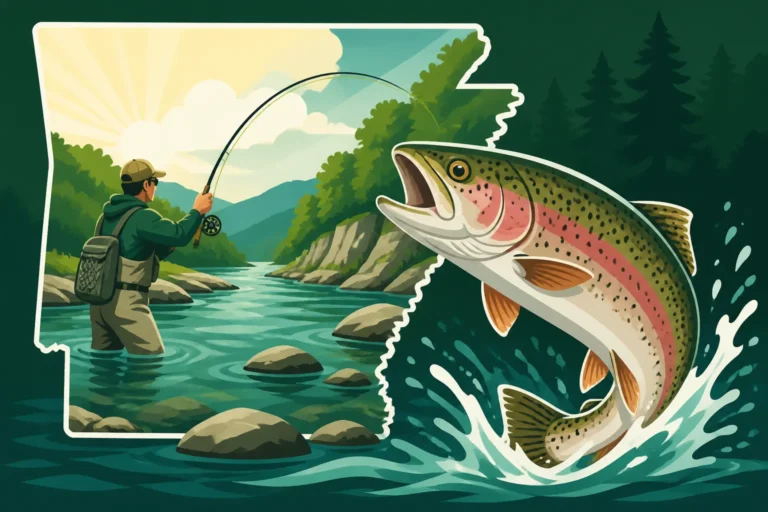
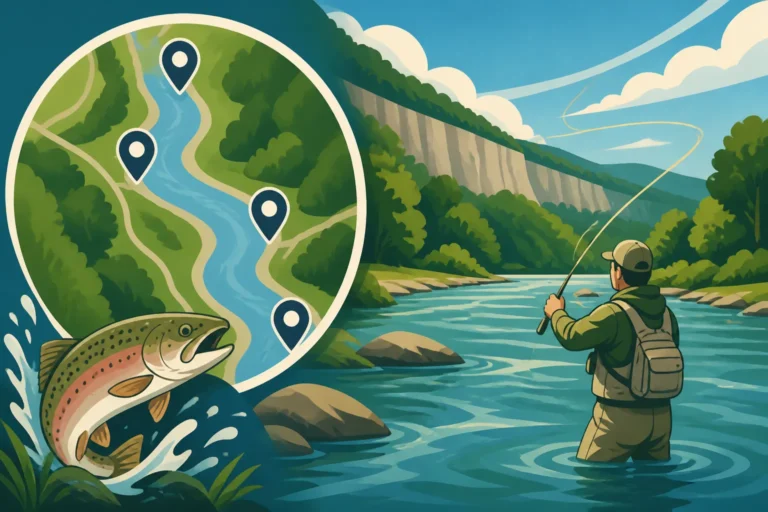
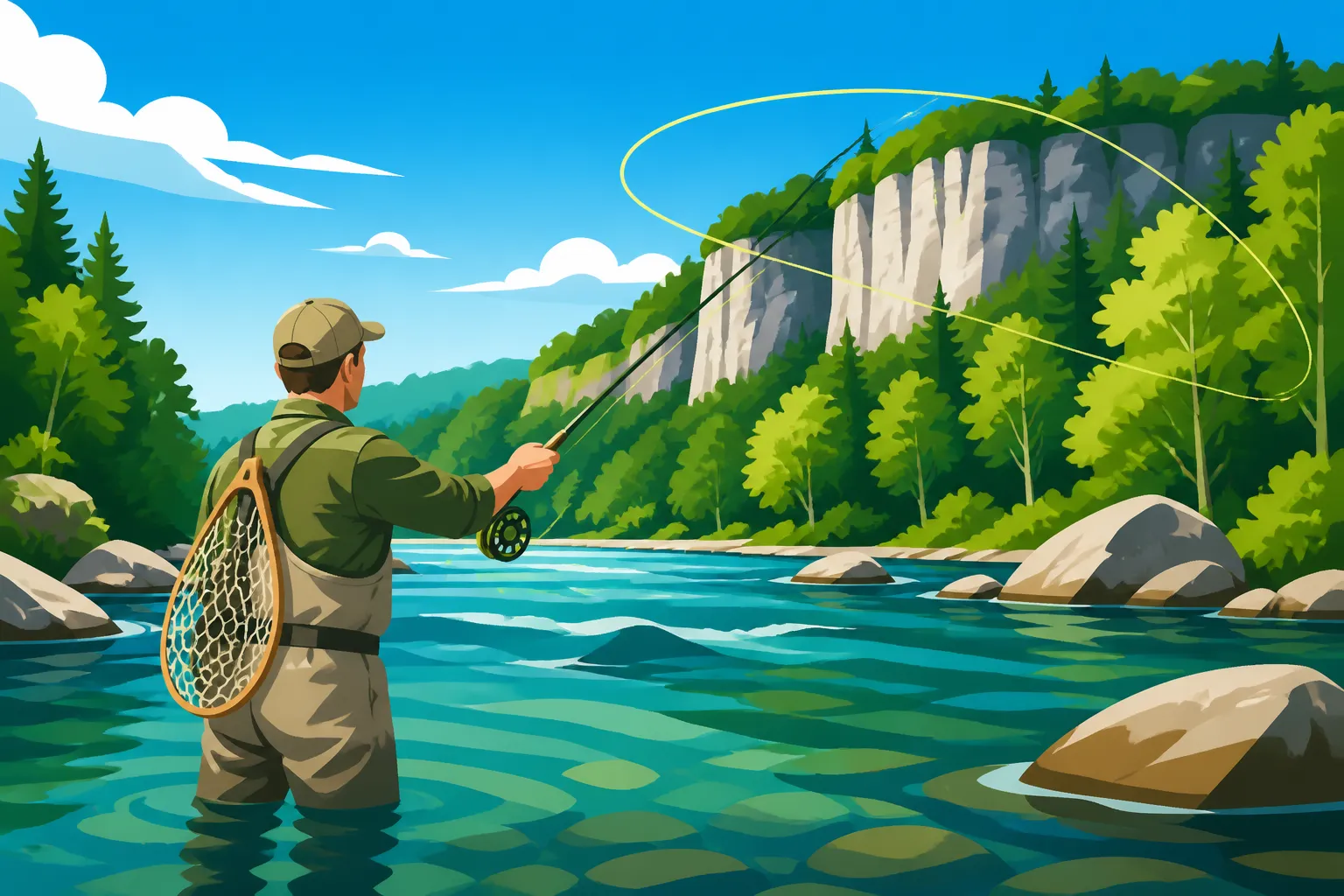
These aren't your average stocked hatchery fish (though stocking certainly plays a role, especially with rainbow trout). The White River, particularly its upper sections, is renowned for its incredible populations of wild and holdover brown trout that grow to impressive sizes, often exceeding 20 inches and sometimes reaching truly colossal proportions. The challenge of enticing one of these wary, intelligent fish with a delicate fly is what keeps many anglers coming back year after year. Beyond the fish themselves, the scenery is simply breathtaking. The river winds through the Ozark Mountains, offering stunning views of limestone bluffs, dense forests, and abundant wildlife. It's an experience that nourishes the soul as much as it excites the angler. For a comprehensive overview of the area, check out this guide on The Best Trout Fishing Spots in Arkansas.
Prime Fly Fishing Zones on the White River
The White River stretches for hundreds of miles, but for fly anglers, certain sections stand out as truly exceptional. Each zone offers a slightly different experience, catering to various skill levels and preferences.
Bull Shoals Tailwater: A Mecca for Trophy Trout
When most people talk about fly fishing the White River, they are often referring to the stretch immediately below Bull Shoals Dam. This area, roughly the first 11-mile stretch downstream, is legendary. The consistent cold water from the dam creates an unparalleled environment for large trout, especially brown trout. This section is often crystal clear, allowing for sight fishing opportunities when conditions are right, though the trout here can be incredibly spooky.
Accessing this area can be done through various public points, but many anglers opt for drift boats with experienced guides who can navigate the complex currents and flows. Wade fishing opportunities exist, particularly during periods of low generation, but caution is always advised due to rapidly changing water levels. Dedicated anglers will find several excellent public access points managed by the Arkansas Game and Fish Commission. This zone boasts specific catch-and-release areas and slot limits designed to protect and grow larger fish. For an even deeper dive into this renowned stretch, take a look at our article on Trout Fishing Below Bull Shoals Dam on the White River.
Cotter to Calico Rock: Diverse Waters and Productive Drifts
As the White River flows downstream from Bull Shoals, it gradually changes character. The waters tend to warm slightly and become wider, offering a diverse array of habitats from deep pools and rocky runs to shallower riffles and timber-filled banks. This stretch, encompassing popular towns like Cotter and Calico Rock, provides excellent opportunities for both wade and boat anglers.
Cotter, often called the "Trout Capital of the World," is a hub for guides, outfitters, and lodging. Anglers launching here can enjoy miles of productive water, drifting through scenic sections that hold healthy populations of rainbow, brown, cutthroat, and even some brook trout. The wider river here means more room for various techniques, from indicator nymphing to aggressive streamer presentations. You'll find plenty of opportunities for both numbers of fish and the chance at a truly memorable catch. If you're considering a guided experience in this area, you might want to read about Cotter, Arkansas Fishing Guide Options for the White River or explore options in Calico Rock, Arkansas Fishing Guides and Charters.
Norfork Tailwater: A Smaller, More Intimate Experience
Just a short drive from the main White River lies its significant tributary, the Norfork River, which also boasts a spectacular tailwater fishery below Norfork Dam. While smaller and more intimate than the main White River, the Norfork is a gem in its own right, known for its prolific rainbow trout population and pristine beauty. This river is a fantastic option for wade anglers, especially during low water generation, as many sections are more easily accessible on foot.
The Norfork River has a unique flow regime, often running at lower levels for extended periods, which makes it perfect for sight-fishing with nymphs and dry flies when hatches occur. The technical challenges of fishing its crystal-clear water and selective trout provide a rewarding experience for seasoned fly anglers. While generally smaller fish than the White River, the sheer numbers of vibrant, feisty rainbows can make for an unforgettable day. Just like its larger sibling, understanding the flow is critical here. For specific regulations and seasonal insights, our guide on Norfork Tailwater Trout Rules and Season will be invaluable.
Essential Gear and Techniques for White River Fly Fishing
Stepping onto the White River with a fly rod requires a thoughtful approach to gear and technique. This isn't simply about casting a line; it's about understanding the nuances of the river and the behavior of its trout.
Rods, Reels, and Lines: Matching Your Setup to the River
For general fly fishing on the White River, a 5-weight or 6-weight fly rod is typically the most versatile choice. A 5-weight offers a delicate presentation for smaller nymphs and dry flies, while a 6-weight provides a bit more backbone for casting larger flies, battling bigger fish, and handling windy conditions common on open stretches. If your primary goal is to throw heavy streamers for monster brown trout or if you anticipate consistently high flows, a 7-weight rod might be a better option for that specific purpose.
Your reel should be a reliable model with a smooth drag system, capable of holding your fly line and at least 100 yards of backing. While most White River trout won't spool you, the larger browns can make impressive runs. For line, a weight-forward floating line is standard for most nymphing and dry fly applications. However, having a spool with a sinking tip line or even a full sink line can be incredibly advantageous for dredging deep pools with streamers, especially during higher flows.
Beyond your rod and reel, waders and wading boots are non-negotiable for anyone planning to step foot in the water. The White River is cold, and its bottom can be slick. Choose breathable waders for comfort and sturdy wading boots with felt or rubber soles (often with studs) for maximum traction. Always wear a wading belt for safety.
Mastering the Art of Nymphing and Streamer Fishing
Given the consistent cold-water flows and the abundance of aquatic invertebrates in the White River, nymphing is by far the most consistently productive technique. Trout here spend the vast majority of their time feeding subsurface, grazing on the insect life drifting along the bottom. There are several effective nymphing approaches:
- Indicator Nymphing: This involves suspending one or more nymphs under a strike indicator. The indicator acts as a float, helping you detect subtle bites and control the depth of your flies. This is a great technique for beginners.
- Euro-Nymphing (Tightline Nymphing): A more advanced technique, Euro-nymphing involves fishing without an indicator, using a specialized leader and direct contact with your flies to feel bites. This method allows for incredible sensitivity and precise depth control, making it highly effective in complex currents. If you're looking to refine this skill, our article on How to Nymph Fish for Trout offers some excellent starting points.
Popular nymph patterns for the White River include:
- Scuds and Sowbugs: These crustaceans are a staple food source in tailwaters. Sizes #12-18 are usually effective.
- Caddis Larva and Pupae: Imitating the various stages of caddisflies is crucial. Green Weenies, Caddis Larva, and Sparkle Pupa in sizes #14-18 are go-to choices.
- Midges: Tiny, but mighty. Zebra Midges and other midge patterns in sizes #18-24 can be incredibly effective when trout are being selective.
- Worms and Eggs: San Juan Worms and various egg patterns can also be very productive, especially after high water or during certain times of the year.
For targeting those truly aggressive, larger brown trout, streamer fishing is often the ticket. Streamers imitate baitfish, sculpins, and other larger prey items that big trout key in on. Casting large, articulated flies and stripping them aggressively can trigger a predatory response. Look for patterns in olive, black, white, and brown. Effective retrieves vary, from short, jerky strips to long, slow pulls, mimicking injured baitfish.
Dry Fly Opportunities and Emerger Patterns
While nymphing dominates, never discount the magic of dry fly fishing on the White River. While not an everyday occurrence, when the conditions are right – a consistent hatch, calmer water, and rising fish – presenting a dry fly can be one of the most exhilarating experiences in fly fishing. Keep an eye out for surface activity, particularly in slower runs and eddies, or during the late afternoon and evening hours.
Common hatches on the White River include various species of caddisflies and mayflies. Having a selection of patterns like Elk Hair Caddis, Stimulators, Parachute Adams, and Blue-Winged Olives in sizes #14-20 will cover most bases. For those in-between moments, when trout are taking insects just below or in the film, emerger patterns can be incredibly effective. These flies imitate the insects as they transition from nymph to adult. Check out our guide on How to Dry Fly Fish for Trout for more insights into chasing rising fish. To maximize your chances, it's worth understanding the White River Fly Fishing Season Guide for Arkansas Anglers to know when certain hatches are most likely.
Understanding White River Flow Rates and Water Conditions
Successfully fly fishing the White River hinges almost entirely on understanding and adapting to its ever-changing flow rates and water conditions. This isn't a static river; its pulse is dictated by human hands.
The Impact of Hydropower Generation
The White River is a working river, part of the Southwestern Power Administration (SWPA) system, which means the water levels and currents are largely determined by the demand for hydroelectric power. Water can go from a low, wadeable flow to a roaring torrent in a matter of hours as turbines are turned on at the dams. This presents both challenges and unique opportunities for anglers.
- Low Flow (No Generation or Minimal Generation): These are prime conditions for wade fishing, offering access to more areas and clearer water. Fish can be more spread out but also more visible. However, fish can also be very spooky in these clear, shallow conditions.
- High Flow (Full Generation): During periods of high water, wade fishing becomes impossible and incredibly dangerous in many areas. This is when drift boats truly shine, allowing guides to navigate the powerful currents and access deeper channels where trout often congregate. High water can sometimes make fish more aggressive, as the increased current dislodges more food.
It's absolutely paramount to prioritize safety and always be aware of the generation schedule. Ignoring flow forecasts can quickly turn a peaceful day into a hazardous situation.
Tools for Checking Water Levels
Before you even think about putting a fly on the water, you must check the White River's generation schedule and flow rates. Fortunately, there are reliable resources available:
- Southwestern Power Administration (SWPA) Website: This is the most direct and accurate source for real-time and projected generation schedules for Bull Shoals and Norfork Dams. It's often updated several times a day.
- U.S. Army Corps of Engineers (USACE) Website: The Corps also provides detailed water data, including lake levels and outflow.
- Local Bait Shops and Fly Shops: Businesses like Dally's Ozark Fly Fisher or Cotter Trout Dock are invaluable resources. They live and breathe the river and often have the most current on-the-ground knowledge of conditions and fishing reports.
- Smartphone Apps: Several fishing apps pull data from SWPA and USACE, making it convenient to check flows on the go.
Here's a quick overview of how different flow conditions might impact your fishing strategy:
| Flow Condition | Water Level/Current | Fishing Strategy | Safety Considerations |
|---|---|---|---|
| No Generation | Lowest, slowest, clearest | Excellent for wade fishing. Focus on sight fishing, delicate presentations, small nymphs. | Easy to wade, but conditions can change rapidly. |
| 1-2 Generators | Moderate, steady flow, good clarity | Good for boat fishing (drifting). Some wade access in certain areas. Nymphing with weight. | Wading requires caution; strong currents in channels. |
| 3-4 Generators | High, swift, less clear | Best for boat fishing (drifting/trolling). Larger nymphs, streamers, heavy weight. | Wade fishing generally unsafe. Boat navigation requires skill. |
| Rising Water | Rapidly increasing flow | Fish can become active, but very dangerous for waders. Stick to shore or a boat. | EXTREME DANGER FOR WADERS. Currents increase rapidly. |
| Falling Water | Gradually decreasing flow | Often excellent fishing as currents stabilize. Can reveal new wadeable areas. | Still be cautious as river banks can be slick and treacherous. |
Knowing when to hit the river can make a huge difference, so consider consulting resources like Best Time to Fish the White River in Arkansas for Trout to align your trip with optimal conditions.
Enhancing Your White River Fly Fishing Experience
Fly fishing the White River is more than just casting and catching; it's an immersive experience that benefits greatly from local expertise and a deep respect for the environment and its regulations.
The Value of a Local Guide
For anyone new to the White River, or even seasoned anglers looking to maximize their time, hiring a local fly fishing guide is perhaps the single best investment you can make. These guides are intimately familiar with the river's moods, its currents, the best spots at any given flow, and the most effective flies and techniques for the day. They spend hundreds of days a year on the water and possess a treasure trove of knowledge that simply cannot be replicated by studying maps or reading online reports.
A good guide will:
- Provide equipment: Most guides supply high-quality rods, reels, and all the necessary flies and tackle.
- Navigate safely: They know how to safely operate a drift boat in varying flows and where to find the fish.
- Locate fish: Their experience means less time searching and more time fishing in productive waters.
- Teach and instruct: They'll offer casting tips, knot tying advice, and insights into trout behavior.
- Share local knowledge: From specific hatches to subtle currents, their insights are invaluable.
Finding a reputable guide is easy through platforms like FishingBooker, which connects anglers with experienced local professionals in the Cotter, Calico Rock, and Bull Shoals areas. This investment pays dividends in both fish caught and lessons learned, turning a potentially frustrating day into a highly educational and successful one. Our article on How to Book a Fishing Guide in Arkansas also offers practical tips for securing the right expertise.
Essential Regulations and Permits
Even with a guide, you are responsible for understanding and adhering to Arkansas's fishing regulations. Before you even think about making your first cast, you'll need an Arkansas Fishing License Rules and Costs. If you plan on targeting or keeping trout, you'll also need a separate Do you need a trout permit to keep trout in Arkansas?. These can be purchased online through the Arkansas Game and Fish Commission website, at many sporting goods stores, or local tackle shops along the river.
Beyond the general license and trout permit, the White River has specific special regulations that vary by section, particularly concerning trout. These often include:
- Size limits: Minimum or maximum lengths for kept fish.
- Daily creel limits: The number of fish you can keep per day.
- Special lure restrictions: Some areas may be "artificial lures only" or even "fly fishing only."
- Catch-and-release-only zones: Certain prime sections are designated for catch and release to protect trophy fish populations.
Always consult the current Arkansas Game and Fish Commission fishing guide, available online or in print, before heading out. Ignorance of the rules is not an excuse and can result in hefty fines. It's especially important to understand these specific rules if you're targeting specific species like Rainbow Trout Fishing on Arkansas's White River.
Practicing Catch and Release and Ethical Angling
The White River is home to a precious resource, and as anglers, we have a responsibility to protect it. Many fly anglers on the White River practice catch and release, especially for larger brown trout, to ensure these magnificent fish can continue to grow and reproduce.
If you choose to release a fish, follow these best practices for ethical angling:
- Use barbless hooks: These cause less damage and are easier to remove. You can crimp down the barbs on your existing hooks with pliers.
- Minimize fight time: Bring the fish to hand as quickly as possible without over-stressing it.
- Keep the fish in the water: Avoid removing the fish from the water entirely, especially larger ones. If you must lift it for a quick photo, do so briefly and support its weight horizontally.
- Wet your hands: Always wet your hands before touching a fish to protect its protective slime coat.
- Revive gently: Hold the fish upright in the current, facing upstream, until it can swim away under its own power. Don't pump it back and forth; this can force water the wrong way through its gills.
Beyond fish handling, always adhere to Leave No Trace principles. Pack out everything you pack in, avoid disturbing wildlife, and respect private property along the riverbanks. By practicing responsible angling, we ensure that the White River remains a pristine and productive fishery for generations to come.
Disclaimer
The information provided in this guide is for general informational purposes only and is subject to change. Always consult the official Arkansas Game and Fish Commission regulations and local authorities for the most current rules, licensing requirements, and safety guidelines before planning your fishing trip. Fishing conditions, including water levels and fish behavior, can vary greatly due to weather, dam operations, and seasonal factors.