Questions to Ask Before Hiring an Arkansas Fishing Guide
It can feel overwhelming to plan a fishing trip to the Natural State, especially when you're looking to hire a guide. You want to make sure your hard-earned money and precious vacation time are well spent, and the last thing you want is to show up for a trip that isn't what you expected. This comprehensive guide will walk you through all the crucial questions you should ask before booking an Arkansas fishing guide, ensuring you have the best possible experience on the water.
Understanding Your Fishing Trip Goals
Before you even pick up the phone or send an email to a guide, it's really important to sit down and think about what you want out of your fishing trip. Are you after a trophy fish, a relaxing day with the family, or a lesson in a new technique? Having a clear vision will help you find a guide who aligns perfectly with your expectations and can deliver the experience you're dreaming of.
What Species Do You Want to Target?
Arkansas is renowned for its diverse fisheries, from the trophy trout in its tailwaters to massive striped bass in its deep lakes, and plenty of largemouth bass, crappie, and catfish in between. Each guide often specializes in certain species or types of fishing. If you're dead set on catching a brown trout from the White River, hiring a guide who primarily focuses on crappie on Lake Dardanelle might lead to disappointment.
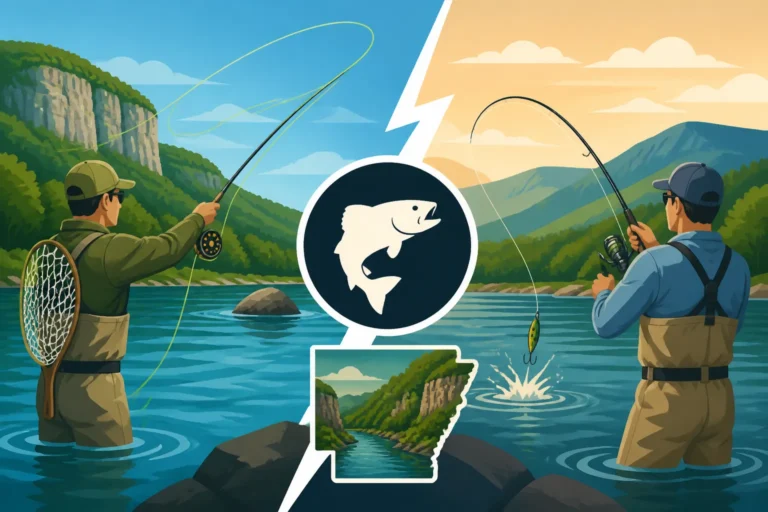
Be specific about your target species. Do you want to try your hand at fly fishing for Brown Trout on the White River or are you hoping to land a lunker largemouth bass? Guides who specialize can offer invaluable local knowledge on where those fish are likely to be, what baits they're hitting, and the best techniques to use. It's perfectly fine if you're open to suggestions, but if you have a strong preference, make sure your guide is equipped and experienced in pursuing that particular quarry.
What is Your Experience Level?
Fishing guides cater to a wide range of anglers, from seasoned pros looking for an edge to complete novices just learning to cast. If you're bringing kids or are new to fishing yourself, you'll want a guide who is patient, a good teacher, and has appropriate gear for beginners. On the other hand, if you're an experienced angler seeking to refine your skills or chase a specific record, you'll want a guide who can challenge you and share advanced tactics.
Don't be shy about your experience level; honesty here is key. A good guide will tailor the trip to your abilities. For a beginner, they might focus on teaching casting, knot tying, and basic fish handling. For an expert, they might spend more time chasing subtle patterns, reading complex water, or employing advanced lures. Make sure the guide understands what kind of instructional or hands-on experience you're seeking.
Are You Looking for Catch and Release or Keeping Your Catch?
The question of catch and release versus keeping your catch is more important than some anglers realize. Many of Arkansas's premier fisheries, particularly its trout streams, have specific regulations about keeping fish, and some guides operate strictly on a catch-and-release philosophy, especially for larger, trophy-sized fish. It's not uncommon for anglers to dream of taking home a cooler full of fresh fish, while others find immense joy in the sport of the catch and then carefully releasing their prize.
Clarify the guide's policy and what the local regulations are for the species you're targeting. For instance, on certain stretches of tailwaters, slot limits or harvest restrictions might be in place for trout. You might discover that while you can keep a few rainbow trout, brown trout over a certain size must be released. Discuss this upfront to avoid any awkward moments or misunderstandings on the water. This also impacts what gear the guide might bring and how they handle the fish once caught.
Practicalities and Logistics of the Trip
Once you have a good handle on your fishing goals, it's time to dig into the nuts and bolts of the actual trip. These are the questions that ensure you're on the same page regarding schedules, what's provided, and how the day will unfold. Overlooking these details can lead to unexpected expenses or simply a less enjoyable outing.
What is the Trip Duration and Schedule?
Fishing trips come in various lengths: half-day, full-day, or sometimes even multi-day excursions. Understanding the typical duration of a trip is essential for planning your day and managing your expectations. A half-day trip usually lasts about 4 hours, while a full-day can be anywhere from 7 to 9 hours. What time does the trip start? When does it typically end?
Beyond the length, inquire about the typical schedule. Does the guide prefer to start at dawn to hit the morning bite, or are they more flexible? Understanding this will help you plan your travel to the launch point, pack any necessary snacks or meals, and arrange for other activities around your fishing adventure. If you're trying to fit a trip into a tight vacation schedule, knowing these timings precisely is incredibly helpful.
What Gear and Supplies are Included?
One of the big perks of hiring a guide is not having to worry about bringing all your own gear. Most guides provide rods, reels, tackle, and bait. However, it’s crucial to confirm exactly what's included and what you might need to bring yourself. Some guides might provide a cooler with drinks and snacks, while others expect you to bring your own.
Make a checklist:
- Rods and Reels: Are they appropriate for the target species and your skill level?
- Tackle and Bait: Will the guide provide all necessary lures, flies, and live bait?
- Safety Equipment: Life vests are mandatory, but are there extra amenities like first-aid kits?
- Food and Drink: Is bottled water, soda, or snacks included? Will you need to pack a lunch for a full-day trip?
- Rain Gear/Sunscreen: While guides often have some on hand, it's generally best to bring your own personal items.
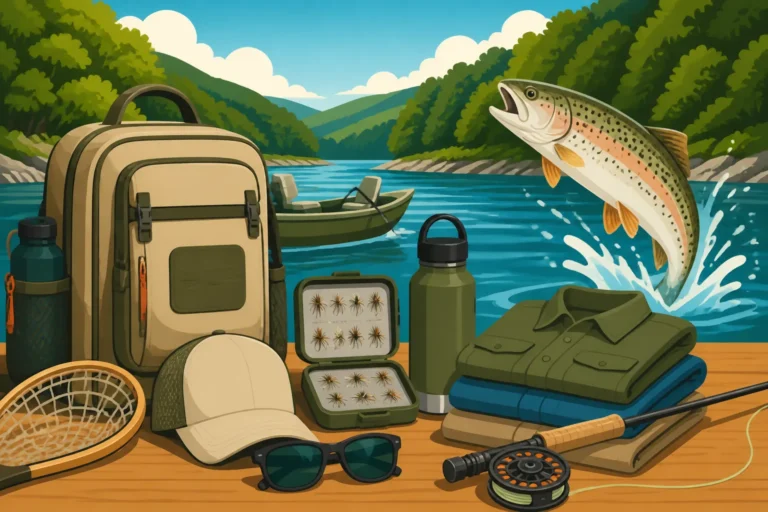
Knowing what’s covered will prevent you from lugging unnecessary equipment or, worse, showing up without something essential. What to Bring on a Guided Arkansas Fishing Trip can give you an even more comprehensive packing list.
What Type of Boat or Transportation is Used?
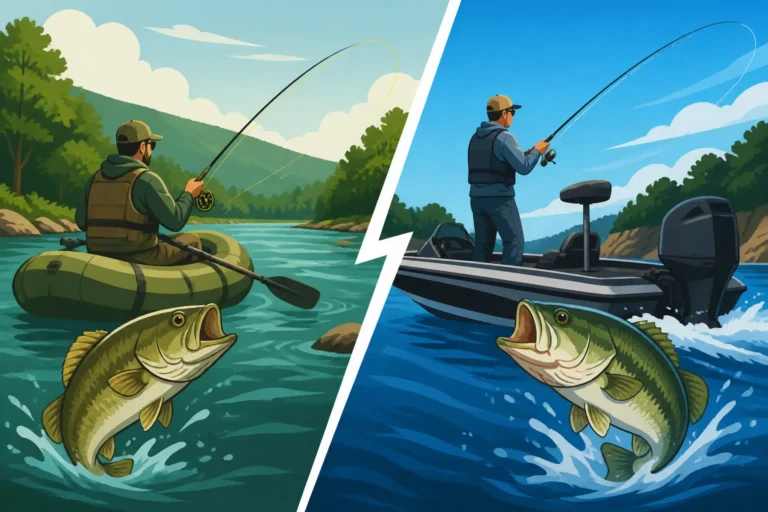
The type of boat used can significantly impact your comfort and the kind of fishing experience you'll have. For instance, a drift boat or jon boat is common for float trips on rivers like the White River for trout fishing, offering a quiet, intimate experience. For larger lakes like Norfork Lake or Bull Shoals Lake, a spacious bass boat or a comfortable center console might be used for chasing bass or stripers.
Ask about the boat's size, amenities, and seating arrangements. Is it covered for sun or rain protection? Does it have comfortable seating for everyone in your party? If you have any mobility concerns or are bringing young children, this information is particularly important. Also, clarify how you'll get to the launch point – will you meet the guide at a specific marina, or is transportation from a local lodge included?
Guide's Experience and Credentials
You're putting your trust (and your money) in this person, so it's only natural to want to know about their background, expertise, and how they operate. These questions are about vetting your guide to ensure they're legitimate, experienced, and a good fit for you.
How Long Have You Been a Professional Fishing Guide?
Experience really does matter when it comes to guiding. A guide who has been working the local waters for many years has a deep understanding of seasonal patterns, fish behavior, and how to adapt to changing conditions. They've seen it all – high water, low water, hot weather, cold fronts – and know how to find fish even when conditions are tough.
While a newer guide might be enthusiastic, an experienced one brings a wealth of knowledge that can turn a slow day into a successful one. Don't be afraid to ask about their specific experience on the body of water you'll be fishing. For instance, if you're targeting trout on the White River, you'll want someone who knows that river intimately, not just any guide with a boat.
Are You Licensed and Insured?
This is a non-negotiable question. Any legitimate fishing guide in Arkansas should be properly licensed by the state and carry appropriate liability insurance. This protects both you and the guide in the unlikely event of an accident or incident on the water. A guide who is hesitant to answer this question or claims they don't need a license should be a major red flag.
Don't hesitate to ask for proof of licensure and insurance if it puts your mind at ease. This demonstrates professionalism and adherence to safety standards. It also ensures they are operating legally within Arkansas's regulations, which means you're not inadvertently supporting an unregulated operation.
What is Your Guiding Style?
Just like any professional, fishing guides have different personalities and approaches. Some are very hands-on teachers, constantly offering tips and correcting techniques. Others are more laid-back, letting you enjoy the peace and quiet while only offering advice when asked. Some are serious about catching fish, while others prioritize the overall experience and scenery.
Consider what kind of interaction you prefer. Do you want a lively, chatty guide who tells stories and keeps the energy high, or a quieter, more focused individual? If you're bringing kids, a guide with a patient and engaging style might be best for Family Fishing Trips with Arkansas Guides. Discussing guiding style upfront helps manage expectations and ensures you'll be comfortable spending several hours in close quarters with them.
Financial and Booking Considerations
No one likes surprises when it comes to money. It's vital to have a clear understanding of all costs involved, payment procedures, and what happens if plans change. Being thorough here can save you a headache later on.
What is the Total Cost, and What Does It Include?
This is perhaps the most important financial question. Get a clear, itemized breakdown of the total cost. Arkansas Fishing Charter Costs: What to Expect can vary widely based on duration, location, and species, so don't assume anything. Confirm whether the price is per person or for the entire boat/group, as this can drastically change the overall expense.
Here’s a table outlining common cost components to ask about:
| Cost Component | Description | Things to Clarify |
|---|---|---|
| Base Trip Fee | The fundamental cost for the guide's time and boat use. | Per person or per boat? Half-day vs. Full-day? |
| Additional Anglers | Cost for extra people beyond the base price (if applicable). | What is the maximum group size? |
| Gear/Bait | Cost for use of rods, reels, tackle, and bait. | Included in base fee or an extra charge? |
| Lunch/Drinks | Provision of food and beverages. | Included? Expected to bring your own? |
| Fuel Surcharge | Some guides may add a fuel charge due to fluctuating prices. | Is there a fuel surcharge? How is it calculated? |
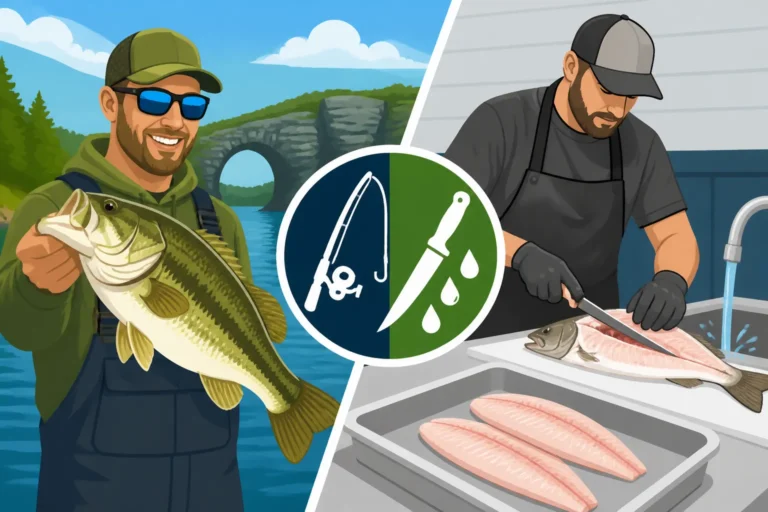
| Fish Cleaning | Services for cleaning and bagging your catch. | Included? Extra fee? Do they package it for travel? |
| Taxes/Fees | Any state sales tax or booking platform fees. | Are all taxes and fees included in the quoted price? |
Don't be afraid to ask about any hidden fees or potential upcharges. A reputable guide will be transparent about their pricing.
What is Your Deposit and Cancellation Policy?
Life happens, and sometimes plans change. Understanding the guide's deposit and cancellation policy is crucial. Most guides require a deposit to secure your booking, which is fair considering they are reserving that time slot for you. Ask about the amount of the deposit and the deadline for cancellation if you want to avoid losing it.
Typical questions to cover:
- How much is the deposit, and when is it due?
- What is the cancellation window to receive a full or partial refund?
- What happens if the guide cancels due to bad weather or unforeseen circumstances? Do they offer a reschedule or a full refund?
- What if you need to reschedule?
Reputable guides will usually be flexible with rescheduling, especially for weather-related issues. This is a point where online booking platforms like FishingBooker often clearly outline these policies for their listed guides, making it easier to compare. You can also review What Happens to Your Deposit If You Cancel a Fishing Trip in Arkansas for more insights.
Do I Need an Arkansas Fishing License and Trout Permit?
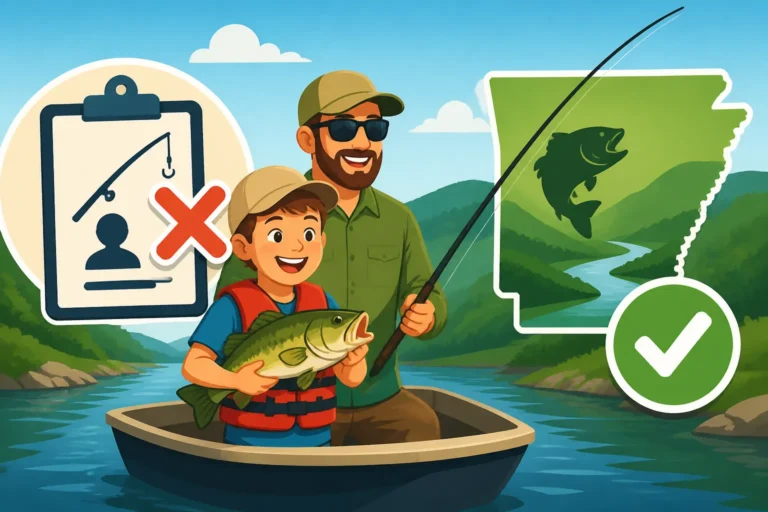
Yes, absolutely, you will almost certainly need an Arkansas fishing license, and if you're fishing for trout, a trout permit as well. Don't ever assume that because you're with a guide, you're exempt. The guide's license covers their ability to operate, not your right to fish. Each angler in your party, unless they meet specific age exemptions or are participating during Arkansas Free Fishing Weekend Guide, will need their own license.
Confirm the specific license requirements with your guide. They can usually point you to where you can purchase these licenses online or at local vendors. Always purchase your license before your trip to avoid delays. Make sure to understand Arkansas Fishing License Rules and Costs and if a Do you need a trout permit to keep trout in Arkansas? is also required for your specific trip.
What is the Standard Gratuity?
Tipping your guide is customary and very much appreciated, just like tipping in many other service industries. Guides work incredibly hard to ensure you have a safe, enjoyable, and successful trip. They spend hours preparing, scouting, and maintaining their equipment, not to mention the actual time on the water.
While there's no hard and fast rule, a common guideline for tipping is 15-20% of the total trip cost. If your guide went above and beyond, provided excellent instruction, or battled challenging conditions to put you on fish, consider tipping at the higher end. Always factor this into your overall trip budget. It’s perfectly acceptable to ask the guide directly about their expectations or common tipping practices in the area. Reviewing Tipping Your Fishing Guide in Arkansas can offer more specific insights.
On-the-Water Experience
The actual time on the water is what it's all about! These questions help clarify what you can expect during the fishing process and ensure your comfort and enjoyment.
What Fishing Techniques Will We Be Using?
Arkansas offers a variety of fishing experiences, from fly fishing serene tailwaters to trolling for stripers on vast lakes. Knowing the techniques the guide plans to employ can help you prepare mentally and even physically. Are you going to be casting, trolling, jigging, or still fishing?
If you have a preference for certain techniques, or if there's something new you'd like to learn, communicate that to your guide. For instance, if you've always wanted to try Fly Fishing Techniques for Beginners, but your guide typically uses spin fishing gear, you might need to find a specialized fly-fishing guide. Conversely, if you're not comfortable with a specific method, let them know so they can suggest alternatives. Guides often adapt their techniques based on conditions and fish behavior, but understanding the primary plan helps.
How Many Anglers Can You Accommodate?
Whether you're planning a solo adventure, a romantic trip for two, or a family outing, the number of people your guide can comfortably and safely accommodate is vital. Most boats have a legal capacity limit, and guides also consider comfort and fishing space. Two or three anglers are common for many guided trips, especially on smaller river boats.
If you have a larger group, you might need to book multiple guides or a guide with a larger vessel. Make sure everyone in your party will have enough room to cast and fish without feeling cramped. Confirming this upfront avoids any last-minute scramble or disappointment if your group is too large for a single boat.
What is Your Plan for Breaks, Restrooms, and Meals?
Spending several hours on the water, especially on a full-day trip, means you'll eventually need a break. Ask your guide about their plan for restroom breaks, stretching your legs, or having lunch. On river trips, guides often pull over to a secluded bank. On lake trips, there might be public restrooms available at certain points, or they might have onboard facilities depending on the boat type.
It's also important to discuss meals. For a full-day trip, are you stopping for a sit-down lunch, or is it a packed meal eaten on the boat? Knowing this allows you to pack appropriate snacks and drinks if they aren't provided, or manage expectations for how the day will flow. Being clear about comfort needs ensures everyone has a pleasant day.
What is Your Policy Regarding Inclement Weather?
Arkansas weather can be unpredictable. A beautiful morning can quickly turn into an afternoon thunderstorm. Ask your guide about their policy for inclement weather, such as heavy rain, strong winds, or lightning. Safety should always be the top priority.
A professional guide will have a clear plan. This usually involves:
- Monitoring Forecasts: Guides keep a close eye on the weather leading up to and during the trip.
- Rescheduling: Offering to reschedule the trip if conditions are unsafe or too unpleasant.
- Partial Refunds: In some cases, if a trip has to be cut short due to weather, a partial refund or discount on a future trip might be offered.
Don't push a guide to go out in unsafe conditions. Their experience with the local weather patterns is invaluable. This is another area where a clear cancellation and rescheduling policy, as discussed earlier, comes into play.
Disclaimer
This article is for general informational purposes only and does not constitute professional advice. Laws, prices and regulations vary by location and change over time. Consult a qualified professional for guidance on your specific situation.