What Bait Catches the Biggest Catfish in Arkansas?
It’s a common dream for any angler hitting the waters of Arkansas: you want to catch a truly massive fish. But when it comes to catfish, that dream often feels just out of reach, especially if you're not quite sure what secret weapon — or bait, in this case — will entice those elusive giants. You've probably tried a few things, maybe some worms or a bit of chicken liver, only to pull in a few smaller channels. This guide is all about cutting through the noise and getting straight to the heart of what baits truly make the biggest catfish in Arkansas bite, so you can stop wondering and start reeling in those monsters.
Understanding Arkansas Catfish Species and Their Preferences
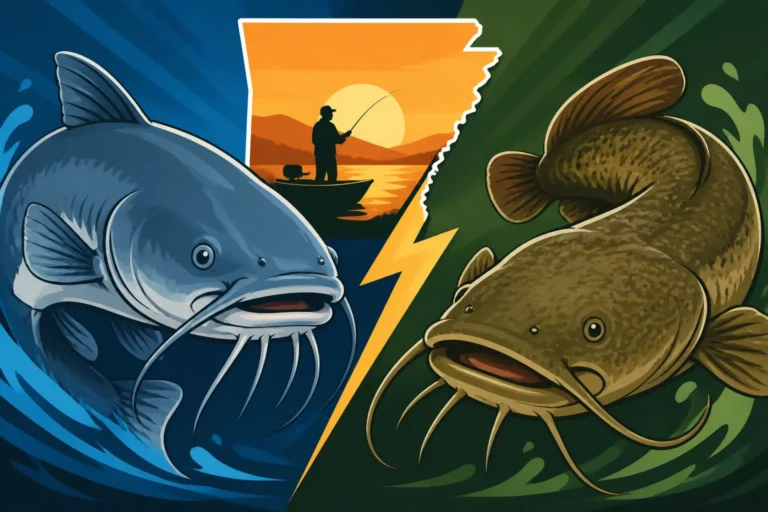
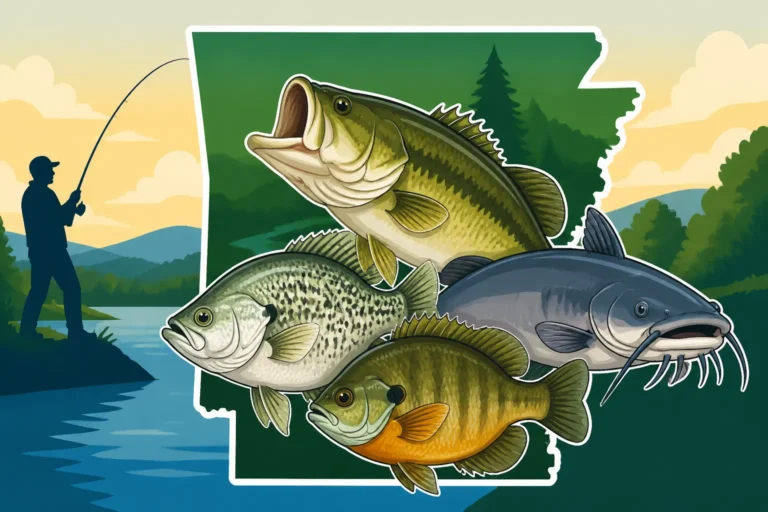
Before we dive into the specific baits, it's crucial to understand the different species of catfish that call Arkansas home and, more importantly, what makes them tick. Not all catfish are created equal, and their dietary preferences can vary significantly, especially when you're targeting those truly enormous specimens. Knowing your target will save you a lot of time and frustration, and put the right bait on your hook for the right fish. Arkansas is blessed with an abundance of excellent fishing for all three major species: blue, channel, and flathead catfish.
The Mighty Blue Catfish: Arkansas's True Giants
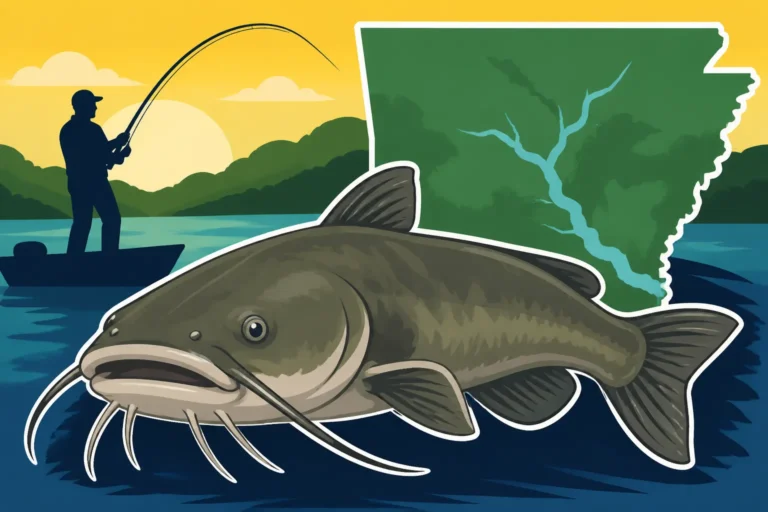
When anglers talk about catching the "biggest catfish" in Arkansas, more often than not, they're dreaming of a blue catfish. These magnificent fish are the true heavyweights of our waters, with some specimens growing well over 100 pounds! They are predominantly found in large rivers and reservoirs, especially those with strong current and deep holes. Blue catfish are largely piscivorous, meaning they love to eat other fish. As they grow larger, their diet shifts almost exclusively to fish, whether it's shad, skipjack herring, drum, or even smaller catfish. This isn't a species that's typically sifting through muck for a worm; they're actively hunting, or at least scavenging for, substantial protein sources.
Think about it from their perspective: a huge blue cat isn't going to expend much energy chasing down a tiny minnow. They're looking for a hearty meal, something that can sustain their massive bodies. This strong predatory instinct means that presentation and the scent trail your bait leaves are paramount. They have an incredible sense of smell and will follow a strong scent for a long distance, especially in current. Understanding this behavior is the first step in selecting the ultimate bait for a trophy blue.
Their preferred habitats often include the main channels of big rivers like the Arkansas River or the depths of major reservoirs such as Lake Ouachita or Norfork Lake. They congregate in deep river bends, around underwater structure, or downstream of dams where baitfish are abundant and current concentrates food. Presenting a large, scent-rich bait directly in their feeding lanes or holding areas is key.
Channel Catfish: The Everyday Angler's Friend
Channel catfish are probably the most commonly caught catfish species across Arkansas, known for their distinctive spotted bodies and for being a fantastic eating fish. While they don't typically reach the gargantuan sizes of their blue catfish cousins, a 10-20 pound channel cat is still a powerful and exciting catch, and certainly qualifies as a "big" fish for many anglers. They are far less picky eaters than blue or flathead catfish, often described as opportunistic scavengers. This means they'll eat almost anything from insects, crustaceans, and small fish to fruits, seeds, and just about any prepared or smelly bait you can imagine.
Their widespread availability and willingness to bite on a huge variety of baits make them a favorite for families and beginners alike. You'll find channel cats in nearly every body of water in Arkansas, from small farm ponds and creeks to large rivers and lakes. They thrive in warmer waters and are often caught closer to shore or in shallower depths than blues or flatheads. Their adaptability means that many common baits will work for them, but if you're specifically targeting a larger channel cat, you'll still want to choose baits with a strong scent that can cut through the water and grab their attention.
While they may not grow to the triple-digit weights of blue cats, a big channel cat still offers an incredible fight and can be a challenging target. They might not be the "biggest" in the record books, but they're certainly a beloved species for many anglers seeking a substantial catch. You can learn more about specific techniques for this species in our guide on Channel Catfish Fishing Tips for Beginners.
Flathead Catfish: The Live Bait Specialists
Flathead catfish are unique among Arkansas's catfish species because of their almost exclusive preference for live bait. Unlike blue cats who will readily take cut bait, or channel cats who will eat anything, flatheads are ambush predators that prefer to hunt and consume live, struggling prey. They have a broad, flattened head (hence the name) and a lower jaw that protrudes beyond the upper, perfectly adapted for gulping down whole fish. These fish can also grow quite large, sometimes exceeding 50 or 60 pounds in Arkansas waters, though they typically don't reach the extreme weights of blue cats.
Their diet consists primarily of live fish such as sunfish, carp, drum, bullheads, and large shiners. You'll rarely catch a truly large flathead on a piece of cut bait or a stink bait. If you're serious about targeting a trophy flathead, you absolutely must use fresh, lively bait. This preference is deeply ingrained in their predatory nature. They are territorial and often lie in wait in heavy cover – submerged timber, log jams, rock piles, or deep scour holes – waiting for an unsuspecting fish to swim by. They're less about roaming and following scent trails like the blues, and more about hiding and ambushing.
Because of their specific feeding habits, targeting flatheads requires a different approach than targeting blues or channels. You're not just throwing out a smelly chunk and waiting; you're actively trying to present a live, distressed fish in their strike zone. Understanding their ambush strategy is key to success. If you're wondering just how big these can get, check out How Big Do Flathead Catfish Get in Arkansas?.
Top Baits for Landing Arkansas's Monster Catfish
Now that we understand the distinct preferences of each major catfish species, let's get down to the brass tacks: what actual baits are going to give you the best shot at hooking into a true Arkansas monster? The answer, as you might guess, largely depends on which species of "big cat" you're after. But generally, the common thread among the most effective baits for large catfish is their ability to emit a strong scent or provide irresistible live action.
Cut Bait: The Scent Trail That Lures Big Blues
For targeting those colossal blue catfish, cut bait is undeniably king. These big predators rely heavily on their sense of smell to locate food, especially in the often murky or current-laden waters they inhabit. A fresh piece of cut bait, bleeding and oozing natural fish oils, creates an irresistible scent trail that blues simply can't ignore.
- Shad (Threadfin or Gizzard): This is arguably the most popular and effective cut bait for blue catfish across Arkansas. Shad are a primary forage fish in many of our large reservoirs and rivers, making them a natural and familiar meal for blue cats. Whether you use a whole small shad, half a medium shad, or large chunks of a big gizzard shad, the oily flesh and strong scent are potent attractants. Freshness is key here; bait that's been frozen for too long or is freezer-burned loses much of its effectiveness.
- Skipjack Herring: If you're fishing the White River or Arkansas River, especially downstream of dams, skipjack herring is an absolute powerhouse bait for trophy blue cats. These fish are incredibly oily and shed a tremendous amount of scent, often outperforming shad. They can be harder to catch or acquire, but many serious trophy hunters swear by them. A large chunk or an entire small skipjack will draw in the biggest blues.
- Drum (Gaspergou): Freshwater drum, also known as gaspergou in some parts, is another excellent and readily available cut bait. They're common in many Arkansas lakes and rivers and are very oily. Chunks of drum, particularly from the belly section, are incredibly effective.
- Carp: While not as oily as shad or skipjack, carp cut bait can still be very productive, especially if fresh. It's a readily available baitfish that blues will certainly take.
- Preparation is Key: For cut bait, you want to maximize the scent release. Cutting the bait into good-sized chunks (typically 1-3 inches for smaller blue cats, up to 4-6 inches for trophy hunters) with exposed flesh is crucial. Some anglers will even score the skin to allow more scent to escape. Hooking it securely so it doesn't spin in the current is also important. Many anglers purchase these baits from local bait shops or catch them themselves. For those looking for pre-packaged options or specific hooks and rigging, Amazon offers a wide selection of catfish-specific gear that pairs well with cut bait. For more detailed insights, definitely check out Best Bait for Blue Catfish in Arkansas.
Live Bait: The Flathead's Undeniable Weakness
As we discussed, flathead catfish are picky eaters when it comes to bait, preferring live, struggling fish. If you're targeting a flathead, especially a large one, live bait isn't just an option—it's practically a requirement. The key here is to keep the bait alive and as lively as possible on the hook.
- Sunfish (Bream): Bluegill, green sunfish, and other panfish species are excellent choices for live bait. They're hardy, readily available in most Arkansas waters, and flatheads love them. A 4-7 inch sunfish is a perfect size for a trophy flathead. Hook them through the back (above the lateral line, avoiding the spine) or through the lips to allow them to swim naturally.
- Suckers and Shiners: Large creek chubs, golden shiners, and other suckers are fantastic natural prey for flatheads. Their long, slender bodies and active swimming motion make them highly visible and attractive.
- Perch (Yellow or White): Where legal and available, different species of perch also make great flathead bait. They are robust and can withstand being on the hook for extended periods.
- Bullheads: Though they have spines, small bullheads (like black or yellow bullheads) are another natural food source for flatheads. These tough fish are excellent at surviving on the hook.
- Legalities and Sourcing: Always check local regulations regarding the use of live bait and baitfish possession limits. Many anglers catch their own baitfish using cast nets or traps. Keeping them alive in an aerated baitwell is critical. Remember, a dying baitfish won't attract a flathead like a lively one will. The struggle is part of the appeal.
Prepared Baits and Stink Baits: Channel Catfish Magnets
While not typically the top choice for truly gargantuan blue or flathead catfish, prepared baits and "stink baits" are incredibly effective for catching a high volume of channel catfish, and can certainly tempt a respectable channel cat into biting. These baits are designed to create a powerful, often pungent, scent trail that channel cats find irresistible.
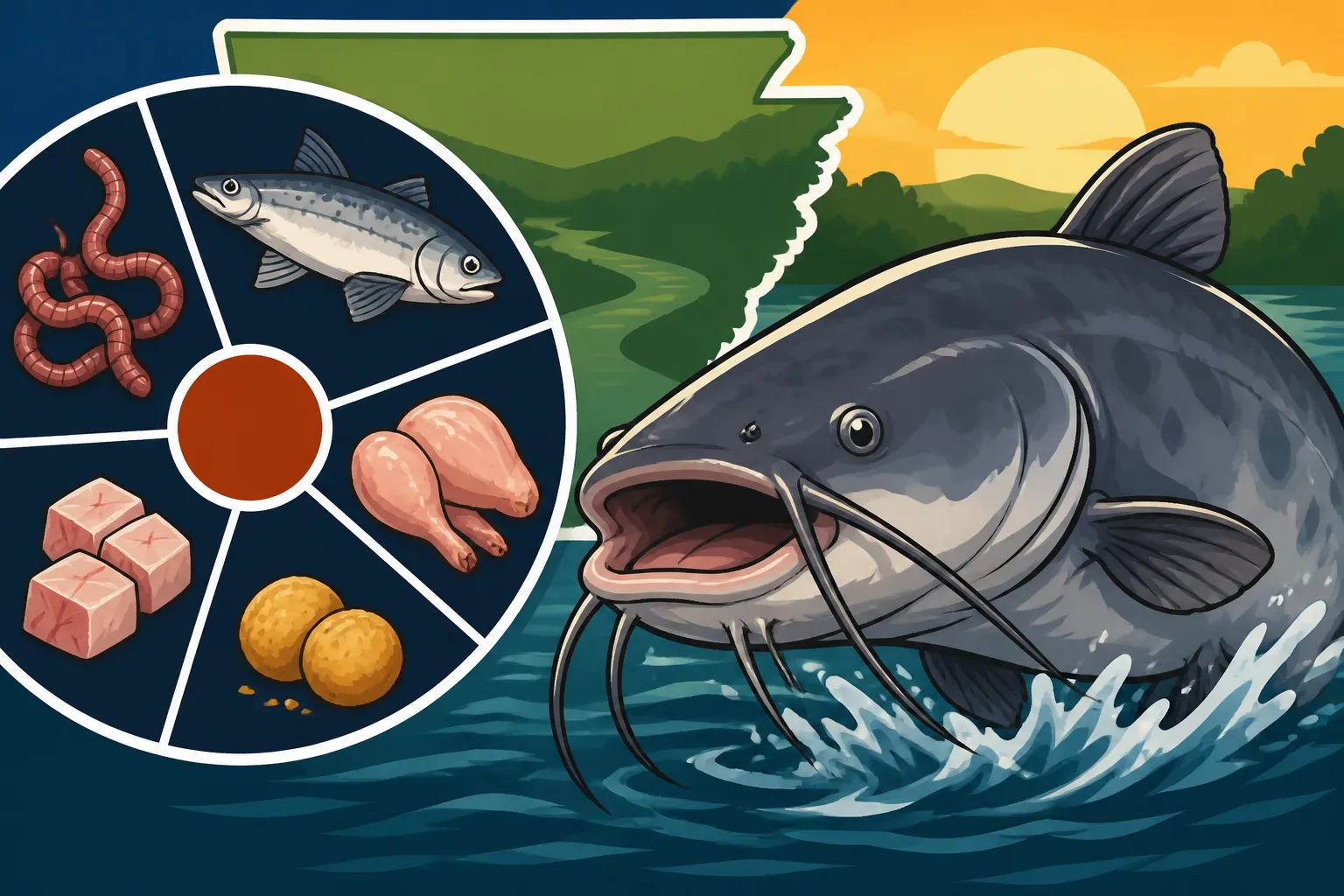
- Commercial Stink Baits: There's an enormous variety of commercially available stink baits, often made from cheese, blood, or other foul-smelling ingredients. Brands like Team Catfish, Sudden Impact, and Secret 7 are popular. These typically come in punch bait (for dipping hooks), dip bait (for sponge hooks), or dough bait forms. They are convenient and easy to use, making them great for beginners or casual anglers.
- Homemade Concoctions: Many veteran catfishermen have their own secret recipes for homemade stink baits, often involving chicken liver, cheese, garlic, and various other potent ingredients left to ferment. The nastier the smell, the better, or so the saying goes! While these can be incredibly effective, they are also, well, incredibly smelly to deal with.
- Chicken Liver: A classic for a reason, chicken liver is readily available, inexpensive, and incredibly effective for channel catfish. Its soft texture means it needs to be hooked carefully (often threaded onto the hook) to stay on, or used with a small bait holder hook. The blood and strong scent make it a consistent producer.
- Hot Dogs (Marinated): Believe it or not, hot dogs cut into chunks can be a surprisingly effective channel cat bait, especially if marinated in garlic, Kool-Aid, or a commercial bait scent. They're clean, easy to handle, and kids love using them.
- Importance of Scent: These baits work by releasing a powerful aroma that draws in channel cats from a distance. While they might occasionally tempt a smaller blue cat, they are generally not robust enough in scent or texture to consistently attract the largest blues, and they completely miss the mark for flatheads who want live prey.
| Catfish Species | Preferred Bait Type | Specific Bait Examples | Why It Works |
|---|---|---|---|
| Blue Catfish | Cut Bait | Shad, Skipjack Herring, Drum, Carp | Strong, natural fish oils create a long-lasting scent trail in current. |
| Channel Catfish | Prepared Baits | Chicken Liver, Stink Baits, Marinated Hot Dogs, Worms | Opportunistic eaters, drawn to strong, varied scents. |
| Flathead Catfish | Live Bait | Sunfish (Bream), Shiners, Perch, Bullheads | Ambush predators that only strike live, struggling prey. |
Presentation, Location, and Timing: Beyond Just the Bait
Having the right bait is a huge part of the equation, but it's only one piece of the puzzle when you're trying to land the biggest catfish in Arkansas. Even the perfect bait will be useless if it's not presented correctly, in the right place, at the right time. Trophy catfish are often wary, and successful anglers understand the nuances of their behavior.
Rigging for Success: Getting Your Bait Where It Needs To Be
The way you rig your bait can dramatically impact your success, especially when dealing with powerful currents or trying to keep live bait lively. Heavy-duty tackle is a non-negotiable for big catfish.
- Santee Cooper Rig: This is a go-to rig for many trophy blue cat anglers, especially when fishing in current. It's essentially a Carolina rig with a float added to the leader. This float lifts your cut bait off the bottom, preventing it from getting snagged in debris and making it more visible to cruising blue cats. The scent trail can also spread more effectively when the bait is suspended slightly above the riverbed. You'll need heavy mono or fluorocarbon leader, a strong swivel, and a heavy sinker to hold bottom.
- Carolina Rig: A classic for bottom fishing, the Carolina rig consists of an egg sinker (or other sliding sinker) on the main line, followed by a swivel, and then a leader (usually 18-36 inches) tied to your hook. This allows the fish to take the bait without immediately feeling the weight of the sinker. It's excellent for both cut bait for blues and even live bait for flatheads in calmer water or situations where you want the bait directly on the bottom.
- Three-Way Rig: This rig is versatile, especially for targeting flatheads in areas with current or structure. It uses a three-way swivel, with one eye tied to your main line, another to a dropline with a sinker (allowing the sinker to break off if snagged), and the third to a leader with your hook and live bait. This allows you to present live bait in a specific depth range or near cover without constantly getting snagged.
- Heavy Tackle is Essential: For monster catfish, don't skimp on your gear. You'll need a stout rod (medium-heavy to heavy action), a reel with a strong drag system, and line testing at least 30-50 pounds (or even heavier braided line). Circle hooks are highly recommended for catfishing, as they typically result in hooks set in the corner of the fish's mouth, making for easier release and less harm to the fish. When shopping for reliable gear, consider checking out the wide selection of heavy-duty rods, reels, and lines available on Amazon.
Prime Catfish Habitats in Arkansas
Even the best bait won't work if it's not where the fish are. Understanding the preferred habitats of big catfish is critical.
- Deep Holes and River Bends: Blue catfish and flatheads often congregate in deeper sections of rivers and reservoirs, especially in the scour holes created on the outside bends of rivers where current digs deep. These areas offer shelter, cooler water, and often concentrate baitfish.
- Submerged Structure (Log Jams, Rock Piles): Flathead catfish, being ambush predators, are particularly fond of heavy cover. Log jams, brush piles, rock formations, and standing timber provide excellent hiding spots from which they can ambush prey. For blues, these areas can also hold abundant baitfish.
- Main Channels and Current Seams: Blue catfish are often found in the main river channels or along current seams where faster water meets slower water. These seams act like a buffet line, concentrating food for them.
- Reservoir Channels and Flats: In large lakes like Lake Ouachita or Bull Shoals Lake, blue and channel catfish will often patrol old river channels, humps, and submerged flats, especially areas where baitfish schools are present. Targeting these underwater highways can be incredibly productive.
- Tailwaters Below Dams: The turbulent, oxygenated waters below dams on rivers like the White River and Arkansas River are notorious catfish hotspots. The current disorients baitfish and creates abundant feeding opportunities. Anglers often find the Best Fishing Spots in Arkansas are these high-current areas.
Best Times to Hunt for Trophy Catfish
Catfish, especially the big ones, are often more active during certain times of the day or year.
- Night Fishing: For many trophy catfish anglers, particularly those targeting flatheads and large blues, night fishing is the prime time. Catfish are generally nocturnal feeders, and the cover of darkness makes them more confident to roam and hunt. The cooler water temperatures at night can also make them more active in warmer months. Night Fishing Techniques for Catfish will prove invaluable here.
- Seasonal Patterns:
- Spring (Pre-Spawn): As water temperatures rise in spring, catfish become highly active and feed aggressively to build up energy for spawning. This is an excellent time for big blue and flathead catfish.
- Summer: While daytime can be slow, summer nights are fantastic for all species of catfish. Look for deeper, cooler water during the day, and then shift to shallower feeding flats at night.
- Fall: As water temperatures cool, catfish go on another feeding spree, fattening up for winter. This can be a very productive time, especially for blue catfish, which will remain active even in colder temperatures.
- Winter: Though often overlooked, winter can be a great time for trophy blue catfish in deep holes, particularly on warmer days. They may be less active, but often willing to take a large, appealing bait.
- Dawn and Dusk: These transitional periods can also be highly productive as catfish move from deeper resting areas to shallower feeding grounds, or vice-versa. During these times, light levels are low enough to encourage their activity without the full darkness of night. For a broader overview of seasonal strategies, consider our guide on Best Bait for Catfish by Season.
Landing the biggest catfish in Arkansas isn't just about luck; it's a strategic game of understanding the species, selecting the perfect bait, presenting it effectively in the right location, and hitting the water at the optimal time. With the right cut bait for blues, lively bait for flatheads, or a potent stink bait for channels, combined with solid rigging and knowledge of their habits, you're well on your way to that trophy catch. Tight lines, fellow anglers!
Disclaimer
This article is for general informational purposes only and does not constitute professional advice. Laws, prices and regulations vary by location and change over time. Consult a qualified professional for guidance on your specific situation.