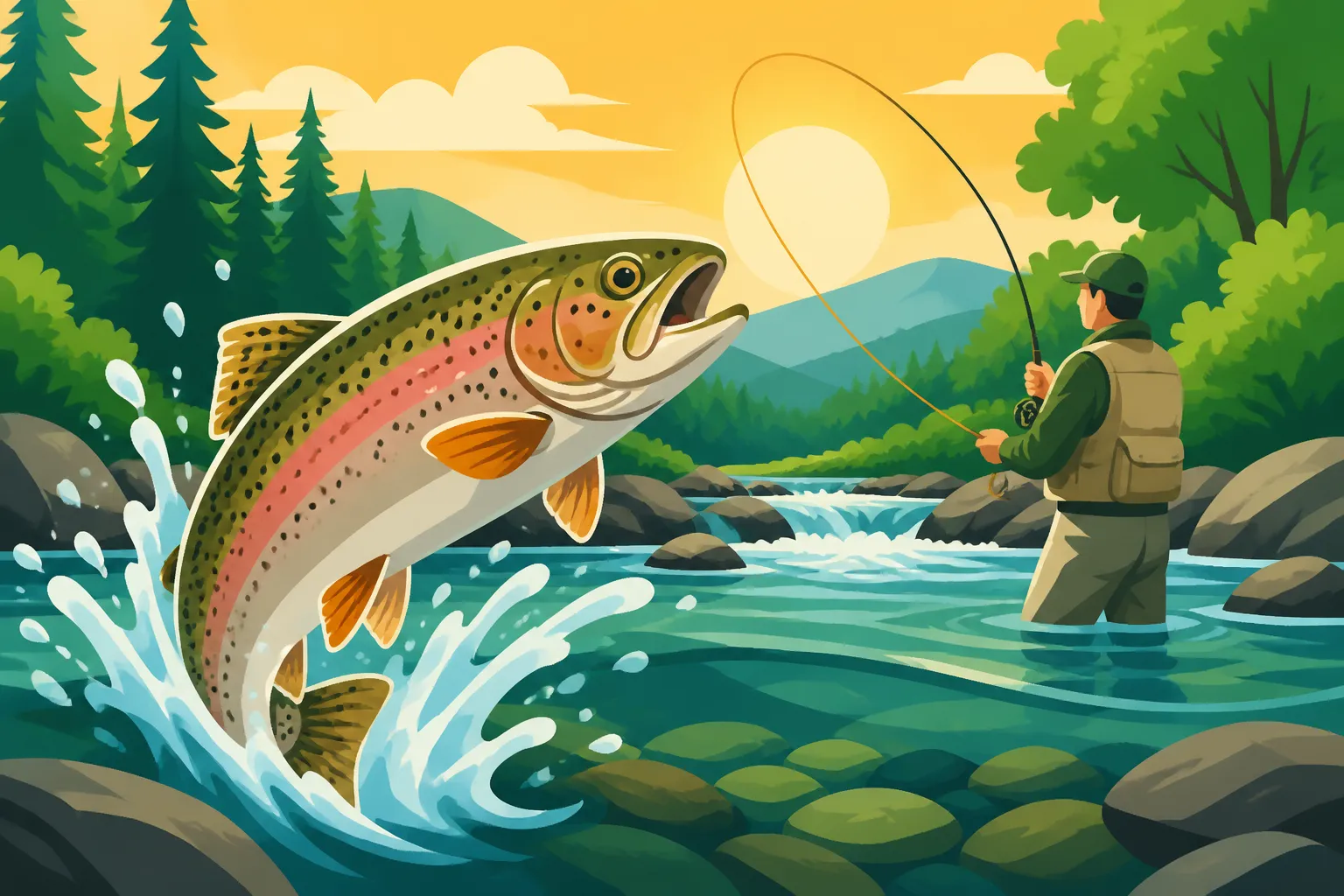
Best Trout Streams in Arkansas
There's nothing quite like the crisp air, the sound of rushing water, and the thrilling tug on your line when you're targeting trout, and if you've ever felt overwhelmed trying to figure out where in Arkansas to find these elusive, beautiful fish, you're not alone. Our state boasts some truly world-class trout fisheries, but knowing which streams offer the best experience, what gear to bring, and what regulations apply can feel like a maze. This guide is here to untangle that, walking you through Arkansas's top trout streams so you can plan your next unforgettable fishing adventure.
The Legendary White River System
When anyone talks about trout fishing in Arkansas, the conversation invariably starts and often ends with the White River. It's not just a river; it's an institution, a cold-water paradise created by the deep, oxygen-rich outflows from the massive Bull Shoals Dam. This tailwater fishery stretches for miles and is renowned globally for its incredible population of brown trout, alongside healthy numbers of rainbow trout, cutthroat, and brook trout. The sheer volume and size of fish here are astounding, making it a dream destination for anglers.
Above Cotter: Trophy Waters and Wild Browns
The stretch of the White River from Bull Shoals Dam downstream past the town of Cotter is legendary. This is where many anglers specifically target trophy brown trout, often referred to as "brutes" or "hawgs." The water here is consistently cold, providing ideal conditions for brown trout to grow to incredible sizes. While rainbows are abundant, it’s the pursuit of a 20-pound-plus brown that draws people from all corners of the globe. Many guides, especially those specializing in fly fishing, focus on these upper sections, knowing the prime holding water and the patterns that entice these magnificent fish.
Fishing this section often involves drifting slowly in specialized McKenzie-style drift boats or jet boats, allowing anglers to present flies or artificial lures to deep runs, eddies, and submerged structure. Wade fishing opportunities exist, particularly during periods of low generation from the dam, but be aware that water levels can rise quickly and dramatically. Always check the generation schedule before heading out. For those aiming for a true trophy, early morning or late evening are often the most productive times, as larger brown trout tend to be more active and less wary under lower light conditions. You can learn more about specific regulations for this incredible fishery by checking out our comprehensive guide on Bull Shoals Tailwater Trout Rules in Arkansas.
Below Cotter to Calico Rock: Diverse Fishing Opportunities
As the White River flows downstream from Cotter, passing through towns like Mountain Home and Norfork, and eventually reaching Calico Rock, it changes character slightly. While still a premier trout fishery, this section often offers more diverse fishing opportunities and can be more accessible for different styles of angling. Rainbow trout become even more prevalent in the creel, offering consistent action for anglers using spin fishing gear with PowerBait, corn, or small spinners like Rooster Tails. However, don't let the abundance of rainbows fool you – massive brown trout still lurk in these waters, especially in deeper holes and along rocky bluffs.
This longer stretch of the river also provides more bank access in certain areas, making it a good option for those who prefer not to use a boat or are looking for a quicker fishing trip without a guide. Towns like Cotter, often called the "Trout Capital of Arkansas," and Calico Rock offer numerous access points, local bait shops, and lodging, catering specifically to anglers. Many local guides operate out of these areas, and if you're looking to book a trip, checking a platform like FishingBooker can help you find experienced captains familiar with these varied sections of the river. Understanding the Arkansas Fishing Regulations Guide is always key, no matter where you cast your line.
Essential White River Gear and Techniques
Fishing the White River effectively requires a thoughtful approach to gear and technique, largely dependent on your target species and preferred method. For fly anglers, a 5- or 6-weight rod is standard for most trout, but if you're truly targeting those monster brown trout, some will opt for a heavier 7- or 8-weight, especially when throwing larger streamers. Nymphing under an indicator is incredibly popular and effective, mimicking the abundant aquatic insect life. Streamer fishing can be deadly for browns, particularly when the water is murky or during prime feeding windows. You can dive deeper into this specialized angling with our White River Fly Fishing Season Guide for Arkansas Anglers.
Spin fishers will do well with light to medium-light action rods, spooled with 4-8 pound test line. Small inline spinners, spoons, stickbaits, and soft plastics (like Gulp! Trout Worms) are all highly effective. For bait fishing, corn, PowerBait, or even small pieces of shrimp can yield consistent results for rainbow trout. Regardless of your method, always bring polarized sunglasses to spot fish and structure, and a good pair of waders if you plan on getting in the water. Remember that conditions can change rapidly with dam generation, so safety should always be your top priority.
The Norfork Tailwater: A Powerhouse of Trout
Just a short drive from the main stem of the White River, the Norfork River tailwater is another jewel in Arkansas's trout fishing crown. Flowing from Norfork Dam and emptying into the White River, this approximately 4.8-mile stretch is a powerhouse fishery, consistently producing some of the highest catch rates of rainbow trout in the state, along with strong populations of brown trout, brook trout, and cutthroat trout. It's a truly remarkable place, often feeling more intimate than the broader White River.
Norfork's Unique Flow and Habitat
The Norfork Tailwater is relatively short but incredibly productive, largely due to the consistent flow of cold, oxygenated water from the bottom of Norfork Lake. This stable environment allows trout to thrive. The riverbed is primarily rocky, with gravel beds, deep pools, and runs providing diverse habitat. The generation schedule from Norfork Dam dictates water levels, which can swing from low, wadeable flows to high, swift currents. Anglers absolutely must consult the generation schedule from the Army Corps of Engineers before planning a trip, as high water can be dangerous and significantly change fishing conditions.
The rich aquatic insect life here, particularly midges, caddis, and scuds, provides a constant food source for trout, making it a fantastic nymphing fishery for fly anglers. During certain hatches, dry fly fishing can also be exceptional, creating memorable experiences on the water. The clarity of the water is often crystal clear, which means a stealthy approach is paramount, especially when the river is low.
Key Access Points and Fishing Strategies
Access to the Norfork Tailwater is excellent. The Dry Run Creek area, located just below the dam, is particularly famous as a world-class youth and disabled angler fishery. Here, kids 16 and under, and those with a disability, can fish for genuinely large trout, often sight-casting to fish that would be trophies anywhere else. It’s a wonderful place to introduce youngsters to the sport or for an accessible fishing experience. Further downstream, areas like the Quarry, the River Ridge Access, and the confluence with the White River offer various wading and boat launching opportunities.
When fishing the Norfork, particularly for those targeting larger brown or cutthroat trout, it often pays to imitate larger forage items like sculpins, baitfish, or even other small trout. Streamers can be incredibly effective when stripped through deeper runs or along submerged structure. For rainbow trout, small nymphs like pheasant tails, hare's ears, and various midge patterns are tried-and-true. Spin anglers will find success with micro-jigs, small inline spinners, and natural baits like PowerBait or red worms, especially when fished on ultra-light tackle to match the clear water. If you're planning a trip, consider using FishingBooker to find a local guide who can navigate these waters safely and put you on fish.
Understanding Norfork's Specific Regulations
Like all premier trout fisheries, the Norfork Tailwater has specific regulations designed to protect its valuable fish populations. These regulations can include length limits, daily creel limits, and even tackle restrictions in certain zones or during specific times. For instance, specific sections might have artificial-lures-only rules or slot limits for brown trout, encouraging catch-and-release for trophy fish while allowing harvest of smaller ones. These rules are crucial for maintaining the quality of the fishery and should be understood before you cast your first line.
It's highly advisable to consult the current Arkansas Game and Fish Commission (AGFC) regulations guide every year, as rules can change. For a deeper dive into what you need to know, take a look at our detailed article on Trout Limits on the Norfork Tailwater in Arkansas. And remember, while a general fishing license is required, if you plan to keep trout, you'll also need to purchase an Arkansas Trout Permit Rules. Even if you're only planning to catch and release, knowing the specific rules for keeping fish will help you understand the overall management goals of the fishery.
The Little Red River: Home of the World Record Brown
Often overlooked by those not in the know, the Little Red River tailwater, flowing out of Greers Ferry Dam, is another world-class trout stream, perhaps best known for producing the former world-record brown trout back in 1992—a massive 40-pound, 4-ounce monster. While that record has since been surpassed, the Little Red still holds a reputation for growing truly enormous brown trout, making it a bucket-list destination for many trophy hunters.
The Greers Ferry Dam Influence
Similar to the White and Norfork, the cold-water discharge from Greers Ferry Dam is the lifeblood of the Little Red River's trout fishery. The dam creates a consistent flow of frigid water that tumbles downstream, creating a prime environment for trout species. The river itself winds through scenic bluffs and fertile bottomlands, offering a different aesthetic than the more mountainous regions of the White and Norfork. The clarity of the water can vary depending on dam generation, but generally, it's clear and pristine, especially during periods of low flow.
The tailwater extends for many miles, but the prime trout fishing often focuses on the upper sections immediately below the dam. Like other tailwaters, understanding the generation schedule is crucial for safety and successful fishing. The Little Red's water levels can fluctuate significantly, impacting access for wade fishing and determining the best strategies for boat anglers.
Dedicated Trophy Catch-and-Release Zones
One of the defining features of the Little Red River is its dedication to trophy brown trout management. Specific sections of the river, particularly what's known as the "Greers Ferry Tailwater," have special regulations designed to protect larger fish. These often include strict catch-and-release rules for certain size classes of brown trout, or artificial-lures-only restrictions to minimize harm to released fish. It's in these special zones that the likelihood of hooking into a truly massive brown trout increases dramatically, rewarding patient and skilled anglers.
These regulations are a testament to the AGFC's commitment to maintaining a world-class trophy fishery. Anglers targeting these giants often employ specialized techniques, including large streamers, big articulated flies, and even fishing at night with oversized lures to target the most elusive, dominant fish. The reward is not just the size of the fish, but the challenge of outsmarting an apex predator in its element. Many guides specialize in these particular zones, and a quick search on FishingBooker can help you connect with local experts who know the nuances of these trophy waters.
Navigating the Little Red's Challenges
While the potential for big fish is undeniable, the Little Red River can also present its own set of challenges. Its winding nature and varying flow rates can make navigation tricky for inexperienced boaters. For wade fishermen, rapidly rising water from dam releases is a constant concern, demanding vigilance and safety precautions. Additionally, the clear water means fish can be easily spooked, requiring a subtle approach and longer casts.
However, these challenges are part of what makes the Little Red so rewarding. Successfully landing a trophy brown trout here is a true accomplishment. Access points are available at various public sites, and towns like Heber Springs serve as a hub for anglers, offering guides, tackle shops, and accommodations. Whether you're a seasoned fly fisherman or a spin angler hoping to land a personal best, the Little Red River offers an exciting and often productive trout fishing experience. Don't forget that a standard Arkansas Fishing License Rules and Costs applies, along with the required trout permit.
The Spring River: A Cold-Water Gem
Moving eastward in the state, the Spring River offers a distinctly different, yet equally fantastic, trout fishing experience. Unlike the tailwaters which rely on dam releases, the Spring River is fed by Mammoth Spring, one of the largest natural springs in the world, pumping out nine million gallons of 58-degree water every hour. This constant, cold flow creates a unique and robust cold-water ecosystem, ideal for trout, almost from its source.
Mammoth Spring's Continuous Cold Flow
The sheer volume and consistent temperature of Mammoth Spring mean the Spring River is cold enough for trout year-round, starting literally at its headwaters. This natural, consistent flow makes it a remarkably stable environment for trout, including rainbow trout and brown trout, as well as a healthy population of smallmouth bass in its lower reaches. The river itself starts wide and clear near the spring, gradually narrowing and becoming more rugged as it flows south, offering a variety of fishing conditions.
The natural beauty of the Spring River is undeniable, flowing through dense forests and over rocky shoals. It's a popular destination not just for fishing, but also for kayaking, canoeing, and swimming, so anglers should be prepared to share the water, especially during warmer months. Despite the recreational traffic, the trout population remains strong, sustained by a combination of natural reproduction and stocking efforts by the AGFC.
Diverse Sections for All Anglers
The Spring River truly offers something for every type of angler. The upper stretches, immediately below Mammoth Spring State Park, are typically wider and more accessible, making them great for bait fishing or spin casting for stocked rainbow trout. Here, you'll find plenty of opportunities for beginners and families to have a productive day, with consistent action on standard trout baits like PowerBait, corn, or small inline spinners.
As you move downstream, the river becomes more rugged, with faster currents, riffles, and deeper pools. This is where fly anglers can find excellent opportunities for both rainbow and brown trout, particularly by nymphing or stripping streamers through the faster water. The confluence of colder spring water with warmer tributaries also creates unique thermal refuges where trout can congregate, especially during the heat of summer. Below the state park, some sections run through private land, so respecting property rights and knowing public access points is important. For instance, the section below the state park down to Hardy offers a mix of public and private access.
Regulations and Best Practices on the Spring River
Like other trout streams, the Spring River has specific regulations to ensure its health and productivity. These often include daily creel limits and specific size restrictions, particularly for brown trout. For example, the Spring River Brown Trout Minimum Length in Arkansas is specifically set at 16 inches, with a limit of one brown trout per day, designed to protect the trophy potential of the species. It's this kind of careful management that keeps the Spring River such a valuable resource.
Because the Spring River is such a popular destination for various outdoor activities, practicing good river etiquette is especially important. This includes packing out all trash, being mindful of other users (anglers, paddlers, swimmers), and handling fish with care, especially if you plan to release them. The AGFC regularly stocks rainbow trout in key areas, ensuring a vibrant fishery for all.
Beyond the Big Four: Other Notable Trout Fisheries
While the White, Norfork, Little Red, and Spring Rivers are undoubtedly the superstars of Arkansas trout fishing, the state does offer a few other, often smaller, opportunities to wet a line for trout. These might not hold the same trophy potential or vastness, but they can provide pleasant angling experiences, especially for local residents or those looking for a different kind of adventure.
Smaller Streams and Stocked Ponds
The Arkansas Game and Fish Commission occasionally stocks trout in various smaller streams and community ponds throughout the state, particularly during cooler months when water temperatures can sustain them. While these fisheries are often "put-and-take," meaning the intent is for anglers to harvest their catch, they provide excellent opportunities for families, beginners, and those seeking easy access close to urban areas. Lakes like Lake Atalanta in Northwest Arkansas or even sections of the Little Missouri River and Caddo River, though primarily known for bass, can have seasonal trout stockings or offer limited trout opportunities, particularly in colder stretches.
These smaller fisheries are fantastic for introducing kids to fishing, as success rates are generally higher. They often require only basic spin fishing gear: a light rod, some monofilament line, a bobber, and simple baits like PowerBait, corn, or worms. While not offering the wild, remote feel of the major tailwaters, they fulfill an important role in making trout fishing accessible to a wider audience. Always check the AGFC website for current stocking schedules and specific regulations for these localized fisheries.
Planning Your Trout Adventure: Guides and Resources
Embarking on a trout fishing trip in Arkansas, especially to one of the premier streams, can be an incredible experience. If you're new to the area or specifically targeting a trophy fish, hiring a local guide is often one of the best investments you can make. Guides know the river intimately, understand the current conditions and regulations, and can provide all the necessary gear and expertise. You can find many reputable guides through local fly shops or by searching online platforms like FishingBooker, where you can read reviews and compare services. For a full rundown on finding your perfect guide, consult our Arkansas Fishing Guides and Charters: The Complete Booking Guide.
Before any trip, always remember to secure your Arkansas Fishing License Types Explained and the required trout permit if you plan to keep trout. Check the AGFC website for the most up-to-date regulations, including daily limits, size restrictions, and any special bait or tackle rules that might apply to your chosen stretch of water. Being prepared not only ensures a legal and enjoyable trip but also contributes to the conservation of these precious fisheries for future generations of anglers.
Arkansas's Premier Trout Streams at a Glance
To help you visualize the differences and choose your next destination, here's a quick overview of the main trout streams we've discussed:
| River Name | Primary Trout Species | Key Characteristics | Primary Fishing Methods | Special Regulations (Common) | Notes |
|---|---|---|---|---|---|
| White River | Brown, Rainbow, Cutthroat, Brook | World-renowned, large water, trophy browns | Fly, Spin, Bait (drift) | Catch/Release for certain Browns, length limits | Iconic, best for multi-day trips and guided excursions |
| Norfork Tailwater | Rainbow, Brown, Cutthroat, Brook | Shorter, very high fish density, clear water | Fly, Spin (wade/drift) | Youth/Disabled access (Dry Run Creek), length/creel limits | Great for consistent action, kids, and sight fishing |
| Little Red River | Brown, Rainbow | World record brown, strong trophy potential | Fly, Spin (drift/night) | Trophy Catch/Release Zones, artificial lures only in some | Excellent for targeting trophy browns, less crowded |
| Spring River | Rainbow, Brown, Smallmouth Bass | Natural spring-fed, 58°F year-round, diverse flow | Fly, Spin, Bait (wade/float) | Brown trout minimum length 16", creel limits | Beautiful scenery, multi-use river, good for all skill levels |
Disclaimer
The information provided in this guide is for informational purposes only and is based on general knowledge and available data. Fishing regulations in Arkansas are subject to change by the Arkansas Game and Fish Commission (AGFC). It is the angler's sole responsibility to consult the most current AGFC fishing regulations before engaging in any fishing activity. Always prioritize safety and adhere to all local, state, and federal laws and regulations.