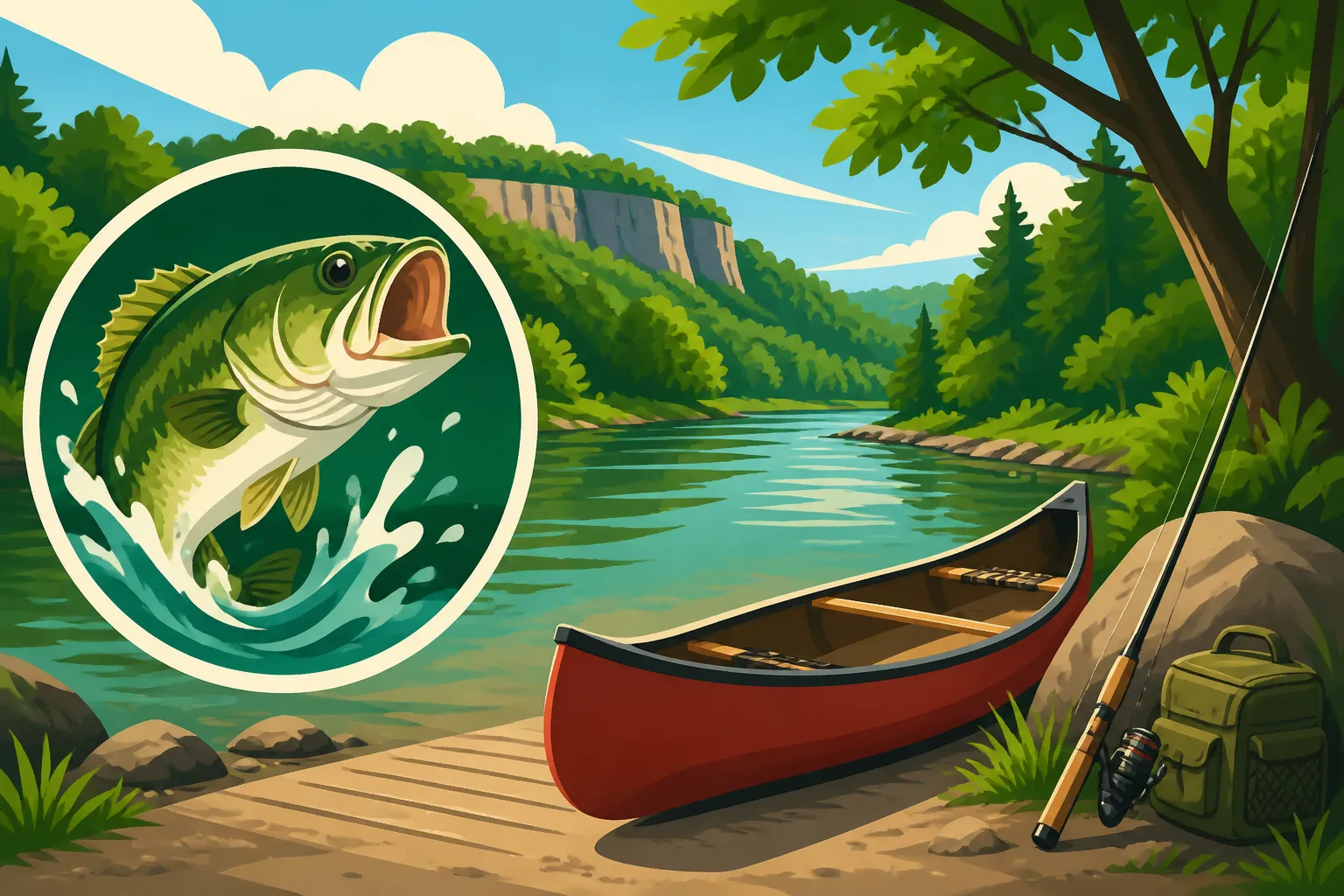
Canoe and Fishing Access on the Caddo River
Trying to figure out where to put in your canoe and find a good fishing spot on a beautiful, winding river like the Caddo can sometimes feel like a real puzzle. You've heard amazing things about its clear waters and fantastic fishing, but knowing exactly how to access it, what to expect, and where the best spots are can be daunting, especially if you're not a local. This comprehensive guide will strip away the guesswork, helping you navigate the various access points and uncover the Caddo River's angling treasures for an unforgettable Arkansas adventure.
The Allure of the Caddo River for Anglers and Paddlers
The Caddo River, flowing through the Ouachita Mountains of Arkansas, isn't just another waterway; it's a true gem for anyone who loves the outdoors. Its reputation for clear, cool water, scenic bluffs, and incredible fishing draws in folks from all over, seeking both tranquility and the thrill of the catch. But what truly makes the Caddo special? It's that perfect blend of accessibility and wildness that many rivers struggle to maintain.
Why the Caddo Stands Out Among Arkansas Rivers
When you think about fishing and floating in Arkansas, rivers like the Buffalo, the White, or the Little Missouri often come to mind first. But the Caddo, with its unique character, carves out its own niche. It's often described as a "gentle" river compared to some of the more challenging whitewater streams, making it incredibly inviting for families and those looking for a more relaxed float. Yet, don't let its gentle nature fool you – below the surface, it teems with feisty game fish that will test your skills. The river boasts a fascinating geology, carving through ancient rock formations that create picturesque rapids and deep pools. These natural features aren't just pretty to look at; they create prime habitats for fish, offering varied structure and flow patterns that keep the angling interesting. It's a place where you can truly unplug, listen to the water, and just be.
What to Expect from the Water and Surroundings
The Caddo River's waters are typically crystal clear, especially during lower flows, which makes for fantastic sight fishing opportunities if you're stealthy enough. The riverbed is primarily gravel and rock, which helps maintain that clarity and provides excellent spawning grounds for many species. You'll encounter a mix of shallow riffles, gentle shoals, and deeper pools, creating a dynamic environment that changes around every bend. While it's generally considered a Class I-II river in terms of rapids – meaning mostly smooth water with some easy waves and small obstacles – there are certainly spots that require a bit of maneuvering, especially after heavy rains. These faster sections, often called "shoals," are not only fun to paddle through but also act as natural oxygenators, creating perfect feeding lanes for fish. The banks are a mix of wooded areas, rocky bluffs, and occasional sandy beaches perfect for a picnic lunch. You might spot deer, turkeys, and a variety of birds as you float downstream. Understanding these diverse conditions is key to both a safe paddle and a successful fishing trip.
Prime Canoe and Fishing Access Points
Finding the right spot to get on the Caddo River is half the battle, and luckily, there are several well-known points that cater to both paddlers and anglers. Some are managed public access points, while others are run by private outfitters who make river trips incredibly convenient.
Public Access Points Along the Caddo River
The Arkansas Game and Fish Commission (AGFC) maintains several access points along the Caddo, making it easier for the public to enjoy the river. These are generally well-marked and offer amenities like parking and boat ramps.
- Alpine Public Access: Located near the town of Amity, the Alpine access point is a popular put-in for many floats. It offers a concrete boat ramp, making it easy to launch canoes, kayaks, and even small johnboats. The parking area is typically spacious, which is a huge plus on busy weekends. From Alpine, you can enjoy a scenic float downstream, hitting various fishing holes along the way. It's a great starting point for day trips that combine paddling and fishing.
- Glenwood City Park: Right in the heart of Glenwood, this park provides another excellent public access point. While it might not have a formal concrete ramp in all spots, there are usually designated areas for launching canoes and kayaks. The convenience of being in town means you're close to amenities like restrooms and local shops if you need to grab last-minute snacks or bait. Fishing around the city park area can be productive, especially in the deeper bends.
- Amity Public Access: Further downstream from Alpine, the Amity access point is another reliable option. Like Alpine, it often features a gravel or concrete ramp and adequate parking. This spot is frequently used as a take-out point for longer floats originating upstream, but it's also a perfectly viable put-in for those who want to explore the lower sections of the river or simply enjoy a shorter float.
- De Gray Lake Spillway (Lower Caddo): For those looking to fish the very lowest stretch of the Caddo before it empties into De Gray Lake, the spillway area offers unique opportunities. This section can hold a different mix of species, including larger bass and even some crappie, especially when fish move up from the lake. Access here is generally more geared towards anglers and can be reached via roads leading to the lake's upper end. Remember to check specific regulations for this area, as they might differ slightly from the main river.
When using public access points, always practice good river etiquette: pack out everything you pack in, respect private property signage, and park responsibly.
Outfitters and Private Access Opportunities
For many, especially those visiting or new to the Caddo, relying on local outfitters is the most convenient way to experience the river. These businesses not only provide rentals for canoes and kayaks but also offer shuttle services, taking the logistical headache out of your trip.
- Caddo River Canoe & Kayak (Glenwood): This is one of the most established outfitters on the Caddo, located right in Glenwood. They offer a range of boat rentals, from canoes to single and tandem kayaks, and more importantly, they provide shuttle services to various put-in and take-out points along the river. This means you can focus entirely on enjoying your float and fishing, without worrying about leaving a car downstream or arranging complex transportation. Their staff often have excellent local knowledge about current river conditions and where the fish are biting. You might even find guided fishing trips offered through services like FishingBooker that partner with local outfitters, making it even easier to book an expert-led adventure if you prefer.
- Riverbend Canoes (Glenwood): Another popular outfitter in Glenwood, Riverbend Canoes offers similar services, providing another option for rentals and shuttles. Having multiple outfitters in the area means more availability, especially during peak season, and healthy competition often translates to good service. Their access points are typically well-maintained, designed to get you on the water smoothly. When you're planning your trip, you can often check their websites for river levels and float times, which are crucial for both safety and enjoyment.
- Other Smaller Outfits: Depending on the season and local demand, smaller, independent outfitters might also operate along the Caddo. These can sometimes offer a more personalized experience. A quick search online, perhaps even exploring options on platforms like FishingBooker, could reveal additional guide services or private access opportunities that might not be as widely advertised but offer unique benefits.
- Private Campgrounds and Lodging: Some privately owned campgrounds or cabins situated along the river offer their own access points for guests. If you're staying overnight, this can be an incredibly convenient option, allowing you to walk straight from your accommodation to the water. Always confirm these details when booking your stay.
Opting for an outfitter often simplifies the entire experience, especially if you're not bringing your own equipment or are unfamiliar with the river's quirks. They handle the logistics, so you can spend more time on the water, whether you're casting a line or just enjoying the paddle.
Here's a quick overview of popular access points:
| Access Point | Location | Type | Best For | Notes |
|---|---|---|---|---|
| Alpine Public Access | Near Amity | Public AGFC | Longer floats, combined paddle/fish trips | Concrete ramp, good parking, popular starting point |
| Glenwood City Park | Glenwood | Public AGFC | Shorter town-based floats, convenient | Easy launch, close to town amenities |
| Amity Public Access | Amity | Public AGFC | Take-out for long floats, shorter put-ins | Gravel/concrete ramp, decent parking |
| De Gray Lake Spillway | Lower Caddo | Public AGFC | Fishing the lower river, lake species | Good for larger fish, can be crowded |
| Caddo River Canoe & Kayak | Glenwood | Private | Rentals, shuttle service, convenience | Excellent local knowledge, wide range of boats |
| Riverbend Canoes | Glenwood | Private | Rentals, shuttle service, flexible trips | Another reliable outfitter option for logistics |
Fishing the Caddo River: Species and Techniques
The Caddo River isn't just about floating; it's a fantastic fishery, particularly known for its bass populations. The clear, flowing waters and abundant structure create an ideal habitat for a variety of sportfish, offering exciting challenges for anglers of all skill levels.
Target Species and What Makes Them Special
When you drop a line in the Caddo, you're primarily aiming for different types of bass and various panfish. These species thrive in the river's dynamic environment and offer unique angling experiences.
- Smallmouth Bass: Without a doubt, the smallmouth bass is the crown jewel of the Caddo River for many anglers. These bronze beauties are renowned for their aggressive strikes and powerful fights, often leaping clear out of the water. They love the clean, rocky bottoms and current of the Caddo, preferring cooler, well-oxygenated water. You'll find them holding behind rocks, in eddy currents, and near submerged logs, waiting to ambush prey. Catching a good-sized smallmouth on light tackle in a river like the Caddo is an absolute blast. They're often found in the same areas as you'd find Smallmouth Bass in Arkansas's Ozark Streams, showing their preference for similar pristine river conditions.
- Spotted Bass (Kentucky Bass): Often confused with largemouth or smallmouth, the spotted bass (or Kentucky bass) is also prevalent in the Caddo. They share similar habitats with smallmouth but can tolerate slightly warmer, more turbid waters. While they may not jump as much as a smallmouth, they put up a respectable fight and are eager biters. Identifying them usually involves looking for the rows of dark spots along their lower side and a smaller mouth than a largemouth.
- Largemouth Bass: While not as dominant as smallmouth in the flowing sections, you'll still encounter largemouth bass in the Caddo, especially in the slower, deeper pools and backwater areas. These fish prefer more cover like submerged timber, weed beds, or undercut banks. They offer a different kind of fight, often digging deep and trying to wrap you around structure.
- Panfish (Sunfish, Bluegill, Rock Bass): For a more relaxed fishing experience or when introducing kids to fishing, the Caddo's panfish population is excellent. Bluegill, various sunfish species, and rock bass are abundant and eager to bite. They're often found in slower sections, around structure, or along shaded banks. They might not be trophy fish, but they provide consistent action and are great table fare.
- Trout (near cold springs): While the Caddo is not a designated trout stream, very localized pockets near exceptionally cold spring-fed tributaries might occasionally hold a stray rainbow or brown trout, particularly in the cooler months. This is rare and not something to specifically target, but it's a testament to the river's clear, cold water quality. If you are specifically targeting trout, make sure to check Arkansas Trout Permit Rules as an additional permit is usually required for keeping trout.
Essential Techniques and Baits for Caddo River Success
To maximize your chances of success on the Caddo, it's crucial to adapt your techniques to the river environment and the species you're targeting. Light tackle is generally the name of the game here.
- Spin Fishing: For bass, lighter spinning rods (6'6" to 7' medium-light to medium action) with 6-10 lb fluorocarbon or monofilament line are perfect. Small crankbaits, spinnerbaits (1/8 to 1/4 oz), grubs, small soft plastic worms, and jigs are highly effective. Look for rocky structure, current breaks, and log jams. Cast upstream and let your lure drift naturally through the strike zone, or work it aggressively against the current. Many of these techniques are excellent for Bass Fishing Techniques for Beginners and can be easily adapted for river conditions.
- Fly Fishing: The Caddo is a dream for fly anglers, especially those targeting smallmouth bass. Weight-forward floating lines with 5-7 weight rods are versatile. Poppers, popper-dropper rigs, crayfish patterns, clouser minnows, and various nymphs are deadly. Focus on casting into eddies, behind large rocks, and along undercut banks. A stealthy approach is key when fly fishing in clear water. If you're new to the sport, consider exploring resources on Fly Fishing Techniques for Beginners before you hit the water.
- Live Bait: For panfish and even bass, live bait can be incredibly effective. Small worms, crickets, grasshoppers, or minnows fished under a small bobber or on a light bottom rig will often produce consistent bites. This is a particularly good option when fishing with kids.
- Wade Fishing: Many sections of the Caddo are shallow enough to wade, offering fantastic opportunities to stealthily approach prime fishing holes that boaters might miss. Always be aware of current strength and slippery rocks, and wear appropriate wading shoes. When planning your trip, you'll want to think about what Best Bait and Lures for Arkansas Bass you'll want to pack, as different conditions might favor different presentations.
Remember that presentation is often more important than the lure itself in clear river water. Make natural, quiet casts and retrieve your lures in a way that mimics natural prey.
Navigating Regulations and River Etiquette
A successful and enjoyable trip to the Caddo River isn't just about catching fish; it's also about respecting the environment, adhering to regulations, and ensuring the safety and enjoyment of everyone on the water.
Understanding Licenses, Permits, and Limits
Before you even think about putting a line in the water, you need to make sure you're properly licensed. This isn't just a legal requirement; it's how the state funds conservation efforts that keep rivers like the Caddo healthy and stocked.
- Arkansas Fishing License: Anyone 16 years or older needs a valid Arkansas Fishing License Rules and Costs. Whether you're a resident or a non-resident, there are various options from annual licenses to short-term permits that can fit your trip duration. You can purchase these online through the AGFC website, at most sporting goods stores, or through various retailers across the state.
- Trout Permit: As mentioned, while trout fishing isn't the primary draw on the Caddo, if you happen to find yourself in a cold-water pocket and plan to keep any trout, you will need an Arkansas Trout Permit Rules in addition to your regular fishing license. It's always better to be prepared.
- Size and Daily Limits: The Caddo River falls under statewide Arkansas Fish Size and Daily Limits unless specific regulations are posted for a particular section. For smallmouth bass, there are specific rules that apply to Smallmouth Bass Rules on Arkansas's Moving Waters Statewide, which typically include minimum length limits and daily creel limits to protect the population. Always double-check the latest AGFC regulations guide, as these can change annually. Ignorance of the law is never an excuse, and game wardens do patrol these waters.
- Fishing Methods: The Arkansas Fishing Regulations Guide outlines permissible fishing methods. Generally, trotlines, limb lines, and jug lines are restricted or prohibited in designated "trout waters" or certain stream sections, though the Caddo typically permits rod and reel. Be aware of any local ordinances or specific rules for certain stretches of the river.
Staying informed about these regulations ensures you're fishing legally and contributing to the sustainability of this wonderful resource.
Respecting the River and Private Land
The Caddo River flows through a mix of public and private lands, and understanding where you can legally access and fish is paramount.
- Private Property: Many sections of the Caddo River's banks are privately owned. While you generally have the right to float navigable waters, touching down or wading onto private land without permission is trespassing. Be mindful of property lines, often marked by fences or signs. If you need to stop, look for public access points, sandbars, or areas clearly designated for public use.
- Leave No Trace: This is a fundamental principle for any outdoor enthusiast. Pack out all trash, including fishing line, bait containers, and food wrappers. Even biodegradable items should be packed out, as they can take a long time to decompose and detract from the river's pristine beauty. The goal is to leave the river bank cleaner than you found it.
- River Safety: While the Caddo is generally mellow, safety should always be your priority. Wear a PFD (personal flotation device), especially if you're not a strong swimmer or if river levels are high. Let someone know your float plan, including your put-in, take-out, and estimated time. Be aware of potential hazards like strainers (fallen trees in the water) or sudden increases in current. Having a dry bag for your phone, keys, and any valuables is a smart move. Consider What to Bring on a Guided Arkansas Fishing Trip might apply even for an unguided trip, focusing on safety and essentials.
- Boating Etiquette: Share the river responsibly with other paddlers, swimmers, and anglers. Give others space, especially if they are fishing a particular spot. Avoid loud noises that might disturb wildlife or other river users. Understanding Arkansas Fishing Rules for Lakes, Rivers and Tailwaters is important, as some general rules apply across all water bodies, even if the Caddo is primarily a river.
By adhering to these guidelines, you're not just protecting yourself and the river; you're ensuring that the Caddo remains a cherished fishing and paddling destination for generations to come.
Disclaimer
Please note that fishing regulations, access points, and river conditions can change. Always consult the latest Arkansas Game and Fish Commission (AGFC) regulations guide and check current river levels and forecasts before planning your trip. This guide is for informational purposes only and does not constitute legal advice.