How to Fish a Spinnerbait for Bass
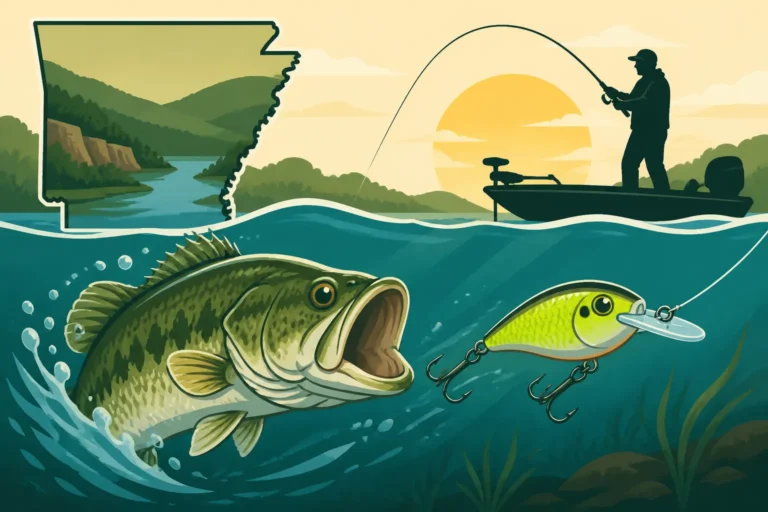
Have you ever stood on the bank of an Arkansas lake or river, casting your heart out, only to feel like the bass have suddenly developed an allergy to everything in your tackle box? It’s a frustrating scenario many anglers face, especially when you know the fish are there but just aren't cooperating. You see other folks reeling in hog after hog, and you're left wondering what magic trick they're pulling. Well, chances are, that magic often comes down to one incredibly versatile and effective lure: the spinnerbait. This guide is all about demystifying the spinnerbait, helping you understand its incredible potential, and equipping you with the knowledge to consistently hook more bass in Arkansas waters, no matter the conditions.
Understanding the Spinnerbait: Anatomy and Appeal
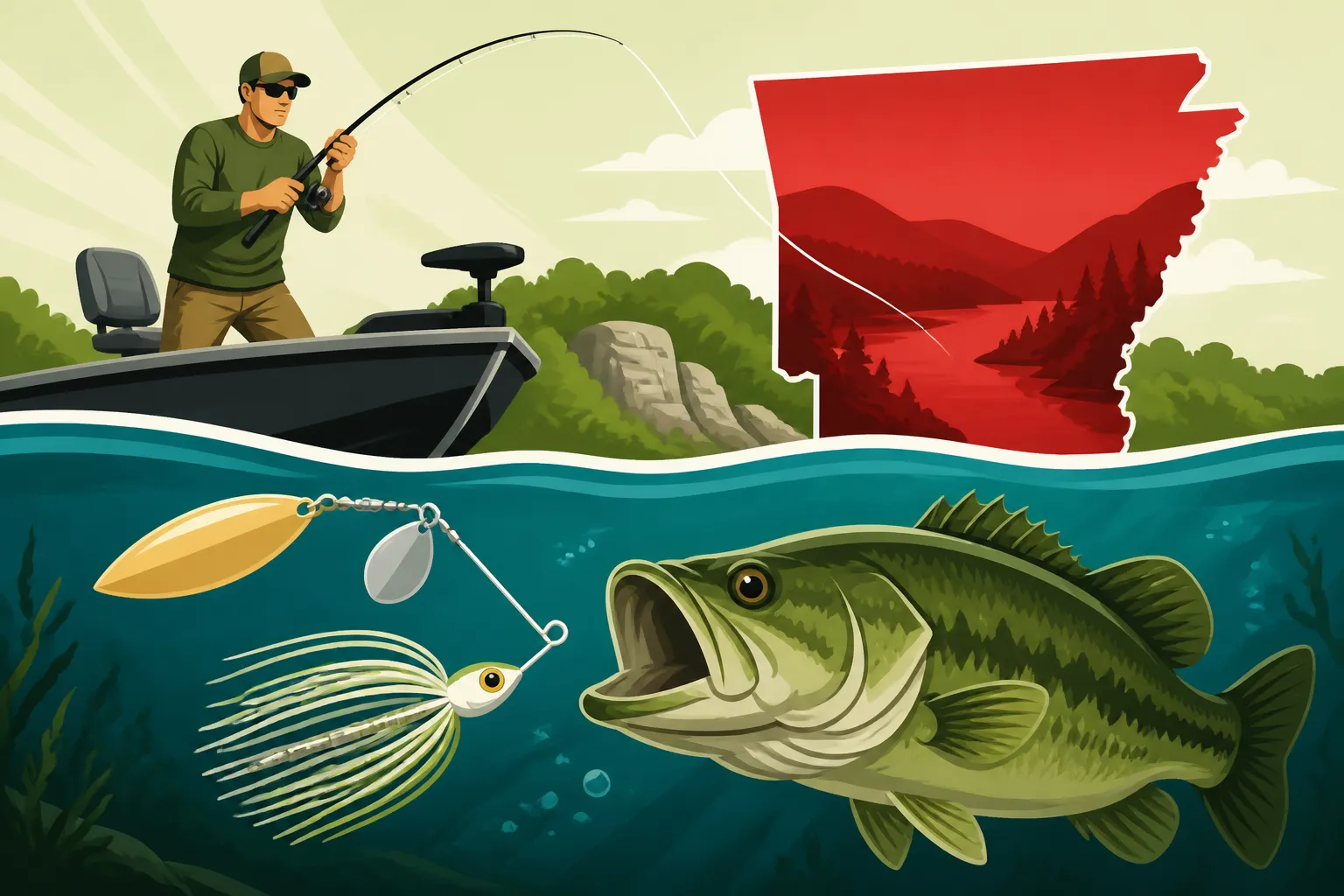
Before we can effectively fish a spinnerbait, it’s crucial to understand what makes it tick. This isn't just a hunk of metal and plastic; it's a carefully engineered fish-catching machine designed to mimic baitfish, create vibrations, and provoke aggressive strikes. If you know the purpose behind each component, you can start making smarter decisions about which spinnerbait to throw and how to work it.
The Core Components: Wire Arm, Blades, and Skirt
At its heart, a spinnerbait is a deceptively simple lure, yet each part plays a vital role. You have that distinctive wire arm, often shaped like a V or an R, which acts as the backbone. This wire is key to making the lure relatively weedless, allowing it to deflect off cover that would snag other baits instantly. On one end of the wire, you’ll find the hook and skirt, and on the other, the blades.
Let’s talk about those blades. These are the "spinners" of the spinnerbait, creating flash and vibration as they turn. There are three main types you'll encounter. First, you have the Colorado blade, which is round and cupped. It spins with a wide thump, creating a strong vibration and a lot of lift, making it excellent for slow retrieves or fishing in murky water where visibility is low. Then there's the Willowleaf blade, which is long and slender, shaped much like a willow leaf. This blade produces less vibration but a ton of flash, spinning closer to the body of the lure. It's fantastic for fast retrieves and clear water conditions, mimicking a fleeing baitfish. Finally, the Indiana blade offers a middle ground, being an oval shape that provides a good balance of flash and vibration, making it a versatile choice for many situations. Understanding these differences is your first step toward customizing your presentation.
Underneath the blades, you'll find the skirt, usually made of silicone or natural hair, which adds bulk, color, and a lifelike pulsing action in the water. The skirt breathes and pulsates as the lure moves, making it look like a tasty meal to a hungry bass. Color choice here is paramount. Natural baitfish colors like white, shad, and chartreuse are always a solid starting point. However, don't be afraid to experiment with brighter colors like pink or orange in stained water, or even darker hues like black and blue for low light conditions or fishing deeper. The right combination of blade type and skirt color can make all the difference between a frustrating day and a fantastic one.
Why Spinnerbaits Entice Bass
So, why do bass absolutely smash spinnerbaits? It’s not just one thing; it’s a symphony of irresistible triggers. A spinnerbait often presents an illusion to a bass that’s hard to ignore: a small school of baitfish. The multiple blades spinning together, especially on tandem blade models, create the appearance of several fish darting through the water. This optical illusion can trigger a bass's predatory instinct to strike at a vulnerable group rather than just one fish.
Beyond the visual, there's the powerful sensory input. The vibrations generated by the spinning blades travel through the water, alerting bass to the lure's presence even before they see it. This is especially crucial in murky water, during low light conditions, or when bass are holding tight to cover. Imagine a bass sitting in a brush pile; it can feel that spinnerbait approaching long before it comes into view, prompting it to prepare for an ambush. The flash from the blades, particularly Willowleafs, mimics the glint of a baitfish's scales reflecting light, which is another potent visual cue that screams "mealtime!"
Ultimately, the spinnerbait often triggers a reaction strike. Bass are opportunistic predators, and sometimes, a fast-moving, flashing, vibrating object zooming past their face is simply too much to resist. They don't have time to inspect it; they just react. This makes spinnerbaits particularly effective when bass are aggressive, but also when they're a bit lethargic and need a good jolt to make them bite. Its ability to navigate through weeds, timber, and rocks also means you can present it in places where bass often hide, giving them less time to think and more reason to strike.
Mastering Spinnerbait Presentation: Retrieve and Conditions
The real artistry in spinnerbait fishing comes from how you present the lure. It’s not enough to just cast and reel; you need to tailor your retrieve to the specific conditions of the water and the mood of the bass. What works on a hot summer afternoon might be completely ineffective on a cold, cloudy morning. Paying attention to these nuances will elevate your spinnerbait game significantly.
Matching Retrieve to Water and Fish Mood
One of the greatest strengths of the spinnerbait is its versatility in retrieve speed. This means you can often find a retrieve that matches the bass's mood, from super aggressive to completely lethargic.
A classic technique is the slow roll. This involves a slow, steady retrieve, just fast enough to keep the blades turning. It's incredibly effective in colder water, during the early spring pre-spawn period, or when bass are holding deep and aren't super active. The slow, thumping action of Colorado blades really shines here, creating a subtle but powerful vibration that bass can home in on. Think about those chilly mornings on Lake Ouachita or a cool fall day on Beaver Lake; a slow-rolled spinnerbait can often coax strikes when faster presentations fail.
On the flip side, when bass are aggressive and chasing bait, a "burning" retrieve can be deadly. This means reeling in as fast as you can, making the spinnerbait almost skip across the surface or just below. The sheer speed and flash are perfect for triggering reaction strikes, especially in warmer water or when bass are actively feeding in shallow cover. It's exhilarating to watch a bass explode on a burned spinnerbait!
Then there's the stop-and-go or yo-yo retrieve. This is fantastic for neutral or hesitant fish. You'll reel for a few turns, then pause, letting the spinnerbait flutter down like a wounded baitfish. Often, the strike will come on the fall, so pay close attention. Varying your retrieve with sudden changes in speed or direction can also make a huge difference. Sometimes, just a slight twitch of the rod tip can cause the skirt to flare and trigger a follow-up strike from a hesitant fish. The key is to experiment until the fish tell you what they want.
Another subtle but effective technique is the "waking" or ripple effect retrieve. By holding your rod tip high and retrieving just fast enough to make your spinnerbait create a bulge or ripple on the surface, you can imitate a struggling baitfish. This is particularly effective in low light conditions, like dawn or dusk, or when bass are actively feeding on the surface in shallow, calm water. The visual disturbance and subtle vibration can be irresistible.
Spinnerbait Selection for Different Conditions
Choosing the right spinnerbait isn't just about what looks good to you; it's about what looks good to the bass under specific conditions. One of the most critical factors is water clarity. In dirty or stained water, where visibility is poor, you want to maximize vibration and contrast. This is where Colorado blades excel, providing that strong thumping action bass can feel. Bright skirt colors like chartreuse, white, or firetiger will also stand out better.
Conversely, in clear water, you'll want a more subtle presentation that relies more on flash. Willowleaf blades are perfect here, as their high flash and reduced vibration mimic natural baitfish without spooking wary bass. Natural skirt colors like shad, bluegill, or even translucent patterns will blend in more, creating a lifelike appearance.
Light conditions also play a huge role. On cloudy days or during dawn and dusk, when light penetration is low, gold or orange blades can be very effective, catching what little light is available. Skirts with a touch of orange or darker patterns can also be productive. On bright, sunny days, silver or nickel blades will reflect sunlight intensely, creating maximum flash and drawing attention.
Don't forget about the weight of your spinnerbait, either. Heavier baits (3/4 oz, 1 oz) are excellent for fishing deeper water or in strong wind, allowing you to maintain contact with the lure and present it effectively. Lighter baits (1/4 oz, 3/8 oz) are perfect for shallow water, slow rolling, or when bass are keying in on smaller baitfish. The weight also influences how quickly your spinnerbait falls, which can be crucial for targeting suspended bass or working over submerged vegetation.
Targeting Specific Structures and Cover
Spinnerbaits truly shine when fished around cover and structure, which is where bass love to ambush prey. Their weedless design means you can often throw them into places where other lures would quickly get hung up.
Brush piles and laydowns are classic spinnerbait territory. Cast past the cover and retrieve the spinnerbait right through the branches. The wire arm helps deflect the lure, often causing it to "kick" or change direction when it hits wood, which can trigger a strike. It’s all about working that bait intimately through the cover, feeling every branch and maintaining your retrieve.
When it comes to submerged vegetation and grass lines, spinnerbaits are incredibly effective. You can slowly roll them just over the top of the grass, ticking the tops of the weeds. This often causes bass hiding in the grass to dart out and strike. If the grass is sparse, you can even retrieve it through the gaps. On the Arkansas River, where grass beds can be plentiful, this technique is a game-changer. For fishing dense hydrilla or milfoil, a single Colorado blade spinnerbait can be beneficial as it tends to foul less.
Docks and piers offer another prime target. Bass often suspend under the shade of docks, waiting for an easy meal. Skip your spinnerbait under the docks, or cast it parallel to the pilings, letting it bump and grind against the wood. The erratic action can drive bass wild. Just be ready for a quick hookset, as the strikes can be sudden and violent.
Even rock piles and ledges are fair game. Use a heavier spinnerbait to get down to the depth of the rocks, letting it bounce and deflect off the bottom. The deflection mimics a disoriented baitfish, and bass waiting in ambush will often pounce on it. Don't be afraid to experiment with different retrieve speeds as you work it over these rocky structures, as the change in depth and cover can really get a reaction. Anglers fishing on Bull Shoals Lake or Norfork Lake frequently find success around these features. For those who prefer bank fishing, casting parallel to the shoreline and working your spinnerbait along drop-offs or near visible cover can be equally rewarding.
Advanced Spinnerbait Tactics and Gear Tips
Once you've got the basics down, there are always ways to refine your spinnerbait approach. These advanced tactics and gear considerations can make a significant difference, helping you convert more bites into landed fish and tailor your setup for maximum efficiency on the water.
Trailer Hooks and Soft Plastic Trailers
One of the most common frustrations with spinnerbait fishing is short strikes – when a bass hits the lure but doesn't get hooked. This often happens because they're nipping at the tail of the skirt, or simply swiping at the blades. The simple solution? A trailer hook. This is a small, usually single, hook that you slide onto the main hook of your spinnerbait, allowing it to trail freely. It vastly increases your chances of hooking those short-striking fish. Ensure the trailer hook points upwards, following the bend of the main hook, and is secured with a small piece of surgical tubing or a retainer to prevent it from fouling. You can find a wide variety of trailer hooks on platforms like Amazon, ensuring you have the right size and style for your spinnerbaits.
Beyond trailer hooks, soft plastic trailers can significantly enhance your spinnerbait's appeal. These are small plastic baits, like grub tails, small swimbaits, or chunks, that you thread onto the main hook behind the skirt. They add extra bulk, a different action, and can even carry scent, making your spinnerbait look and feel more substantial to a bass. A curly-tail grub trailer, for instance, adds a seductive wiggling action, while a paddle-tail swimbait can create a wider kick. Experiment with colors that match or contrast your skirt, and don't be afraid to try different shapes until you find what the fish are keying in on. The added profile and movement can turn a hesitant follow into a committed strike.
Rod, Reel, and Line for Spinnerbait Success
Having the right equipment makes a world of difference when fishing spinnerbaits. It's not just about comfort; it's about control, sensitivity, and the power to land those big Arkansas bass.
For a rod, you'll generally want a medium-heavy power rod with a moderate-fast action. The medium-heavy power provides enough backbone to cast heavier spinnerbaits, drive a hook through a bass's jaw, and extract fish from heavy cover. The moderate-fast action is crucial because it allows the rod tip to load up smoothly on the cast, giving you better accuracy and distance. It also provides a bit more "give" than a fast action rod, which helps bass engulf the lure and prevents them from tearing free during the fight, especially when they shake their heads violently. A 6'6" to 7'3" length is ideal for most situations, offering a good balance of casting distance and maneuverability.
When it comes to reels, a baitcasting reel is typically preferred for spinnerbaits due to its casting accuracy and power. Look for a gear ratio in the mid-range, something like a 6.4:1 to 7.1:1. This allows you to maintain a good retrieve speed for most techniques without constantly feeling rushed or having to crank too hard. It also provides enough torque to handle larger fish. If you find yourself consistently burning spinnerbaits, you might lean towards a slightly higher gear ratio. For those just starting out or looking for new gear, Amazon offers a vast selection of baitcasting rods and reels that are well-suited for spinnerbait fishing.
Finally, your line choice can greatly impact your success.
- Fluorocarbon is a popular choice for its low visibility, excellent sensitivity, and abrasion resistance. It's great for clear water conditions and when you need to feel every subtle bite.
- Monofilament offers good stretch, which can be forgiving when a bass strikes aggressively, helping to prevent hooks from tearing out. It also floats, which can be useful for keeping your spinnerbait higher in the water column during slow rolls.
- Braided line is incredibly strong and has no stretch, providing maximum sensitivity and the power to rip spinnerbaits free from snags. It's an excellent choice for fishing heavy cover, though its visibility can be a concern in clear water, often requiring a fluorocarbon leader. A good all-around choice for many anglers might be 15-20 lb fluorocarbon or 30-50 lb braid with a fluorocarbon leader.
Seasonal Spinnerbait Strategies in Arkansas
Arkansas bass behavior shifts dramatically with the seasons, and so too should your spinnerbait tactics. Tailoring your approach to the time of year can unlock incredible success. If you're looking for more general seasonal fishing advice, be sure to check out our comprehensive guide on the Arkansas Fishing Seasons Guide.
During the pre-spawn period in early spring, when water temperatures are climbing into the 50s and low 60s, bass are on the move from their deep winter haunts to shallower spawning grounds. They're often feeding heavily to build energy for the spawn. This is prime time for a slow-rolled spinnerbait, especially in natural colors like shad or crawfish patterns. Target transition areas like points, creek channels, and shallow pockets with cover. Bass can be found anywhere from 2-10 feet deep, depending on the day. Our article on Pre-Spawn Bass Fishing Patterns dives even deeper into this exciting time.
As bass transition into the post-spawn phase, after they've laid their eggs, they're often recuperating in nearby cover before becoming aggressively hungry again. This is a time to experiment. You might still find success with slow rolls, but as they recover and start feeding more actively, don't shy away from faster retrieves, particularly around points, main lake pockets, and secondary points. They'll be feeding on baitfish to regain their strength. The article on Post-Spawn Bass Fishing Patterns offers more insights here.
Summer bass fishing in Arkansas can be challenging as temperatures soar, but spinnerbaits remain effective. Early mornings and late evenings are key, when bass move shallower to feed. During the heat of the day, focus on deeper cover, shaded areas, or offshore structure. You can "burn" spinnerbaits over submerged grass beds or slow roll them along deep ledges. Try working spinnerbaits near boat docks and cypress trees. For more detail, check out Summer Bass Fishing Patterns.
Come fall, as water temperatures begin to drop, bass become incredibly aggressive, feeding up for winter. This is a fantastic time for spinnerbaits, especially as they often key in on schooling baitfish. Mimicking baitfish patterns with white or shad-colored skirts and Willowleaf blades, retrieved quickly, can be incredibly productive. Focus on points, creek channels, and areas where baitfish are schooling. Often, bass will be found chasing baitfish in the upper water column. Our Fall Fishing Patterns for Bass and Crappie guide has more tips for this season.
Troubleshooting Common Spinnerbait Challenges
Even with the best techniques, you're bound to run into issues while fishing spinnerbaits. Getting hung up, or simply not getting bites, can be incredibly frustrating. Knowing how to troubleshoot these common challenges will save you time and keep your confidence high on the water.
Dealing with Snags and Weed Fouling
One of the biggest advantages of a spinnerbait is its ability to come through cover. However, no lure is 100% snag-proof, especially in Arkansas's diverse lakes and rivers which are filled with timber, rock, and vegetation. When you feel that dreaded thunk and your lure stops dead, don't panic or immediately try to jerk it free.
First, give a bit of slack and then a sharp, quick snap of the rod. Sometimes, this is enough to pop the lure free from a branch or rock. If that doesn't work, try a technique called the "bow and arrow." Reel down until your line is tight, then point your rod tip directly at the snag. Pull the line back with your non-dominant hand, creating tension like a bowstring, then release. The recoil can often dislodge the spinnerbait. If it's still stuck, try pulsing the rod tip, alternating between slack and tension, which can walk the lure off the obstruction.
To minimize snags in the first place, always be mindful of the cover you're fishing. When working heavy brush or dense submerged grass, consider using a spinnerbait with a single Colorado blade, as it tends to foul less than tandem Willowleafs. Adjust your retrieve speed; often, a slightly faster retrieve can keep the lure riding higher over snags, while a super slow roll might drag it deeper into trouble. Learning to "read" the cover – anticipating where a snag might be – will allow you to react quickly, perhaps by lifting your rod tip or giving a quick twitch to help the lure deflect off potential hang-ups. This proactive approach saves a lot of frustration and lost lures.
When Bass Aren't Biting the Spinnerbait
You've got your favorite spinnerbait tied on, you're casting to all the right spots, but the bass just aren't interested. It happens to everyone! The key is to be adaptable and make adjustments. Don't be afraid to change things up.
Start by changing your retrieve speed or depth. If you've been slow rolling, try burning it. If you're burning it, try a stop-and-go retrieve. Sometimes, a subtle alteration is all it takes to trigger a bite. If you suspect bass are deeper or shallower than your current presentation, switch to a lighter or heavier spinnerbait to adjust the running depth.
Alter the blade or skirt color. Bass can be incredibly finicky about color, especially in clear water or under changing light conditions. If your natural shad pattern isn't working, try something brighter like chartreuse. If it's sunny, try silver blades; if cloudy, go for gold. Don't underestimate the power of contrast, either. A bright skirt with dark blades, or vice versa, can sometimes stand out just enough.
If still no bites, add a trailer (if you haven't already). A soft plastic grub or swimbait can add extra action, bulk, and even scent that might be the missing piece of the puzzle. If you're already using a trailer, try a different style or color. Sometimes, the subtle change in action from a different tail can make all the difference. You can browse a huge selection of soft plastic trailers on Amazon to keep your options open.
Finally, if the spinnerbait just isn't working, be prepared to switch to another lure type. No single lure is perfect for every situation. If bass are ignoring your spinnerbait, they might be more receptive to a crankbait, a jig, or even a topwater lure. Sometimes, the fish just want something completely different, and knowing when to make that change is a hallmark of an experienced angler. Don't be stubborn; be willing to adapt.
Maintaining Your Spinnerbaits for Longevity
Spinnerbaits are durable lures, but proper care will ensure they last longer and perform their best. After all, a rusty hook or a bent wire arm isn't going to catch many fish.
First, after every fishing trip, especially if you've been in murky or potentially brackish water (though most Arkansas fishing is freshwater, it’s good practice), it’s a good idea to rinse your spinnerbaits with fresh water. This helps remove any grit, grime, or corrosive elements that can degrade the components over time. Let them air dry completely before storing them to prevent rust.
Next, always check and sharpen your hooks. Spinnerbait hooks can get dull from hitting rocks, wood, or even just from repeated use. A dull hook will lead to missed fish. Use a small hook sharpener to keep those points needle-sharp. If a hook is severely bent or rusted beyond repair, consider replacing the entire lure or, if possible, carefully replacing the hook (some spinnerbaits allow for this).
Inspect the skirt for wear and tear. Silicone skirts can get torn by fish, snags, or even just repeated casting. A tattered skirt won't pulsate as effectively and loses its visual appeal. Many companies sell replacement skirts, which are easy to slide on and can give your old spinnerbait a new lease on life. Similarly, check the blades. If they're bent, corroded, or no longer spinning freely, they won't produce the right flash or vibration. Gently straighten bent blades, and if they're too far gone, it might be time for a new lure. Proper storage, keeping them organized in a tackle box and away from direct sunlight or extreme temperatures, will also contribute to their longevity.
Table: Spinnerbait Blade Types and Their Best Use Cases
| Blade Type | Shape | Vibration Level | Flash Level | Best Conditions | Ideal Retrieve Speed | Common Use Cases |
|---|---|---|---|---|---|---|
| Colorado | Round, cupped | High | Low | Murky water, low light, deep water | Slow roll | Heavy cover, cold water, night fishing |
| Willowleaf | Long, slender | Low | High | Clear water, bright light, open water | Fast burn, steady | Schooling fish, shallow grass, open water chasing |
| Indiana | Oval, teardrop | Medium | Medium | Versatile, moderate clarity, mixed light | Steady, stop-and-go | All-around general purpose, searching for fish |
| Tandem | Mix (e.g., Colorado/Willowleaf) | Varies | Varies | Varying conditions, versatile presentation | Varies | General purpose, creating complex baitfish look |
Disclaimer
This article is for general informational purposes only and does not constitute professional advice. Laws, prices and regulations vary by location and change over time. Consult a qualified professional for guidance on your specific situation.