Striped Bass Fishing at Arkansas’s Lake Hamilton
For many anglers, the thrill of battling a hard-fighting striped bass is an ultimate goal, and Arkansas's Lake Hamilton offers some of the most exciting opportunities to hook into these powerful fish. However, these pelagic predators can be notoriously challenging to locate and entice, often leaving even experienced fishermen scratching their heads. This comprehensive guide will peel back the layers of mystery surrounding Lake Hamilton's stripers, providing you with the knowledge of their habits, the essential gear, and the most effective techniques to help you consistently put these impressive fish in your boat.
Understanding Lake Hamilton's Striper Appeal
Lake Hamilton, nestled in the scenic Ouachita Mountains near Hot Springs, is more than just a beautiful vacation destination; it's a premier striper fishery. What makes this lake so special for striped bass? It boils down to a fantastic combination of deep, cool waters, abundant forage, and a managed population that allows these fish to thrive and grow to impressive sizes.
Why Lake Hamilton is a Striper Paradise
Lake Hamilton boasts deep channels and a complex underwater topography, featuring old riverbeds, submerged timber, and plenty of main lake points and humps. This diverse structure, combined with cooler water temperatures in its lower depths, creates an ideal environment for striped bass, particularly during the warmer months when they seek thermal refuge. The lake is regularly stocked with stripers, ensuring a healthy and vibrant population, offering both numbers of fish and the potential for true trophy catches. For many, it's the kind of place where every cast could mean a personal best.
Furthermore, Lake Hamilton's connectivity to the Ouachita River system contributes to its rich ecosystem, providing a continuous flow of nutrients and supporting a robust baitfish population. This reliable food source is critical for stripers, which are voracious predators with high energy demands. The presence of ample gizzard shad and threadfin shad means the stripers have a constant buffet, allowing them to grow quickly and maintain their fighting strength, which is precisely what anglers are looking for.
The Challenge and Reward of Striper Fishing
Let's be honest, striper fishing isn't always easy. These fish are constantly on the move, chasing baitfish schools across vast expanses of water, and they can be finicky. The sheer size of Lake Hamilton can be intimidating for newcomers, making it feel like finding a needle in a haystack. You might spend hours without a bite, questioning your techniques and sanity. But this challenge is precisely what makes the reward so sweet.
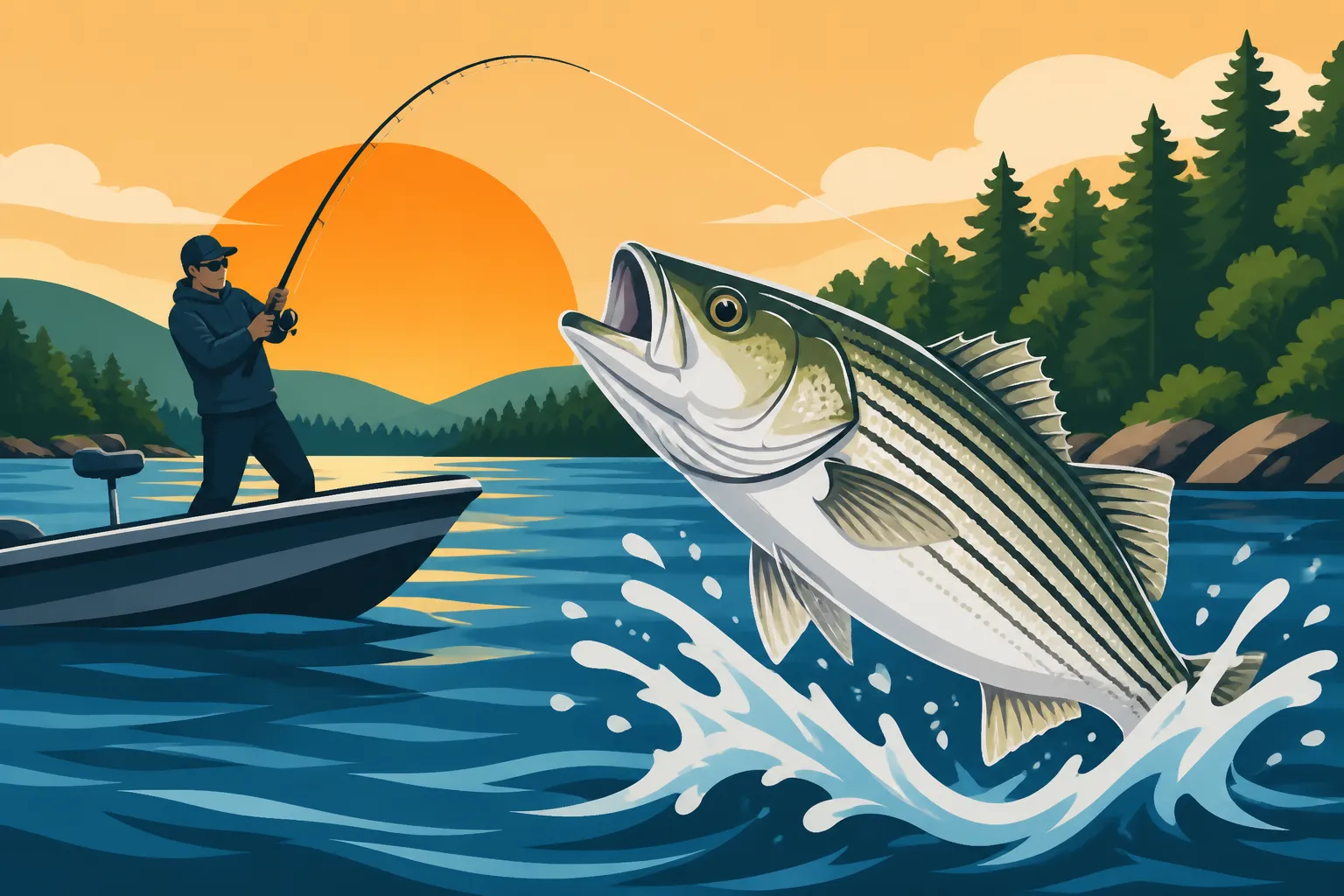
When that rod doubles over and your drag starts screaming, all those hours of searching melt away. The fight of a Lake Hamilton striper is legendary – they make powerful runs, dive deep, and test every piece of your tackle. Landing a big striper, especially a trophy-class fish, is an experience that stays with you forever. It’s a testament to your persistence, skill, and understanding of the lake, making every tough day worth it for that one unforgettable encounter. It’s a pursuit that truly embodies the spirit of angling.
The Life and Habits of Lake Hamilton Stripers
To consistently catch striped bass on Lake Hamilton, you need to think like a striper. Understanding their behavior, what they eat, and how they react to environmental changes is paramount. These are schooling fish, driven by their instincts to feed and find comfortable water, and knowing these basics will put you miles ahead of the competition.
Understanding Striper Behavior and Forage
Striped bass are pelagic predators, meaning they live in the open water column, constantly moving in pursuit of their next meal. Their primary diet in Lake Hamilton consists of gizzard shad and threadfin shad, which are abundant throughout the lake. Stripers will typically school up and herd these baitfish, driving them to the surface or pinning them against structures before attacking. This behavior is what creates those exciting "striper boils" that anglers dream of encountering.
Their movements are largely dictated by water temperature and oxygen levels. In the summer, as surface temperatures rise, stripers will descend to deeper, cooler, and more oxygenated water. They become more active during low light periods like dawn and dusk, or even at night, when they're less visible to their prey and don't have to contend with intense sunlight. Understanding these patterns is key to knowing when and where to present your offerings.
Key Indicators for Locating Stripers
Finding stripers on a big lake like Hamilton can feel like a daunting task, but there are several crucial indicators that seasoned anglers use to pinpoint their whereabouts. One of the most obvious signs is observing surface activity. Keep a keen eye out for flocks of diving birds, particularly gulls and terns, as they often congregate over schools of baitfish being driven to the surface by feeding stripers. This is your cue to move in quickly and cast into the commotion.
Beyond visual cues, your electronics are your best friend. A good fish finder is invaluable for identifying bait balls and the tell-tale arches of stripers below. Look for large schools of baitfish, often tightly packed, and pay attention to the depth at which the stripers are suspended. They'll often be just below or within the baitfish schools. Additionally, subtle changes in water temperature, current, or even fishing pressure can provide clues. Learning to "read the water" – observing wind, ripples, and even the behavior of other boats – can give you an edge in tracking these elusive fish.
Essential Gear for Lake Hamilton Striped Bass
Tackling Lake Hamilton stripers demands robust and reliable gear. These fish are powerful, and using undersized or flimsy equipment will only lead to heartbreak. Investing in the right rods, reels, lines, and lures is not just about catching fish; it's about being prepared for the intense fight a trophy striper will deliver.
Rods, Reels, and Line: The Foundation
For striped bass on Lake Hamilton, you'll want a medium-heavy to heavy action rod, typically between 7 and 8 feet in length. This gives you the power to cast heavy baits and lures, as well as the backbone to control a hard-fighting fish. Many anglers prefer a fiberglass or composite rod for its durability and parabolic bend, which helps absorb those powerful striper runs. For reels, a conventional baitcasting reel with a high line capacity and a smooth, strong drag system is often favored for trolling and live baiting. Spinning reels in the 4000-6000 size range can also be effective for casting lures, especially lighter ones.
When it comes to line, braided line is a popular choice due to its incredible strength-to-diameter ratio and lack of stretch, which provides excellent sensitivity. A 30 to 50-pound test braided line is a good starting point. Many anglers will add a fluorocarbon leader of 20 to 40-pound test to their braided main line. Fluorocarbon is nearly invisible underwater and offers good abrasion resistance, which is important when fishing around structure or sharp-toothed fish. You can find a wide selection of these essential items on platforms like Amazon, making it easy to get geared up for your next trip.
Lures and Baits: What Stripers Can't Resist
Stripers are opportunistic feeders, but they have distinct preferences. Live bait, especially threadfin or gizzard shad, is often the most effective. Anglers will typically net or cast for their own bait in the lake, or purchase it from local bait shops. If using live bait, a good bait tank with aeration is critical to keep your bait lively and healthy throughout the day.
When it comes to artificial lures, a variety of options work well:
- Spoons: Heavy jigging spoons or trolling spoons, mimicking dying baitfish, are incredibly effective, especially when stripers are holding deep.
- Swimbaits: Large soft plastic swimbaits, rigged on heavy jig heads, can imitate larger baitfish and attract aggressive strikes.
- Topwater Lures: During low-light conditions or when stripers are actively schooling on the surface, large walk-the-dog or popper-style topwater lures can create explosive strikes.
- Stick Baits/Jerkbaits: Long, slender jerkbaits can be deadly when retrieved with a twitch-pause retrieve, mimicking injured baitfish.
Experimentation is key, but always try to match the size and color of your lures to the prevalent baitfish in the lake. Remember that what works one day might not work the next, so having a diverse selection is always a smart move.
Electronics and Accessories
Modern fishing electronics are an absolute game-changer for striper fishing on Lake Hamilton. A high-quality fish finder with down imaging and side imaging capabilities can help you mark baitfish schools, individual stripers, and underwater structure that might otherwise go unnoticed. GPS is also invaluable for marking productive spots, navigating the lake, and following contour lines.
Beyond the core electronics, don't overlook essential accessories. A good set of polarized sunglasses will help you spot surface activity and read the water more effectively. A sturdy landing net with a wide hoop is crucial for safely landing large stripers. Pliers for hook removal, a good cooler for your catch, and comfortable, weather-appropriate clothing are all necessities. For those longer days on the water, a reliable marine cooler from a brand like Yeti or Igloo, which you can also find on Amazon, will keep your provisions and your catch fresh. Remember, preparation off the water often leads to success on the water.
| Gear Category | Recommended Item | Key Features for Striper Fishing |
|---|---|---|
| Rods | 7-8 ft Medium-Heavy to Heavy Action Rod | Power for casting heavy lures/bait, backbone for strong fish, good shock absorption for runs. |
| Reels | Conventional Baitcasting (high capacity) or Spinning (4000-6000) | Smooth, strong drag; high line capacity; robust construction. |
| Line | 30-50 lb Braided Line with 20-40 lb Fluorocarbon Leader | High strength-to-diameter, no stretch (braid); invisible, abrasion-resistant (fluoro). |
| Lures | Jigging Spoons, Large Swimbaits, Topwater Plugs, Jerkbaits | Mimic shad, trigger reaction strikes, match baitfish size/color. |
| Live Bait | Gizzard/Threadfin Shad | Often the most effective, requires a well-aerated bait tank. |
| Electronics | Fish Finder with Down/Side Imaging, GPS | Locates bait schools and stripers, identifies structure, aids navigation and waypoint marking. |
| Accessories | Polarized Sunglasses, Large Landing Net, Pliers, Cooler | Spot activity, safe landing, hook removal, keep catch fresh. |
Prime Fishing Techniques for Stripers on Lake Hamilton
Once you have your gear sorted and a basic understanding of striper behavior, it’s time to talk tactics. Striped bass on Lake Hamilton can be caught using a variety of methods, but some are consistently more effective than others, depending on the season and the fish's mood. Mastering these techniques will significantly improve your chances of success.
Trolling: Covering Water Effectively
Trolling is perhaps one of the most popular and effective methods for locating and catching stripers on Lake Hamilton, especially when the fish are scattered or holding deep. This technique allows you to cover vast expanses of water and present your baits or lures at precise depths. You'll typically use multiple rod setups, running different lines at various depths and distances behind the boat. Downriggers, planer boards, or simply lead core line can be used to achieve specific depths.
The key to successful trolling lies in finding the right speed and depth where the stripers are holding. Start by experimenting with different speeds, usually between 2 to 4 miles per hour, and observe your electronics to see where the bait and fish are. Large trolling spoons, deep-diving crankbaits, or even live bait behind a planer board can be highly effective. Pay close attention to your rod tips; a sudden dip or violent tug indicates a strike. Trolling is often the best way to locate active schools, and once you get a bite, you can circle back to that area to see if more fish are present. This method is explored in more detail in articles like Striped Bass Trolling Techniques.
Live Baiting: The Proven Method
When stripers are being finicky, or you're targeting truly large trophy fish, live bait is often the most reliable option. As mentioned, gizzard and threadfin shad are the preferred choice, but sometimes large shiners or even small bluegill can work. You can present live bait in several ways:
- Free-lining: Simply let the bait swim naturally with a hook through its nose or back, using little to no weight. This works best when stripers are near the surface or suspending.
- Balloon fishing: Attach a balloon to your line at a predetermined depth, allowing your live bait to swim at that specific depth away from the boat, covering more area without sinking too deep.
- Downlining: Use a heavy sinker to get your live bait down to where the stripers are holding in deeper water, often directly over or inside a bait ball. This is highly effective in the summer months.
- Kentucky Rig: A variation of downlining, where multiple hooks and baits are presented at different depths, increasing your chances of a strike.
Keeping your live bait healthy is crucial; stressed or dying bait won't attract stripers. A well-maintained bait tank is non-negotiable. Live baiting requires patience, but when a big striper engulfs your offering, the reward is immense. For more general advice on what to put on the hook, check out Best Bait for Striped Bass in Arkansas.
Jigging and Casting: Active Approaches
While trolling and live baiting are often about covering water and letting the fish find your offering, jigging and casting are more active and reactive techniques, particularly effective when you've located a school of stripers.
- Jigging: When you mark a school of stripers on your fish finder, especially if they are suspended in deep water, vertical jigging with heavy spoons or large soft plastic paddle tail jigs can be deadly. Drop your lure down to the fish's depth and use sharp lifts and drops of the rod tip to make the lure dart and flutter like a wounded baitfish. Often, the strike will come on the fall.
- Casting: If stripers are actively busting bait on the surface (a "boil"), casting is your go-to. Fire a topwater plug, a swimbait, or a fast-sinking jig into the commotion. The key is to get your lure into the feeding zone quickly before the school disappears. Similarly, casting to main lake points, humps, or submerged timber can entice opportunistic stripers holding tight to structure, particularly during lower light periods. For general insights into catching these powerful fish, consider reading Trophy Striped Bass Fishing in Arkansas.
Seasonal Strategies for Success
Striped bass behavior on Lake Hamilton changes dramatically with the seasons, primarily driven by water temperature and baitfish movements. A successful angler understands these seasonal shifts and adapts their techniques accordingly. What works in spring won't necessarily work in summer, and vice versa.
Spring: The Warming Waters
As the lake begins to warm in spring, usually from March through May, stripers become more active and can be found shallower than in the colder months. They will follow schools of baitfish into coves and along main lake points where the water warms up faster. This is often an excellent time for casting lures, as stripers are more willing to chase.
Look for stripers in the upper third of the water column, especially early in the morning or late in the afternoon. Trolling with medium-diving crankbaits or spoons can be effective, as can casting swimbaits or larger jerkbaits toward points and along visible creek channels. Live bait, free-lined or under a balloon, can also be very productive as the stripers become more aggressive with rising temperatures. This is often a fantastic time to connect with good numbers of fish as they emerge from their winter lethargy.
Summer: Deep and Dark Tactics
Summer fishing on Lake Hamilton for stripers can be challenging, but it also offers opportunities for some of the biggest fish. As surface temperatures soar, stripers retreat to deeper, cooler, and more oxygenated water, often found in the main lake channels or near the dam. They will suspend over deep structure or in the thermocline, which is a layer of water where the temperature changes rapidly.
During summer, the most effective techniques shift towards deepwater presentations. Downlining live shad is extremely productive, as is deep trolling with heavy spoons or large umbrella rigs. Fishing at dawn, dusk, or even through the night becomes critical, as stripers will move shallower to feed under the cover of darkness. Many experienced anglers find Night Fishing Spots on Lake Hamilton particularly rewarding during the summer months when the heat subsides and the fish become more active. Using your fish finder to locate these deep-water schools and bait balls is absolutely essential.
Fall: The Feeding Frenzy
Fall is arguably one of the best times to fish for striped bass on Lake Hamilton. As water temperatures begin to cool, stripers become incredibly active, feeding aggressively to build up reserves for the coming winter. They will move back into shallower coves and creeks, chasing massive schools of baitfish. This period often sees incredible surface activity.
Look for schooling stripers busting bait on the surface, especially in the mornings and evenings. Topwater lures, large swimbaits, and fast-retrieved jerkbaits are all highly effective. Trolling remains a strong option, as does live baiting with shad. The fish are often fat, feisty, and willing to strike at a variety of presentations. This is the time to be on the water consistently, as you might run into multiple schools of actively feeding fish. Understanding general seasonal patterns, as outlined in guides like Arkansas Fishing Seasons Guide, will help you capitalize on these prime times.
Winter: Cold Water Opportunities
Winter fishing for stripers on Lake Hamilton presents its own unique set of challenges and rewards. While the activity slows down, the fish are still there, often congregated in large, tight schools. They typically hold in the deepest parts of the lake, near main lake channels and drop-offs, where the water temperature is most stable.
Vertical jigging with heavy spoons or large soft plastics can be very effective when you locate these deep schools. Slowly presented live bait, downlined directly into the fish, is also a go-to method. Patience is key, as bites might be less frequent but can often come from larger, more lethargic fish. While the cold weather might deter some anglers, those willing to brave the elements can be rewarded with some truly memorable catches. The fish might not fight as aggressively as they do in warmer water, but their sheer size can still provide an incredible challenge.
Navigating Lake Hamilton: Hot Spots and Access
Lake Hamilton is a large and complex body of water, and knowing where to start looking for stripers can make a huge difference. While stripers are nomadic, certain areas consistently hold baitfish and, consequently, stripers. Understanding access points is also crucial for a smooth fishing trip.
Key Areas to Target Stripers
While stripers can show up anywhere on Lake Hamilton, some areas are known for consistently holding fish or bait schools. The main lake channel is always a prime area, especially where it bends or crosses submerged humps and points. These features create current breaks and ambush points for stripers. Look for structure around these channels, like deep timber lines or rock piles, using your sonar.
Major creek arms that feed into the main lake, such as Little Mazarn Creek or Glazypeau Creek, are also excellent targets, particularly in spring and fall when stripers move shallower to feed on baitfish congregated there. The areas near the Lake Hamilton dam can also be productive, as the deep water and potential current attract both bait and stripers. Finally, keep an eye on underwater bridges and roadbeds, as these provide excellent structure in otherwise open water. For more specific insights into accessing the lake, you might find Boat Ramps on Lake Hamilton Near Hot Springs helpful.
Remember that stripers follow bait. If you find large schools of shad, stripers are likely not far behind. Focus your efforts on these high-probability areas, but always be prepared to move if the fish aren't cooperating. Persistence and adaptability are traits of a successful striper angler.
Boat Ramps and Public Access
Lake Hamilton offers numerous public and private boat ramps, providing ample access for anglers. The Hot Springs Public Boat Ramp is a popular choice, offering convenient access near the heart of the city. Other well-maintained ramps can be found in various state parks and resorts surrounding the lake.
When planning your trip, consider the size of your boat and the launching facilities. Larger boats may require deeper ramps. Always check local regulations regarding parking and launch fees. It's also wise to arrive early, especially on weekends, to secure a good spot. For those without a boat, bank fishing opportunities for stripers are limited due to their pelagic nature, but occasionally, stripers can be caught from docks or piers if they follow baitfish close to shore, especially during low light. However, for serious striper fishing, a boat is almost a necessity to effectively cover the vast waters of Lake Hamilton and chase down those elusive schools. Many local bait shops and marinas can provide up-to-date information on ramp conditions and fishing reports.
Disclaimer
This article is for general informational purposes only and does not constitute professional advice. Laws, prices and regulations vary by location and change over time. Consult a qualified professional for guidance on your specific situation.