Best Fishing Spots on the Caddo River, Arkansas
The Caddo River in Arkansas is an absolute gem, but if you've ever tried to plan a fishing trip there, you know how daunting it can be to figure out where to even start. With its winding curves, diverse depths, and numerous access points, simply deciding where to cast your line can feel like a bigger challenge than actually catching fish. This guide is designed to cut through that confusion, giving you the inside scoop on the best fishing spots along the Caddo, what to expect, and how to make your next trip unforgettable.
Exploring the Caddo River's Fishing Appeal and Unique Character
The Caddo River isn't just another body of water; it's a dynamic, free-flowing river system that carves its way through the beautiful Ouachita Mountains of Arkansas. For many anglers, myself included, it represents a perfect blend of scenic beauty and excellent fishing opportunities, particularly for smallmouth bass. However, its character changes along its length, influencing everything from the species you'll find to the techniques that work best.
The Undeniable Beauty and Why Anglers Love It
Stepping into the Caddo River feels like entering a different world. The water is often crystal clear, revealing the rocky bottom and the occasional flash of a fish. Towering trees line the banks, offering shade and a sense of tranquility that's hard to find on larger, busier lakes. It's truly a place where you can disconnect and immerse yourself in nature. Anglers are drawn to the Caddo not just for the fish, but for the entire experience – the gentle current, the chirping birds, and the chance to float leisurely downriver in a canoe or kayak, casting as you go. This river provides a serene backdrop that makes every catch feel like a bonus to an already perfect day. The healthy population of game fish, especially the feisty smallmouth, ensures that the fishing itself is just as rewarding as the scenery.
Understanding Water Flow and Its Impact on Fishing
One of the most critical aspects of fishing the Caddo River is understanding its water flow. As a free-flowing river, its levels and current speed are heavily influenced by rainfall. After a significant rain, the river can rise quickly, become muddy, and flow much faster, which often makes fishing incredibly challenging and sometimes even unsafe. Conversely, during dry spells, the water levels can drop, exposing more shoals and making some areas too shallow for boats.
Seasonality plays a huge role here. Spring often brings higher, faster water due to rain and snowmelt, which can spread fish out or push them into calmer eddies. Summer typically sees lower, clearer, and warmer water, concentrating fish in deeper pools and around current breaks. Fall offers a beautiful balance, with generally stable water levels and active fish as they feed heavily before winter. Always check current conditions before heading out. Local outfitters or online resources often provide up-to-date river levels. You might find guides on FishingBooker who specialize in different flow conditions, offering invaluable local knowledge. The varying flow creates different "sweet spots" throughout the year, meaning a prime location in spring might be a bust in late summer, and vice-versa. Adapting to these changes is key to consistent success.
Prime Access Points and Where to Cast Your Line
Finding the "best" spots on the Caddo River often comes down to knowing the access points and what each section of the river offers. Whether you prefer to wade, float in a canoe or kayak, or even use a small jon boat in certain areas, there are options for everyone. The beauty of the Caddo is that a short float or wade can take you to relatively untouched waters, away from the more easily accessible points.
Popular Public Access Points and Their Offerings
Several well-known public access points make getting onto the Caddo relatively easy. These spots are popular for a reason – they offer good river access, often with parking and sometimes even boat ramps suitable for small craft.
- Amity Access (Highway 84 Bridge): This is a very popular spot, especially for those looking to launch canoes or kayaks for a float trip downstream. The section around Amity offers a good mix of shallow riffles, deeper pools, and rocky structure that smallmouth bass love. It's a great starting point for a half-day or full-day float. You'll often see anglers wading here as well, especially during lower water. The access is pretty straightforward, but parking can get tight on busy weekends. If you're planning a trip, be sure to check the Arkansas Fishing Regulations Guide for specific rules in this area.
- Arkadelphia Access (Highway 8 Bridge): Further downstream, closer to Arkadelphia, the river widens a bit and the current generally slows. This section can be good for a mix of smallmouth, largemouth, and even some catfish. While still a beautiful area, it feels a bit less "mountain stream" than the upstream sections. It's often used for shorter floats or bank fishing.
- Daisy State Park Access: Located on Lake Greeson, which is fed by the Caddo River, this state park offers excellent facilities. While technically on the lake, the upper reaches of Lake Greeson where the Caddo flows in still retain a riverine feel and can be very productive. Here, you'll find boat ramps for larger boats, but smaller craft can also navigate the transition zones. It's a great option if you're bringing a family and want amenities, plus you have the option to fish both river and lake species.
- Lower Caddo Access (Near Caddo Valley): As the Caddo approaches the Ouachita River, it loses some of its rocky, clear-water characteristics and becomes more sluggish and often murkier, resembling a slow-moving lowland river. This section can be excellent for catfish and larger largemouth bass, especially in the deeper bends and logjams. While not the classic "Caddo River" experience, it offers a different type of fishing entirely.
Remember, popularity often means more fishing pressure. Early mornings or weekdays are your best bet at these spots if you want more solitude.
Hidden Gems and Wade Fishing Opportunities
While the public access points are convenient, some of the Caddo River's true "hidden gems" are found by exploring lesser-known spots or simply wading away from the crowds. The river is very wade-friendly in many sections, especially during lower water levels.
- Upstream from Amity: Many smaller county road crossings and undeveloped areas exist upstream from the main Amity access. These often require a bit more effort to reach – think pulling off a gravel road and walking a short trail – but they can reward you with pristine water and less pressured fish. Always be mindful of private property signs and respect landowners. These areas are fantastic for true wade fishing, allowing you to slowly work your way upstream or downstream, hitting every pocket and riffle. This is where you might find some of the larger, warier smallmouth.
- Mid-River Shoals and Pools: When floating the Caddo, don't just paddle through. Pay attention to the transitions between the shallow, fast-moving shoals and the deeper, slower pools. These transition zones, particularly where shoals drop into pools, are prime holding areas for smallmouth. Gravel bars and rocky outcrops within the river create current breaks and ambush points that fish utilize. These spots are often overlooked by those rushing downstream.
- The Area Around Glenwood: While not a "hidden" gem in the sense of being unknown, the stretches of river near Glenwood offer fantastic fishing. There are several spots where you can put in a canoe or kayak, and the fishing can be exceptional. Consider searching for local guides on FishingBooker specializing in this area; they often know these subtle, productive spots intimately. The article about Canoe and Fishing Access on the Caddo River would provide even more specific details for these locations. For those who enjoy fly fishing, the Caddo offers some fantastic opportunities, and learning Fly Fishing Techniques for Beginners could really enhance your experience here.
Wading requires appropriate footwear (wading boots with good ankle support are a must) and a good wading staff for stability. Always tell someone where you're going and when you expect to return, especially if exploring less-traveled areas.
| Access Point | Typical Water Condition | Primary Species | Best For | Notes |
|---|---|---|---|---|
| Amity (Hwy 84) | Mixed Riffles & Pools | Smallmouth Bass | Kayak/Canoe Floats, Wade Fishing | Popular, can be crowded. Excellent smallmouth habitat. |
| Arkadelphia (Hwy 8) | Wider, Slower Current | Smallmouth, Largemouth, Catfish | Shorter Floats, Bank Fishing | More accessible, closer to town. |
| Daisy State Park | Lake/River Transition | Largemouth, Crappie, Catfish | Boating, Family Trips, Amenities | On Lake Greeson, but upper river still accessible. |
| Upstream/Backroads | Clear, Rocky Riffles & Pockets | Smallmouth Bass | Wade Fishing, Remote Floats | Requires more effort, less pressure. Check private property. |
| Glenwood Area | Varied Riffles, Pools, Structure | Smallmouth, Spotted Bass | Kayak/Canoe Floats, Wade Fishing | Good balance of access and quality fishing. |
Targeting Fish Species and Mastering Techniques on the Caddo
The Caddo River is a diverse fishery, but its reputation largely hinges on one particular species. However, smart anglers know there's more to catch than just the river's most famous resident. Understanding what's biting and how to target them effectively will make your Caddo adventure much more fruitful.
Smallmouth Bass: The Caddo's Crown Jewel
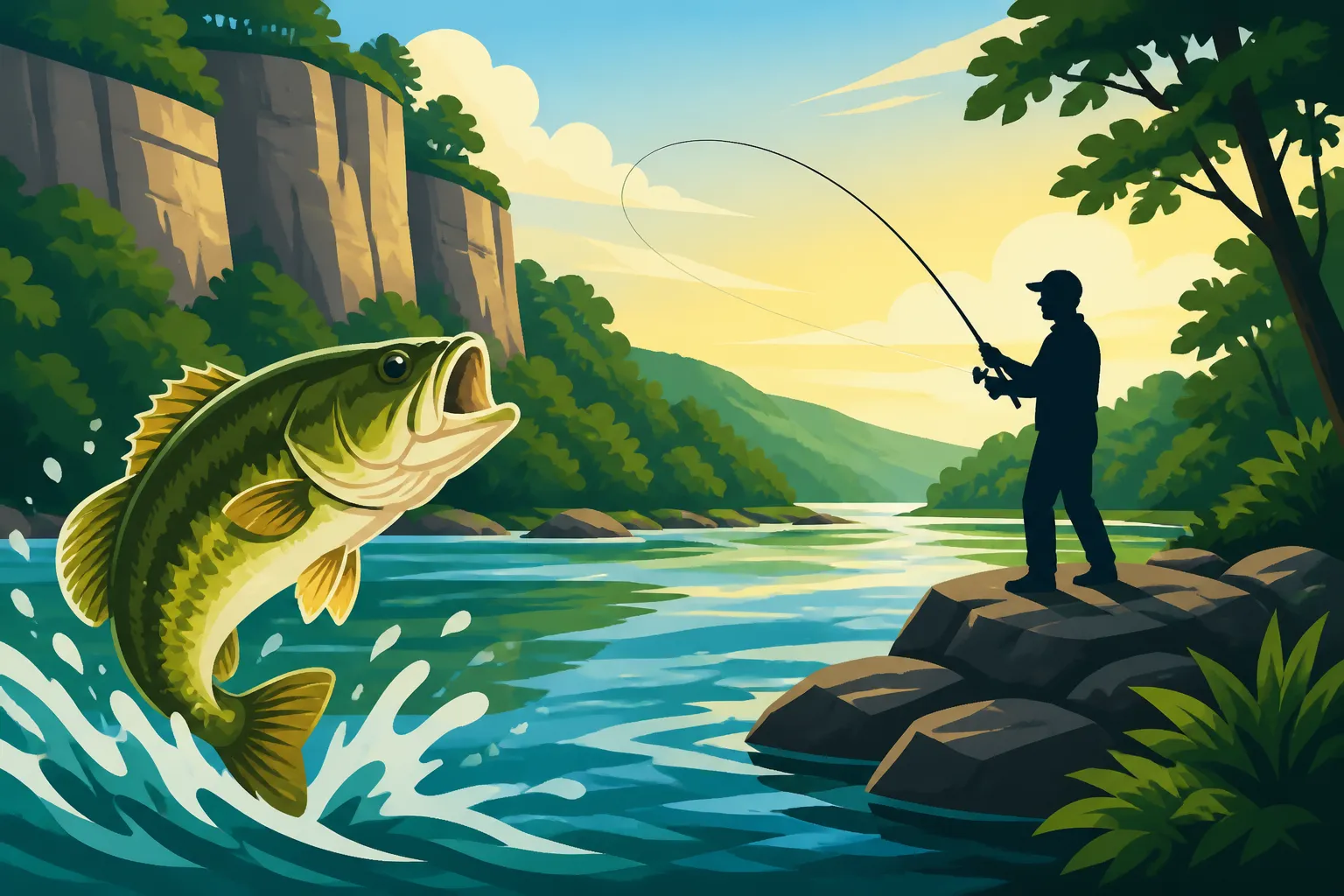
Ah, the smallmouth bass – the undisputed king of the Caddo River. These bronze beauties are known for their aggressive strikes and powerful fights, making them a top target for many anglers. They thrive in the Caddo's clear, rocky, moving water, preferring areas with current breaks, submerged boulders, logjams, and gravelly bottoms.
To successfully target smallmouth on the Caddo, think about what they eat. Crayfish are a huge part of their diet, so crayfish-imitating lures like small crankbaits (Wiggle Warts are a classic for a reason!), tube jigs, and soft plastic creatures fished on a shaky head or Texas rig are incredibly effective. Natural colors like brown, green pumpkin, and watermelon are usually your best bet. Small spinnerbaits and inline spinners (like a Rooster Tail or Panther Martin) also work wonders, especially when fished through riffles or along current edges. For those who love fly fishing, small crawfish patterns, woolly buggers, and poppers can be absolutely deadly.
The key is often to present your lure naturally with the current. Cast upstream or across current and allow your bait to drift naturally into likely holding spots. Smallmouth often hold on the downstream side of structure, waiting for food to wash by. Pay close attention to current seams, eddies behind boulders, and the deeper pockets at the end of shoals. Learning How to Find Smallmouth Bass in Arkansas will give you a significant edge. Don't forget to check the Smallmouth Bass Rules on Arkansas's Moving Waters Statewide to ensure you're compliant with regulations.
Beyond Smallmouth: Largemouth, Spotted Bass, and Panfish
While smallmouth get all the glory, the Caddo River also hosts a healthy population of other species that can provide excellent action, especially if the smallmouth are being finicky or you're fishing in different sections of the river.
- Largemouth Bass: As you move downstream, particularly towards the slower, deeper sections closer to Arkadelphia or the upper reaches of Lake Greeson, largemouth bass become more prevalent. These fish prefer slack water, submerged vegetation, and woody cover like fallen trees and brush piles. Spinnerbaits, Texas-rigged worms, frogs, and buzzbaits fished around these types of structure can be very effective. The Largemouth Bass Daily Limit in Arkansas still applies here, so keep that in mind.
- Spotted Bass (Kentucky Bass): Often confused with largemouth, spotted bass are another feisty species common in river systems. They often overlap with smallmouth habitats, favoring rocky areas and current, but can also be found in slightly slower water. They'll readily hit many of the same lures used for smallmouth and largemouth, making them a fun bonus catch.
- Catfish: Channel catfish and flathead catfish are abundant, especially in the deeper holes and slower stretches of the Caddo. These fish are often targeted using live bait (like worms, minnows, or cut bait) fished on the bottom. If you're looking for a relaxing evening of fishing, or want to stock the cooler, these bottom dwellers are a great option. Refer to Catfish Bottom Fishing Techniques for some proven strategies.
- Panfish (Bream, Bluegill, Sunfish): Don't overlook the joy of catching panfish, especially if you're introducing kids to fishing. These feisty little fish are plentiful throughout the Caddo, particularly in calmer backwaters and around any type of cover. Worms under a bobber are a classic and highly effective method, providing constant action for anglers of all ages.
Embracing the diversity of the Caddo means you can switch gears if one species isn't biting, ensuring a productive and enjoyable day on the water.
Effective Techniques for Caddo River Anglers
The Caddo River lends itself well to a variety of fishing techniques, but some are undoubtedly more effective than others given its unique environment.
- Float Fishing (Canoe/Kayak): This is arguably the most popular and effective way to fish the Caddo. Launching a canoe or kayak and slowly drifting downstream allows you to cover a lot of water while quietly approaching prime fishing spots. You can stop and work promising areas thoroughly. Make sure your craft is equipped with anchor poles or a drag chain to slow your drift in faster currents, allowing you to effectively present lures.
- Wade Fishing: For anglers who love the intimacy of a stream, wade fishing is fantastic. During lower water, you can cover miles of river on foot, carefully navigating the rocky bottom. It allows for precise presentations to specific structure and makes you feel truly connected to the river. Focus on stealth, as fish in clear water can be easily spooked.
- Casting and Retrieving: Whether you're floating or wading, casting accurately to structure is paramount. Pay attention to current breaks, submerged logs, large boulders, and undercut banks. Utilize a variety of retrieves – slow and steady for jigs, twitching for topwaters, or erratic for crankbaits – to see what the fish prefer on any given day.
- Fly Fishing: The clear water and abundant insect life make the Caddo an excellent river for fly fishing. Smallmouth will readily take dry flies, nymphs, and streamers. A 5 or 6-weight fly rod is usually perfect for handling the river's fish. If you're new to fly fishing, a guided trip can be an excellent way to learn the ropes and discover key patterns and locations.
No matter your preferred method, remember to adjust your approach based on water levels, clarity, and temperature. What works one day might not work the next, which is part of the fun and challenge of river fishing!
Planning Your Caddo River Adventure: Tips for Success
A successful fishing trip on the Caddo River involves more than just knowing where to go and what to throw. Proper preparation, safety awareness, and a strong sense of environmental stewardship are crucial for making the most of your adventure and preserving this beautiful resource for others.
Essential Gear and Safety Considerations
Heading out on a moving body of water like the Caddo requires some specific gear and a keen eye on safety. Don't let a lack of preparation turn a fantastic day into a frustrating or dangerous one.
- Rods and Reels: For smallmouth and other river species, a medium-light to medium-action spinning rod (6'6" to 7' long) paired with a 2500-sized spinning reel spooled with 6-10 lb test fluorocarbon or monofilament is ideal. This setup offers versatility for various lures and enough backbone to handle a fighting fish in current. For fly anglers, a 5 or 6-weight rod is perfect.
- Lures and Bait: As mentioned, crayfish imitations, tube jigs, small crankbaits, spinnerbaits, and soft plastics are go-to lures. Don't forget a selection of hooks (weedless options are helpful around cover) and sinkers. If you plan to target catfish or panfish, bring some worms or cut bait.
- Wading Gear: If you're wading, invest in good quality wading boots with felt or sticky rubber soles for traction on slippery rocks. A sturdy wading staff is a non-negotiable safety item, especially in faster currents or unfamiliar depths. Waders are also essential for comfort in cooler weather or if you plan on extended time in the water.
- PFDs (Personal Flotation Devices): This is non-negotiable for anyone on the water, whether in a boat, canoe, or kayak. Arkansas law requires all children 12 and under to wear a PFD when on a vessel, but it's smart for everyone to wear one, especially on a moving river. Even experienced boaters can find themselves in unexpected situations.
- Hydration and Sun Protection: The Arkansas sun can be intense, even on cloudy days. Bring plenty of water, wear a wide-brimmed hat, sunglasses, and use sunscreen generously.
- First-Aid Kit: A basic first-aid kit with bandages, antiseptic wipes, pain relievers, and any personal medications is always a good idea. Fishing hooks, scrapes from rocks, and insect bites are common minor issues.
- Communication: Cell service can be spotty in some remote areas of the Caddo. Consider a satellite messenger device if you plan on venturing far off the beaten path. Always let someone know your float plan and expected return time.
Checking the weather forecast is paramount. Thunderstorms can pop up quickly and bring dangerous lightning and flash floods. Knowing Arkansas Fishing Seasons Guide can also help you prepare for expected weather patterns.
Navigating the Caddo and Respecting the Environment
The Caddo River is a truly special place, and it's up to all of us to keep it that way. Practicing responsible angling and environmental stewardship ensures that future generations can enjoy its beauty and bounty.
- Leave No Trace: Pack out everything you pack in, and if you see any trash, consider packing that out too. This includes fishing line, bait containers, and food wrappers. Litter detracts from the natural beauty and can harm wildlife.
- Respect Private Property: Much of the land along the Caddo River is privately owned. Always be aware of property lines and avoid trespassing. If you're not sure, assume it's private.
- Practice Catch and Release: While keeping some fish for a meal is part of the experience, especially for panfish or catfish, consider practicing catch and release for smallmouth bass and other trophy species. This helps maintain healthy fish populations. Handle fish carefully, minimize their time out of water, and release them gently.
- Know the Regulations: Before you head out, make sure you're familiar with the current Arkansas Fishing Regulations Guide, including size limits, daily limits, and any special regulations for the Caddo River or specific species. You'll also need a valid Arkansas Fishing License Rules and Costs if you're 16 or older. This ensures you're fishing legally and sustainably.
- Be Mindful of Others: The Caddo is popular for floating, swimming, and kayaking, not just fishing. Be courteous to other river users, give them space, and share the resource respectfully.
- Support Local: Consider patronizing local outfitters, guides, and businesses in towns like Amity or Glenwood. They often provide valuable local knowledge, gear, and shuttle services, and your support helps the communities that surround and protect the river. If you're struggling to find a spot, booking a local expert through a service like FishingBooker can sometimes connect you with hidden access points or insider tips.
By being prepared, respecting the river, and following regulations, you're not just ensuring a great fishing trip for yourself, but you're also contributing to the health and longevity of the Caddo River as a premier fishing destination.
Disclaimer
Please note that fishing conditions, regulations, and access points can change. Always consult the official Arkansas Game and Fish Commission website for the most current rules and information before planning your trip. This guide is for informational purposes only and should not replace official sources.